And yet.
The jackpot never landed.
There was no triumphant return to pre-2020 box-office glory. No champagne moment. No industry-wide exhale. The reset, it turned out, had not been delayed-it had been quietly downgraded, like an airline seat that still reaches the destination but no longer reclines.
“The reset had not been delayed-it had been quietly downgraded.”
Cinema did not bounce back. It recalibrated.
“Cinema did not bounce back. It recalibrated.”
Audiences returned the way polite guests test a swimming pool-one cautious toe at a time. They showed up for events that justified shoes, transport, and babysitters. They skipped the rest without guilt. Cinema, once a habit, has become an appointment-pencilled in carefully, rescheduled easily, and cancelled without apology. The mid-budget adult drama remains conspicuously absent, its chair pushed back, its wine glass untouched.
Complicating matters was an inconvenient truth: the world cinema returned to was not the one it left. Streaming had not paused respectfully while cinemas caught their breath. It had matured, consolidated, and in some cases swallowed entire studios whole. Cinema did not re-emerge into open space; it surfaced into a crowd. Streaming, having promised liberation, now resembles a family Christmas: everyone insists you must come to their house, and no one shares the leftovers.
“Streaming now resembles a family Christmas: everyone insists you must come to their house.”
What survived, then, were not simply cinemas, but certain kinds of cinemas. Those that understood themselves as destinations rather than delivery systems. Those that leaned into curation, atmosphere, personality. Those that grasped a hard truth: the screen alone is no longer the attraction. The experience must do some of the heavy lifting. The franchises arrived as instructed-enormous, impeccably groomed-carrying the unspoken expectation that they might also solve attendance, relevance, and perhaps the cost of popcorn.
Which brings us, unexpectedly, to Australia and New Zealand-two territories quietly undermining the idea that relevance must arrive at blockbuster scale.
In Australia, the arithmetic tells a story more restrained than once promised. The local box office was forecast to exceed a billion dollars in 2025; instead, it appears to have settled closer to $975 million. Australians still went to the movies-around 56 million admissions across the year-but the rhythm narrowed.
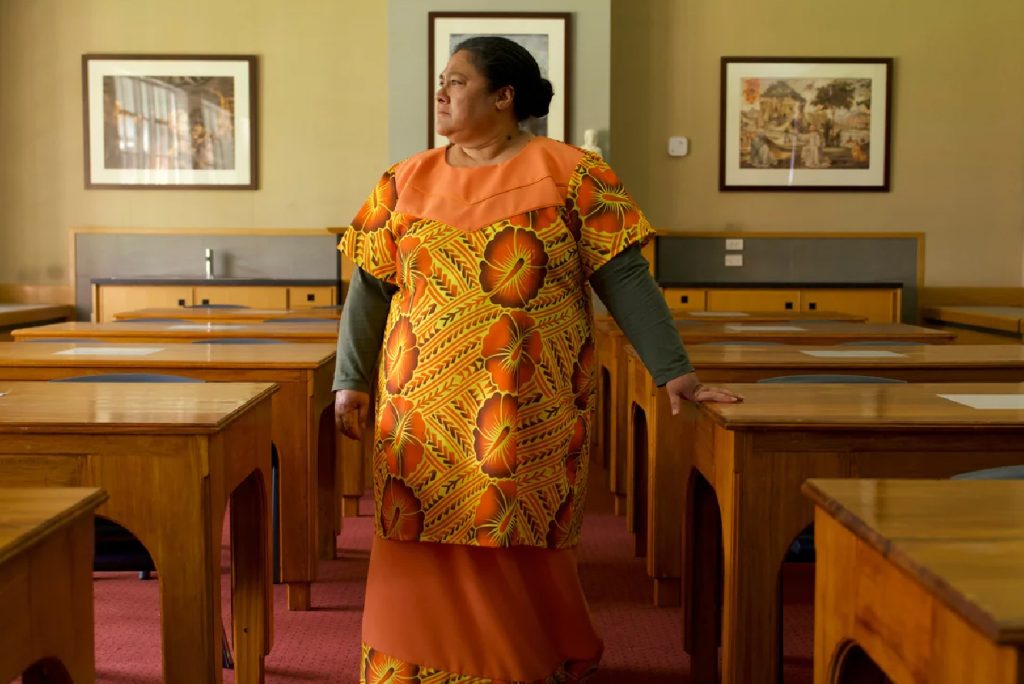
Across the Tasman, New Zealand’s total box office reached $165 million, with local films accounting for 6.4 per cent. For the first time since 2016, New Zealand films collectively grossed more than $10 million.
“For the first time since 2016, New Zealand films grossed more than $10 million.”