The Lovers Who Refused to Behave

One woman commissions a husband made of wicker; another falls into an 18-month affair with John Lennon. Together, these films expose love as unruly, improbable and impossible to keep respectable.

A fisherwoman orders a husband from a basketmaker. A young assistant finds herself in an affair with one of the most famous men on earth. Neither relationship would survive the scrutiny of respectable society, which has always regarded other people’s happiness as something requiring supervision.

Love, however, is a notoriously poor listener.

It arrives at inconvenient moments, makes fools of sensible people and has an extraordinary talent for turning the perfectly ordinary into the utterly ridiculous. Cinema, naturally, has been fascinated by this behaviour for more than a century.

Which brings us to two rather unlikely companions: Wicker, the gloriously eccentric opening-night film of this year’s British and Irish Film Festival, and The Lost Weekend: A Love Story, the intimate documentary about John Lennon and May Pang, now streaming on Rialto View.

One is a fantasy. The other is painfully real. Both concern people who discover that love seldom follows the instructions.

“Love has always been a notoriously poor listener, particularly when society insists on giving advice.”

A Husband Made to Order

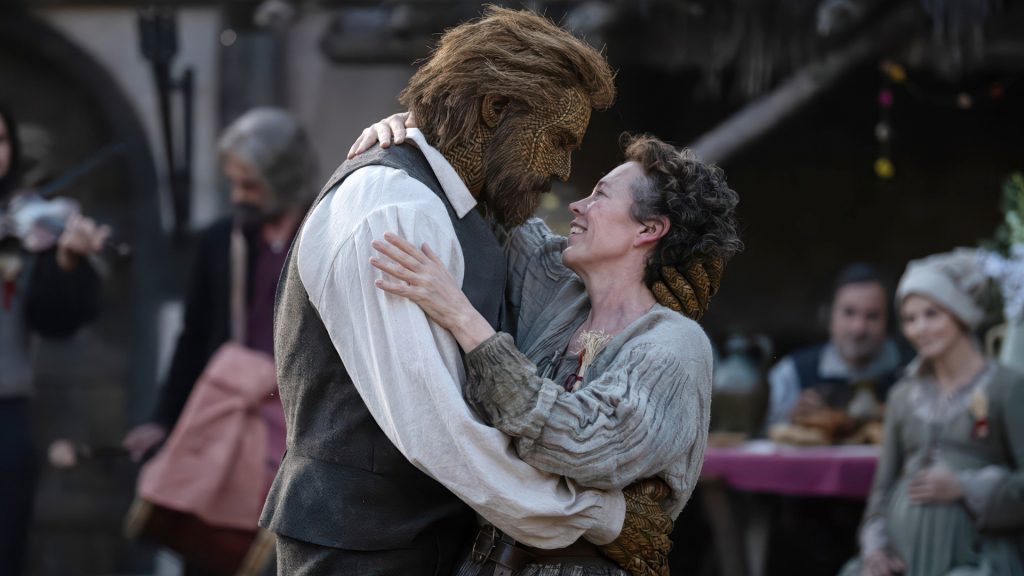
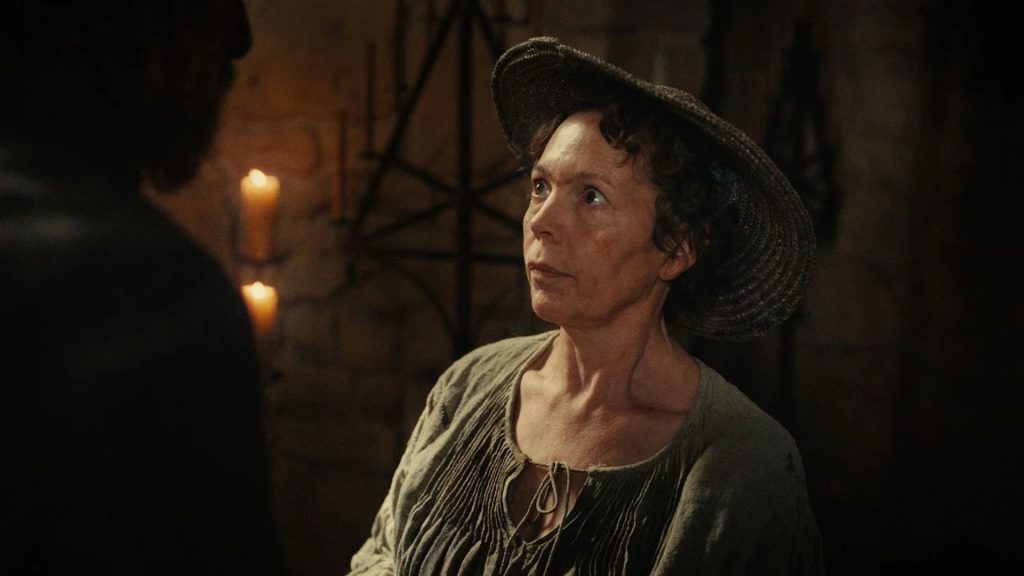
In Wicker, Olivia Colman plays a fisherwoman living in a seaside village where conformity is apparently more important than kindness. Unmarried and subjected to the casual cruelty of her neighbours, she decides to take matters into her own hands.

She commissions a husband from the local basketmaker, played by Peter Dinklage.

The finished gentleman, fashioned entirely from wicker, is Alexander Skarsgård.

One could certainly do worse.

What follows is an outrageous romantic fable about desire, jealousy and the extraordinary discomfort people experience when somebody else begins enjoying life on their own terms.

The villagers can tolerate their fisherwoman being lonely. Indeed, they seem positively delighted by it. But happiness, particularly happiness achieved without their permission, is another matter entirely.

Beneath its delicious absurdity, Wicker asks a rather uncomfortable question: who decides what makes a relationship acceptable?

Society has always had an answer. Unfortunately, it tends to change depending on who is doing the loving.

“Society can tolerate a lonely woman. It is a happy woman who causes all the trouble.”

Eighteen Months of Something Extraordinary

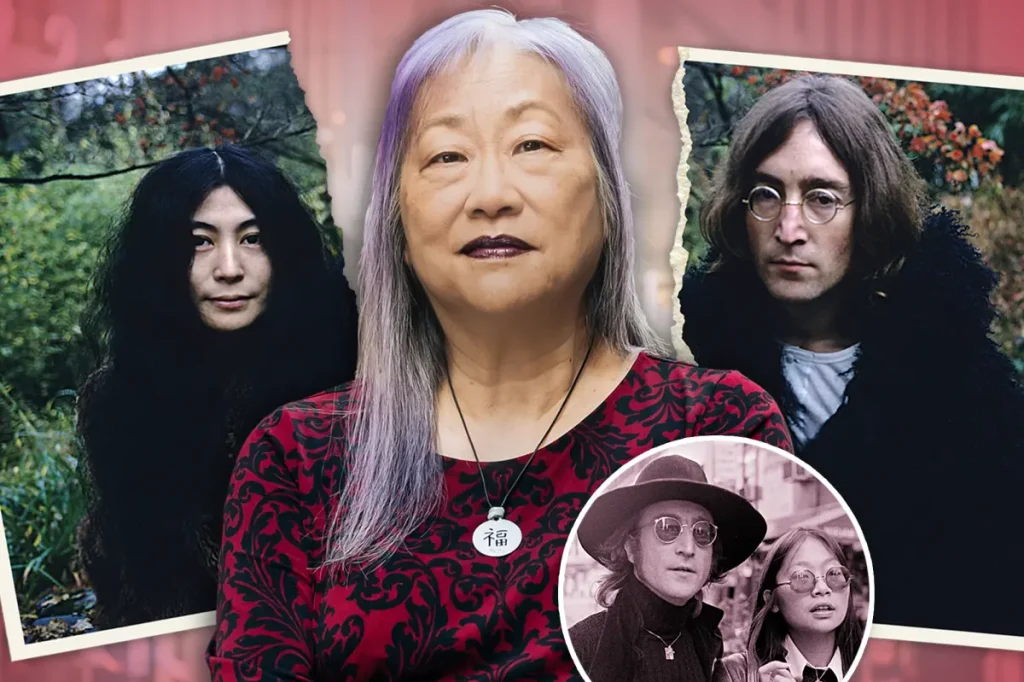
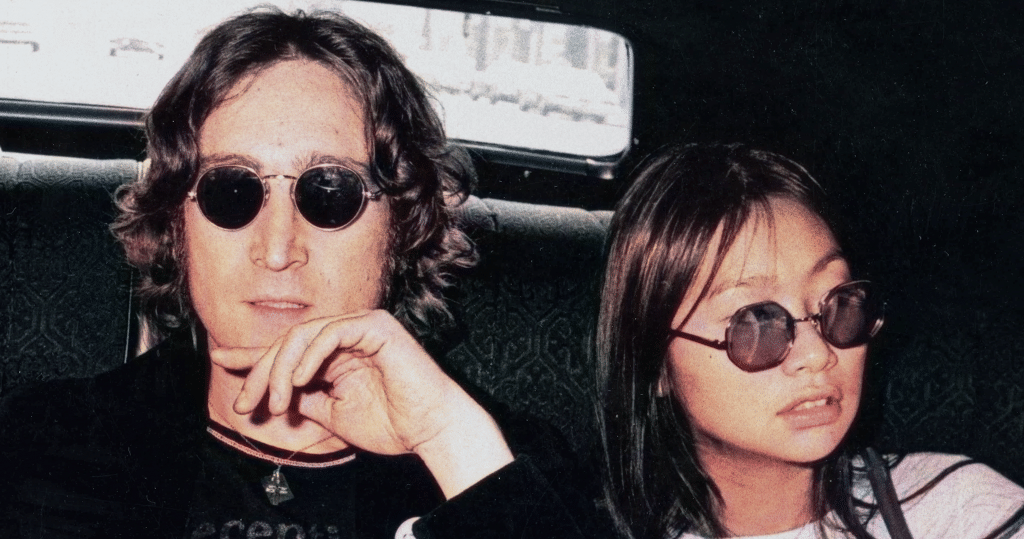
In 1973, John Lennon began an affair with May Pang, a young assistant working for Lennon and Yoko Ono. Remarkably, Ono had encouraged the relationship during a period of difficulty in their marriage.

What followed became known as Lennon’s Lost Weekend.

An eighteen-month weekend, which suggests either considerable stamina or a magnificent disregard for the calendar.

The documentary The Lost Weekend: A Love Story allows Pang to reclaim a remarkable chapter of her life, one too often reduced to a footnote in the Lennon mythology.

Through personal photographs, archival footage and intimate recollections, we encounter a Lennon far removed from the familiar image of the untouchable musical genius.

Here was a complicated man, capable of extraordinary tenderness and considerable emotional confusion. During their relationship, Pang helped him reconnect with his estranged son Julian, while Lennon experienced a creatively productive period.

But the documentary’s real revelation is Pang herself.

Young, impressionable and swept into an arrangement nobody could reasonably describe as conventional, she found herself loving a man whose heart, history and public identity were already entangled with somebody else’s.

There is something terribly moving about loving someone without knowing whether you will ever be allowed to keep them.

Yet Pang’s story is not simply about loss. It is about reclaiming her own place in a history written largely by others.


“Some love stories are remembered for the people who made history. Others deserve to be remembered for the people history forgot.”

The Beautiful Disorder of Love

What connects these two stories is not their eccentricity, but their refusal to accept that love must be respectable to be meaningful.

One woman creates the companion society has denied her. Another discovers intimacy inside an arrangement that society would struggle to understand.

Neither story offers the reassuring geometry of a conventional romance.

Perhaps that is precisely their attraction.

We are taught to measure love by its permanence, its propriety and its happy ending. But some relationships change our lives without lasting forever. Others make little sense to anybody except the people living them.

And perhaps they needn’t.

The heart has always been an extravagant, unreliable creature, spectacularly indifferent to good advice.

Still, one cannot help admiring its determination.

After all, a world in which everybody loved sensibly would be a much poorer place.

And an infinitely duller one.

“The great tragedy of love is not that it sometimes makes fools of us, but that we might one day become too sensible to let it.”

Discover the stories

Wicker – The opening-night film of the 2026 British and Irish Film Festival, starring Olivia Colman, Alexander Skarsgård and Peter Dinklage.

The Lost Weekend: A Love Story – May Pang reveals the intimate story of her extraordinary relationship with John Lennon. Now streaming on Rialto View.

Audio player cover
0:00 0:00