Survive Until 2025

For five years, cinema waited for a reset it believed the calendar would deliver.

Now, in 2026, the numbers are in, the dust has settled, and the truth is clearer – survival was never the finish line.

For five years, the cinema industry clung to a single phrase with the fervour of a nation queueing for a ticket to the largest Lotto draw in New Zealand history: Survive until 2025. It was repeated in boardrooms, muttered behind box-office counters, scribbled into funding applications with the quiet conviction that luck, at scale, might finally turn. Endure the pandemics, the strikes, the streaming wars, the sudden amnesia of audiences, and the numbers would come up. The calendar itself would intervene. The year would roll over and-jackpot-cinema would be back.

“Survive until 2025.”

Now it’s 2026, and the ticket has been checked.

On paper, last year should have paid out handsomely. The industry placed its bets on spectacle. Superman flew dutifully back into relevance. Avatar: Fire and Ash returned us to Pandora, still luminous, still convinced that blue people might redeem Western civilisation. Alongside them came a pleasing run of auteur-led hits-Sinners, One Battle After Another-films that spoke in human voices rather than franchise fonts. Quality was not the problem. Effort was not the problem.


 And yet.

The jackpot never landed.

There was no triumphant return to pre-2020 box-office glory. No champagne moment. No industry-wide exhale. The reset, it turned out, had not been delayed-it had been quietly downgraded, like an airline seat that still reaches the destination but no longer reclines.

“The reset had not been delayed-it had been quietly downgraded.”

Cinema did not bounce back. It recalibrated.

“Cinema did not bounce back. It recalibrated.”

Audiences returned the way polite guests test a swimming pool-one cautious toe at a time. They showed up for events that justified shoes, transport, and babysitters. They skipped the rest without guilt. Cinema, once a habit, has become an appointment-pencilled in carefully, rescheduled easily, and cancelled without apology. The mid-budget adult drama remains conspicuously absent, its chair pushed back, its wine glass untouched.

Complicating matters was an inconvenient truth: the world cinema returned to was not the one it left. Streaming had not paused respectfully while cinemas caught their breath. It had matured, consolidated, and in some cases swallowed entire studios whole. Cinema did not re-emerge into open space; it surfaced into a crowd. Streaming, having promised liberation, now resembles a family Christmas: everyone insists you must come to their house, and no one shares the leftovers.

“Streaming now resembles a family Christmas: everyone insists you must come to their house.”

What survived, then, were not simply cinemas, but certain kinds of cinemas. Those that understood themselves as destinations rather than delivery systems. Those that leaned into curation, atmosphere, personality. Those that grasped a hard truth: the screen alone is no longer the attraction. The experience must do some of the heavy lifting. The franchises arrived as instructed-enormous, impeccably groomed-carrying the unspoken expectation that they might also solve attendance, relevance, and perhaps the cost of popcorn.

Which brings us, unexpectedly, to Australia and New Zealand-two territories quietly undermining the idea that relevance must arrive at blockbuster scale.

In Australia, the arithmetic tells a story more restrained than once promised. The local box office was forecast to exceed a billion dollars in 2025; instead, it appears to have settled closer to $975 million. Australians still went to the movies-around 56 million admissions across the year-but the rhythm narrowed.

Across the Tasman, New Zealand’s total box office reached $165 million, with local films accounting for 6.4 per cent. For the first time since 2016, New Zealand films collectively grossed more than $10 million.

“For the first time since 2016, New Zealand films grossed more than $10 million.”

 

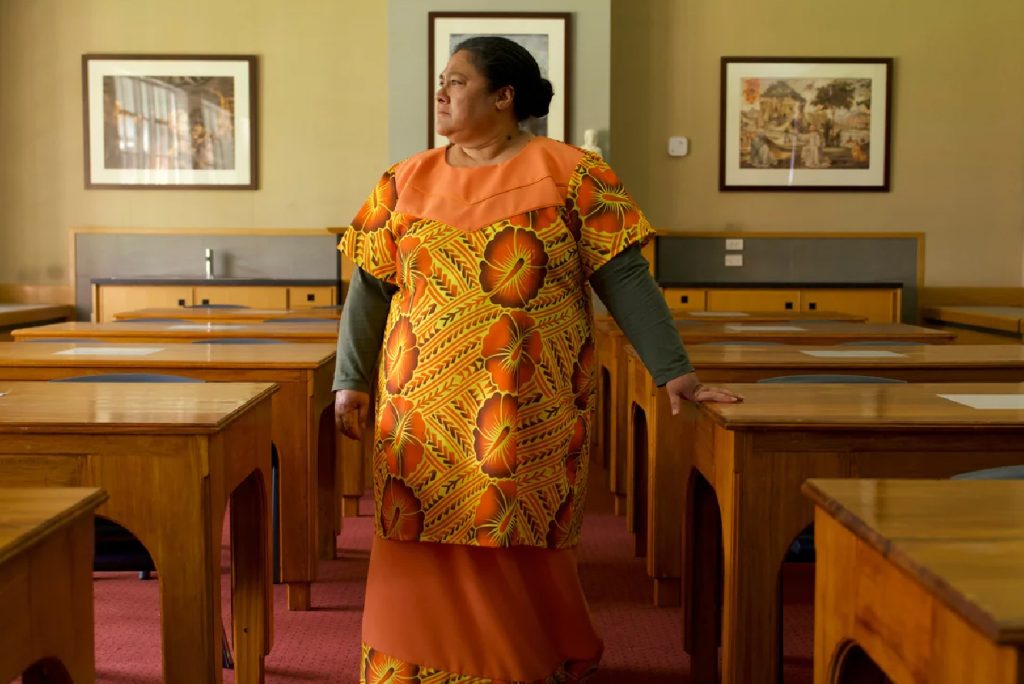
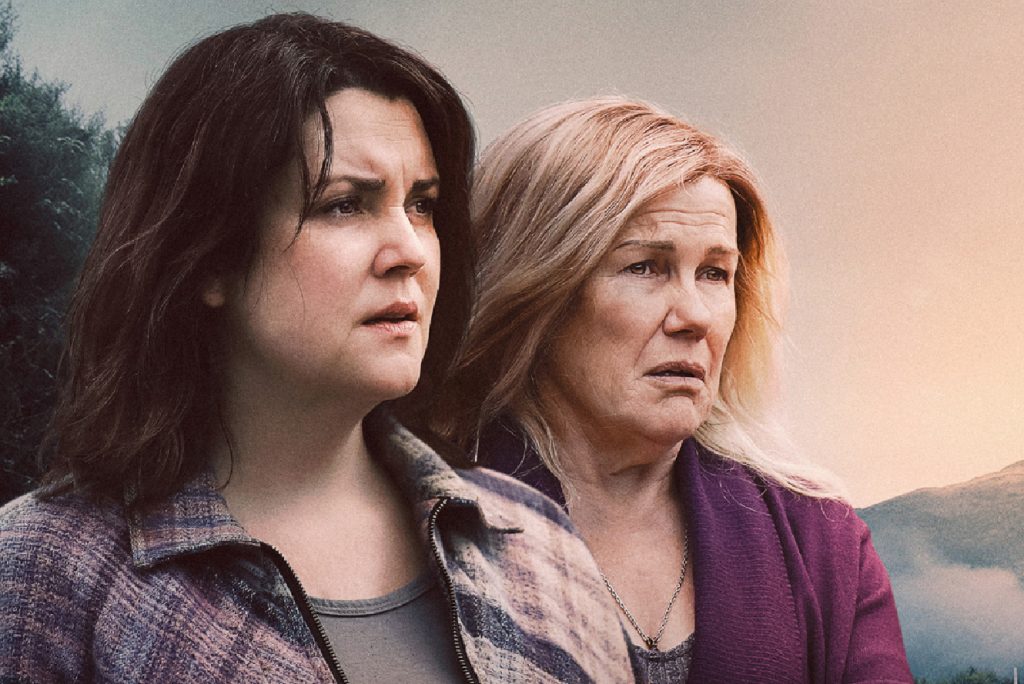
The charge was led by Tinā, whose $6.5 million run saw it hold the number-one position nationwide for five consecutive weeks, finishing the year as the third-highest-grossing film overall. Documentary, too, found its moment. Prime Minister crossed the $1 million mark, while Pike River followed with $1.43 million and approximately 90,000 admissions. Even the low-budget, self-released The Tavern outperformed films with budgets many times its size.

“Local cinema did not apologise for its scale. It trusted its voice.”

The volatility was unmistakable. Peaks arrived with franchise launches and school-holiday releases; troughs followed swiftly. Cinema did not re-emerge into open space; it surfaced into a crowd.

What united the most resilient films was not spectacle, but assurance. Accents remained intact. Landscapes were allowed to speak. Moral certainty gave way to curiosity. In an industry shaped by algorithms and sameness, local cinema found strength in resisting the urge to compete on foreign terms.

None of this rescued the box office. It was never going to. What it sustained instead was something more fragile, and more important: cinema as a local act. An occasion. A reason to gather.

So no, cinema did not reset.

Perhaps that was always the fantasy. We mistook time for strategy.

As 2026 unfolds, cinema is smaller, sharper, and strangely more itself. It is no longer everything. But when it works-when the lights dim and strangers settle into shared silence-it remains something vital.

“Not a miracle. But a future.”

– Roger Wyllie, View Mag

Audio player cover
0:00 0:00