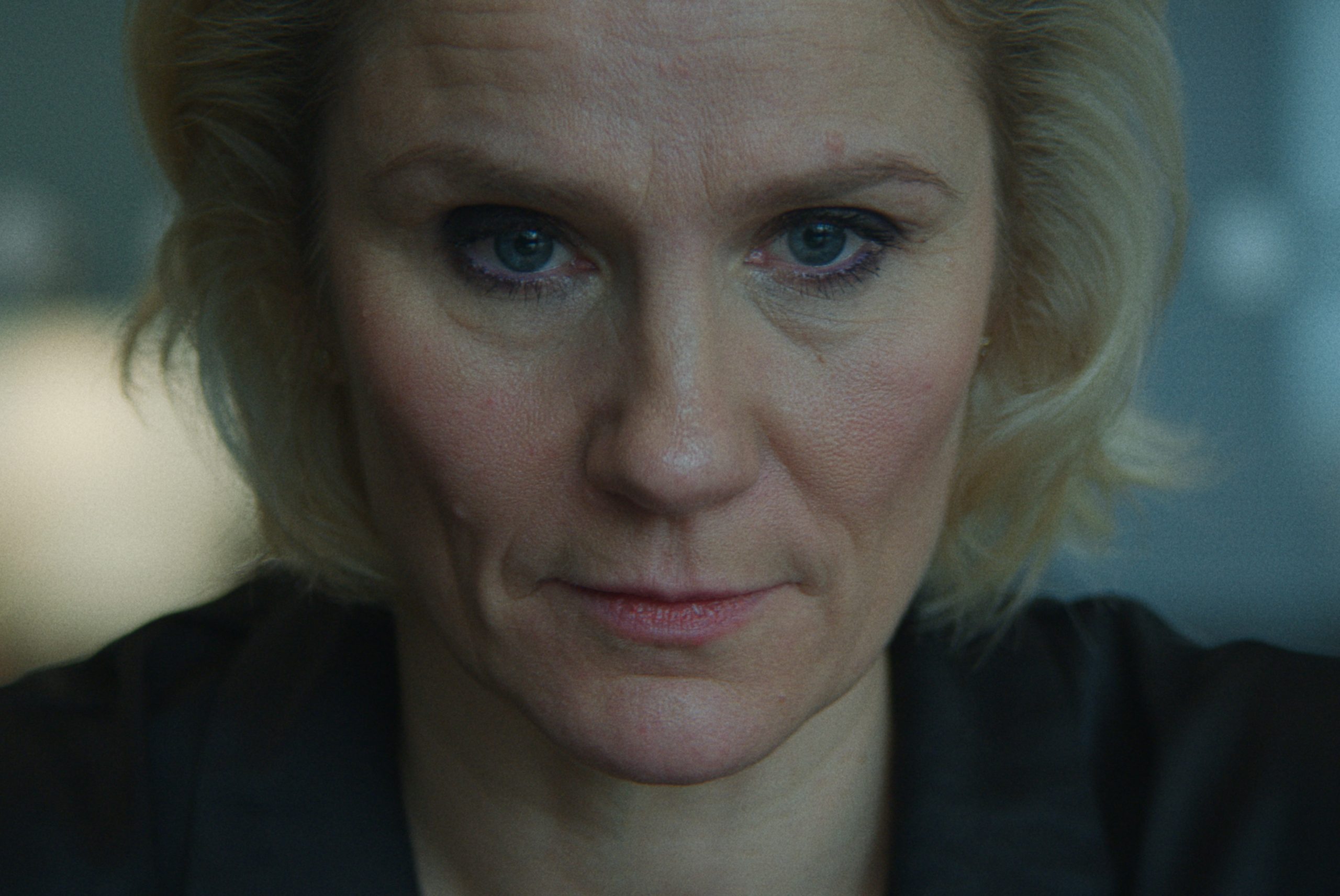
Glitter, frost & the making of a Queen
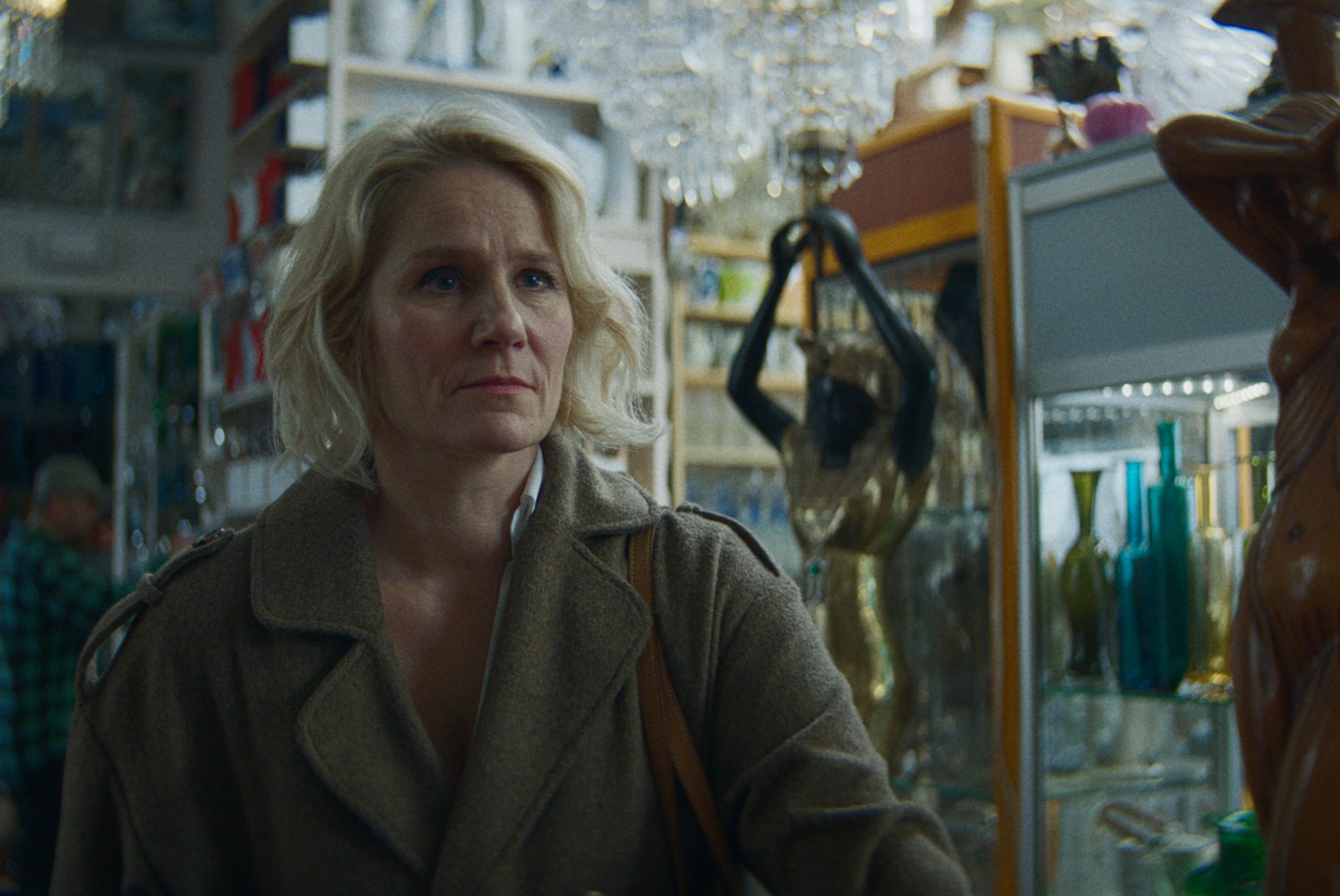
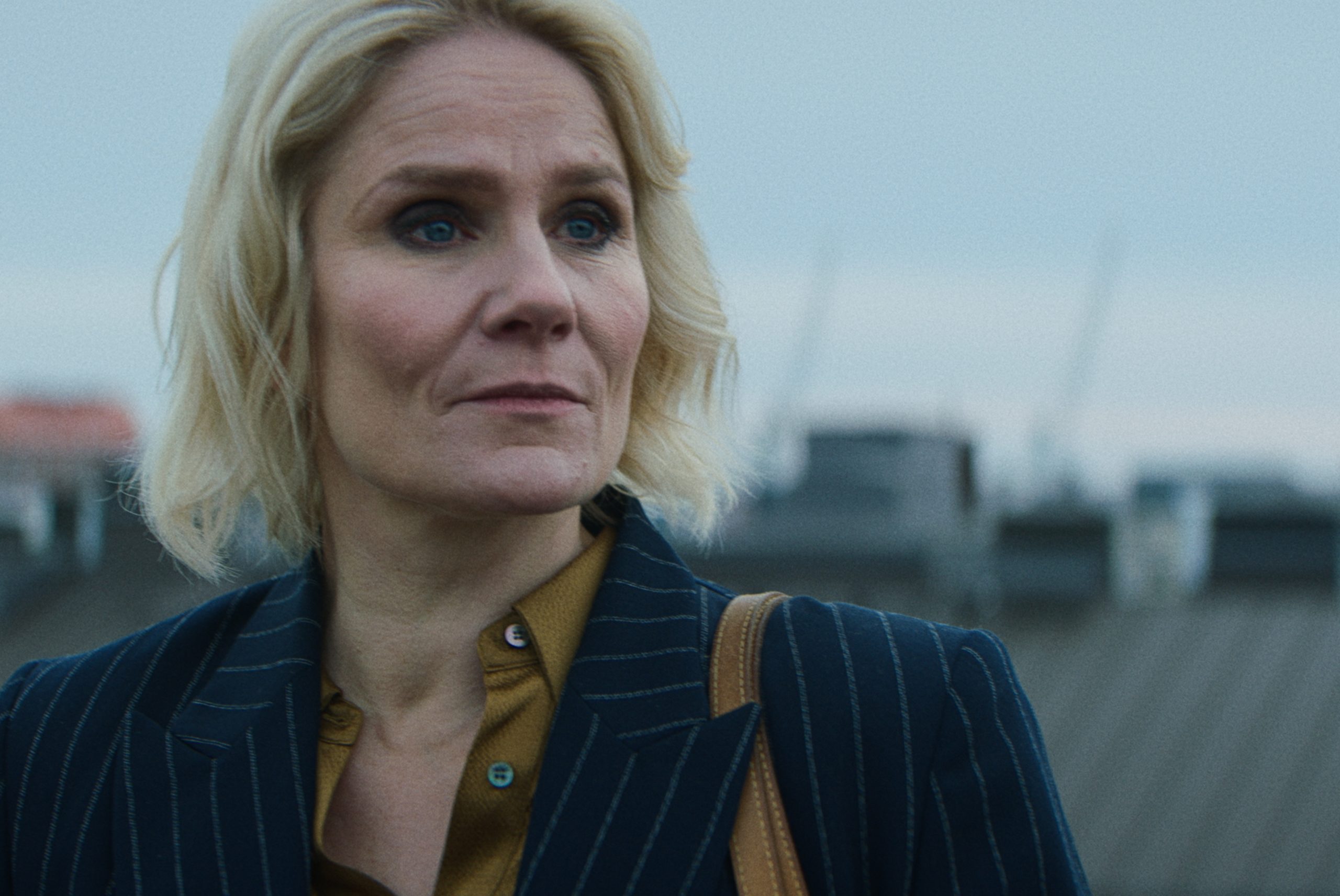
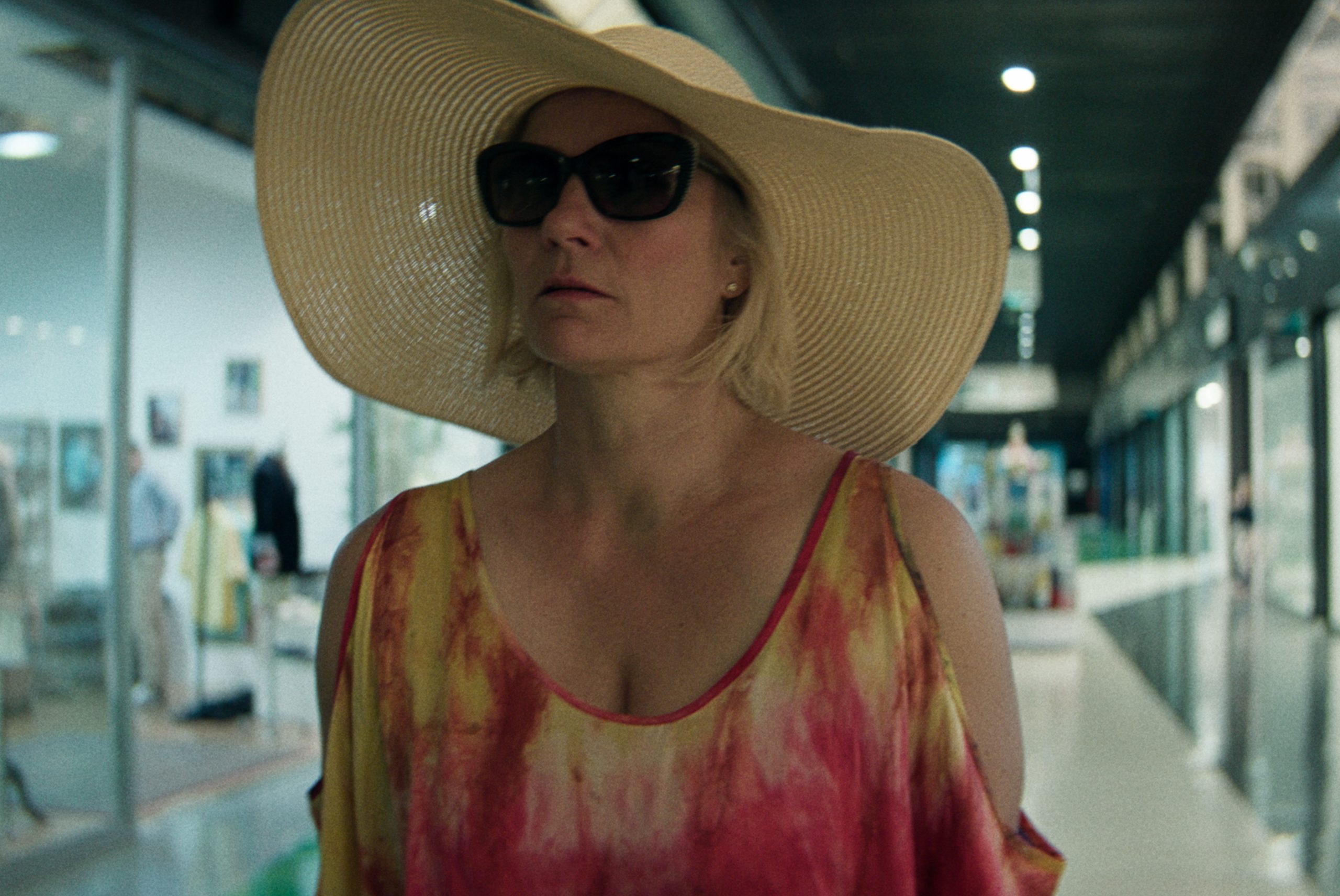
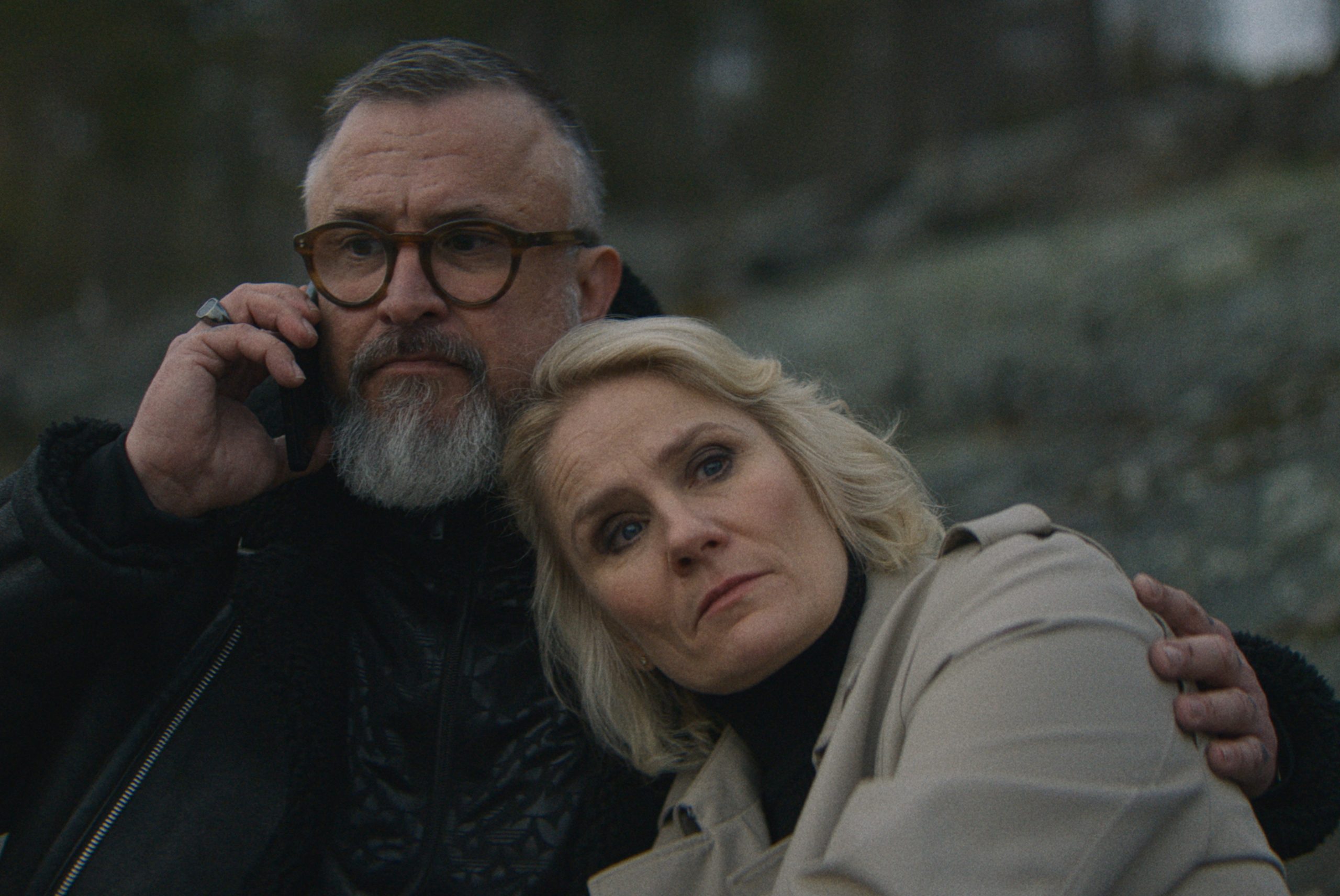
Every so often, a performance arrives that feels less like acting and more like a quiet detonation. Queen of F***king Everything was exactly that for me this year: a series that ambushed my senses with its icy glamour and moral vertigo, anchored by Laura Malmivaara’s mesmerising turn as Linda. Malmivaara, who once slipped between theology lectures and photography studios before finding her way to the screen, brings a startling, almost forensic honesty to a woman whose life implodes before she learns to rebuild it on her own terms. It was one of my television highlights of the year, and I suspect Kiwi audiences will feel the same delicious shock I did – that rare thrill of watching an actress meet a character at the very edge of survival, and step over it with absolute conviction.
“Perfection was Linda’s first lie and her favourite addiction.”
There is a peculiar electricity that surrounds Laura Malmivaara, a kind of quiet voltage. On screen she appears immaculate, almost glacial; in conversation she carries the same clarity, but with a warmth that sneaks up on you. In Queen of F**king Everything, she embodies Linda, a woman whose life cracks apart in a single morning and whose reconstruction is as dark as it is dazzling. When I ask Laura whether she sensed that fracture from the beginning, she nods with a knowing softness.
“Yes, it was there from the very start,” she says. “Linda’s story begins with that first break in the perfection of her life sometimes it was hard to believe she had ever truly lived under the illusion of a perfect life at all.”
Transformation, I suggest, is often a treacherous thing for an actor but Laura brushes this aside with the kind of directness Linda herself might envy.
“Shame terrified her more than crime ever could.”
“That part was easier for me,” she admits. “I’m someone who immediately starts solving things, taking action. Linda had no option but to keep up appearances; she’d sooner lie her way through life than live in shame. Playing her growth was incredibly satisfying. And Tiina Lymi’s vision made it easy to trust the arc completely.”
What surprised me most was how fiercely Laura defended a character who can be, at times, morally slippery. She doesn’t hesitate.
“She wasn’t abandoned; she was erased.”
“I absolutely defended Linda – even when she was questionable. She’d been betrayed, and not just left but left without love. Her hardness was the saddest thing about her; she always stood alone. I’ve never played someone so conflicted, and it was rewarding. The schedule was so demanding that I had to rely entirely on instinct. I just surrendered to whatever was happening to her.”
We speak of Helsinki – the city that holds so much of Linda’s unraveling – and Laura’s voice takes on a lyrical hush.
“Helsinki is a city of contradictions,” she says. “In summer there’s too much light; in winter almost none. It shapes us. You have to endure, you have to keep moving. Surviving the winter darkness is its own initiation.”
“We touched something raw, almost indecently true.”
And at the root of Linda’s flint-hearted survival – what, I ask, caused the original wound?
“Her mother,” Laura answers without pause. “Linda grew up in the shadow of an unforgiving woman. That leaves a mark. A stone tucked inside the heel of a high shoe.”
It’s astonishing how much of herself Laura recognised in Linda.
“The speed, the edges, the will to survive,” she says. “But the lovelessness – that I had to dig deeper for. I grew up in a safe, ordinary family. Luckily, I had an exceptional crew and cast around me. Even the toughest scenes were manageable when I could just throw myself into them. I was allowed to be lost and vulnerable too.”
There were moments on set that felt uncannily real, she admits – little pockets of truth among the spectacle.
“Power tilts the floor until you stand differently.”
“Standing above a dark street, biting into a cold potato. Sitting in icy water in the middle of the night. Speaking to a sleeping mother. In those strange, suspended moments, it felt like we were touching something true.”
Her own writing background shaped her approach.
Glitter, frost & the making of a Queen
“The beauty of this role was that it was so well written,” she smiles. “All I had to do was act – live inside the moments. I didn’t have to carry anything except myself. That was a gift.”
As Linda begins her rise into criminal power, something steadies inside her – and inside Laura too.
“I held myself together by literally standing upright more and more,” she explains. “I took my time, looked people in the eye. Power changes a person. The best part of acting is trusting your instincts. And trusting the director – that’s the most essential relationship. You have to know they’re holding the bigger picture.”
Before we part, I ask her what Linda, this wounded, ruthless survivor, taught her. Laura smiles – a small, private smile that seems to carry the entire arc of the series.
“Anything. A person who has been mistreated can surprise you. When there’s nothing left of the old life, you get the chance to build a new one.”