Mr Loverman (written by Nathaniel Price)

Director(s): Nathaniel Price
Country: United Kingdom
Actor(s): Lennie James, Sharon D, Ariyon Bakare

Written by Tom Augustine

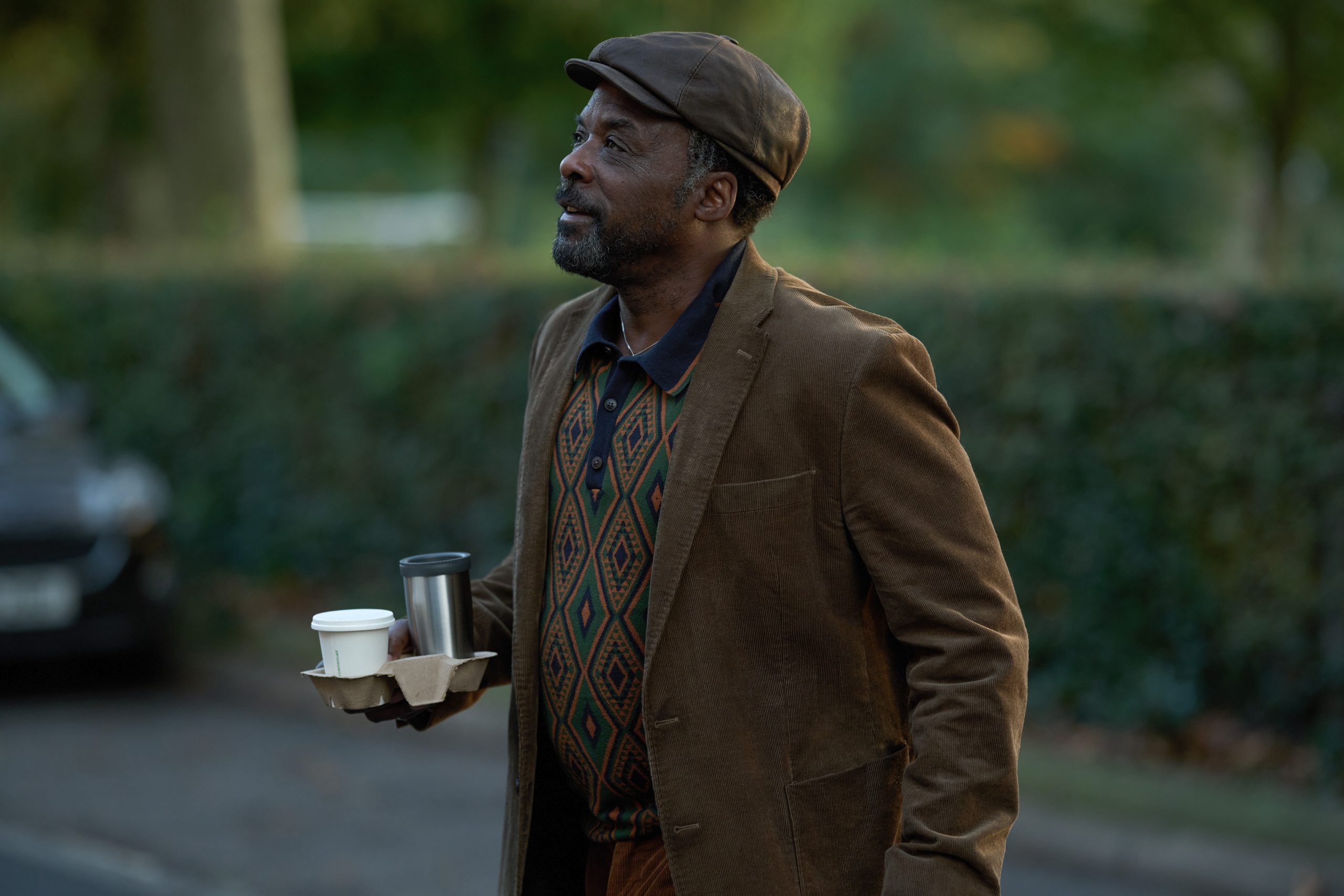
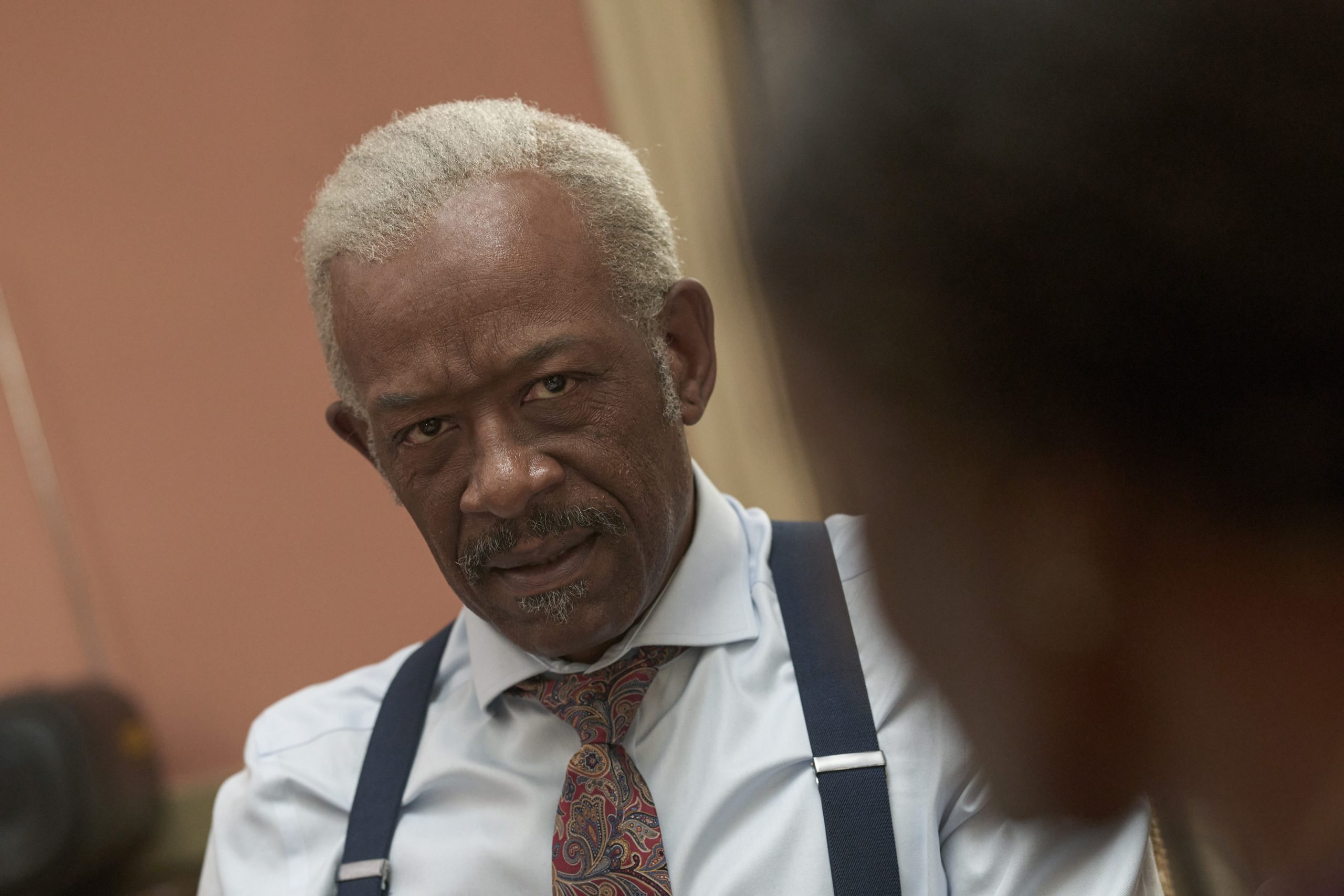
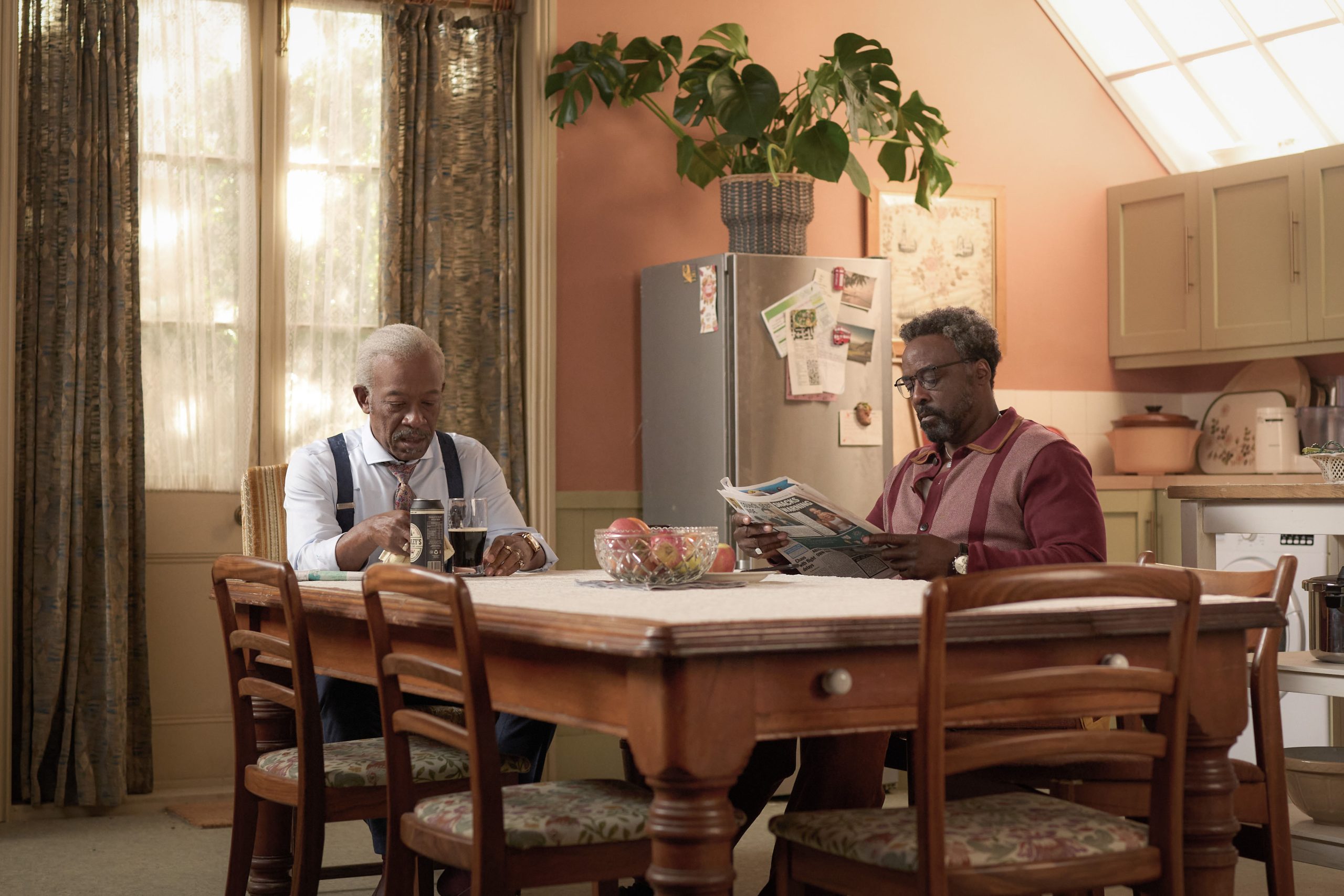
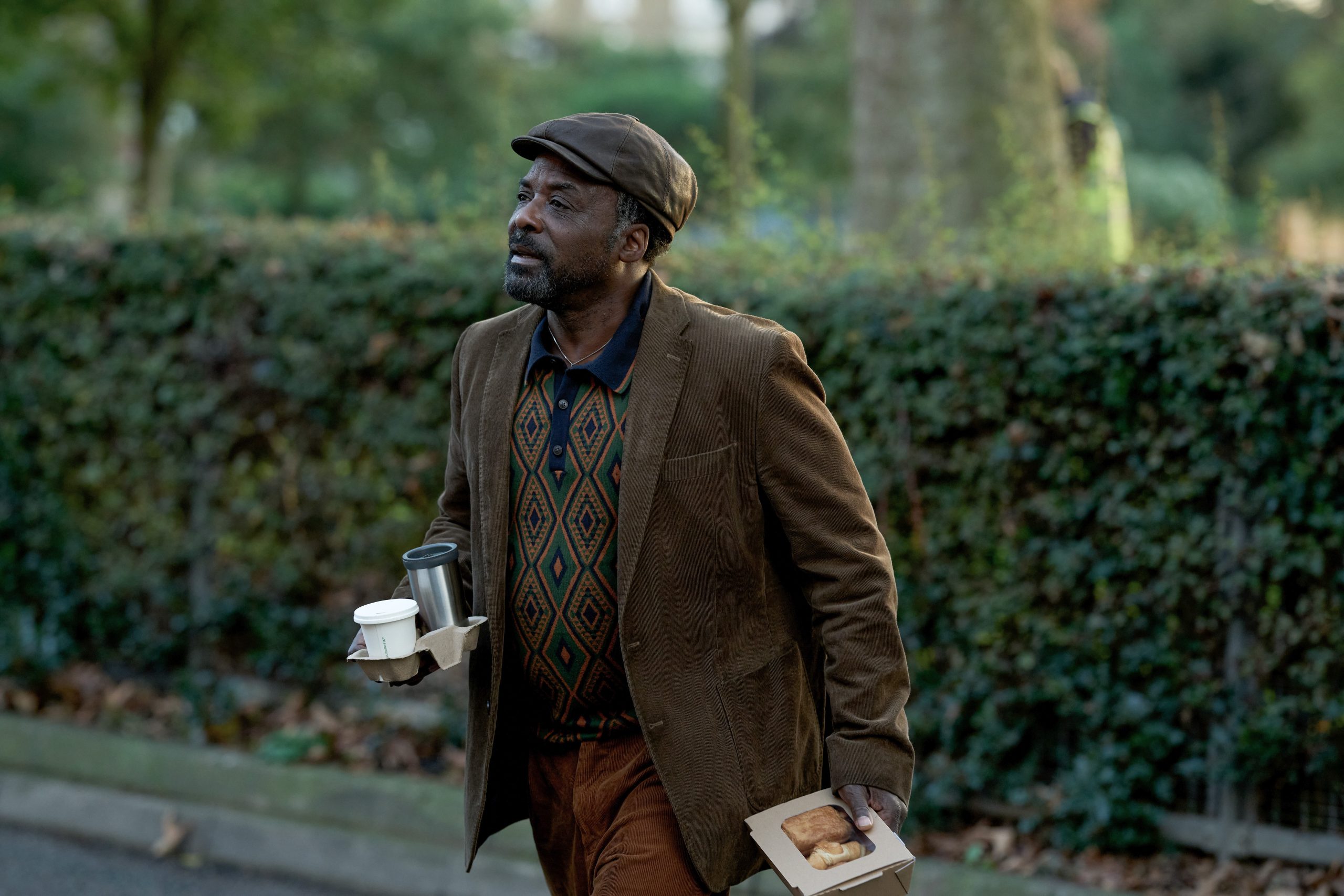
Lennie James has one of the most disarming smiles in show-business, the kind of smile that invites you to lean in, focus, and forget your troubles. It’s a smile we didn’t see much of during his tenure on The Walking Dead and Fear the Walking Dead, where his sage and tortured warrior-monk Morgan grappled stoically with the end of the world, quickly establishing himself as a fan favourite. Mr Loverman, the BAFTA-winning miniseries which finally awarded the perennially underappreciated James with some much-deserved recognition, knows the power of that smile and wields it in enlightening, frequently heartbreaking ways. Loverman, adapted from a novel by Bernadine Evaristo, has a strong literary sheen — its large ensemble are gifted nuanced roles, with characters trading meaty exchanges of dialogue — blending well with the modern-feeling trappings of a show that shines a light on an underrepresented community. The locale, dialect and adornments of these characters feel refreshingly new, but the undercurrents of the miniseries’ central, autumn-years love triangle would feel as at home within the dramas of Edith Wharton and Thomas Hardy as on an assuming suburban street in 2026 London. James’ recognisable, warm face is vital to the marrying of these two elements, the old and the new, his Barry a stylish, decadent dandy whose problems are brought to the fore because of the advent of ‘modern times’, but whose very presence and identity feel built from older stock. Frequently, watching the first two episodes of Mr Loverman, I thought of The Age of Innocence’s Newland Archer, a man at once beguiled by the liberation offered by changing attitudes and profoundly terrified of taking that step toward freedom for himself.

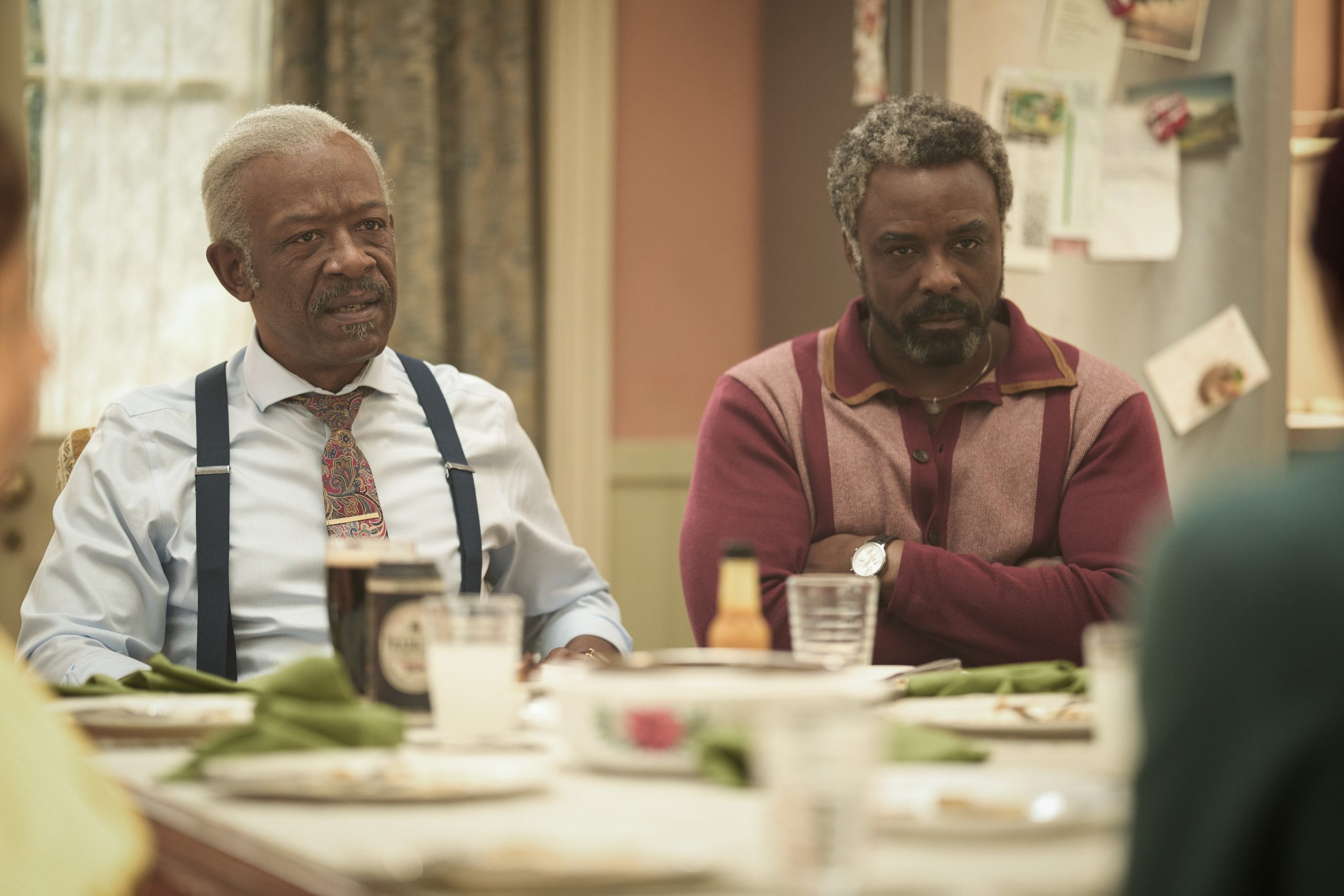
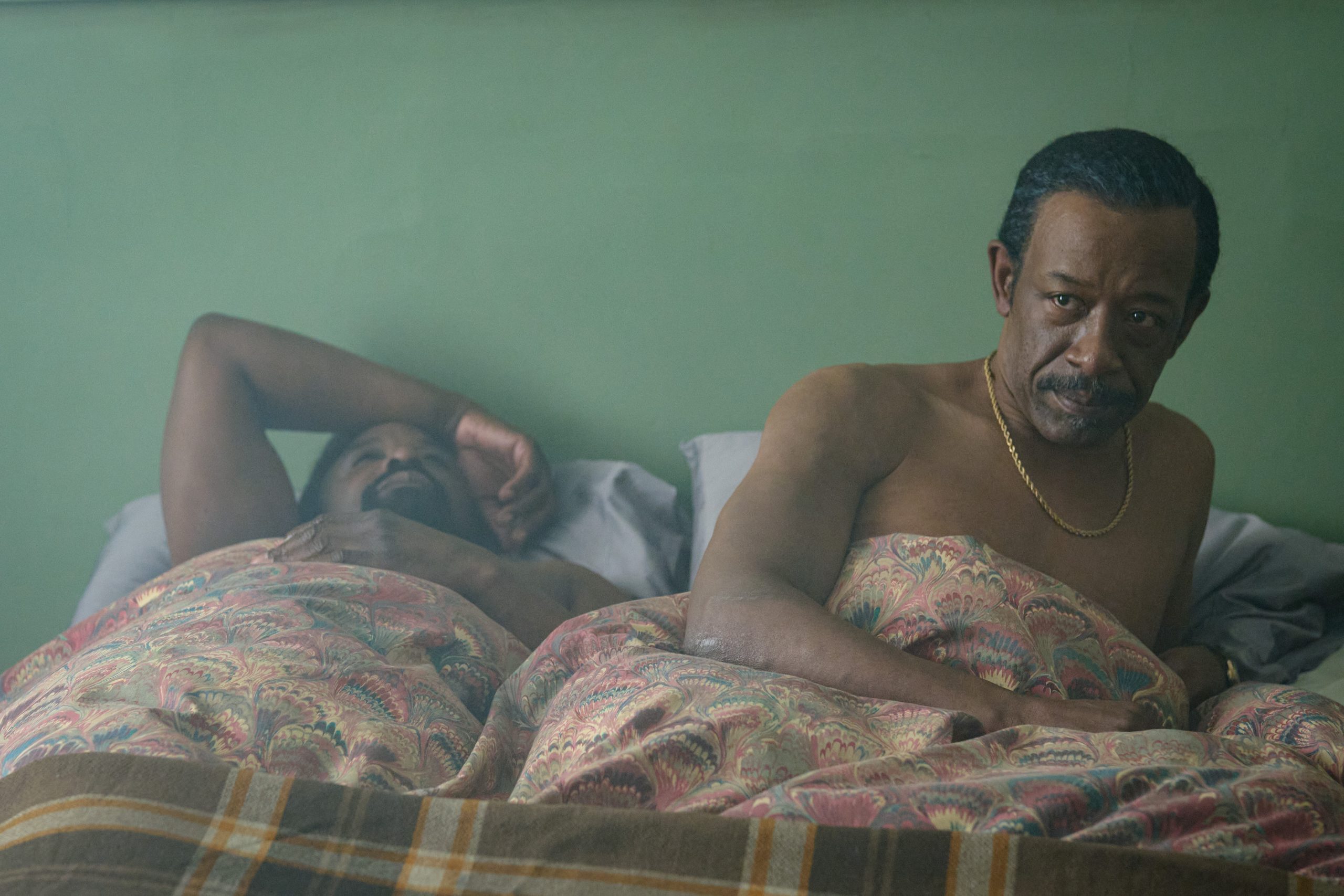
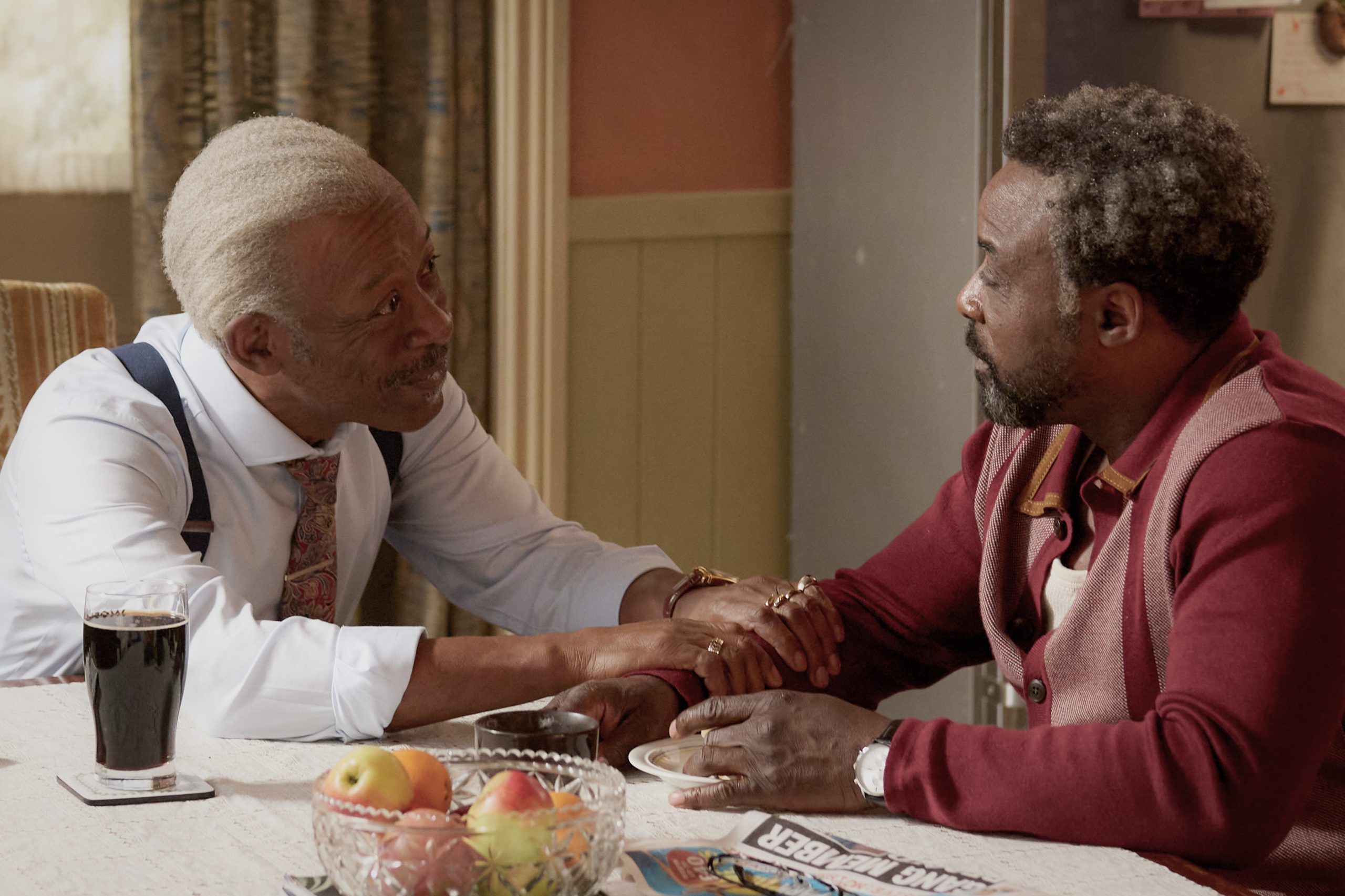
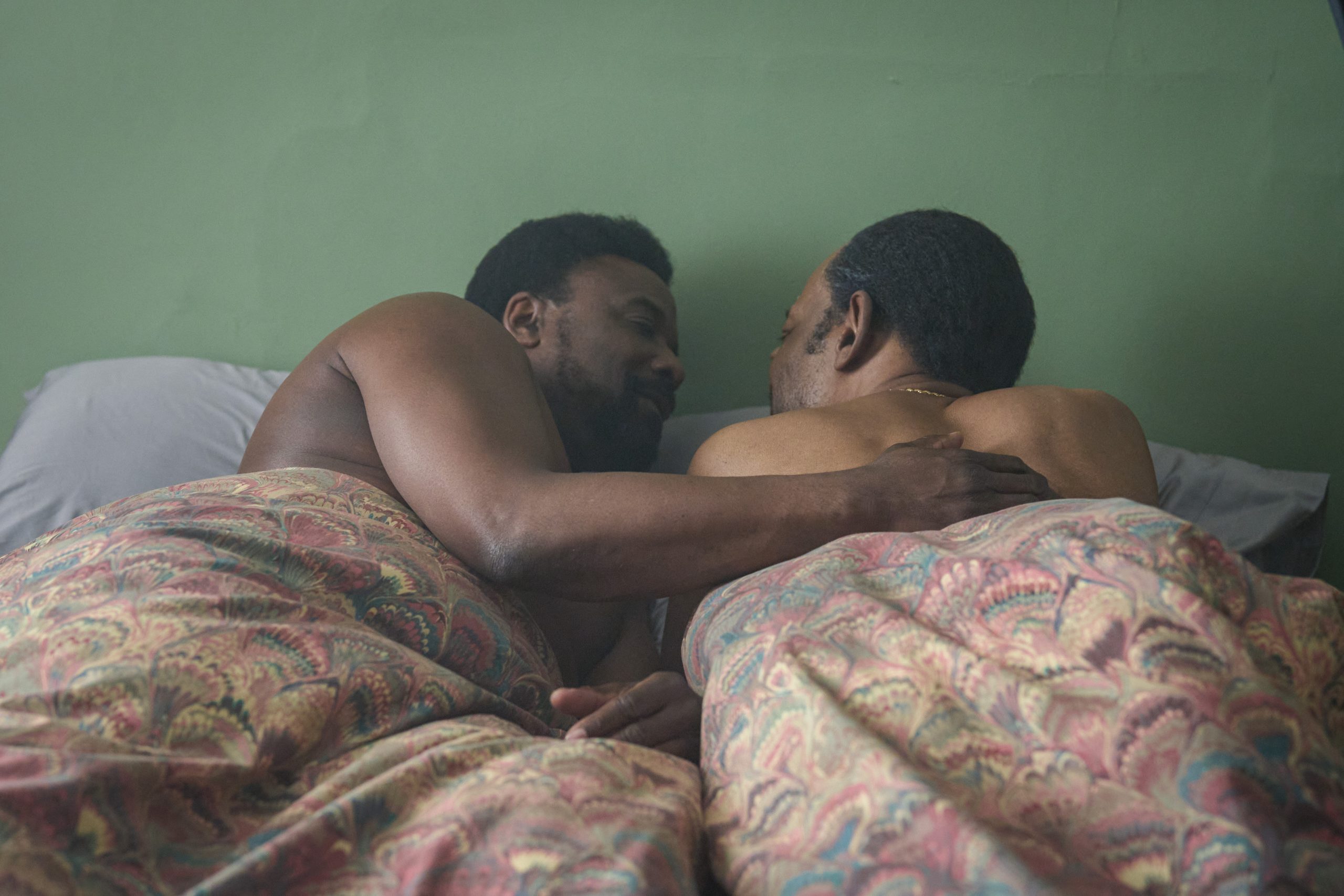
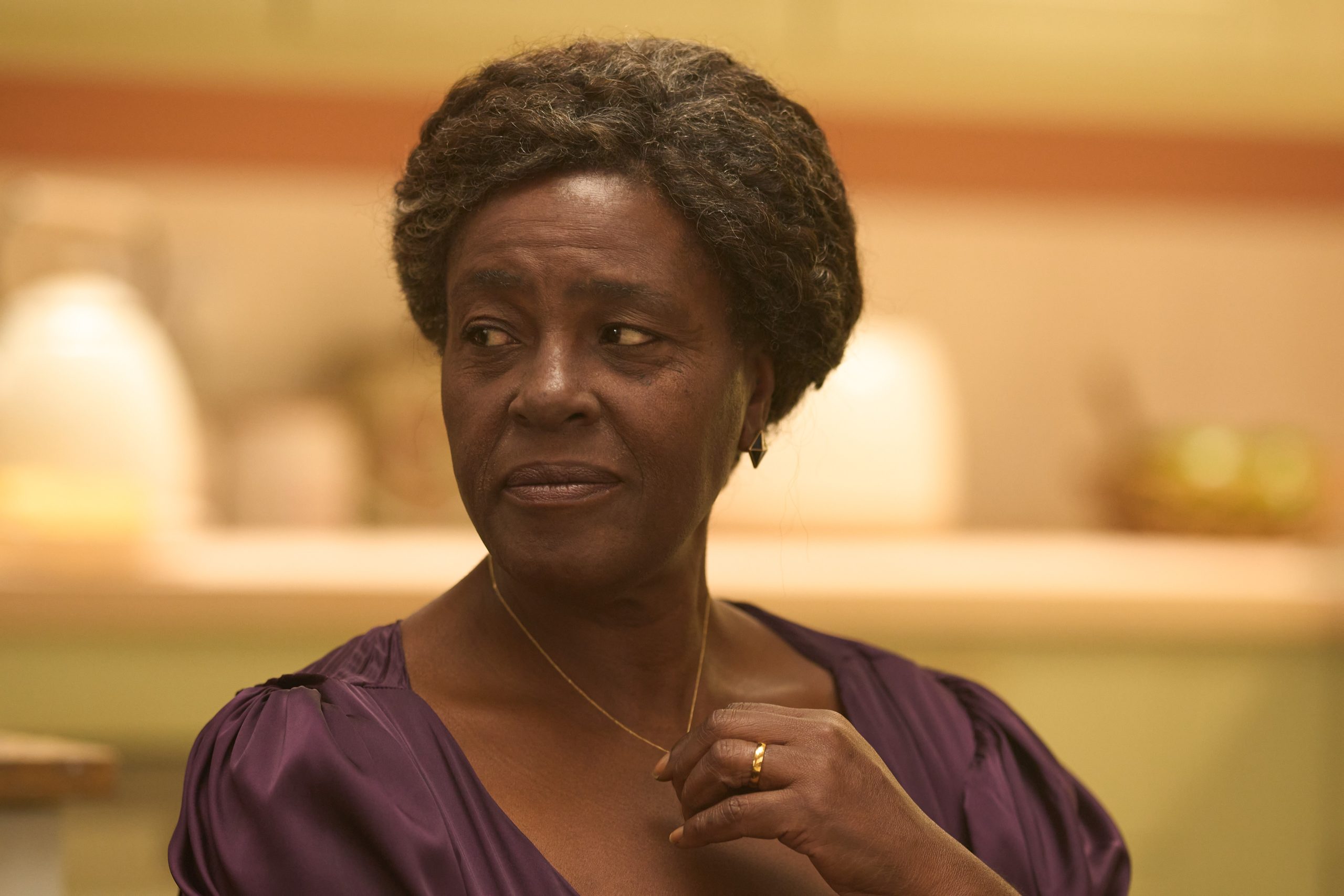
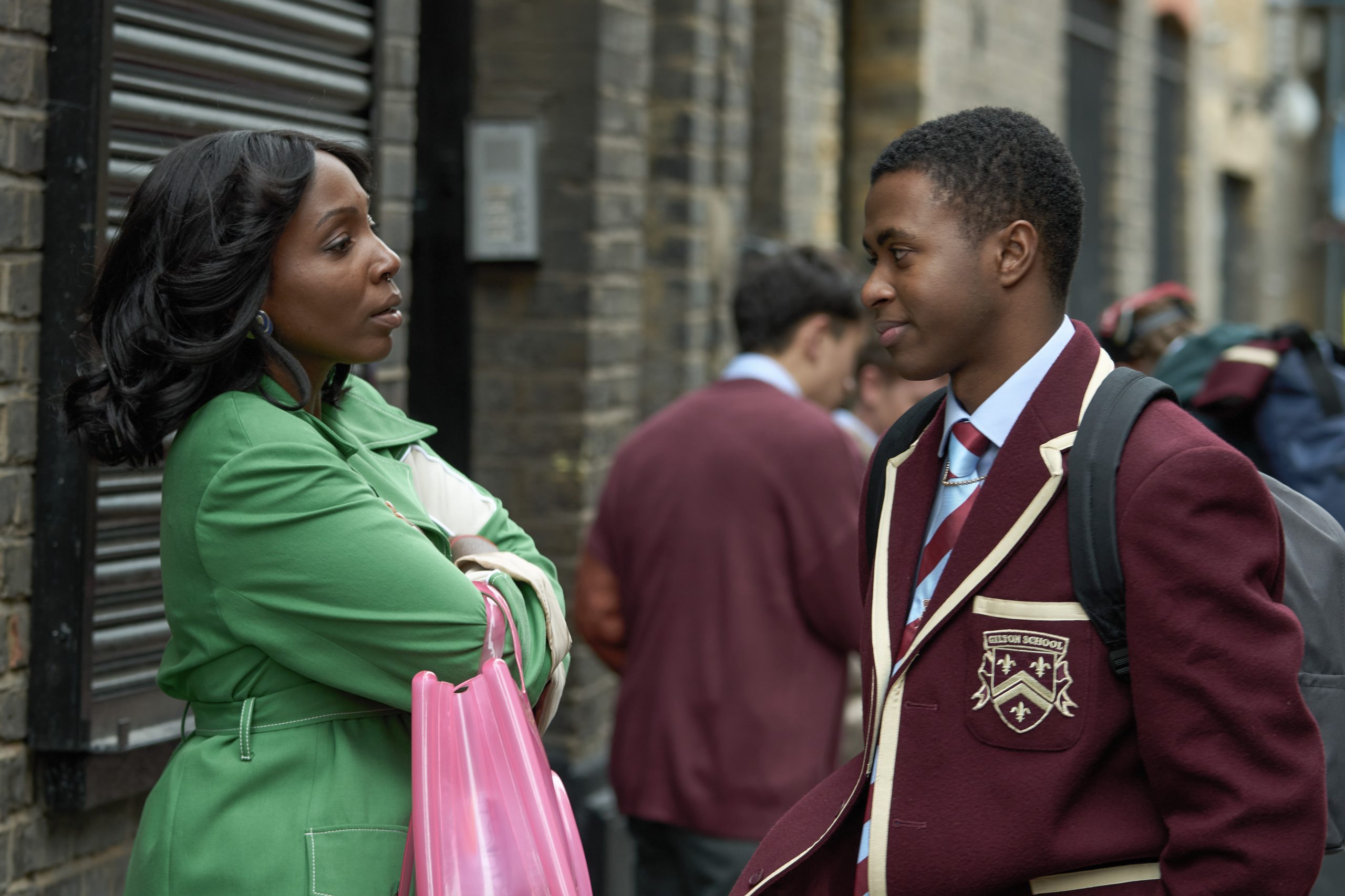
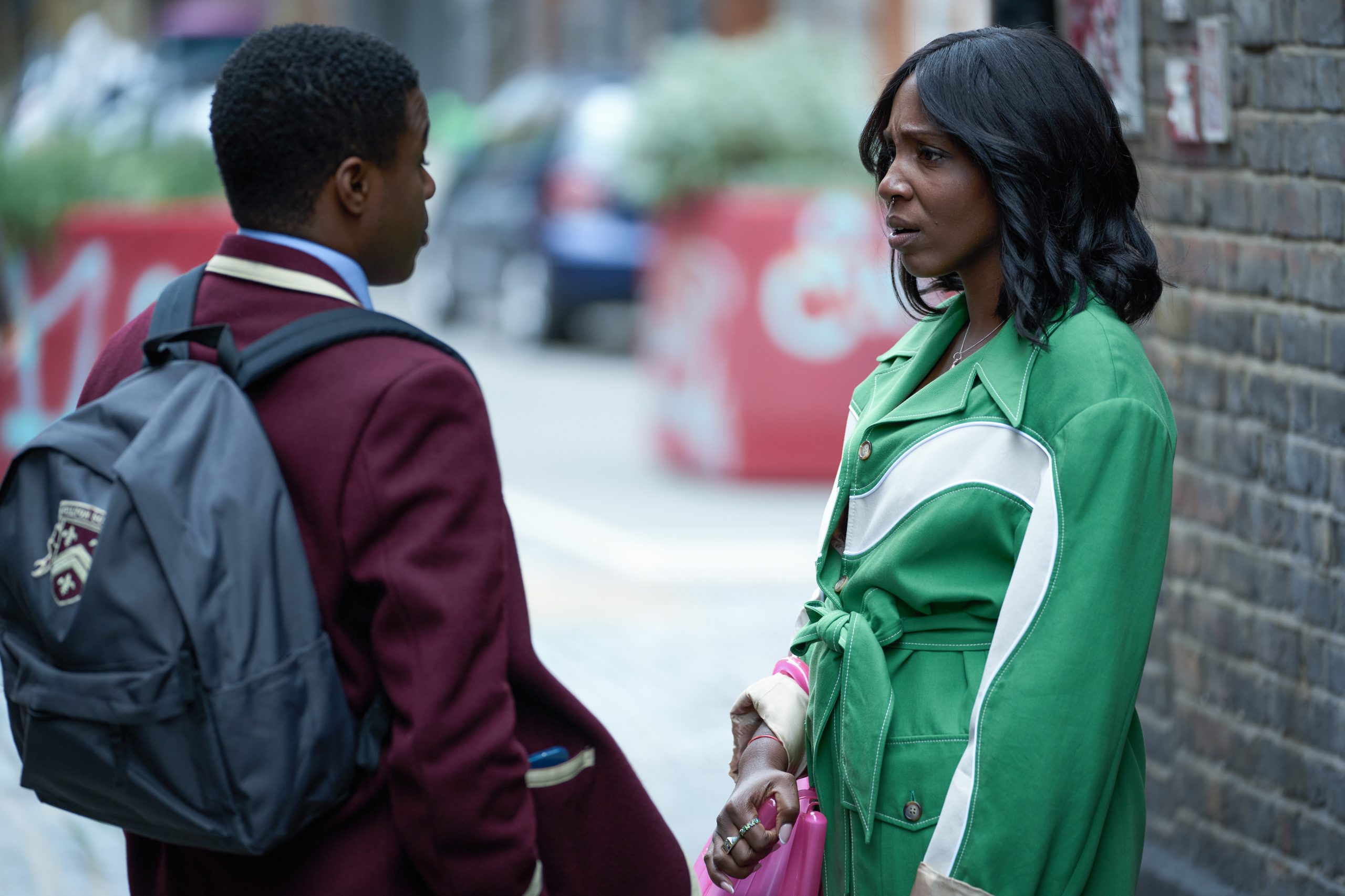
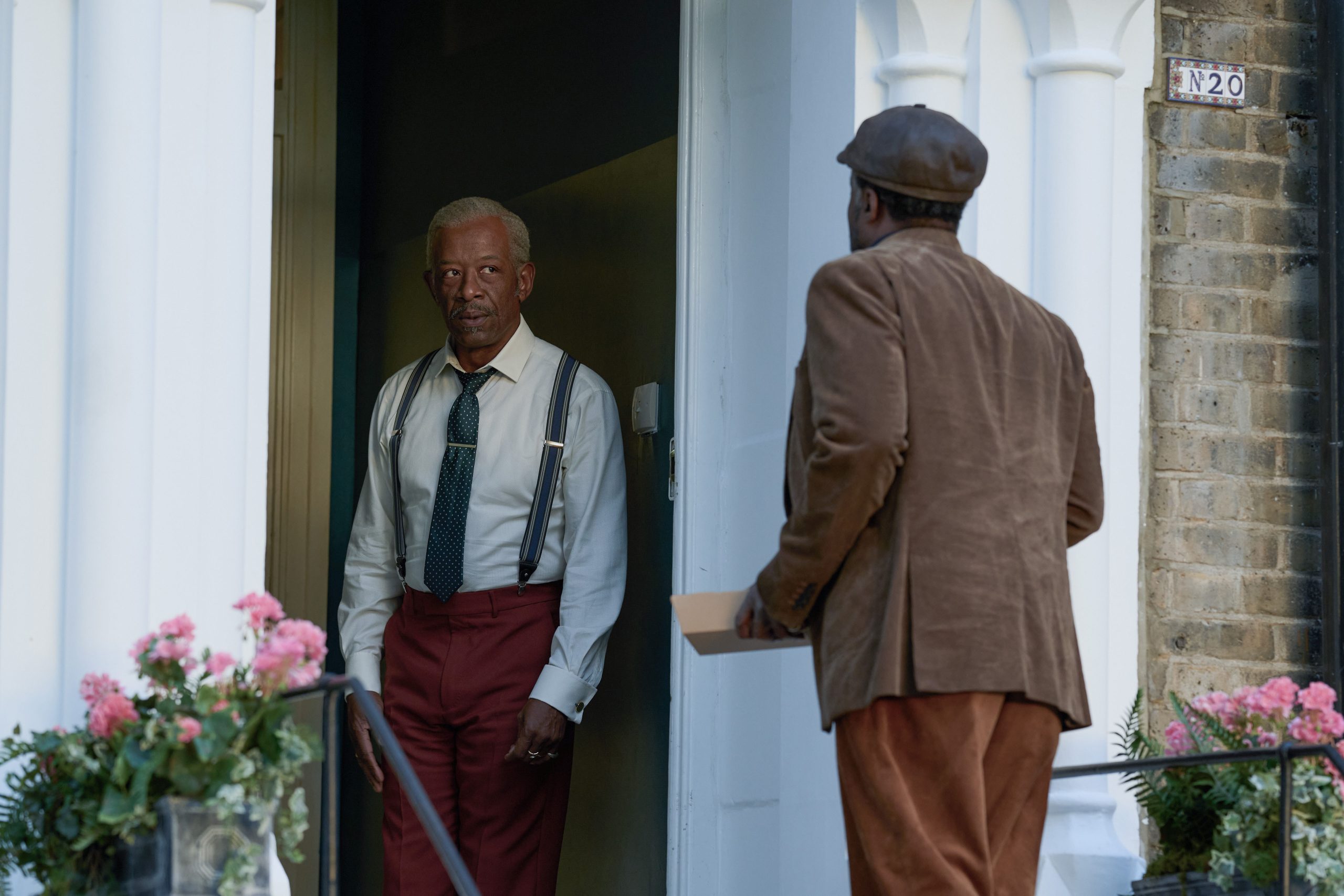
Barry is a closeted, 75-year-old gay man, an Afro-Caribbean British hailing from Antigua with reasonable wealth and comfort, a sprawling circle of family and friends, a thrumming social life, and a tortured relationship with his wife. For fifty years, Barry has maintained a secret love affair with Morris (Ariyon Bakare) on the side, while his marriage to Carmel (Sharon D. Clarke) has sunk into misery, deception and bitterness as the years have slipped away. Carmel has long suspected Barry’s infidelity, but believes it to be with other women. With the later chapters of his life starting to unfold, Barry is beginning to look back on his life with regret — that he never had the courage to embrace who he was and who he loved. An early scene details why with appropriate severity: the deeply Christian Carmel returns from church with some of her friends, who sit down for lunch, only to launch into diatribes about the shamefulness and sacrilegiousness of queer people in the community (‘an anti-man’ is how one potentially gay man is described). James, whose life has been built around a semi-open secret, can only handle so many of these microaggressions, soon snapping and booting them from the house. The strain, fury and anguish on Carmel’s face is what sticks in mind — soon after, we see a flashback to many years previous, the last time Barry floated divorce. Carmel raises a kitchen knife to his face: ‘I’d rather kill us both’. 

BAFTA-winning series Mr Loverman, playing exclusively on Rialto Channel this month, is an aching, bittersweet examination of the cost of undertaking your life’s second-act, and the regrets that come with following your heart too late. Superb performances from Lennie James and Sharon D. Clarke imbue the series with a rich, spiky authenticity, offsetting its handsome literary polish.

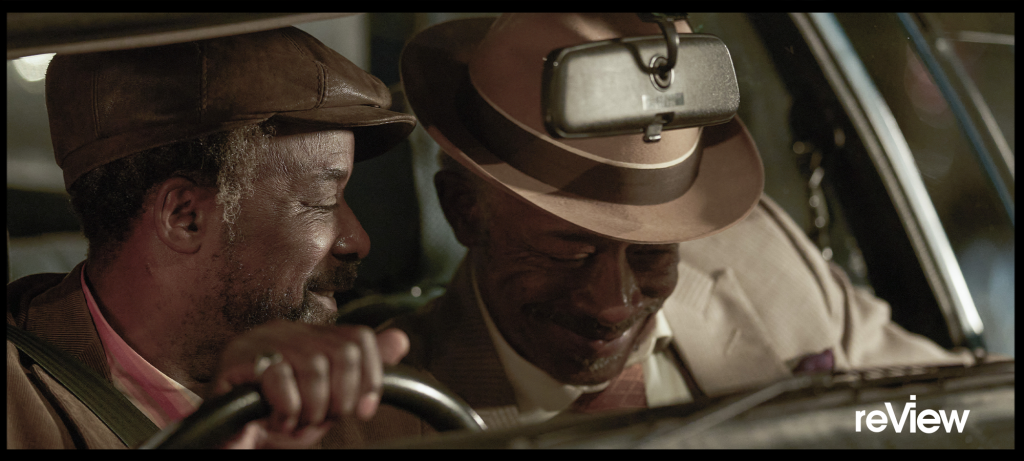
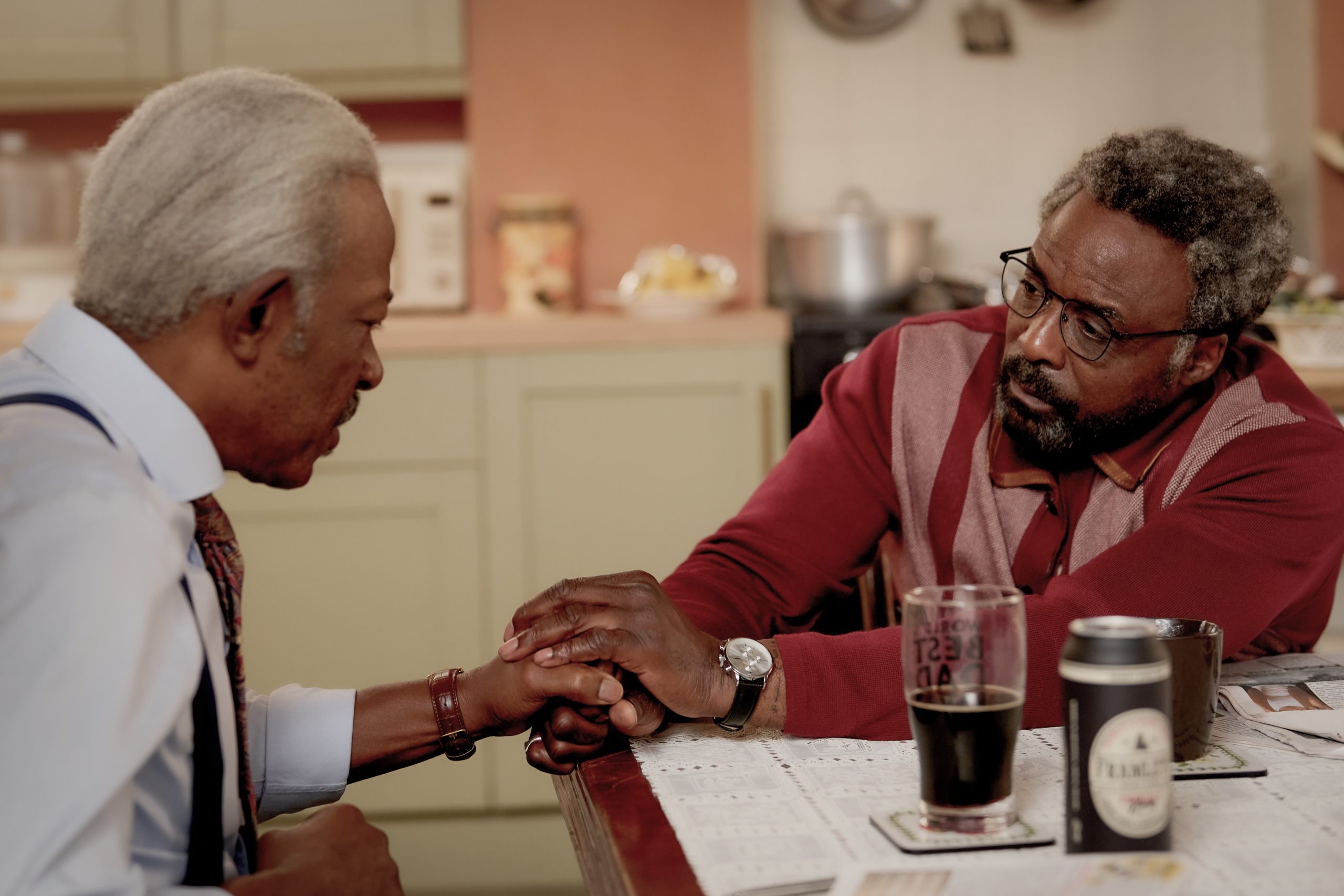
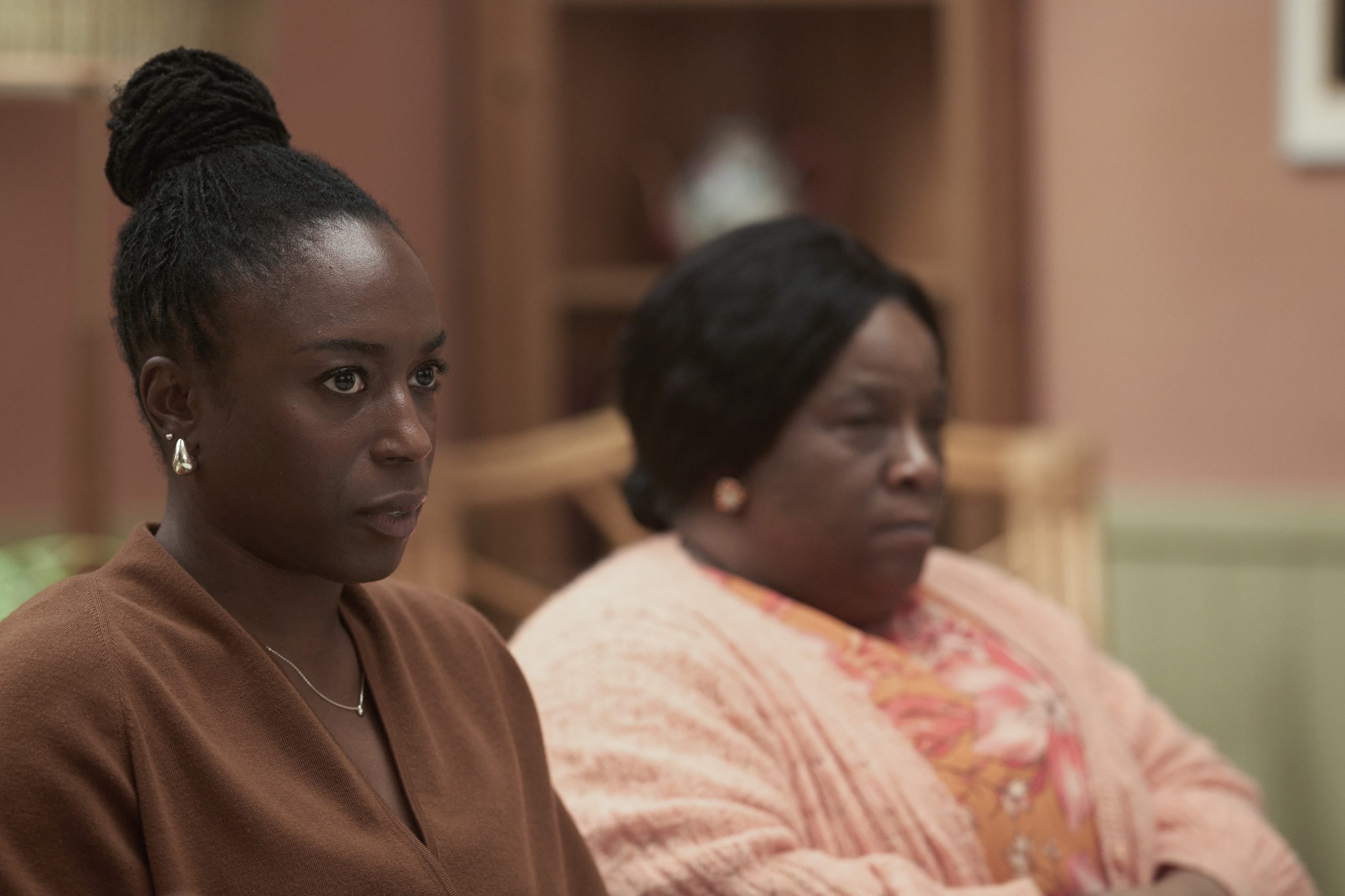
Mr Loverman is literary, in a broad sense, in the way that we are drawn into these lives with the understanding that there is no clear antagonist beyond the social and cultural strictures of a past time, one unaccepting of queer people (and whose echoes clearly remain). This is a series that is highly invested in the nuances of Britain’s Afro-Caribbean community, the latest in a line of fantastic, illuminating works about this particular subculture (including two of the best films of the 2020s, Lovers Rock and Hard Truths). That this community has been so relegated to the sidelines for so long is part of what makes stories like Mr Loverman fresh — the story of a closeted man who has left the door closed for so long that opening it would surely cause chaos is not a new one, but its presence in the contours of this world is. The older generations of this culture, it becomes very clear, have a longer road to acceptance of queerness than the mainstream — there are plenty of differing opinions among Loverman’s many supporting characters, but the overarching community tension is profound. This is less a story of social commentary, though, than a story of personal acceptance and the cost that comes with finding yourself. The conditions that led to Barry and Carmel’s marriage will surely be fleshed out further in episodes to come: but what is clear is that fear and dependence on each other have ensured that they’ve arrived at this late stage of their lives with good circumstances, but an echoing feeling of spiritual unfulfilment. James and Clarke are, it must be reiterated, utterly superb — their relationship feels truly authentic, with the characteristic barbs and snipes that come with long-lasting unhappy marriages. Clarke has a true face for the screen: the ripples of fear, hurt and regret feel carved into it like stone. The imperfections of the two — Barry’s secret-keeping and general self-centredness, Carmel’s retrograde attitudes and propensity for violence — feed into and produce each other, a vicious cycle of recrimination and repression.

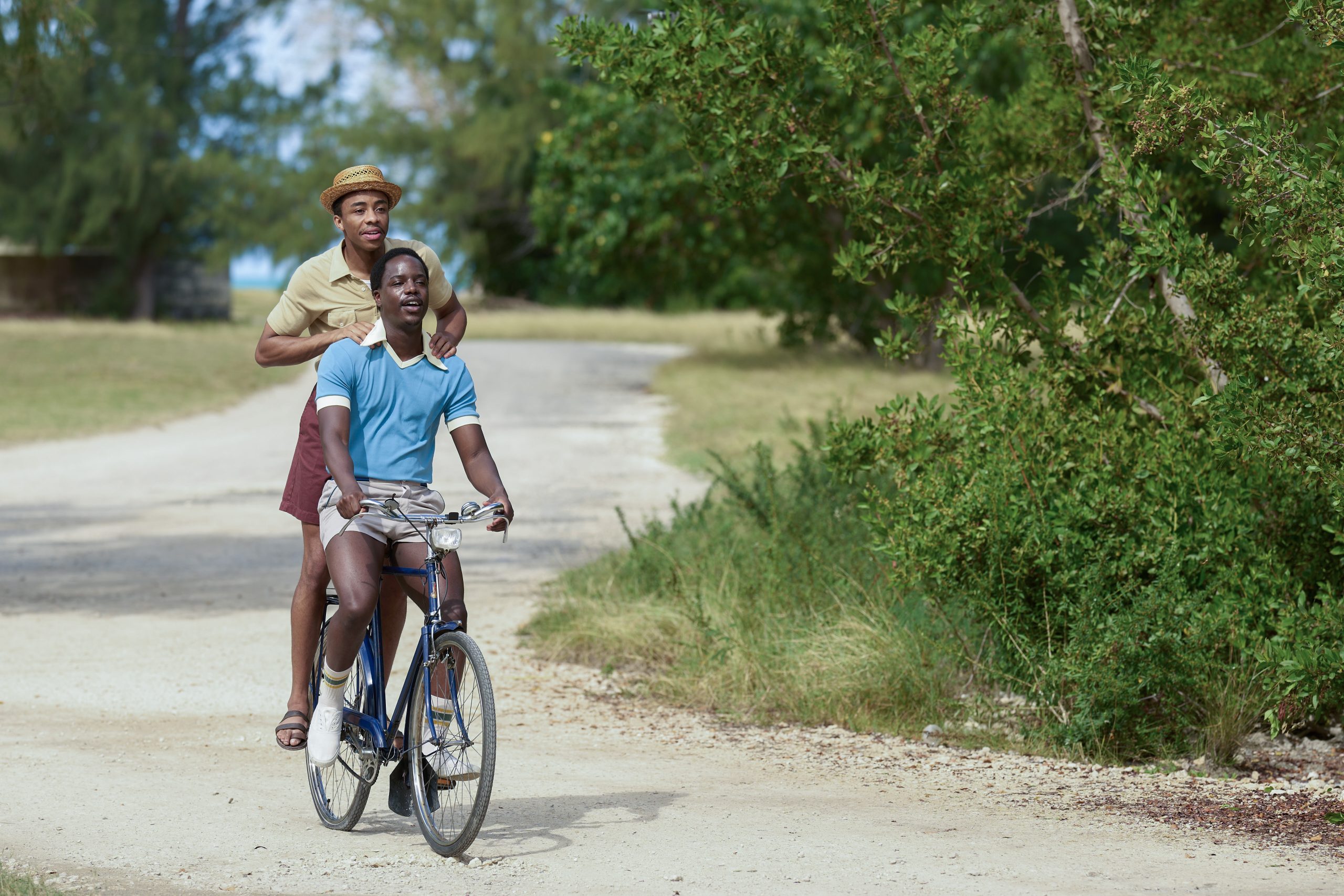
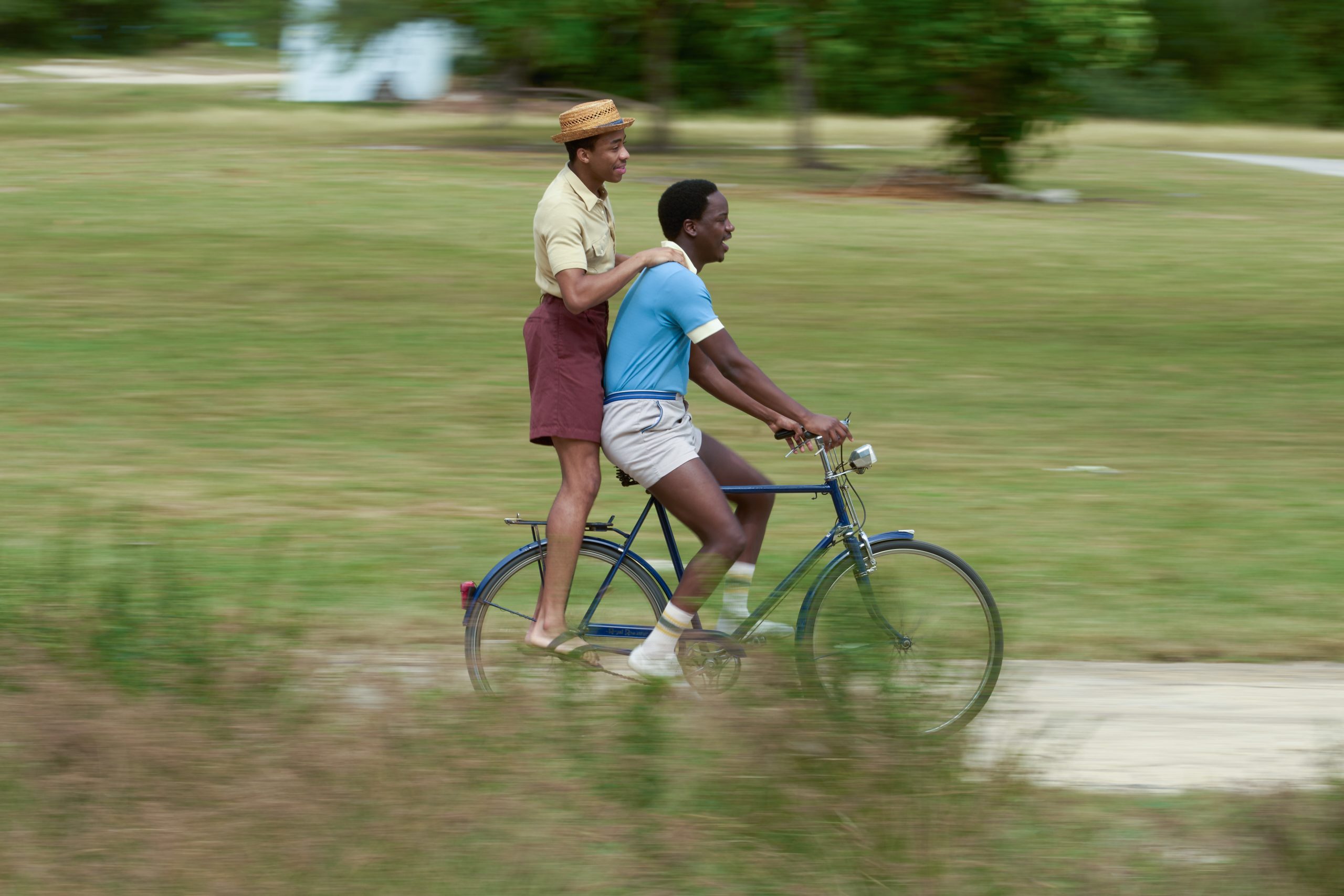
The show is lovingly, handsomely filmed, largely built around ensuring there is enough space for the ensemble to flex their muscles. Flashbacks to Barry’s youth, and the beginning of he and Morris’ love affair on the beaches of Antigua, gently recall Moonlight’s poetic intermingling of tropical seascapes and joyous black bodies in motion. Some elements are less assured — the show’s deviation into the stories of those in Barry and Carmel’s orbit, like their children and grandchildren, are a mixed-bag with less emotional complexity to chew on. It remains to be seen whether these will remain a mild distraction or interweave more meaningfully with the main emotional thrust of the story. Likewise, the use of voiceover narration, granting us something of an inside track to Barry’s interior monologue, feels largely unnecessary, an extra element uncalled for within the show’s structure. James and Clarke are such remarkably expressive actors that most of what is being coloured in by said voiceover comes by way of a stray glance or a glint of the eyes, were the series to fully trust its audience. Frequently, the lack of such narration on the part of Carmel ensures her performance cuts sharp and deep — her character’s potency is down to how Clarke effortlessly conveys the palpable despair of devoting yourself to something revealed to be, at heart, false. If this sounds like a show overburdened by sadness, I assure you it is not — like Hard Truths, it is a sad story of bitter older people frequently, vitally alleviated by barbs of good humour; like Lover’s Rock, it shimmers with life, music and colour. It’s wonderful, absorbing stuff, a rich text thoughtfully adapted.

Mr Loverman New episodes air every Sunday from 19 April at 8:30pm on Sky’s Rialto Channel, or catch up anytime on Sky Go.

Audio player cover
0:00 0:00