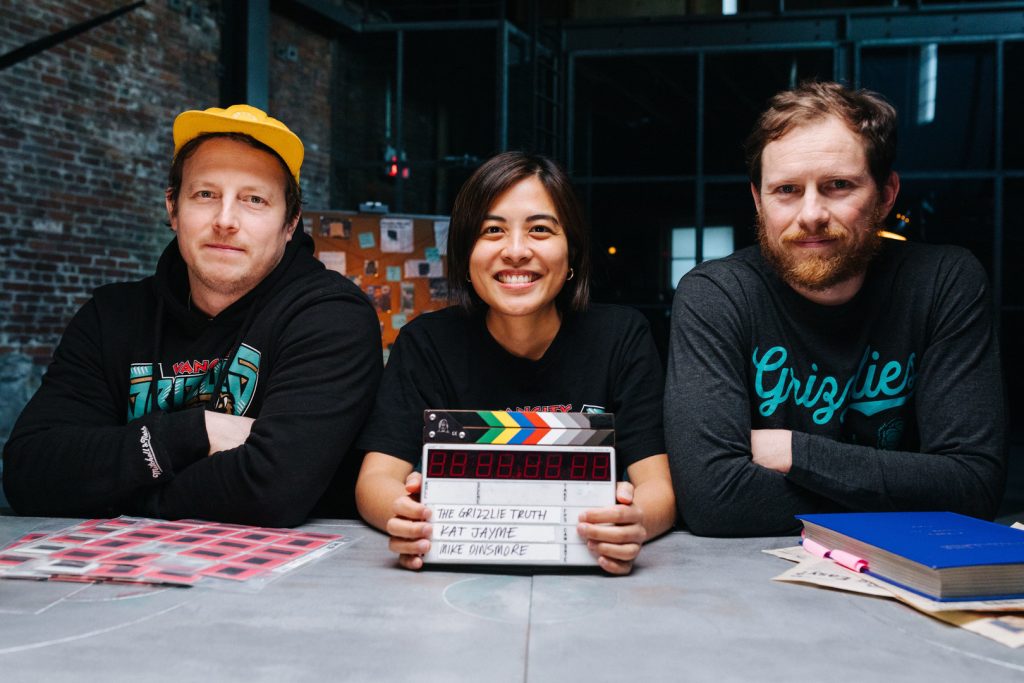
Māoriland does not reveal itself all at once. It waits. It lets you arrive, take a seat, listen-before it begins to speak. And so, it felt only natural to ask Michael Grand-visitor, observer, outsider in the most honest sense-if he might help us see the festival from beyond itself. Not from within the circle, but from its edge. From the place where first impressions still carry truth.
“There’s a quiet alignment here-a generosity of spirit-built on the belief that new voices must not only be heard, but held.”
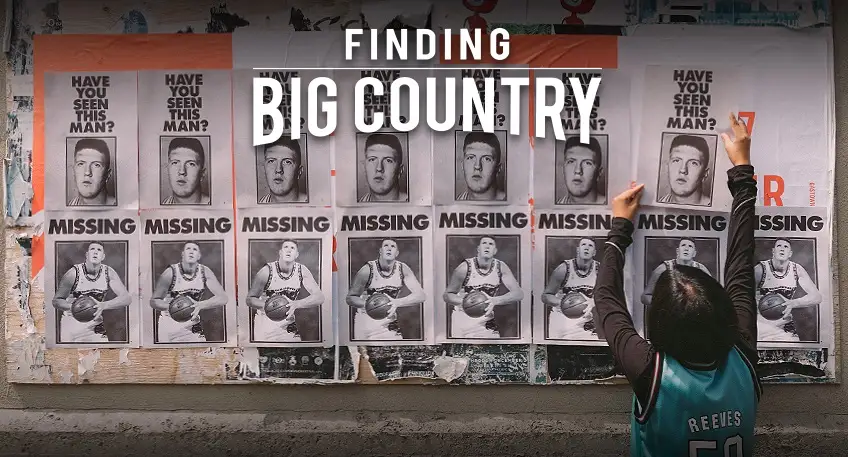
Grand, a Canadian producer and story editor known for works such as Finding Big Country, Surviving R. Kelly, and Abandoned, has built a career on examining the fragile distance between public identity and private reality. His films are not interested in surfaces; they linger in what is concealed. Which is precisely why his perspective here-at Māoriland Film Festival in Ōtaki, Aotearoa-feels so quietly revealing.
“If we are not uncovering something deeper-something hidden-then we are not storytelling. We are simply repeating.”
When we asked if he would reflect on the festival from an outsider’s view, he did not hesitate. But neither did he rush. His answers unfold the way Māoriland itself does-deliberately, thoughtfully, with a certain respect for what cannot be rushed.
“At Māoriland, film is not separate from culture or politics. It is where they meet-and refuse to look away.”
“You arrive,” he suggests, “and there is a feeling… a kind of alignment.” He speaks of goodwill-between Indigenous filmmakers, allies, institutions-a shared intention to create space for new voices while strengthening those already established . It is not a polished ecosystem, he notes. There is still distance to travel. But there is movement. And perhaps more importantly, there is momentum.
“It is not my culture to shape-but it is my responsibility to support.”
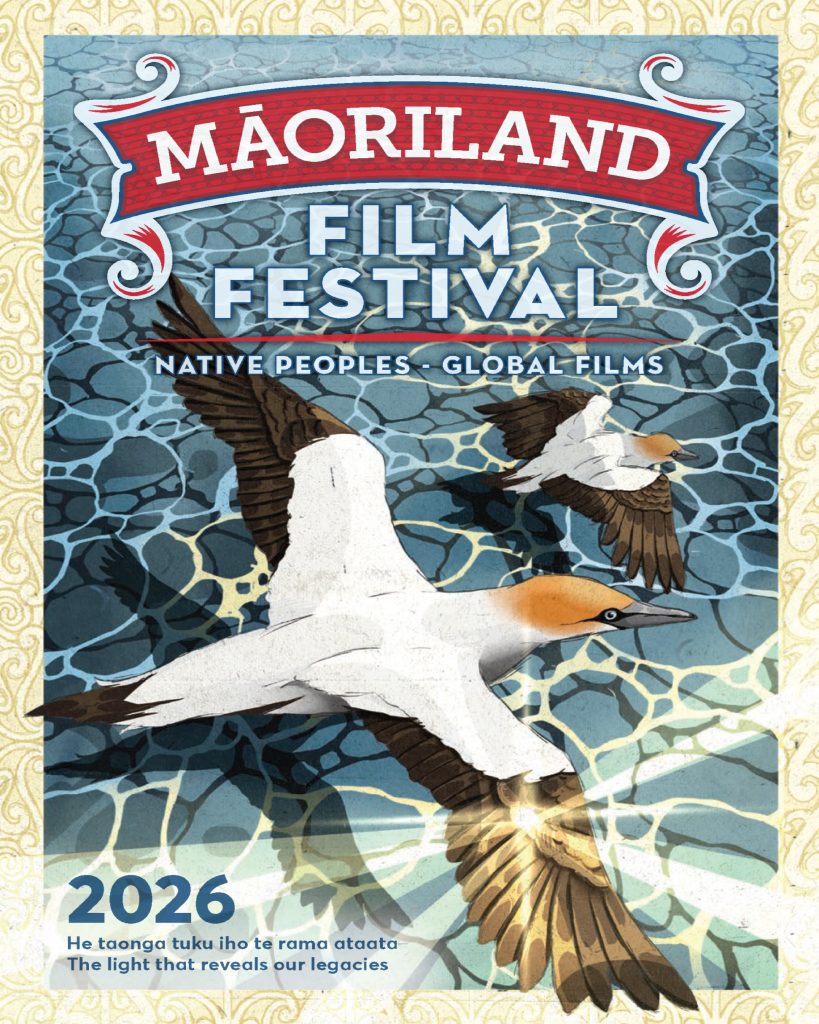
From Grand’s perspective, what distinguishes Māoriland is not simply its scale-though it is the largest Indigenous film festival in the world-but its centre of gravity. Here, storytelling is not treated as product. It is treated as inheritance. As something shaped by land, by whakapapa, by history that refuses to sit quietly in the past.
“These stories are brave-but too often, they remain contained, seen only by those already listening.”
This becomes especially clear when he reflects on the kinds of stories he is drawn to-those that move between persona and truth. Stories that reveal what lies beneath the surface of public figures, whether tender or troubling . At Māoriland, that instinct does not feel investigative-it feels aligned. Because Indigenous storytelling, by its nature, does not permit superficiality. It asks more. It demands more.