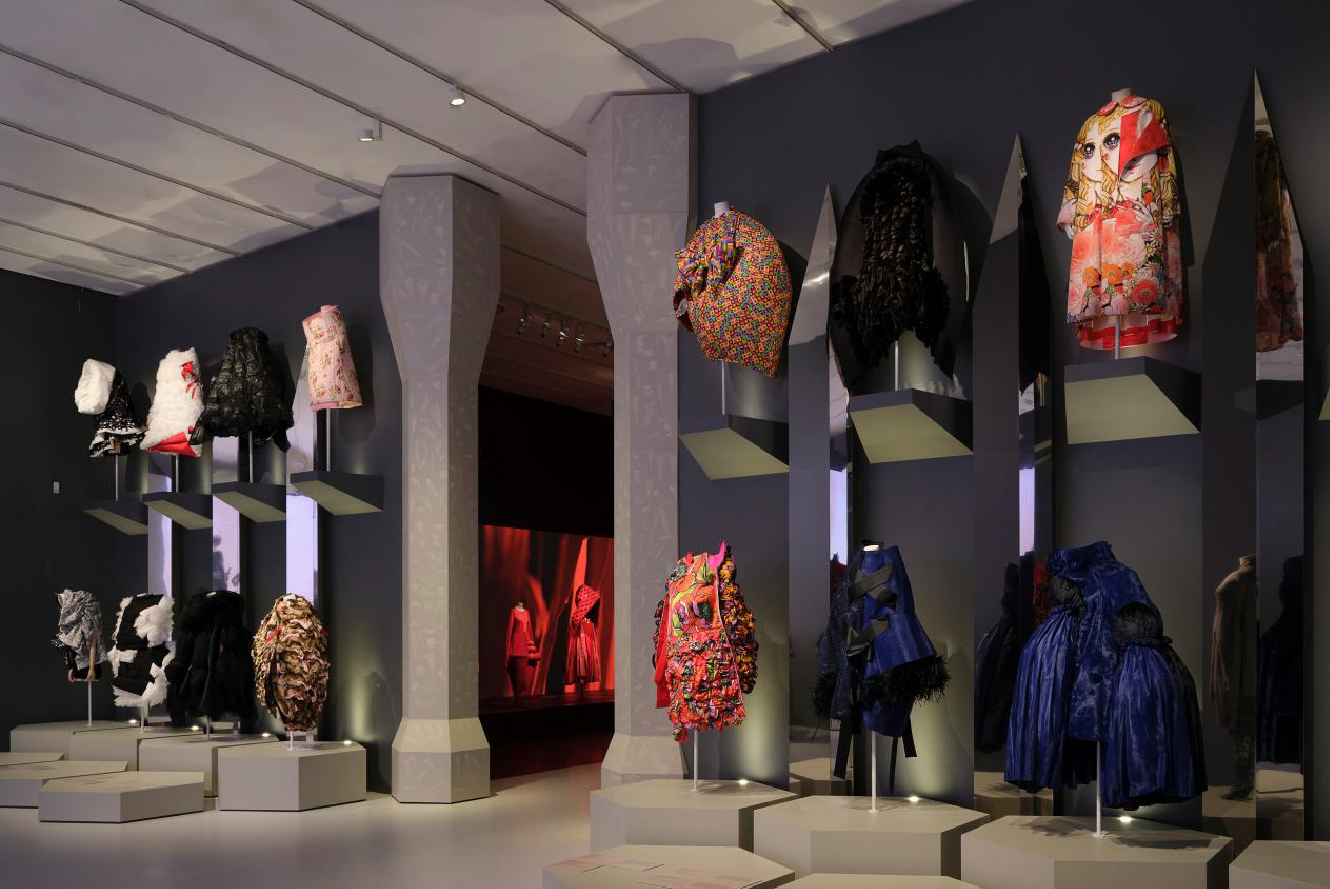
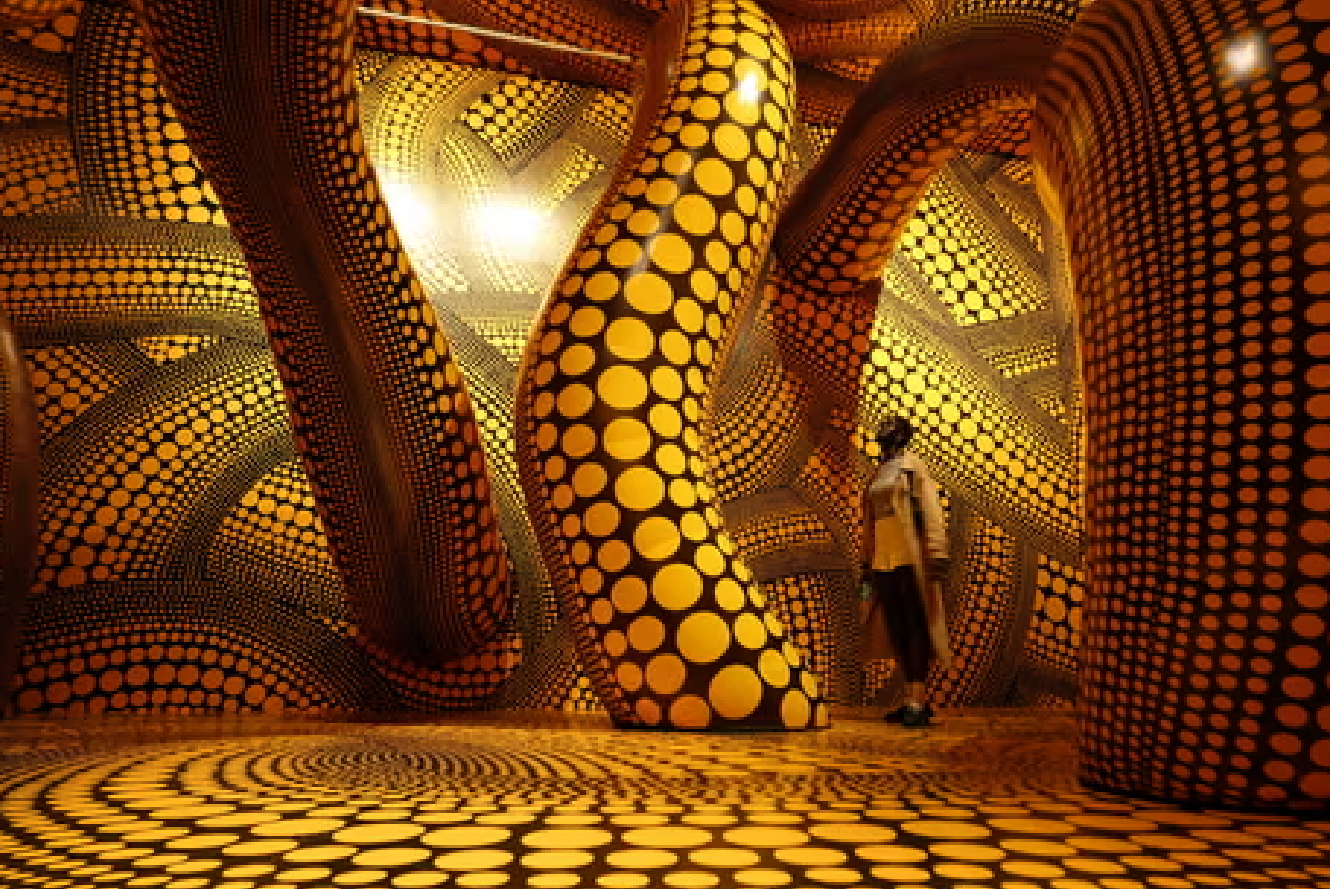
I asked Donna McColm eleven questions about what a gallery is now. How does a major cultural institution like the NGV stay open, useful and alive when people are distracted and every spare moment is being fought over?
McColm is Assistant Director of Curatorial and Audience Engagement at the National Gallery of Victoria, Australia’s largest and most visited art gallery. She works at the point where art meets people. She has worked in curatorial, academic and museum education roles, and is a founding steering group member of the International Audience Engagement Network.
So how do galleries stop feeling like rooms full of important things and start feeling like places people can enter without armour.
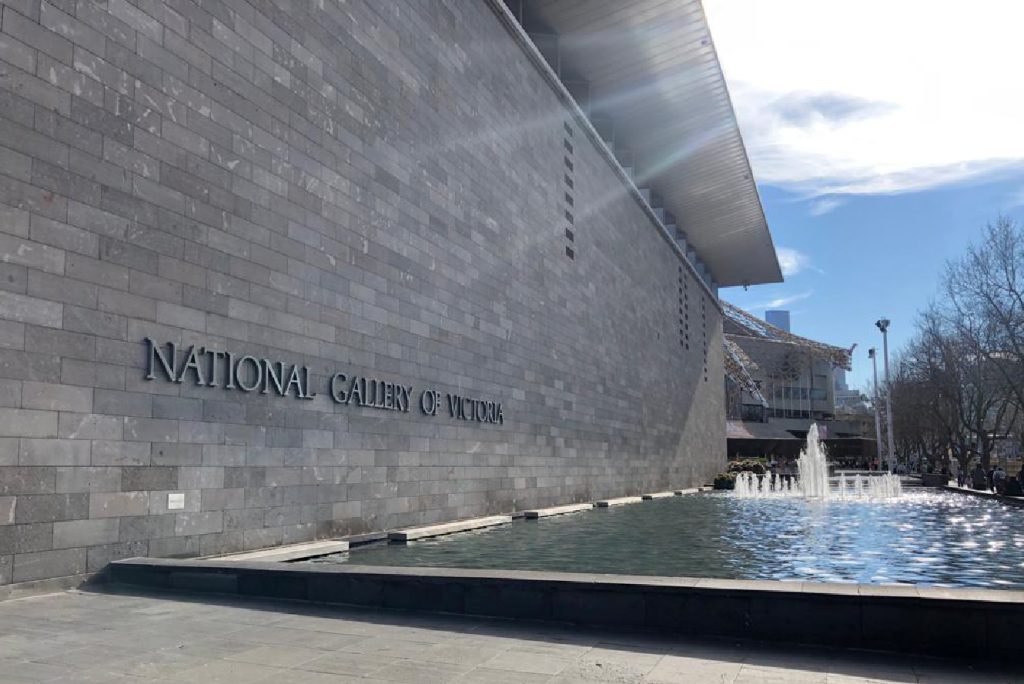
Few galleries make that question feel more pressing than the NGV.
“Art is a very powerful tool for connection.”
Some institutions you visit because you feel you should.
Others you walk into and something shifts.
The NGV is the second kind.
Yes, it is big. Yes, it can stage exhibitions people talk about for months. But that is not the whole thing. There is life in the building. You feel it. Something is happening there.
It does not feel closed.
It feels awake.
A gallery. A meeting place. Somewhere to step out of the noise.
McColm talks about art as something that happens between people. The work matters. So does the artist. So does the person standing in front of it. And so does the institution that holds the space open long enough for something to happen.
The NGV, at its best, is not a vault. It is a place where people meet the work, and sometimes themselves.
“An artwork’s meaning or relevance is not a static thing, but continually evolving.”
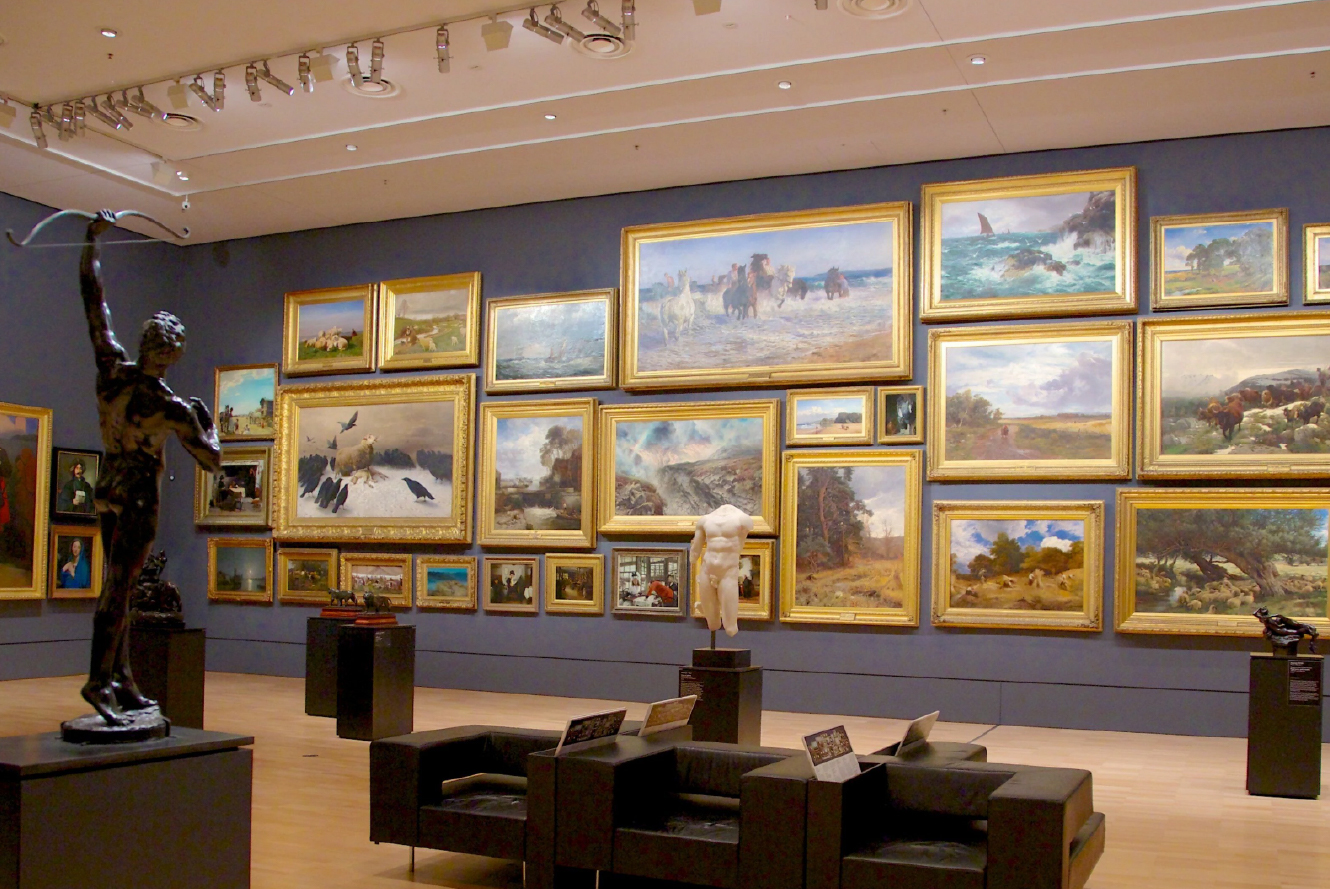
That is the job for any major gallery: protect the work without making it feel sealed off. Honour history without draining the life out of it.
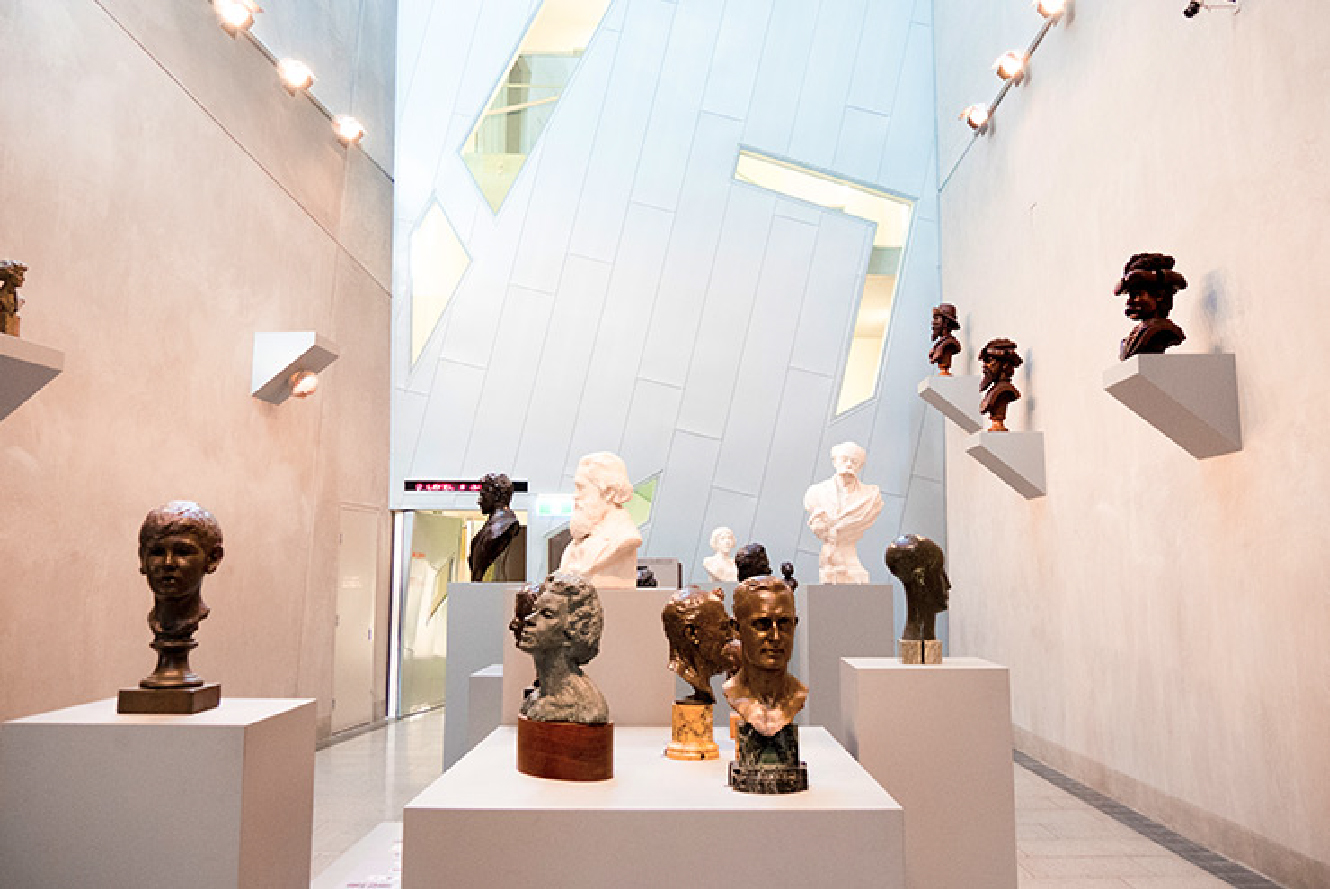
McColm is clear on this. Collections should not be packed away like good silver. They need to be seen, shared, questioned and returned to. In the building, online, through programs, through writing, through all the ways people now find culture.
The more people meet the work, the more meaning it gathers.
Meaning changes.
People change.
The gallery has to change with them.
Under Tony Ellwood’s leadership, the NGV has learned how to work at scale. There is drama. There is reach. Sometimes there is a sweep that feels almost cinematic.
But scale can go wrong. It can become surface. A room can be full and still feel empty.
The NGV seems to know the harder task is not getting people through the door. It is making them feel they can stay.
“Often, once inside, the experience is so much different to what might have been feared.”
McColm talks about first-time visitors with warmth. People who are not sure galleries are for them. People who think they will not know enough. People who worry they will somehow get it wrong.
Sometimes a child brings the family in after a school visit. Sometimes a friend suggests Friday Nights – a drink, music, an exhibition – and someone who thought art was not their thing suddenly finds themselves looking properly.
That matters.
The first barrier is often not the art. It is the idea of the place.
Once inside, the fear can drop away. A hello at the door helps. A staff member who does not make you feel stupid helps. A room where you can wander without being tested helps.
The gallery becomes less fortress, more open door.
And now, when everyone is moving too fast, that matters.
Stillness does not come naturally anymore. We have to be led back to it.
Blockbuster exhibitions can do that. They create a crowd, a charge, a feeling that you are part of something. McColm compares it to a concert. Everyone together, each person having their own private response.
But the NGV also makes room for slower looking. Talks. Guided sessions. Audio experiences. Things that say: take your time. You do not have to rush. You do not have to understand it all at once.
Look.
Stay with it.
“Emotional shifts, changes in perspective, feelings of connection and cohesion… these are hard to capture.”
This is where audience engagement becomes more than numbers.
A room of hundreds looks good on a report. Ten people leaving changed may matter more.
McColm knows the most important effects are often the hardest to count. A shift in feeling. A new way of seeing. A moment of recognition. The sense that something has landed.
These things do not fit neatly into metrics. They are still the reason the work matters.
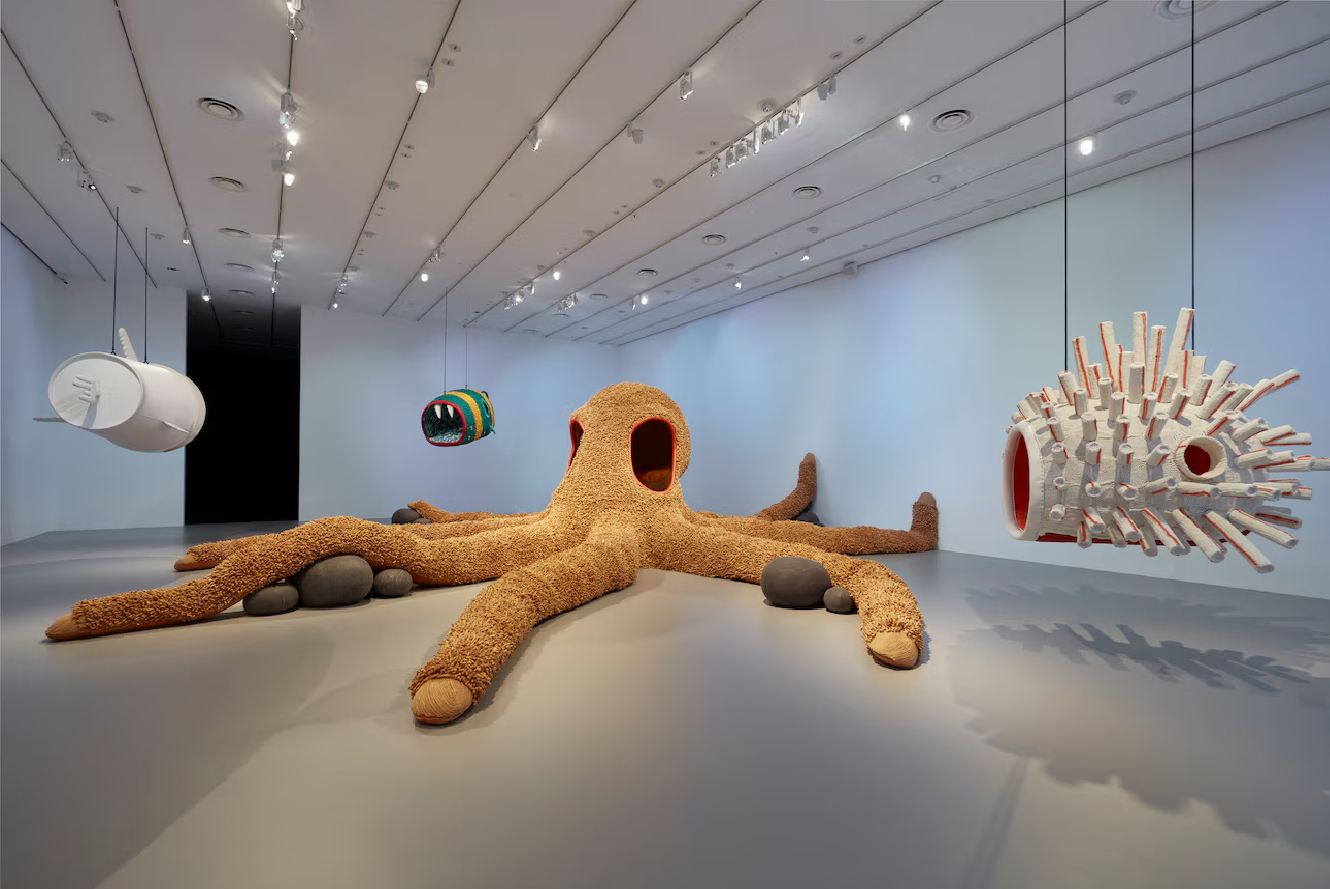
The NGV also has to hold another tension. It is global and local at the same time. Melbourne is an international city, and the gallery reflects that. It can bring major international artists to local audiences while also giving space to local voices, career retrospectives, children’s exhibitions and the work of secondary students across Victoria.
That mix matters.
People want the world. They also want to see some part of themselves in it.
“Museums are living spaces.”
Then there is the future.
The Fox: NGV Contemporary is not only another building. It carries the hope every new cultural space carries: that people who have never been there will one day feel it belongs to them.
McColm sees museums and galleries as living spaces. Artists shape them. So do audiences. So do communities.
That is the point.
A gallery is never finished.
It changes because the people inside it change.
Maybe that is why art still surprises her. Artists keep finding ways to say what ordinary language cannot. Viewers keep bringing new lives, histories and moods to the same works.
You do not look at an artwork the same way twice.
You cannot.
By the time you return, something in you has moved.
“I don’t think you can look at an artwork the same way twice.”
The quiet magic of a place like the NGV is not that it simply preserves culture.
It lets culture keep moving.
And, if we are paying attention, it lets us move too.