Director: Craig Gillespie
Country: United States
Writers: Jerry Siegel, Ana Nogueira, Joe Shuster
Actors: Eve Ridley, Milly Alcock, David Corenswet
Written by Tom Augustine.
Regarding the current state of the superhero subgenre, I outlined my feelings to the friend I brought along to Supergirl thus: put all superheroes, your Men Spider and Super, Bat and Aqua, on the shelf and leave them. Don’t touch them for a decade or more. Let the vintage mature, let affection for our caped crusaders return after a long absence. Watch the money pour in once again. The herald of this current era of superheroes on the big screen was Batman Begins, appearing on the scene with a new, dark vision nearly a decade on from the backlash to Joel Schumacher’s Batman and Robin. There had been superhero films in the time since, most notably Sam Raimi’s Spider-man films, but Christopher Nolan’s take, which stood out for its desire to be taken seriously in spite of its man in a cape, was the true watershed moment for the current era, one that would further take flight with the 2008 double-whammy of The Dark Knight and Iron Man. Regardless of your opinion of those films, there was a public appetite that built because of a prolonged absence, coupled with the kind of new perspective that could only arrive with the advent of time. This is not what the studios behind either Marvel or DC’s Cinematic Universes are likely to do, sadly — though it is clear watching Supergirl, a vital, load-bearing column in James Gunn’s newly minted vision for the DC brand, that something major has to give. There’s just no gas left in the tank here — the formula isn’t turning over the results it once was.
The writing has been on the wall for the superhero cinematic universes since Avengers Endgame — this chapter has, at least for now, closed, though the juggernauts of Marvel and DC don’t want to admit it. There are still major moments for superheroes at the box office — the new Spiderman entry starring Tom Holland is already promising to be one of the biggest entries of the year. But the era in which any and every superhero story imaginable was a pre-approved box-office smash, clogging the arteries of your local multiplex with an assurance of mass buy-in from a captive audience, has long since fallen dormant. Audiences will still turn out for the biggest names, but the likelihood of a Guardians of the Galaxy or some other lesser-known IP bursting into the public consciousness is increasingly slim. Audiences know the bag of tricks at this point, are frustrated by how inflexible these structures have become — by hewing so closely to the outlined parameters of the series, which are modeled after television, much of the ability for a single entry to stand out has become strangled out of existence. The case is dire for both comic houses — the forthcoming hail mary pass that is Avengers Doomsday already gives off whiffs of desperation, while James Gunn’s assured Superman reboot did well, but not amazingly well. It’s what makes Supergirl, just the sophomore effort of Gunn’s burgeoning universe, such a puzzling piece of work — if this is the level of quality we’re receiving at the very start of this new franchise, I struggle to see how it might continue reinvigorating itself.
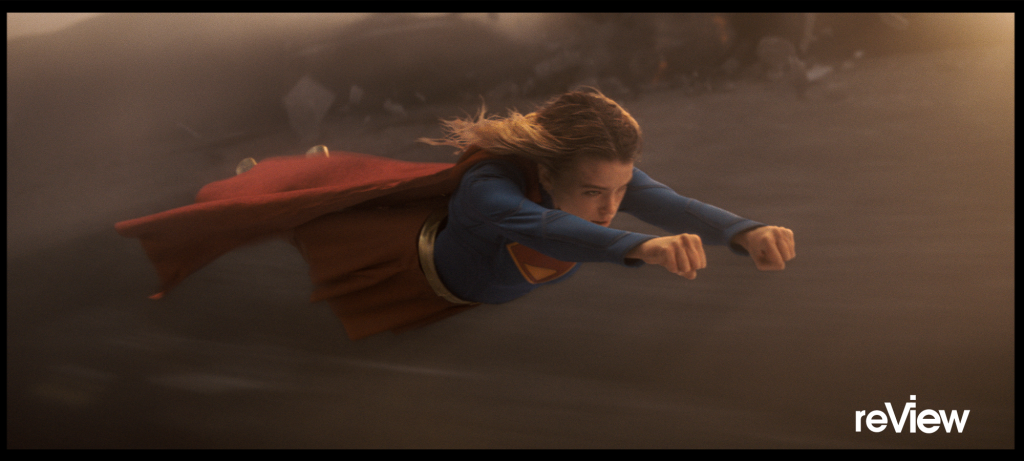
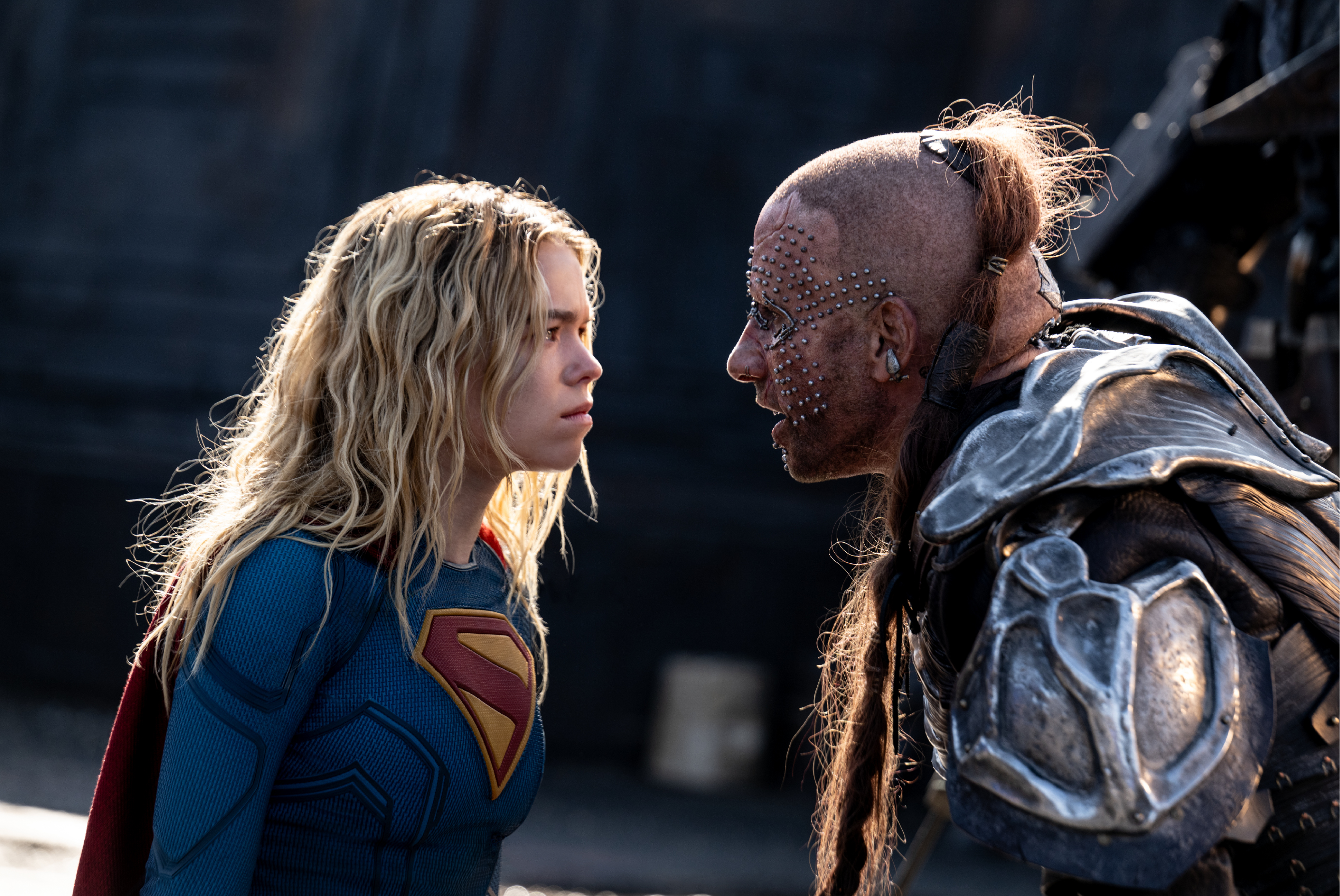
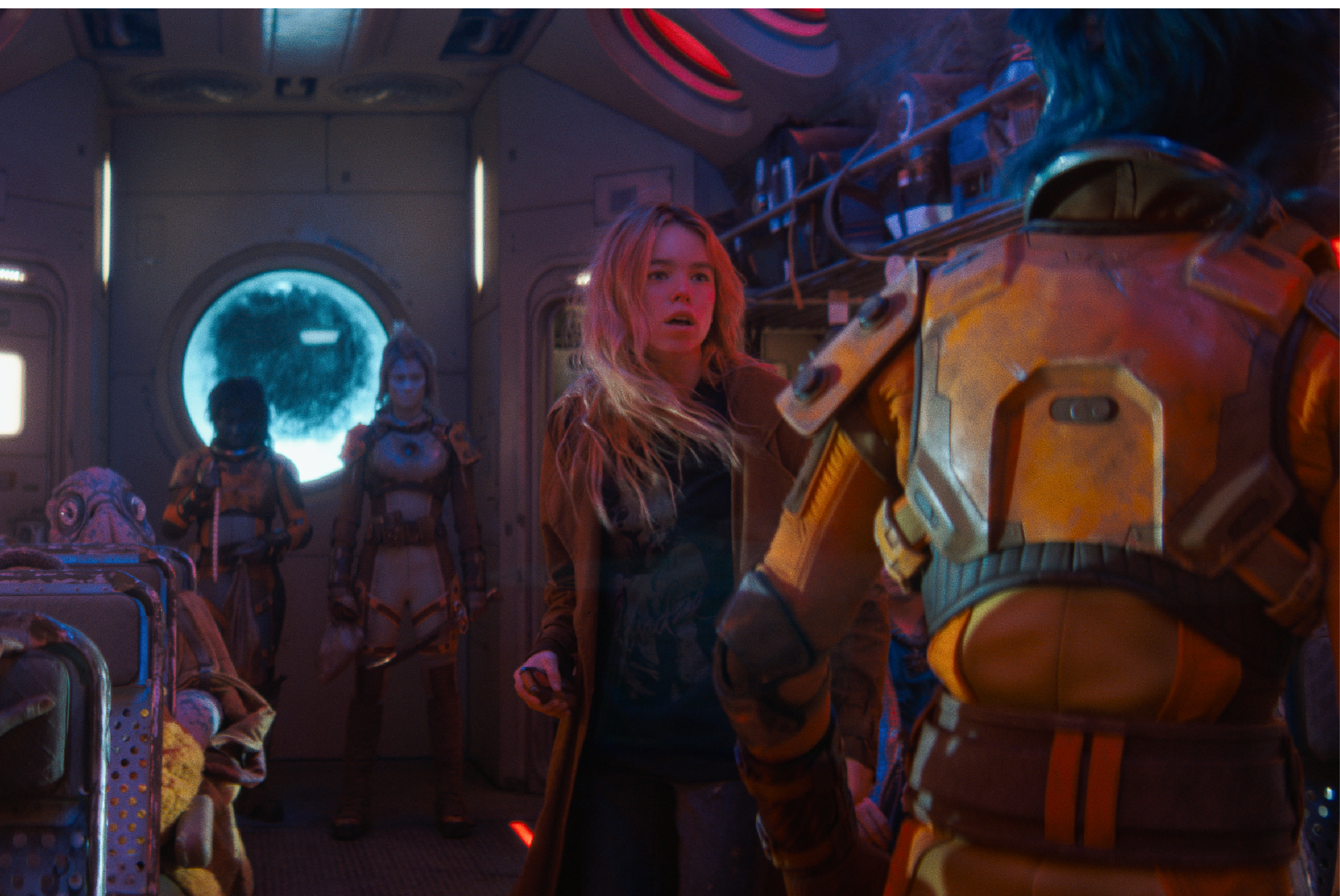
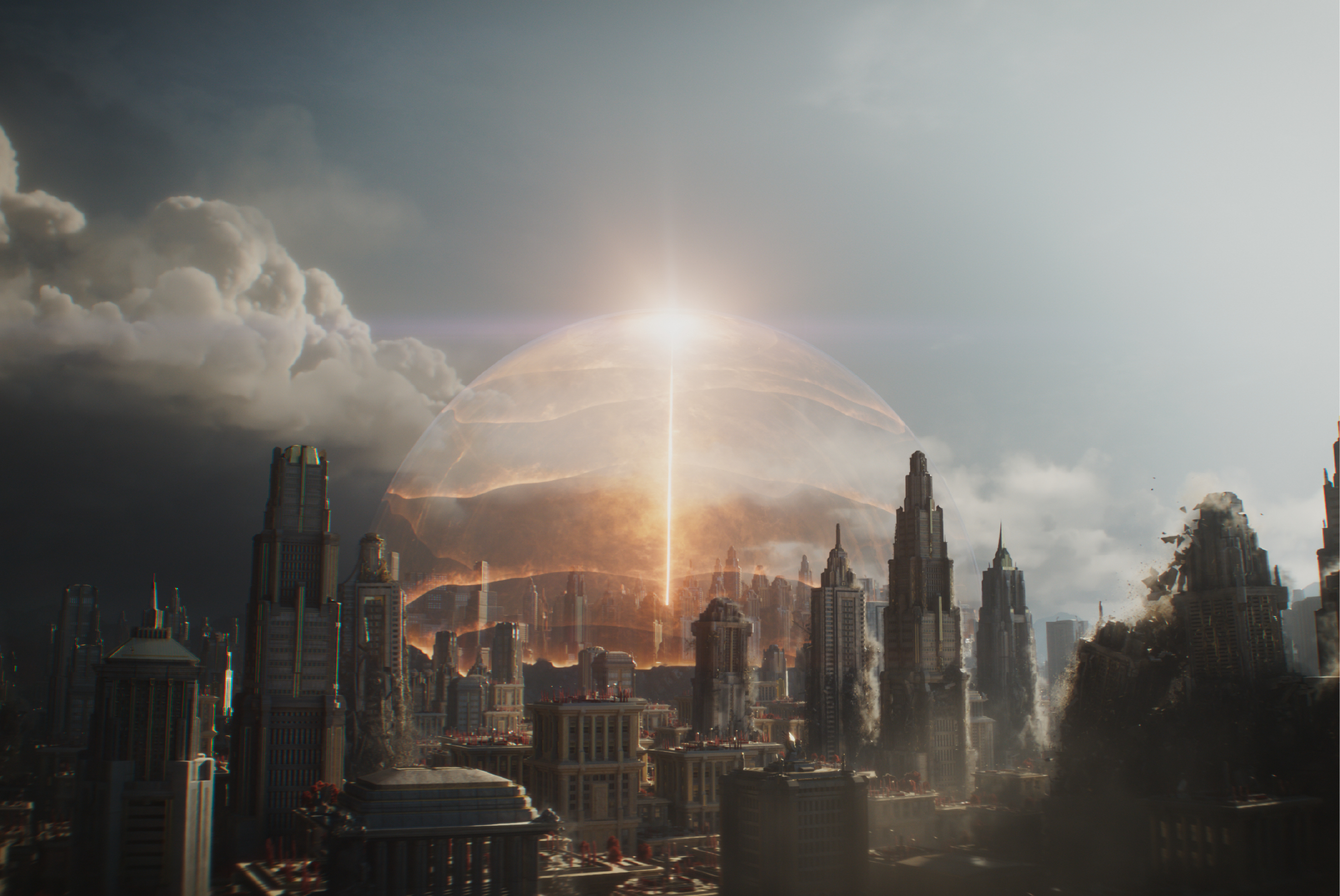
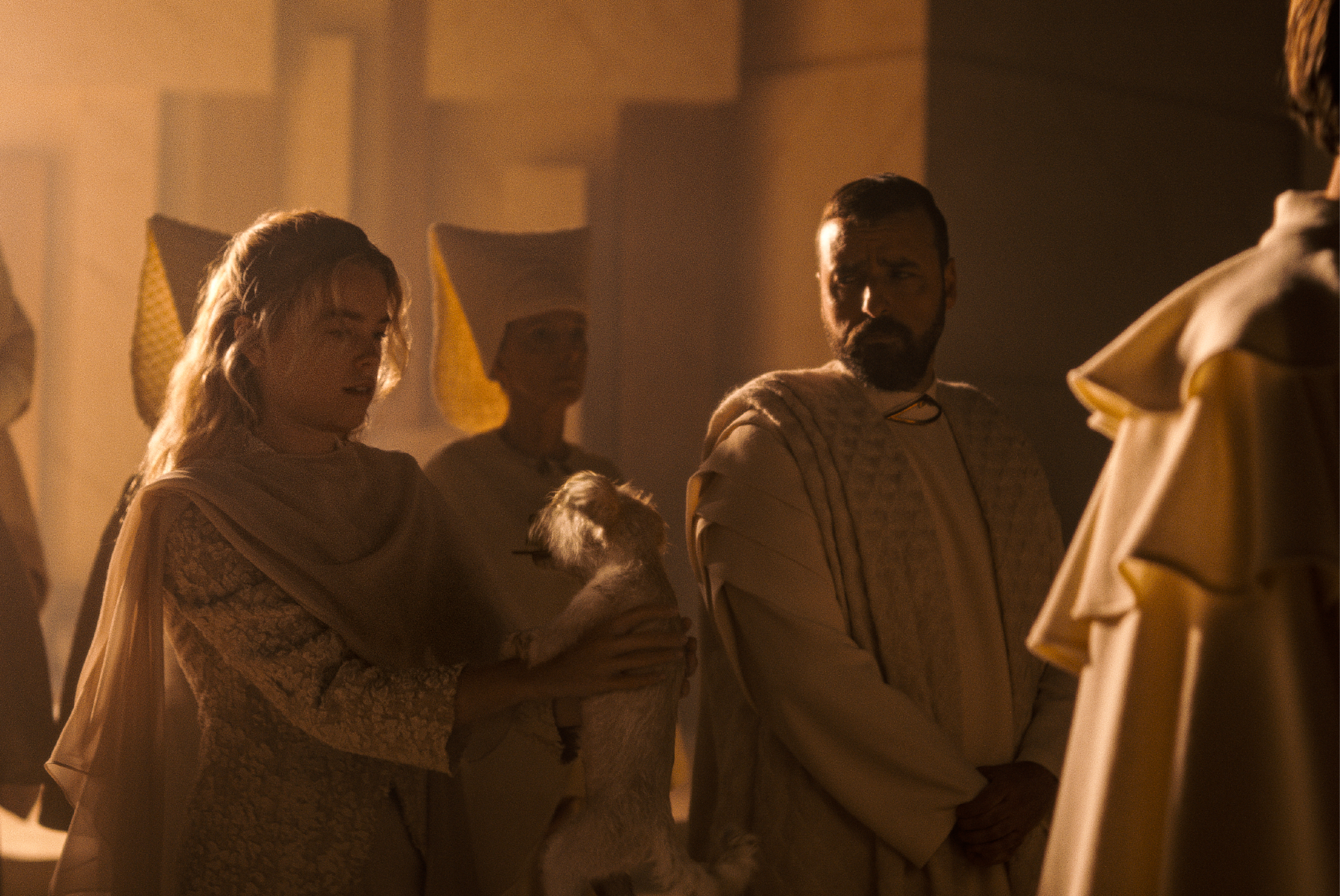
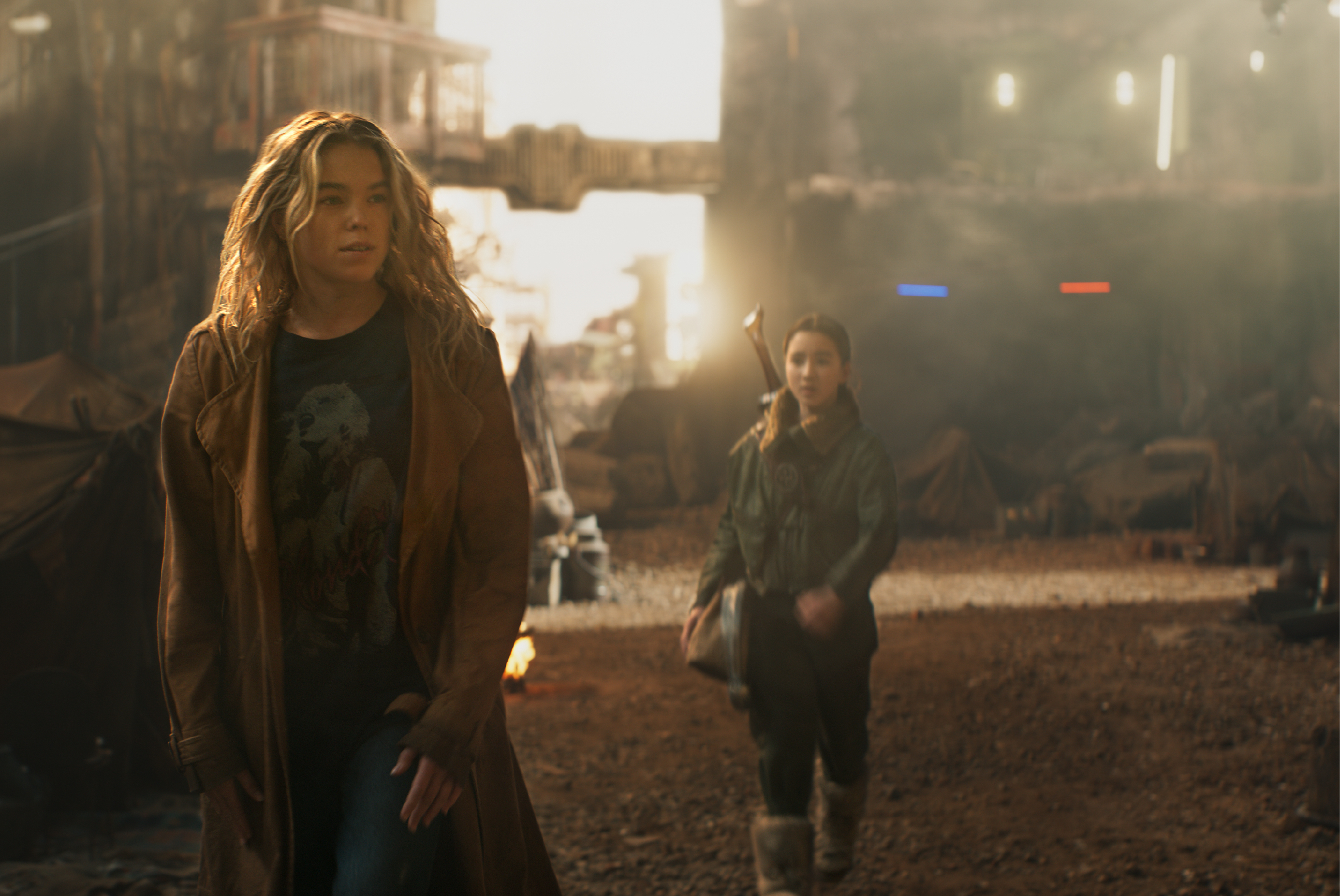
Milly Alcock, who stood out in the early episodes of House of the Dragon as Rhaenyra Targaryen, a role that would soon be ceded to Emma D’Arcy, plays young Kara Zor-El, the only other survivor of the fall of the planet Krypton, whose experience of said destruction is markedly different to her older cousin Superman (David Corenswet, who reminds us in a few brief scenes what an inspired piece of casting he was). Where Superman, rescued as an infant on earth, never knew Krypton, Kara was raised in a floating forcefield that preserved a tiny section of Krypton and its people, floating suspended in space. When that tiny outpost fell to a poisoning of the atmosphere, Kara was sent to earth to join her cousin in a lone escape pod. Accordingly, the grief is far closer and more acute for Kara, who self-medicates by travelling to ‘red sun’ planets, which dull her powers and allow alcohol to hit with full effect. Inadvertently, she crosses paths with a young girl named Ruthye (Eve Ridley) whose family has been massacred by a marauding alien race named the Brigands, led by the fearsome Krem (Matthias Schoenarts) and finds herself reluctantly pulled into Ruthye’s revenge mission when Kara’s beloved pup Krypto is poisoned by the outlaws. Hunting for Krem and the antidote leads the pair on a fraught space mission that bears plenty of similarities to Gunn’s Guardians trilogy, replete with scungy environments, colourful alien characters and pop tunes galore.
There’s a lot riding on Supergirl to continue and expand James Gunn’s vision for a new DCEU that began with last year’s Superman. Unfortunately, despite a fine performance from star Milly Alcock, this wannabe franchise-starter fails to inspire on nearly every level.
Where Gunn’s treatment of this kind of heightened, pop-culture savvy material felt fresh and of-the-moment, Supergirl, directed by Craig Gillespie, stumbles over itself trying to recapture the magic. The era of the ironically detached, meta-but-heartfelt cartoonishness of Guardians largely belongs to an earlier, Obama-ite era — its presence here comes with no small amount of flop sweat. It doesn’t help that Supergirl is saddled with a listless script from newcomer Ana Nogueira that feels like it is constantly overlooking the elements that make this character interesting. It’s unfortunate, because Alcock is a great find — she locates the perfect blend of scrappiness and vulnerability that ensures we are invested, but the performance struggles to reach the light amid the noisy and misguided maelstrom. It’s easy to understand why Corenswet’s Superman is a small supporting presence here, the better to allow Kara to really claim the spotlight, but it’s telling that the film’s best scenes are found in the compelling chemistry that these two wounded souls forge in a handful of quiet, heartfelt scenes. By-and-large, the rest of the cast just aren’t that interesting. Ridley feels stranded with a deeply uncharismatic character forced to carry the story’s emotional burden, while Jason Momoa appears later in the film as Lobo, a wolf-like god that drives a flying motorcycle and smokes a big cigar, evidently there to allow Momoa to mug and collect a paycheck.
Worse still is Gillespie’s direction, which finds nary a single standout image and renders the film’s action sequences in messy, hard-to-follow CGI muck. Gillespie’s track record is certainly shaky — his best film is the underrated retread of Fright Night that debuted to crickets in 2011, though he is far more well-known for his dubiously ‘feminist’ profiles of famous characters both real and fictional in I, Tonya, Cruella and Pam & Tommy. Why Gillespie, who has some success in directing actors but routinely fails to locate the interiority of his women characters, nonetheless seems to have crafted a cottage industry of high-profile actresses in flashy, pop-culture-courting mainstream vehicles escapes me. It’s a bizarre choice for Supergirl, a film which routinely cries out for a young and exciting female voice at the helm to lend it some genuine feminist heft, rather than the loose and misguided stabs this iteration takes. As demonstrated by the success of Patti Jenkins’ Wonder Woman, one wonders what an adventurous, emerging filmmaker like (to spitball a few) Ariane Louis-Seize, Sandi Tan, Frances O’Connor, Michelle Garza-Cervera or Kelly Fremon-Craig might do with this material. For Gunn’s new DCEU to flourish, it needs to be making bigger, bolder moves than anything on display in Supergirl. Considering what is here, it’s hard to fathom that he’ll be given a hell of a lot more chances.
Supergirl, In Cinemas Now.