Director: Michael Sarnoski
Country: United States
Writers: Michael Sarnoski
Actors: Hugh Jackman, Jodie Comer, Bill Skarsgård
Written by Tom Augustine.
An historical epic notable for its resolutely downbeat nature, gnarly violence and total refusal to obey traditional plot structure for films of its type, The Death of Robin Hood is a challenging, deliberately alienating work. Director Michael Sarnoski continues to carve a bold niche for himself with laudably risky high-profile ventures.
Do we need a new Robin Hood movie? It’s a reasonable question to ask. Historically, the folkloric outlaw hasn’t had the easiest time on the big screen — few would argue that the character’s heyday is still Errol Flynn’s iteration back in the 1930s with The Adventures of Robin Hood. In the current lexicon, it’s likely most think of a cartoon fox or the phrase Men in Tights when they think of cinematic adaptations (personally, I think of his musical performance in Shrek); best case is that they think of the Kevin Costner vehicle Prince of Thieves, a serviceable version most notable for a delicious Alan Rickman performance in the Sheriff of Nottingham role. Modern adaptations have been broadly woeful, most notably Ridley Scott’s box-office bomb Robin Hood, a ‘dark and gritty’ take that served as an early indicator of the great Scot’s elder statesman years of mechanical, lifeless scale. It seems few really know what to do with Robin Hood in the modern day — a mythical working class hero, most adaptations after the turn of the Millennium have sought to strip him of a certain, ahem, merriness that is considered unbecoming in the macho sphere of the modern blockbuster. The versions that have worked best have recognised the Robin Hood legend as a swashbuckling charisma vehicle, whose noble mission mostly feels like just another lark for a man who delights at disobeying. It’s a shame, because it’s the kind of legend that could be just the thing we need right now — the very idea of a hero who steals from the rich and gives to the poor carries a lot of potency in this era of unprecedented greed and poverty. If handled correctly, there’s every reason to suspect it could touch a nerve.
Michael Sarnoski, director of The Death of Robin Hood, is not the person for such a task, and isn’t particularly interested in the sociopolitical implications of said legend. The director, who burst onto the scene with the very fine thriller Pig and delivered the best Quiet Place movie by a comfortable margin with Day One is a solemn director who wrangles genre frameworks into maudlin, funereal shapes. Sarnoski’s most pressing interest is the spectre of death, which follows his protagonists like a shadow and, when applied, provides some kind of release or transcendence. All to say, The Death of Robin Hood is, as the title suggests, a memento mori, the grimmest and grittiest of all Robin Hood adaptations drawn directly from the original, far darker renderings of the character in ancient ballads, specifically a 17th century ballad titled Robin Hood’s Death, in which an elderly Robin declines and quietly dies in a priory after being transported there for care of some grievous wounds taken in battle. After a lifetime of — depending how you tell it — gallantry or brigandry, Robin’s life is extinguished with a whimper, an intriguing finale for such an outsized figure.
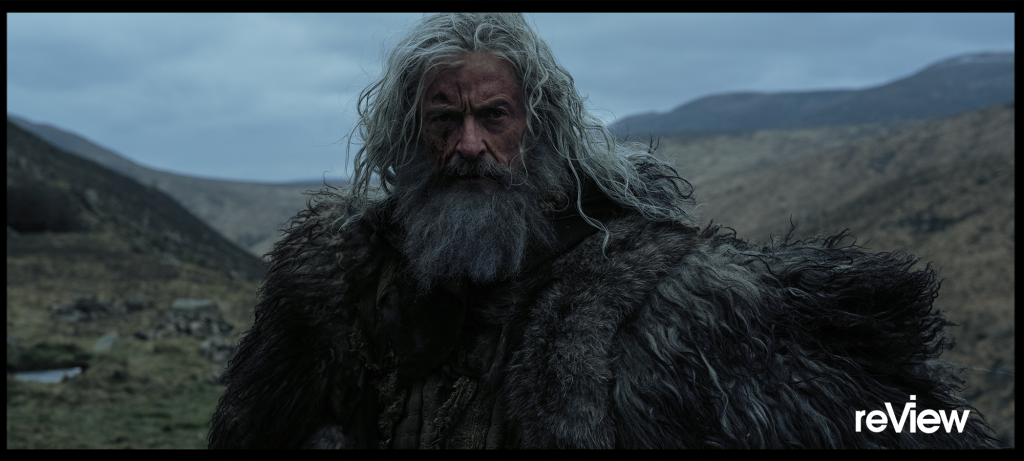
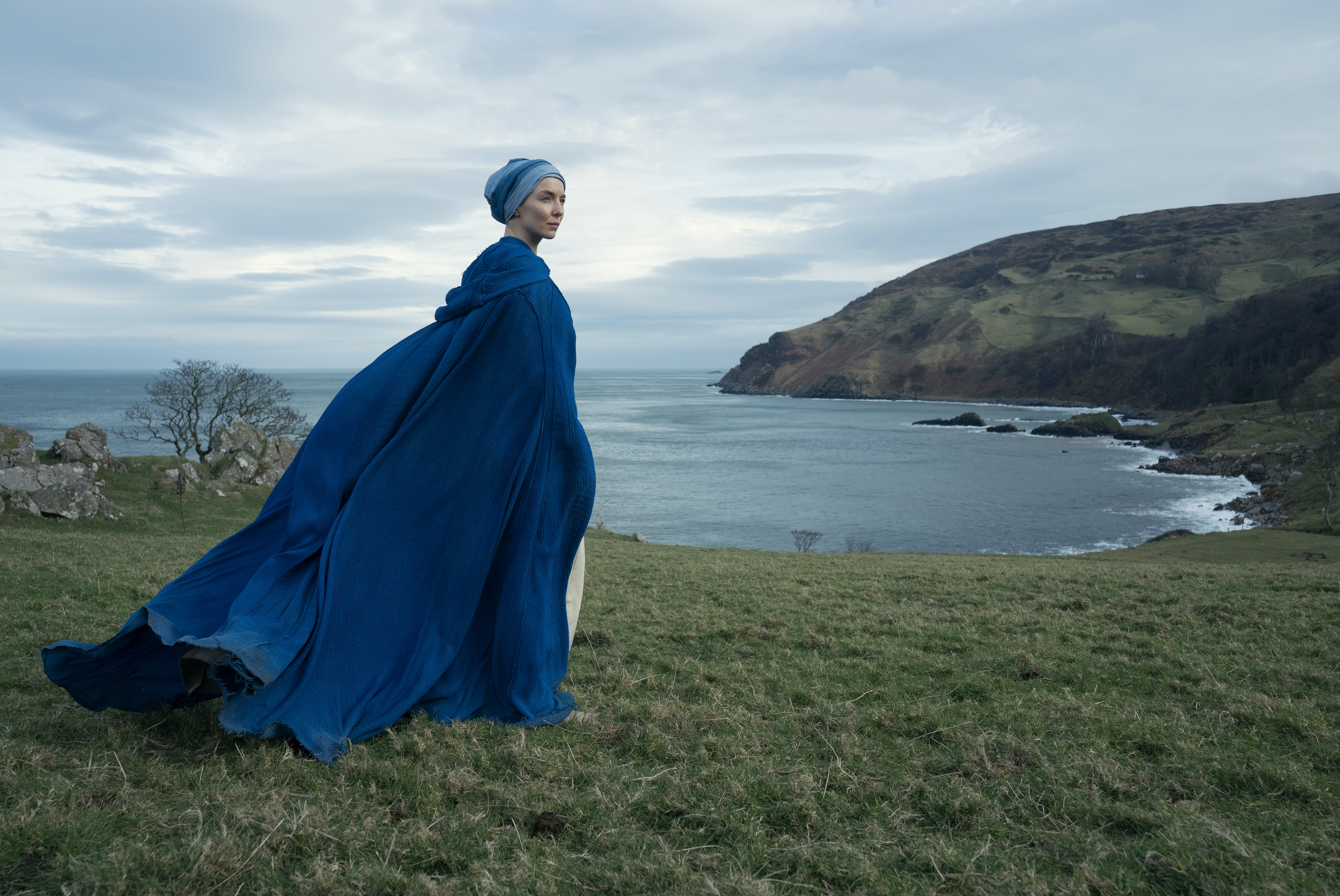
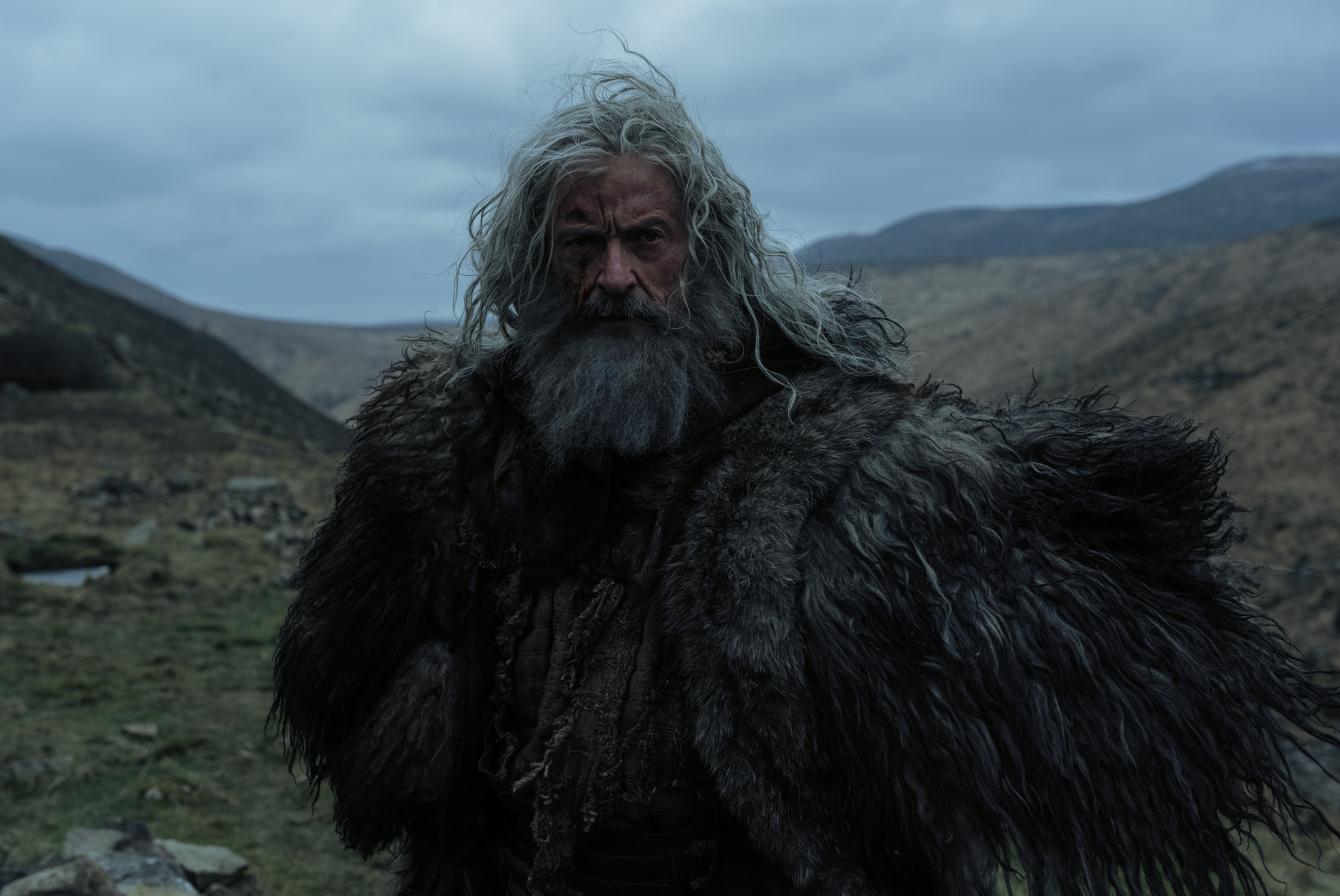
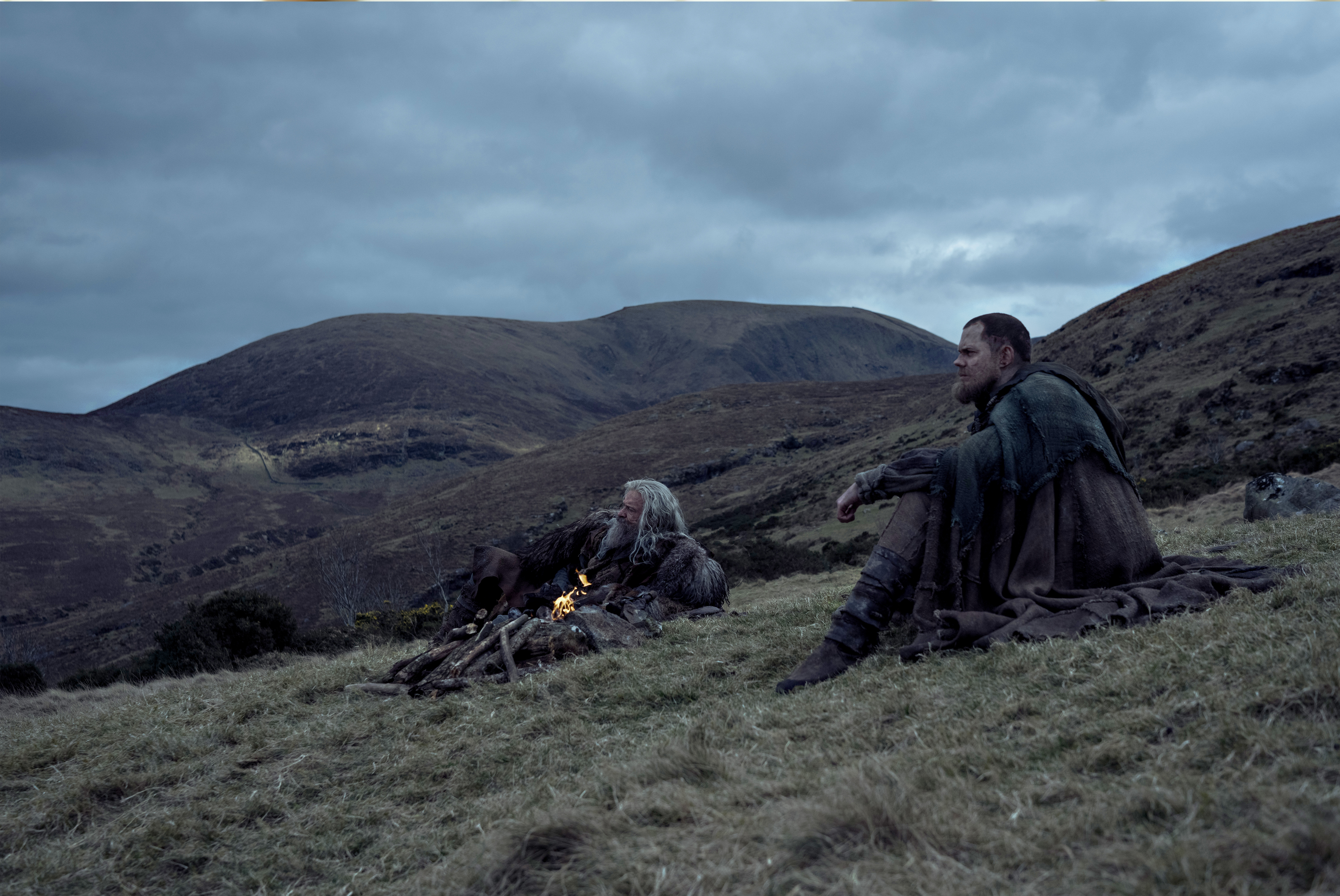
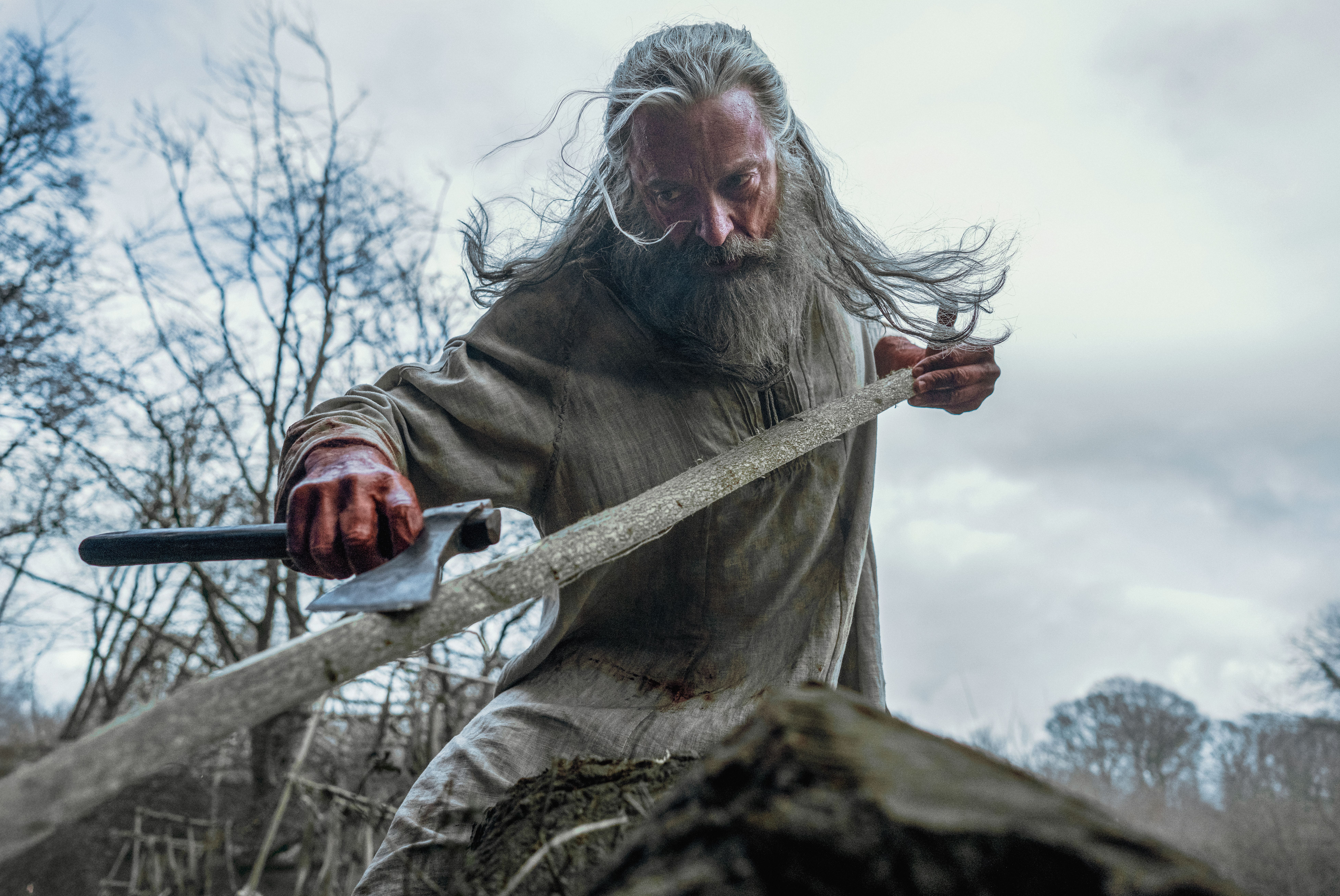
Following the lead of these ballads, the Robin Hood of this iteration (Hugh Jackman) is a world-weary elder statesman whose reputation for bloodletting is well-known. Wandering the hinterlands, he is carrying the ghosts of an endless parade of men, women and children slaughtered by his hand over the years when he agrees to help a now-retired Little John (Bill Skarsgård) reclaim a farm he himself stole from a murdered man. A few swift, surpassingly harrowing skirmishes later, Robin is delivered to a remote island priory, where the mysterious Sister Brigid (Jodie Comer) tends to his wounds. Soon after, John’s young daughter Margaret (Faith Delaney) also arrives, seeking refuge. A tender relationship forms between the three, even as Robin hides his infamous true nature, posing under a different name.
The Death of Robin Hood is pointedly bisected into two narrative halves, and what’s notable is how consciously alienating both halves are, to the point that one could consider (and admire) this as a deliberately uncommercial project. In the first, Sarnoski piles on the grimdark viciousness of the era, in a cavalcade of violence that is staggeringly ruthless and unvarnished. Virtually no character is spared from the barbarity, as bodies are flayed, ripped, crushed and battered beyond recognition. Sarnoski demonstrates a resolute lack of sentiment — there is no quarter given to young women or children, both of whom meet grisly fates in this often hard-to-stomach section which draws comparison not to historical epics like Braveheart and Scott’s Robin Hood, but to European (pseudo-)history-as-horror ordeals like Hard to Be a God and The Painted Bird. Not to be outdone, the second half does away with almost all action scenes one might expect of such a film, delving instead into the regrets and traumas of his characters as Robin trudges toward absolution.
There’s plenty about this that is commendable — Sarnoski has a singular vision and refuses to change course, arriving at a singularly strange item that eschews a traditional climax entirely. Such commitment at scale is rare, and allows Sarnoski and his actors to lure the viewer into a hypnotic state, the pastoral English landscapes rendered in painterly, harsh beauty. His actors are similarly invested — the grizzled nature of the role is sure to evoke Logan comparisons for Jackman, who struggles with the Northern accent, but otherwise delivers an impressively interior, hard-edged performance. His are some of the most expressive eyes in the business: even in moments of monstrous cruelty, there’s the heartbreaking vulnerability he carries in them that lingers. Comer, meanwhile, continues to prop up acquired-taste British titles with strong supporting performances — as with 28 Years Later, she is the emotional lynchpin here, a source of light whose fragility is all the more treasurable for its stubborn persistence in a hard world. Best is an unrecognisable Murray Bartlett, in a brief but memorable supporting role as a leper and self-styled guardian of the priory who serves as a moral guide for Robin in his convalescence.
The slow unspooling of the second half invites plenty of philosophical musing on notions of redemption, revenge and the value of deconstructing a myth. For a while, I figured the film was on a trajectory that echoed the most elegiac Westerns like Once Upon a Time in the West or The Man Who Shot Liberty Valance, providing an apparatus for the man to actually live up to the legend that he never intended to create — but Sarnoski has no time for such classically sentimental ends. Some would probably consider this a ‘realist’ Robin Hood, for its concession that life doesn’t really work that way — flesh is there to be degraded and defiled, and will betray all our romantic ambitions. It is burdensome stuff, and not everyone will appreciate the way the narrative tension slackens almost entirely in the second half. It becomes clear relatively quickly that The Death of Robin Hood is not building to any kind of final blowout action sequence, the kind of which ultimately let Logan down — but the overarching self-seriousness of the project is a double-edged sword. Sarnoski manages his tone well, but the icy intensity with which he renders his story ensures the film is easy to admire, but difficult to love. Its most intriguing implication is one that I’m not sure the film intended to engender: in its insistence on deconstructing the legend, and refusing to allow Robin Hood to even stand in the shadow of the ‘good man’ that he would come to be depicted as throughout pop culture, I emerged even more sure of the necessity of such a legend. The idea surpasses the figure who bore it, as with Che Guevara, Joan of Arc, Malcolm X, Vladimir Lenin — their human frailties and foibles are superseded by the ideals they came to represent.
The Death of Robin Hood is in cinemas now.