Director: Sébastien Vaniček
Country: New Zealand | United States | Canada
Writers: Florent Bernard, Sam Raimi, Sébastien Vaniček
Actors: Tandi Wright, Souheila Yacoub, Erroll Shand, Hunter Doohan
Written by Tom Augustine.
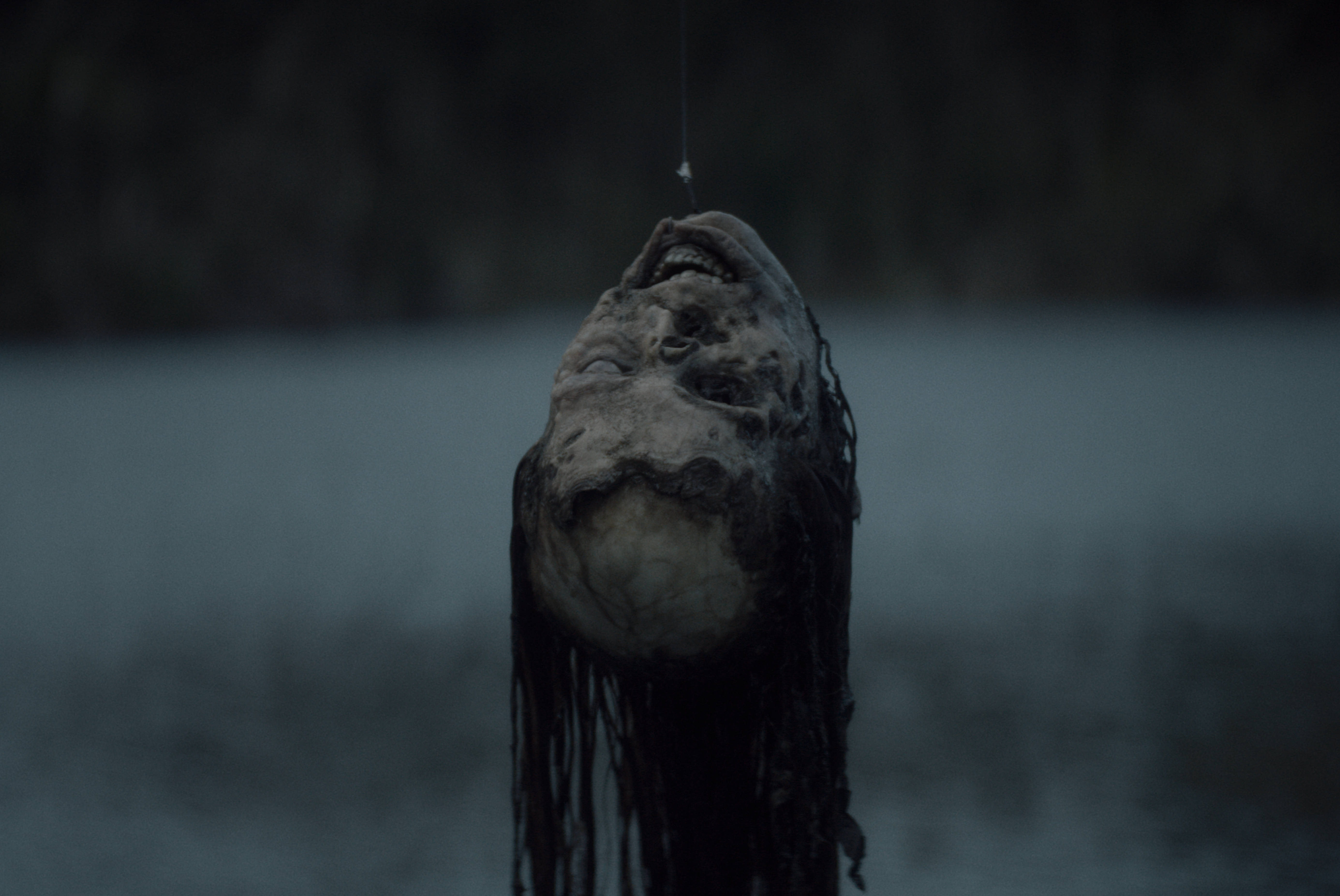
It becomes clear very early into the watching of Evil Dead Burn that we are essentially watching a New Zealand film. The latest instalment in the franchise, which itself rebooted from Sam Raimi’s inimitable eighties trilogy, is not alone in this — both Evil Dead (2013) and Evil Dead Rise (2023) were filmed here and utilise an array of Kiwi talent both in front of the camera and behind it. The jaw-dropping opening of Rise features local Mirabai Pease in a brief, bloody turn that’s hard to forget. But Burn feels like another level up — three of the topline cast are New Zealanders, and the landscape feels more unmistakably Aotearoa than ever. The Americanness of the story is increasingly incidental — the cast bear American accents, but little else seems of that country anymore, making said accents feel more like an endearing quirk holding over from films past than an important aspect of the series’ structure. The drab, wet, wintry expanses of Burn, which pivots around a derelict country house near a logging factory, seem to (albeit unintentionally) summon the spirit of Aotearoa’s greatest film movement, the New Zealand Gothic, in a way only a few local films have managed to achieve in recent years. That it comes to us from a Frenchman, Sébastien Vaniček, in what is his sophomore feature, just adds to the fascinating, eerie texture of this latest effort.
It’s fitting, though, for a series that has prided itself on its ability to reinvent. Few had high hopes for Don’t Breathe and Alien Romulus director Fede Álvarez’ 2013 rehash when it first ripped onto the scene. Largely absent were the gleefully cartoonish excesses of Sam Raimi’s classics, replaced by a funereal darkness, mixing seductively with bloodletting dialled up to eleven, a heavy metal remix of an auteur’s blistering opening salvo. Part of what makes these films successful is their disinterest in the continuance of ‘lore’ — the basic setup remains the same in most iterations, pivoting around the Book of the Dead, which lures demons to earth in search of human shells to possess — but rarely do characters reappear or storylines carry over from one film to the next. Most of the time, there aren’t enough people left anyway. The series also selects its horror newbies skilfully — Álvarez and Rise director Lee Cronin have since gone on to shoulder major franchises separate to Evil Dead, in the form of Alien and The Mummy, respectively. Each of these filmmakers works within the confines of what is expected, but flexes their directorial muscles to demonstrate their potential, making the Evil Dead series something of a showreel for a range of talented creatives. In Vaniček, this pattern continues, the French filmmaker locating genuinely upsetting dramatic material to offset its equally upsetting bloodletting, and deploying a range of clever directorial tricks that elevate the material enormously.
The remarkably consistent horror reboot series continues to carve a bloody niche for itself with a rusty kitchen knife in this latest standalone effort. A raft of Aotearoa talent in front of and behind the camera brings French filmmaker Sébastien Vaniček’s vision to life, balancing genuine drama with the gore effects for which the series has become infamous.
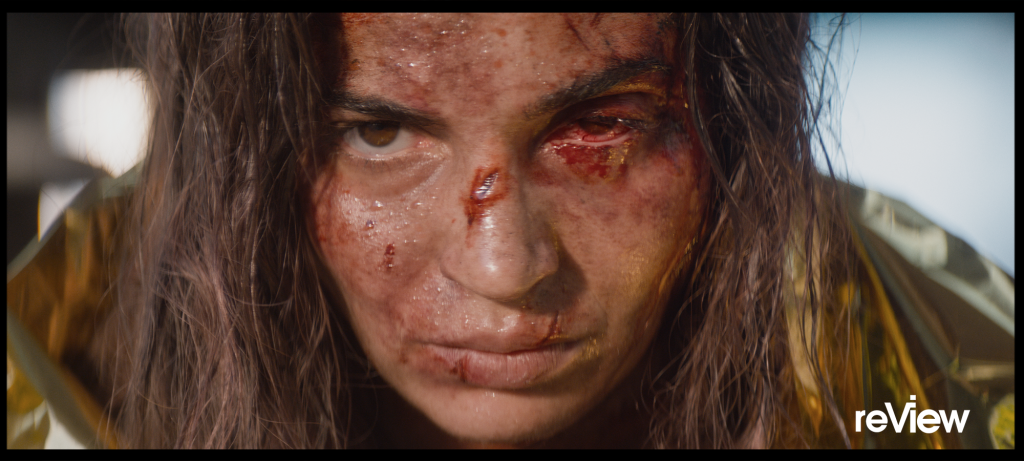
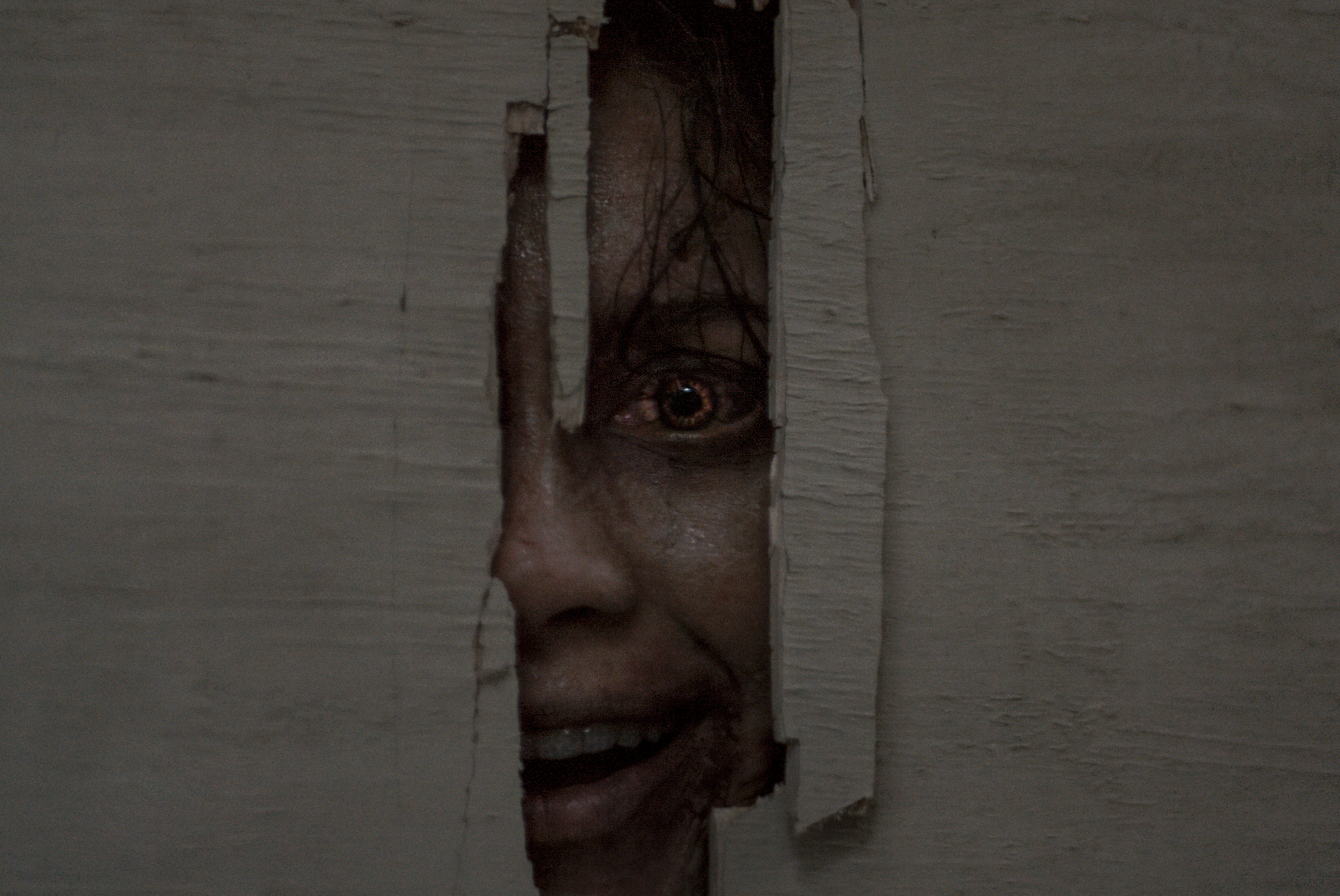
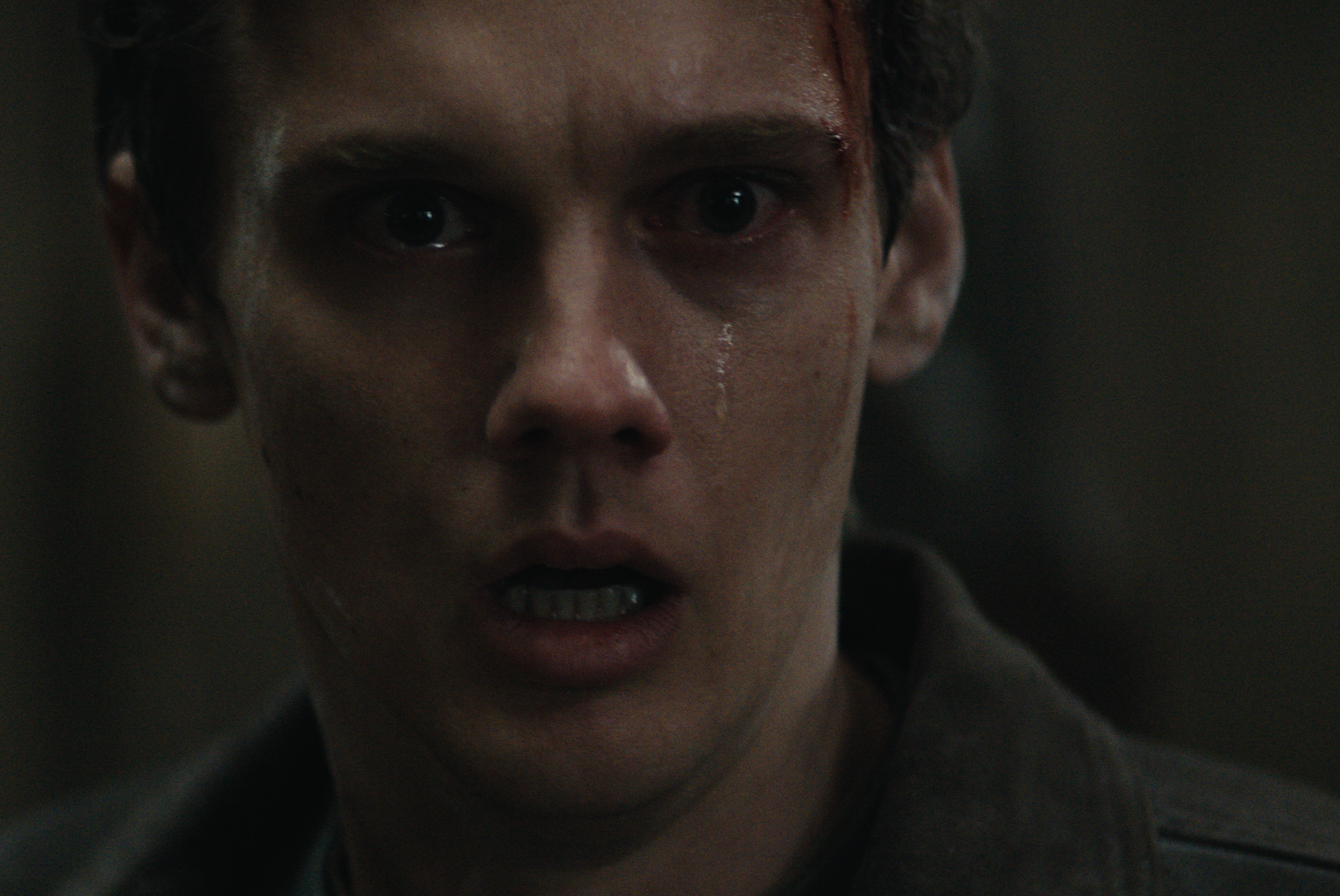
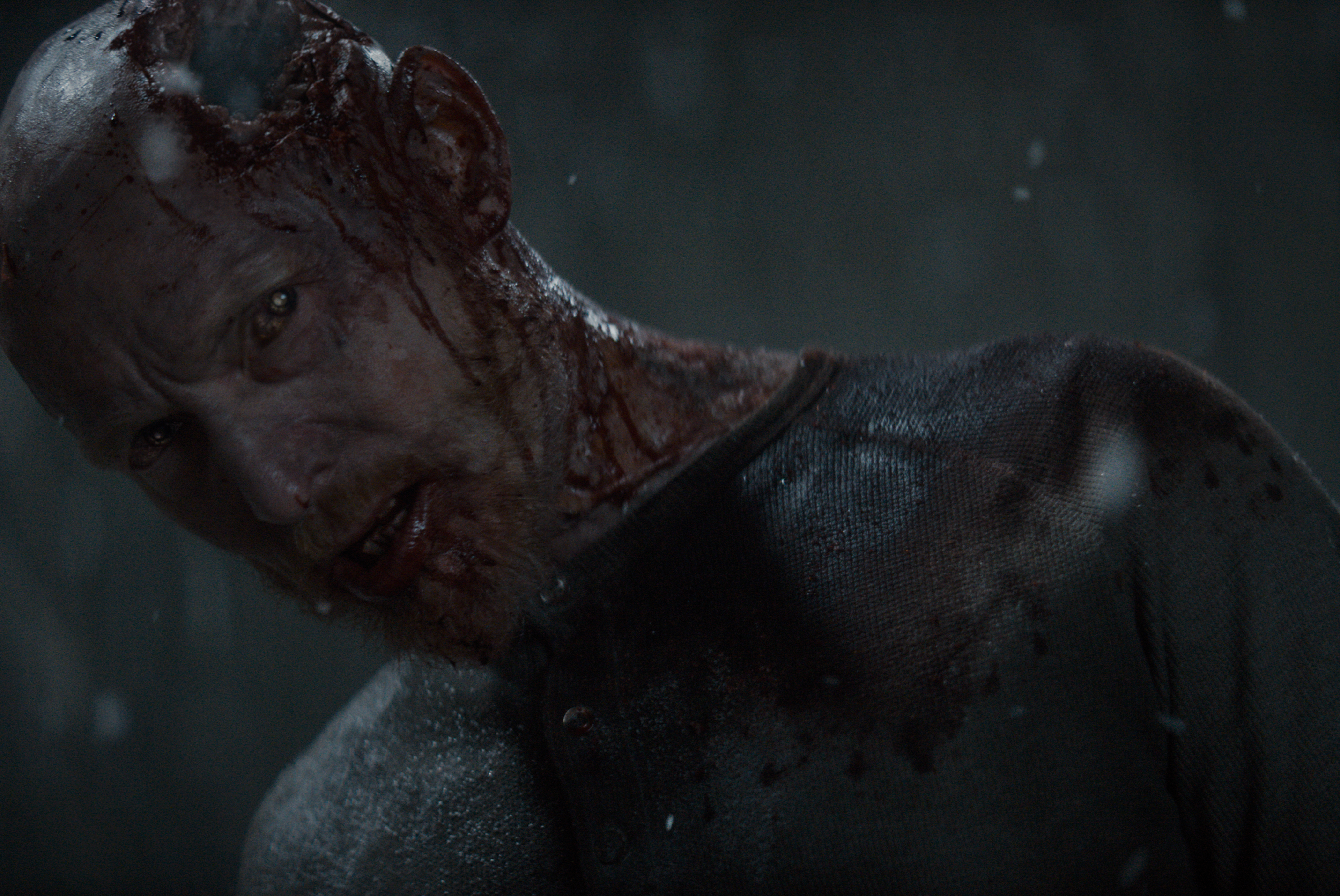
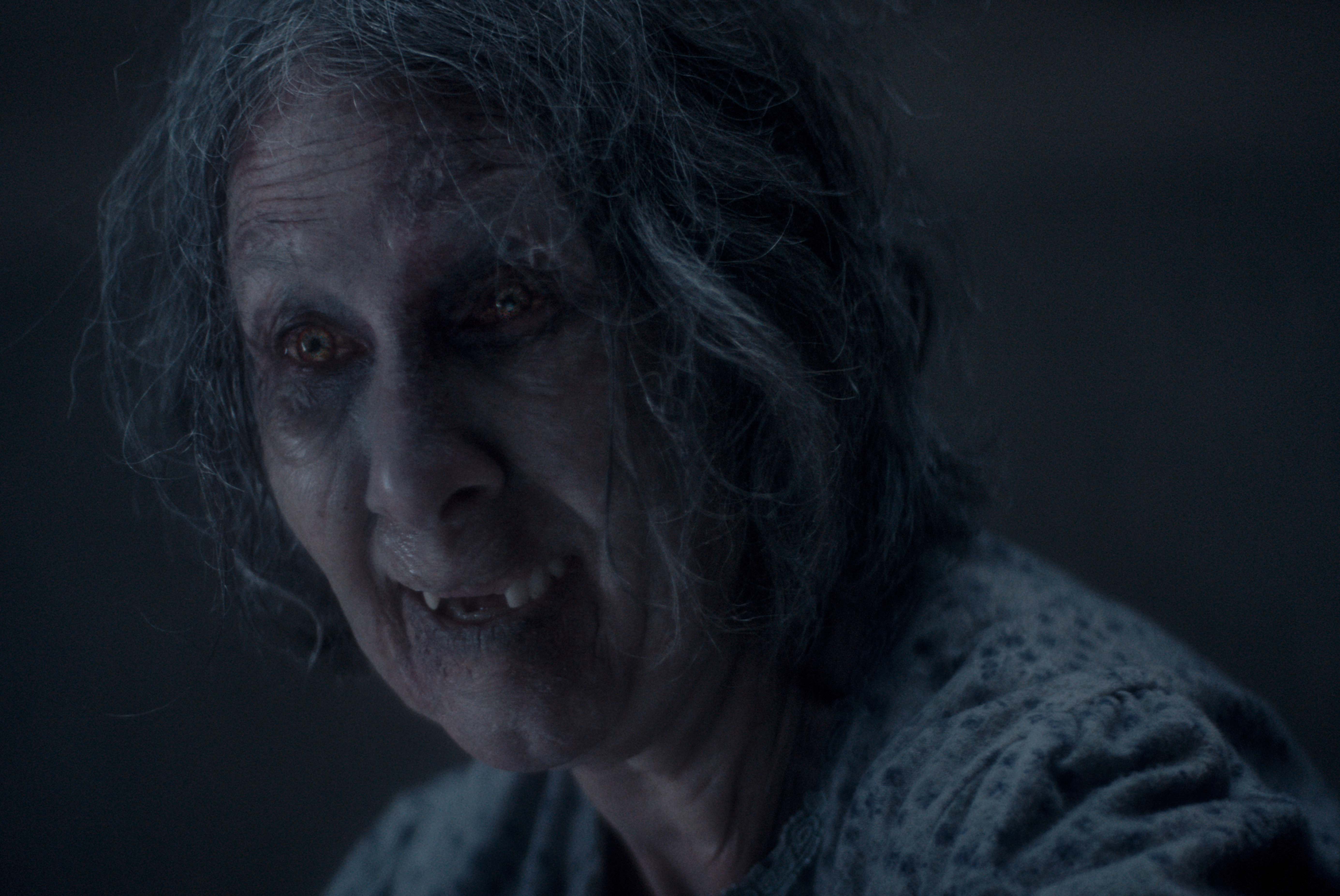
Burn follows Alice (Souheila Yacoub), a Frenchwoman married to an American nightclub owner named William (George Pullar), who has turned to alcoholism and domestic abuse as his businesses fail. After dying in a seeming freak drunk driving accident — we are shown that there was nothing ‘freak’ about it except for the monsters involved — Alice finds herself emotionally numbed and tormented by William’s family at the sparsely attended funeral. The group reunite at the family homestead, which has fallen into ruin. There, it is discovered that none of what has occurred has been an accident: William’s brother Joseph (Hunter Doohan) has discovered in the files of his grandfather, a demonologist, an ancient knife that can be used to kill Deadites by wrenching them from their host bodies. Naturally, the Deadites are on a mission to claim it for themselves, and Joseph has hidden it somewhere in the house. What follows is something like a demonic spin on Gareth Evans’ The Raid, as members of the family — which also includes traumatised mother Susan (Tandi Wright), her gruff husband Edgar (Erroll Shand), Joseph’s partner Thya (Luciane Buchanan) and elderly grandmother Polly (Maude Davey) — are possessed or attacked in an all-consuming quest upward through the crumbling storeys of the mansion, in search of the knife.
The bloodletting, when it comes, meets the standard of the Evil Dead films and is sure to satisfy return fans — there are once again sequences involving garden implements, kitchen appliances, and all manner of other everyday objects being put to nefarious or bloody purposes. What is as impressive is Vaniček’s handling of the drama, which locates a compelling, ugly humanity in its bitter house patrons, all nursing grudges against each other over the supposed shortcomings that may have contributed to William’s death. I don’t think there is a wealth of bias in declaring that the three New Zealanders — Wright, Shand and Buchanan — are clear standouts among the ensemble here. Wright, one of the most stalwart presences on Aotearoa screens for many years, has the most to chew on here as what is functionally the second lead of the film, laying bare generational and familial wounds as she tries to navigate Alice’s ongoing presence in her life. Shand, already a terrifying presence in another horror this year, Taratoa Stappard’s superb debut Mārama, is enervatingly frightening here even before the possessions and killings begin, tapping into a violent brutishness that once again feels spiritually Kiwi. The relationship between Shand and Wright’s characters, echoing the abuse that Alice experienced at the hands of their offspring, introduces a fascinatingly discomfiting element to the equation. With less screentime to make an impression, Chief of War actress Buchanan demonstrates real presence and star power — it’s no surprise she gets the film’s most defining image, drinking hot wax from a candle before her horrified family, welding us to the screen with an icky, expertly delivered pseudo-sensuality.
Vaniček does well to maintain these many threads in a short amount of time. Early, tense sequences of family disunity (before the mayhem truly starts) are exceptionally anxiety-inducing. The funeral sequence, which is marked by the audial interruptions offscreen construction work, is an ingenious piece of subtextual place-setting, while an early dinner-table sequence feels closer to something like The Celebration than its bloody predecessors. Familial trauma is a done-to-death thematic shortcut in modern horror, but Evil Dead Burn’s greatest surprise is that there may be (after)life in that particular box of tricks yet.
Evil Dead Burn opens in cinemas 9 July.