There are artists who make work, and then there are artists who appear to have wandered in from a song, a hangover, a rehearsal room, and a minor emotional collapse all at once.
Ragnar Kjartansson is very much the latter.
“Kjartansson offers a world of music, repetition, performance, comedy, melancholy and that strange human habit of saying the same thing until it becomes unbearably true.”
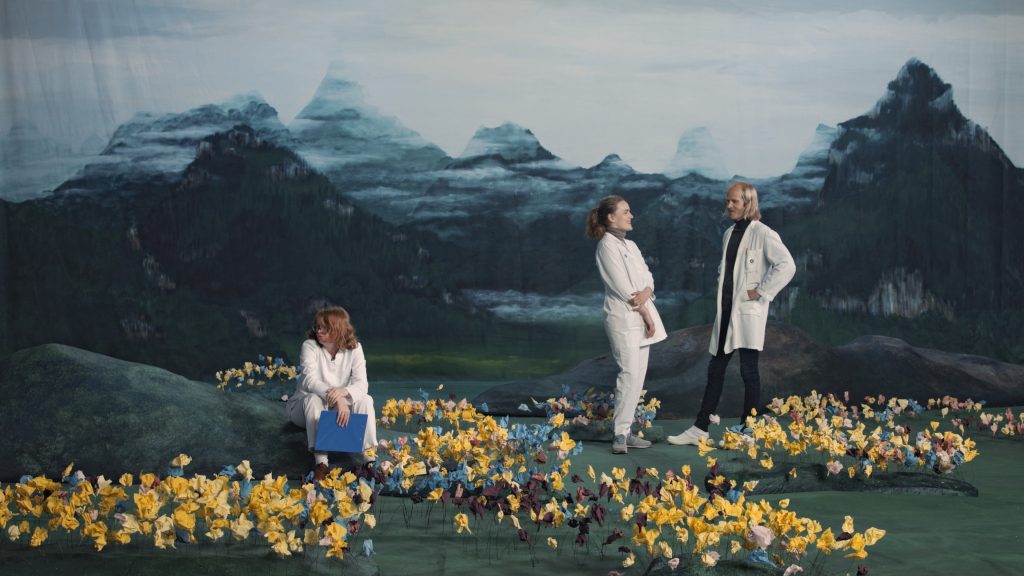
In Ragnar Kjartansson: Mercy, now at the National Gallery of Victoria, the Icelandic artist offers a world of music, repetition, performance, comedy, melancholy and that strange human habit of saying the same thing until it becomes either meaningless or unbearably true. Curated by Amita Kirpalani, Curator, Contemporary Art at the NGV, the exhibition gathers works that do not so much sit on the wall as haunt the room, humming.
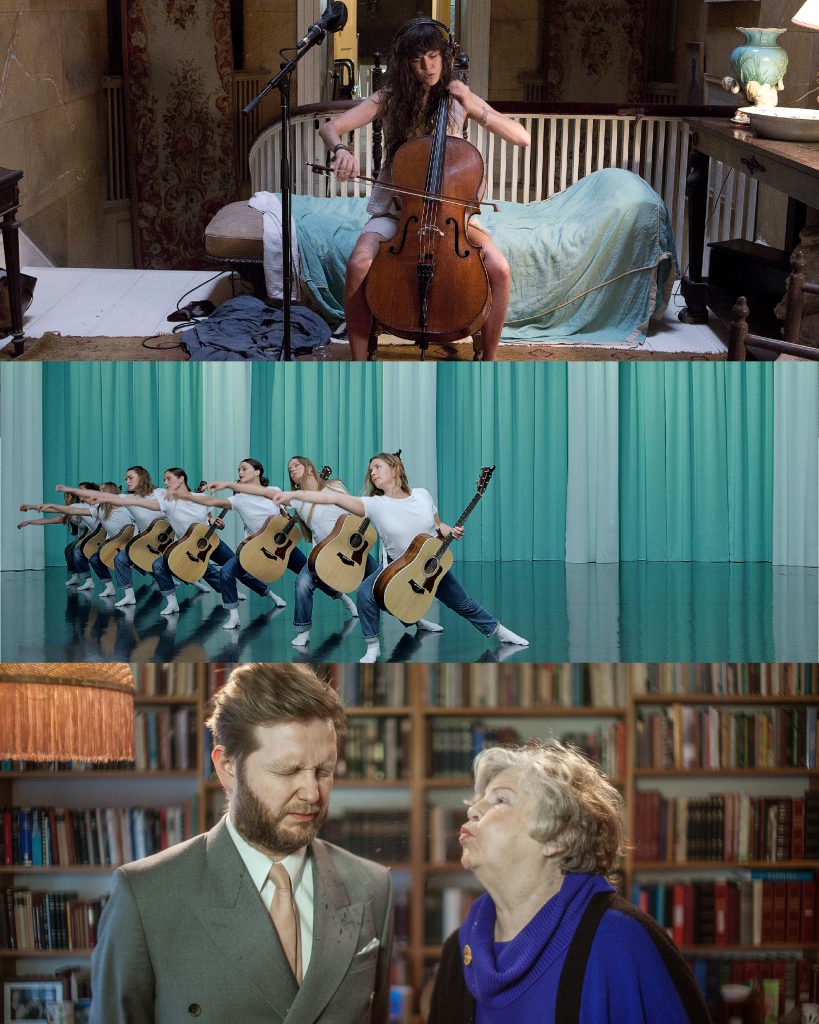
The title comes from one of the earliest works in the exhibition, Mercy from 2004, in which a younger Kjartansson, looking rather Johnny Cash if Johnny Cash had wandered into an Icelandic art school with a guilty conscience, sings into the camera with his guitar: “Why do I keep on hurting you?” Again and again. The line is simple. Too simple, perhaps. Which is often where the trouble begins.
Kirpalani explains that Kjartansson wanted to flip the country music cliché of the white man singing about his pain into something more complicated: a song about remorse and guilt. This is important. Kjartansson is not mocking feeling. Nor is he surrendering to it without irony. He is performing sincerity until sincerity blushes, looks away, and admits it was there all along.
“He is performing sincerity until sincerity blushes, looks away, and admits it was there all along.”
Much of this comes, perhaps, from the theatre. Kjartansson grew up in the wings, watching his mother, the acclaimed Icelandic actor Guðrún Ásmundsdóttir, rehearse lines over and over. Repetition, in his work, becomes more than a device. It becomes a kind of excavation. Say something once and it is a line. Say it again and it is performance. Say it for long enough and suddenly something small and real begins to crawl out from beneath it.
This is why the exhibition can move so elegantly between the ridiculous and the devastating. You may laugh, and then find yourself very inconveniently moved. That, one suspects, is the Kjartansson trap.
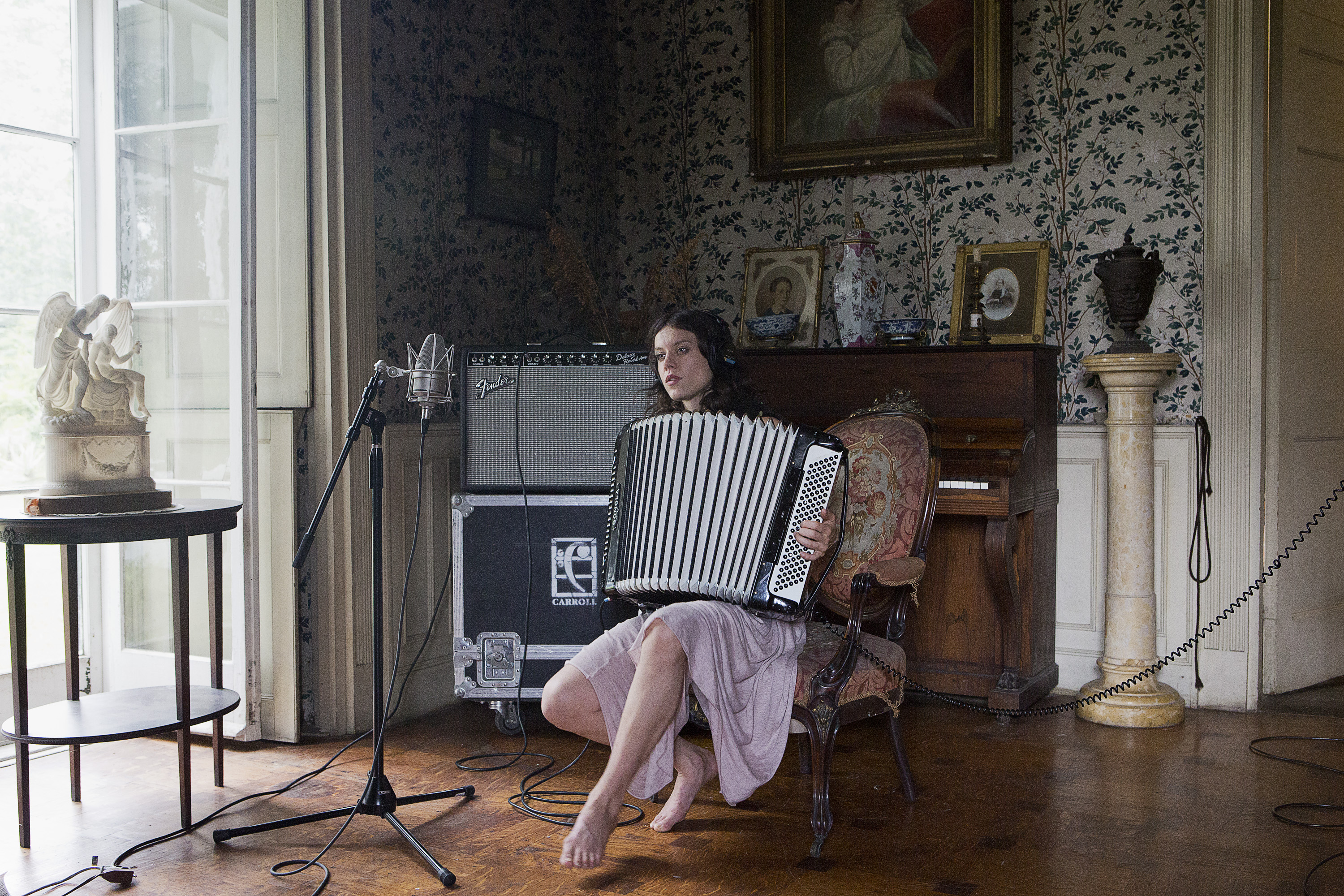
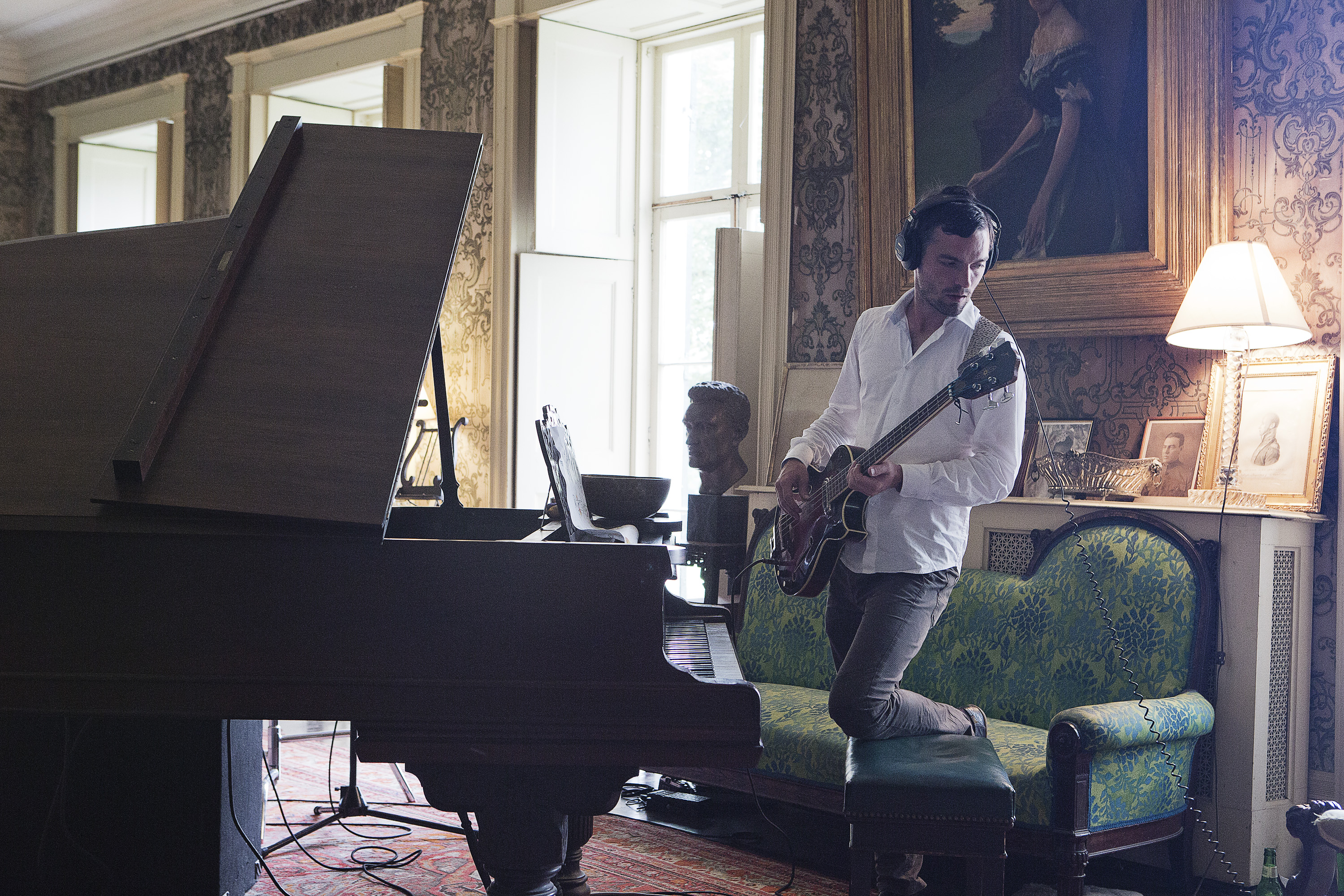
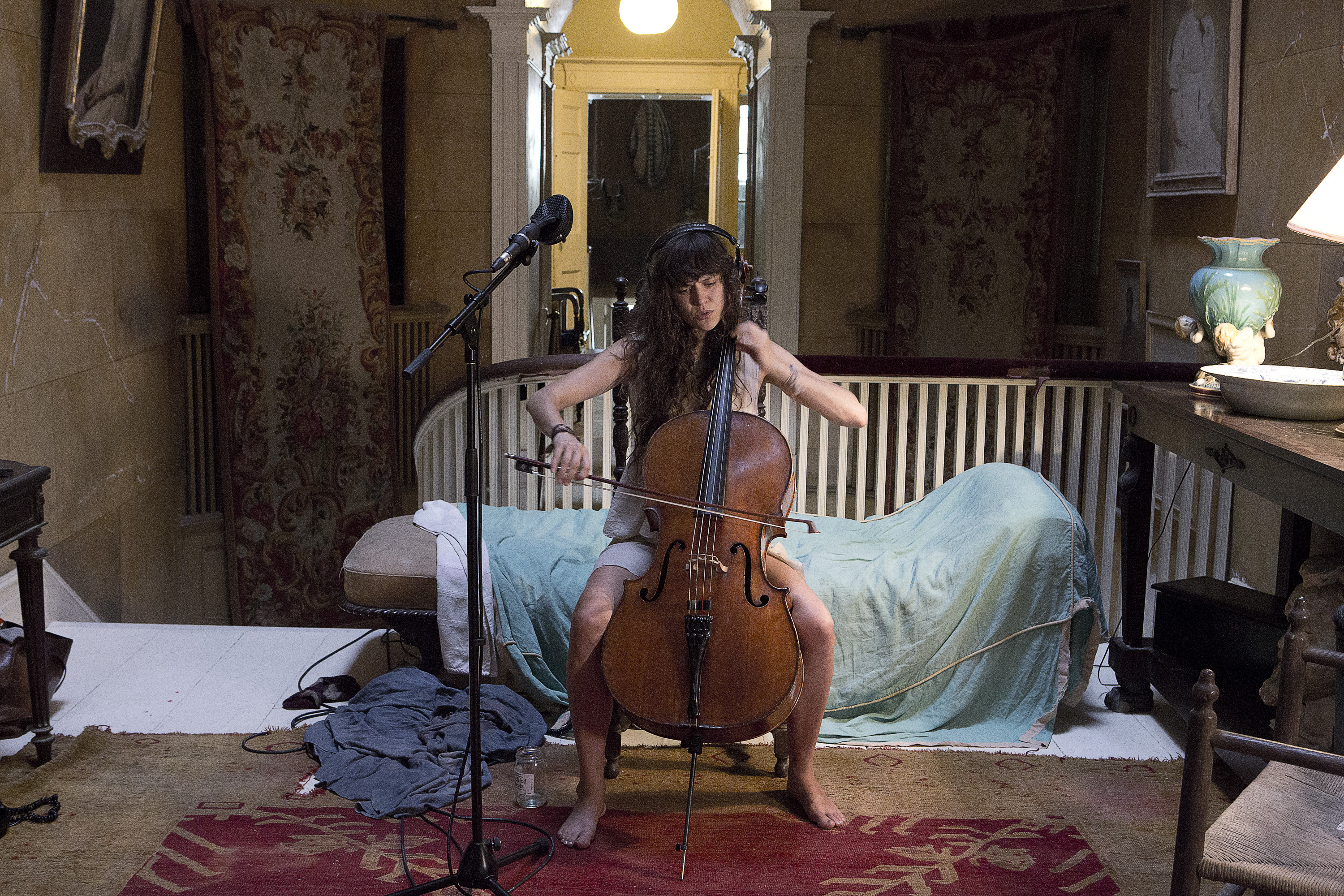
Nowhere is this clearer than in The Visitors, his acclaimed nine-screen installation from 2012. It has been called one of the great artworks of the twenty-first century, which is the sort of praise that could make a lesser work collapse under its own importance. But The Visitors remains gloriously human: a melancholic house party in a crumbling mansion, filmed in real time, with musicians in separate rooms performing together and apart.
“The Visitors understands that youth rarely ends with a clean dramatic gesture. More often, it trails off down a hallway, singing.”
Kjartansson has described it as a celebration for the end of youth. Critic Adrian Searle called it “one of the best days I’ve never had”. Both descriptions feel right. The work understands that youth rarely ends with a clean dramatic gesture. More often, it trails off down a hallway, singing.
Kirpalani notes that viewers physically navigate the rooms through nine screens, creating their own personal sound mix as they move. This matters. The audience is not simply watching. It is drifting, eavesdropping, composing. The gallery becomes mansion, concert, memory and séance.
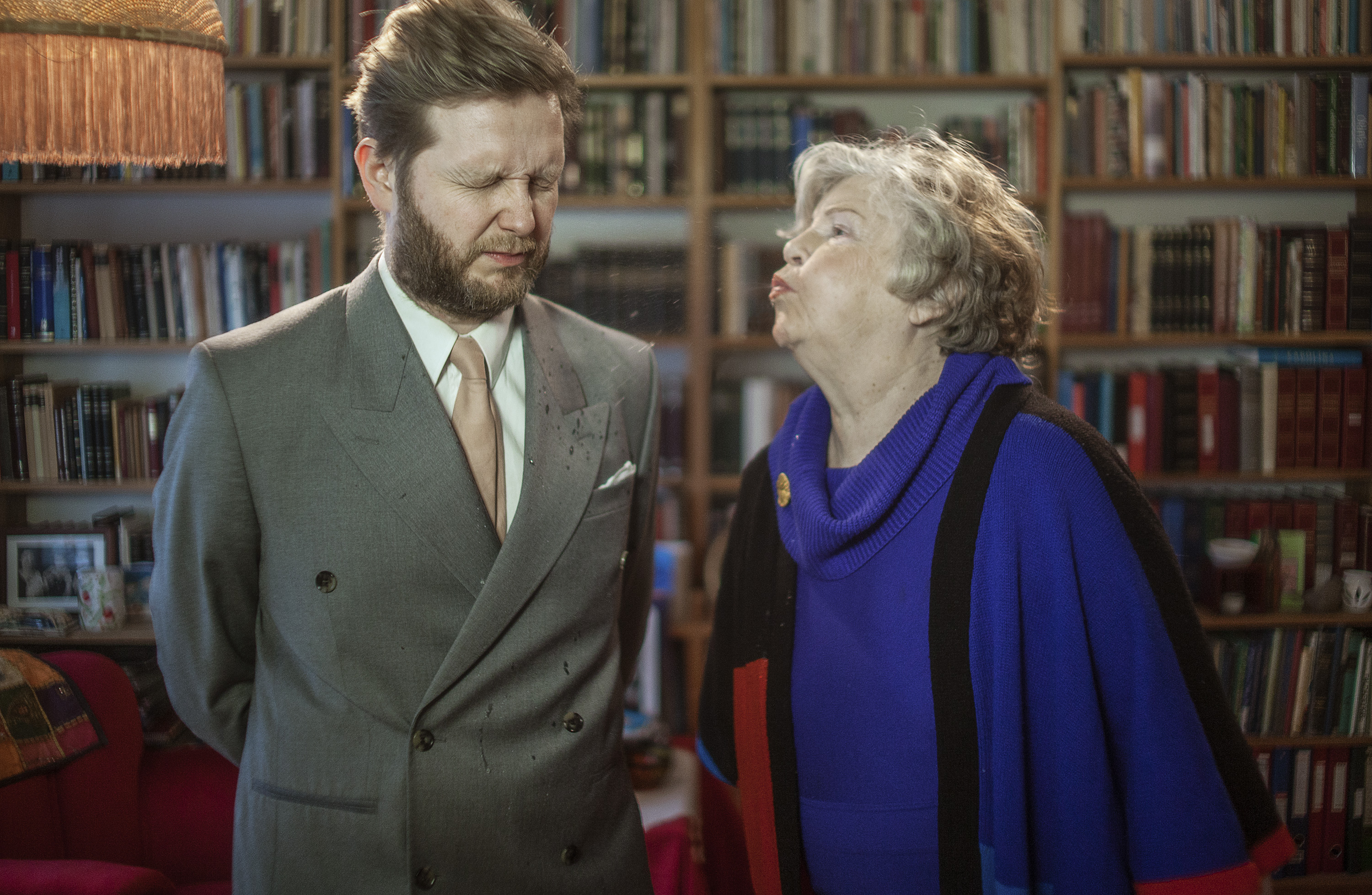
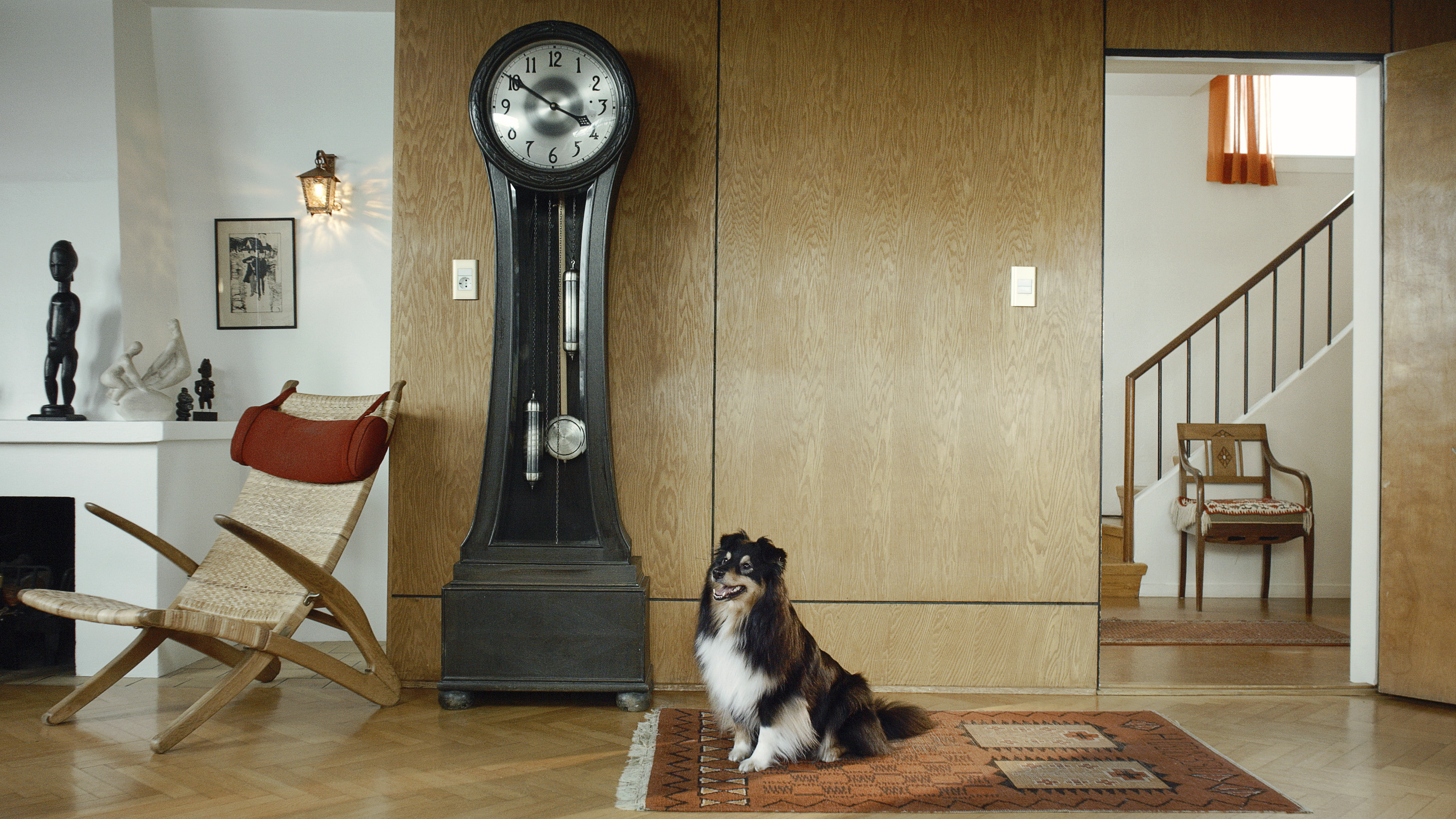
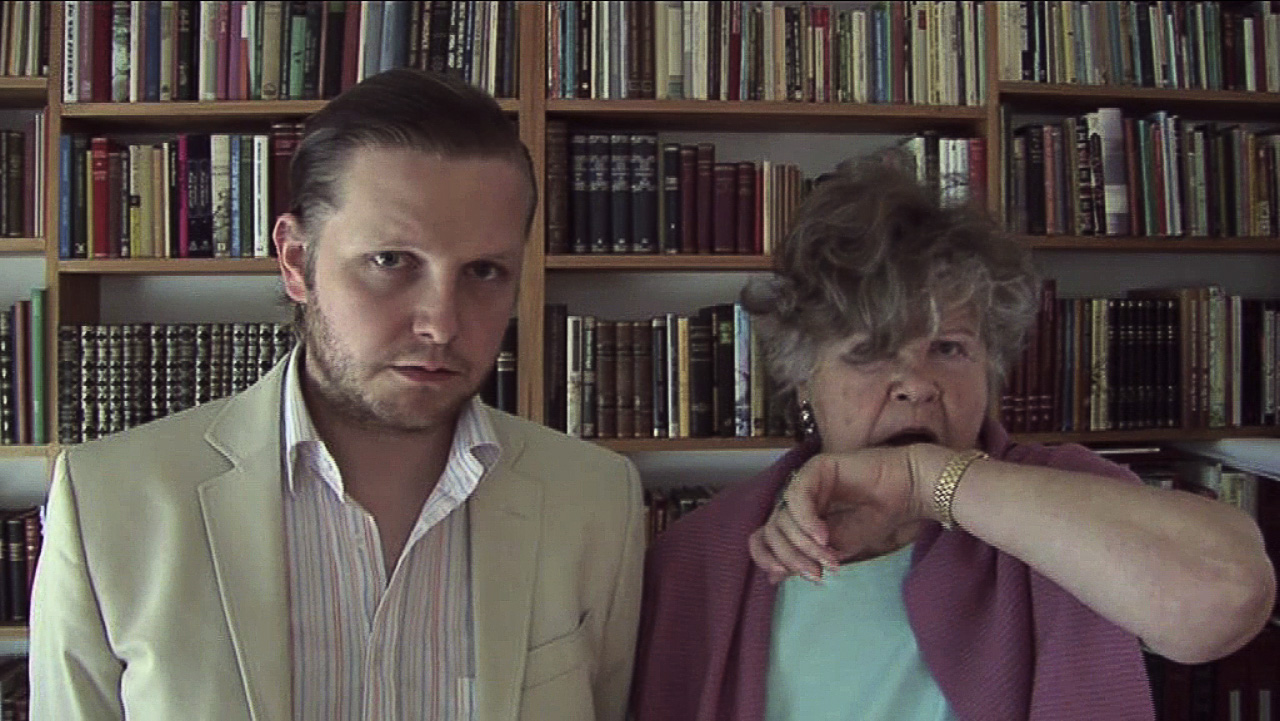
Then there is Me and My Mother, in which Kjartansson asks his mother to spit on him every five years. On paper, it sounds like a dare one should not encourage. On screen, it becomes tender, absurd, uncomfortable and strangely beautiful. After its fifth iteration, Kirpalani says the work now feels full of melancholy.
“Family, after all, is the original theatre: everyone knows their lines, nobody fully understands the play.”
Family, after all, is the original theatre: everyone knows their lines, nobody fully understands the play, and someone is always standing too close to the emotional furniture.
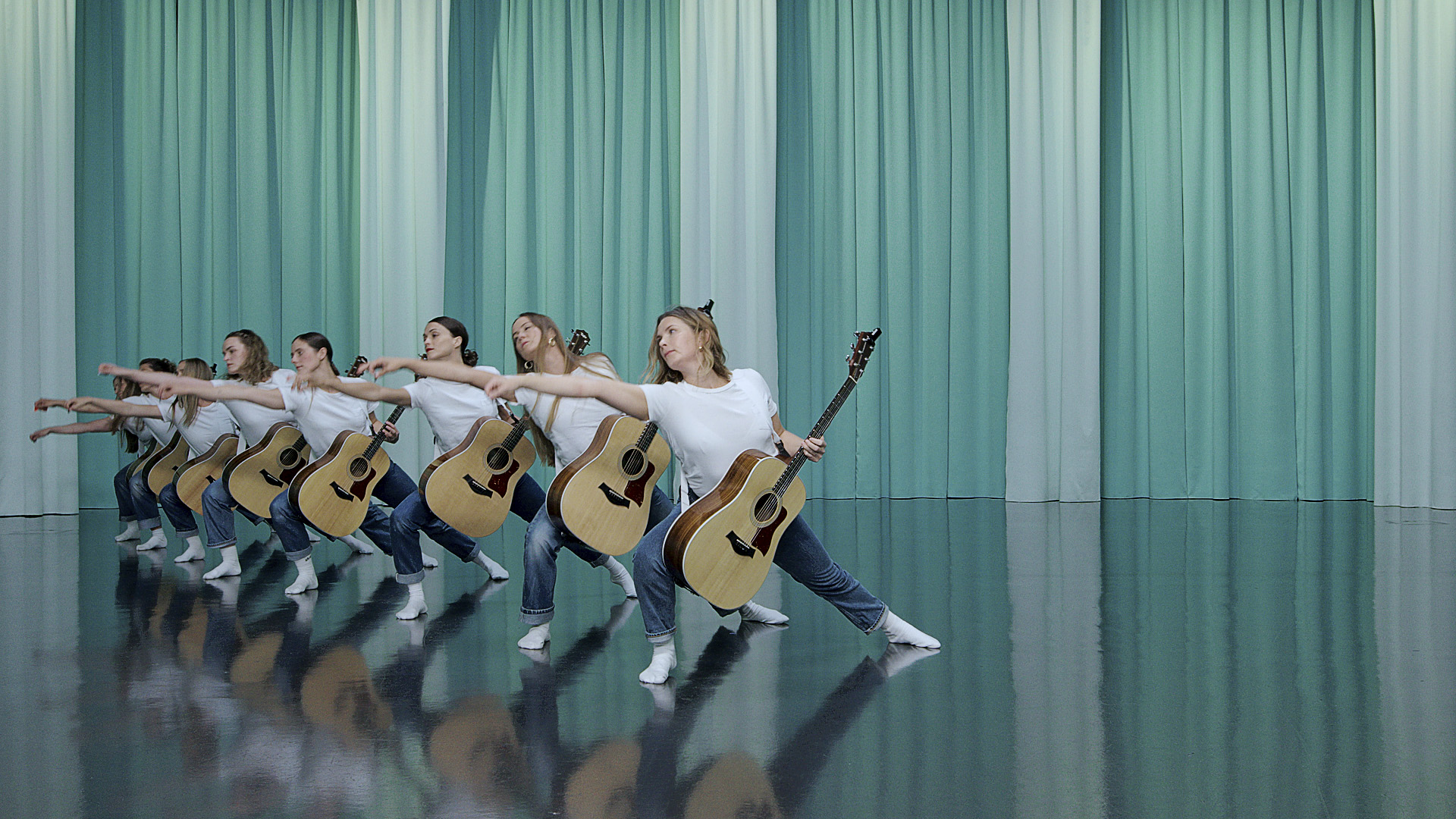
The exhibition also includes Sunday Without Love, a single-take film drawn from a three-hour performance in the Italian countryside. Performers sing, with terrible insistence, “You must learn to live without love.” It is either the saddest instruction ever issued or the beginning of an excellent Scandinavian dinner party. The work holds despair and humour together through elaborate staging and what Kjartansson might call the brutality of sentiment. It is ridiculous because it is sincere. It is sincere because it is ridiculous.
“It is ridiculous because it is sincere. It is sincere because it is ridiculous.”
What makes Mercy so compelling is that Kjartansson allows high art and low feeling to dance together slightly drunk. Literature, cinema, pop music, theatre, pastoral painting, romantic ballads all are invited. No one is asked to behave.
And for younger visitors, the accompanying Children’s Play offers something contemporary art can sometimes forget: permission to play. Theatre sets, costumes, drawing materials, performance, invention. Serious play, as Kirpalani puts it. A lovely phrase. A useful manifesto.
In my view, Ragnar Kjartansson: Mercy is not an exhibition about irony, though irony is certainly loitering near the bar. It is about repetition as confession, performance as truth, embarrassment as beauty, and music as the thing we do when language has become too well-dressed to help.
“Come for the cool. Stay for the ache.”
Visitors may arrive expecting Icelandic cool.
They should prepare, instead, for longing, absurdity, sincerity, and a mood that refuses to leave.