In My View: Lisa Beauchamp – A Gallery for the City

Director and Curator of Contemporary Art, Gus Fisher Gallery

At the helm of one of Tāmaki Makaurau’s most quietly influential galleries, Lisa Beauchamp works where ambition meets reality. Her curatorial practice reveals how contemporary art is shaped not just by ideas, but by institutions, money, and the delicate negotiations in between.

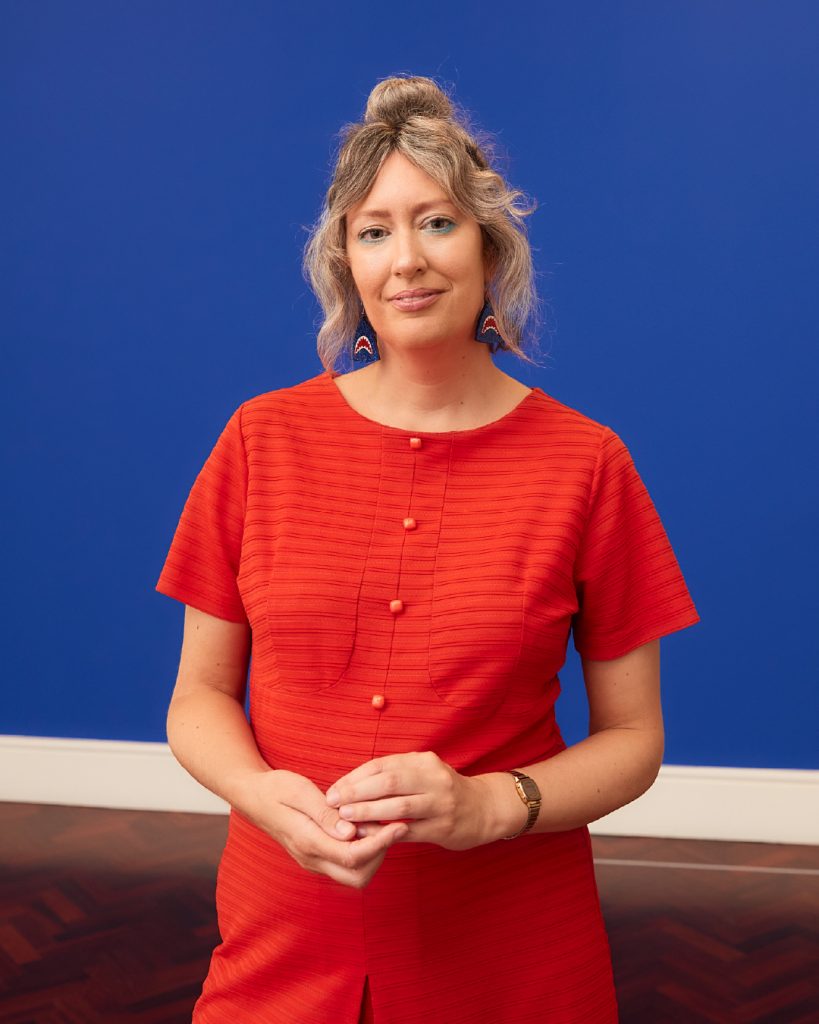
Lisa Beauchamp opens In My View because her work happens in the narrow, interesting space where ambition meets reality. She understands public responsibility, but she also understands private conviction, and more importantly, the daily negotiations required to keep the two from cancelling each other out. Since joining Gus Fisher Gallery in 2018, she has been central to shaping its identity as a leading contemporary art space in Tāmaki Makaurau, steering the gallery through its 2019 reopening and into a period marked by greater confidence, sharper focus, and a willingness to take risks without advertising them as such.

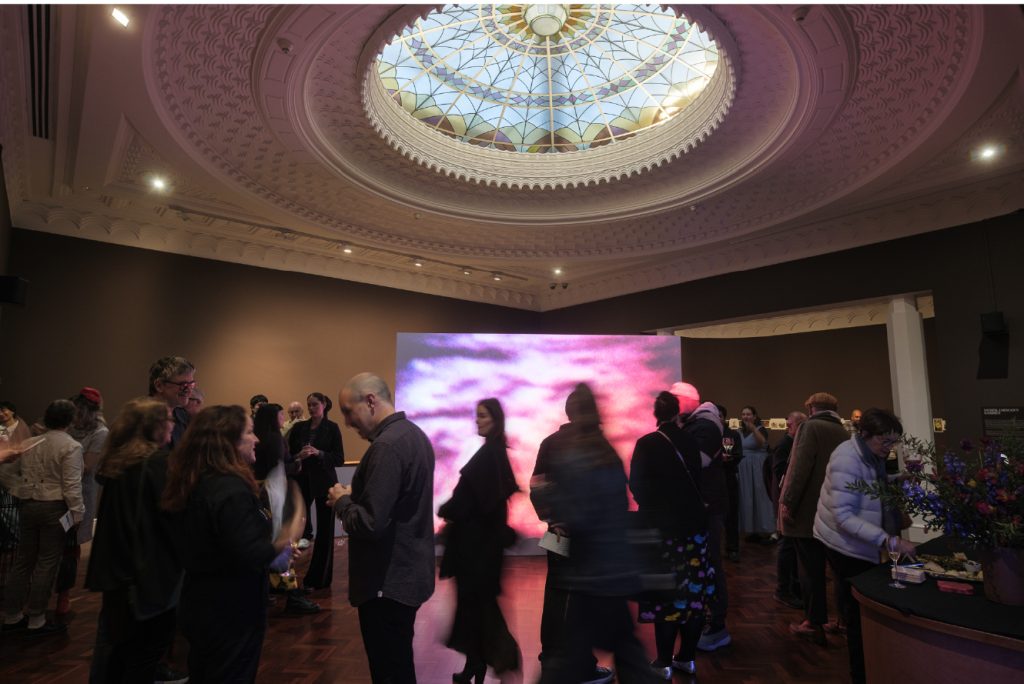
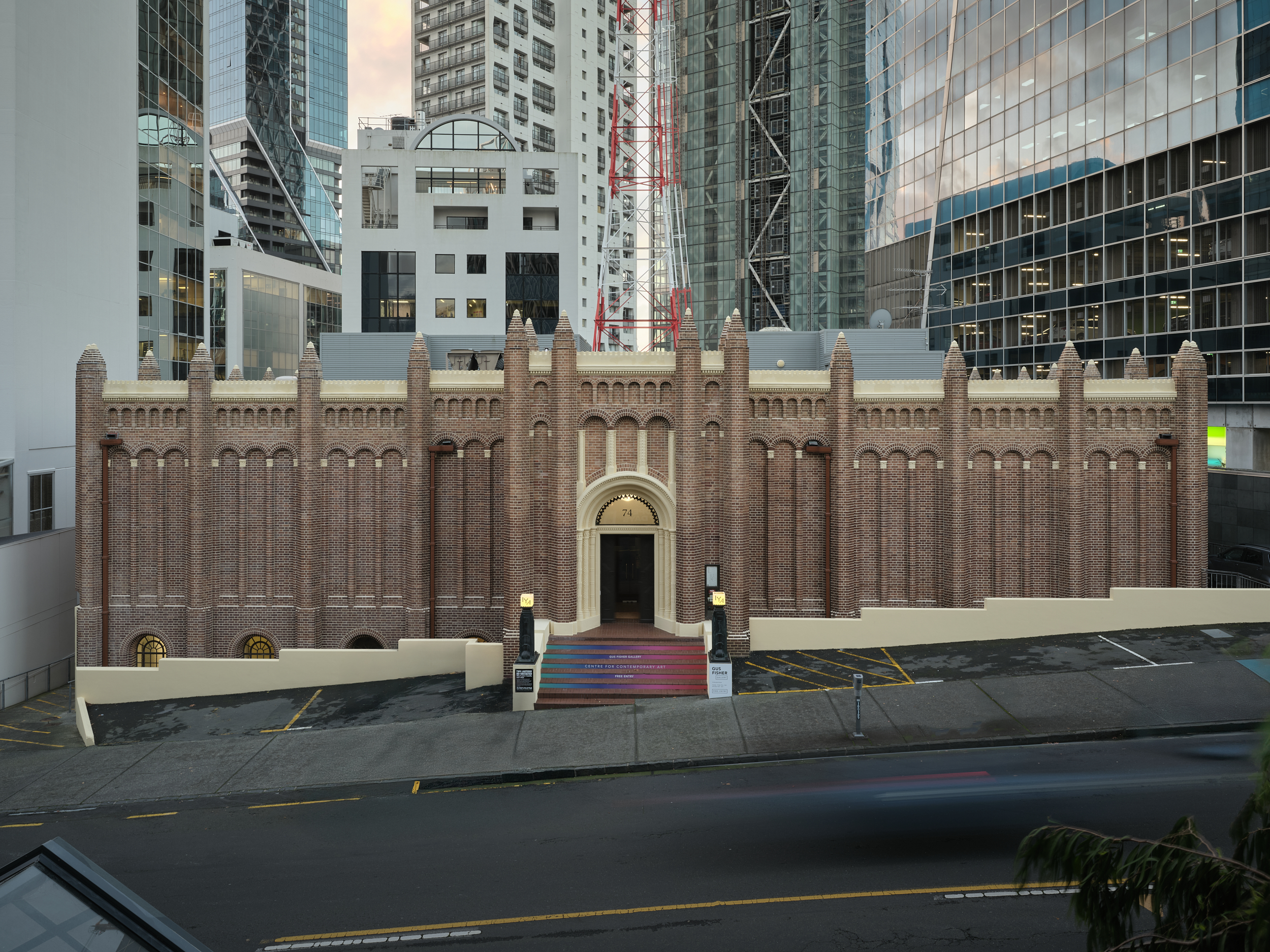
The gallery itself makes a statement before anyone speaks. Perched high above Shortland Street in the heritage Kenneth Myers Centre, it carries its authority plainly. It bears a benefactor’s name. It occupies a building once devoted to broadcasting, to the transmission of ideas outward. Beauchamp is keenly aware of what that symbolism implies. Her response has never been reverence. It has been intention. Under her direction, the programme has brought internationally renowned artists to Aotearoa New Zealand for the first time, while also backing ambitious new commissions by artists from Aotearoa. Guided by intersectional feminist frameworks, she treats the gallery less as a sanctum and more as a place of encounter. Somewhere you might think, feel, linger, and occasionally feel a little unsettled.

“Philanthropy doesn’t mean the loss of creative license and that’s where mutual trust comes in.”

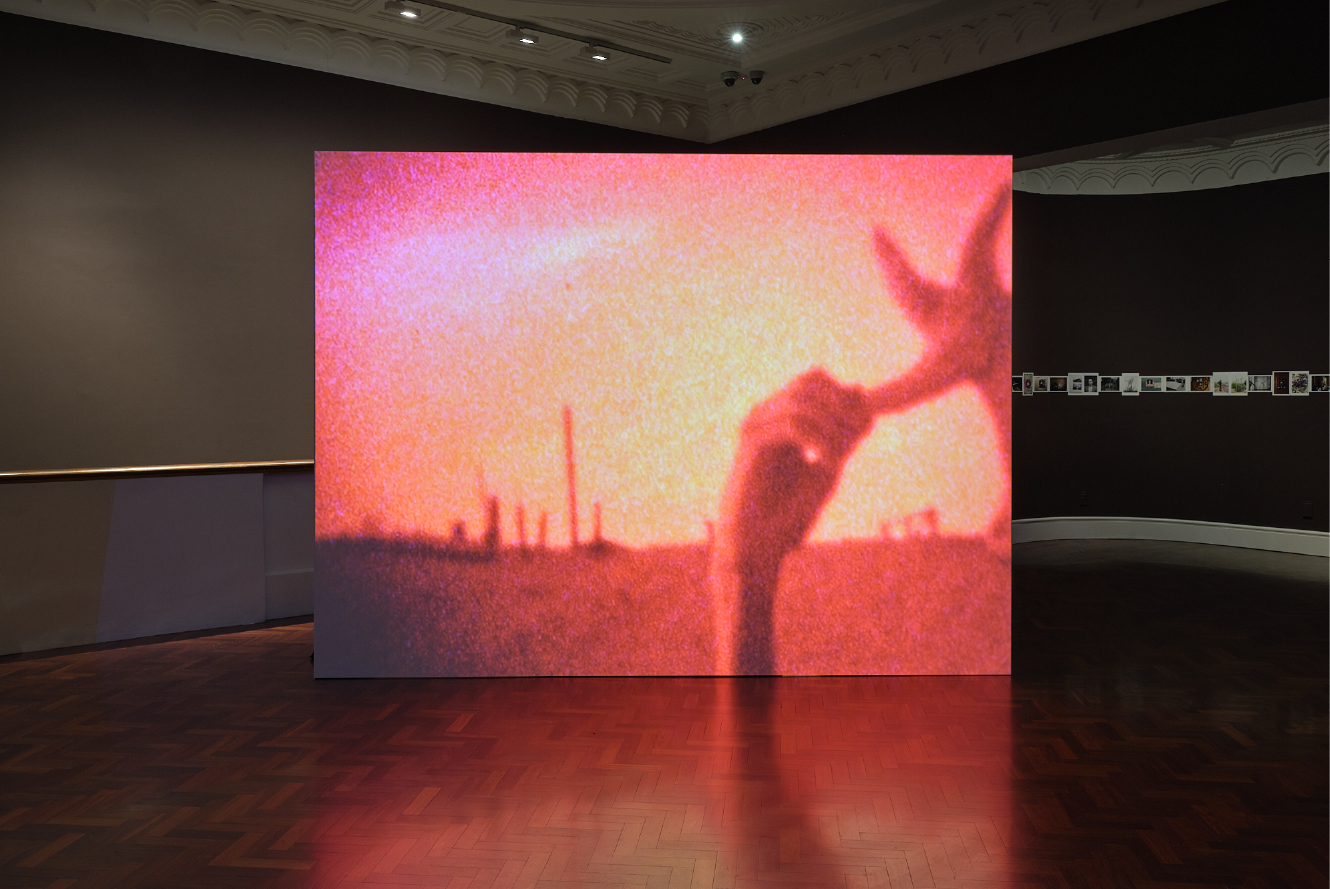
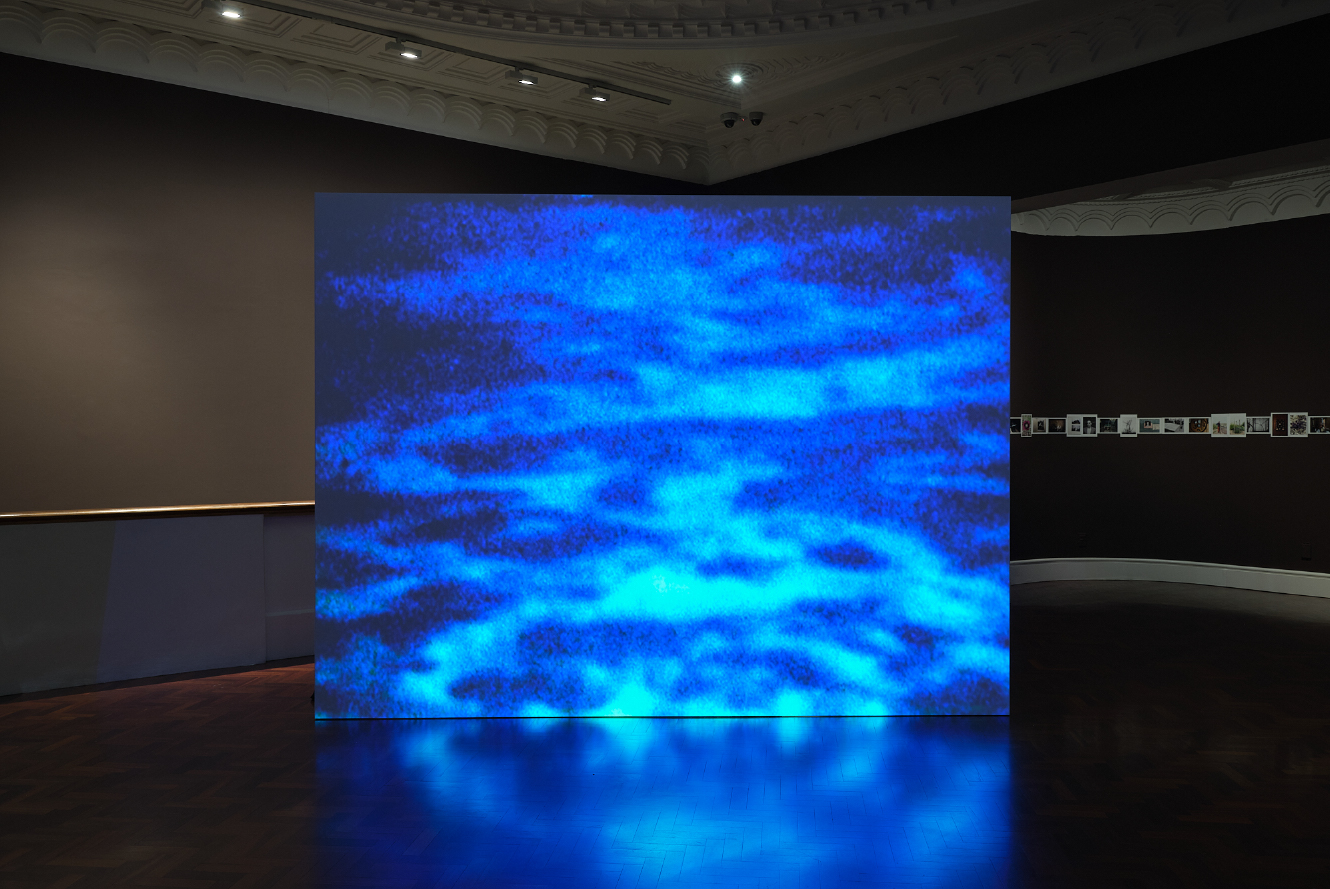
In 2024, Beauchamp co-curated Derek Jarman: Delphinium Days with City Gallery Wellington, a landmark exhibition that later toured to UNSW Galleries in Sydney. The project did more than travel. It shifted how Gus Fisher Gallery was perceived, both locally and across the Tasman. The success was not simply a matter of profile. It changed what the gallery could imagine for itself, and who began paying attention once it did.

Beauchamp, however, is not sentimental about visibility. She is careful not to confuse attention with virtue. Money, philanthropy, and institutional power are never far from her thinking, nor is the delicate balance between gratitude and independence. Philanthropy, she acknowledges, makes ambition possible. It does not author it. That line is one she watches closely.

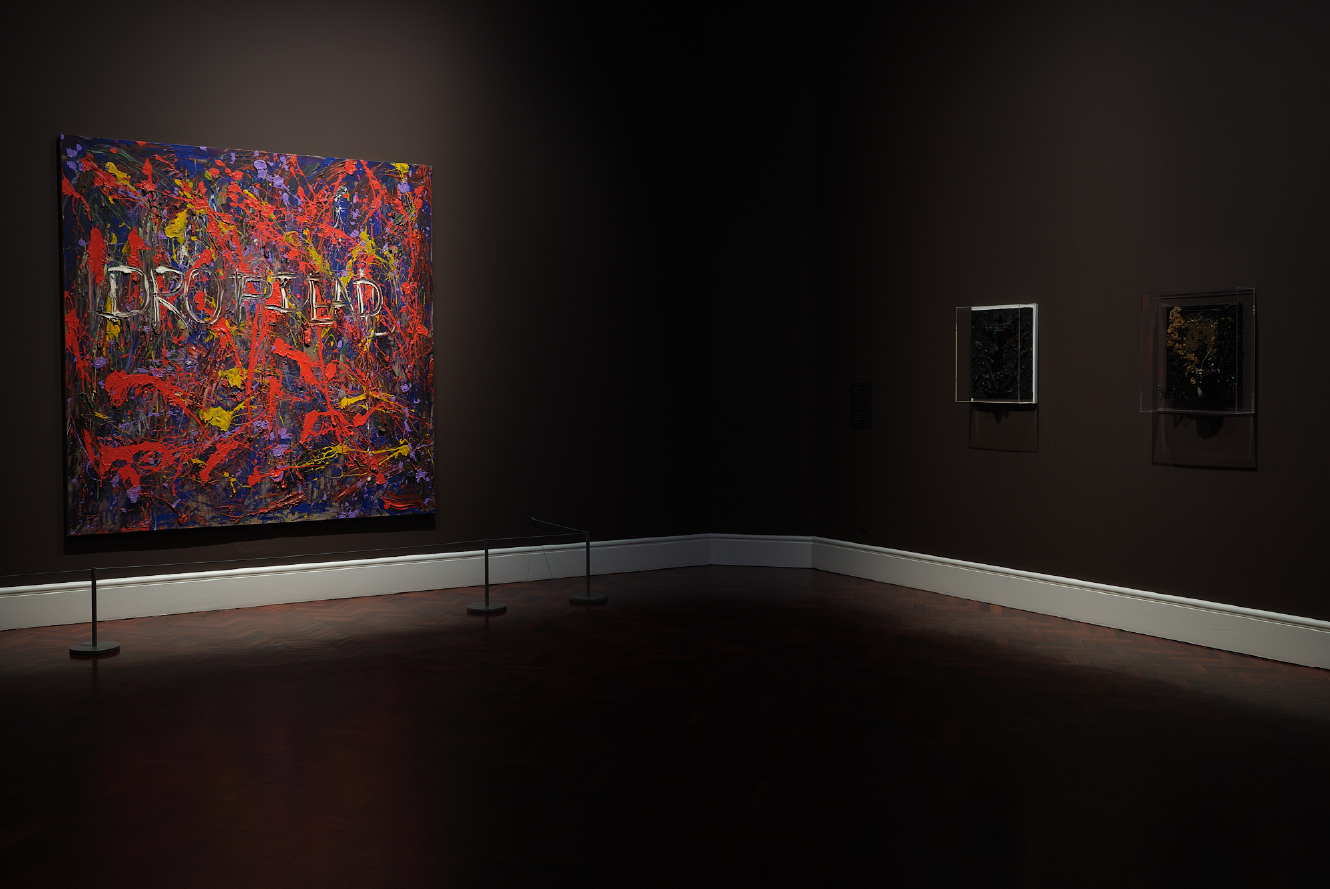
Her exhibitions have consistently avoided the comfort of consensus. Migration, queerness, belief systems, social unease. These are not neutral subjects, and she does not pretend otherwise. For Beauchamp, galleries are civic spaces, not prestige machines, and art is a public good, not a luxury item. She has little patience for the idea that galleries are elitist by nature. The real failure, she suggests, lies in how poorly art is defended, communicated, and valued within public life.

“I fully believe that galleries can and should serve everyone and it’s our job to extend and reach those who may not know or come to us.”

As the flagship gallery of Waipapa Taumata Rau, she works inside a large institution that prides itself on critique while carefully managing risk. She does not frame this as a contradiction so much as a landscape. The gallery’s role, in her view, is not to tidy debate but to help facilitate it, trusting audiences to tolerate complexity rather than be soothed by certainty.

Looking ahead, Beauchamp does not romanticise the future. Funding is tighter. Expectations are heavier. Cultural support is increasingly preoccupied with legacy and visibility. Still, her perspective remains steady. Curatorial freedom depends on balance, not repetition. Conviction must last longer than convenience. When money, mission, and artistic belief fall out of alignment, it is conviction that must stay standing.

Behind its striking heritage façade, Gus Fisher Gallery continues its role as a site for exhibition, research, and exchange. Under Beauchamp’s direction, it behaves more like a negotiation. Between access and authority. Between generosity and independence. Between ambition and care. It is this alertness to the unseen mechanics of culture that makes her the right opening voice for In My View, and a quietly persuasive guide to how art is shaped from the inside.

Roger Wyllie, View Mag
Photography: Tyson Beckett

Audio player cover
0:00 0:00