Gill Gatfield: The Stone, the Code, and the Nerve

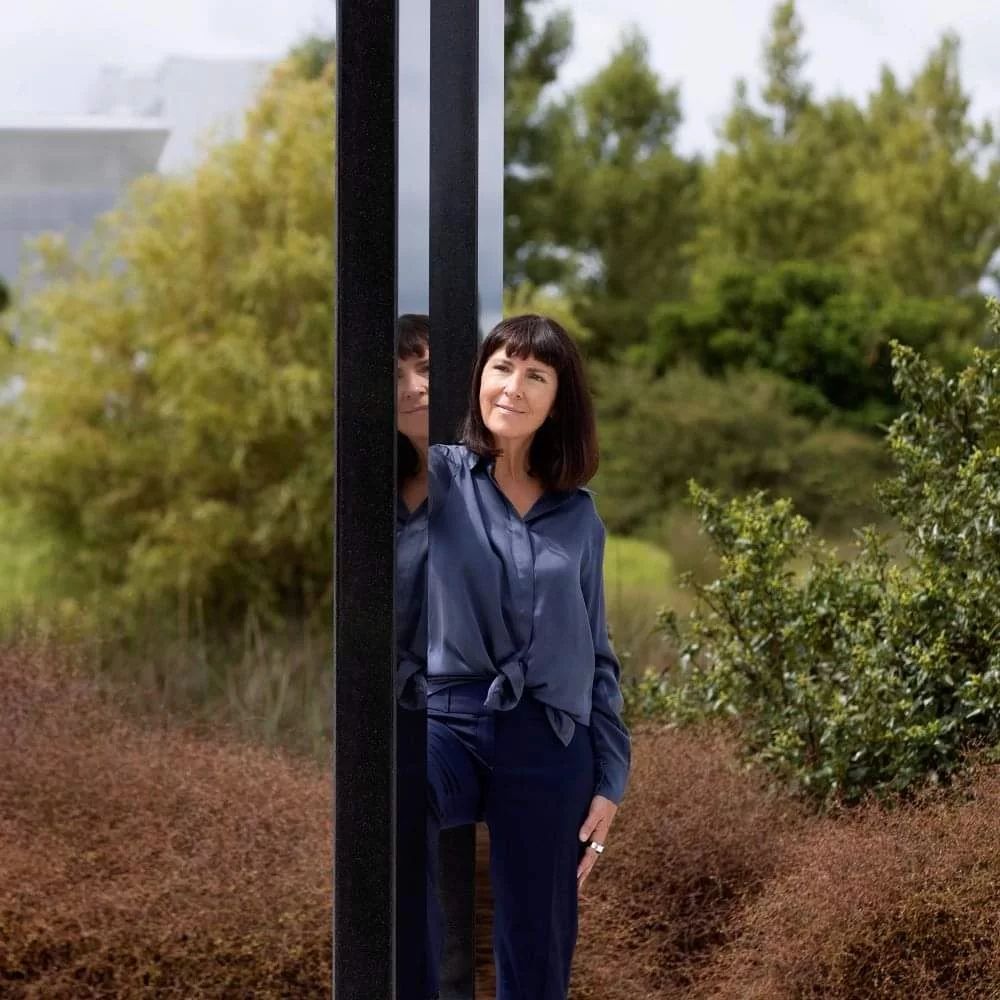
Aotearoa New Zealand sculptor Gill Gatfield works where ancient materials meet future systems – stone, glass, AI, ancestry and public space. As she seeks support for a major ISCP residency in New York, her practice raises a larger question: how do artists from here grow internationally if the structures around them cannot meet the scale of an international opportunity?

There is a particular kind of artist who does not simply make objects. She makes propositions. She places something in the world stone, glass, shadow, code and quietly asks whether the world is quite as settled as it thought it was.

Gill Gatfield is one of those artists.

“Beauty, in her hands, is never decorative. It is bait.”

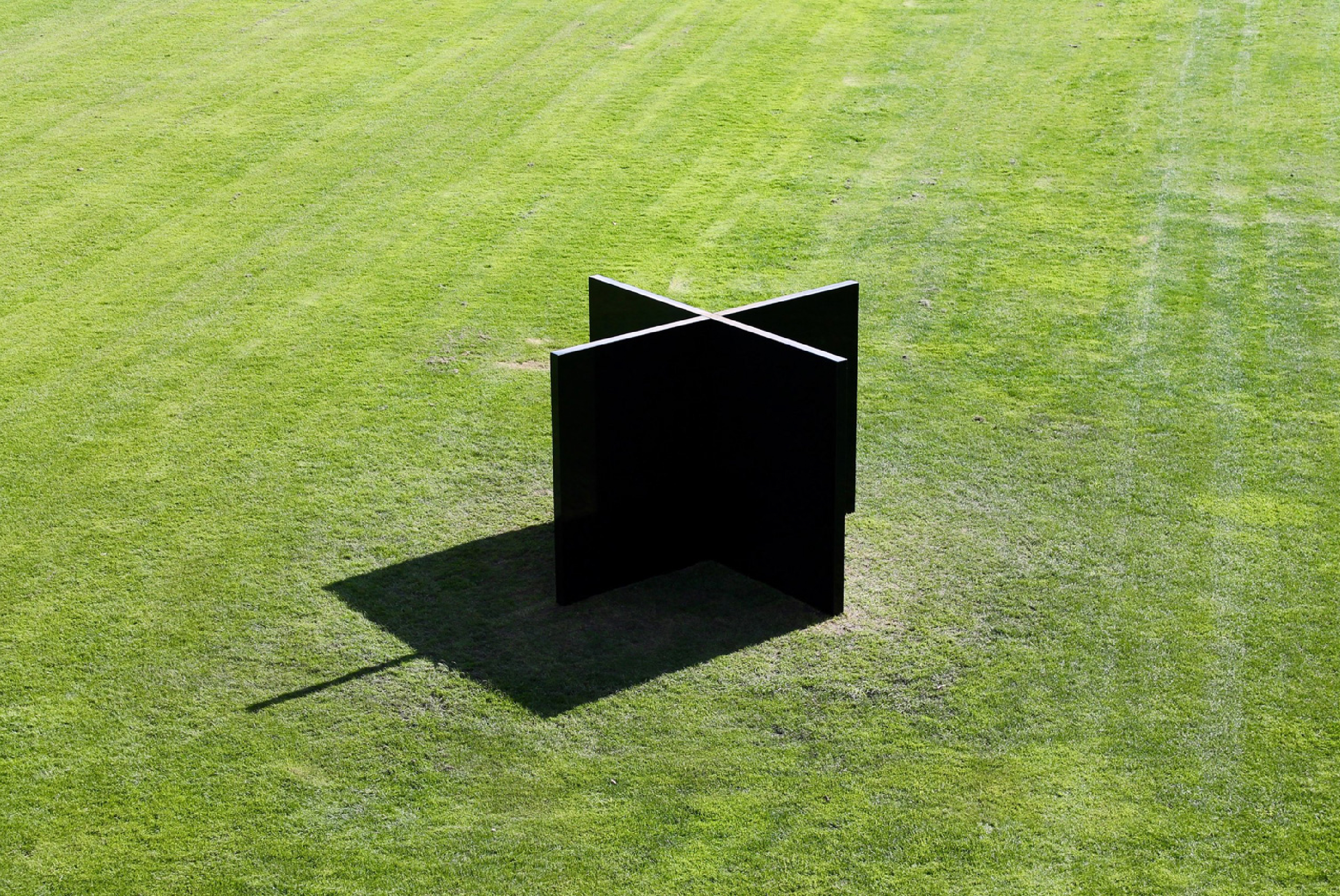
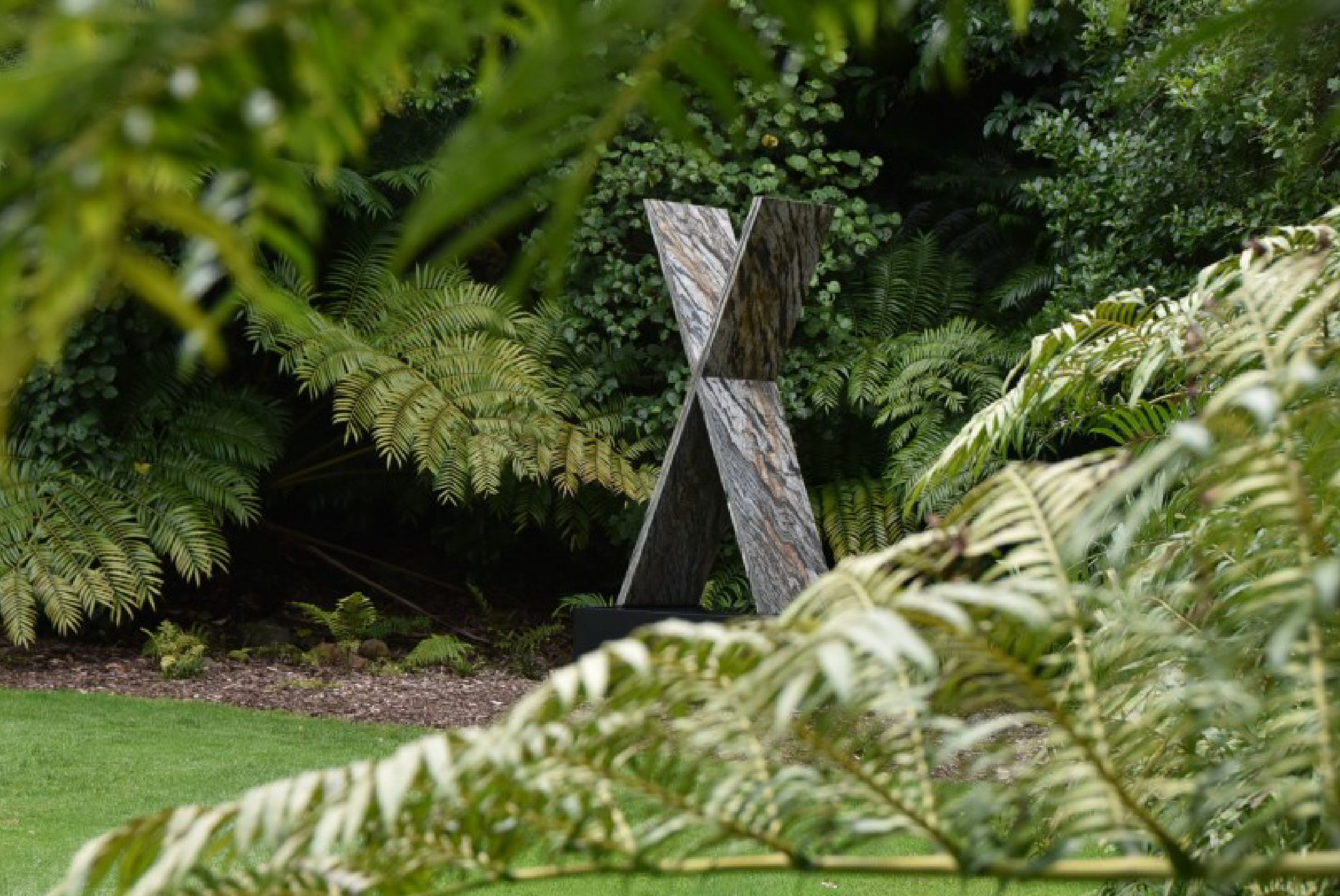
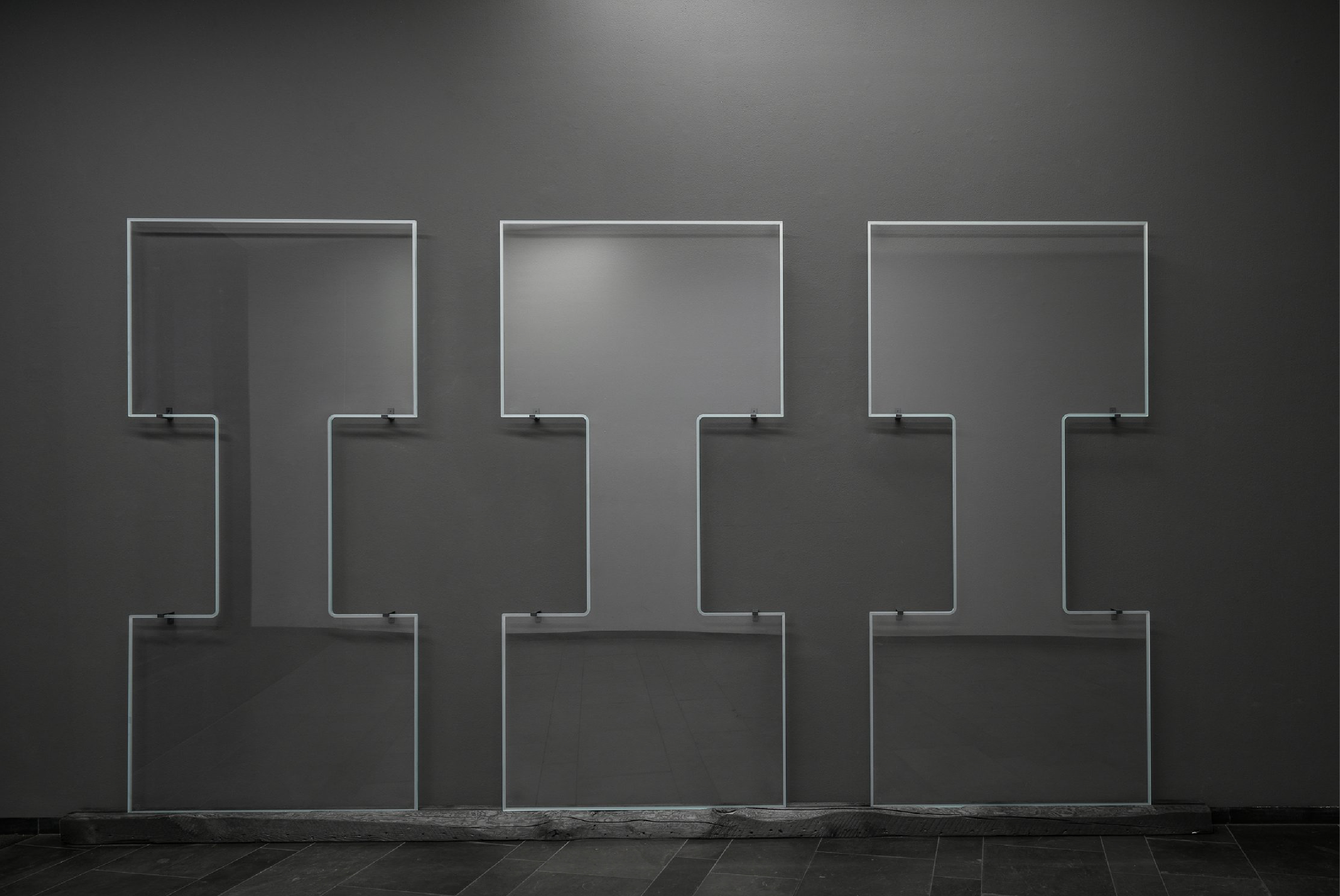
Aotearoa New Zealand has produced many artists of force and feeling, but Gatfield’s work occupies a stranger, more charged territory. It is beautiful, certainly. Sometimes almost too beautiful: marble polished into silence, crystal glass holding light like a secret, ancient kauri carrying time in its grain. But beauty, in her hands, is never decorative. It is bait. You move closer, seduced by the elegance of the thing, and then discover it has been thinking about law, gender, ancestry, sovereignty, technology, the body, and the future all along.

Gatfield works across sculpture, installation, public art and extended reality, bringing classical form into conversation with minimalist aesthetics and digital technologies. Her practice moves between carved matter and coded image, monument and apparition, using materials as varied as ancient stone, Ice Age wood, crystal glass, gold, native grasses, AI, GPS and augmented reality. Her current research, described as AI²AR, brings together Artificial Intelligence, Ancestral Intelligence and Augmented Reality which sounds, at first, like a formula from the future, until you realise Gatfield is also reaching back into deep time. Her work is not interested in technology as novelty. It is interested in what technology awakens, disturbs, remembers.

“Her work is not interested in technology as novelty. It is interested in what technology awakens, disturbs, remembers.”

This is what makes her acceptance into the International Studio & Curatorial Program in New York feel not merely appropriate, but necessary. ISCP has accepted Gatfield into its residency programme, with its Executive Director noting that the organisation is “very enthusiastic” about her artistic practice. The residency would give her 24-hour access to a private studio, monthly visits with curators and arts professionals, field trips to cultural institutions in and beyond New York, and the opportunity to take part in ISCP’s public programme.

In other words: not a holiday with better lighting. A working chamber. A pressure room. A place where a serious artist can test the next turn of the screw.

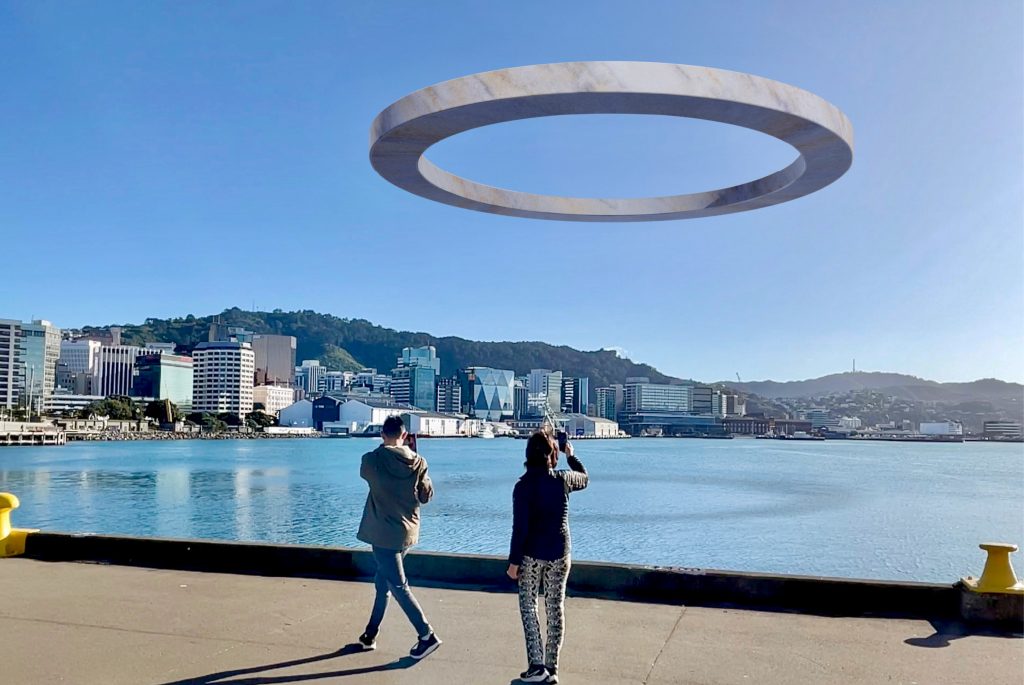
And Gatfield is clearly at such a point. Her recent and current works suggest an artist not waiting for history to approve her but carving into it while it is still wet. HALO, a vast digital and sculptural form using codified New Zealand Tākaka marble, AR, GPS and AI, has appeared across sites including Brooklyn Bridge Park, Waitangi Treaty Grounds, Te Papa Tongarewa and the Aotearoa New Zealand Festival of the Arts. It hovers between earth, sea and sky: part celestial sign, part ancestral technology, part public commons

“Not a holiday with better lighting. A working chamber. A pressure room.”

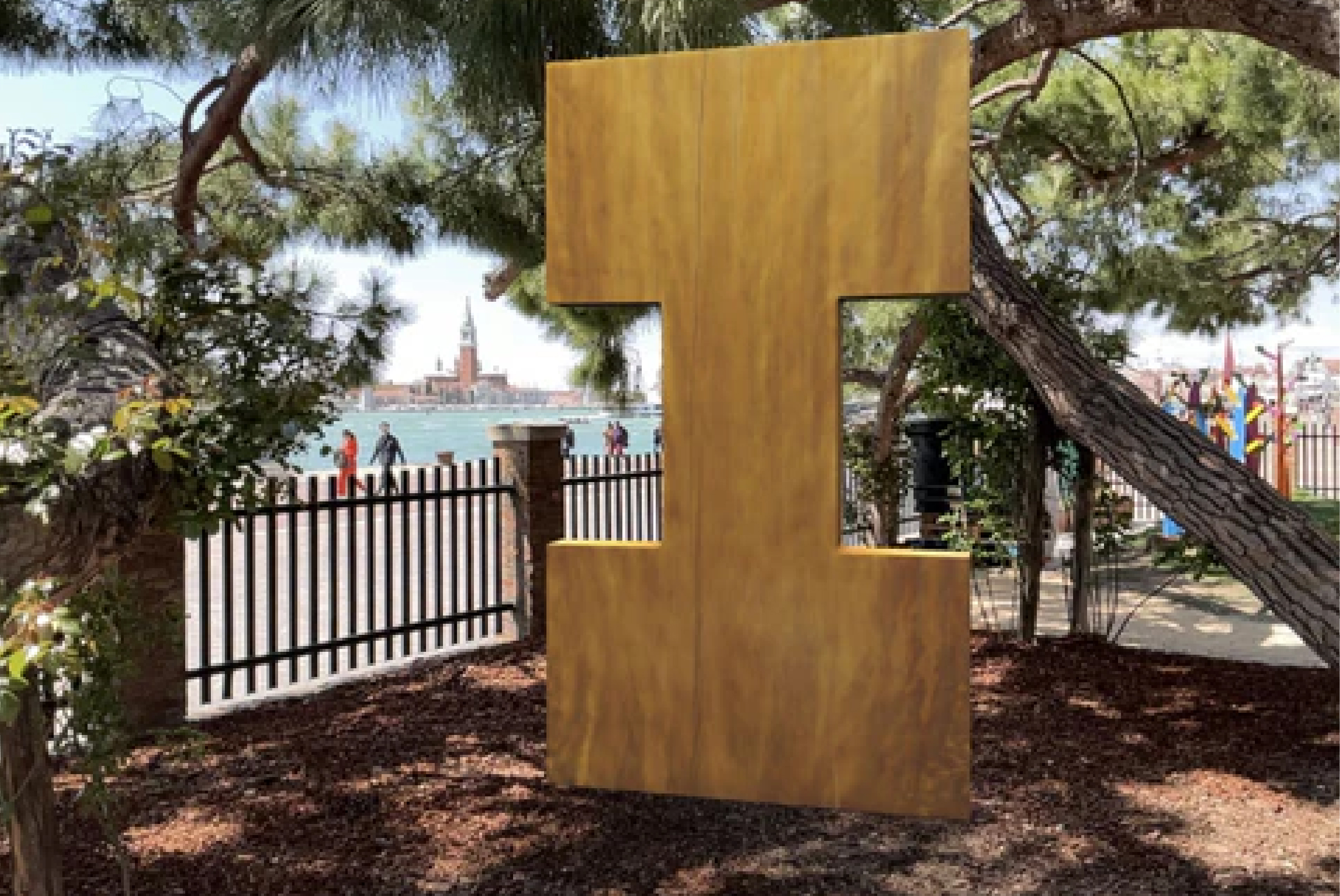
Then there is Habeas Corpus, presented at NARS Foundation in Brooklyn in 2025, which reframes the ancient legal phrase “you have the body” as both sanctuary and cell. In that phrase alone sits the Gatfield method: elegant surface, legal intelligence, political disturbance. The work combines woven walls, Carrara marble, gold barcode, codified ancient wood, AI-AR, GPS and QR systems. It sounds impossible until one sees the logic of it: the body as data, the body as evidence, the body as territory.

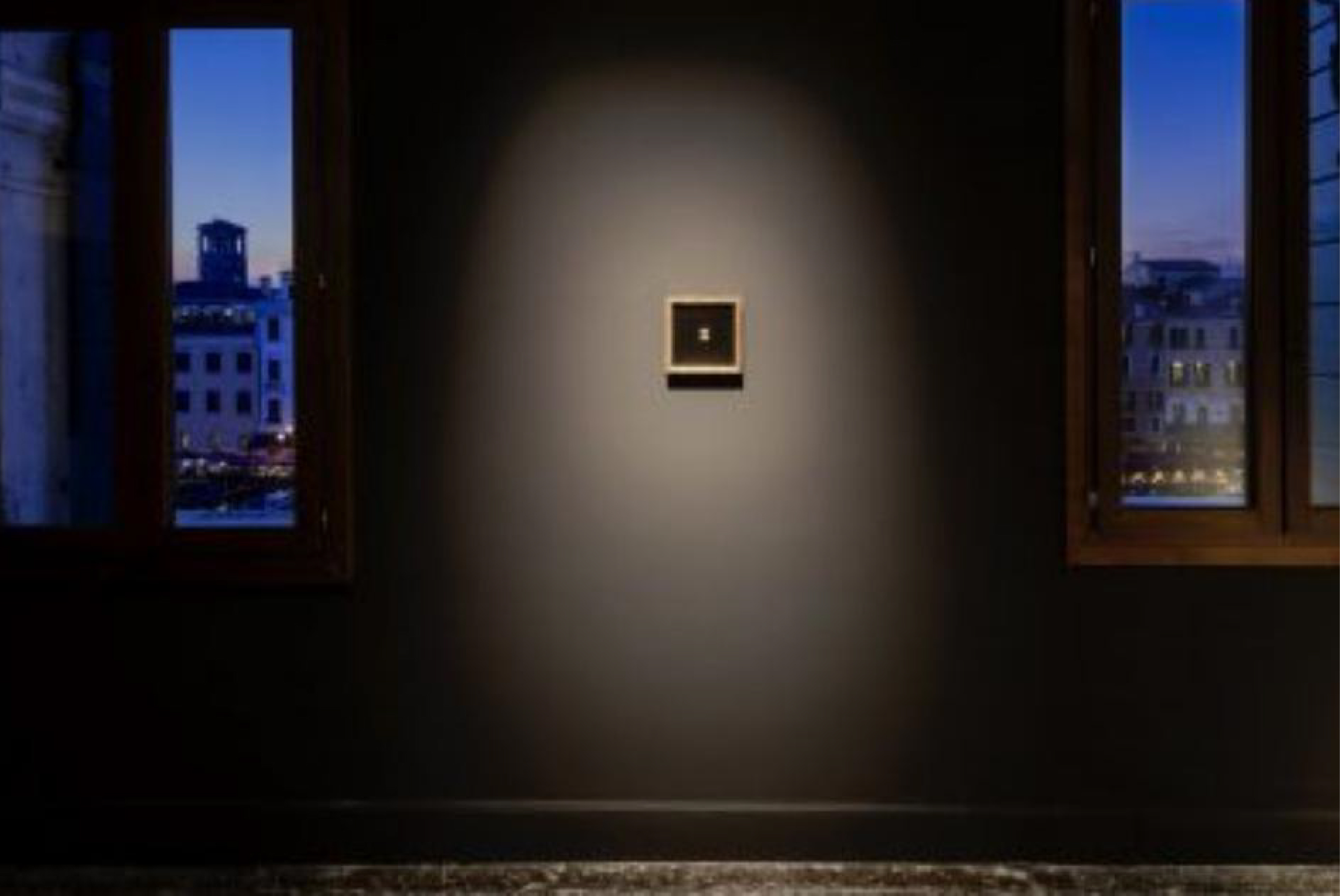
Her work also carries a distinctly Aotearoa intelligence. Zealandia, carved from 100-million-year-old New Zealand stone and shown at the Venice Architecture Biennale, replaces the old Vitruvian “perfect man” with plural ratios drawn from women’s bodies worldwide. This is not minimalism as emptiness. It is minimalism with its fists closed.

The opportunity in New York matters because Gatfield’s practice is already speaking internationally, and now needs the right room, the right conversations, the right machinery around it. Her proposed direction AI-assisted robotic stone carving, lens-based sculpture, materiality and extended reality is not peripheral to contemporary art. It is precisely where some of the most urgent questions now sit: What is a monument when space is digital? What does ancestry mean inside artificial intelligence? Can stone remember what code forgets?

And here, inevitably, comes the harder question.

“How do artists from Aotearoa continue to grow at this level if the structures around them cannot meet the scale of the opportunity?”

How do artists from Aotearoa continue to grow at this level if the structures around them cannot, or will not, meet the scale of the opportunity?

Gatfield is not an emerging artist looking for a polite pat on the head and a modest line on a CV. She is an established practitioner working internationally across sculpture, public art, AI, augmented reality, ancestral knowledge and material form. Her portfolio shows work presented across New York, Venice, Berlin, Greece, Australia and Aotearoa, including HALO, Habeas Corpus, Zealandia, Glass Ceiling and Native Tongue XR.

So, if an artist of this calibre is invited into a serious international residency, one designed to bring curators, critics and arts professionals directly into conversation with her practice, the question is not simply whether she can raise the money.

The question is whether we understand what is at stake when she cannot.

New Zealand likes to celebrate its artists once the world has noticed them. We are less sure, sometimes, about how to help them get into the room before the applause begins. But careers do not grow by admiration alone. They grow through access, time, risk, patronage, production support, serious advocacy and the kind of funding that recognises international opportunity when it appears.

“Careers do not grow by admiration alone.”

If local agencies, patrons, foundations and cultural institutions cannot support work operating at this level, then we should at least be honest about the cost. The cost is not only borne by the artist. It is borne by the culture that fails to travel with them.

In my view, Gill Gatfield’s work deserves support because it does what serious art must do. It enlarges the terms of the conversation.

It does not flatter the viewer. It invites them in, then leaves them slightly altered.

And that, in any age, is the real alchemy.

To see more of Gill Gatfield’s sculptural, public art and extended reality practice, visit:

https://www.gillgatfield.com/

Roger Wyllie, View Mag

Audio player cover
0:00 0:00