Director: Jon Favreau
Country: United States
Writers: Jon Favreau, Dave Filoni, Noah Kloor
Actors: Pedro Pascal, Martin Scorsese, Sigourney Weaver
Written by Tom Augustine.
Harmless but totally inessential, Disney’s latest attempt to revitalise the Star Wars universe for the big screen is a technically assured expansion of the popular streaming series, capably overseen by franchise-whisperer Jon Favreau. Coasting on a throwback adventure-serial structure, it is an ultimately disappointing exercise in trading off operatic stakes for temporary gratification.
‘It’s just not Star Wars,’ my screening partner whispered to me as The Mandalorian & Grogu played out before our eyes. Ironically, he was referring to one of the elements I liked most about this serviceable item of franchise expansion — recent Oscar-winner Ludwig Göransson’s adventurous score, surely the first Star Wars movie to incorporate trap beats into its soundscape. My mind kept circling around this idea, though: what is it that we know to be Star Wars, and how important is that identification to a prospective Star Wars movie? To the minds at Disney, it is clearly of utmost importance, so much so that they’ve mostly hobbled the IP in the pursuit of ‘recapturing the magic’; to megafans, it is paramount as well, the preservation of the original series’ (and thus their own) identity a constant bugbear with which any prospective newcomer to this universe must wrestle.
The punishment laid out against all involved with The Last Jedi, a topic I’ve written about extensively elsewhere, so browbeat shareholders that the film’s promising vision for how one might explore the next stage of Star Wars was practically killed dead. In its place came the monstrosity of The Rise of Skywalker, a contender for the worst film of the 21st Century, a charge I don’t make lightly. Here was a work of corporate cowardice and backtracking, taking pains to undo all the refreshingly radical leaps taken by Jedi in favour of diminishing returns. Any attempt to make a film (or series) in this universe now has the hovering expectation of Star Wars above it — something that strikes me as an unhealthy expectation for both audiences and creatives. The fact that Andor, a hundreds-of-millions anomaly and arguably the single best Star Wars item since The Empire Strikes Back, exists at all is nothing short of a miracle.
The Mandalorian, the just-fine COVID-era streaming darling, was yet another victim of this era of franchise-extension and fanservice. The introduction of a ghoulish CGI rendering of Luke Skywalker in the second season undid a series that was more than happy to function as an endearing corner-of-the-galaxy oddity, a kind of ‘50s throwback to Have Gun, Will Travel-style episodic adventures featuring our favourite helmeted gunslinger and his unfortunately-named sidekick.
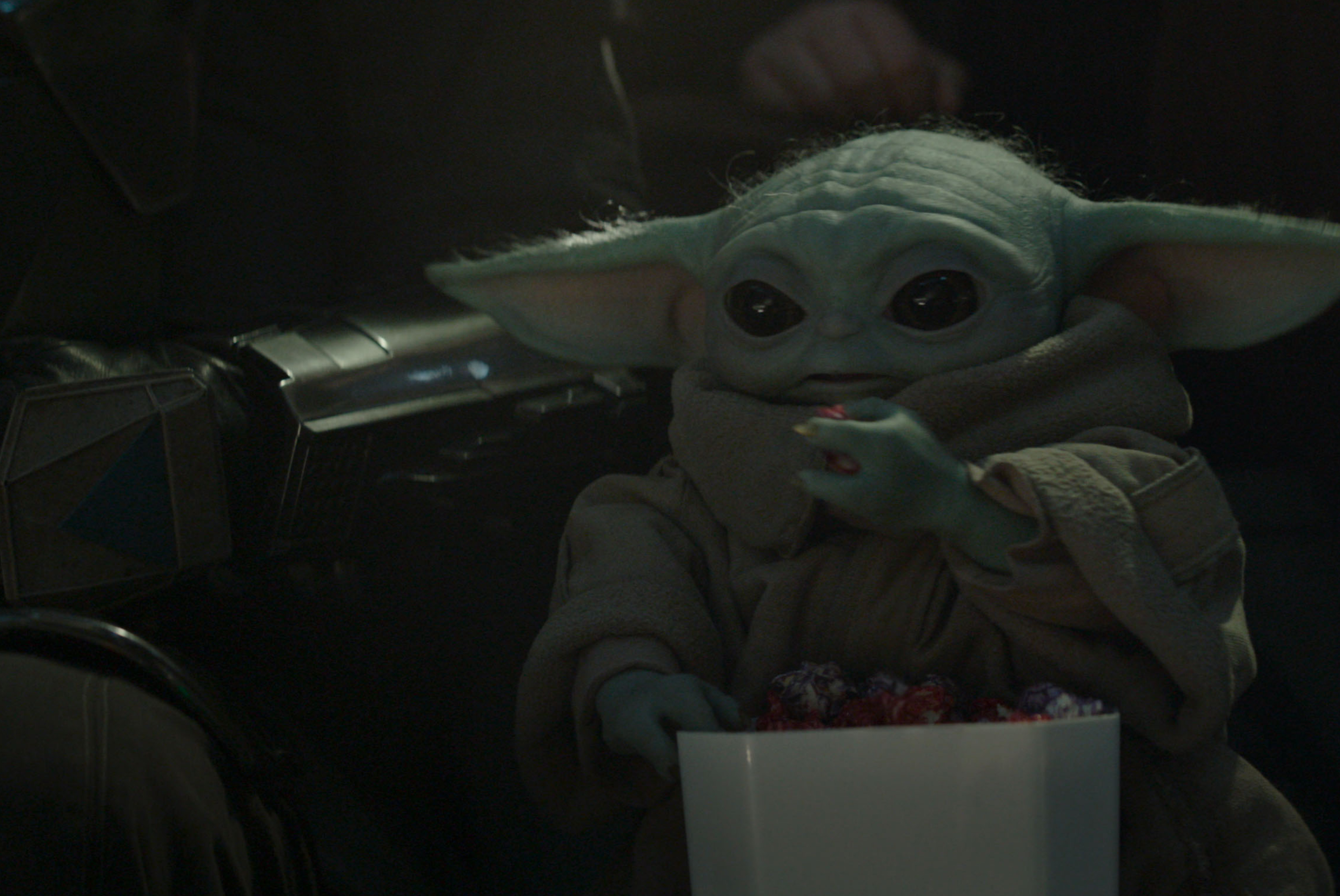
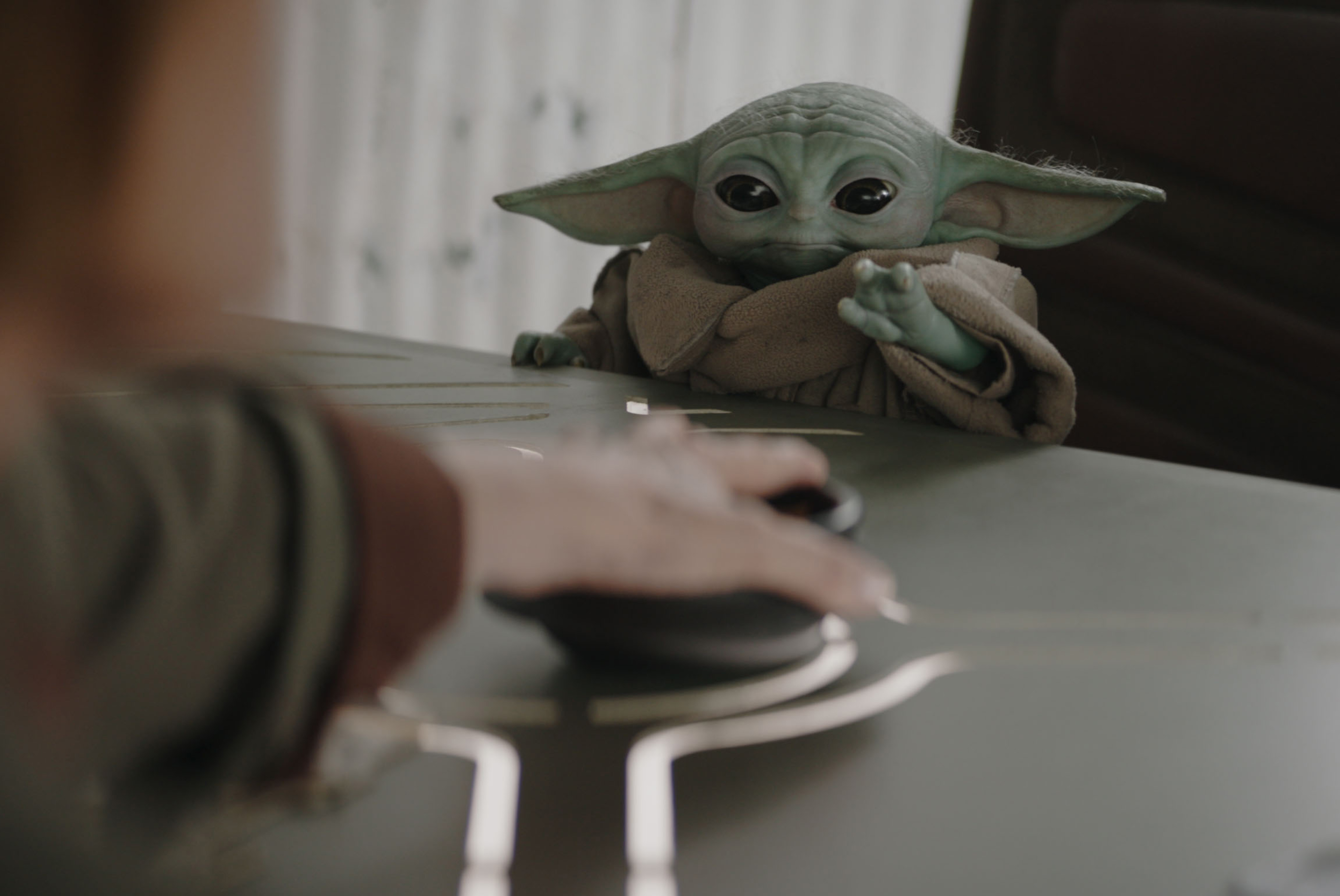
Now, with the fortunes of the franchise on the wane, the series has been kicked up to feature-level with a project that is essentially three or so episodes of the series smashed together to create The Mandalorian & Grogu: however, it is not a series-finisher or any kind of climax. Instead, it is merely a continuation in the vein of the features produced from The X-Files. The jump from TV series to movie is hardly a lucrative one — the most successful are the ones that reboot or reimagine the entire IP, like Star Trek, the 21 Jump Street reboot, or McG’s Charlie’s Angels films. What initially seems like a surefire translation can prove to be a very hard sell for everyday audiences asked to shell out movie ticket prices for something they are accustomed to getting at home. The Mandalorian & Grogu is set to put that to the test, as well as the continued big-screen viability of a series that has very much seen better days. It is undoubtedly a play-it-safe option — Grogu, the extremely cute puppet affectionately known as ‘Baby Yoda’ is a franchiser’s dream, and nothing assuages shareholder concerns like name-recognition. Add in the presence of one-time indie comedy director turned Disney IP visionary Jon Favreau, and you have an ostensibly strong recipe for success.
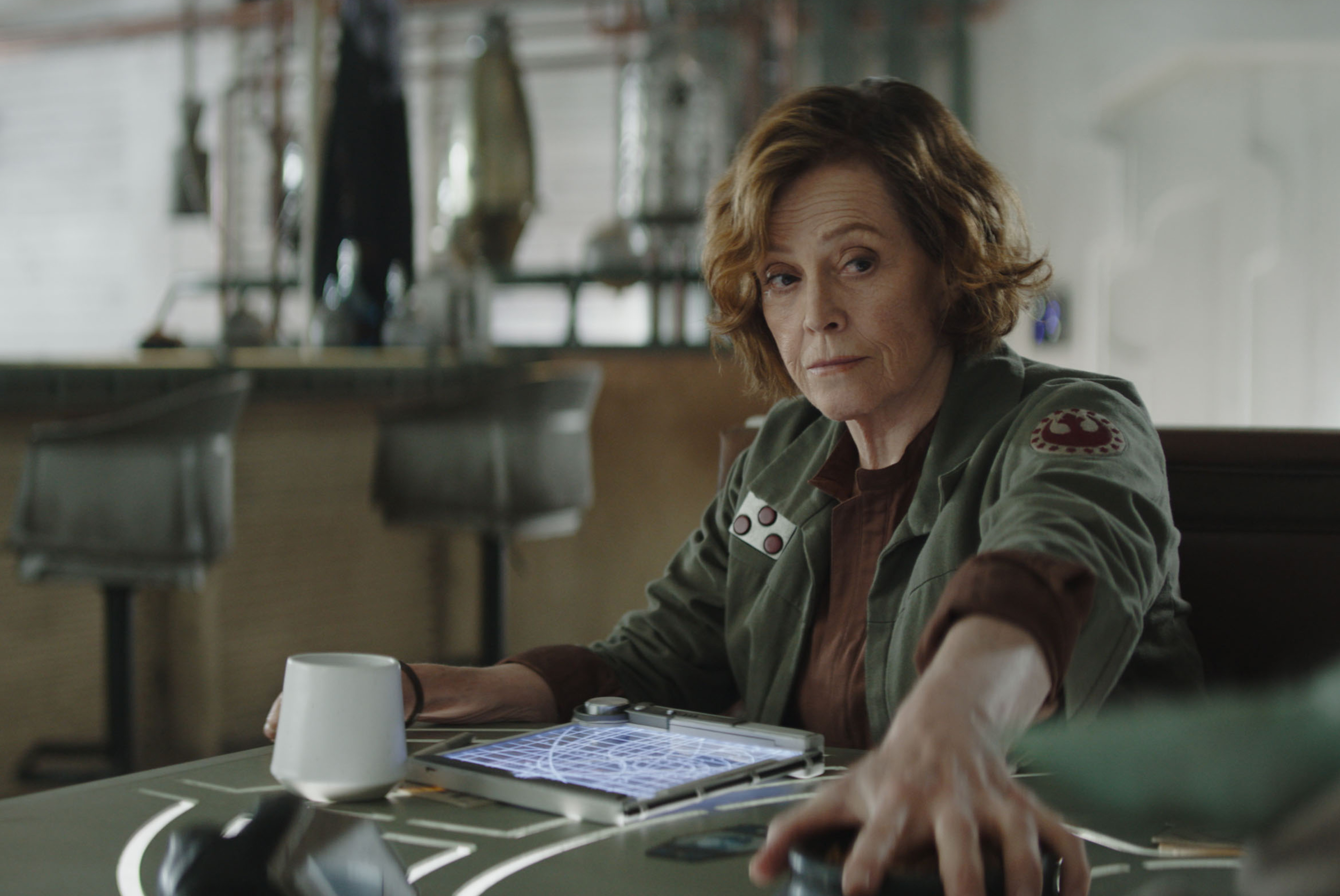
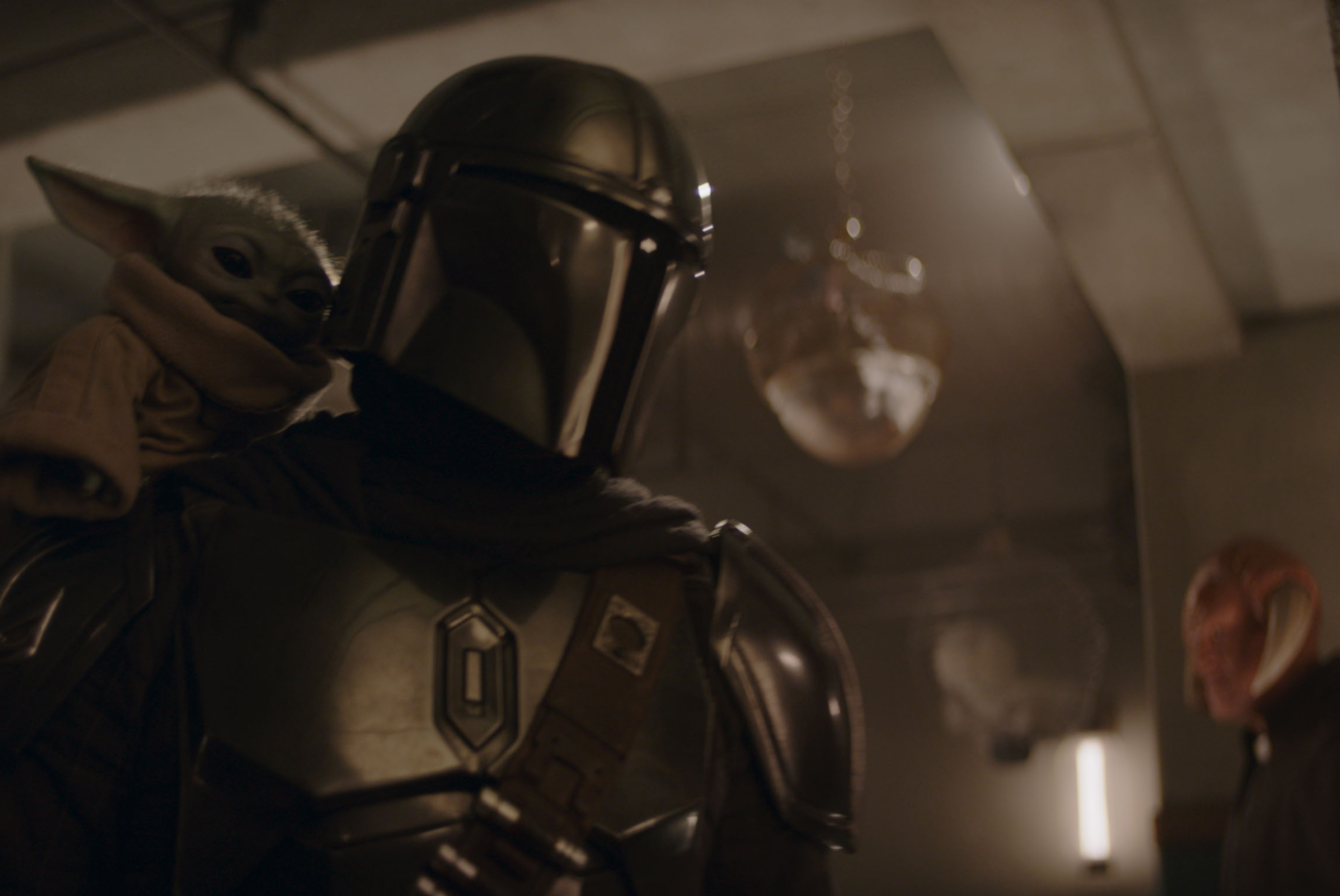
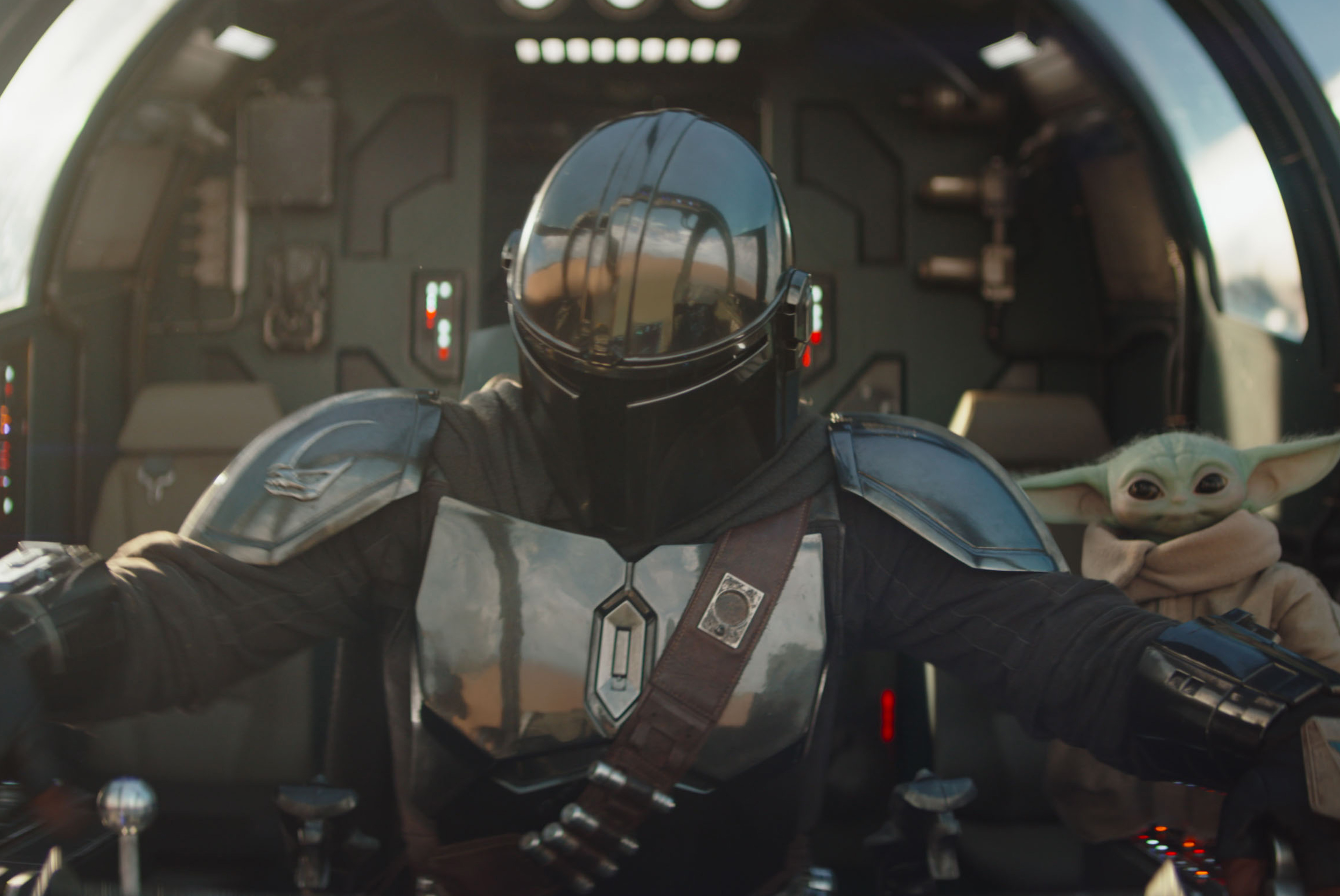
There’s no denying that Favreau is a dab hand at this — having shepherded the Marvel Cinematic Universe into being before wisely ducking out, and later doing the same for Disney’s woeful ‘live action’ remakes of classic cartoons, he brings a journeyman’s assurance to a big franchise project that is hardly daring, but is at least serviceable. Thus, The Mandalorian & Grogu makes the best of shoddy parts, producing a diverting, instantly forgettable adventure that, while not providing a scintillating vision of how Star Wars may grow and flourish, is at least mostly fun. Pedro Pascal sleepwalks through a single scene as the ‘unmasked’ Din Djarin, spending the rest of the film behind the character’s iconic helmet. The bounty hunter-turned-member of the New Republic now takes out contracts hunting the remnants of the Empire, which has fallen following the events of Return of the Jedi. He is hired by Colonel Ward (a deeply noncommittal Sigourney Weaver) to find Rotta the Hutt, the kidnapped son of Jabba, at the behest of ‘The Twins’, Rotta’s corrupt uncle and aunt. In return, they will receive information on the location of some of the Empire’s most notorious fugitives. Things get complicated when Rotta is located (courtesy of a simian alien voiced, hilariously, by Martin Scorsese in what is surely something of a victory lap) on a gangland planet where he has risen in the ranks of local bloodsport. Represented by a gangster named Janu (Jonny Coyne) this soulful, ripped teen slug played by Jeremy Allen White is desperate to get out from the long shadow of his warlord father, aiming to make a name for himself as a fighter and refusing to return home.
The value of a ‘hot Jabba’ aside, The Mandalorian & Grogu is largely playing in the sandpit of the series’ extended universe, thus giving it leeway to delight in the exploration of strange worlds and kooky creatures, but also presenting something that at best feels almost entirely devoid of stakes, at worst comes across as elevated fan-fiction. The film is clearly positioning its throwaway sensibilities as a positive, and in a certain light it makes sense — if Star Wars really does seek to reclaim the multiplex, one way of doing so is to lessen the burden of expectation on individual entries, ironically (considering how Last Jedi was crucified for similar notions) carving out space for each film to exist as is, rather than an essential piece of Star Wars’ dynastic puzzle. What I suspect fans of the series might rankle at, though, is the resulting lack of operatic heft that even small-fry projects like Rogue One carried in spades. Solo: A Star Wars Story aside, this is the least-essential feature the series has ever had, a timid placeholder of a first feature to arrive since the howling spectacle of Rise of Skywalker.
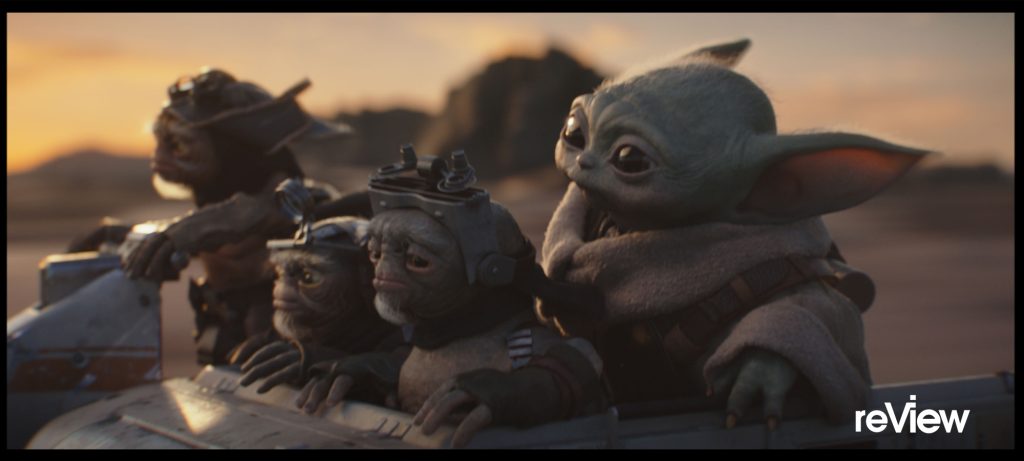
As an episodic adventure with as much in common with Indiana Jones as past Star Wars titles, it works fine — the action sequences, shot for IMAX, mostly land when projected in that giant format, with a suitable sense of scale to its wintry opening fight scene and a later urban underbelly vehicle chase. Even with recent dips in quality, one area where the series has never really skimped is in its visual effects, and this is the most technically proficient offering since the still-remarkable VFX of Rogue One. The CGI is largely crisp and tactile, and the many worlds conjured by the film feel well-designed and lush. Best of all is the use of puppetry and other forms of hand-made artistry — much has been made of Grogu’s puppeteering, which is undoubtedly key to the character’s success, adding a certain feeling of effort and thought being put into the creature’s every move that simply wouldn’t be there had the moppet been entirely CG. Grogu is frequently joined by a squad of Anzellans, extremely charming, tiny critters popularised by the lone high-point of Skywalker, the iconic Babu Frik. Indeed, some of the film’s finest sequences play out wordlessly and without the presence of a single human character, as Grogu and his unit of Anzellans briefly transform the film into a pseudo-Muppet movie. A late-breaking action sequence featuring Din Djarin facing off against a pair of fearsome mega-droids similarly utilises stop-motion animation from master craftsman Phil Tippett (of Mad God), a refreshingly handmade moment of delight that showcases how the series can still surprise by highlighting the remarkable talents behind the camera. It is sequences such as these that ensure The Mandalorian & Grogu can kick the can down the road somewhat — few will come away from the film feeling especially inspired or reinvigorated, but there’s just enough of interest here to ensure the general satisfaction of the series fanbase. Sooner or later, though, Disney will need to present something new, a job of which they’ve proven surprisingly underqualified in the past. Ironically, The Mandalorian & Grogu feels like it’s floating in stasis (or frozen in carbonite), when it really should be looking to the future.
Star Wars: The Mandalorian & Grogu, In Cinemas Now.