There are filmmakers who arrive at cinema as if reporting for duty. They learn the rules, polish their shoes, wait in the corridor, and hope some important man eventually opens the door.
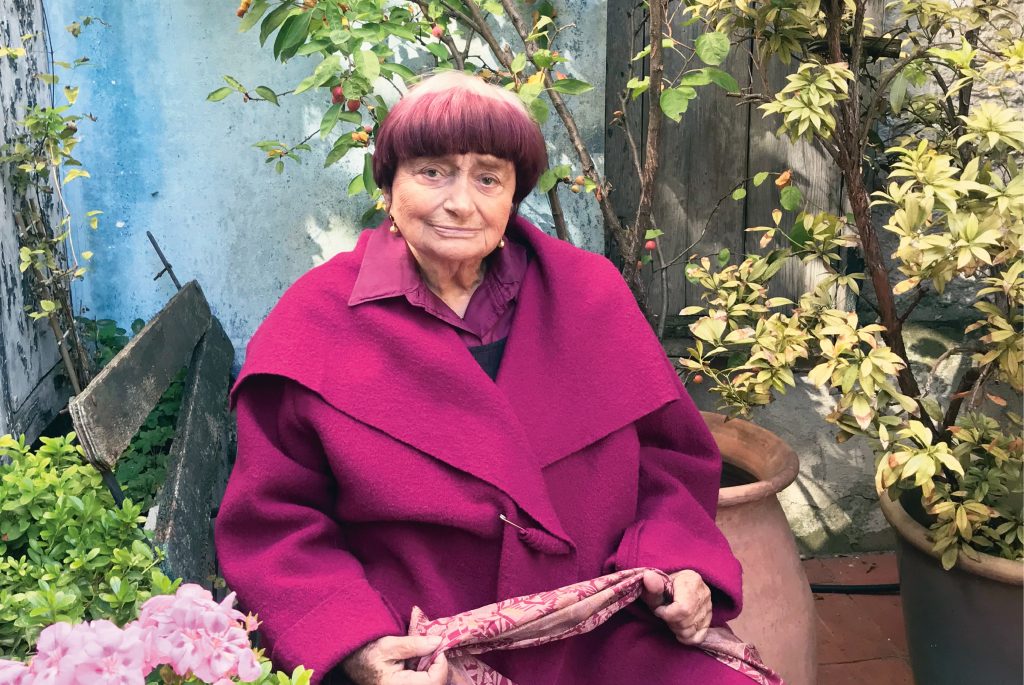
Agnès Varda did no such thing.
“Varda did not simply make films. She changed the position from which films could be made.”
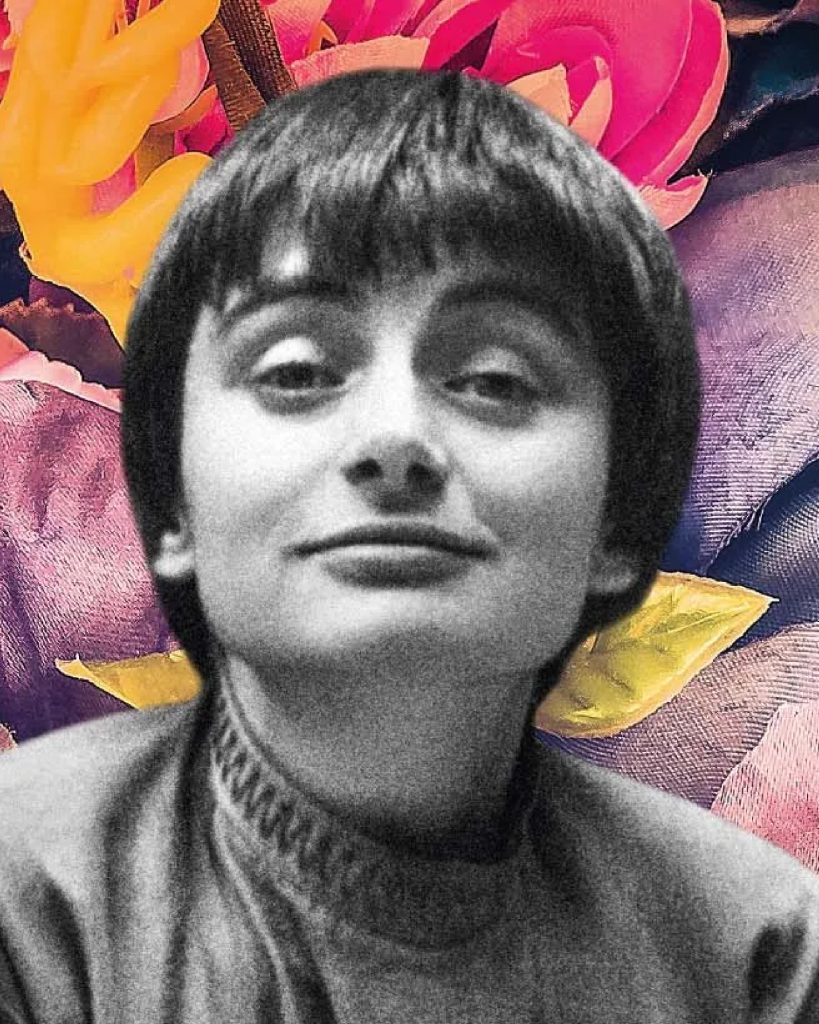
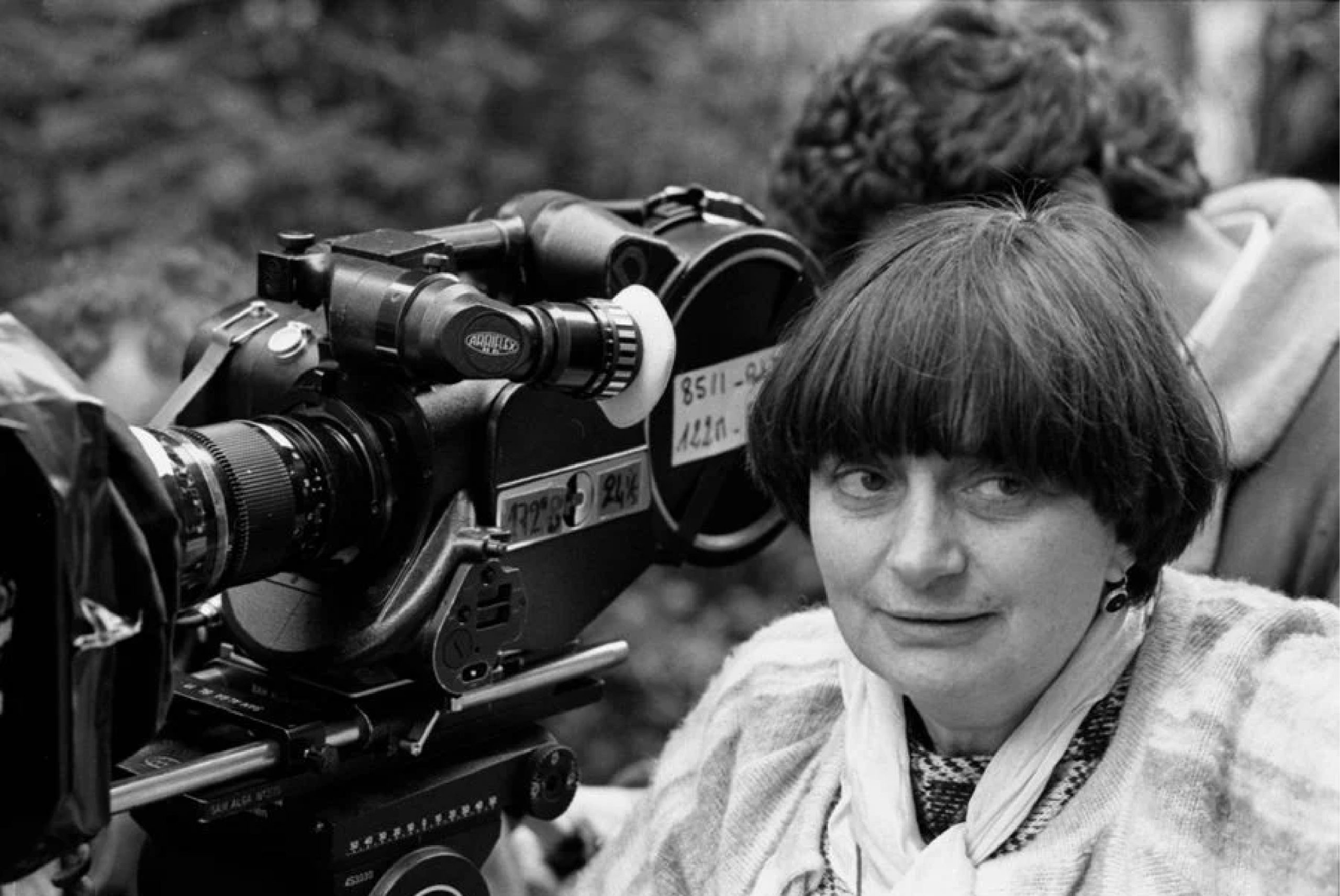
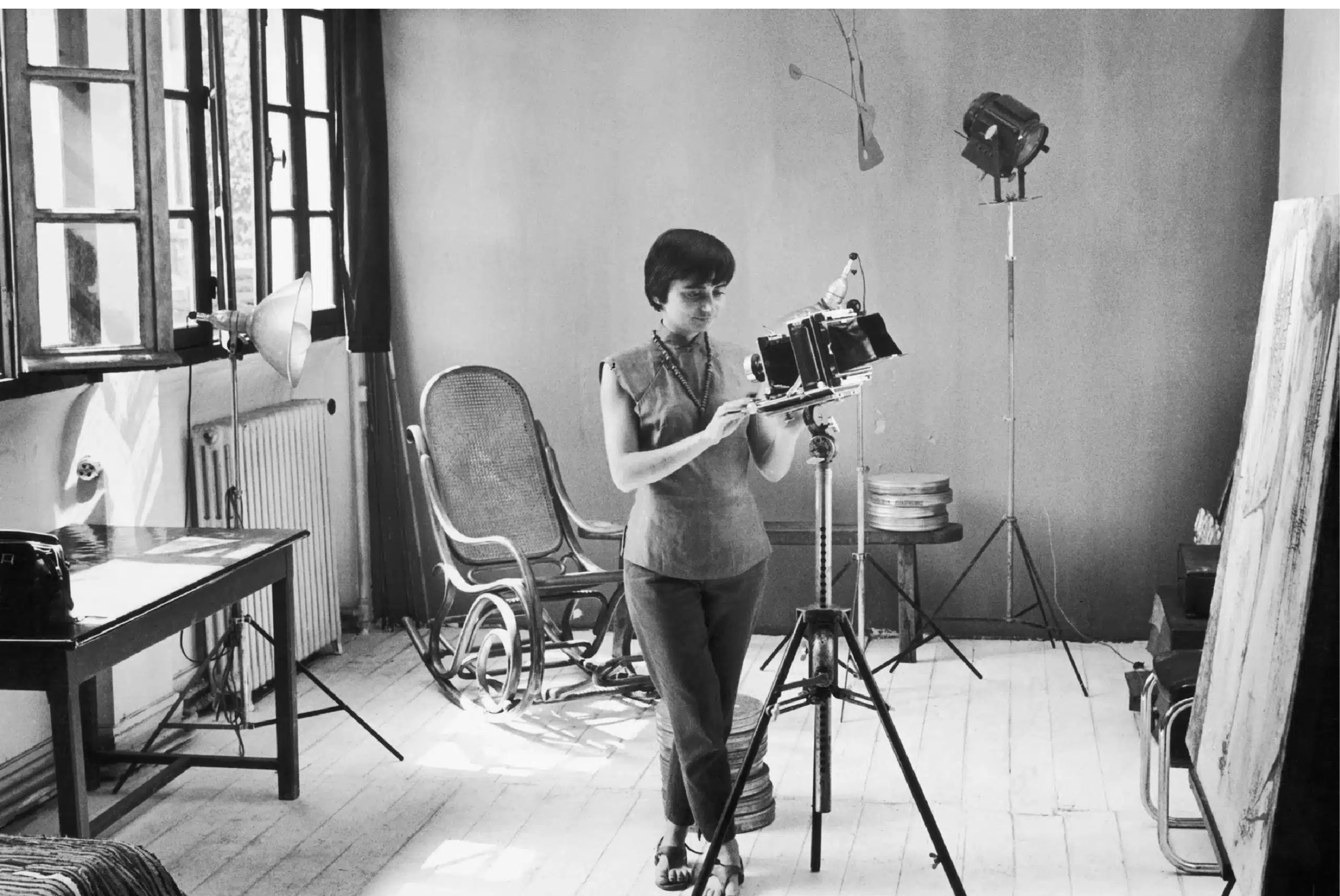
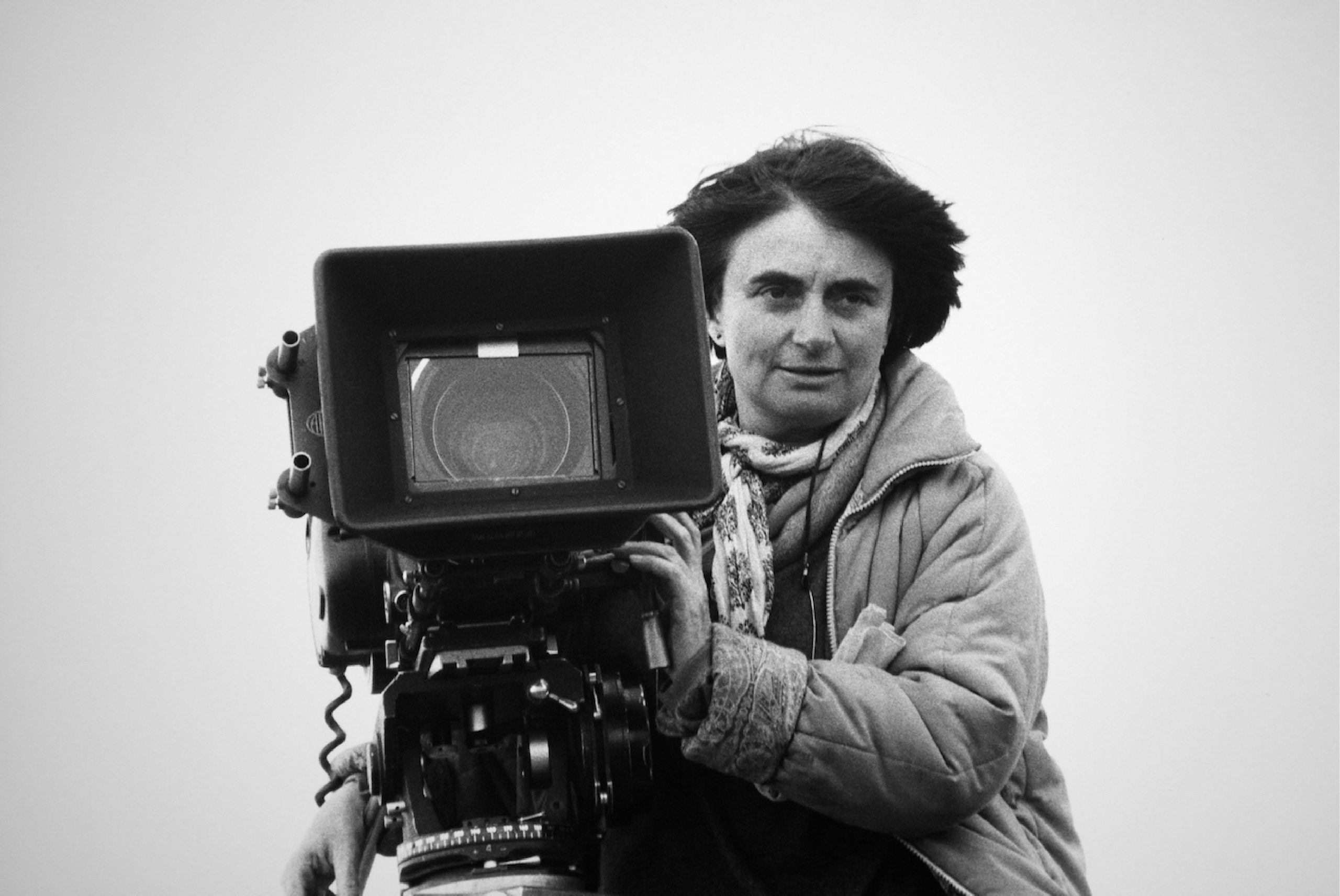
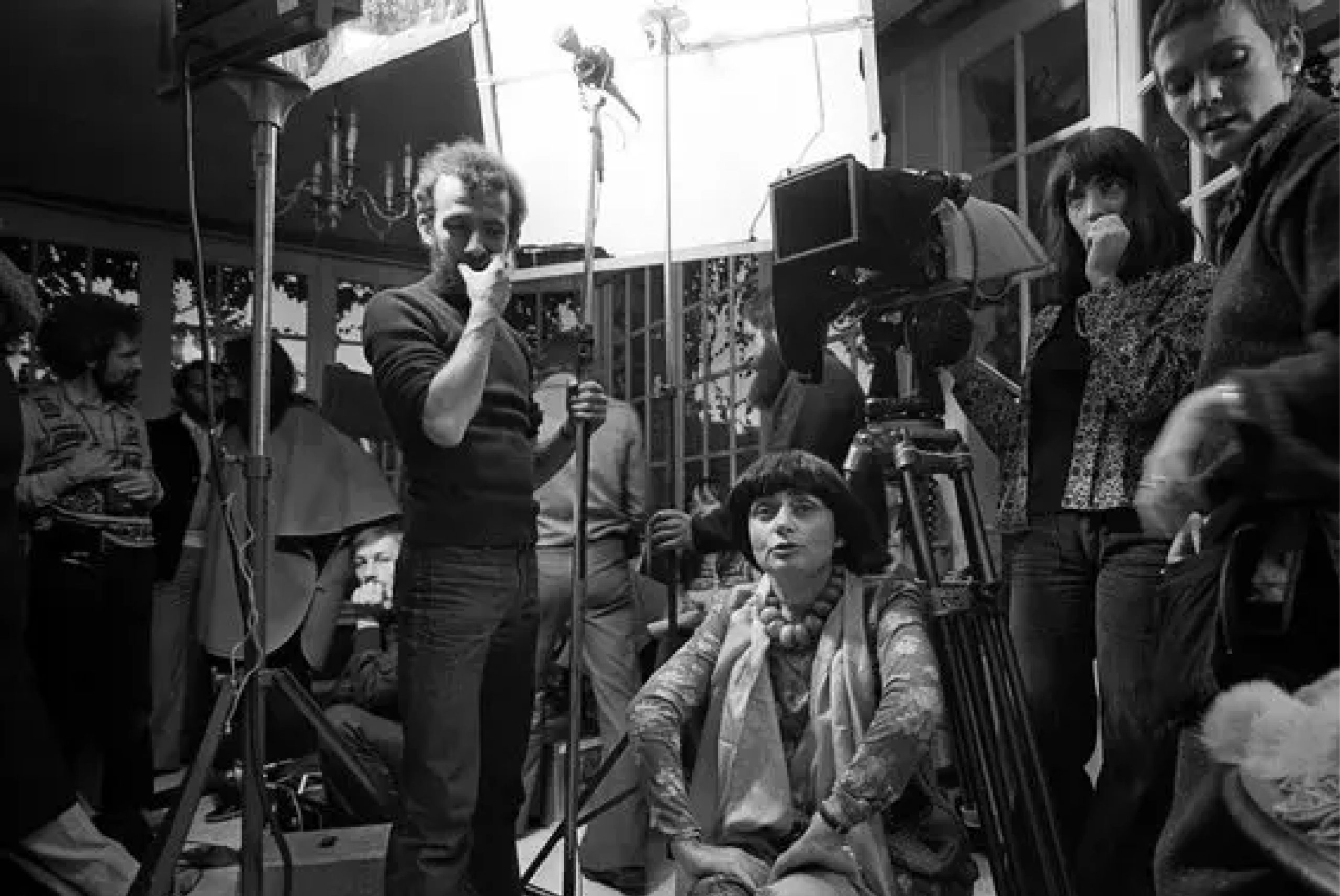
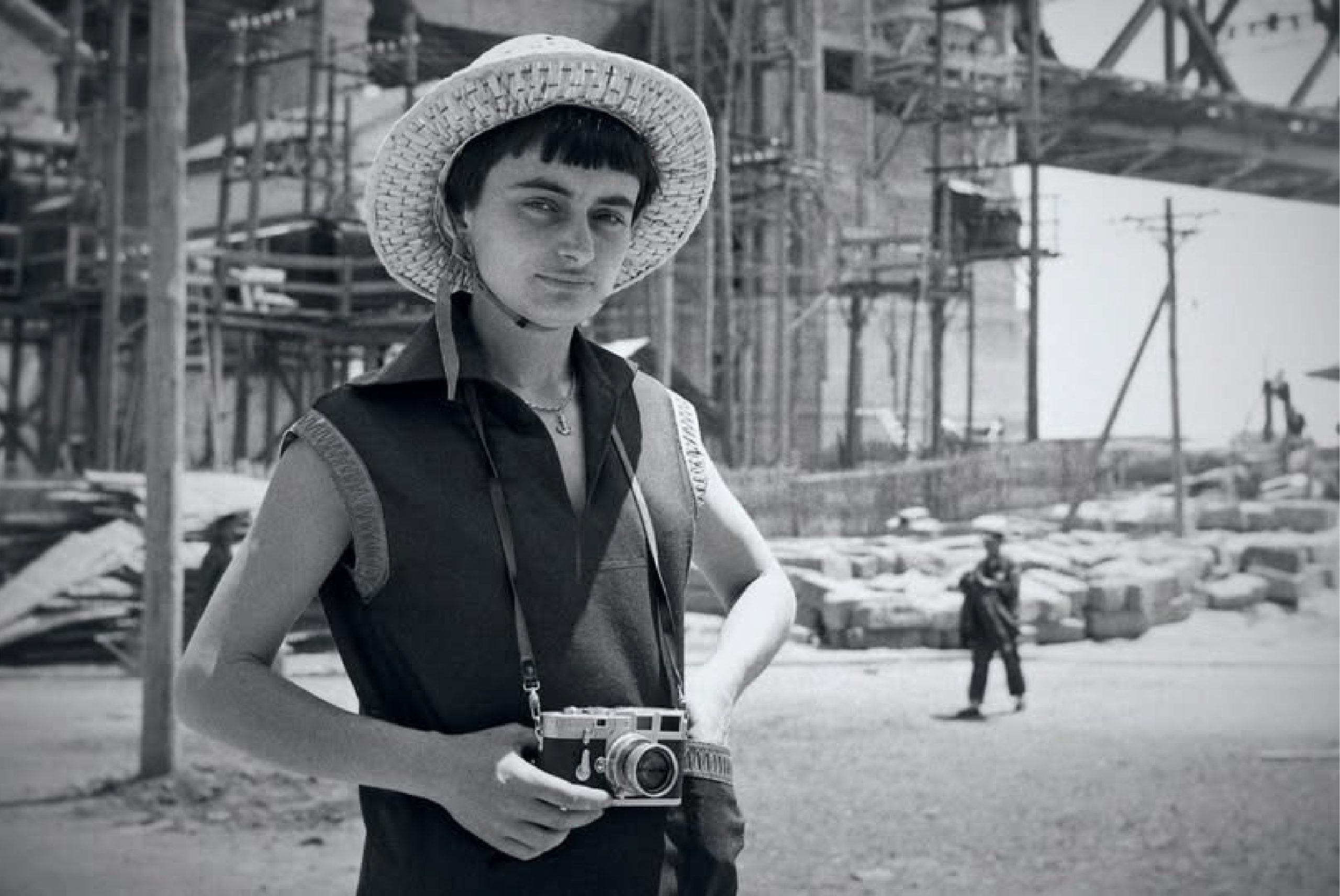
She appeared, almost mischievously, with a camera, a photographer’s eye, and the dangerous confidence of someone who had not been told what cinema was supposed to be. Before the French New Wave had fully announced itself, before the boys had become the boys, Varda was already there – looking, listening, arranging the world with a tenderness that could turn suddenly, and quite beautifully, into a knife.
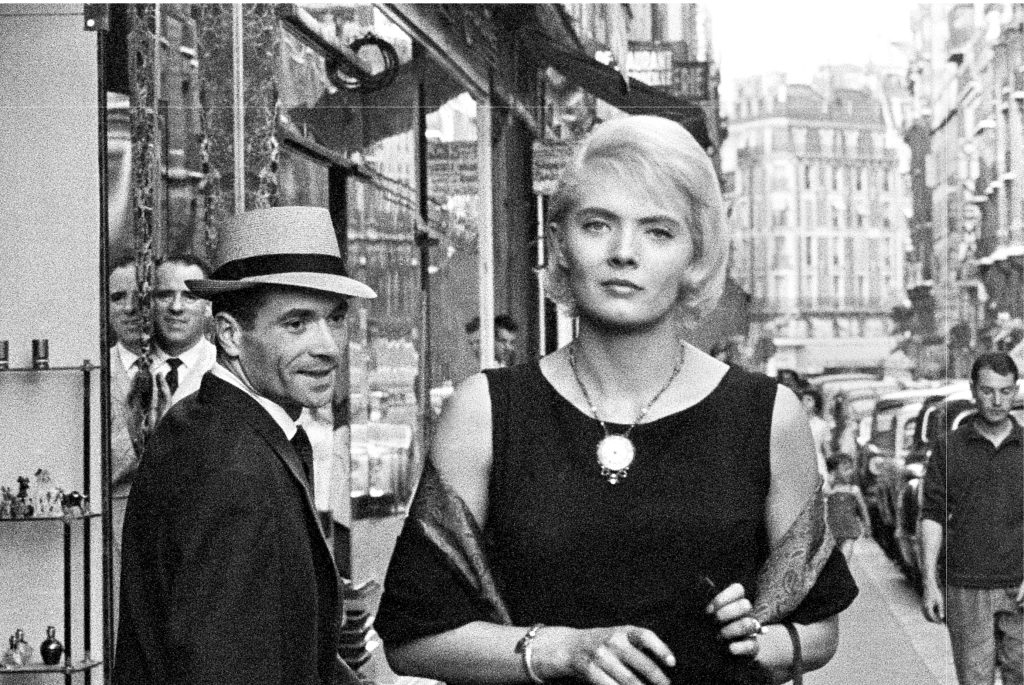
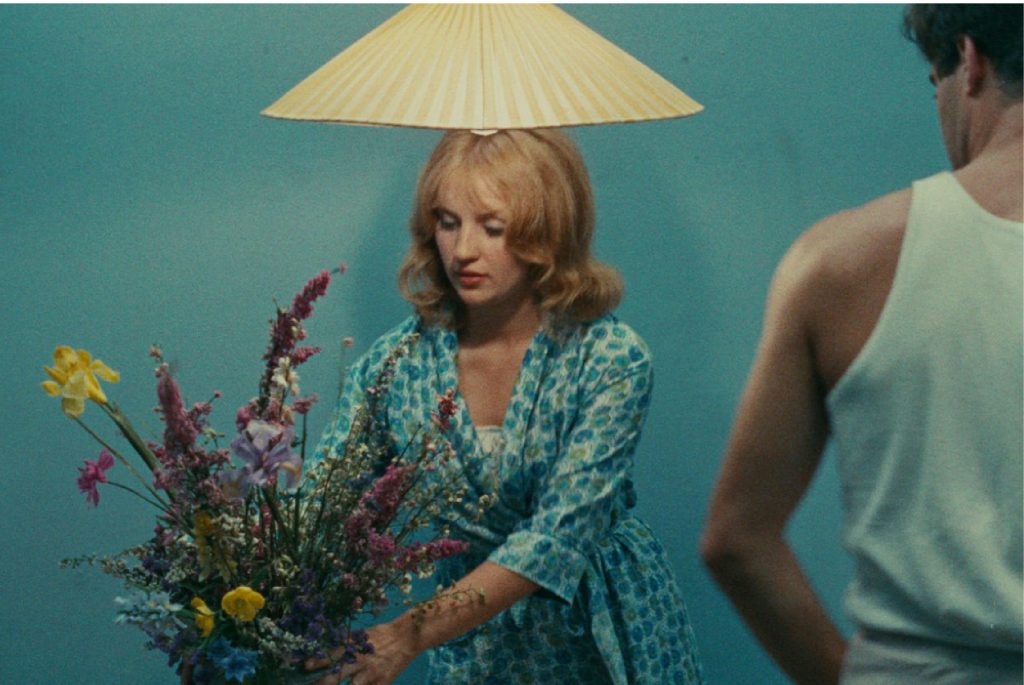
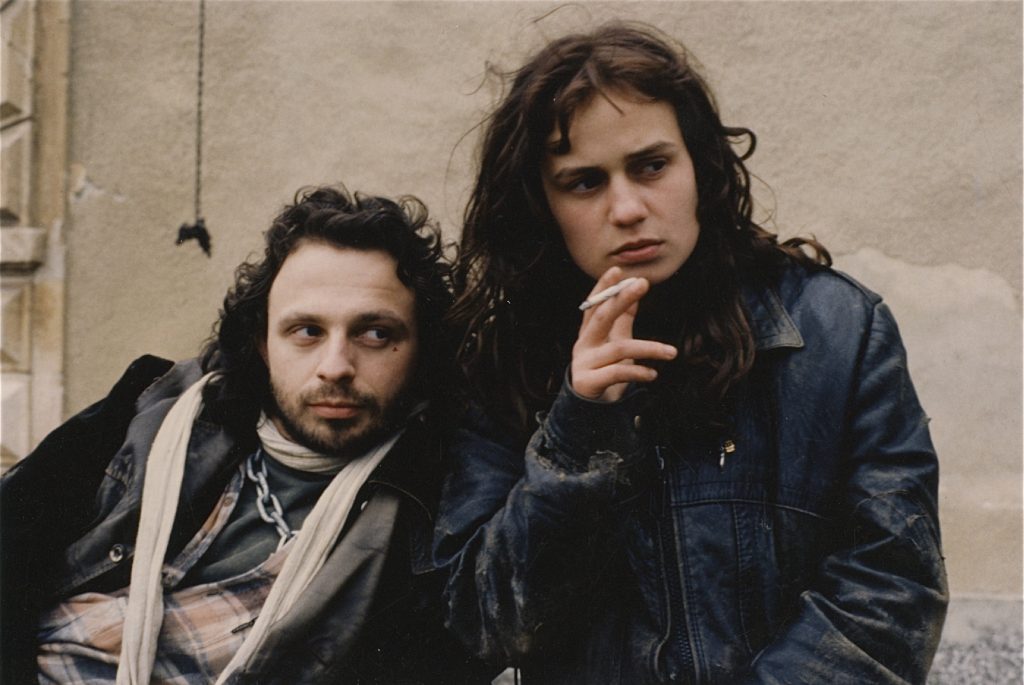
This month, Rialto Film Channel celebrates one of cinema’s great originals with Varda by Agnès, Cléo from 5 to 7, Happiness, Vagabond, and Le Petit Amour / Kung-Fu Master!.
Varda is relevant because she did not simply make films. She changed the position from which films could be made.
Long before the phrase “female gaze” became fashionable, marketable, and then rather exhausted, Varda was practising it with wit, discipline, and absolute nerve. She understood that to place a woman at the centre of a film was not enough. One had to let her think. Let her contradict herself. Let her be vain, frightened, cruel, funny, erotic, bored, lost, alive. In Varda’s cinema, women are not symbols waiting to be interpreted. They are weather systems. They pass through a room and alter the pressure.