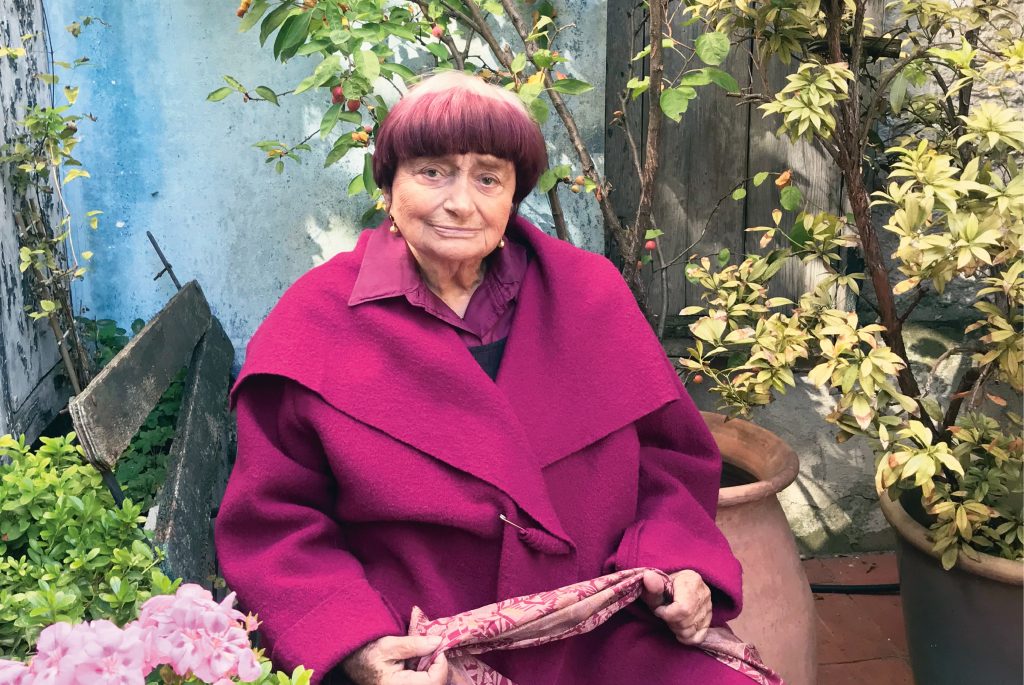
Agnès Varda: The Woman Who Refused to Ask Permission

There are filmmakers who arrive at cinema as if reporting for duty. They learn the rules, polish their shoes, wait in the corridor, and hope some important man eventually opens the door.

Agnès Varda did no such thing.

Pull quote: “Varda did not simply make films. She changed the position from which films could be made.”

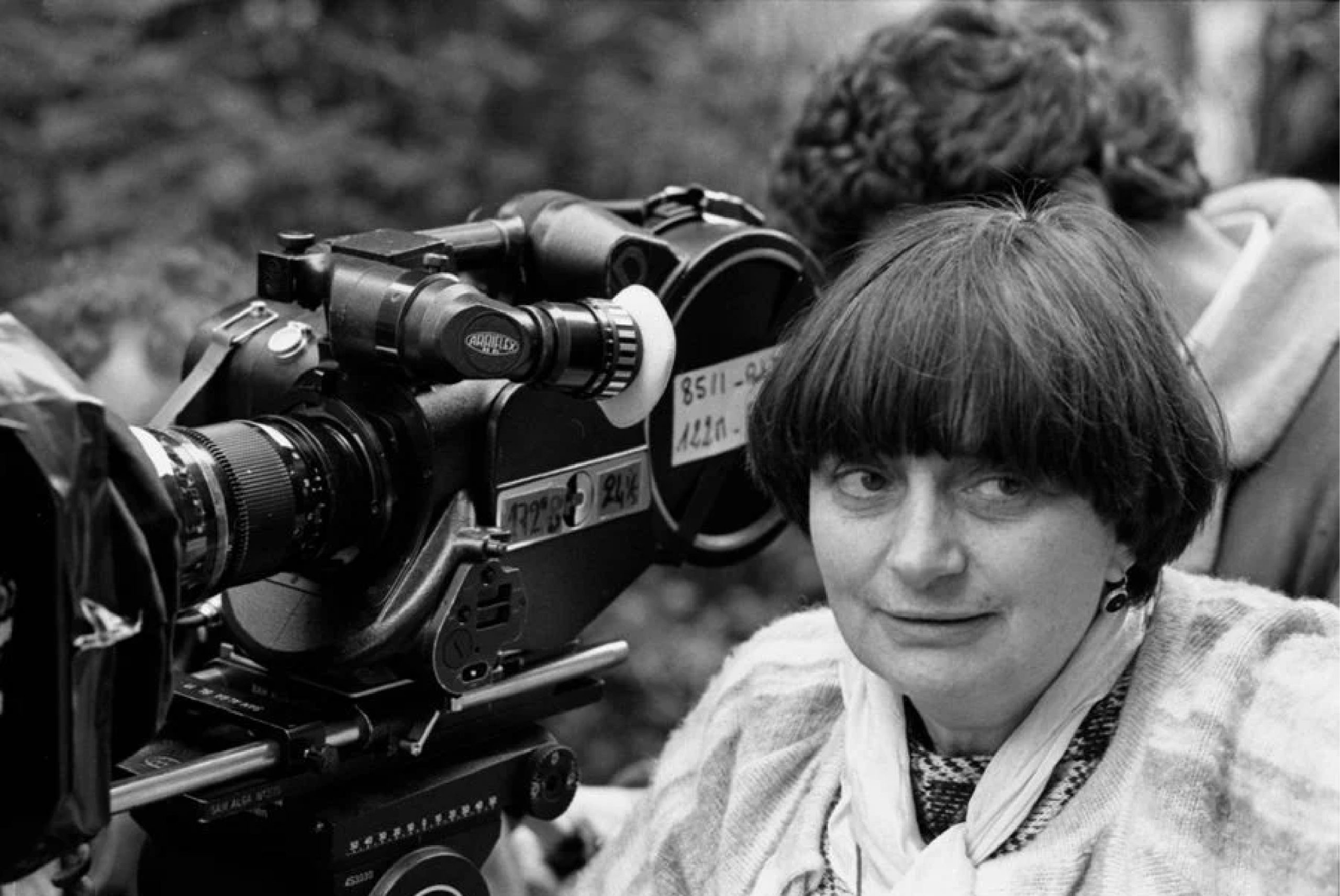
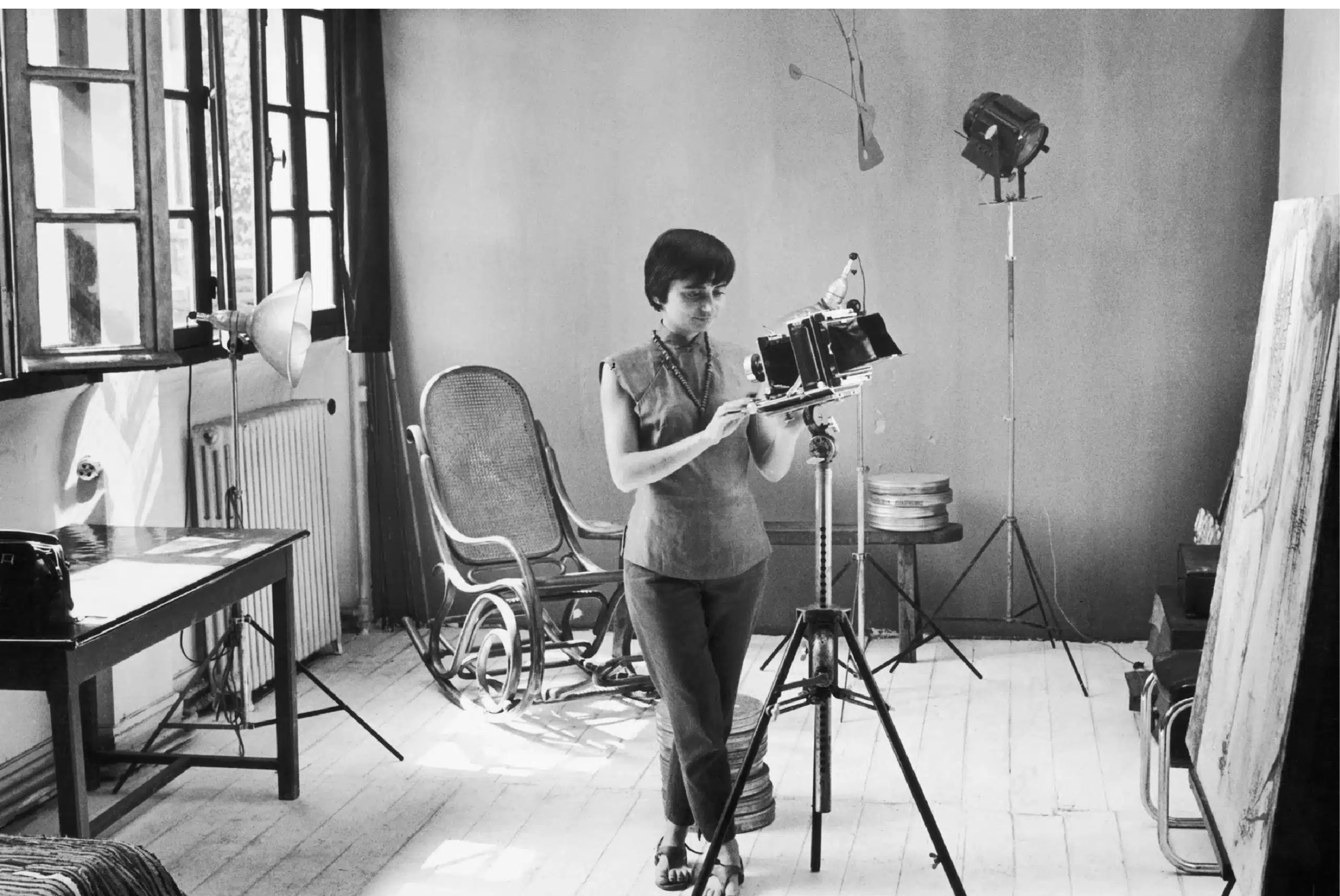
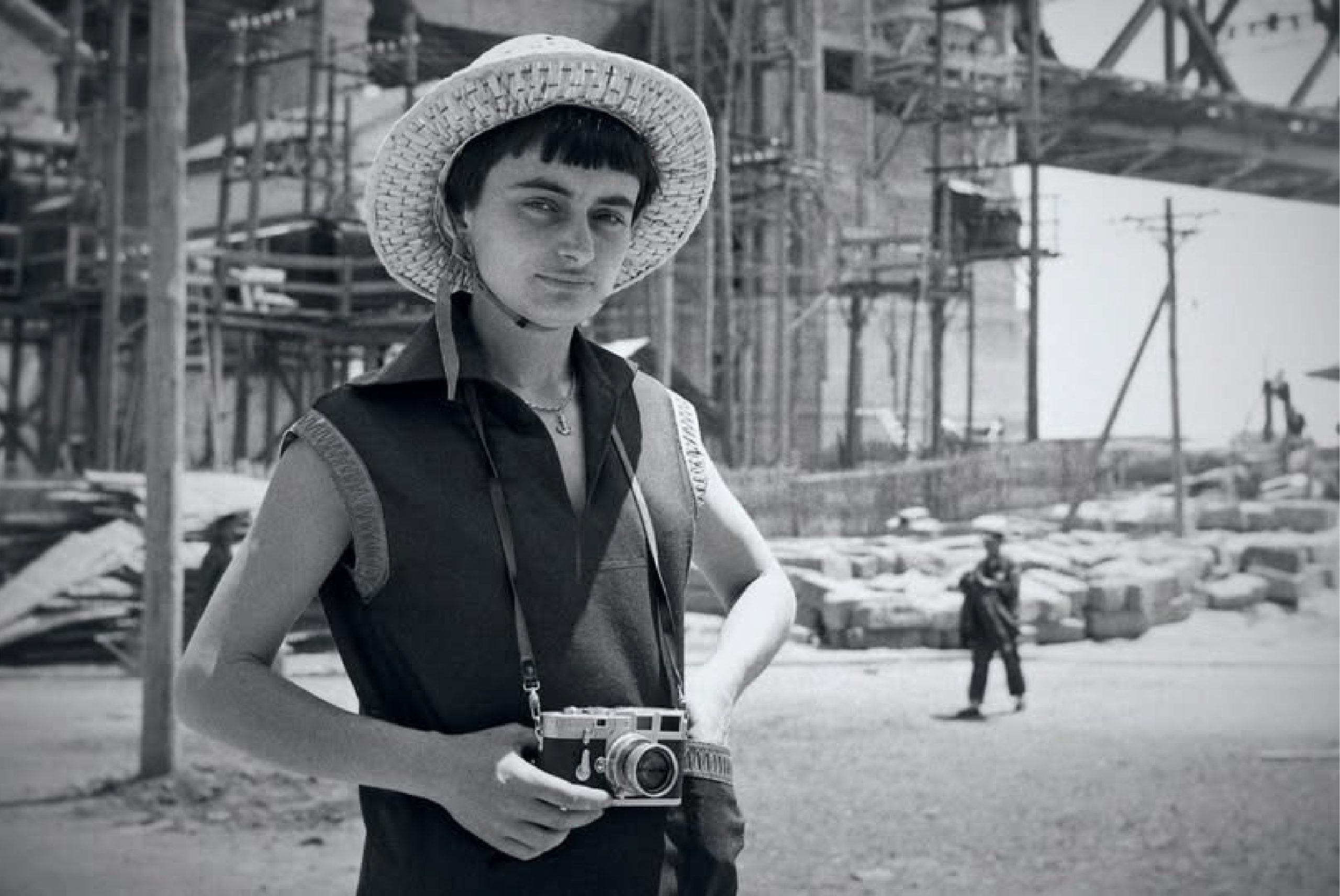
She appeared, almost mischievously, with a camera, a photographer’s eye, and the dangerous confidence of someone who had not been told what cinema was supposed to be. Before the French New Wave had fully announced itself, before the boys had become the boys, Varda was already there – looking, listening, arranging the world with a tenderness that could turn suddenly, and quite beautifully, into a knife.

This month, Rialto Film Channel celebrates one of cinema’s great originals with Varda by Agnès, Cléo from 5 to 7, Happiness, Vagabond, and Le Petit Amour / Kung-Fu Master!.

Varda is relevant because she did not simply make films. She changed the position from which films could be made.

Long before the phrase “female gaze” became fashionable, marketable, and then rather exhausted, Varda was practising it with wit, discipline, and absolute nerve. She understood that to place a woman at the centre of a film was not enough. One had to let her think. Let her contradict herself. Let her be vain, frightened, cruel, funny, erotic, bored, lost, alive. In Varda’s cinema, women are not symbols waiting to be interpreted. They are weather systems. They pass through a room and alter the pressure.

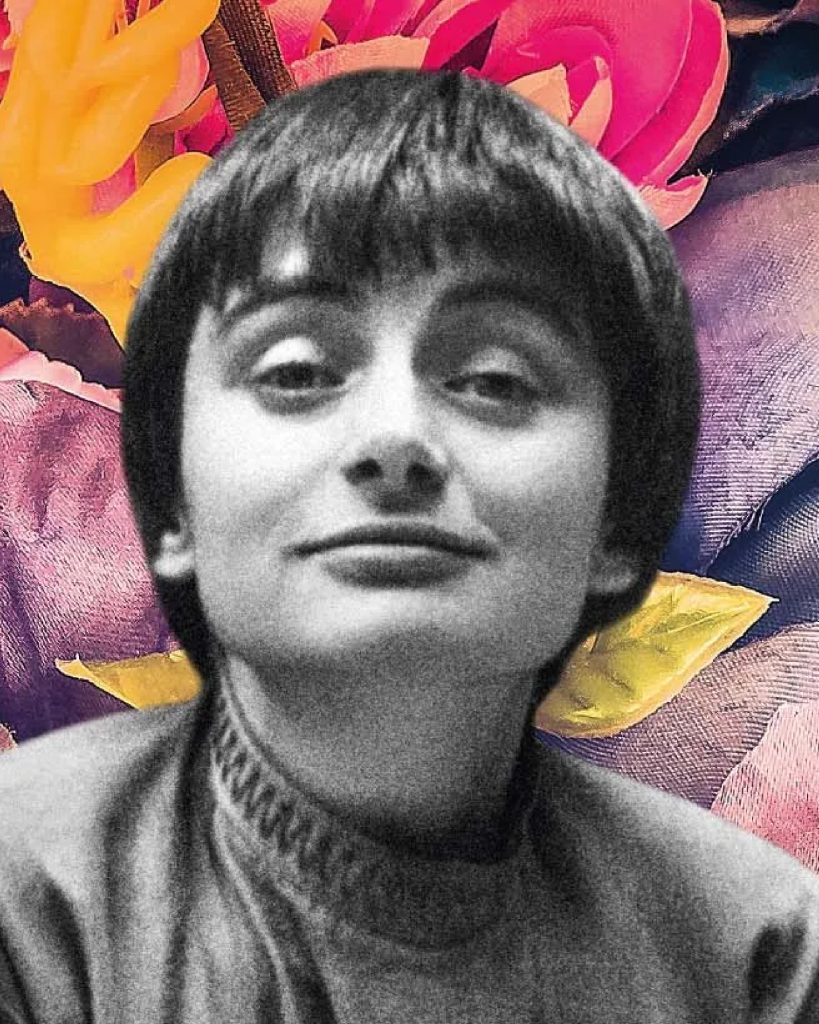
“In Varda’s cinema, women are not symbols waiting to be interpreted. They are weather systems.”

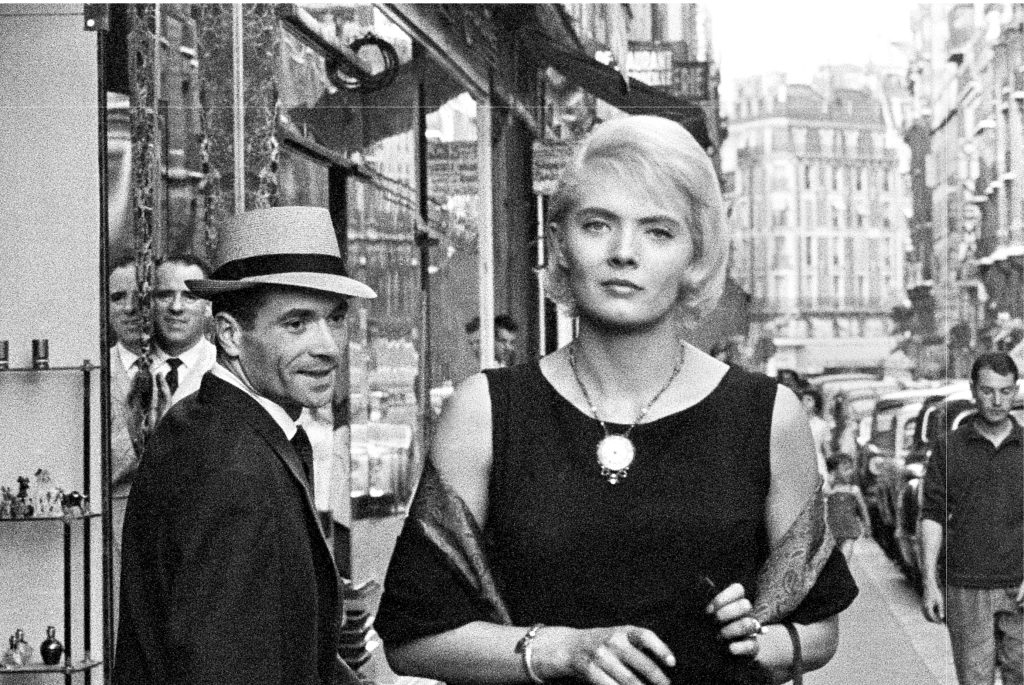
In Cléo from 5 to 7, a young singer wanders through Paris while waiting for medical results. It sounds small, almost delicate. It is not. The film is a trap made of time. At first, Cléo is watched by everyone: men, mirrors, shop windows, strangers, even herself. She is a surface, polished and anxious. Then, little by little, Varda performs her magic. Cléo begins to see rather than be seen. The city changes. The film changes. A woman becomes the author of her own gaze.

That, in 1962, was no small crime.

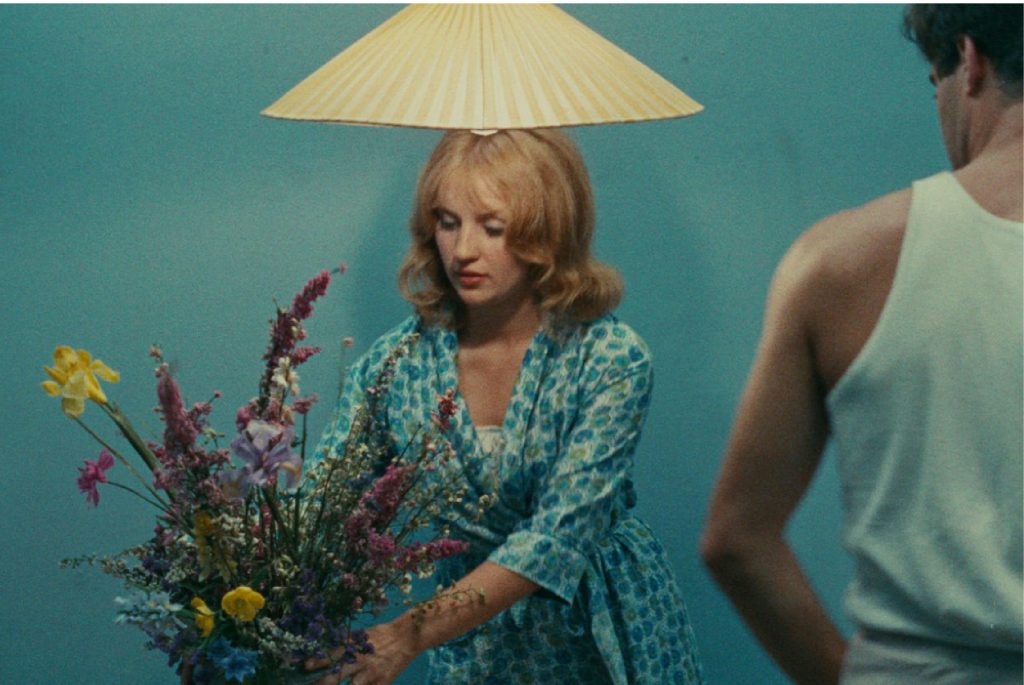
Happiness is something else again: sunlight with poison under it. It is all colour, flowers, family, summer, smiles – and beneath that prettiness sits a cool examination of male entitlement and domestic fantasy. Varda does not shout. She smiles, and the smile is worse.

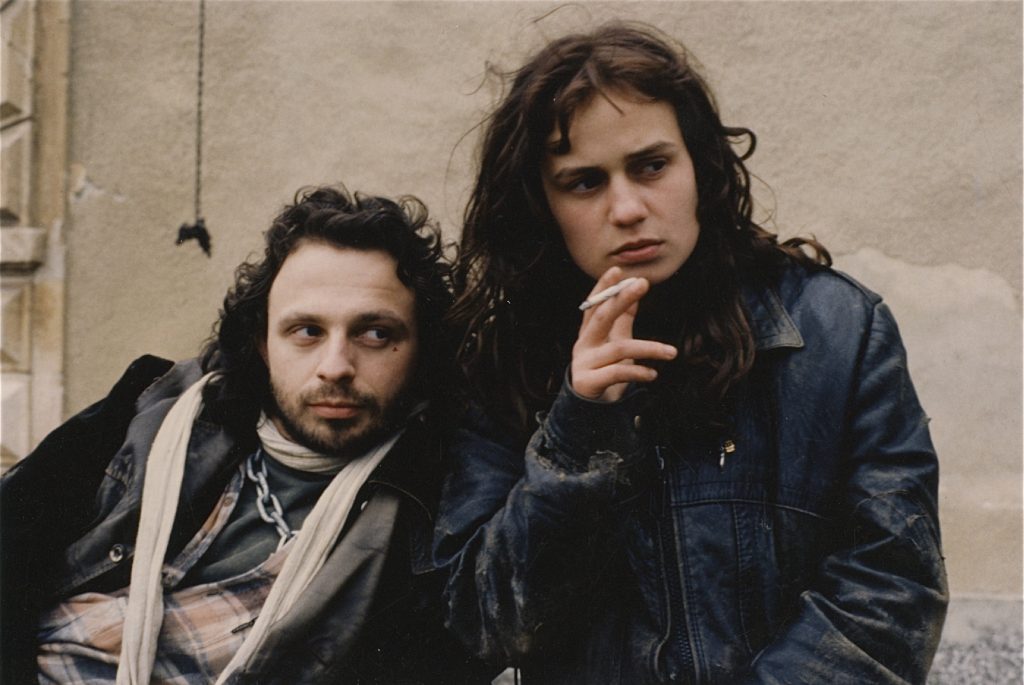
Then comes Vagabond, severe and wind-bitten, following the traces of Mona, a young woman found dead in a ditch. Another filmmaker might have softened her, explained her, punished her, or turned her into a lesson. Varda refuses. Mona remains difficult. Free, perhaps. Unreachable, certainly. Varda grants her the dignity of not being understood.

“Varda grants Mona the dignity of not being understood.”

And finally, Varda by Agnès, her late self-portrait, has the air of someone tidying her desk before leaving the room, except the desk contains half the twentieth century, several beaches, a few ghosts, and a lifetime of looking. It is playful, wise, direct, and full of that Varda brightness – a brightness that never denies darkness but refuses to be swallowed by it.

So, what can New Zealand female filmmakers learn from Agnès Varda?

First: do not wait.

Not for permission. Not for perfect funding. Not for someone else to decide that your story is sufficiently important. Varda made cinema from what was near at hand: streets, faces, friends, memory, chance, politics, the oddities of daily life. Aotearoa filmmakers know something about making work from resourcefulness. Varda reminds us that limitation is not always a cage. Sometimes it is the beginning of style.

“Limitation is not always a cage. Sometimes it is the beginning of style.”

Second: trust the local.

Varda’s films are unmistakably rooted in place – Paris streets, seaside towns, domestic rooms, roadsides, markets, beaches. Yet they travel because they are specific. New Zealand stories do not need to flatten themselves for the world. The more precisely they know their own landscape, their own humour, their own silences, their own unease, the more powerfully they speak beyond themselves.

Third: tenderness can be radical.

Varda’s politics were not always delivered as speeches. Often, they arrived as attention. She looked at people cinema usually hurried past: women waiting, workers ageing, wanderers drifting, lovers failing, ordinary faces carrying private histories. To look closely is not passive. In Varda’s hands, it becomes an act of defiance.

“To look closely is not passive. In Varda’s hands, it becomes an act of defiance.”

For female filmmakers, her achievement is immense. She opened imaginative space. She proved that a woman could shape film form itself, not merely appear inside it. She made work that was personal without being small, political without being stiff, playful without being slight. She built a career outside the centre and then, rather inconveniently for the centre, became essential.

In my view, Agnès Varda’s legacy is not that she was the mother, grandmother, or patron saint of anything, though people do love making women into relatives once they have finished underestimating them.

Her legacy is freer than that.

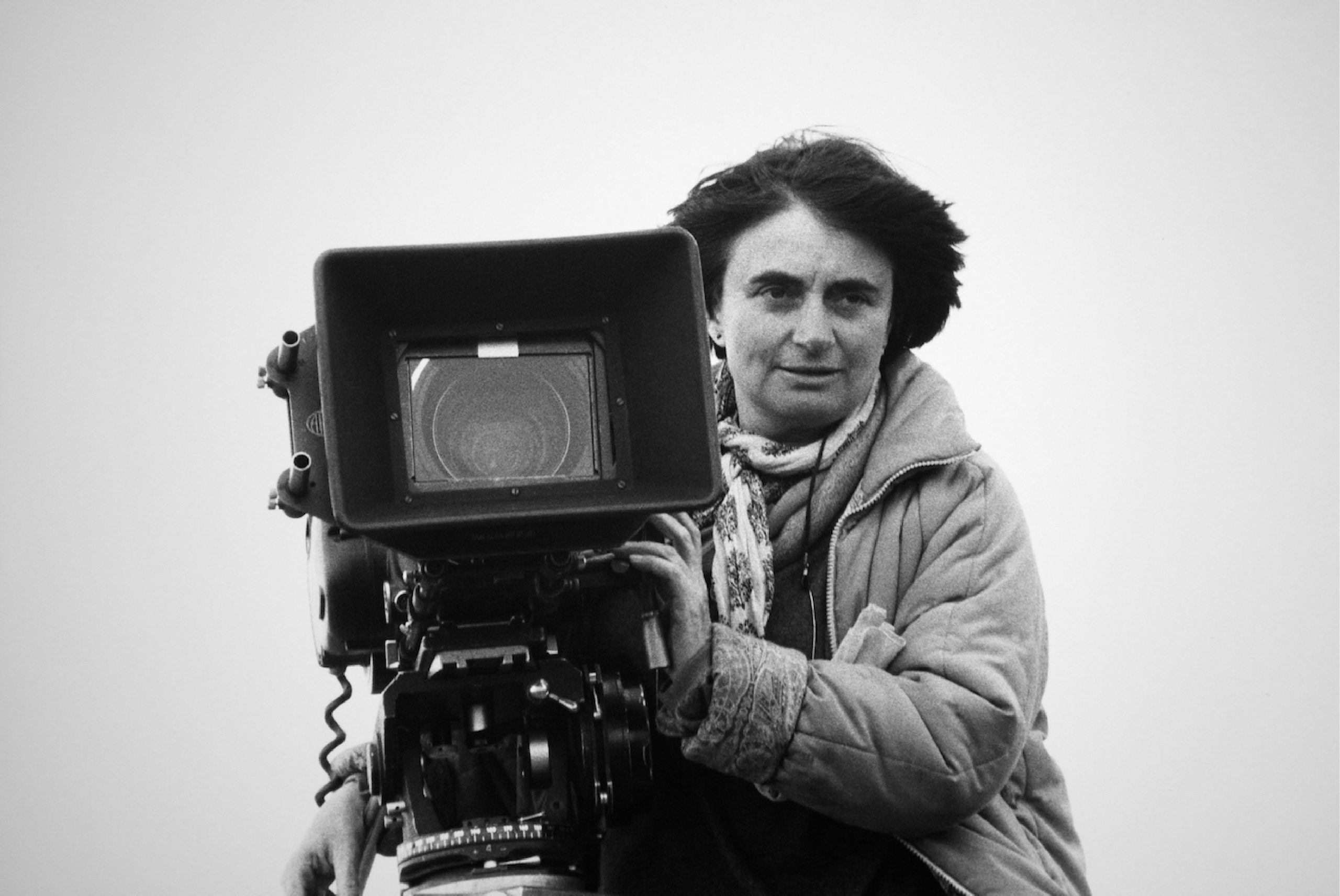
She showed that cinema could be handmade and monumental. Intimate and unruly. Beautiful and suspicious of beauty. She showed that a woman with a camera could look at the world and rearrange it.

“A woman with a camera could look at the world and rearrange it.”

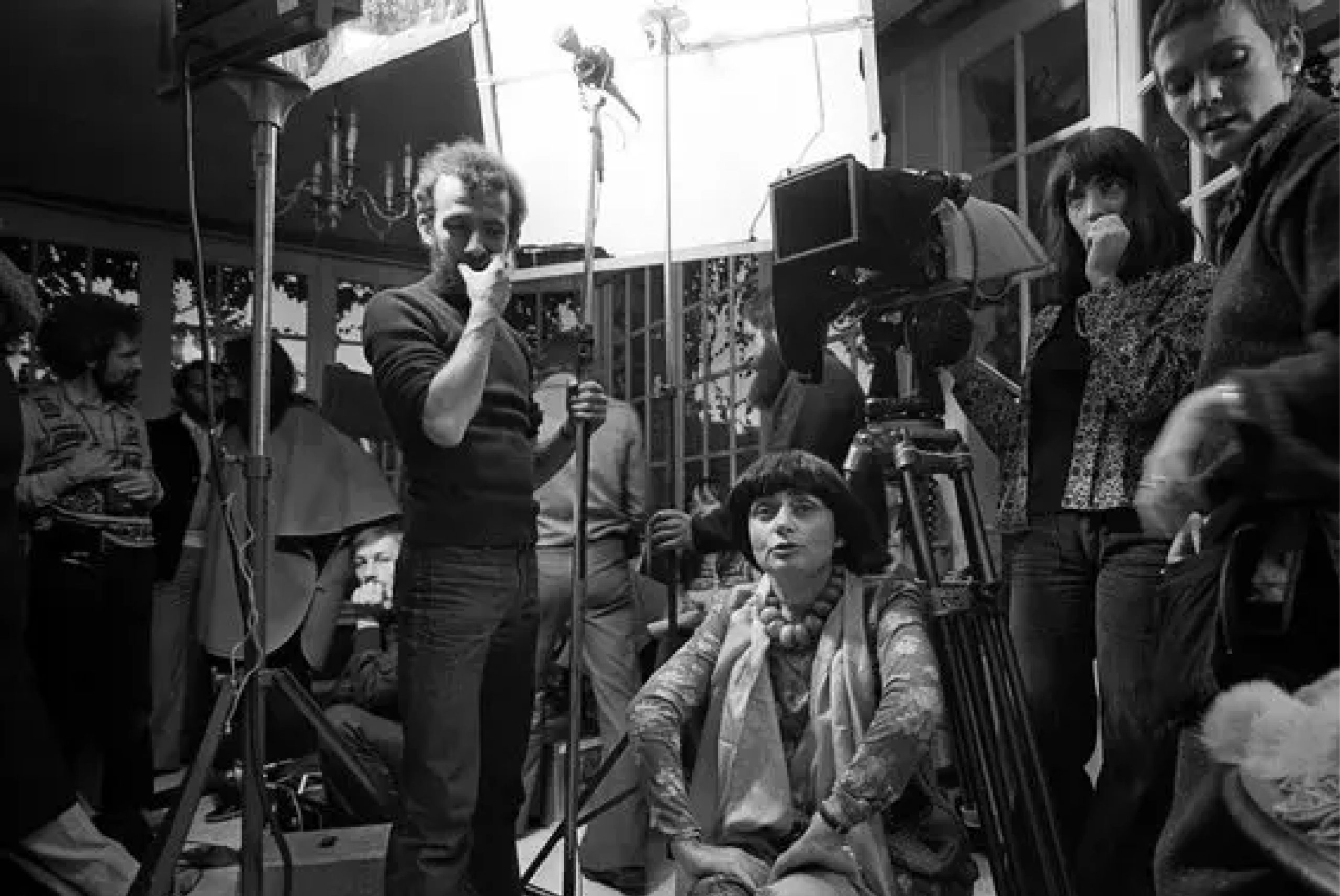
Agnès Varda did not ask cinema to make room for her.

She made the room herself.

Roger Wyllie, View Mag

Audio player cover
0:00 0:00