“Her inheritance was not a crown. It was a name she had to survive.”
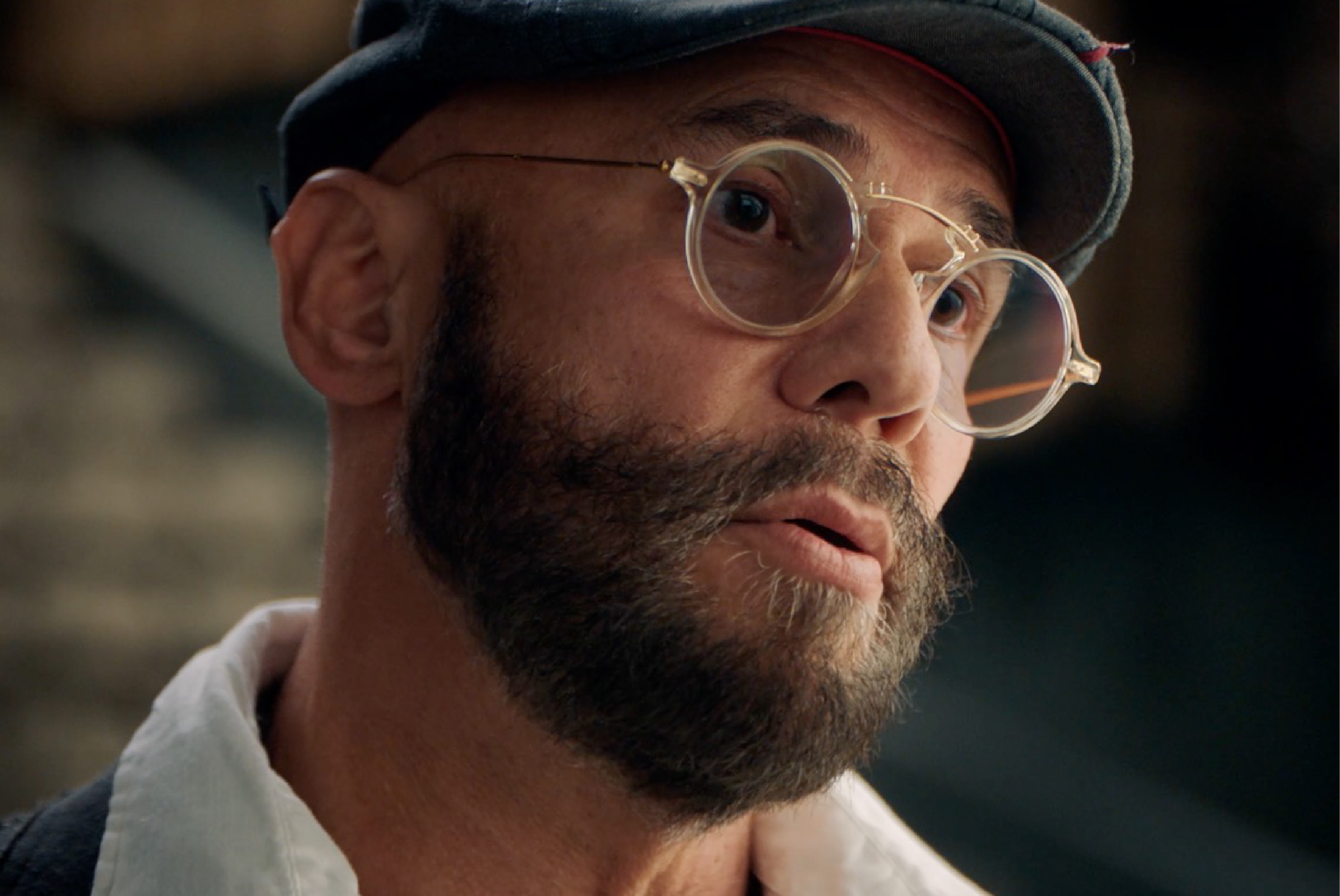
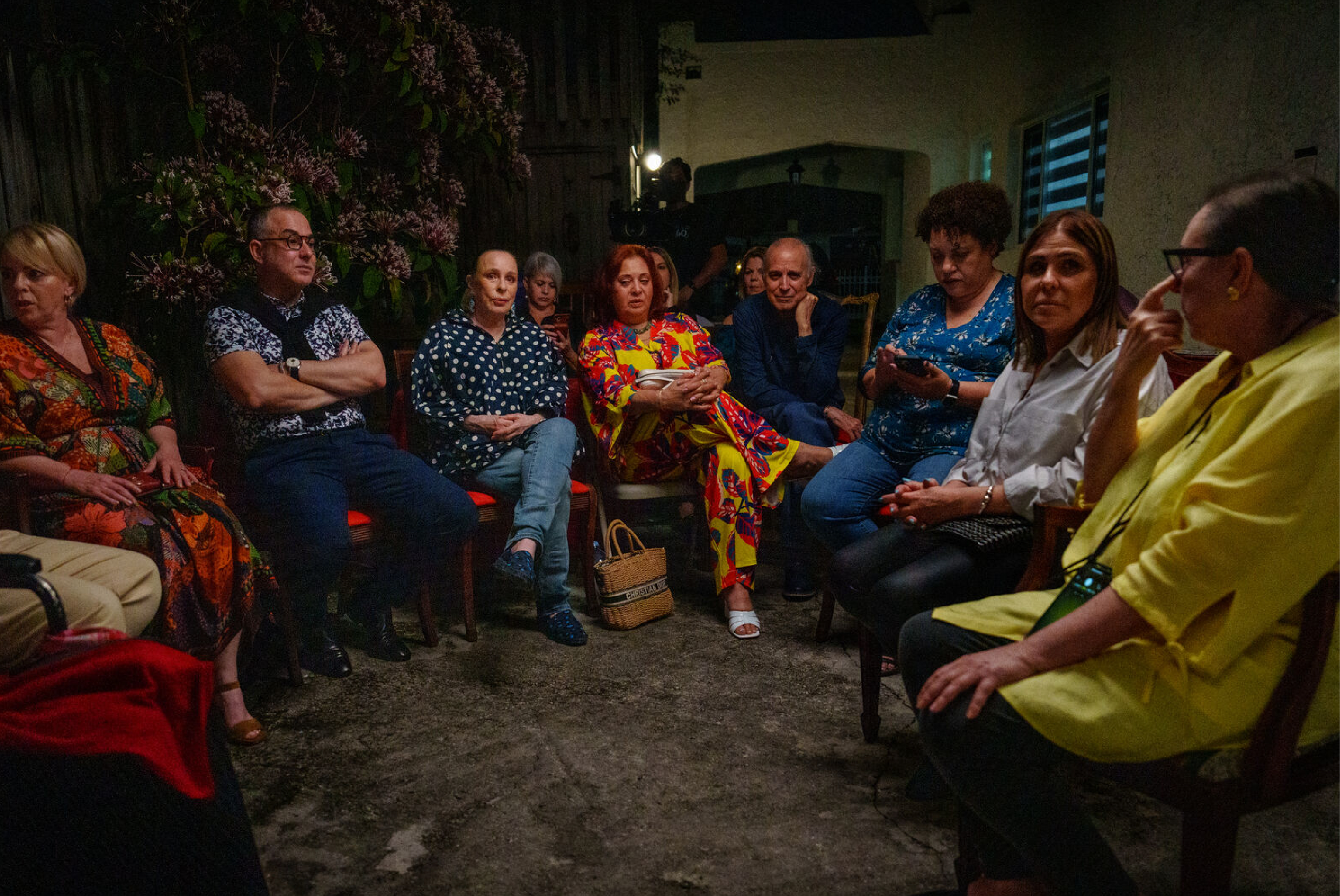
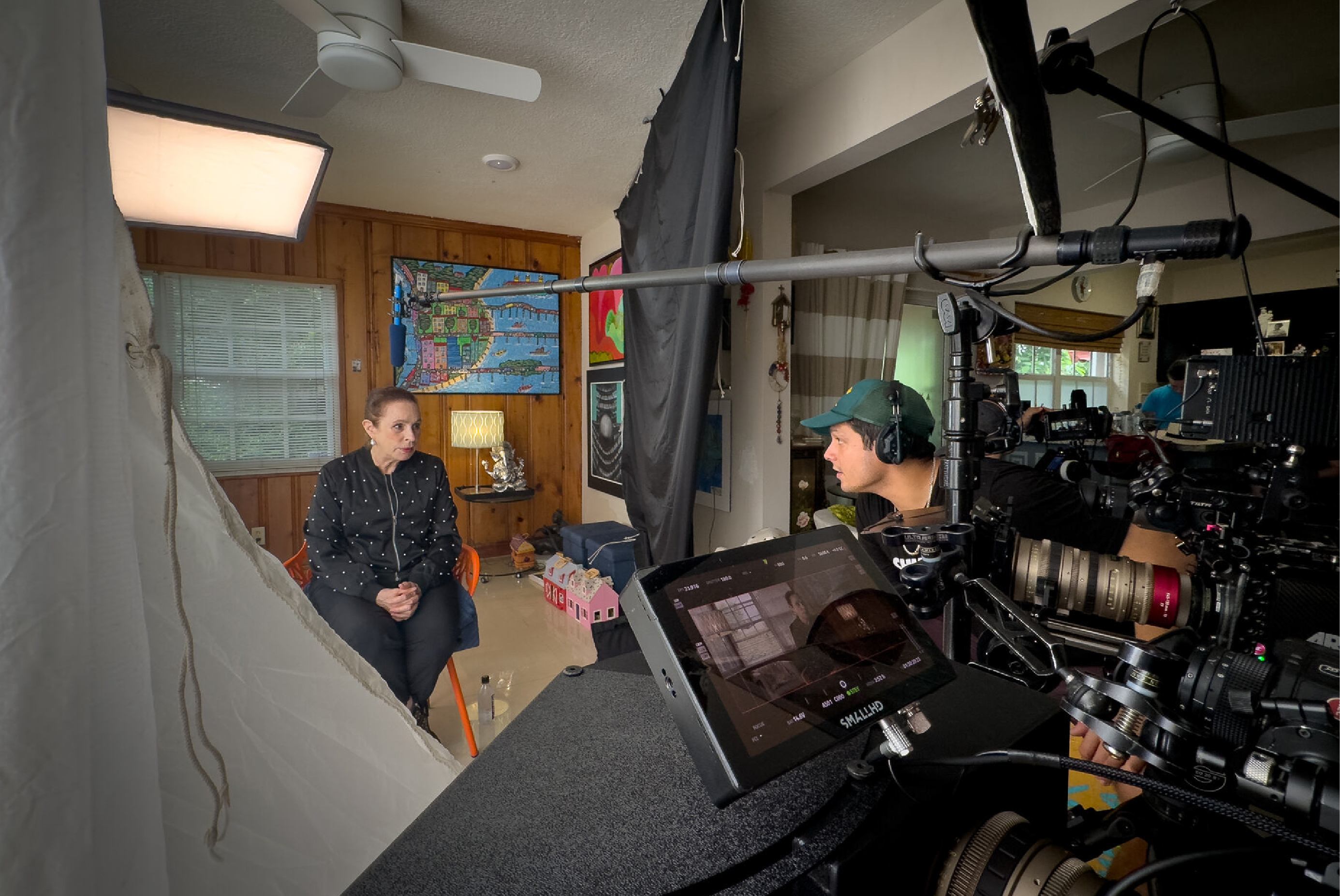
Matula is careful here. He knows what he is not. He is not Cuban. He is not Latin. He is not from South Florida. So he does what good documentary directors do when they are wise enough to distrust certainty: he listens. He builds a room in which others can speak.
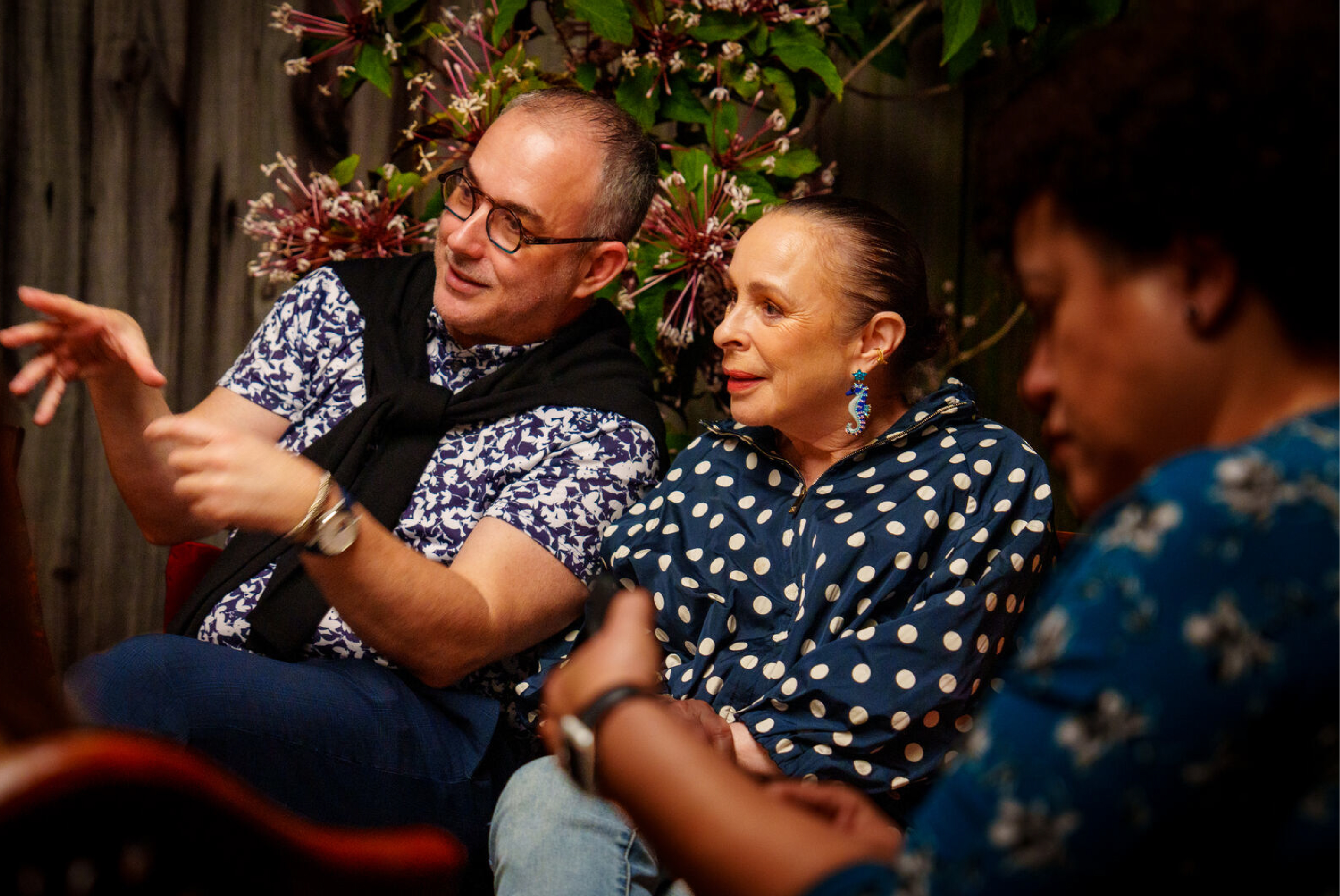
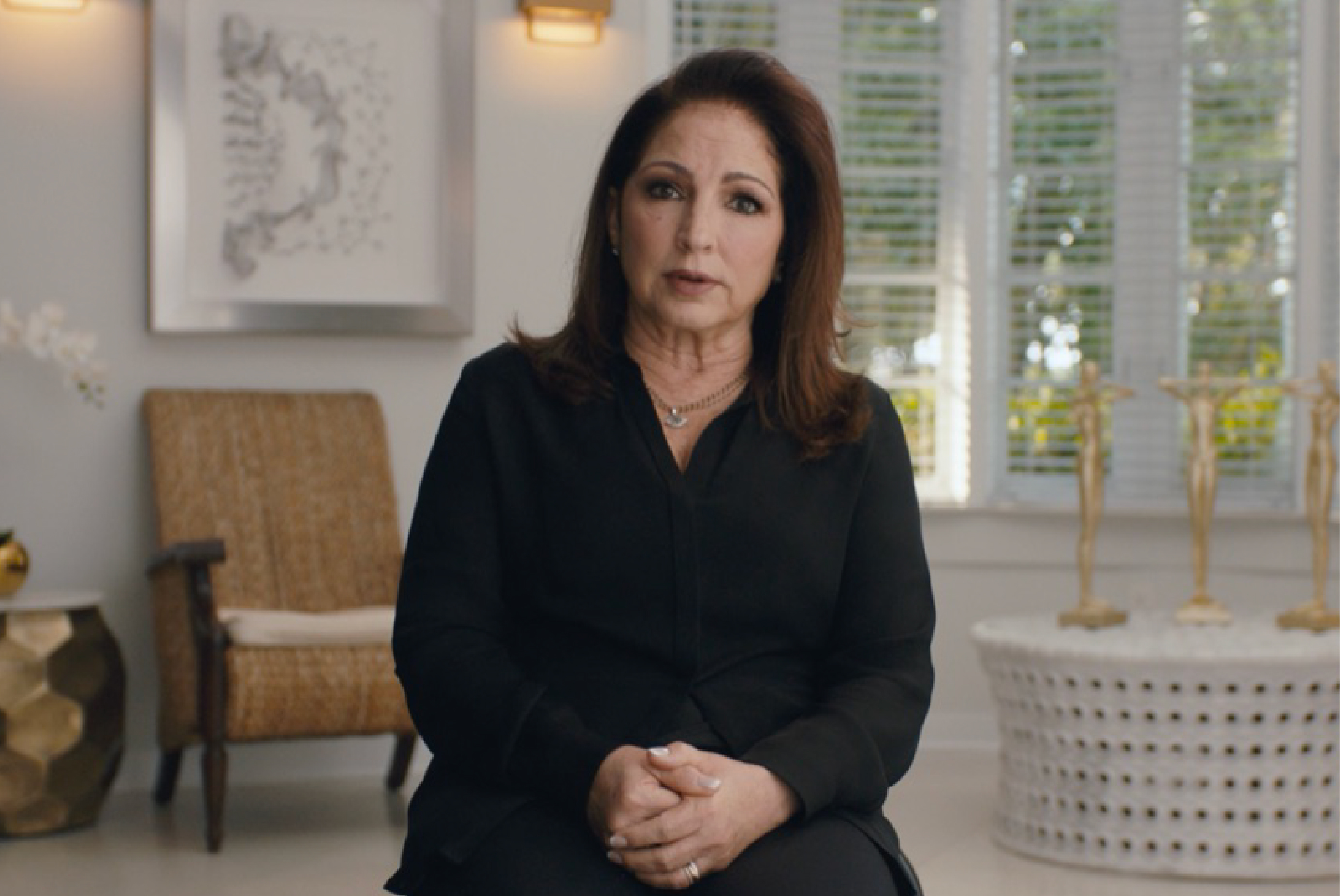
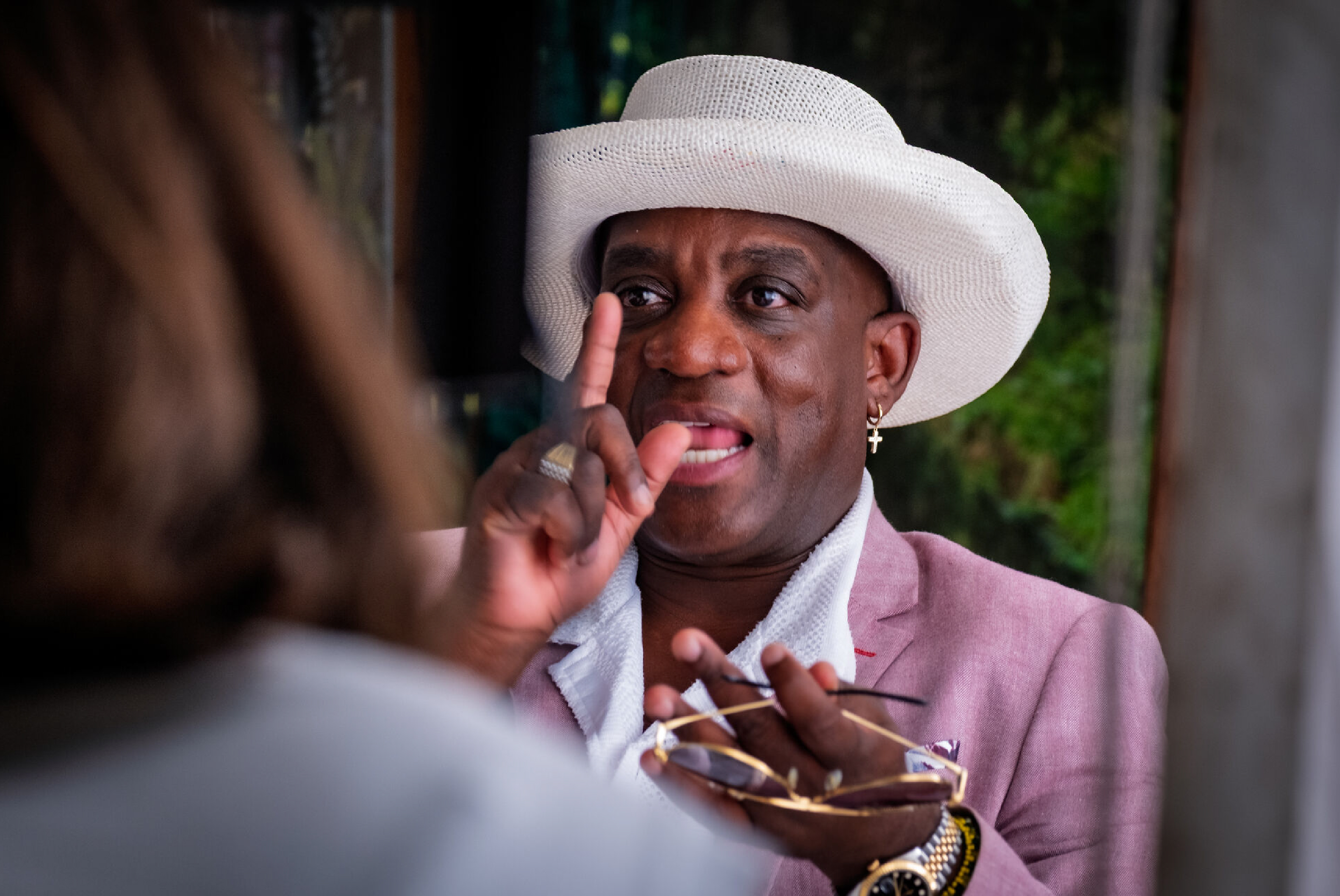
The film widens beyond Alina through Cuban-American voices including Gloria Estefan, Nilo Cruz and José Bedia, artists who understand that exile is not merely geographical. It is emotional, cultural, generational. It is a daily act of remembering without being consumed by memory.
History books love leaders. They love dates, decisions, regimes, speeches. But real people live in the aftermath. They carry the bruises in kitchens, hospitals, living rooms, daughters, rent payments, silence, insomnia. Revolution’s Daughter insists on that human scale.
The film also understands that identity is not a fashionable word here. It is not branding. It is not performance. For Alina, identity is the long, painful work of deciding who she is when the world keeps trying to define her by someone else. She did not choose her parents. She did not choose the mythology. But she did choose her voice.
And voice, in this film, has a price.
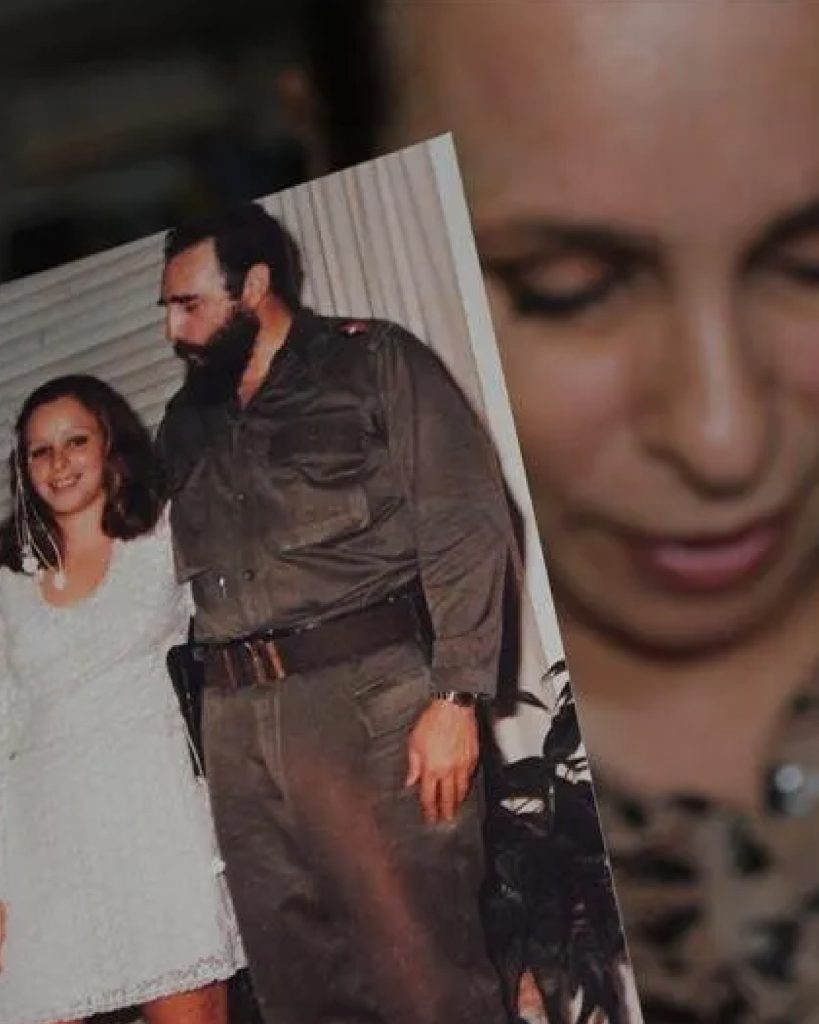
Matula recalls a photograph Alina once sent him from before her escape: painfully thin, malnourished, her hair cut off. She called it the price of dissidence. That phrase lands like a door closing.