Revolution’s Daughter: The Name, the Island, and the Woman Who Refused to Disappear

There are some inheritances that arrive like jewellery, and others that arrive like a locked room.

For Alina Fernández, the daughter of Fidel Castro, inheritance was not a crown but a trapdoor. To grow up not knowing the truth of one’s own father, and then to discover that the truth is attached to one of the most famous political names of the twentieth century, is not simply a biographical twist. It is an existential ambush.

In Revolution’s Daughter, Emmy Award-winning and Peabody Award-winning director Thaddeus Matula approaches this extraordinary life not as a piece of historical spectacle, but as a question of identity: who gets to tell the story of a woman whose name has already been seized by history?

The answer, in this film, is Alina herself.

Matula is drawn to moral anxiety, to cinema where people are caught between private truth and public consequence. He speaks of being shaped by Krzysztof Kieślowski, and of time spent as a child behind the Iron Curtain, where the air itself seemed trained to listen. That background matters. It gives Revolution’s Daughter its particular nerve. This is not a tourist’s glance at Cuba, nor a convenient portrait of revolution, romance and myth. It is a film about what it costs to live inside a story everyone thinks they already understand.

Alina’s life contains the sort of drama fiction would be accused of overplaying. She was a dissident inside Cuba. She escaped. She chose Miami, where her bloodline could have been held against her, and continued speaking. Not from a palace of exile, not from some gilded afterlife of privilege, but from a modest home in Little Havana, divided in half, with part rented out in retirement.

That detail feels crucial. It punctures the fantasy of the ruler’s child living off the spoils of history. Alina’s story is not one of inherited luxury. It is one of inherited burden.

“Her inheritance was not a crown. It was a name she had to survive.”

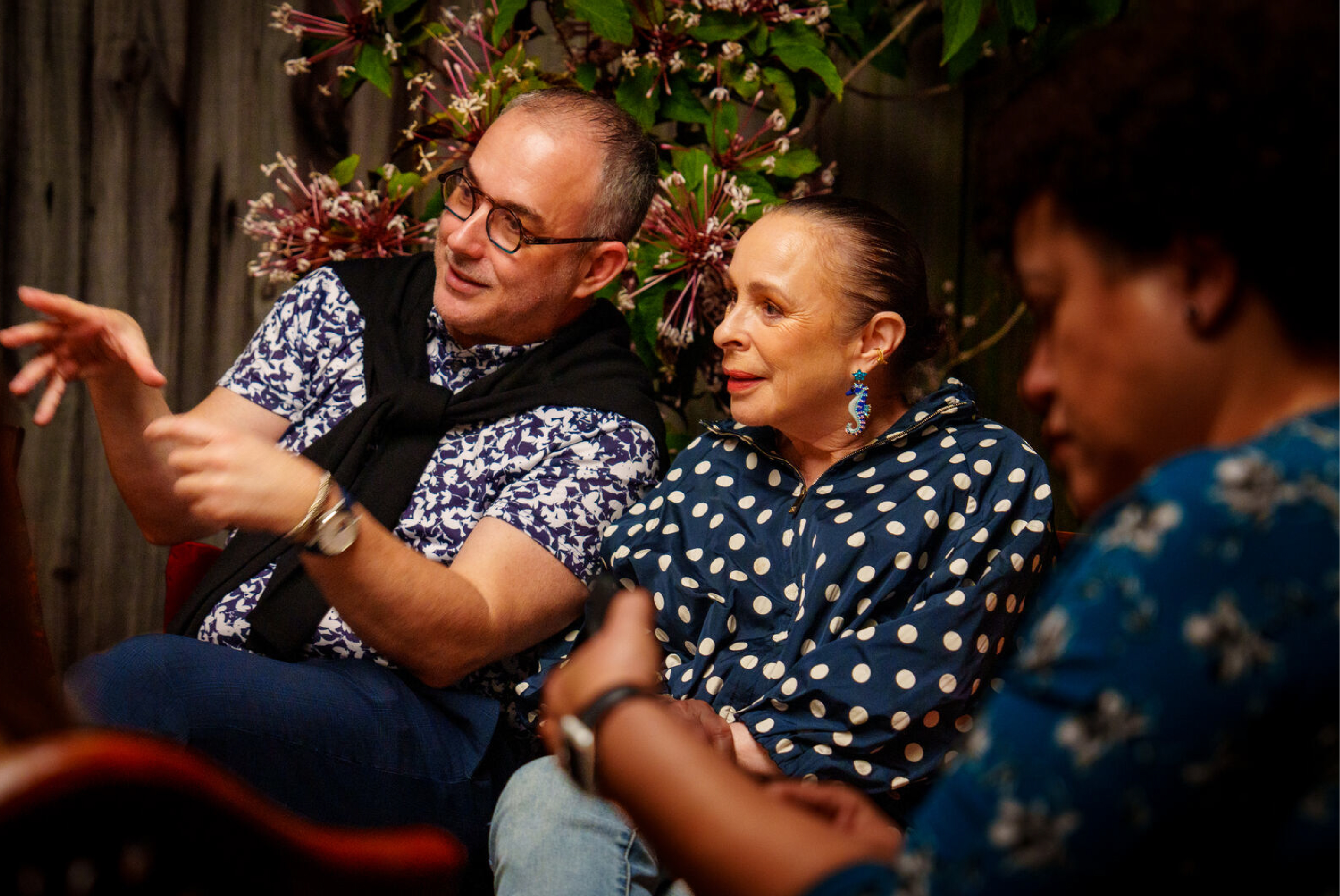
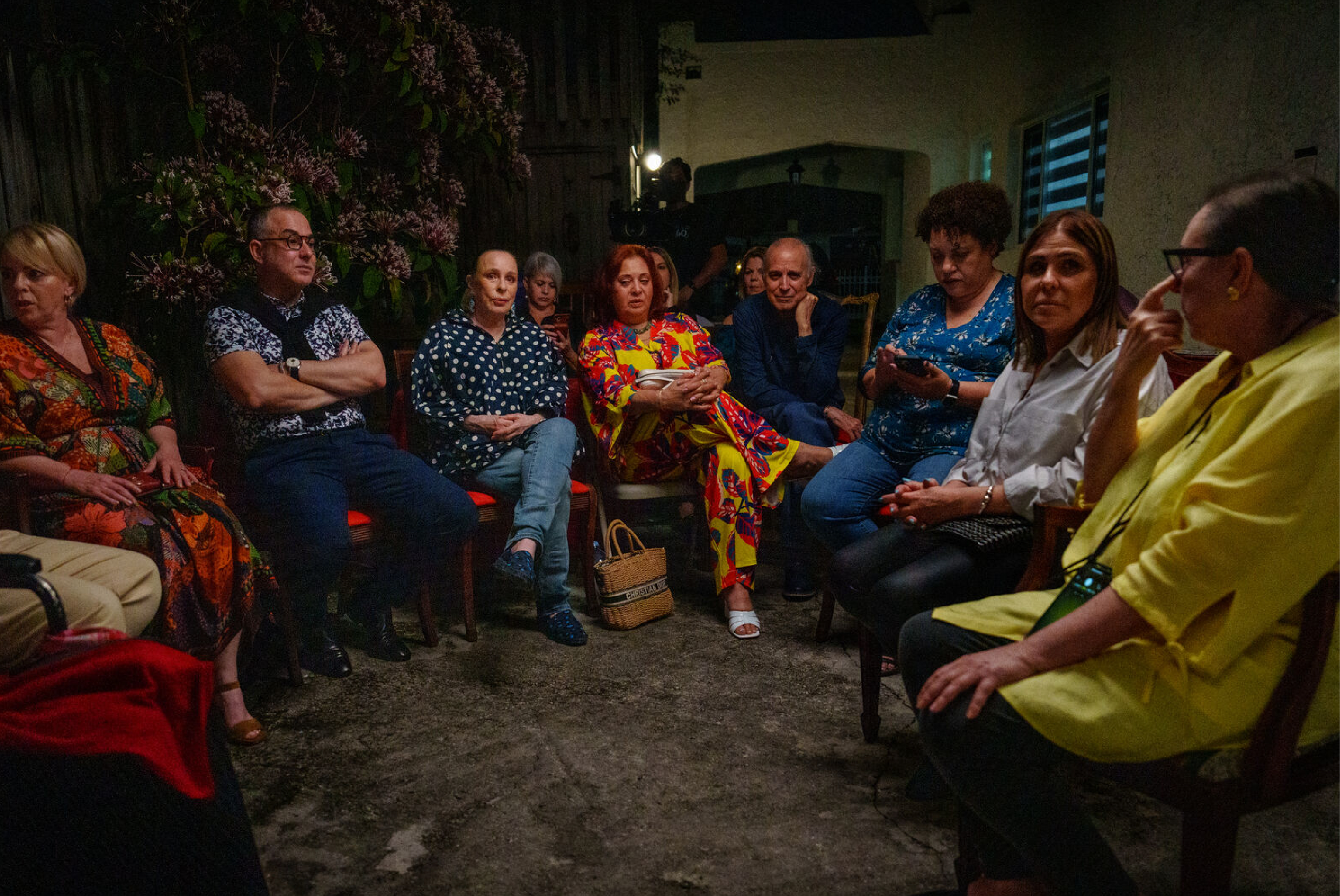
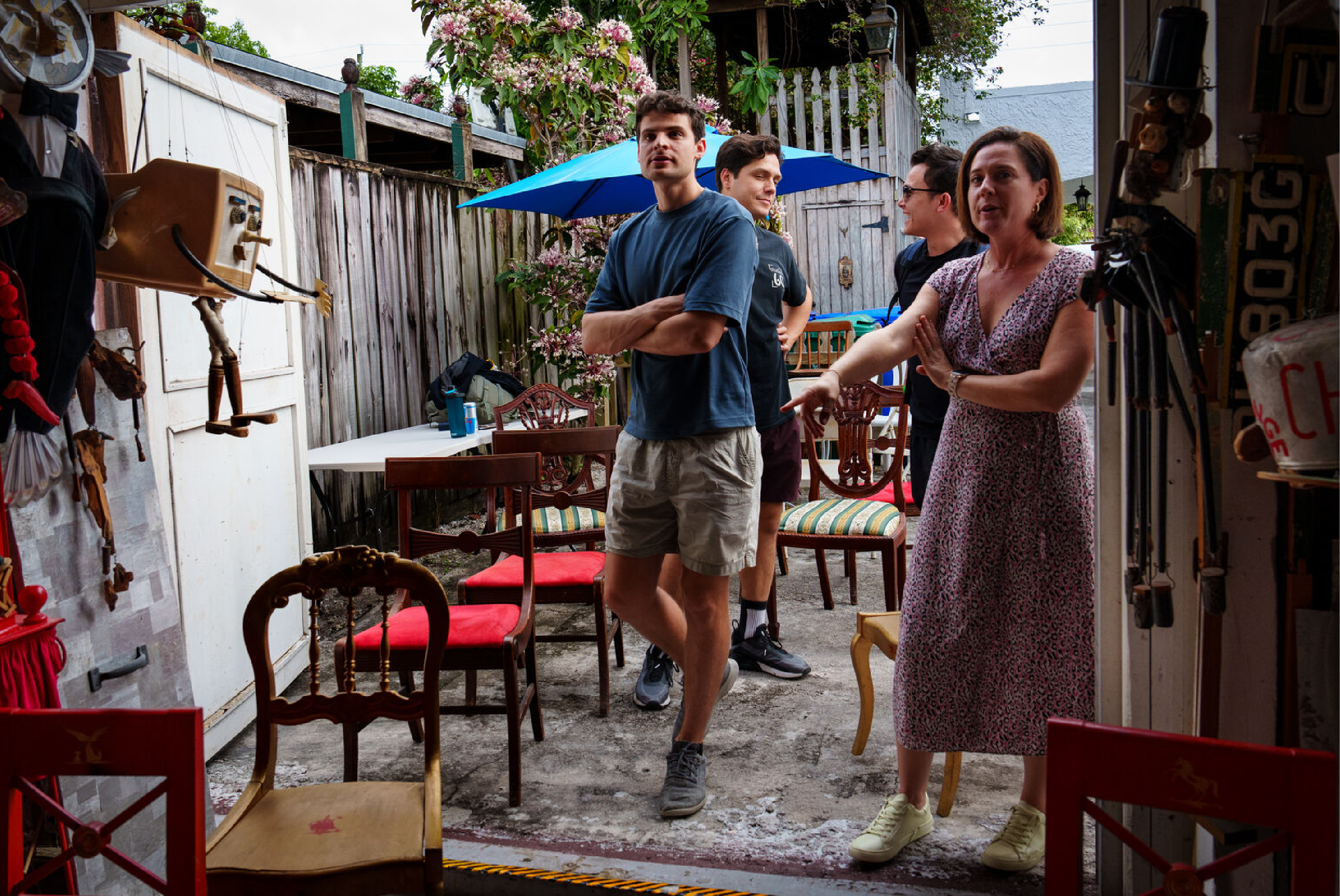
Matula is careful here. He knows what he is not. He is not Cuban. He is not Latin. He is not from South Florida. So he does what good documentary directors do when they are wise enough to distrust certainty: he listens. He builds a room in which others can speak.

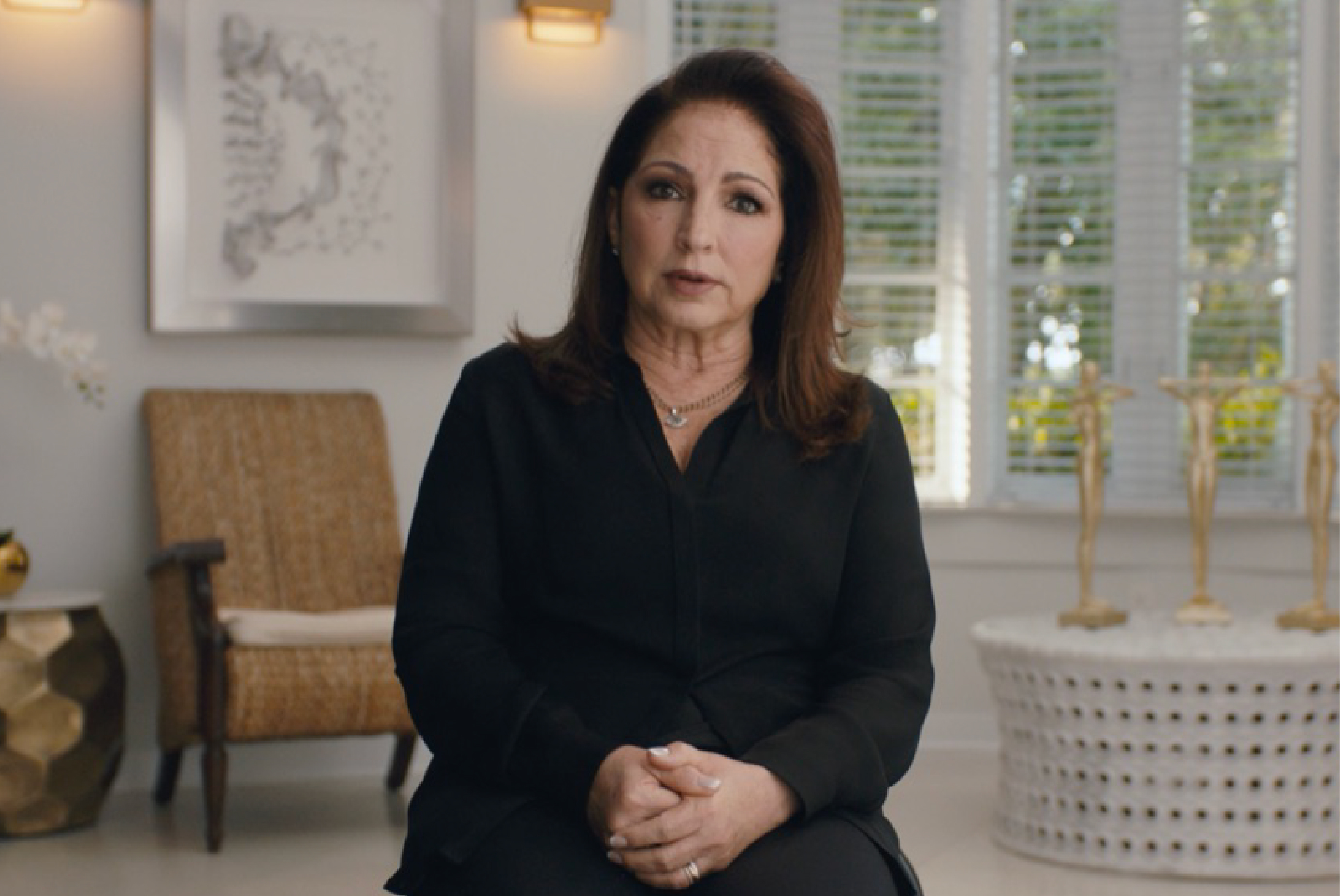
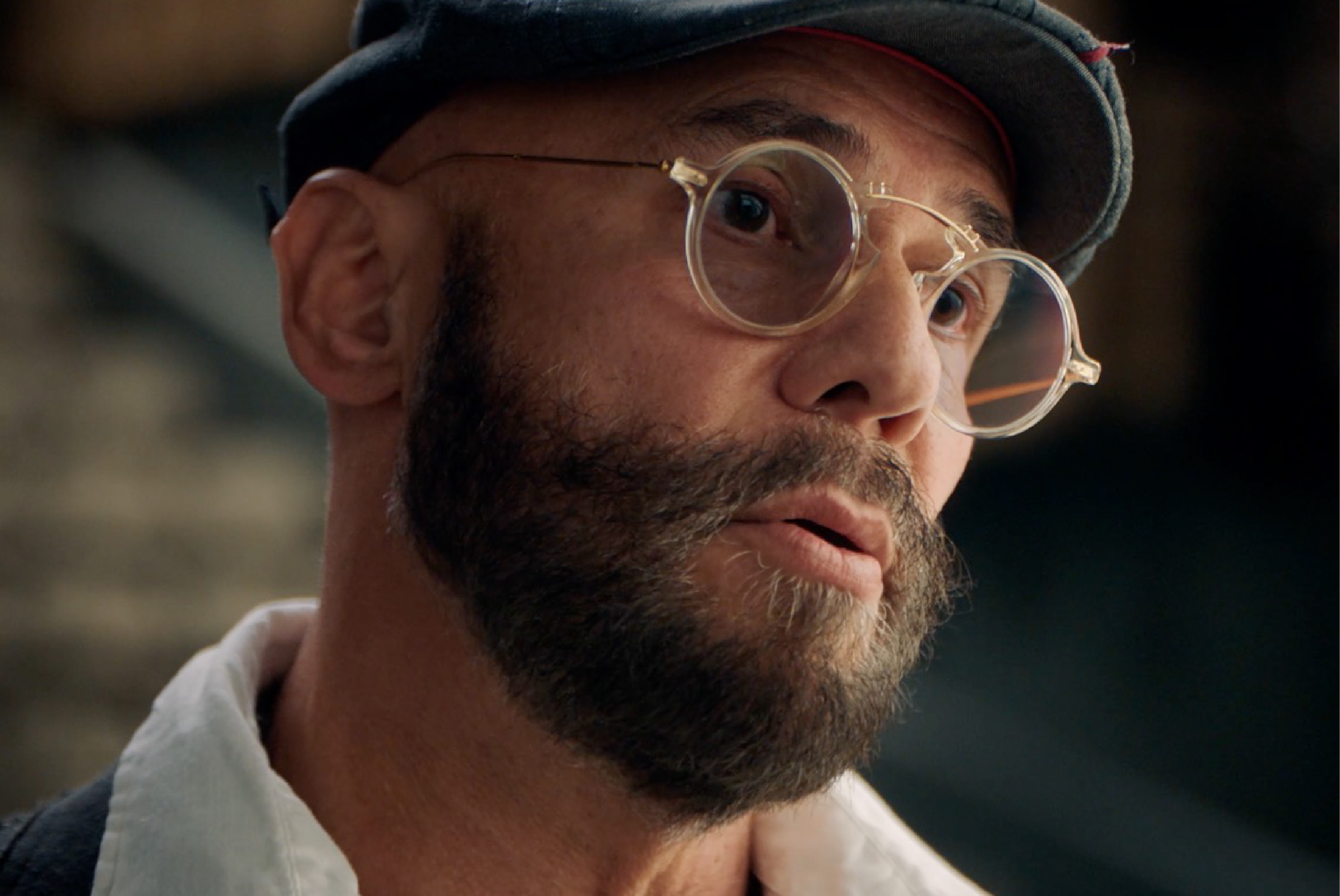
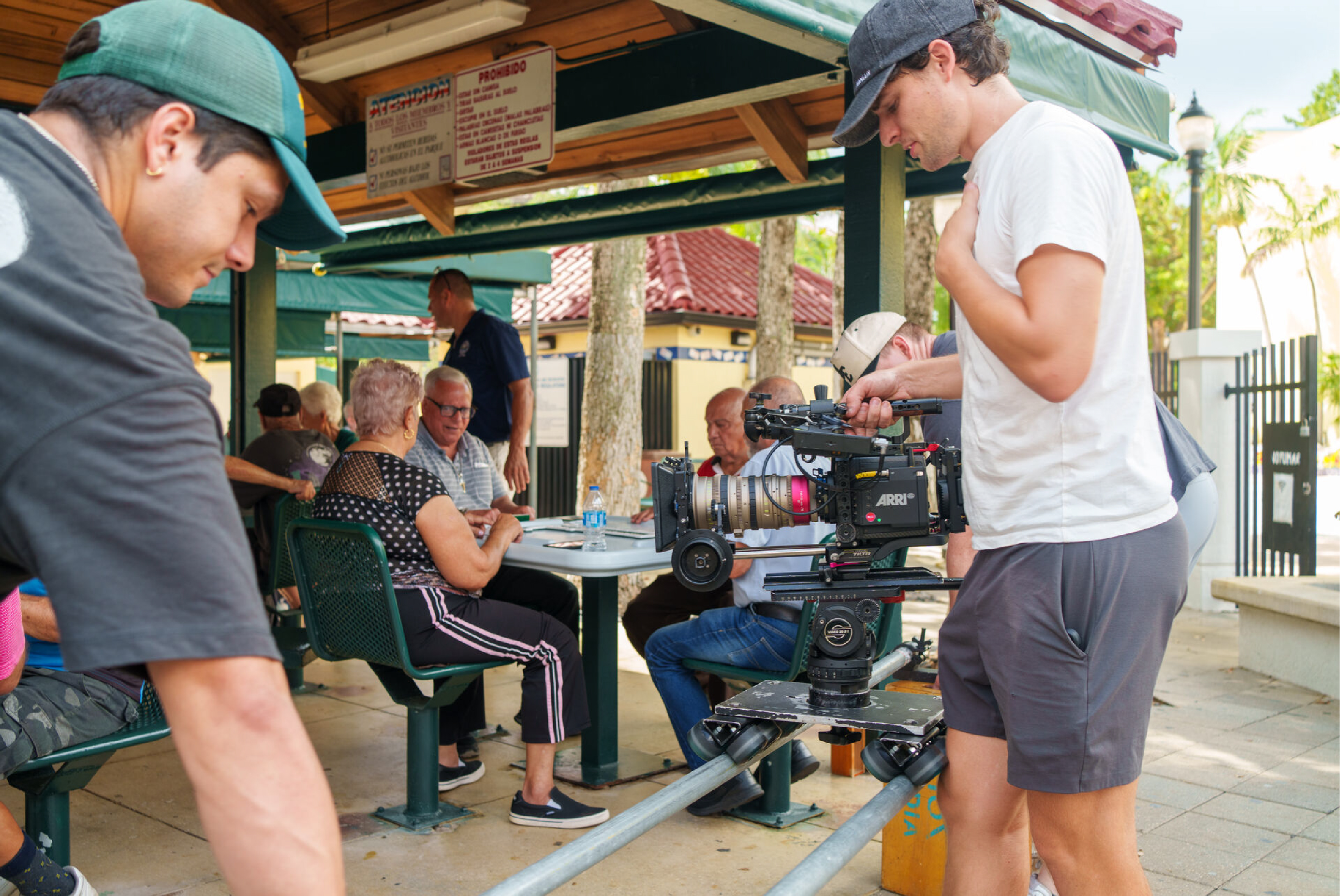
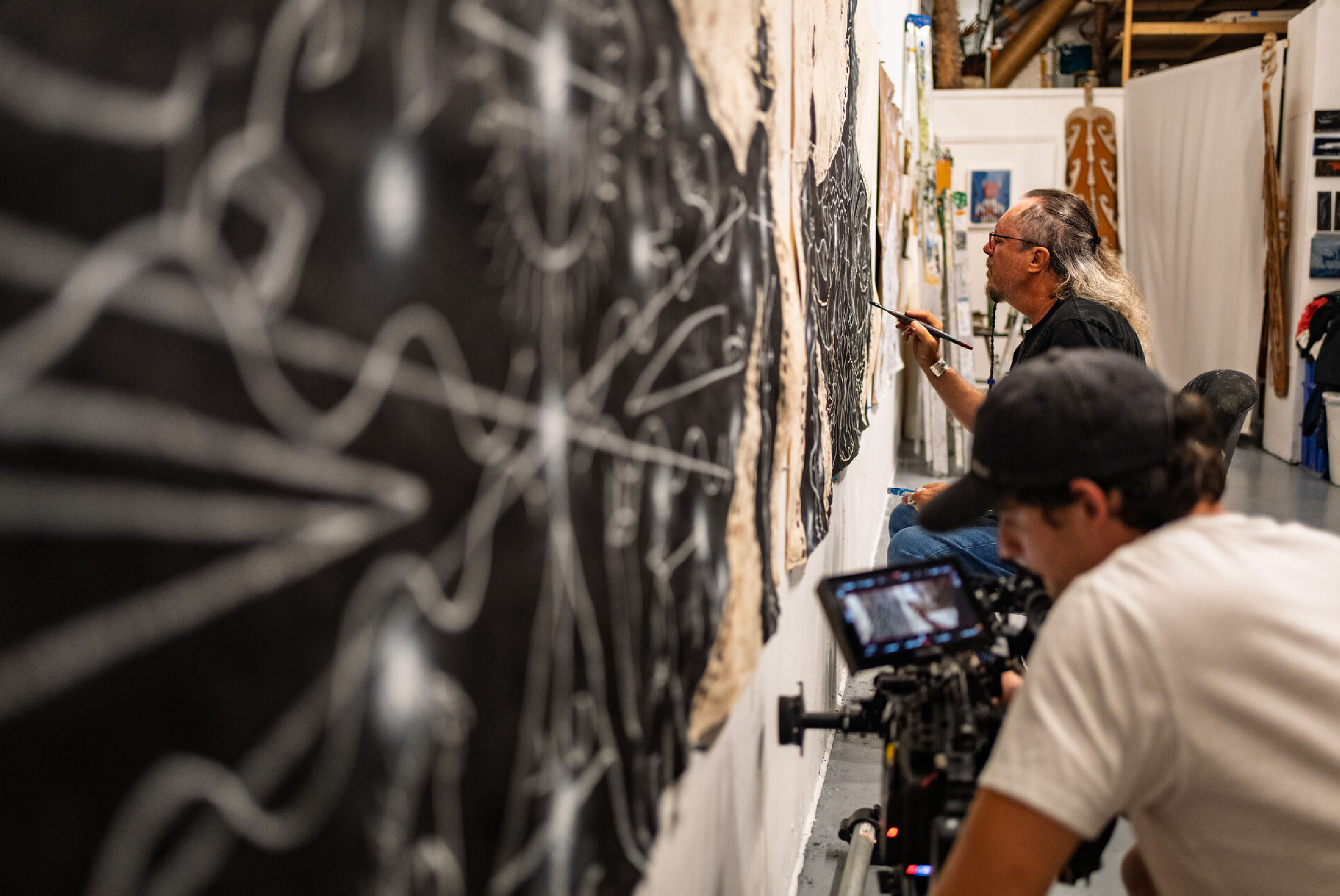
The film widens beyond Alina through Cuban-American voices including Gloria Estefan, Nilo Cruz and José Bedia, artists who understand that exile is not merely geographical. It is emotional, cultural, generational. It is a daily act of remembering without being consumed by memory.

History books love leaders. They love dates, decisions, regimes, speeches. But real people live in the aftermath. They carry the bruises in kitchens, hospitals, living rooms, daughters, rent payments, silence, insomnia. Revolution’s Daughter insists on that human scale.

The film also understands that identity is not a fashionable word here. It is not branding. It is not performance. For Alina, identity is the long, painful work of deciding who she is when the world keeps trying to define her by someone else. She did not choose her parents. She did not choose the mythology. But she did choose her voice.

And voice, in this film, has a price.

Matula recalls a photograph Alina once sent him from before her escape: painfully thin, malnourished, her hair cut off. She called it the price of dissidence. That phrase lands like a door closing.

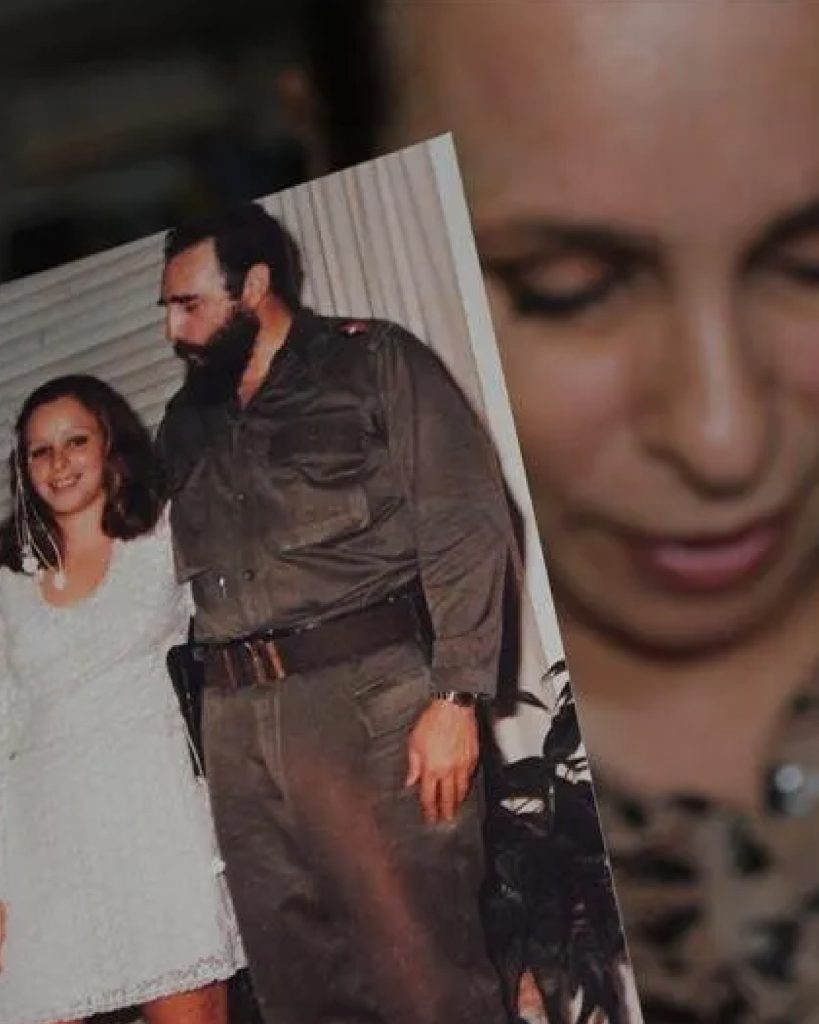
“Speaking out is often discussed as if it were a microphone. Here, it is a wound.”

There is courage in the escape, of course. But Matula suggests the deeper courage is what came after: choosing Miami, choosing not to live off the privilege of parentage, choosing to use the one privilege that name gave her – a voice – as a duty.

This is where Revolution’s Daughter becomes more than a political documentary. It becomes a mother-daughter story. Alina is not in the United States without her daughter. It was the desire for a better life for her child that finally broke the yoke. Revolutions speak grandly of the people. Mothers speak more quietly, and often more truthfully, of the child.

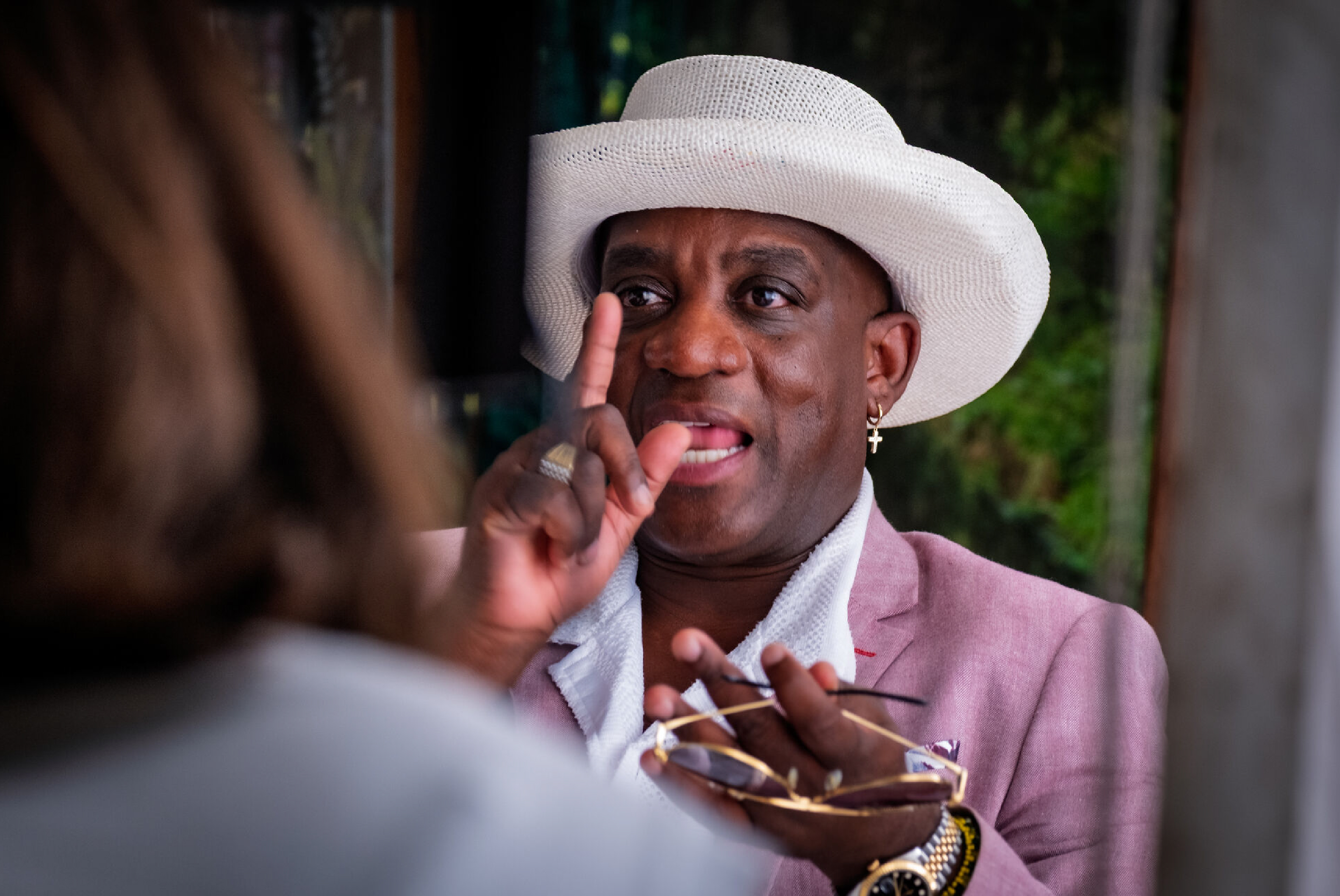
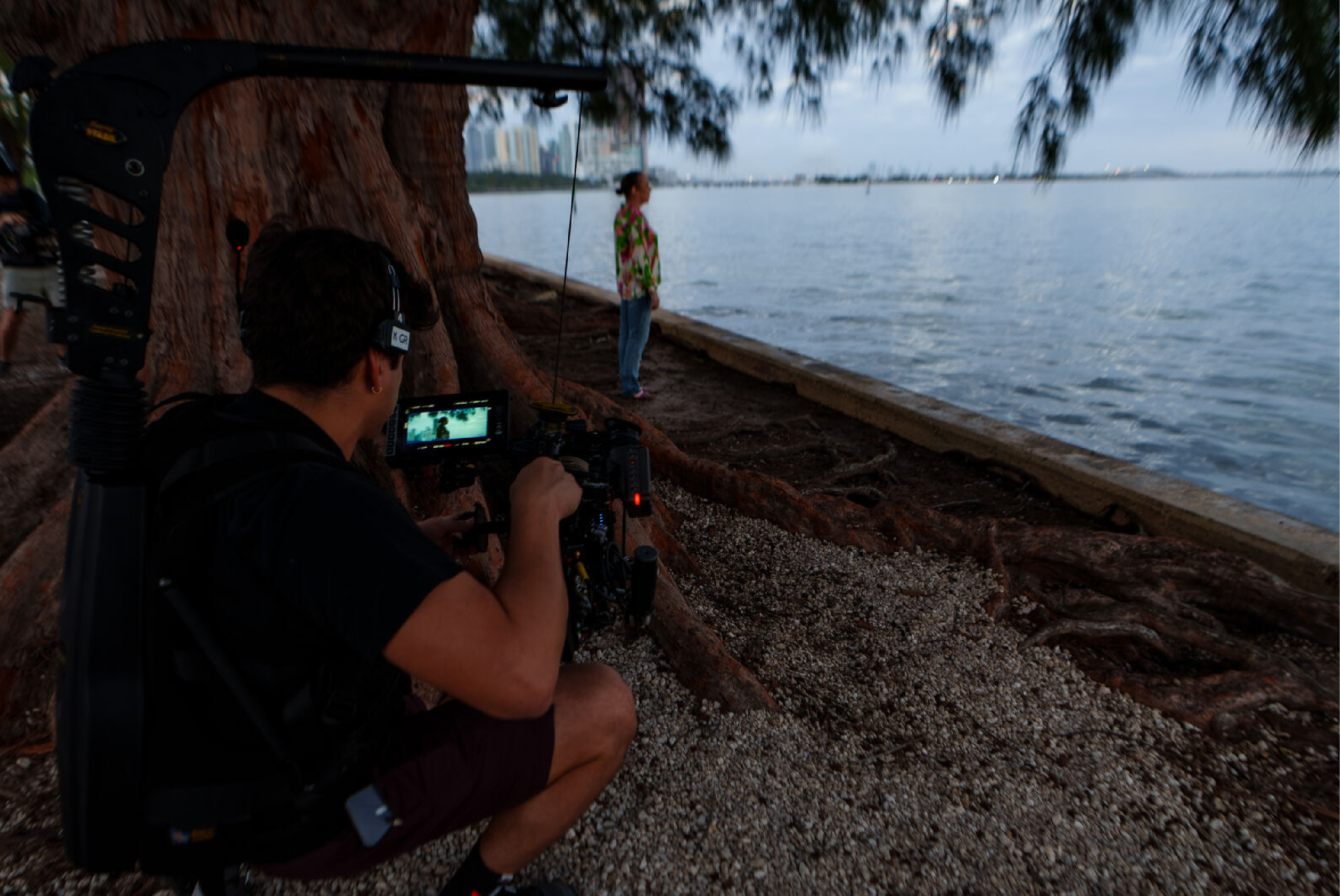
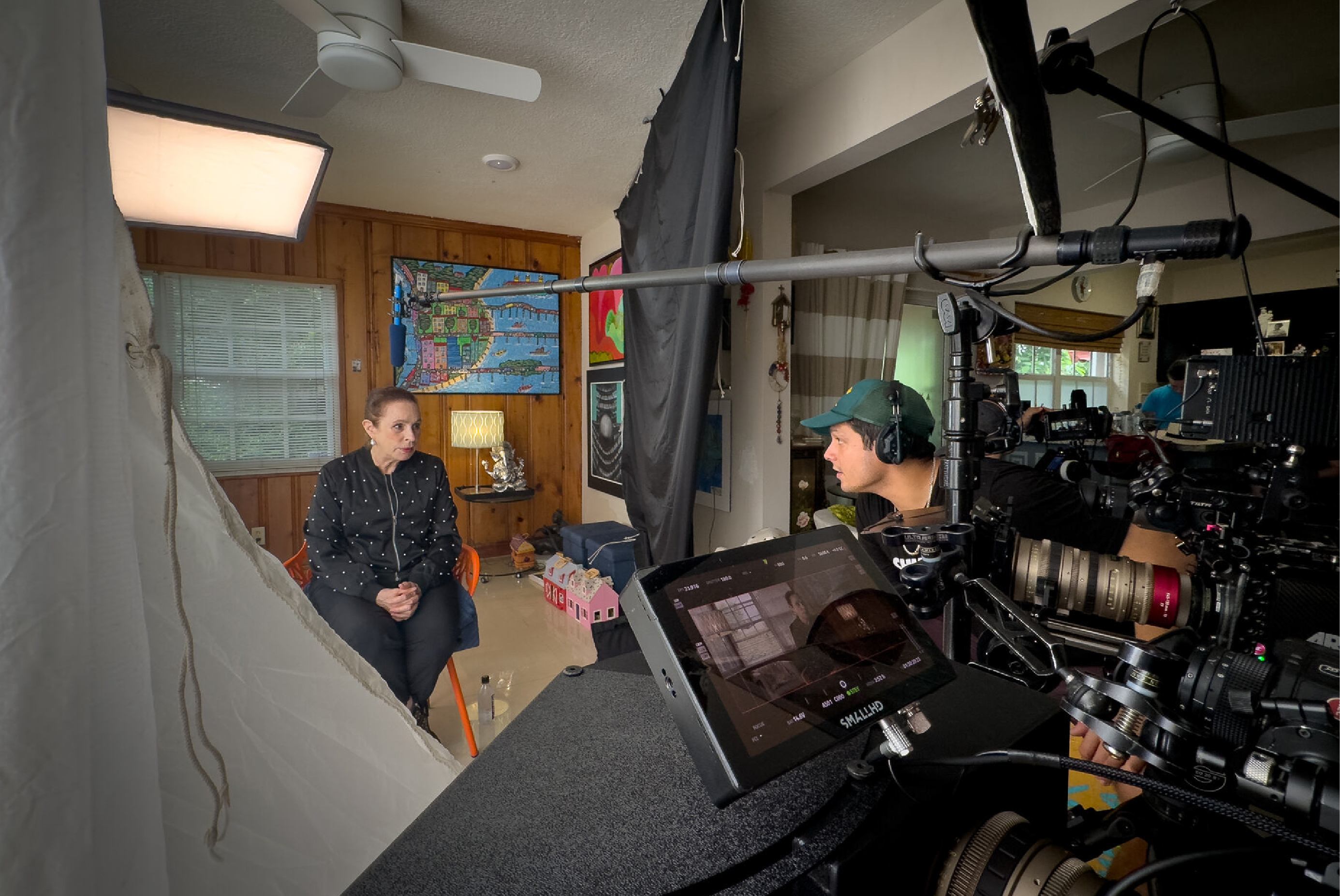
In a lovely formal choice, Matula shoots interviews through a mirror rig so subjects look directly into the lens. The effect is intimate, almost confrontational. These people are not being observed from a safe historical distance. They are speaking to us.

That makes the film’s Doc Edge premiere especially fitting. A documentary like this does not want to vanish into the half-attention of the living room. It wants the dark. It wants the charged air of a festival audience. It wants strangers sitting together, receiving a story, then carrying it out into conversation.

“A festival audience does not simply watch a documentary. It becomes responsible for what it has heard.”

In my view, Revolution’s Daughter is about politics only because politics has intruded so violently into the private realm. Its deeper subject is the stubborn human need to tell the truth before someone else tells it for you.

That is the great terror and beauty of documentary. It reminds us that no life can be reduced to a headline, a textbook, a surname, a regime, a myth.

Alina Fernández may have been born into history.

But Revolution’s Daughter gives her back her life.

Roger Wyllie, View Mag

Revolution’s Daughter, premiering at Doc Edge 2026.

Audio player cover
0:00 0:00