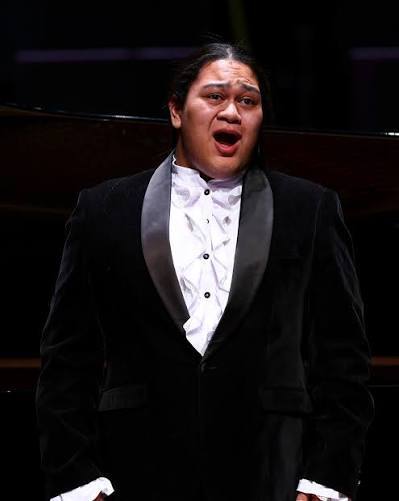
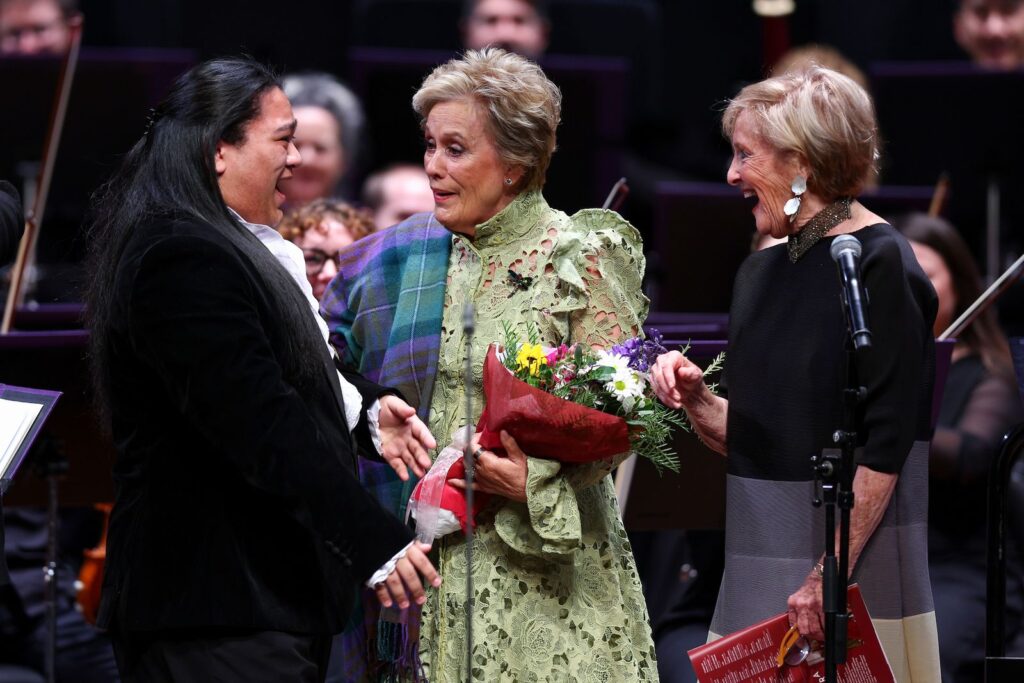
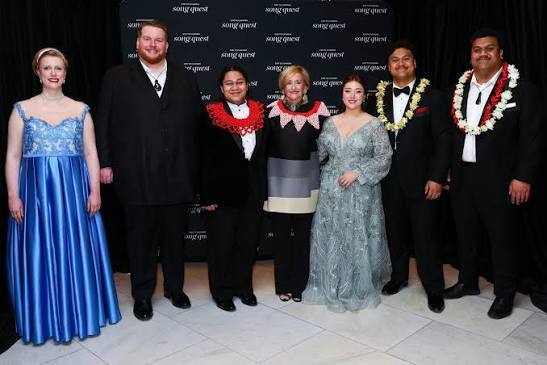
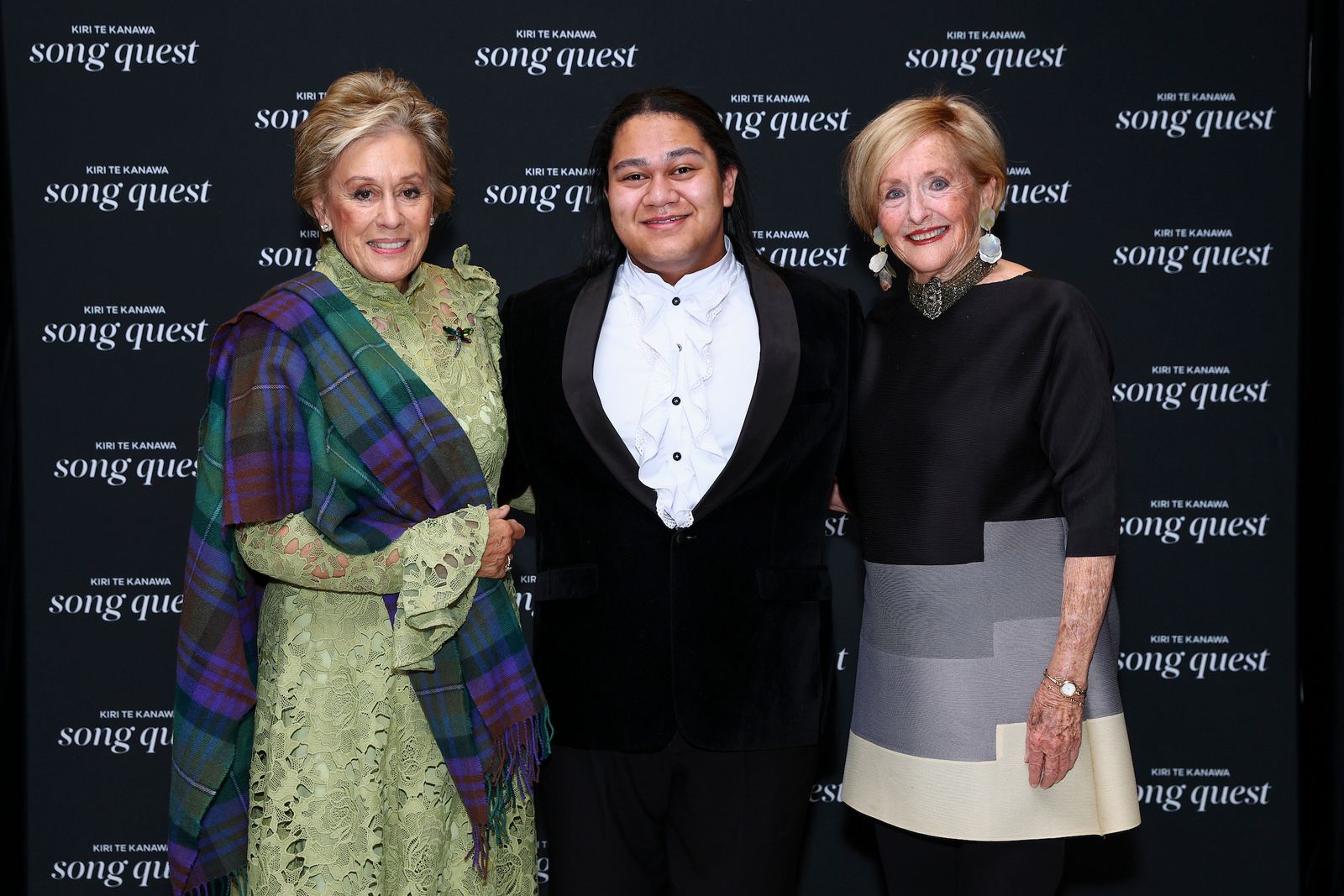
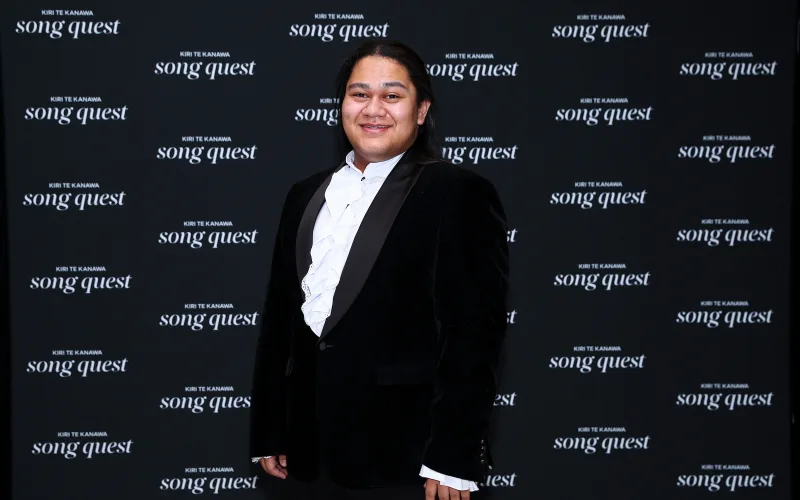
The Kiri Te Kanawa Song Quest is not simply a competition. It belongs to a long New Zealand singing lineage, now carrying Dame Kiri’s name and the particular radiance of her example. Samuel knew of the competition from an early age, through YouTube and through hearing his sister sing classical music. The path to a major stage, one suspects, often begins in such ordinary places: a screen, a sibling, a sound in another room.
Talent, however, is only the invitation. Discipline is the answer. Samuel is clear that talent can take a singer only so far; hard work and discipline allow one to achieve things that once seemed impossible. This is especially true when the body itself is the instrument. A singer cannot put the instrument back in its case and walk away from it. It must be carried, trained, rested, doubted, trusted and coaxed into courage.
Performing with the New Zealand Symphony Orchestra at the Grand Final Gala brought another kind of revelation. Samuel describes the sensation first as sheer joy. With an orchestra, the voice can rest on, interweave with and respond to layers of texture and timbre. His image is delicious: the voice as icing resting comfortably on a multi-layered cake, each orchestral layer a different colour.
It is a young singer’s description, but also a painter’s.
“A singer cannot put the instrument back in its case and walk away from it.”
Samuel’s sense of storytelling is also shaped by heritage. He speaks of Tongans having an aural history of storytelling, and of being comfortable “walking inside” whatever story the composer and words demand – art song, comedy, aria, tenderness, drama. He particularly enjoys the quiet intensity of mezza voce, that tender, hushed sound which does not force feeling but invites it closer.
For him, sincerity in opera comes through honest communication: the singer’s heart expressing the composer’s intention and touching the audience member’s heart. Correct language matters, because pronunciation helps drive emotion and meaning. But sincerity is not merely technical. It is moral. It is the courage to mean what one sings.
The $50,000 prize is therefore not an ending, but a beginning with airfare attached. Samuel hopes it opens study, travel, mentorship, repertoire and more time to grow. He plans to finish his degrees while seeking further coaching in New Zealand and overseas. He knows there is more to learn, which is perhaps why he is ready to learn it.
In my view, Samuel Mataele’s victory matters not only because he is young, gifted and rare, but because he speaks of music with humility and purpose. He wants to remain sincere, curious about why a composer wrote a phrase, a work, an opera. He wants the courage to convey that intention honestly, while remaining true to his own artistry.
That is a beautiful ambition.
Not simply to sing higher.
But to sing deeper.
Roger Wyllie, View Mag