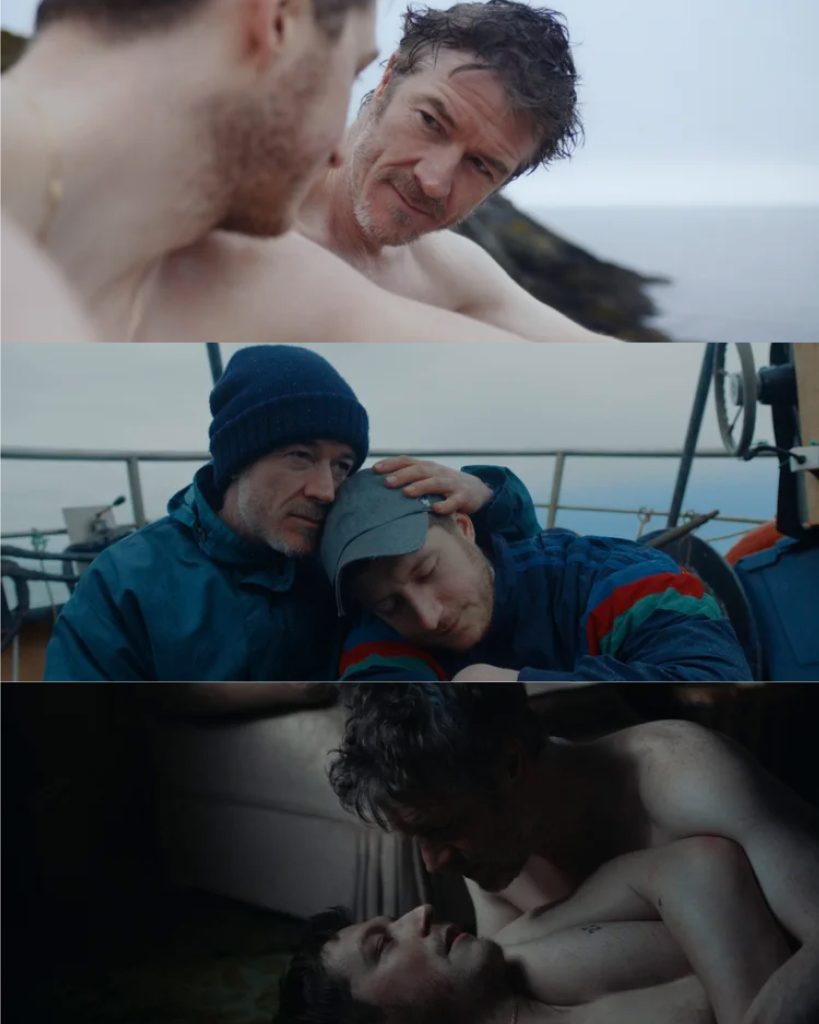
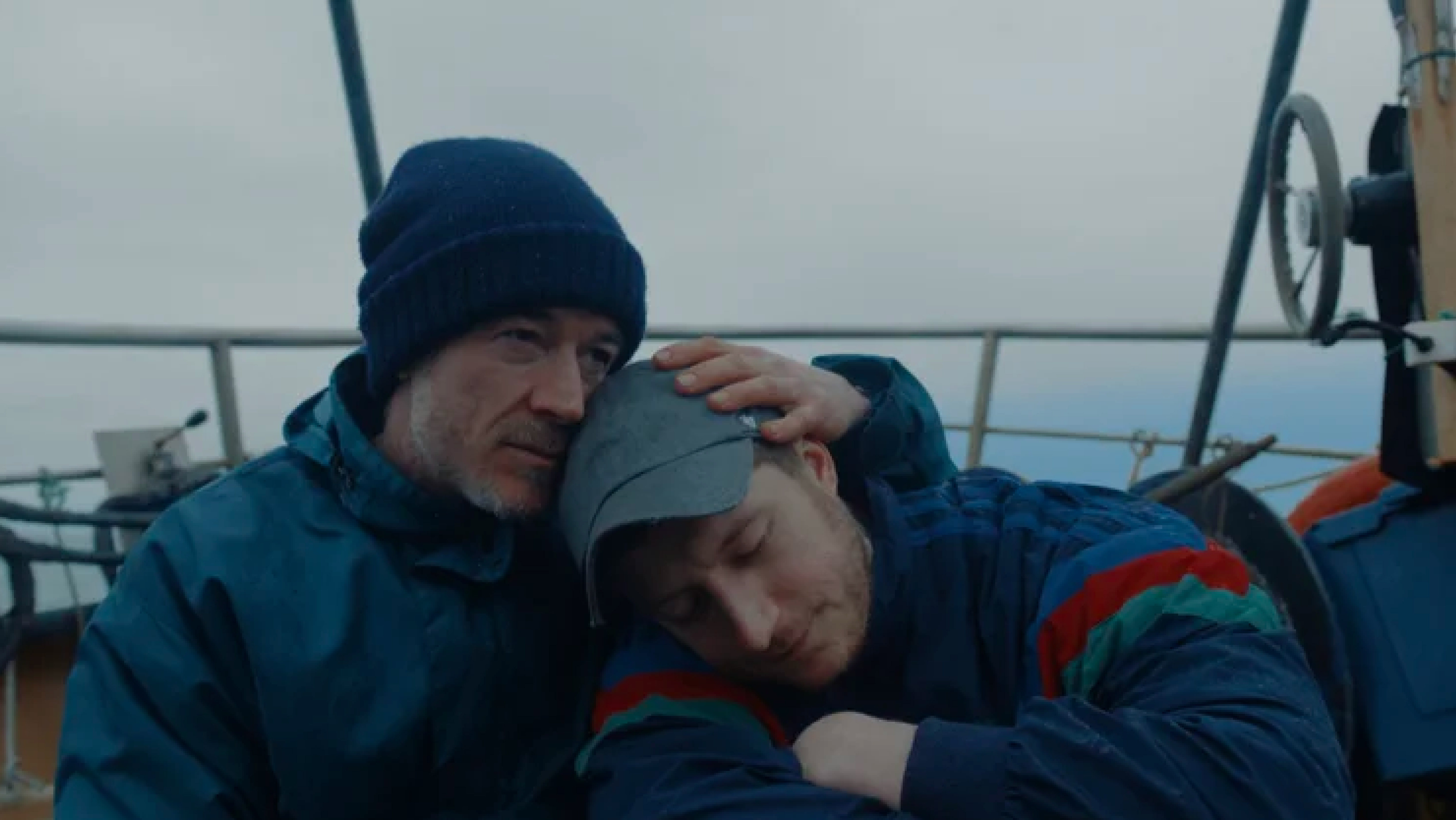
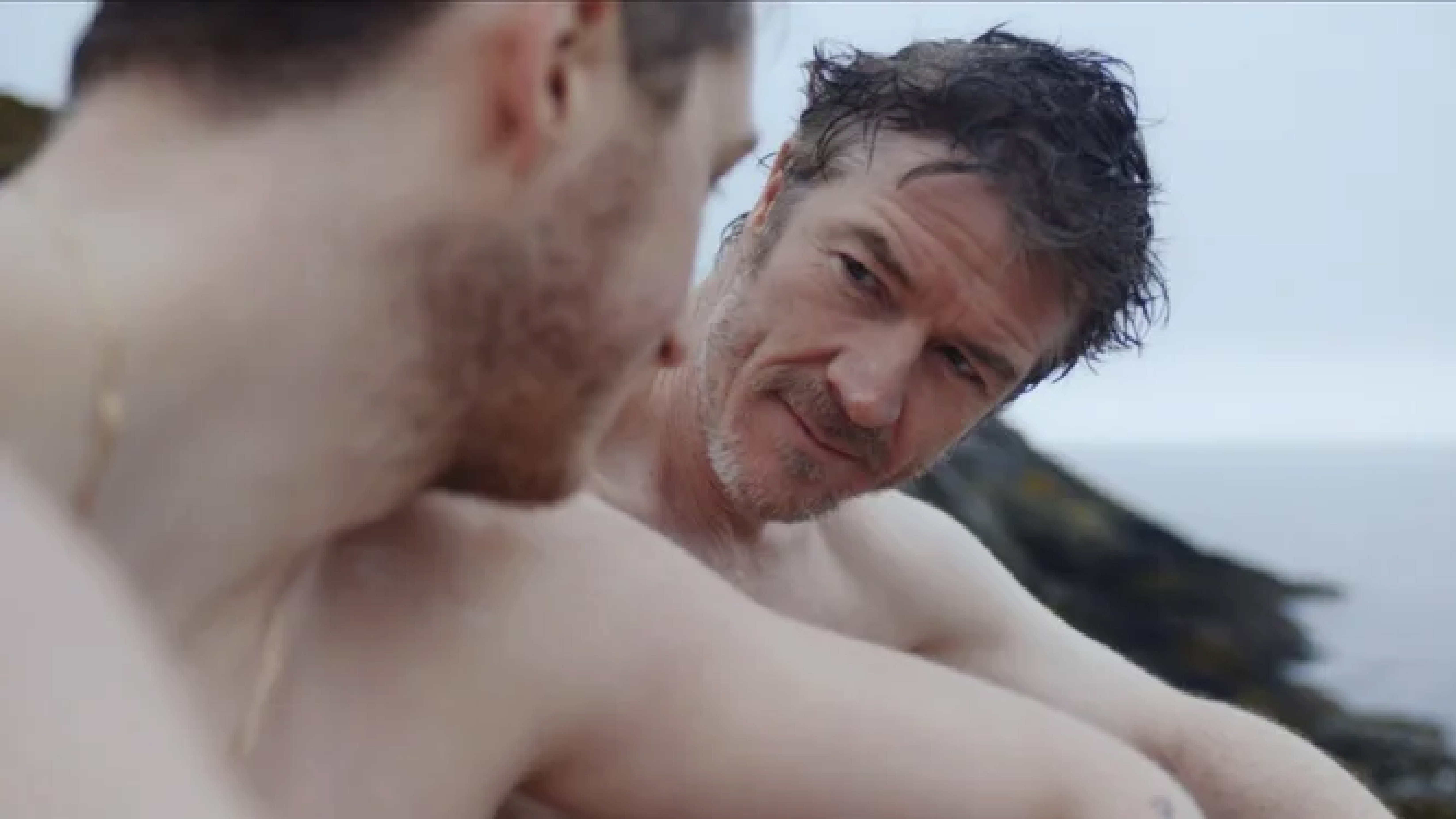
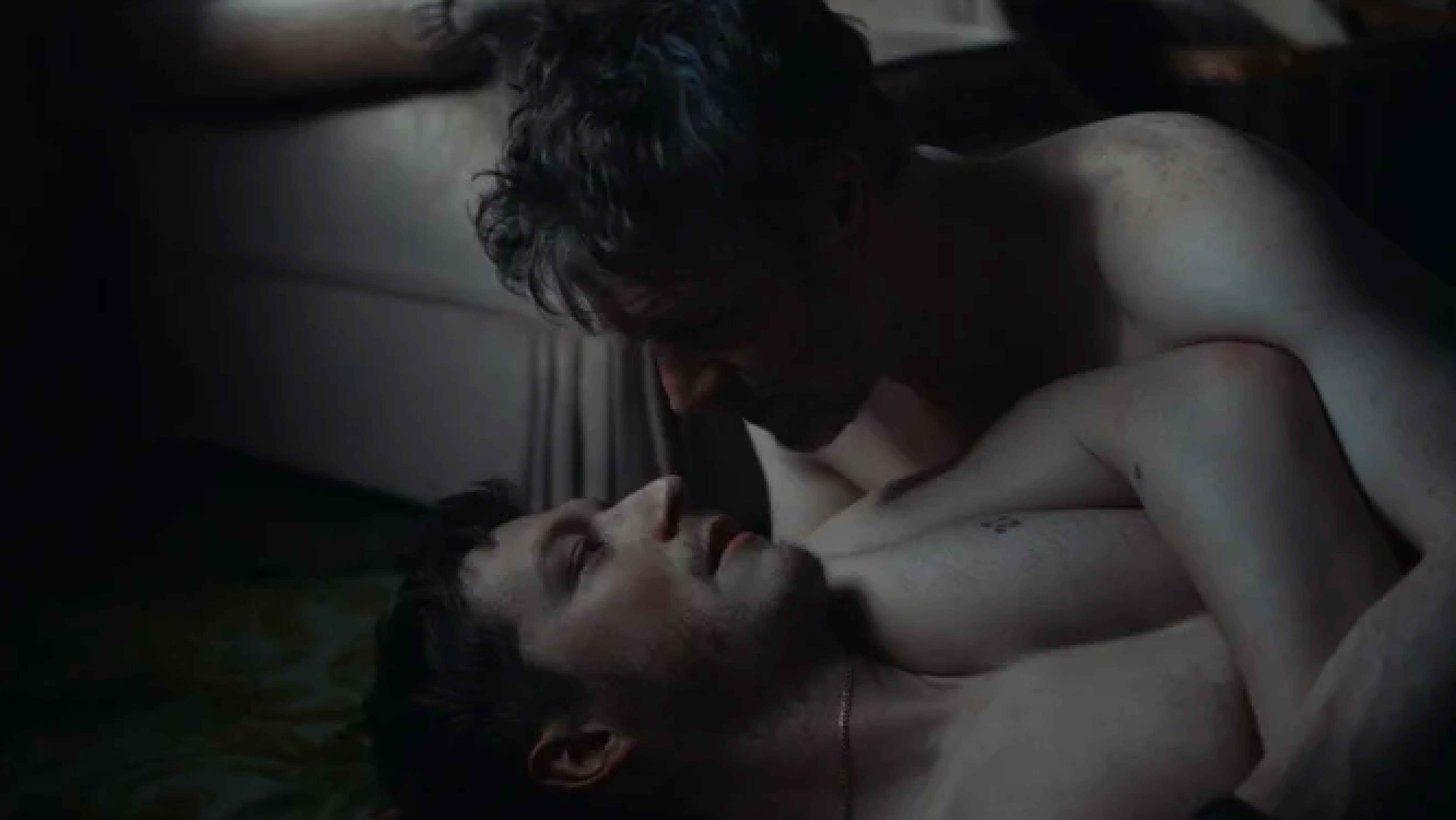
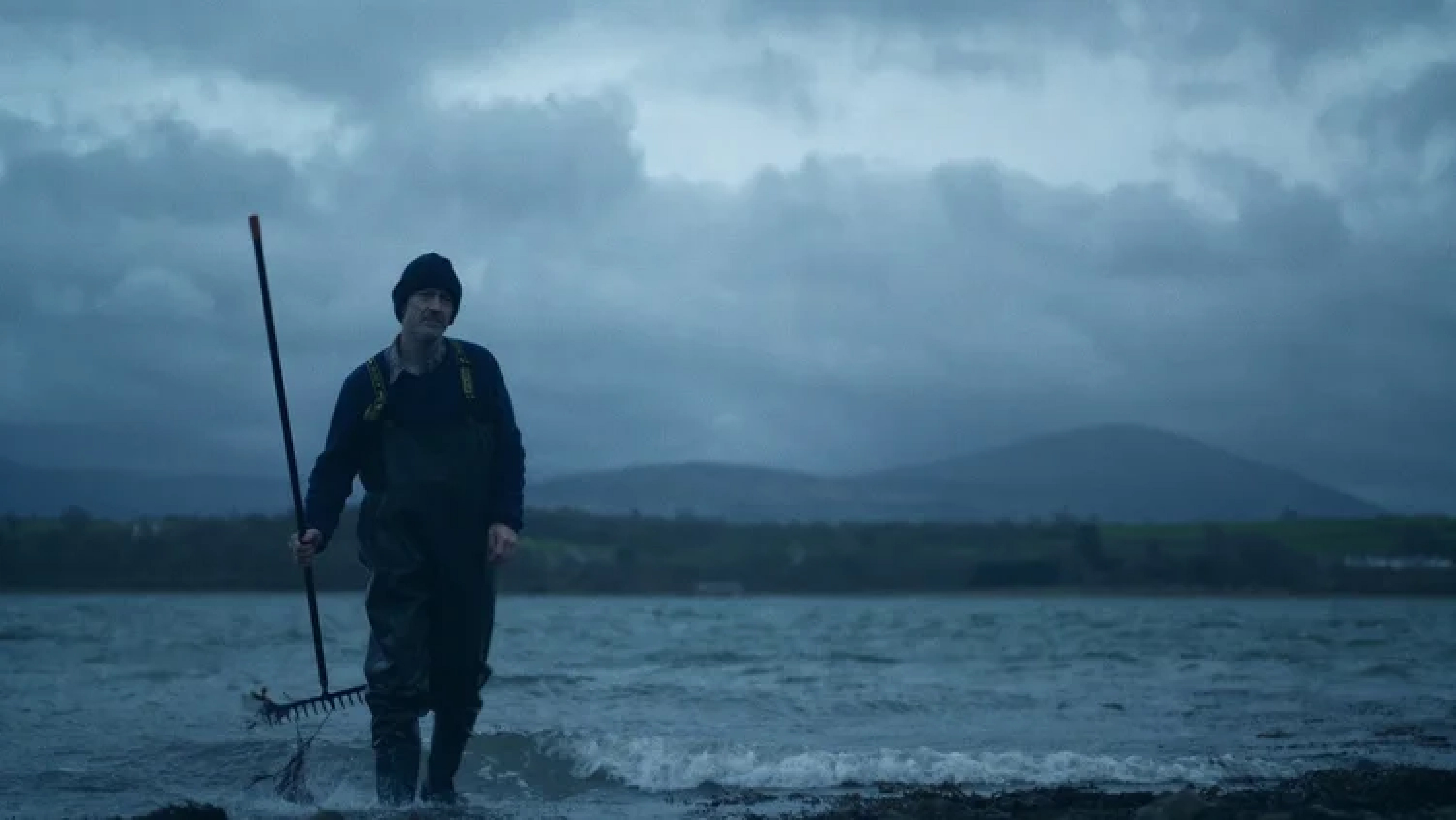
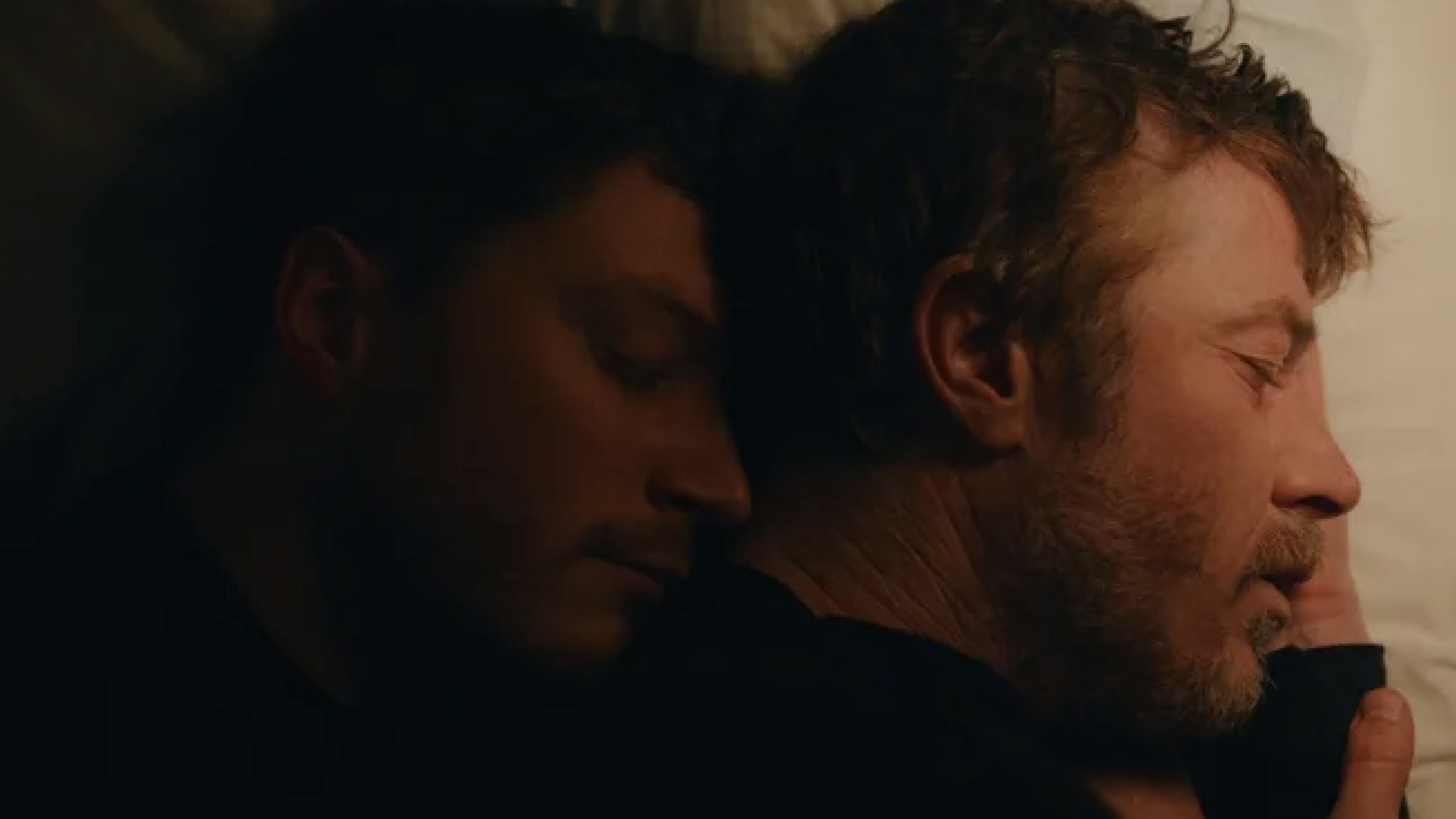
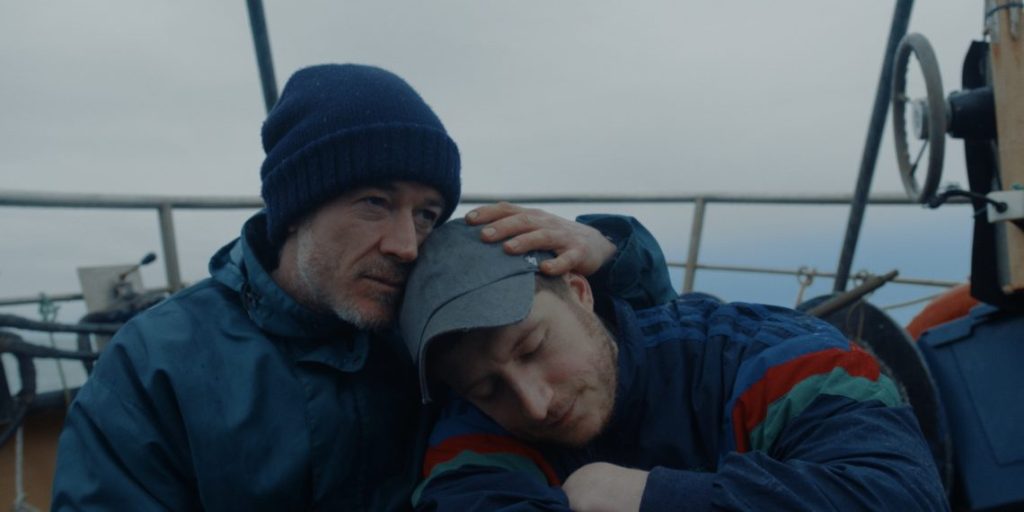
At the centre is Barry Ward’s Jack, a hand raker on the mussel beds, husband to Maggie, father to Tom, brother to Dyfan – a man whose identity has been built from work, family, duty and the unspoken rules of a small coastal community. Then Daniel, a younger itinerant deckhand, arrives and makes his feelings for Jack known.
What follows is not a tidy coming-out story and thank goodness for that.
On the Sea is more interested in the harder question: what does it cost to become yourself when everyone around you has already built a life around the person, they think you are?
A man who cannot simply leave
Walsh began with a man she had known who came out in mid-life and was cut off by family and community. In real life, that man moved to a city and eventually built a more meaningful life.
Walsh asked a more difficult question: what if he could not move away? What if work, family and place made leaving impossible?
She spent three years looking for the right world for Jack. Early drafts placed him in a herring smokehouse on the Isle of Man and later in Scottish logging, but neither worked.
Then she went to Anglesey and saw mussel farmers working silently, shoulder to shoulder, against brutal wind and strong currents. The character suddenly made sense there, and Walsh wrote the script in four weeks.
That background matters because On the Sea is built around the connection between work, masculinity and belonging.
Jack is not trapped by a vague idea of “society”. He is tied to a family business, a brother, a son, a marriage, a church-going community and a job based on physical endurance.
Masculinity is something Jack performs
Walsh makes that pressure concrete.
Jack has grown up with the threat of exposure from his bullying brother, carries the memory of being brutally beaten as a teenager, and has internalised the belief that he falls short of the values of the community he still respects.
That is why one scene matters so much: Jack sees Daniel openly flirting with another man in the local pub.
Walsh says Jack is not devastated because Daniel has betrayed him. He is devastated because, in that moment, he sees that another kind of life may have been possible all along.
That is the film in miniature.
Not repression as an abstract theme.
A man watching somebody else behave freely in the same room where he has spent years hiding.