An 80th anniversary is not simply a birthday. It is a pause in the room, a hand resting on the shoulder of memory, and a rather thrilling question: what does an orchestra mean now?
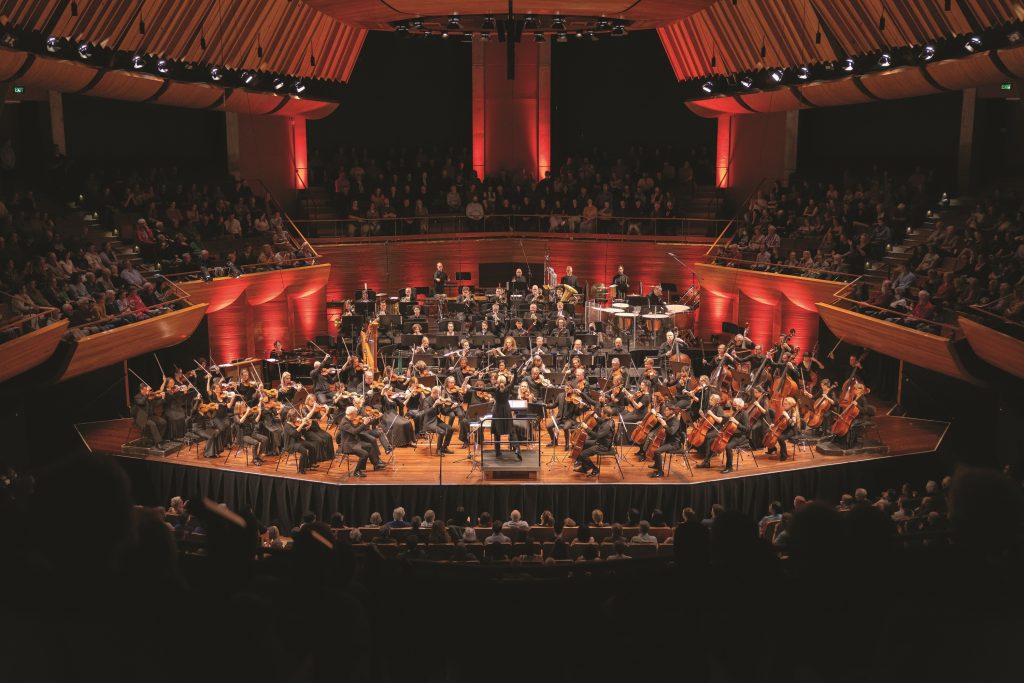
For the New Zealand Symphony Orchestra, the answer in 2027 is both grand and intimate. There will be masterworks, international stars, artistic collaborations, new music, old ghosts, and the unmistakable pride of a country with one of the oldest symphony orchestras in the world. But at the heart of the season sits something especially charged: the NZSO’s return to the newly reopened Wellington Town Hall — Te Whare Whakarauika.
This is not merely a venue reopening. It is a homecoming with acoustics.
The orchestra’s first ever concert took place in Wellington Town Hall in 1947. Then, in 2013, the NZSO was the last music ensemble to play there before it closed for earthquake restoration, recording music for The Hobbit films. When NZSO musicians returned to the restored Town Hall this August — including players who had last performed there in 2013 — the moment was deeply emotional.
One can understand why. Buildings, like people, remember sound.
“This is not merely a venue reopening. It is a homecoming with acoustics.”
The restored Adam Auditorium promises world-class acoustics, but the return is not only symbolic. The NZSO will also operate the new Te Ngākau Recording Studios inside the Town Hall — a state-of-the-art facility unlike anything else in New Zealand, or indeed the southern hemisphere. The combination of the orchestra, the auditorium and end-to-end symphonic and film recording services positions the space not simply as a concert hall, but as a new engine room for music and screen.
For a country that has always known how to make imagination travel, this matters. It could be a significant boost for the New Zealand film industry and for the NZSO’s growing soundtrack and recording work internationally.
And then there is Mahler.
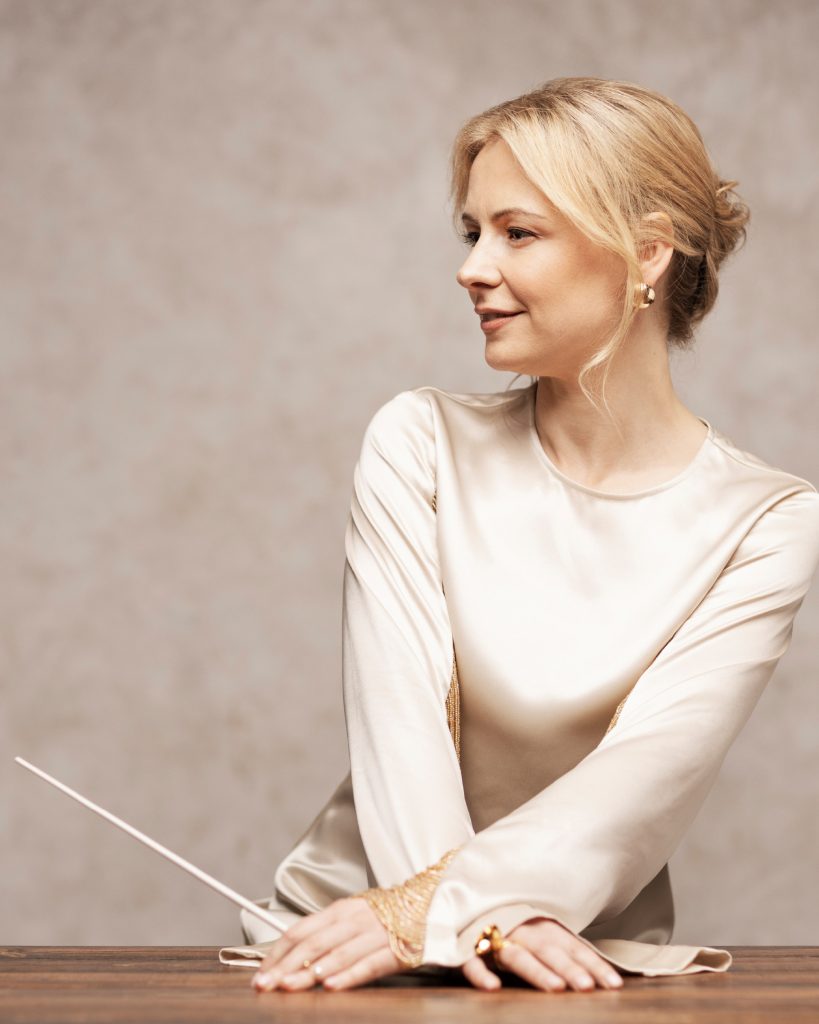
The NZSO’s February 2027 return to the Town Hall will be marked by Mahler’s Resurrection Symphony, led by Gemma New, with the Orpheus Choir of Wellington and more than 200 musicians and singers. Mahler, of course, is never modest. He does not knock politely. He arrives with life, death, terror, beauty, cosmic doubt, brass, choir, organ and the sort of emotional weather that makes one grateful for architecture.
The NZSO describes Resurrection as the musical equivalent of a Christopher Nolan-style Hollywood blockbuster: scale, ambition and daring. It is a perfect description. Mahler understood spectacle long before cinema learned how to behave badly with a budget.
“Mahler does not knock politely. He arrives with life, death, terror, beauty and brass.”
There is practical grandeur here too. The work will fully utilise the Town Hall’s restored acoustics and pipe organ, with one of the largest groups of musicians and singers the stage can hold. The last time the NZSO performed this symphony in the Town Hall with an organ was in 1968. That is not programming; that is a circle closing.
And Resurrection is, naturally, about rebirth. How could it not be? For the orchestra in 2027, rebirth extends beyond Wellington: from Kerikeri to Invercargill, the season imagines the NZSO as a national presence, carrying sound across the country like a bright thread.
Just as important, the anniversary season looks forward. Alongside Mahler sits a world premiere by Salina Fisher, a reminder that all music was new music once. This is a useful phrase, and a necessary one. Classical music is not a museum of obedient masterpieces. It is a living argument between memory and invention.
The NZSO’s commitment to new work, young artists and education is central to this. Its Learn and Engage team reached a record 68,882 young New Zealanders across 68 centres in all 16 regions of Aotearoa in 2025, and the orchestra is committed to exceeding that in 2027. From Tamariki Time and school concerts to masterclasses, the National Youth Orchestra, young composer programmes and a Conducting Fellowship, the NZSO is not only performing music. It is cultivating the conditions for music to continue.
“Classical music is not a museum of obedient masterpieces. It is a living argument between memory and invention.”
Supporters make this possible. Last year, every donation from individuals and trusts helped fund 27 percent of NZSO concerts and touring, and 76 percent of education and community programmes. Behind the glamour of performance lies the less glamorous, absolutely essential machinery of generosity.
And for those who have never attended an NZSO concert, the invitation is beautifully simple: do not be scared. Wear what you want. Know nothing if you like. Come curious. Come unsure. Clap, yell, whistle at the end if the spirit insists. You do not need to understand everything to be moved by it.
Roger Wyllie, View Mag
Discover New Horizons in 2027! Explore the New Zealand Symphony Orchestra’s exciting new season and experience music that takes you somewhere extraordinary. Explore the season and book your tickets today