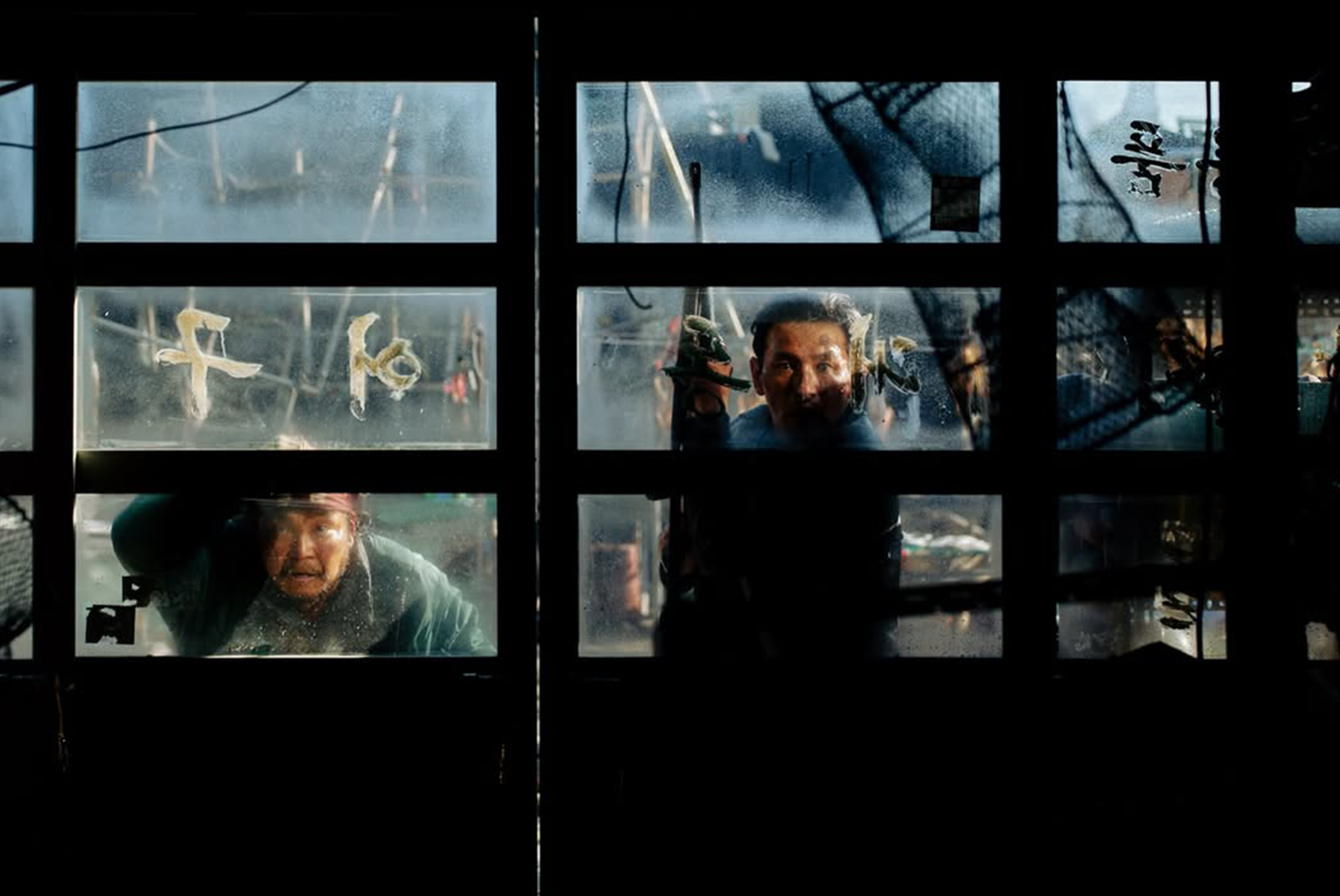
Director: Na Hong-jin
Country: Korea
Writers: Na Hong-jin
Actors: Hwang Jung-min, Zo hin-sung, Hoyeon
Written by Tom Augustine
Na Hong-jin’s massive foray into blockbuster fare is exhilarating and exhausting in equal measure, featuring some of the most bombastic action direction to grace the big screen in years. Endearing in its unwieldiness, it is a film that handily bunny-hops large swathes of Hollywood’s more cookie-cutter offerings.
The demilitarised zone between North and South Korea (or DMZ) is an expectedly loaded space in Korean cinema, a site of reckonings both personal and political for some of South Korea’s most significant filmmakers. It’s well-established that the relationship between the two countries remains incredibly tense, with plenty of overlap with South Korea’s longstanding enmity with Japan, and the nation’s national cinema has been a way to process this — in the late 1940s and ‘50s, pre-democratisation, various administrations backed and encouraged anti-communist filmmaking, the most famous of which is likely Piagol (1955), Lee Kang-cheon’s tale of North Korean guerillas living in the mountainous ranges that divide the two countries that remains divisive due to lingering questions of where its sympathies ultimately lie. In the modern era, the most famous (and remarkably nuanced) exploration of these tensions is likely JSA: Joint Security Area, Park Chan-wook’s magnificent tragedy of brotherhood across borders which remains, to my mind, his best (or close to best) film. In Lee Chang-dong’s menacing and novelistic Burning, one of the protagonists lives in a provincial town near the DMZ, leading to the film’s most famous scene, when Jeon Jong-so’s object of desire strips down and dances at sunset before the hungry eyes of the film’s two male protagonists. Hope Harbour, the fictional setting of Na Hong-jin’s sweeping action epic Hope, is a coastal town implied to be very near to the DMZ, littered with billboards encouraging locals to ‘report spies’. It is a film that gallops at such a pace that these context clues flit by before we can process them entirely — and it does seem as though Na is largely interested in these elements as signposts of film historicism, rather than any explicit thematic reading — but all the same tie in to both those early anti-communist films and the more intricate depictions that later Korean auteurs would employ. The initial comparison point is obvious — this is, after all, an alien invasion movie.
Or is it? Suffice to say there is plenty at work beneath the surface of Na’s compellingly excessive film, though you may be too breathless and dazed to consider these undercurrents until after you’ve slept on it. Reportedly the most expensive film ever made in South Korea, Hope is the long-awaited follow-up to Na’s 2016 cult horror classic The Wailing, itself a weighty and operatic exercise in excess and spiritual inquiry. That film, too, did not shy away from socio-political investigation, most notably in its unspooling of Korea-Japan relations, but also in the way it predetermines fixations that would become prevalent in the COVID era to arrive on its heels. Where The Wailing was Na retooling ‘elevated horror’ to his maximalist sensibilities, Hope feels like a meditation on, of all things, Bayhem — the term used to describe American action auteur Michael Bay’s hyperkinetic, explosive style of filmmaking. A sci-fi epic that sprawls out leisurely toward the three-hour mark, it is a shot across the bow of Hollywood’s cornering of the blockbuster market, trading in that industry’s corporate homogeneity and control for a true visionary’s endearing, slapdash overcommitment. That it is a burdensome, lumbering beast is part of the appeal, its lack of refinement in both its scripting and its already infamously shoddy visual effects the sign of a filmmaker trying to reclaim the scale of the blockbuster as another tool in an auteur’s kit.
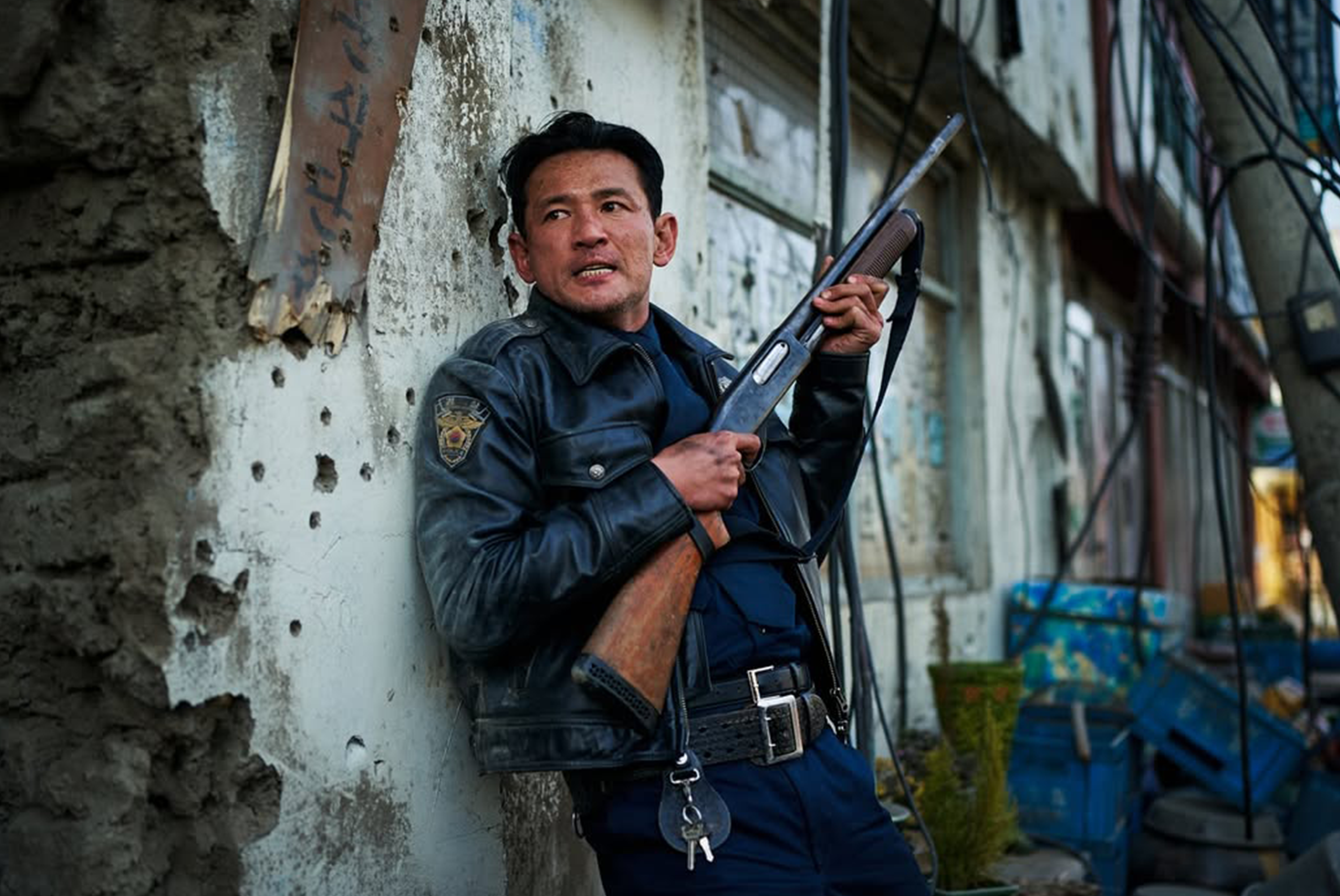
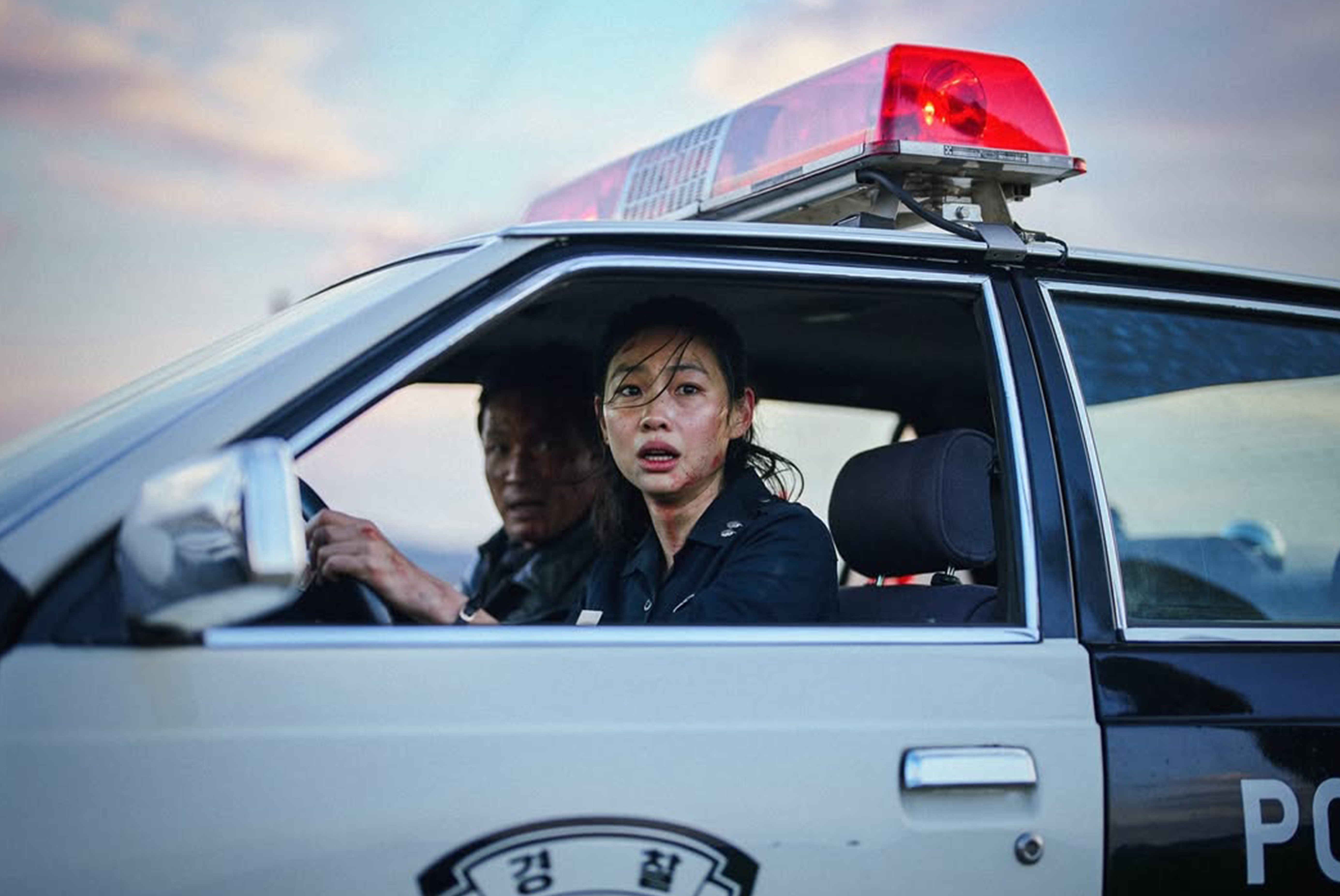
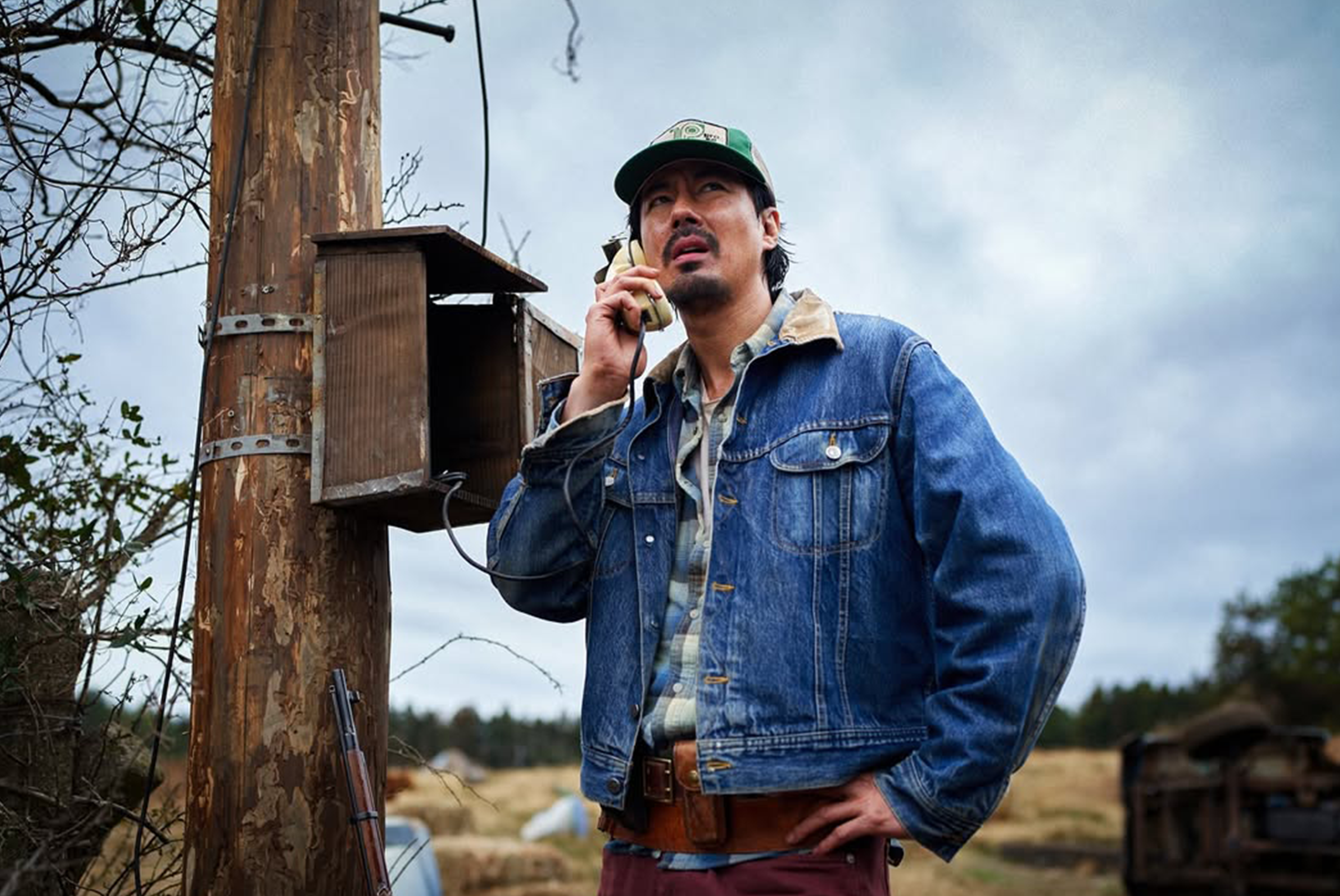
Hope is a cross-cutting ensemble piece, tracking any number of protagonists, mostly residents of the eerily liminal Hope Harbour as they scramble to contain a monstrous threat — what initially appears to be a wild animal but is soon (though I stress, not too soon) revealed to be something entirely otherworldly. Something is killing bulls in the farmland that surrounds the town, and lurking in the woodland that stretches beyond it. Hwang Jung-min is Bum-seok, a bumbling local cop eternally playing catchup — literally, as he returns to town to find much of it a smouldering ruin, whatever monster has caused such havoc still on the loose. Meanwhile, his second cousin Sung-gi (Zo In-sung) leads a band of ‘unionists’, basically an armed hunting party, into the woods to locate the source of the threat. Hope’s opening stretch is some of the most exquisite and tense action filmmaking of the decade, pursuing the hapless Bum-seok as he tries desperately to get a handle on things even as more casualties rack up before his eyes. Na’s camera whirls, spins and pirouettes, as the director gleefully sets aside narrative flow or consistency in the name of pure immersion. It is breathlessly intense, at times giving way to glorious moments of comedy (there’s a wonderful running gag which sees the many, mostly elderly residents of Hope Harbour having access to enormous arsenals of unregistered weapons), other times to moments of terror that equal The Wailing in their capacity to make the audience leap from their seats.
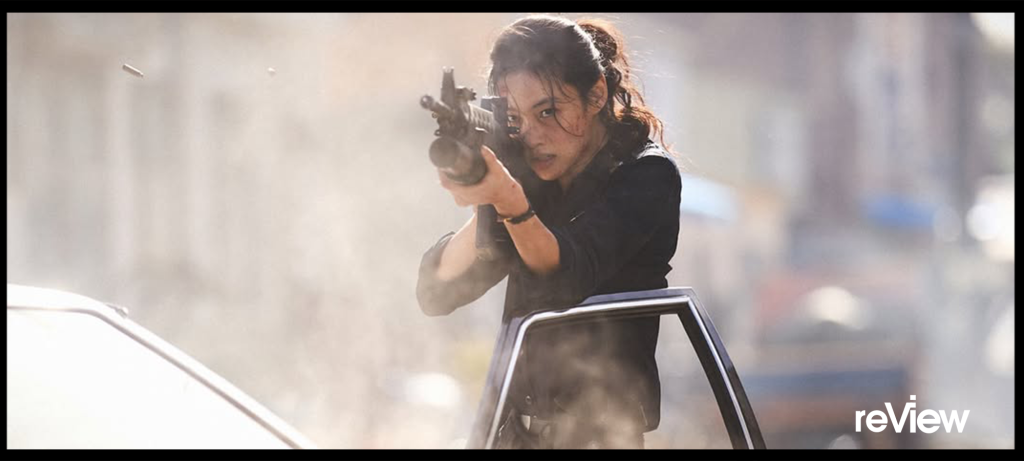
The creatures, when revealed, are hideously humanoid, capable of moving at an uncanny speed that bumps the adrenaline of Na’s extended action sequences to a whole other level. It is not especially surprising when the creatures are revealed to be not of this earth, rendered in some fairly (intentionally?) ghastly CGI that has earned comparisons to the infamous Scorpion King rendering of Dwayne Johnson. This approach has a certain charm, though — the unfinished feeling of the effects gives the film a garishness that I can only describe as handmade, and occasionally serves to inject a compelling thematic tension. The aliens are not human, but have enough characteristics that align them with humanity to provoke our consciences amidst all the hubbub — as the cops of this story pelt the aliens with bullets and projectiles, we are often called upon to wonder who the real danger in the piece actually is. To this end, Na gives us only the vague outlines of the aliens’ presence and purpose, leaving things in a fascinatingly unresolved place that seems to indicate a path to a not-yet-greenlit sequel. There’s a reading that suggests that the aliens are contending with a crisis entirely divorced from Earth — that their presence there is an unhappy accident, and that the intervention of humans is a case of our tendency to stick our nose where it doesn’t belong. Na ushers this reading along with his rendering of the human characters, who are largely selfish, contradictory, cruel and opportunistic, with the exception of Squid Game’s superb Hoyeon, whose rookie cop Sung-ae approaches the crisis with puppydog enthusiasm and a kind of quavering innocence (while also packing an enormous machine gun).
Amidst the churn of chaos, Na’s film brushes right up against repetitiveness and then blasts past it with glee, and the dual imperfections of the film’s general incoherence and its punishing length prove to be something of an endurance test. After that exhilarating first act, the action deliberately slows to a snail’s pace, colouring in the margins somewhat before a galloping, overburdened finale, in which our surviving heroes must grapple with the relentless pursuit of a terrifying enemy. These sequences are some of the film’s most robust from an action standpoint — particularly a staggering horseback chase through the woods — but the insistence on keeping pace with Na’s ambitions becomes admittedly wearying. It is a film of blatant and self-evident imperfections, with the director himself admitting to at times only the faintest understanding of the ideas he might be bringing to such an experience. That it is as gripping as it is with that considered, that the feeling I relate to the film with some distance is simple admiration and a desire to plunge into it once again, is a rather remarkable achievement. For those whose sensibilities lean toward the, well, sensible, I can’t imagine Hope will offer much in the way of sustenance. For those endlessly frustrated by the state of the modern blockbuster, however, Hope’s bizarre and beleaguered madness may be just the tonic that’s warranted.
Hope – In NZ Cinemas 17 September 2026.