Director: Joseph Bullman
Country: UK
Writer: Joseph Bullman
Actors: David Thewlis, Jason Watkins, Posy Sterling
Written by Tom Augustine
Now premiering exclusively on Rialto Channel: the controversial and enraging British Channel 4 docuseries, rippling its way to Aotearoa shores. Combining documentary footage and extensive recreations, it is a devastating rebuke of deregulation and privatisation that delivers timely echoes of our own mounting water crises.
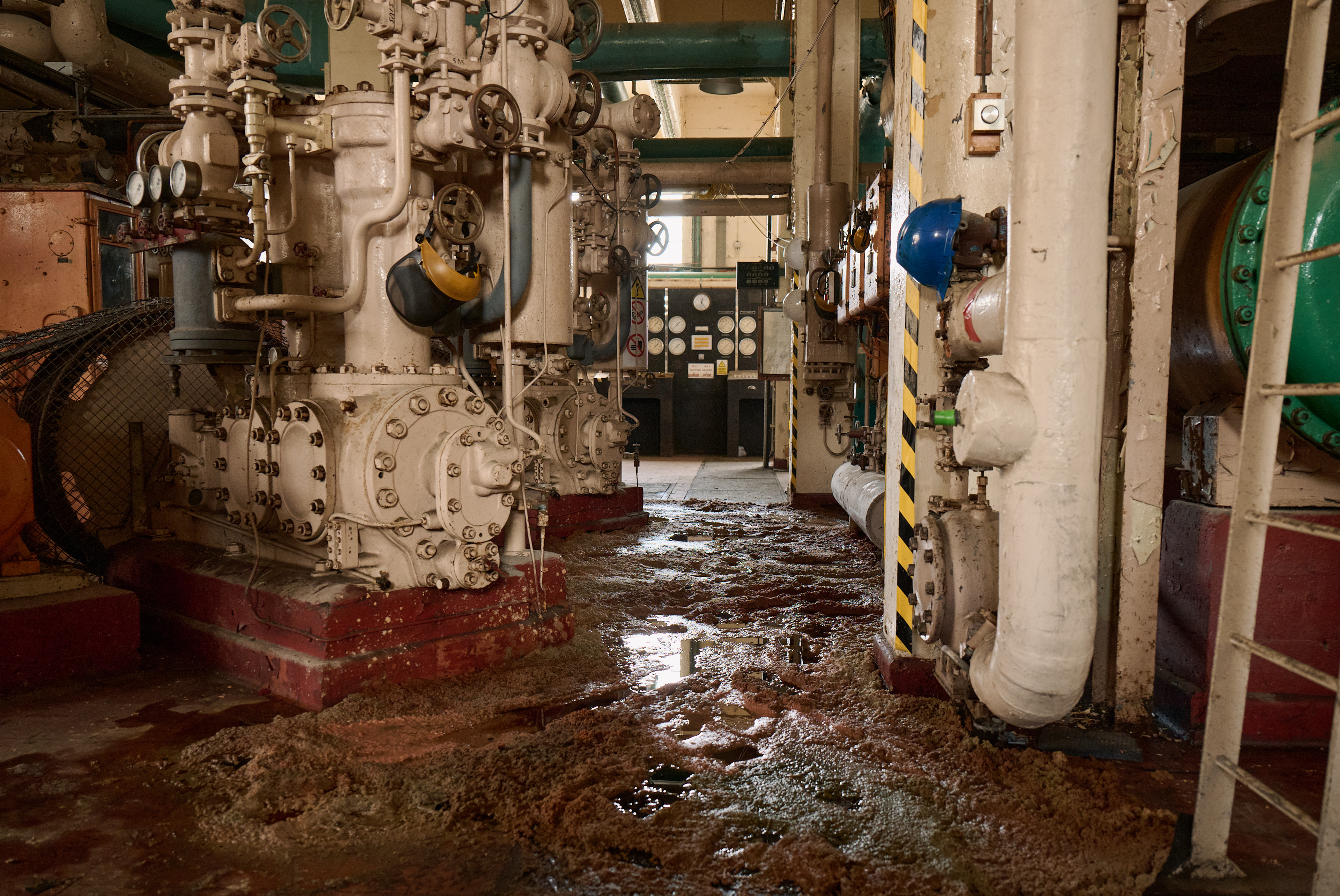
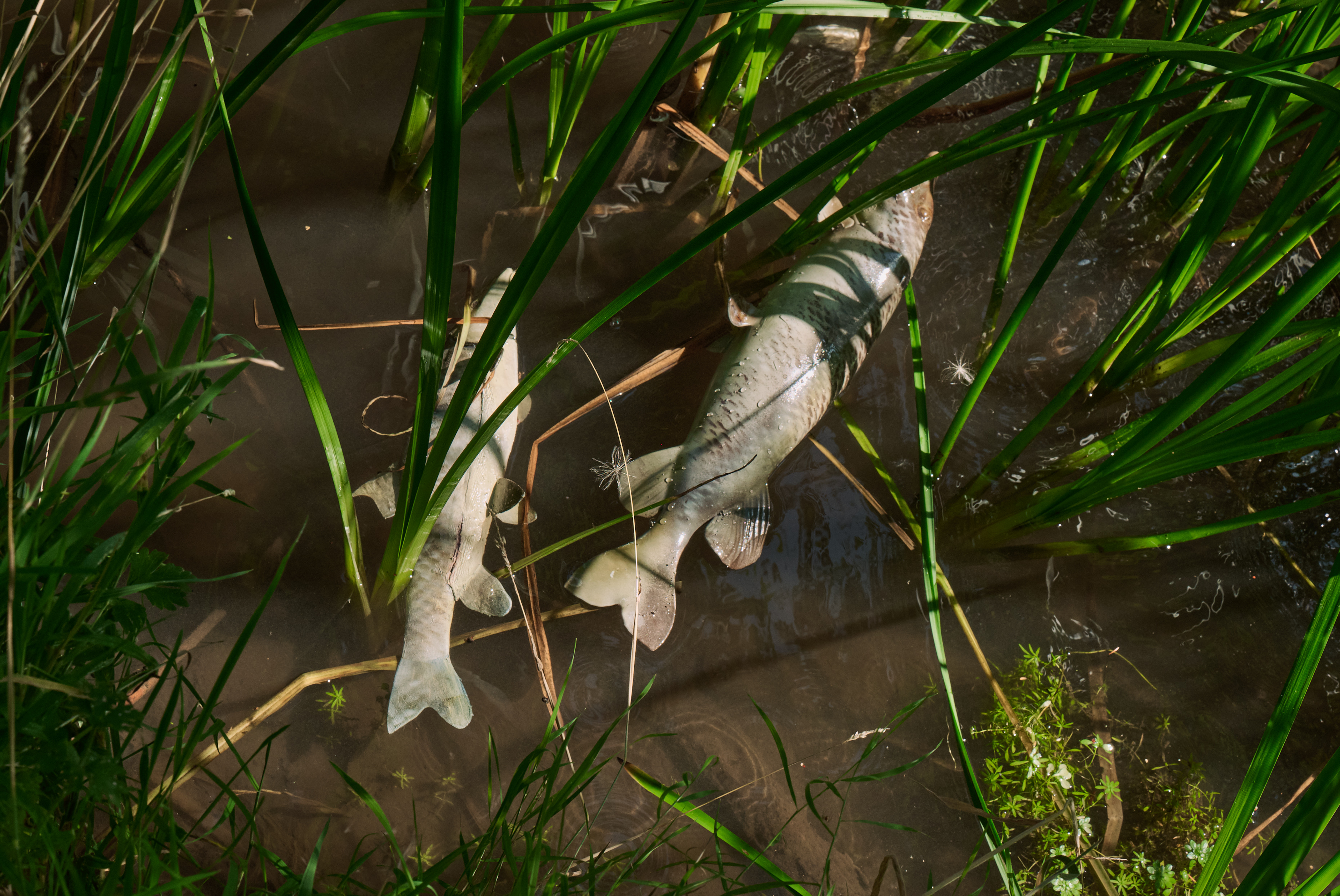
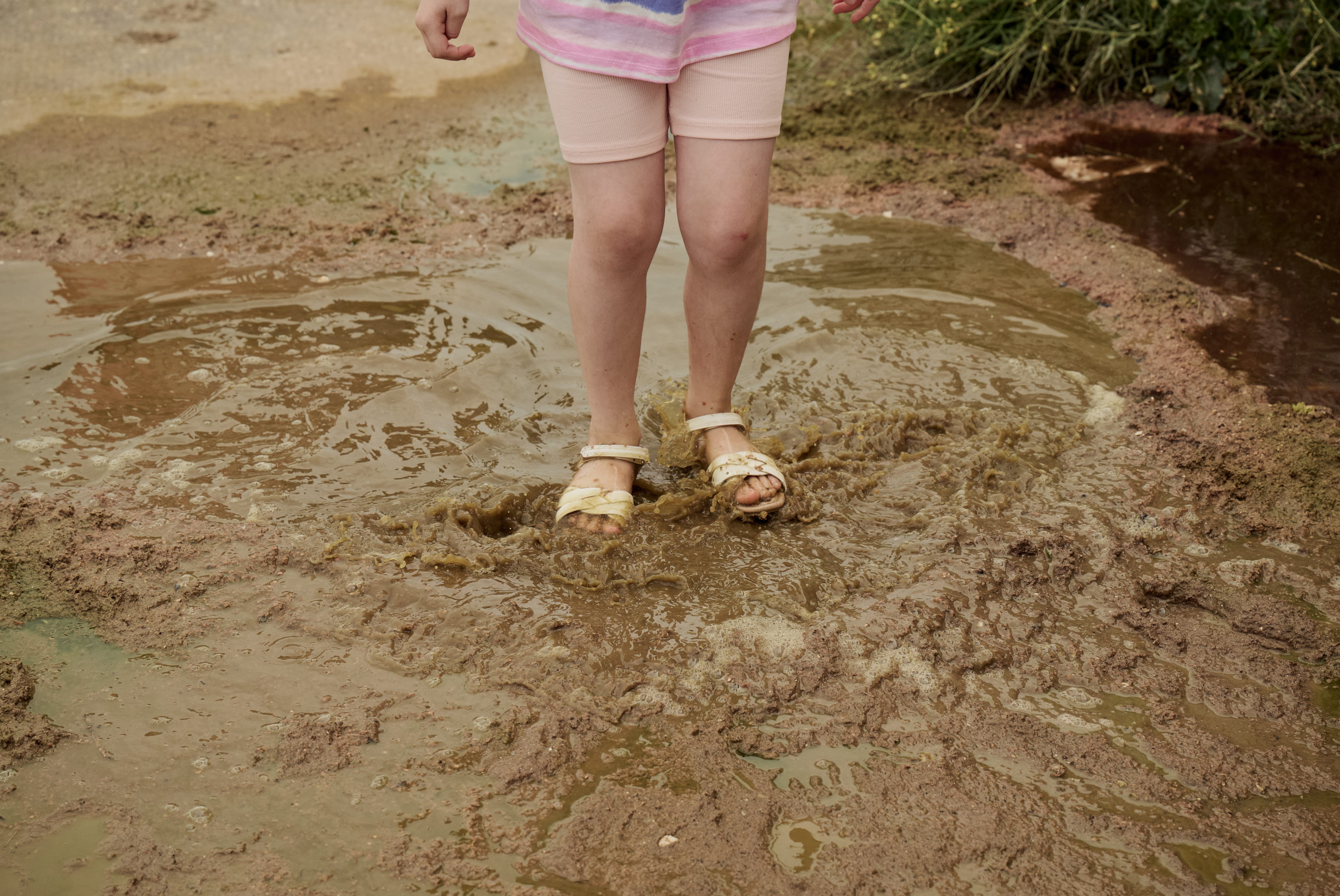
The idea of ‘swimmable rivers’ has become an easily dismissed soundbite in the New Zealand political sphere, but a series like Dirty Business makes the contrast between a swimmable river and an unswimmable river incredibly stark. In its pilot episode, the three-part miniseries utilises activist-obtained footage of the same river, the Windrush River, in two different time periods — at one point crystal clear and teeming with life, in another, murky brown and desolate. The reason for this is the dumping of untreated human sewage by privatised water facilities, with ongoing ramifications for the health of the citizens, the economy, and the environment. In recent years in New Zealand, prioritisation of short-term profits have superseded these concerns, and the results are stark: beaches closed in the middle of summer, sickness from unsafe drinking water, the decline of populations of fish, including our beloved terakihi. It boggles the mind how consistently disinterested vast swathes of the New Zealand populace are in protecting our precious and boasted-about environment, or indeed anything beyond the short-term flourishing of the economy, despite the fact said economy is looking pretty bad regardless of the cost-cutting and dismantling of environmental protections over the last several years. The shudder-inducing, aptly titled Dirty Business, arriving with pinpoint accuracy right before the Aotearoa election, should serve as a warning: in the UK, it sparked outrage, exposing long-term mismanagement and cover-ups that can be traced back to Thatcherite deregulation and privatisation.
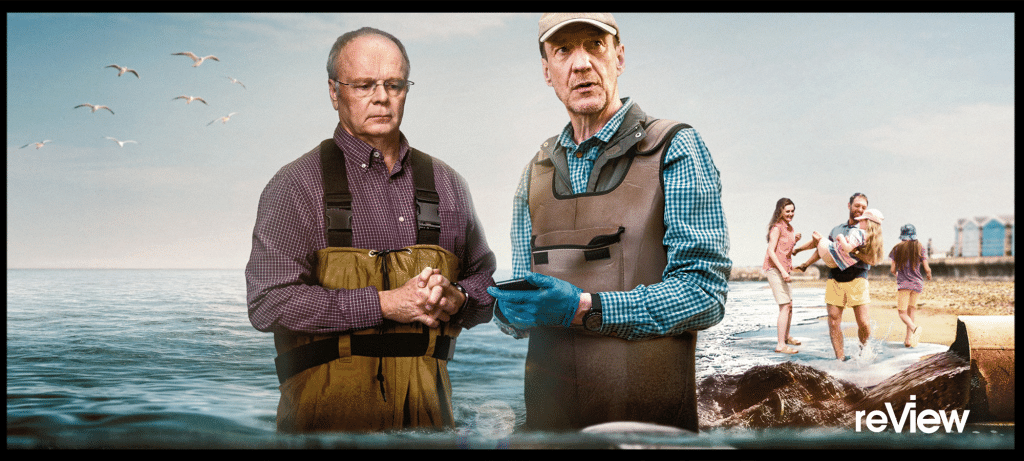
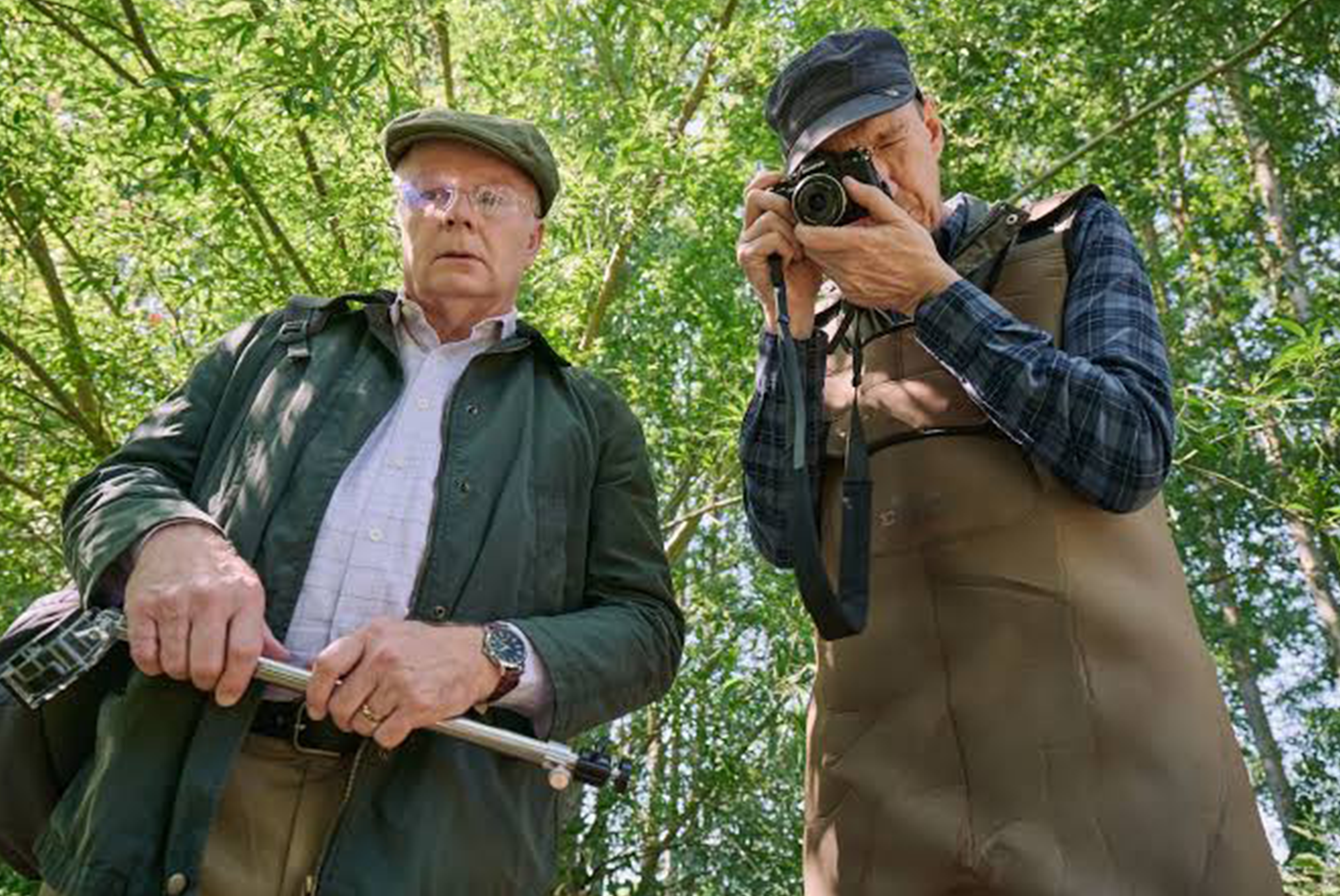
It is a truth universally acknowledged that a series that opens with archival footage of Margaret Thatcher will inevitably boil the blood of humane citizens. This series, from documentarian Joseph Bullman, unravels the decades-long costs of water mismanagement in the UK, uncovered primarily by two ordinary citizens doing the work that officials had spurned for years, and which cost human lives. It is a remarkably enraging show, one that deliberately approaches an unglamorous subject in an unglamorous way, a documentary with obvious parallels to Ken Loach’s work and even Todd Haynes’ thematically similar Dark Waters. With that in mind, it is a cumbersome and often tonally misaligned piece of work, a tool of information dissemination in which aesthetic and narrative purposes are secondary. Thankfully, there is still artistic value to be found. The two humble everyman sleuths, retired corruption detective Ash Smith and retired computational biologist Peter Hammond, are played by thesps David Thewlis and Jason Watkins. Their interplay is vital: they are given frequent expositional monologues designed to fill the audience in on the intricacies of Britain’s water bureaucracy, a task that would easily become mealy-mouthed in the hands of lesser practitioners. It is a fine pairing, with Thewlis’ natural magnetism contrasting nicely with Watkins’ amiable, comedic undertones.
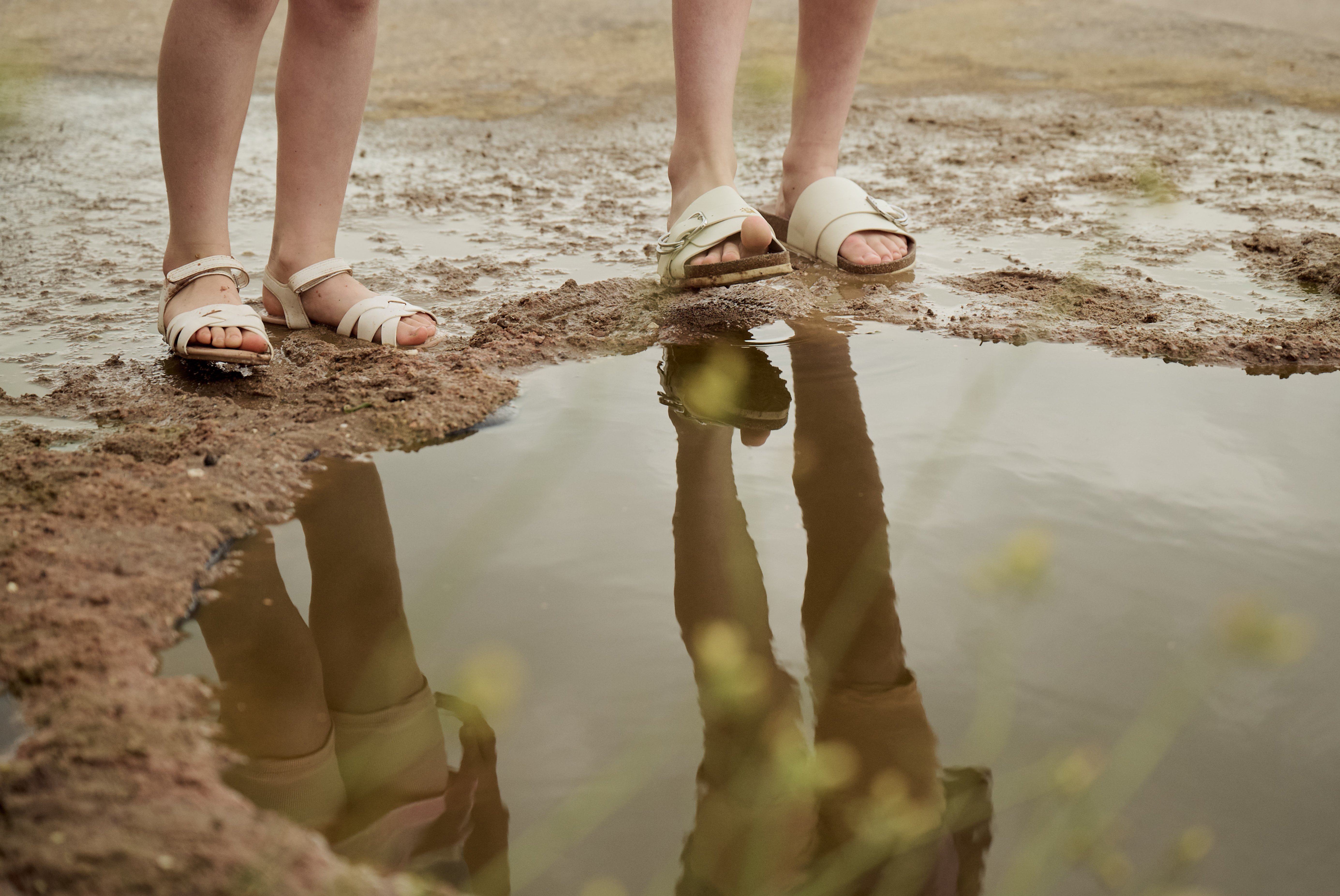
This is but one strand, however: there is also a semi-satirical subplot exploring how the responsibility for reporting illegal activity in the newly privatised water companies across Britain fell to the companies themselves, an ‘honour’ system which was, unsurprisingly, ineffective. These sequences play out in McKay-esque fashion, with asides and frequent addresses-to-camera that recall The Big Short in their directness. The third, most brutal strand, flashes back to the 1990s, when the first hints of the extent of the effluent issue became apparent when a child died of a vicious strain of E.Coli less than two weeks after swimming at a supposedly clean beach which had in fact been the site of illegal human waste dumping. The sudden on-set of sickness and death, and the impact on the lives of parents Julie and Mark Preen, arrive with brutal honesty. Exceptionally played by Posy Sterling and Tom McKay, the dramatisation of the moment the Preens’ child is forever lost to them is a sobering, shocking sequence that arrives at the end of an episode of lightly comedic, slowly escalating investigations into surreally labyrinthine bureaucratic morass. It is a strong choice, one that highlights the way the tendrils of seemingly inconsequential choices years prior have long-reverberating impacts.
Water is a much-litigated issue in Aotearoa. Who has the rights to it, what can be done with it, how it is managed. For this country, it is as much a question of sovereignty as it is a question of economics, but it doesn’t mean that Dirty Business holds no resonance here. It shares space with, of all things, Guy Williams’ New Zealand Tomorrow, an excellent series that similarly utilised unconventional means to deliver an important and dark warning about the unsexy politics of water. Dirty Business’ extensive use of dramatisation is intriguing — it is a method that is less accepted in the modern documentary format than it once was, burdened by its presence in fairly janky factual series of the ‘90s, and highlighting as it does the inherent difficulty of the documentary form in presenting ‘the truth’. The general inelegance of the way Dirty Business presents these dramatisations, with their mish-mashing of tones, is a fascinating wrinkle — to me, it reads as a ‘by any means necessary’ undertaking with a message that overrides aesthetic concerns. In that sense, its strongest corollary is The Big Short, a decidedly imperfect film that nevertheless served an important role in demystifying the heinous wrongs of Wall Street during the financial crisis. Dirty Business is a more humble undertaking than that work, to its credit — it is here with urgent things to say, and we in Aotearoa would do well to listen as the election approaches.
Dirty Business is currently screening on Sky’s Rialto Channel. You can catch up on SkyGo.