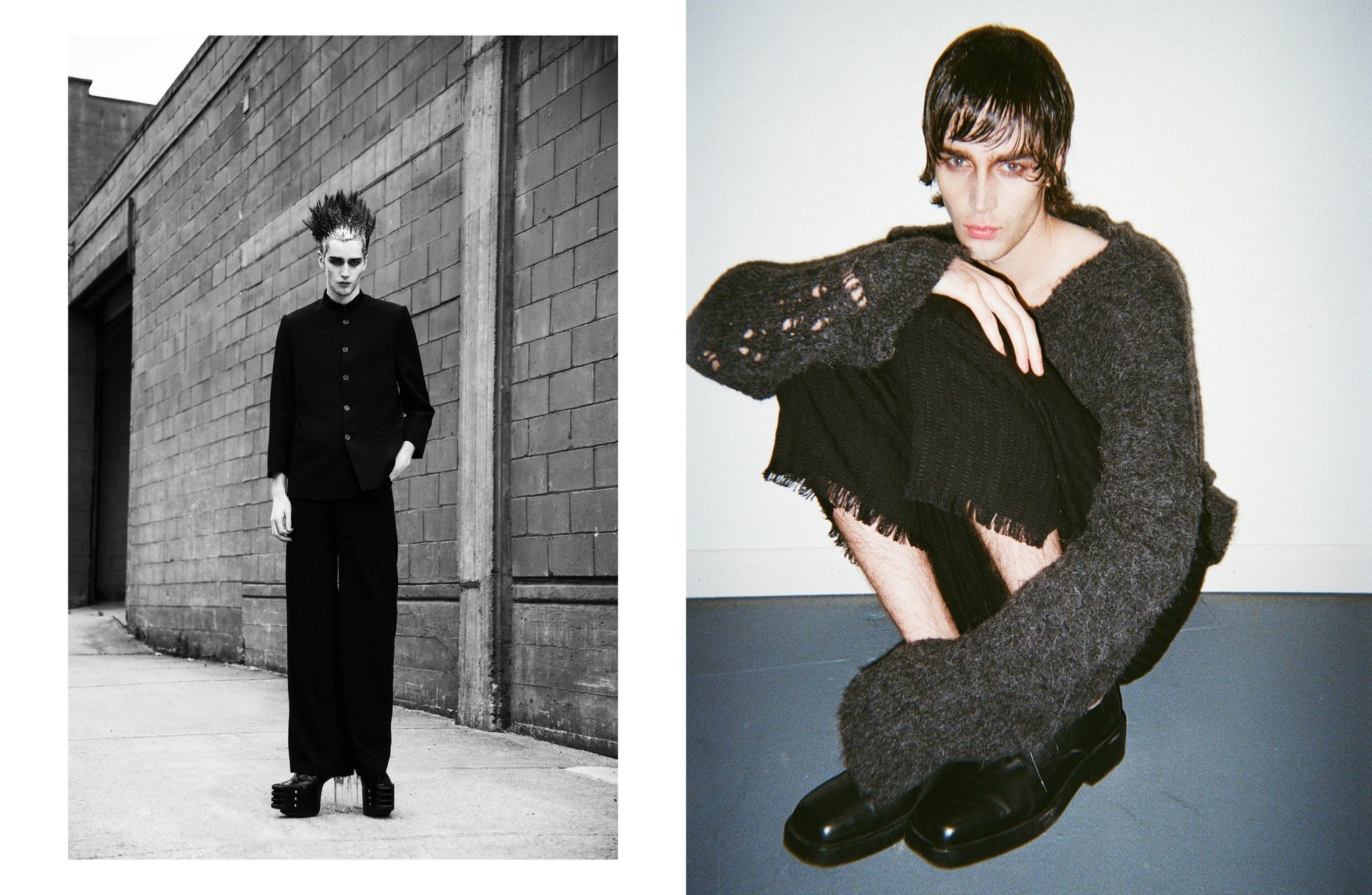
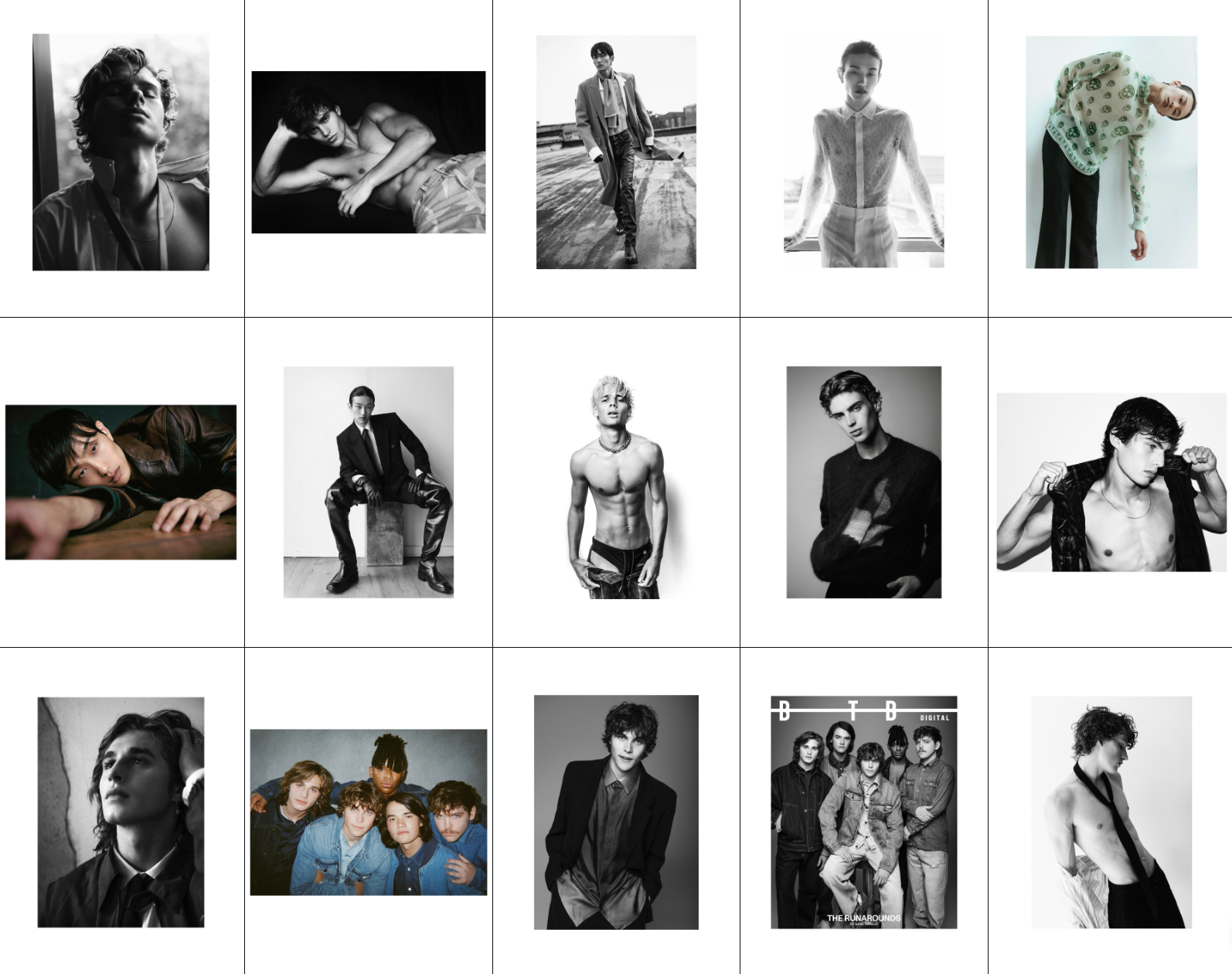
Gabe Araujo: Beauty, Memory and the Moment the Mask Slips

There are invitations in New York, and then there are invitations that feel as though the city has quietly pulled back a velvet curtain and said: come closer.

On a recent visit, I was lucky enough to receive one of those.

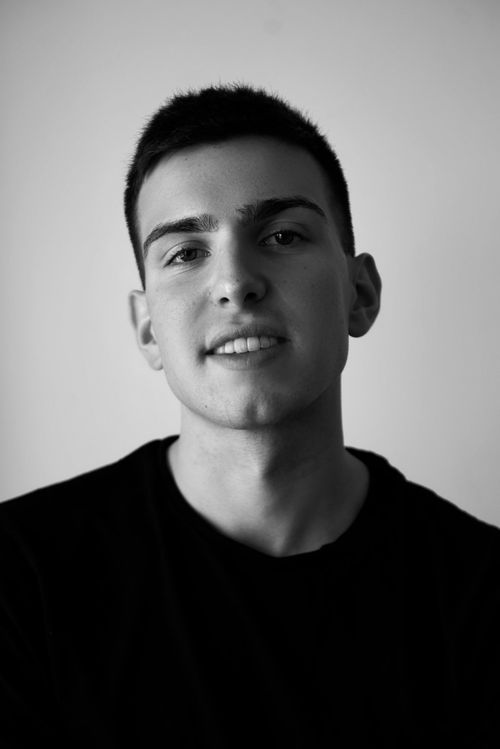
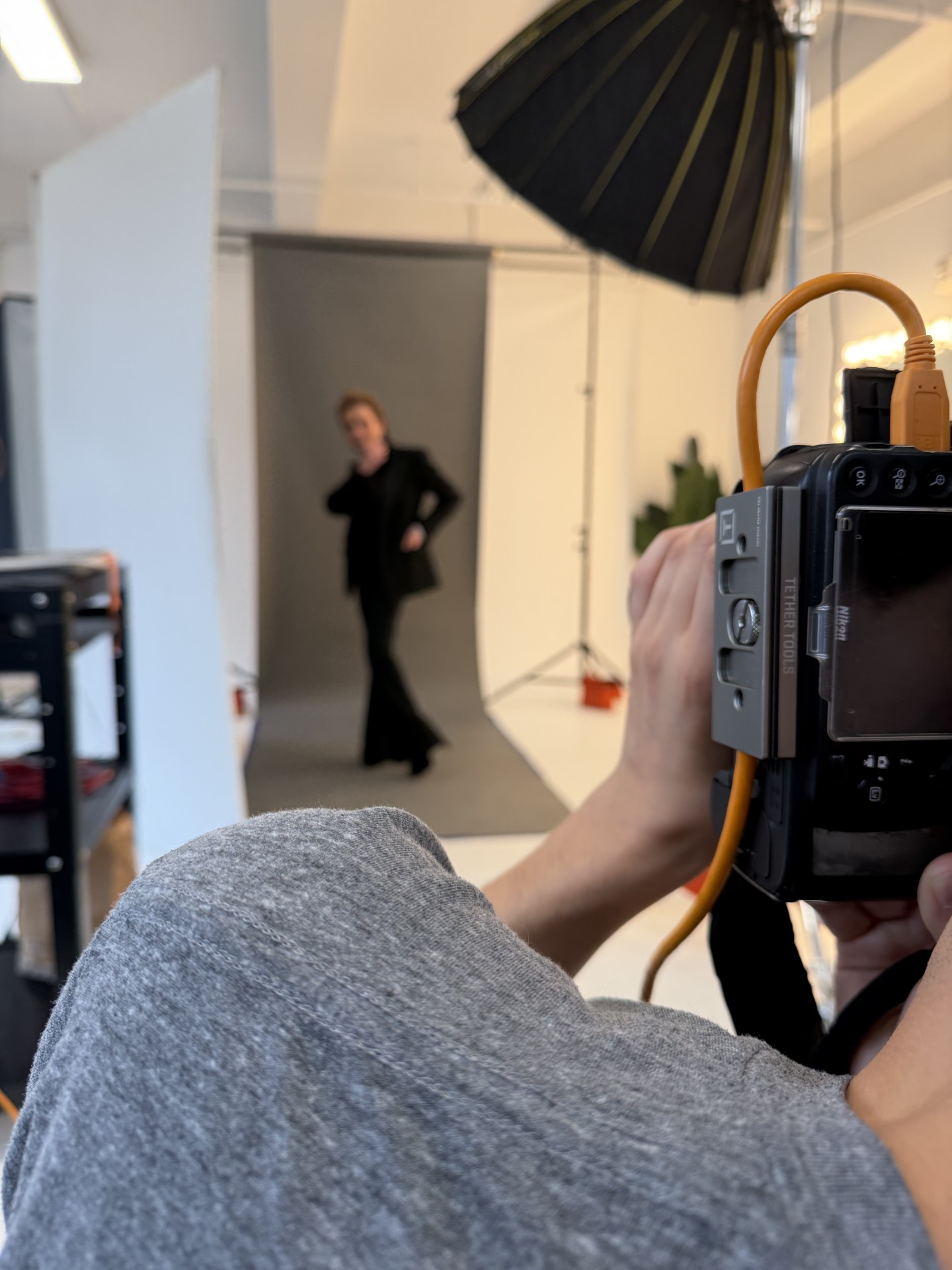
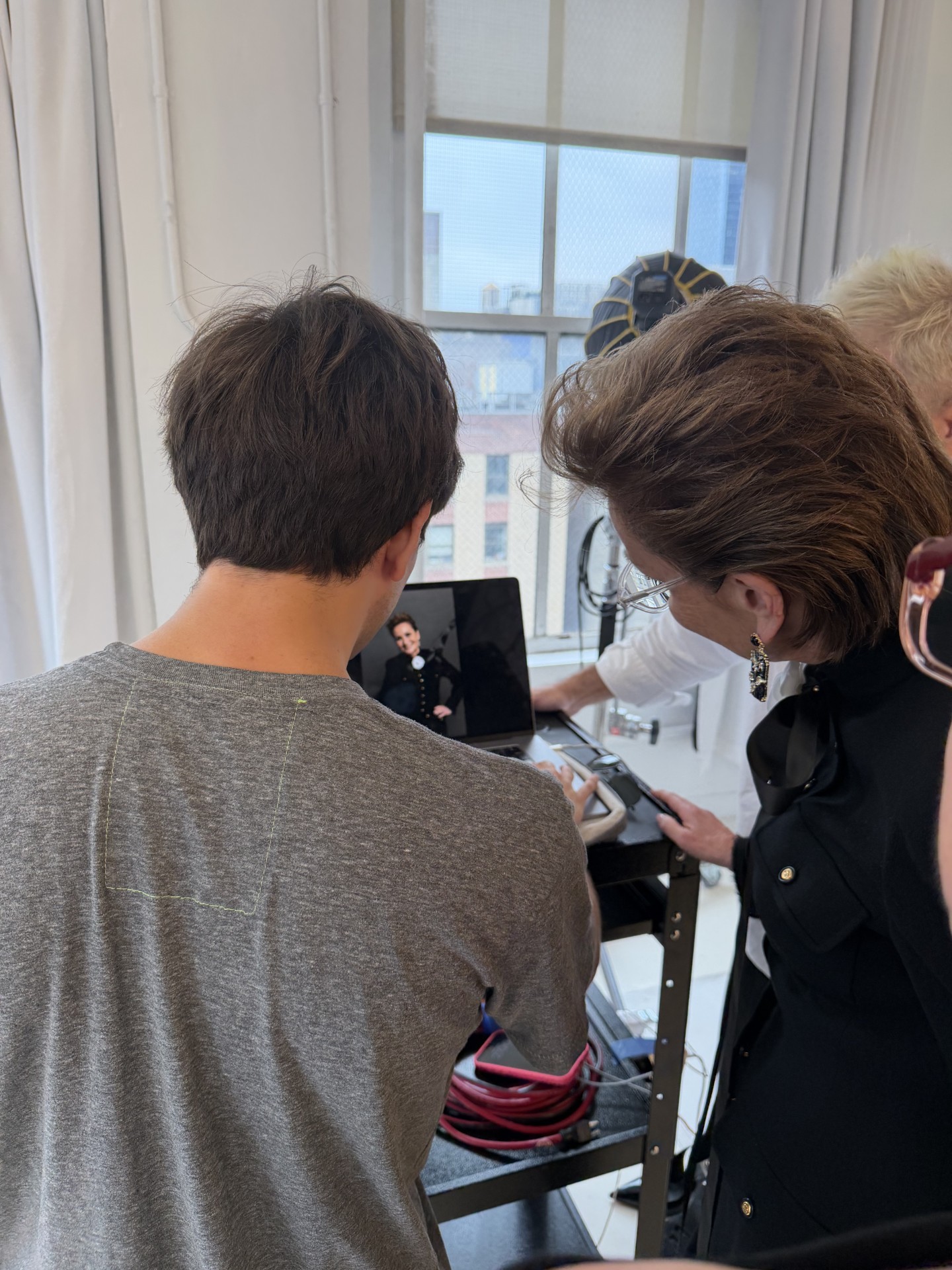
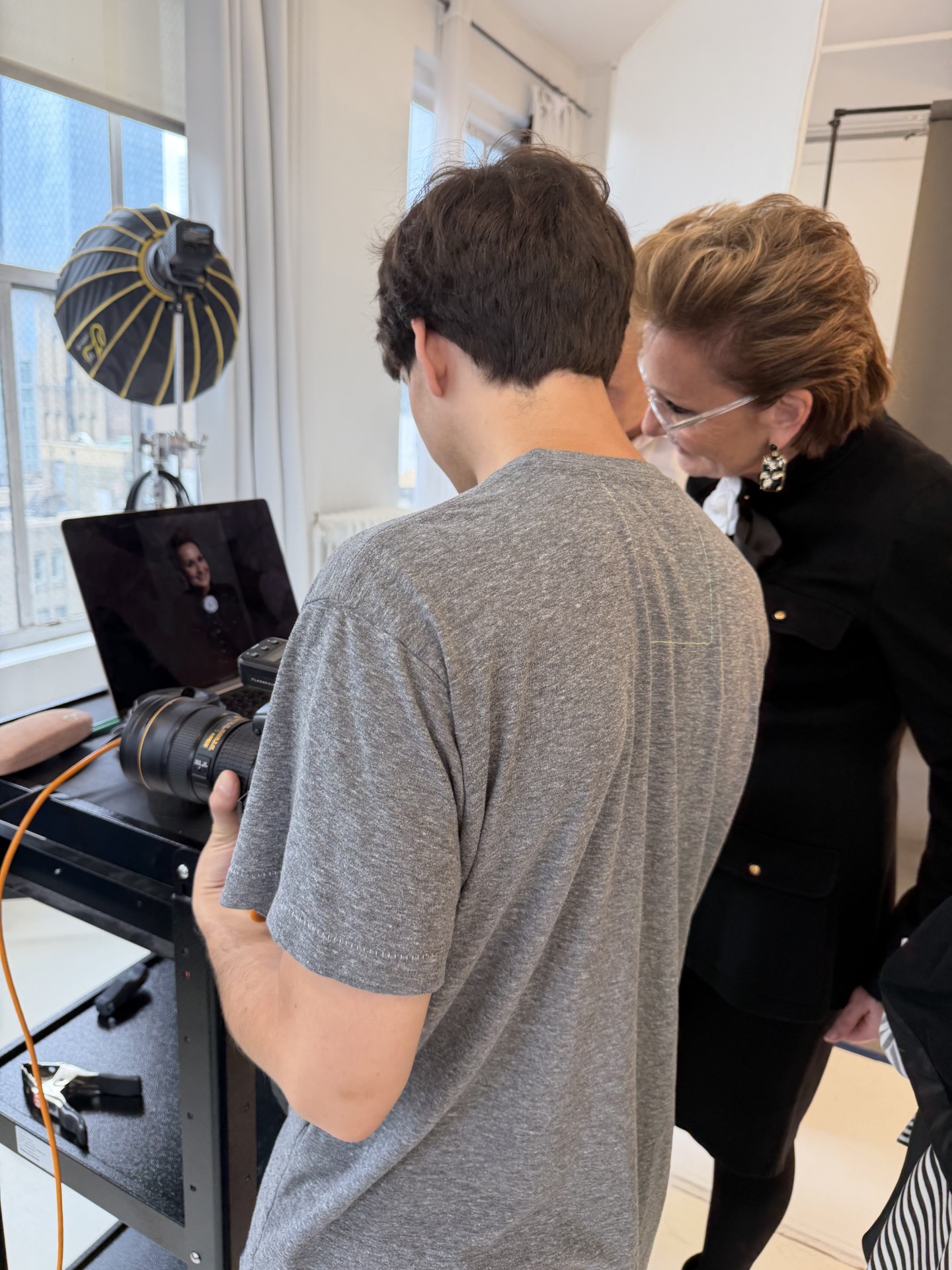
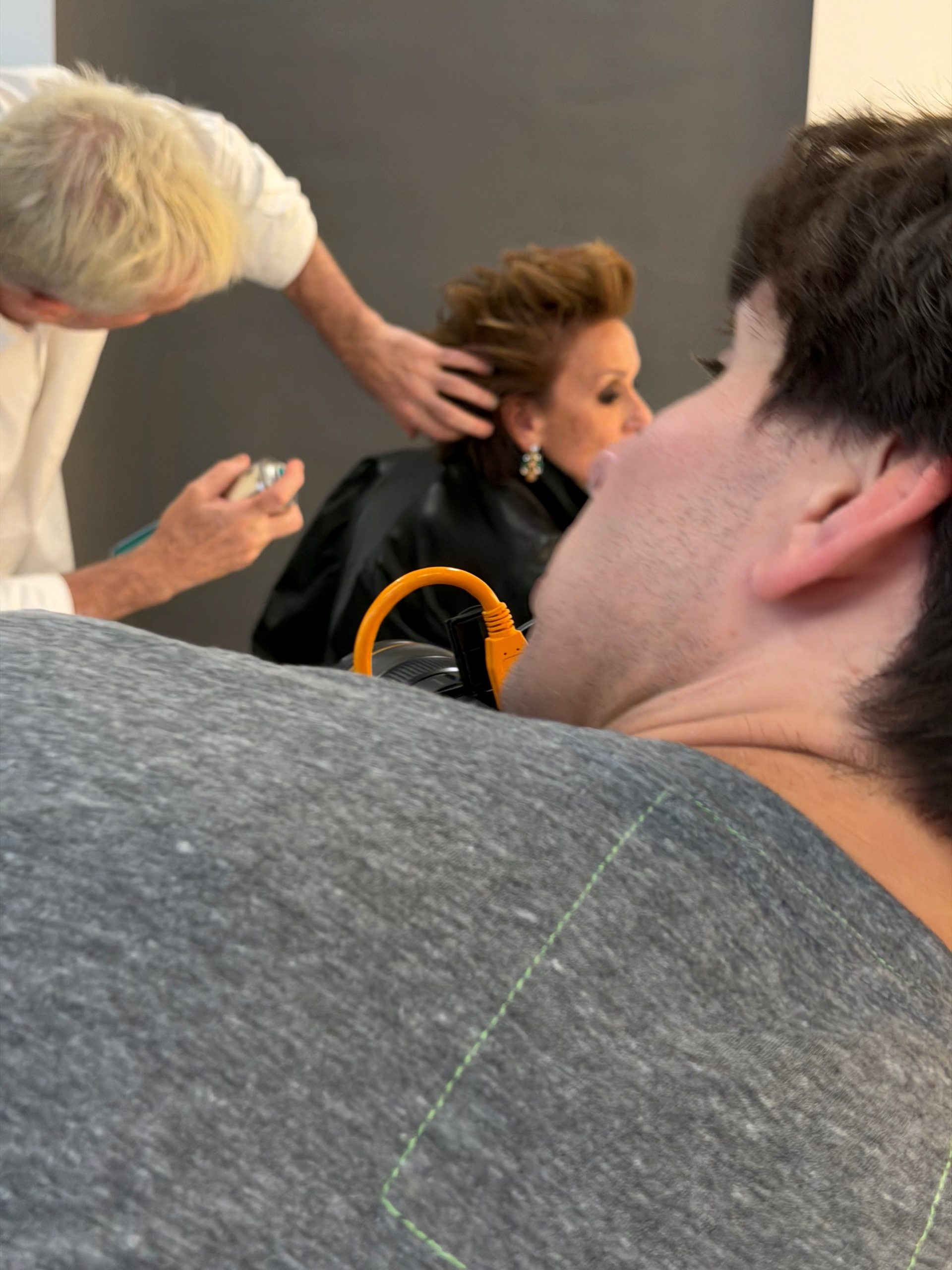
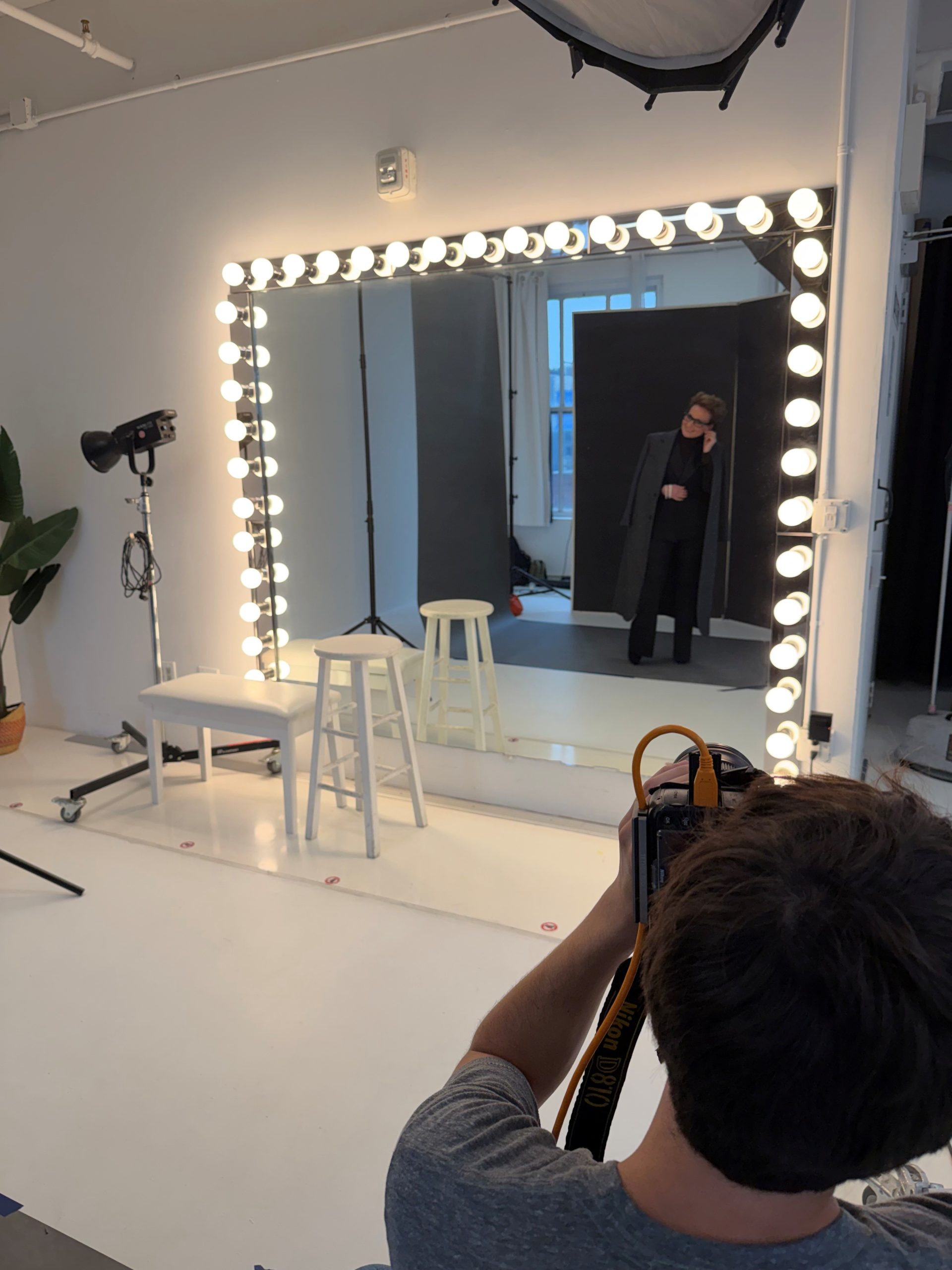
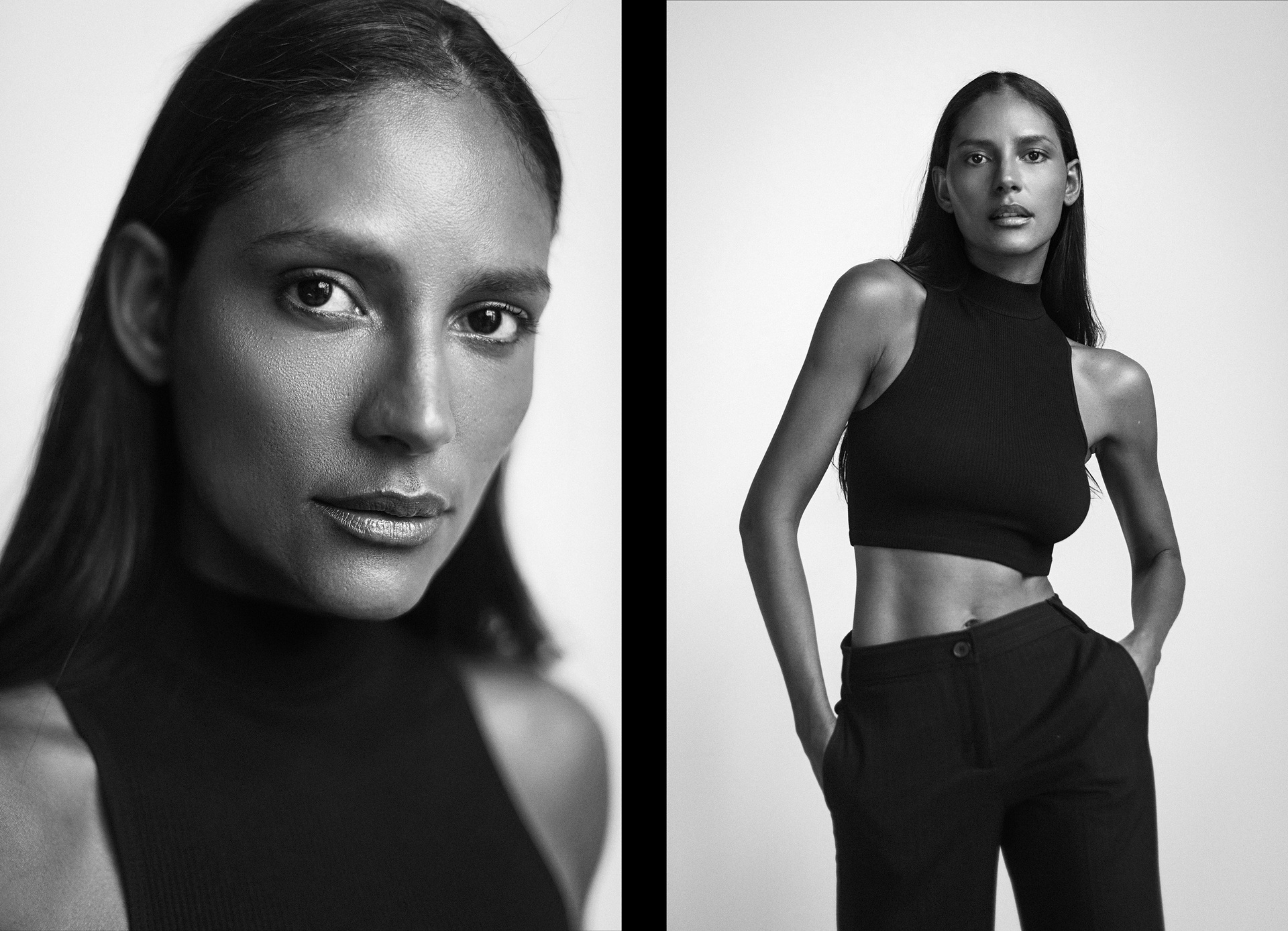
I was invited into a portrait session with Gabe Araujo, the Brazilian American fashion and portrait photographer whose work carries that particular New York polish: clean, elegant, modern, but never cold. It was not the sort of experience one gets every day. Most of us see the finished image-the immaculate face, the perfect light, the effortless glamour. Very few get to stand inside the room before all of that becomes a photograph.

To be there felt less like observing a shoot and more like being admitted backstage to a private performance: close enough to see the small negotiations between photographer and subject, the almost invisible adjustments, the moments of trust, the tiny shifts in mood that change everything.

A portrait session is a curious little theatre. There is light, clothing, posture, direction, performance. Then, suddenly, something changes. The subject relaxes. The room softens. The mask slips.

That is the moment Araujo is waiting for.

For him, there is a point when beauty stops being interesting on its own.

Not because it disappears, but because something better arrives character, memory, wit, confidence, damage, survival, the strange accumulated weather of being alive.

“Beauty is fleeting,” he says, “but how people make you feel when they’re around you has more of an impact.”

That is a photographer talking, yes. But it is also a humanist with a camera.

But it is also someone who understands that the most compelling thing in a photograph is rarely perfection.

It is recognition.

“Beauty is fleeting. What stays is how someone makes you feel.”

Looking through the viewfinder, Araujo searches for two things at once: the photograph he set out to make, and the photograph that arrives by accident. The strong portrait. The beautiful pose. And then, between those moments, something happens. The subject relaxes. The model stops modelling.

For Araujo, that is often where the real picture begins.

“The moment the mask slips, you stop photographing a model and start photographing a person.”

He likes the tension between posed and spontaneous, between intention and interruption. A successful shoot, for him, lives somewhere in that hybrid space.

It is also why time matters.

Araujo often returns to photograph people years later. Models he first met at seventeen or eighteen may reappear a decade later, now with children, careers, histories of their own. He is drawn to that change, not as loss, but as evidence.

The face has grown. The person has lived.

And suddenly photography becomes less about preserving youth than recording becoming.

There is something very New York in that. Reinvention is practically a municipal sport. The city allows people to change identities, careers, clothes, friends, neighbourhoods, ambitions-sometimes all before lunch. Araujo sees photography as part of that process. Your work becomes part of who you are, and how you move through the city becomes part of the work.

“New York lets you reinvent yourself. The challenge is finding the thread that still makes you recognisably you.”

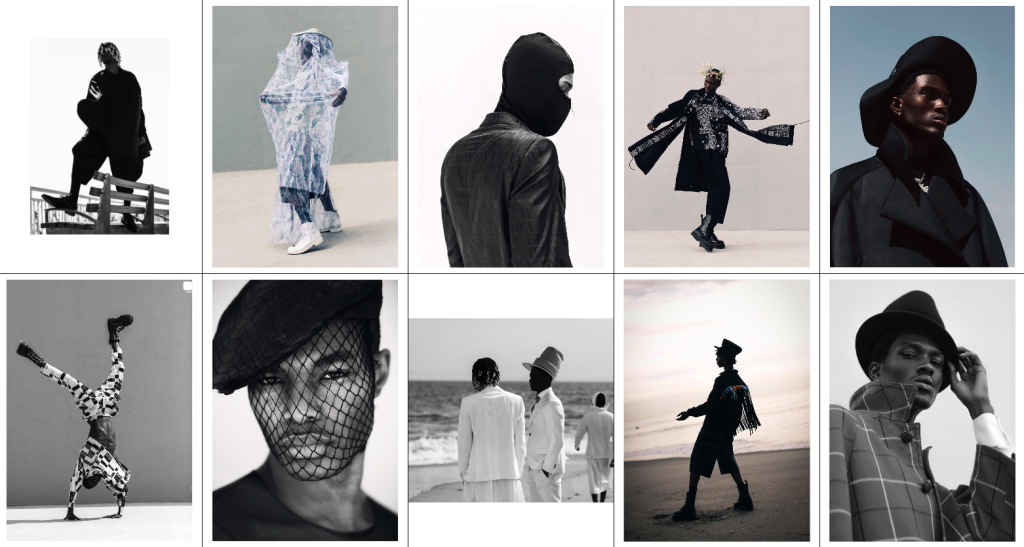
His eye was trained early. As a teenager, around twelve or thirteen, he collected fashion magazines obsessively. Not to copy them, but to absorb them. What made an image feel current? What made it elegant? What made it cool? Why did one picture stop him while another disappeared?

That, he says, is the difference between looking and seeing.

Taste is not lightning. It is accumulation.

He cites Michael Jansen as an influence-clean work, natural models, fashion that remains visible without overwhelming the person. He also admires location photography, because place adds another layer to the story.

Working for major brands brings another discipline. A photographer must understand the house codes, the history, the language, the expectations. It can be restrictive, but it can also be a challenge: how do you carry the brand forward without disappearing inside it?

A personal shoot allows fewer rules. A luxury commission asks you to dance with someone else’s history.

Both require instinct.

“A photograph, Araujo says, is a celebration.”

That may be the loveliest thing he says.

He has photographed models, athletes and Olympic gymnasts, and what often draws him is not simply physical beauty, but accomplishment and presence. A photograph can celebrate the person, the body, the work, the achievement, the precise moment in a life when someone stood before the camera and was seen.

And being seen can be unexpectedly emotional.

One of Araujo’s favourite parts of the process is watching people react to their own photographs. Sometimes they see themselves differently. Sometimes the camera offers them a version of themselves they had not recognised before.

Words can flatter.

A photograph can persuade.

In my view, Gabe Araujo’s work is ultimately about attention. Fashion may move quickly-brutally quickly-and he admits he often must remind himself to slow down and appreciate what he has made before racing towards the next thing.

Perhaps that is the larger lesson.

The camera says: look again.

The portrait says: stay a moment.

And beauty, if you are lucky, is only where the conversation begins.

Next week in In My View: we stay behind the scenes in New York, where I steal five minutes with makeup artist Dotti – talking beauty, trust, individuality, and why sometimes the most radical thing you can do is use less.

Roger Wyllie, View Mag

Audio player cover
0:00 0:00