Director: Martin McDonagh
Country: US
Writer: Martin McDonagh
Actors: John Malkovich, Sam Rockwell, Steve Buscemi, Parker Posey, Mariana di Girolamo, Ailín Salas
Written by Tom Augustine
In Bruges and Banshees of Inisherin director Martin McDonagh’s latest treads familiar territory, but there is a certain lackadaisical enjoyment to be had in playing the hits. Aided by a typically impressive cast and a trademark world-weary melancholy, Wild Horse Nine is one of the better of the novelistic McDonagh’s efforts.
There’s a certain masculine appeal to the work of Martin McDonagh, the acclaimed Irish filmmaker whose films are typically novelistic in shape, blackly comedic, star-studded and populated with a Tarantino-esque affinity for mannered, theatrical dialogue. Along the way, he’s found mainstream embrace, likely in concert with that aforementioned masculine undertone, resulting in consistent awards recognition and the attraction of many of the finest working actors. Since attaining cult status with In Bruges, McDonagh’s flawed-but-endearing 2008 noir-comedy, McDonagh has circled around a range of stylistic tics and narrative interests: hitmen, existential pessimism, manchildren, and an edgelord-y sense of humour that tiptoes back and forth between satire and something more darkly suggestive of what McDonagh might actually think about social issues of the moment. He loves naughty humour — jokes about dwarves, sailor-mouthed character actors, the R-word. The targets of his gags are as likely to be of a retrograde ‘non-PC’ flavour as those that he’d need to punch up to hit, but McDonagh does mostly seem to be genuine in his goal of sparing nobody of his ire. Of all the many Tarantino impersonators that have come and gone, from Guy Ritchie to Robert Rodriguez, Shane Black to Kevin Smith, McDonagh seems to be the one still working with the surest claim to genuine auteur vision, evolving beyond the mere apery we saw in early efforts like Seven Psychopaths. With his previous, easily best film, The Banshees of Inisherin, a new, novelistic maturity seemed to settle in — while watching, it was clear he was reaching a pinnacle.
If Wild Horse Nine, McDonagh’s latest handsome, melancholy variation on familiar themes, is a step back from the grandeur of Banshees, it is not so large a step as to represent a diminishment. Fascinatingly, it bears striking similarities to In Bruges, albeit with a more tropical locale for the protagonists’ purgatorial holiday jaunt. There are once again two hitmen, one young, one older. There are regrets for acts of violence committed. There’s a third, loose cannon superior circling them, bringing doom. There are meandering monologues on subjects not at all relevant to the issues at hand. There are jokes about dwarves, and the R-word gets dropped. There are dashes of extreme violence. At the core is a conflict between pessimism of logic and optimism of the heart, one that the heart rarely seems to win. Per Jean Renoir: ‘A director makes only one movie in his life. Then he breaks it into pieces and makes it again’. In this particular reassembling, McDonagh also brings the maturity he’s attained in the years since, while still not entirely perfecting the formula. It can be easy to dismiss McDonagh’s work for its intensely masculine fixations, but the bemusing, laidback ambience of his narratives elevate the material in ways that are easy to predict, but still hit in the gut sometime around the third act.
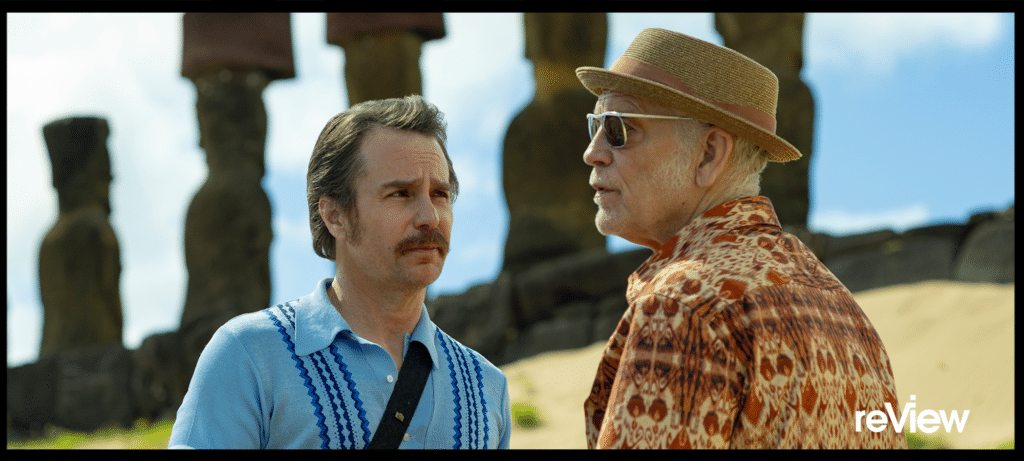
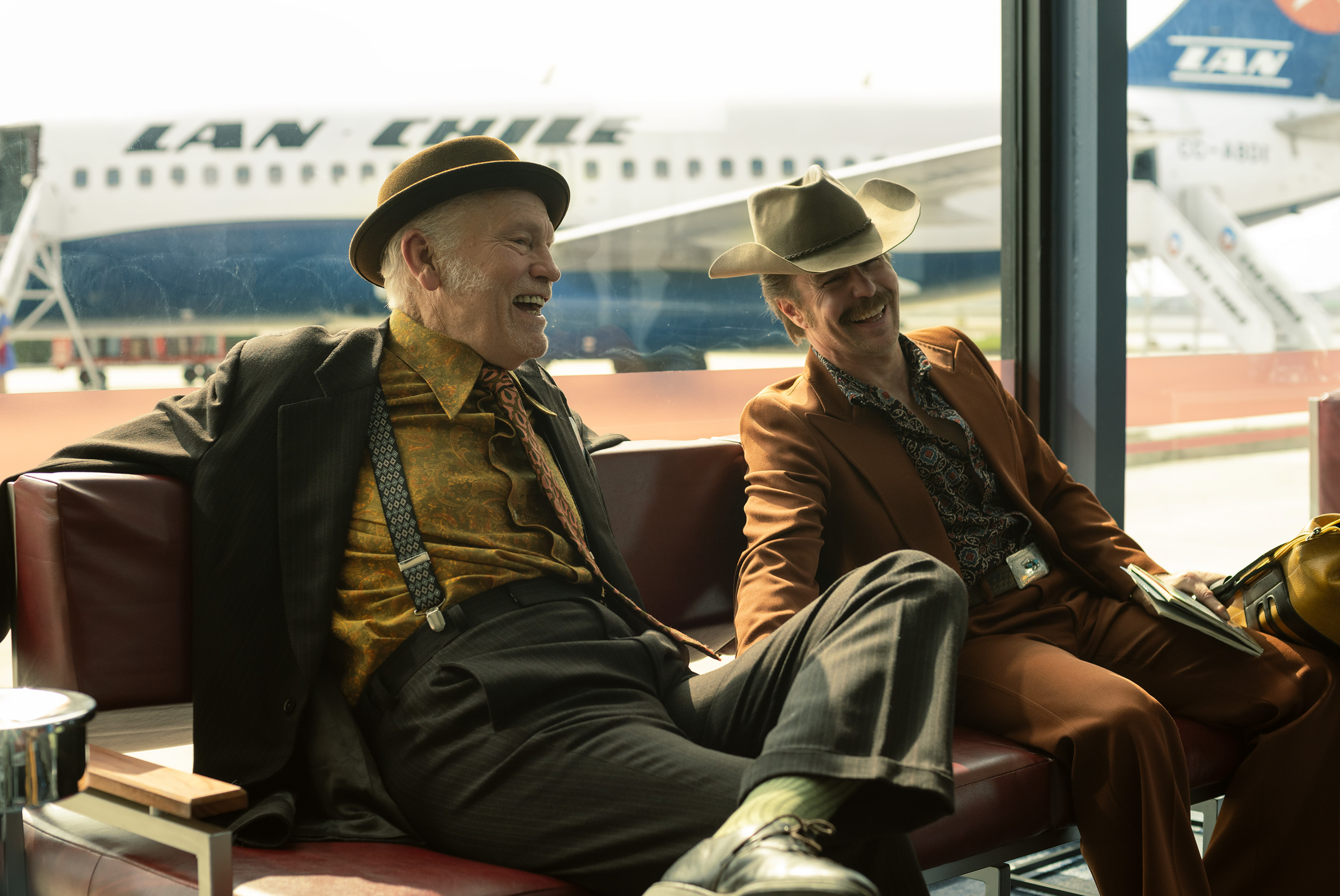
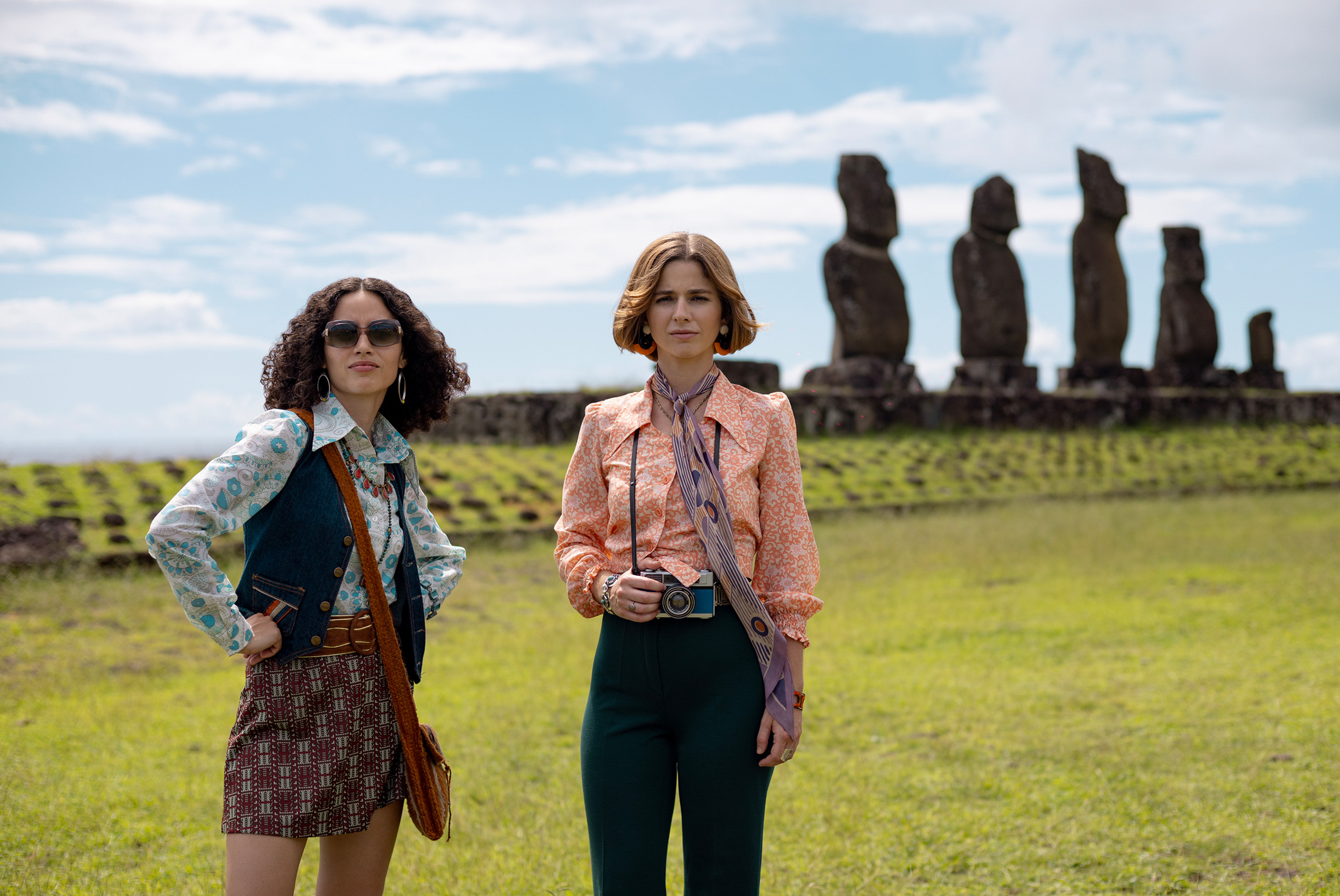
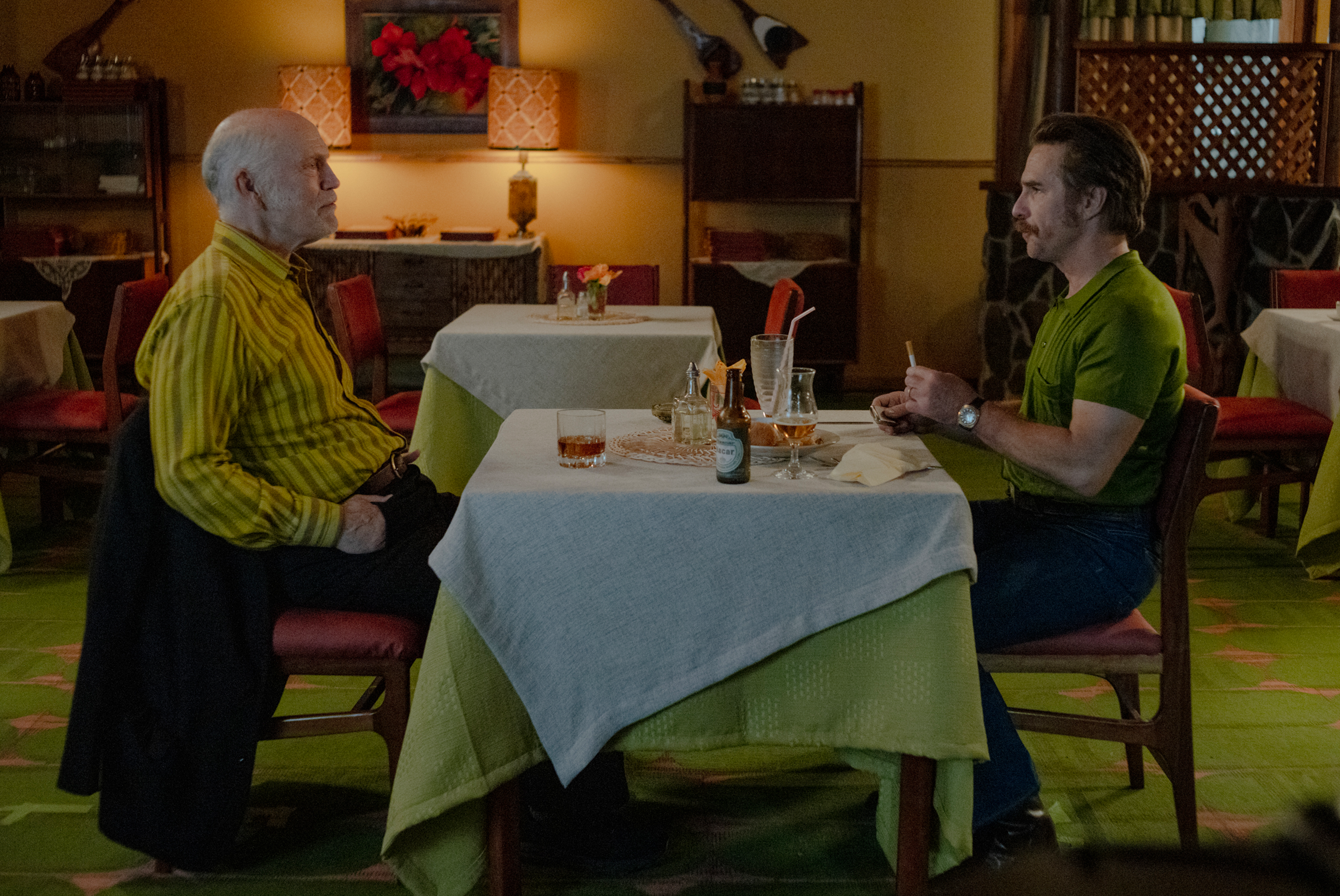
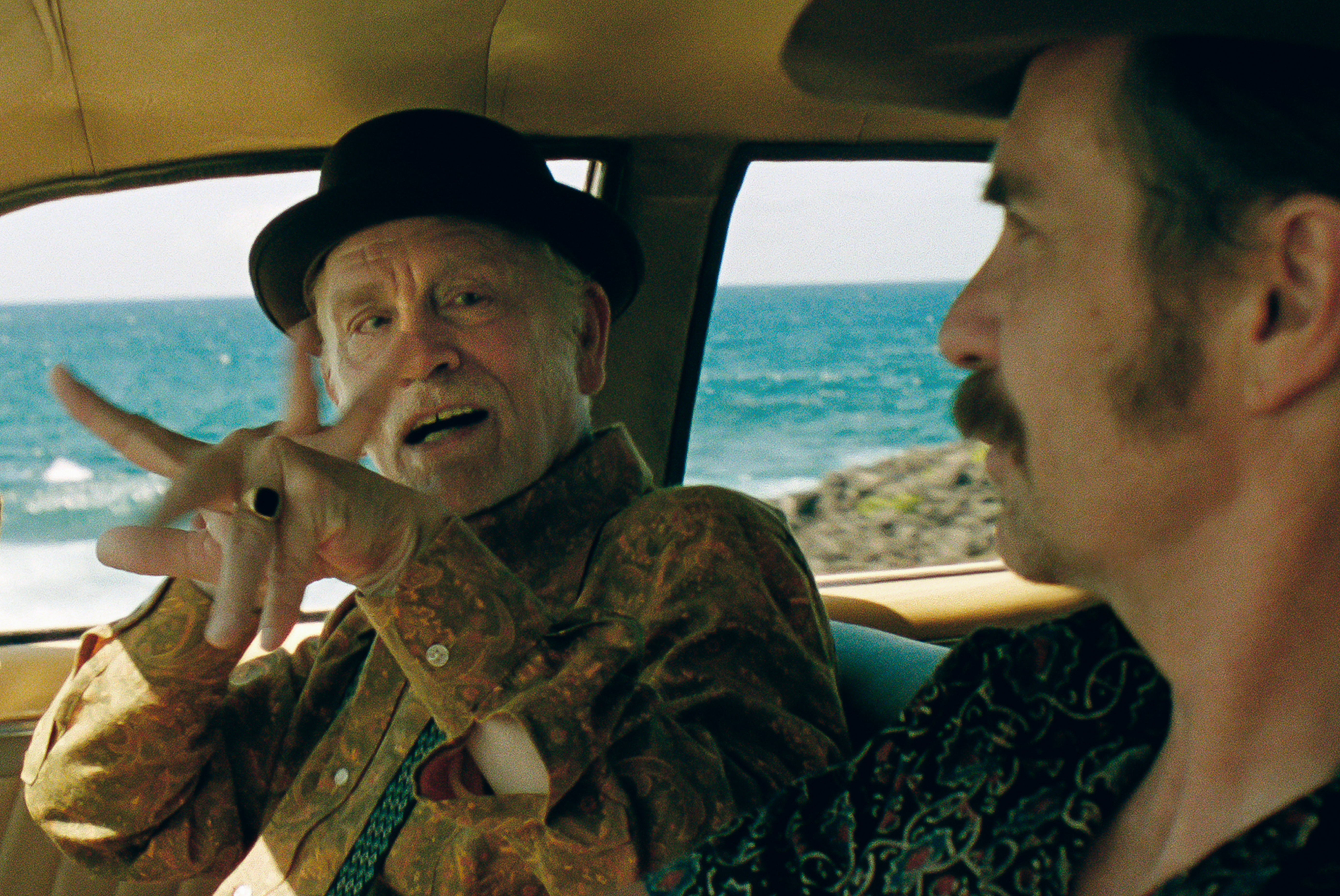
The hitmen in question in Wild Horse Nine are American CIA agents played by Sam Rockwell and John Malkovich. It is 1973, and they are based in Santiago, Chile, part of a covert detail sent to destabilise the leftist government that has been established by Salvador Allende, the first Marxist to be elected in a liberal democracy in Latin America. Allende would be murdered in a coup that year, soon to be replaced by brutal dictator Augusto Pinochet, the brutal dictator brought to power by the United States’ intervention, and who ordered the murder of thousands, the internment and torture of thousands more. Of the many, many undercover acts of political meddling carried out by the United States in Latin America and elsewhere, the reign of Pinochet remains one of the most unforgivable. The shadow of this monumental turning of the wheel of history looms large over Chris and Lee, who travel to Rapa Nui (otherwise known as Easter Island) to see ‘The Big Heads’, the moai: such is the dying wish of Malkovich’s Chris, who is in the very late stages of cancer. Chris has been behaving erratically, spilling trade secrets to local student protestors Monica and Alicia (Mariana di Girolamo and Ailín Salas) with glee, and planning to tell all in his memoirs, which he is dictating to a tape recorder. Lee is there as an overseer, though he also is working to keep the wolfish MJ (Steve Buscemi), their higher-up, at bay, as word of Chris’ loose lips reach CIA ears. Lee also has another, secret mission which I won’t spoil here, but which adds a further dark layer to this story of hideous actions regretted too late to ever be amended.
The film is predictably handsome, with regular Marvel cinematographer Ben Davis flexing muscles he probably doesn’t get to use in that stable very often, capturing Rapa Nui’s rugged splendour alongside the Western inflections (both political and genre-based) of its protagonists. The film is open about its blind-spots: there are almost no indigenous locals of Rapa Nui to be found anywhere in Wild Horse Nine, quite purposefully, as Lee and Chris move through the space with the pigheaded, assuming confidence of colonisers, soaking up the sunshine while Chile falls into the hands of monsters they groomed. As with Banshees, In Bruges, and McDonagh’s worst film, the lamentable Three Billboards Outside Ebbing, Missouri, the director is totally dedicated to making his characters irredeemable, while also being determined in getting us to like them. That this works with such obvious assholes is down to the sheer force of charisma the leads are deploying — regular McDonagh collaborator Sam Rockwell and John Malkovich, in fine-tuned performances certain to attain awards recognition. Malkovich’s is the flashier performance, his Chris a glum, fiery oddity terrified to find death rapping at his door. Rockwell is largely in support, but there’s a gravitas to his guilt-ridden spy that crept up on me in the film’s final sequences. McDonagh clearly likes his characters, while also happily damning them, and it can at times be hard to locate where the director’s true sympathies lie — an unease I imagine he welcomes.
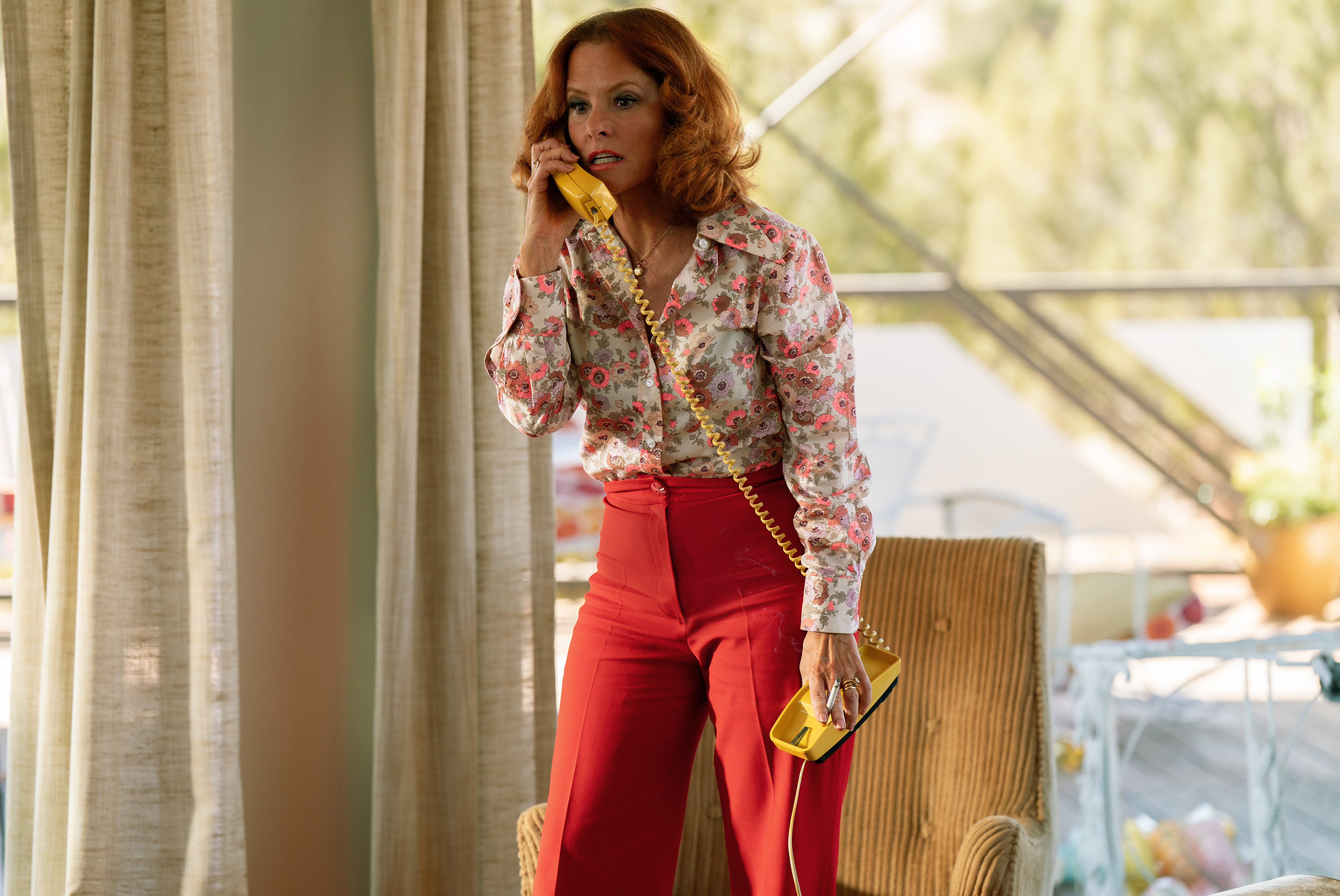
The most productive element of Wild Horse Nine is the interplay between Chris and the student protestor he forms a bond with, di Girolamo’s Monica. So superb in Pablo Larraín’s strange and unplaceable reggaeton dance epic Ema, hers in the performance that brings Malkovich’s to life, and extends Wild Horse Nine beyond mere hitman shenanigans. Chris is a character realising a life of lies and executions are likely to send him to Hell (he’s very concerned with notions of the afterlife). Where a lesser film might see Chris exhaustively berating Monica’s ‘kids today’ idealism (and there is a little of this, to be fair), Wild Horse Nine is ultimately cleverer, allowing the pair’s opposing ideals to exact a kind of personal, liberating force — even if Chris’ (and McDonagh’s) belief in any kind of large-scale social change is essentially nought. This interplay proves to be the crucial layer of nuance Wild Horse Nine requires. McDonagh is quite clearly evoking the high school classic Of Mice and Men in the interplay of Lee and Chris, a loaded, politically-minded text that signals the novelistic ambitions of the director as he settles into mid-career. Wild Horse Nine bears little of Steinbeck’s resolute anger — McDonagh is a true-blue pessimist, and this is a deeply pessimistic film, with a resigned sense of hopelessness about an empire that continues to exert its violent vicegrip the world over. The saving grace of this approach is McDonagh’s faint aura of self-awareness, defined by di Girolamo’s character. If McDonagh is aligning himself with Chris and Lee, which seems likely, the film’s denouement suggests that, while there are things Chris’ generation can teach us, just because they can’t conceive of a brighter day ahead doesn’t mean one can’t exist. That goes for McDonagh, too. There’s a world out there where good things could happen, sometime. It just won’t be achieved by anyone working for the CIA.
Wild Horse Nine opens in cinemas nationwide on 5 November.