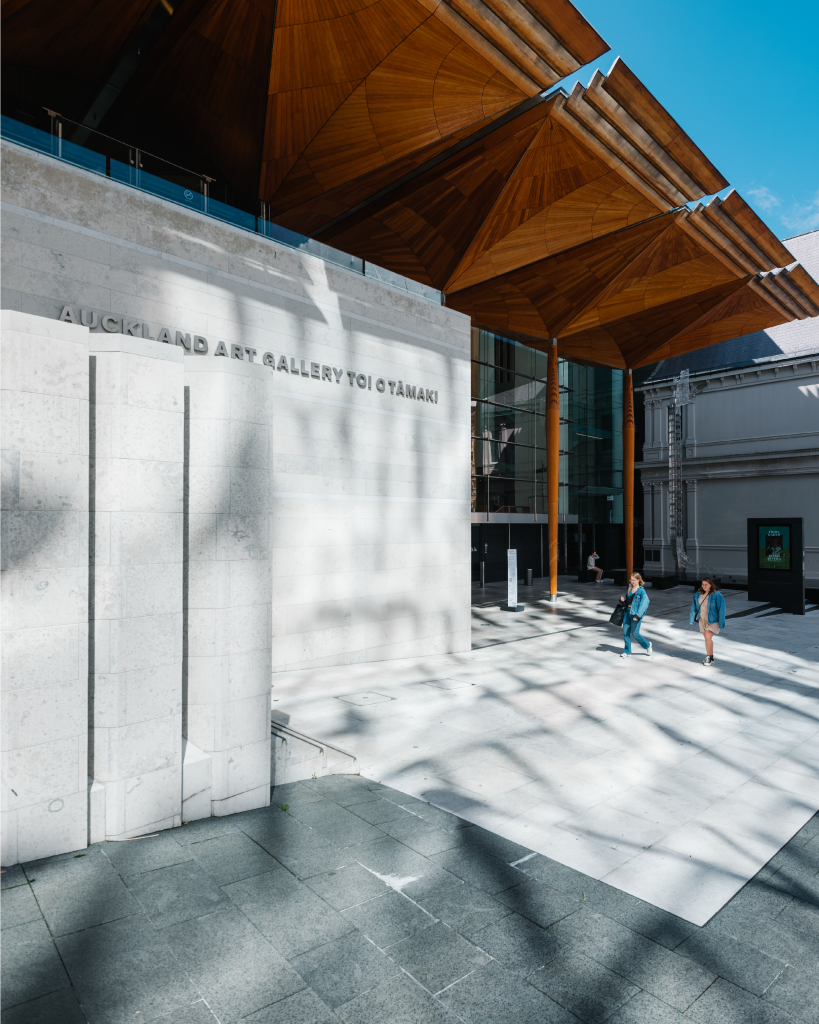
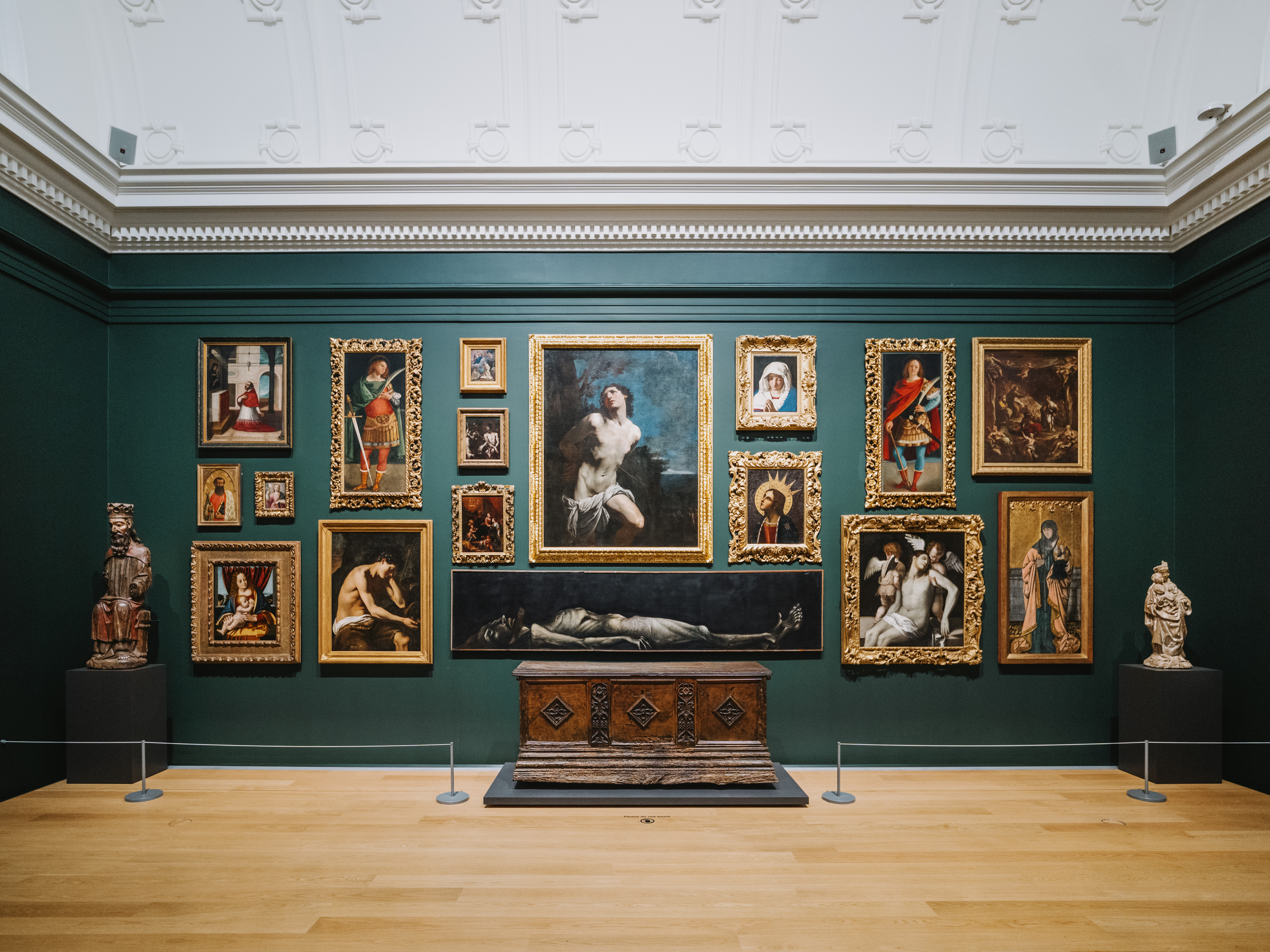
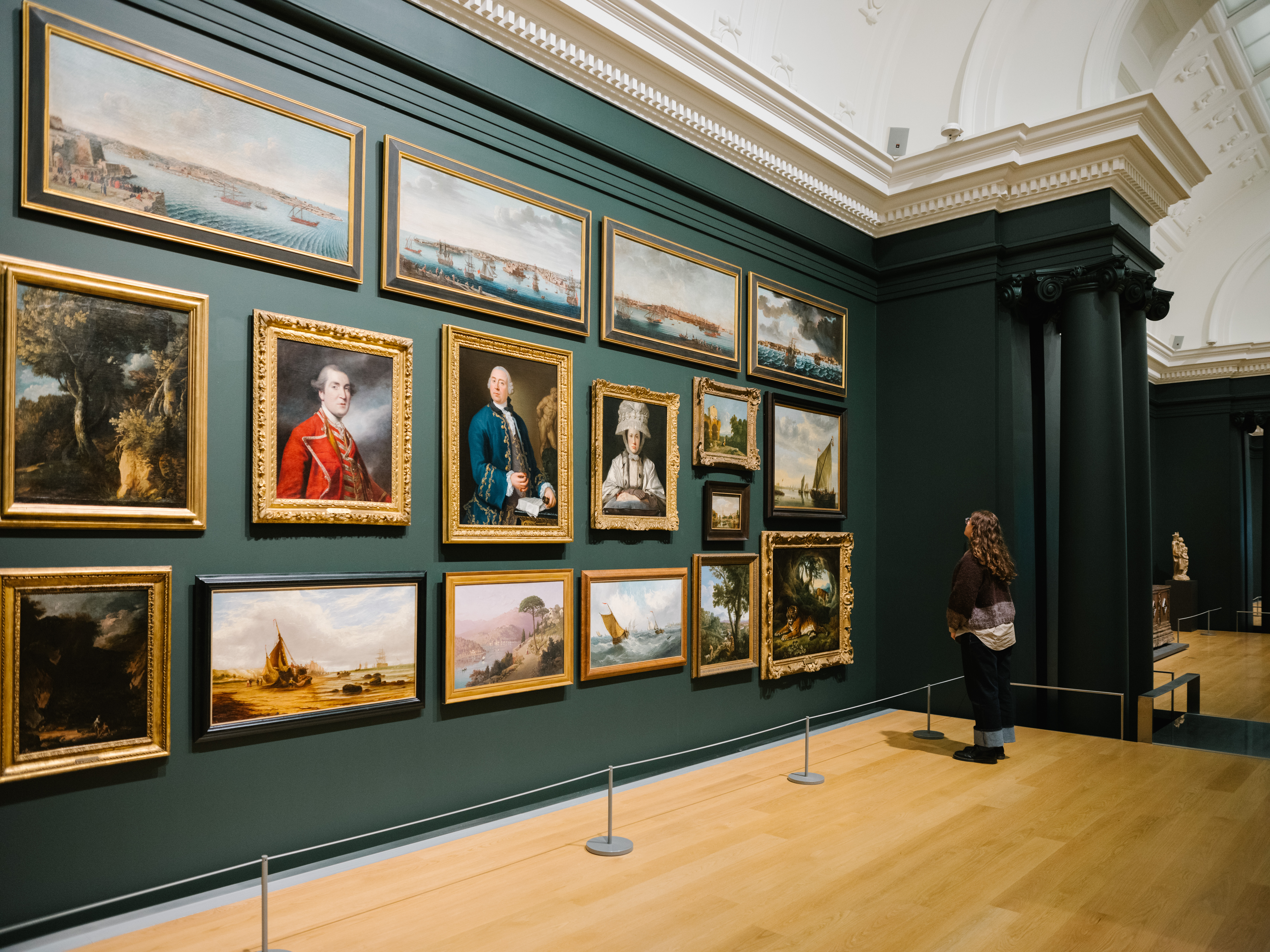
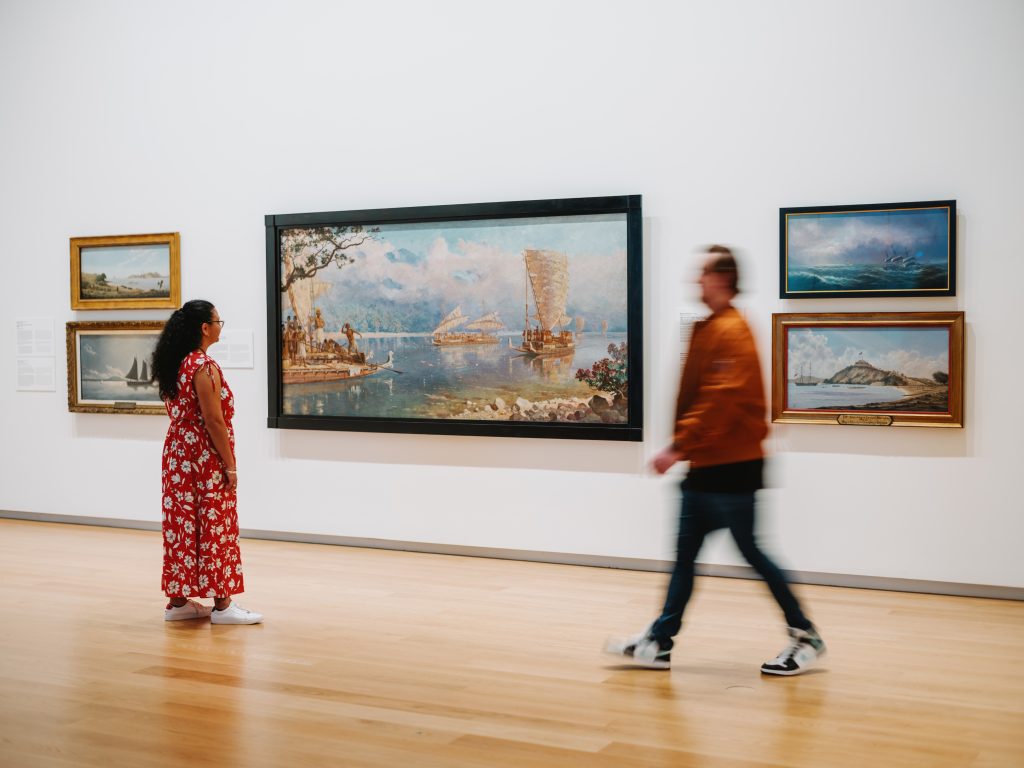
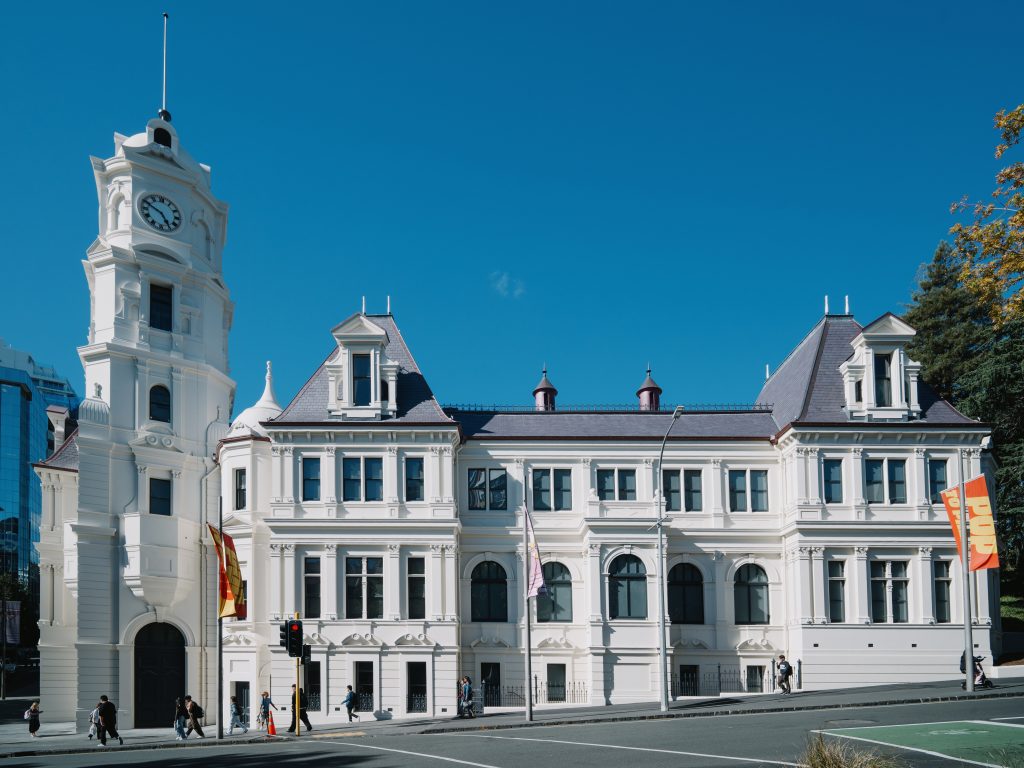
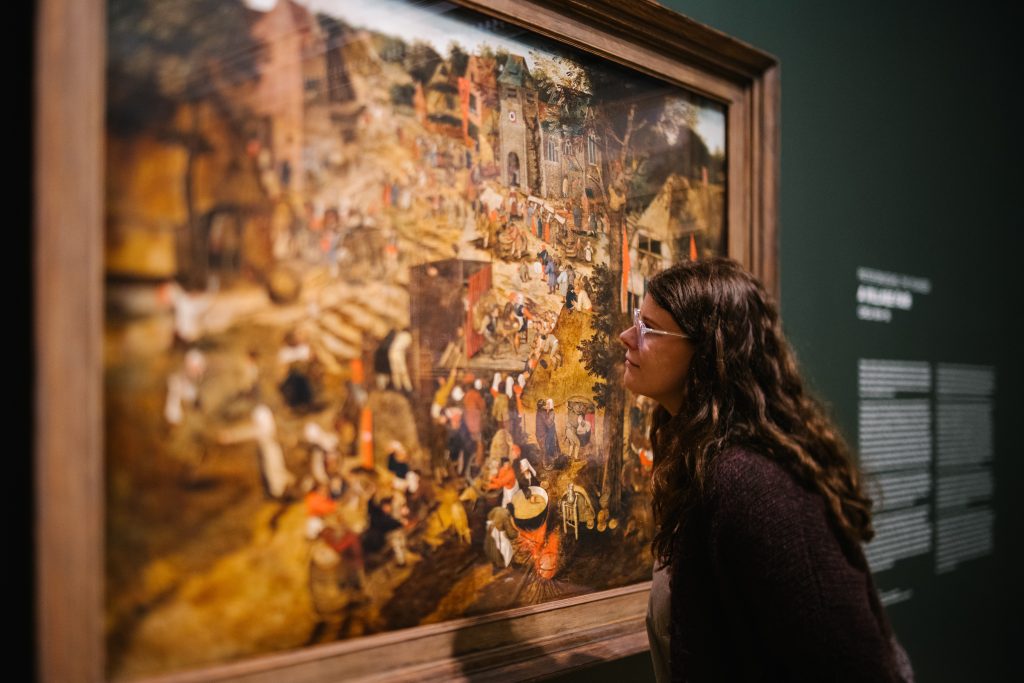
That is the thought that stayed with me after speaking with Dr Zara Stanhope, Director of Auckland Art Gallery Toi o Tāmaki. For Stanhope, the Gallery becomes meaningful through what actually happens inside it: rangatahi seeing their own photographs on the walls through Kiritai, whānau spending time with portraits of tūpuna in Ngā Taonga Tūturu: Treasured Māori Portraits, or someone simply walking in during a lunch break and finding something that makes them stop.
Stanhope brings more than 30 years of experience across Aotearoa and Australia as a curator, researcher and arts leader. She has worked across institutions including QAGOMA, Heide Museum of Modern Art, Adam Art Gallery and Monash University Museum of Art, curated more than 50 exhibitions and was involved with New Zealand’s presentation at the 2019 Venice Biennale.
So when she talks about what a public gallery should be, she does so with the advantage of having spent decades watching people actually use them.
There is no single way to look
We live in an age where a painting competes with a vibrating phone, but Stanhope is not interested in turning the Gallery into another attention machine.
She gives a simpler answer.
One visitor may be drawn to the colour and playfulness of Picasso: Designed by Paul Smith. Another may notice Reuben Paterson’s Guide Kaiārahi sparkling in the sunlight outside the Gallery and again when it is illuminated at night. Others may come for a weekly Drop in Drawing session.
The point is not that everyone must stand reverently in front of one work for twenty minutes.
The point is that the Gallery offers enough different doors in for people to find their own.
“Our responsibility is to provide a breadth of art and ideas so that people can find their own point of connection.”
A collection should keep moving
Stanhope describes the collection as a living resource, and Taimoana | Coastlines: Art in Aotearoa is a good example of what she means.
Rather than separating historical, modern and contemporary works into neat little compartments, the exhibition brings them together through the coastline — allowing works from different periods to speak to each other.
That same approach continues through research, collaboration with living artists and communities, and new acquisitions that strengthen areas where some perspectives have been less visible.
A collection, in other words, is not interesting because it has survived.
It is interesting because we keep finding new ways to look at it.
Stanhope is equally specific about the Gallery’s responsibility to artists from Aotearoa and the Pacific.
That means more than simply hanging the work.
It means lending works to institutions overseas, producing publications, commissioning new pieces, hosting artist talks, undertaking research and building relationships with international curators and galleries.
The returning Walters Prize is another example. It creates national attention around contemporary New Zealand art while the involvement of an international judge helps connect those artists to a wider conversation.
This is how “international reach” stops being a slogan and becomes something practical.
The Gallery does not end at the doors
Perhaps the clearest example of Stanhope’s thinking is the way she talks about what happens after someone leaves the building.
A visitor might continue through Art Toi, read an online article, or watch a film about an artist they have just encountered. Someone unable to visit Auckland at all can still connect with the work that way.
Stanhope points to short films by Judy Millar as an example of what film can add: not just an image of the finished work, but access to the artist’s process, surroundings, influences and decisions.
A painting can sit on the wall and keep its secrets.
Film can show us the studio, the hand, the hesitation, the decision.
For all the scale of the job, Stanhope’s favourite examples are small.
A person concentrating in a workshop.
Someone enjoying the moment they understand something in a talk.
Students celebrating their own work at the Pat Hanly Awards.
And when she looks ten years ahead, the ambition is larger: a Gallery that helps shape creative thinking and imagination, honours Te Tiriti o Waitangi and reflects Aotearoa’s place in Te Moana nui-a-Kiwa.