The Quiet Theatre of Clay

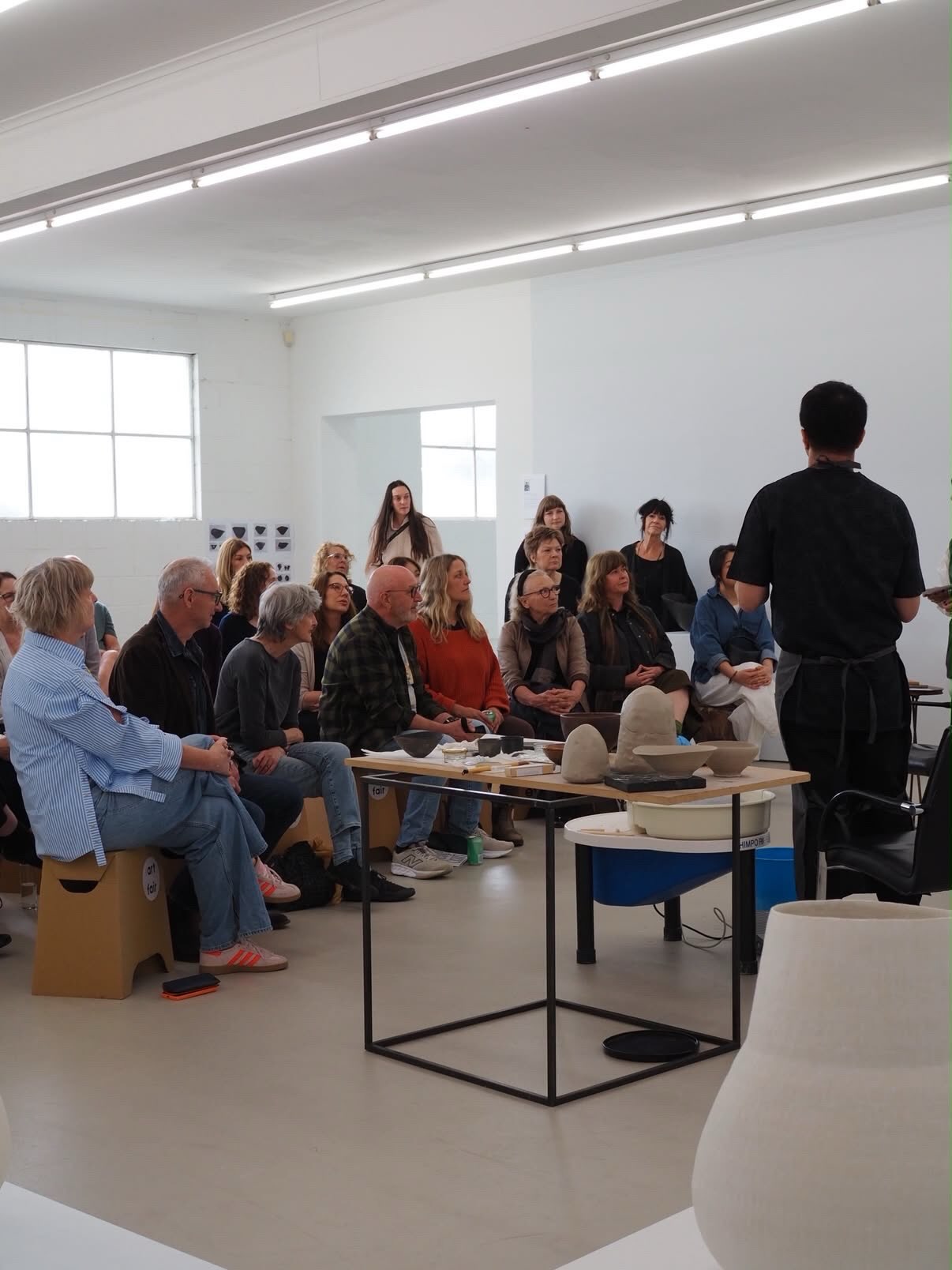
The room had gone quiet enough to hear the wheel.

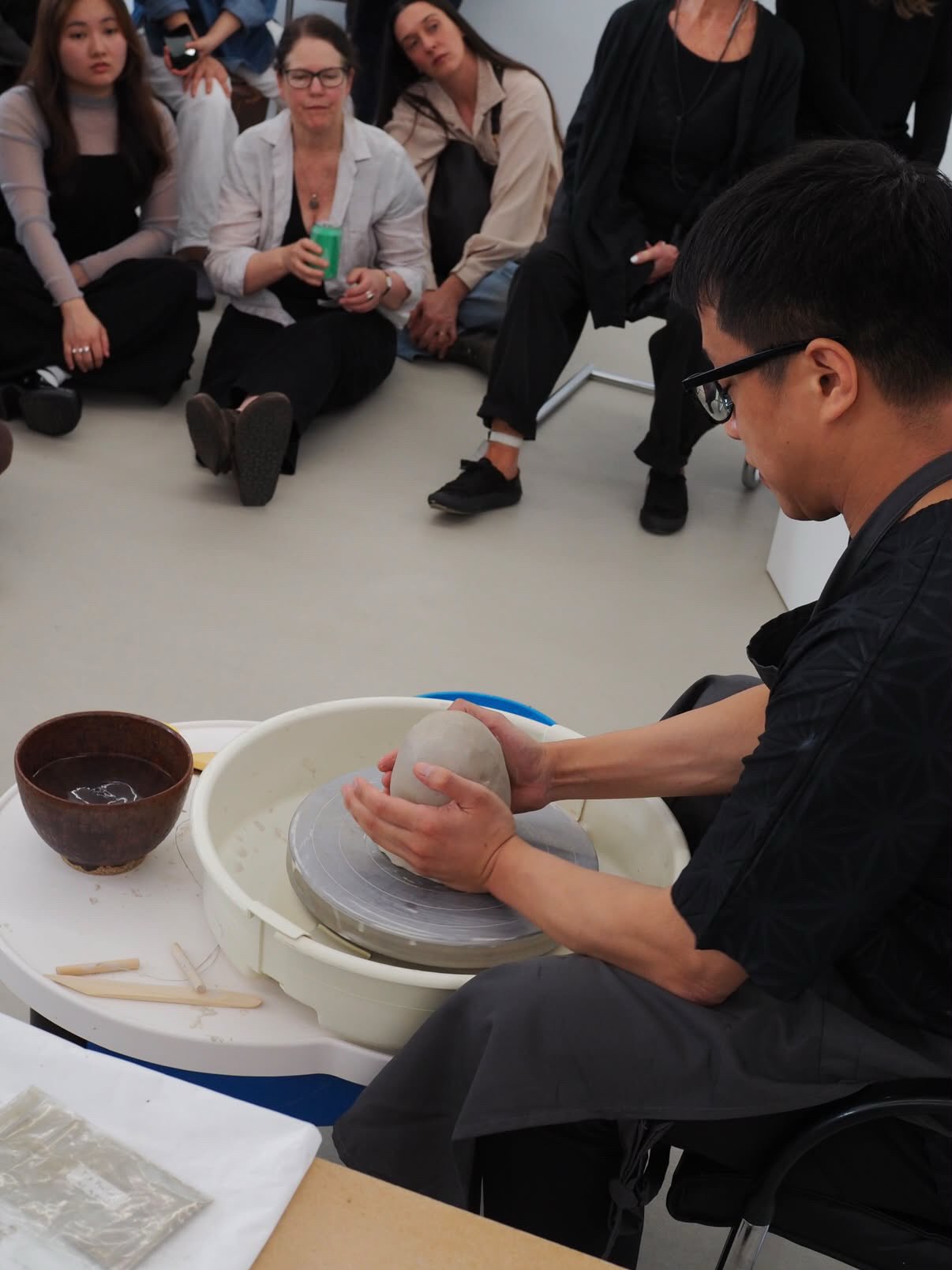
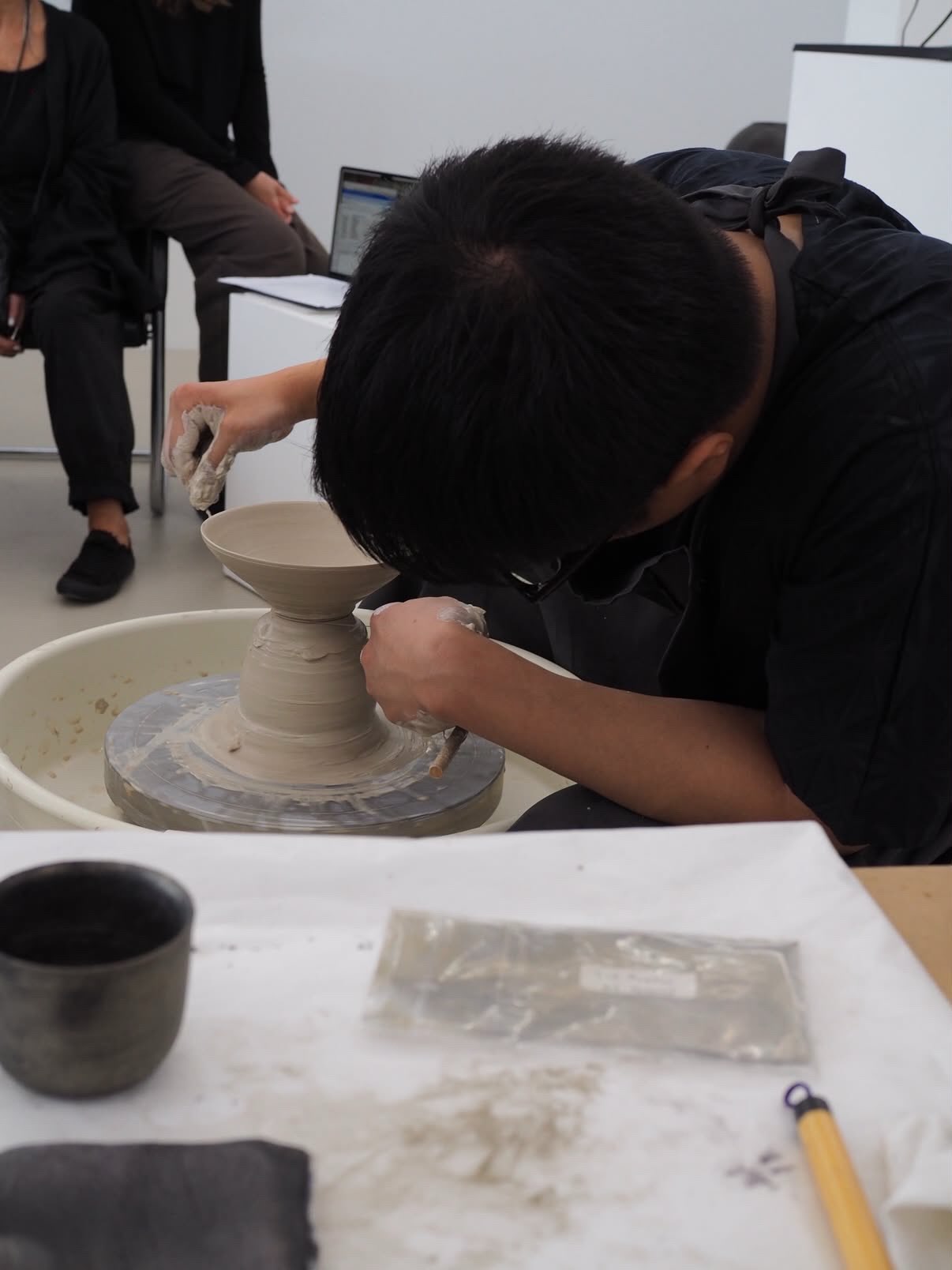
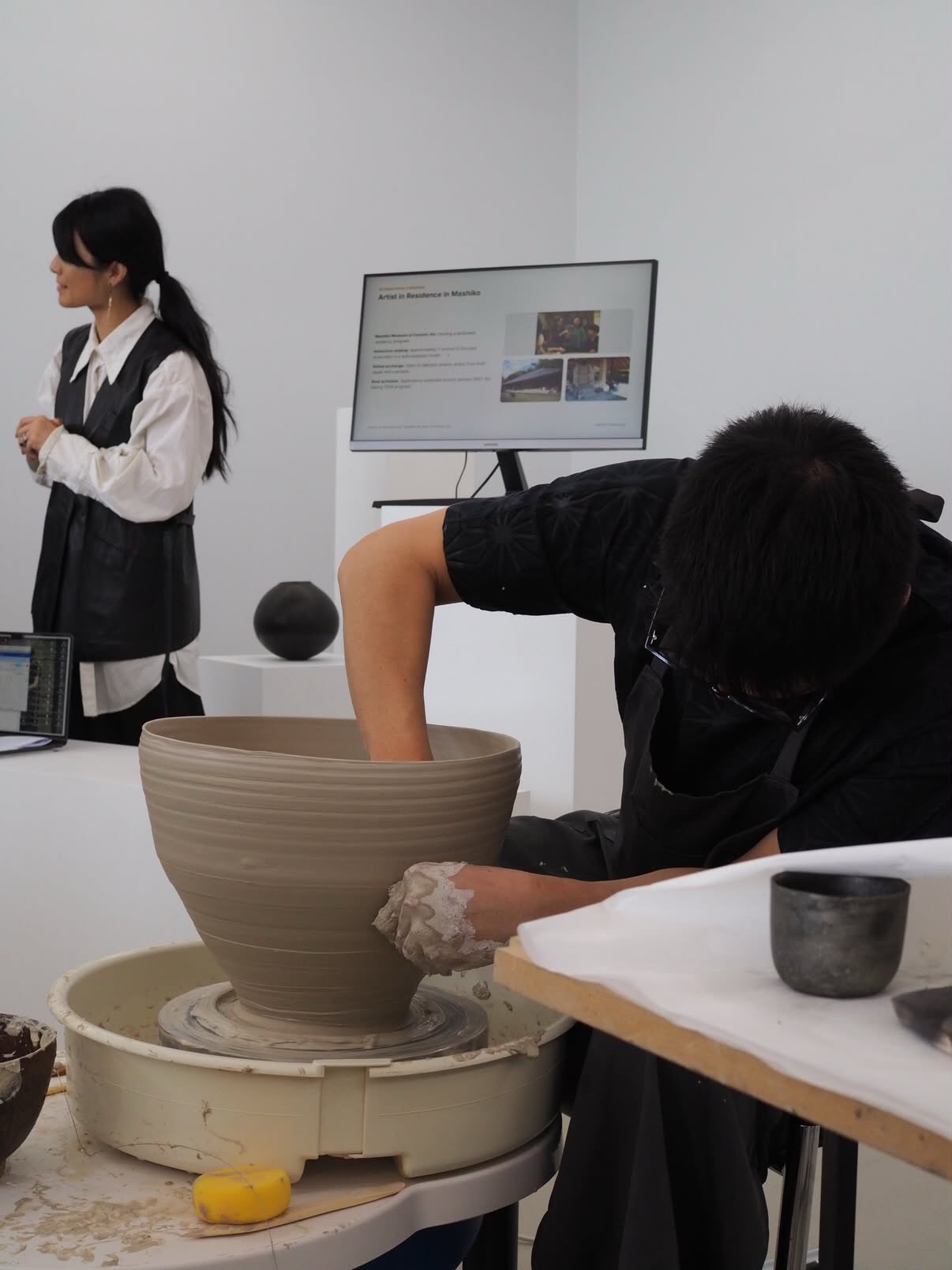
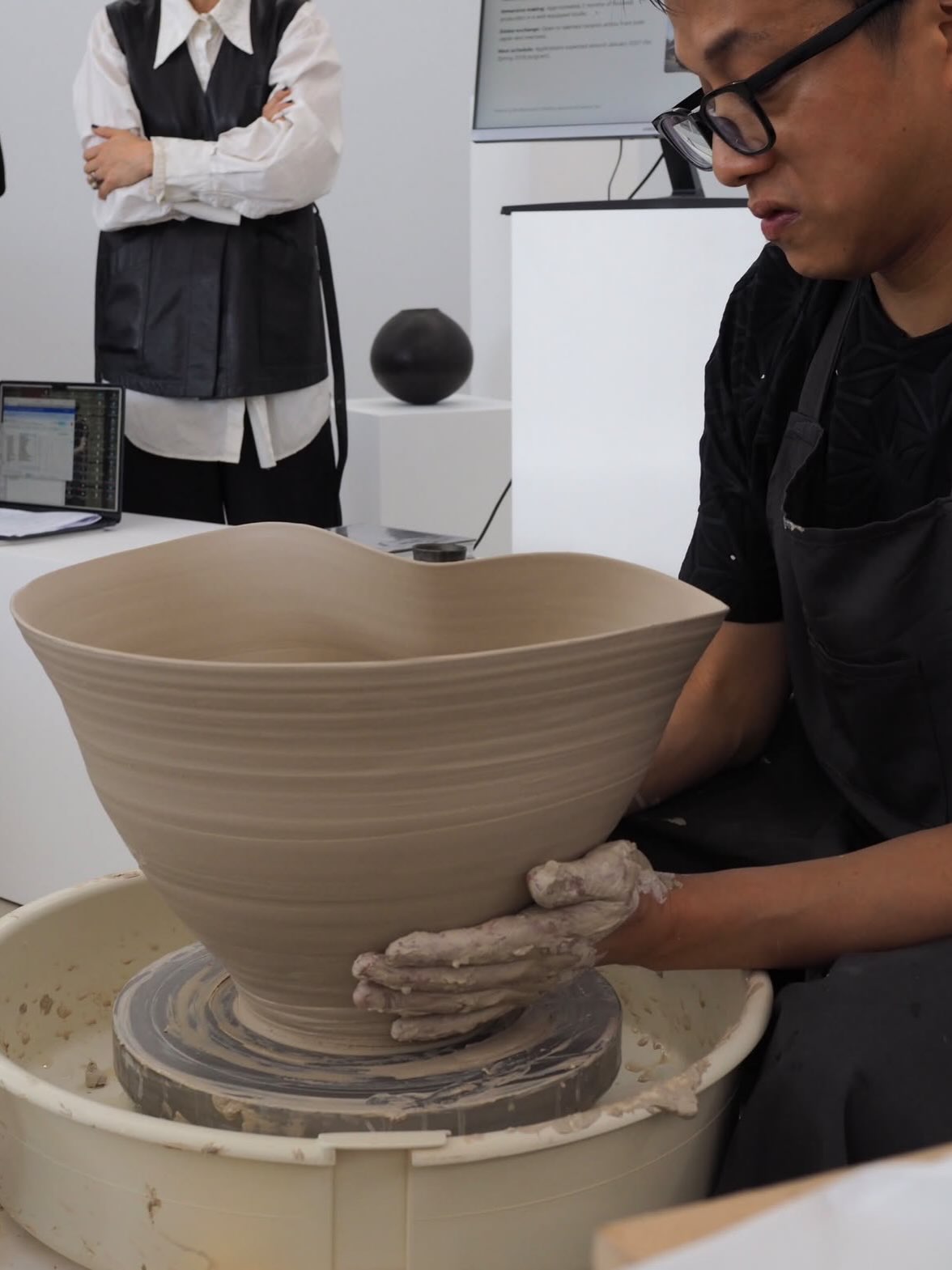
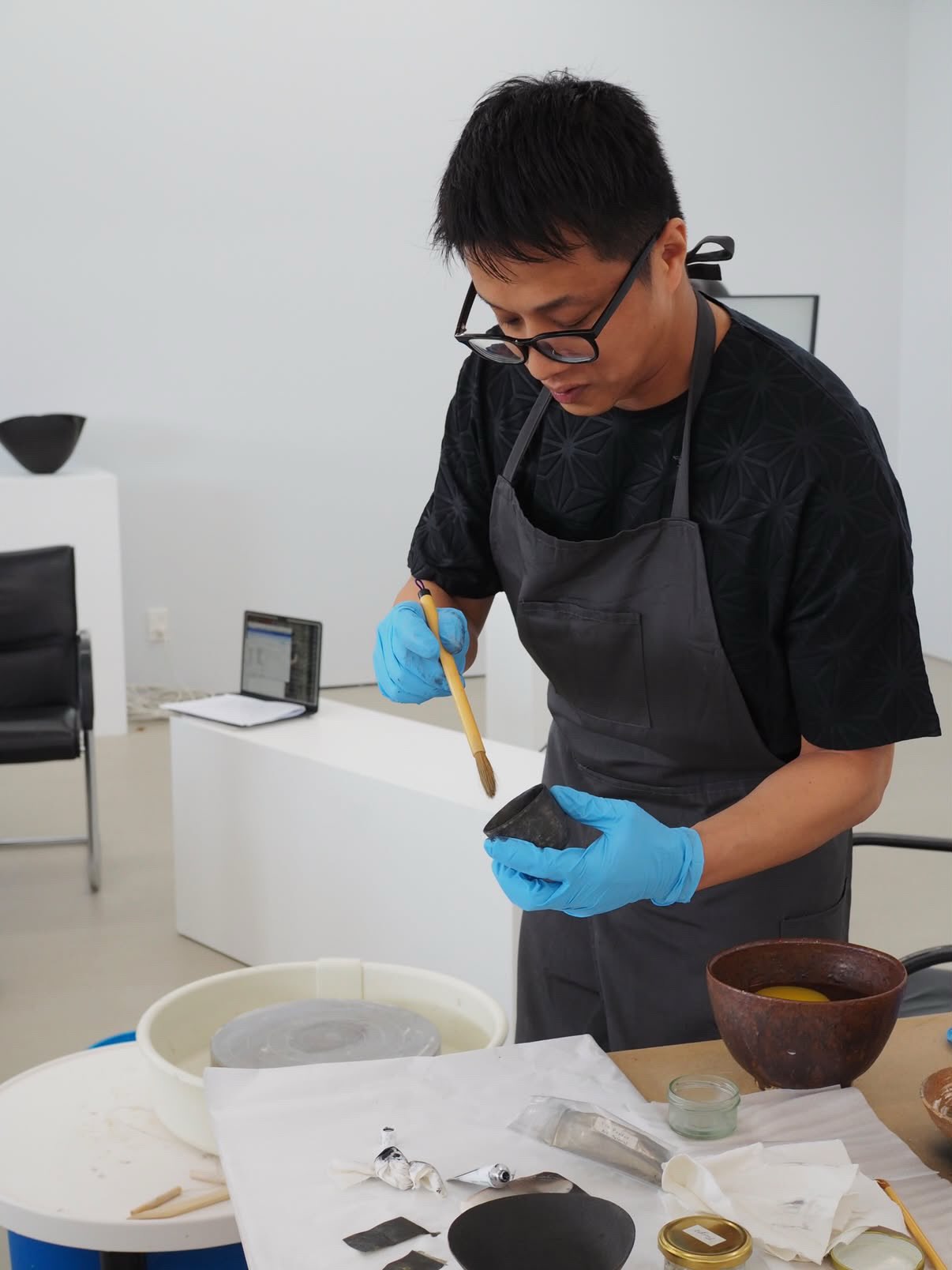
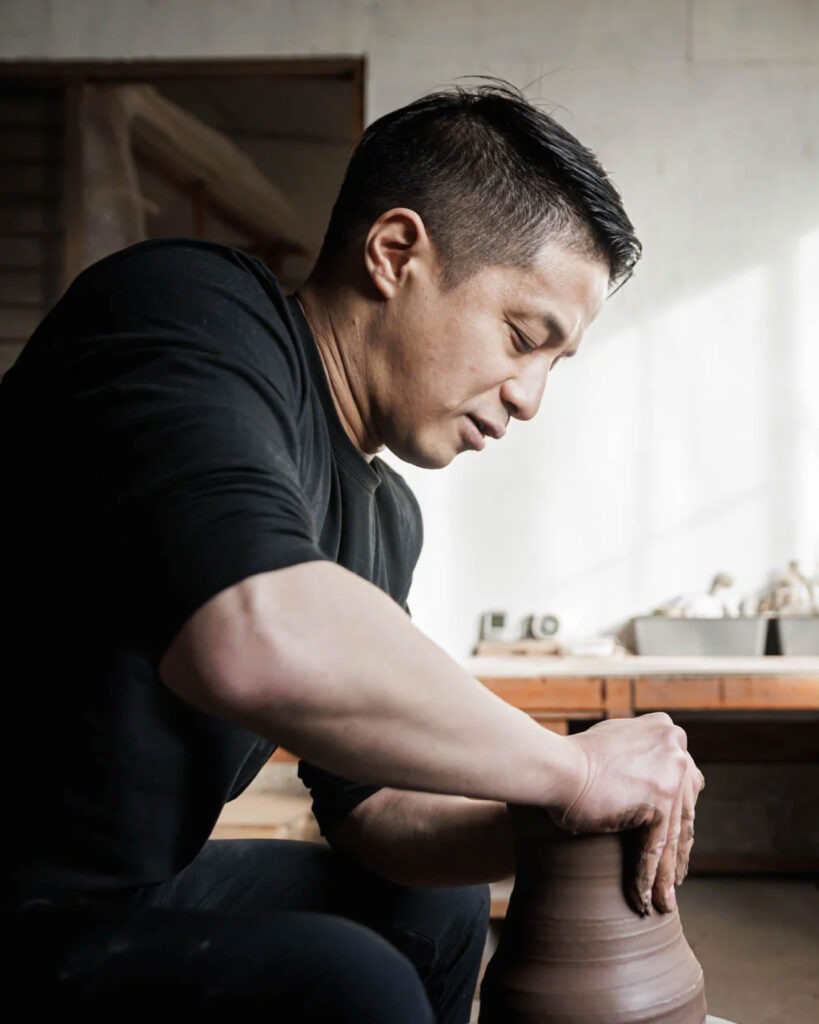
At its centre, Koichi Onozawa leaned over a turning piece of clay with the sort of concentration that makes everyone else instinctively stop moving. A few centimetres of pressure from his fingers, and the form changed completely.

That was the moment I understood what we were really watching.

Not pottery.

Mastery.

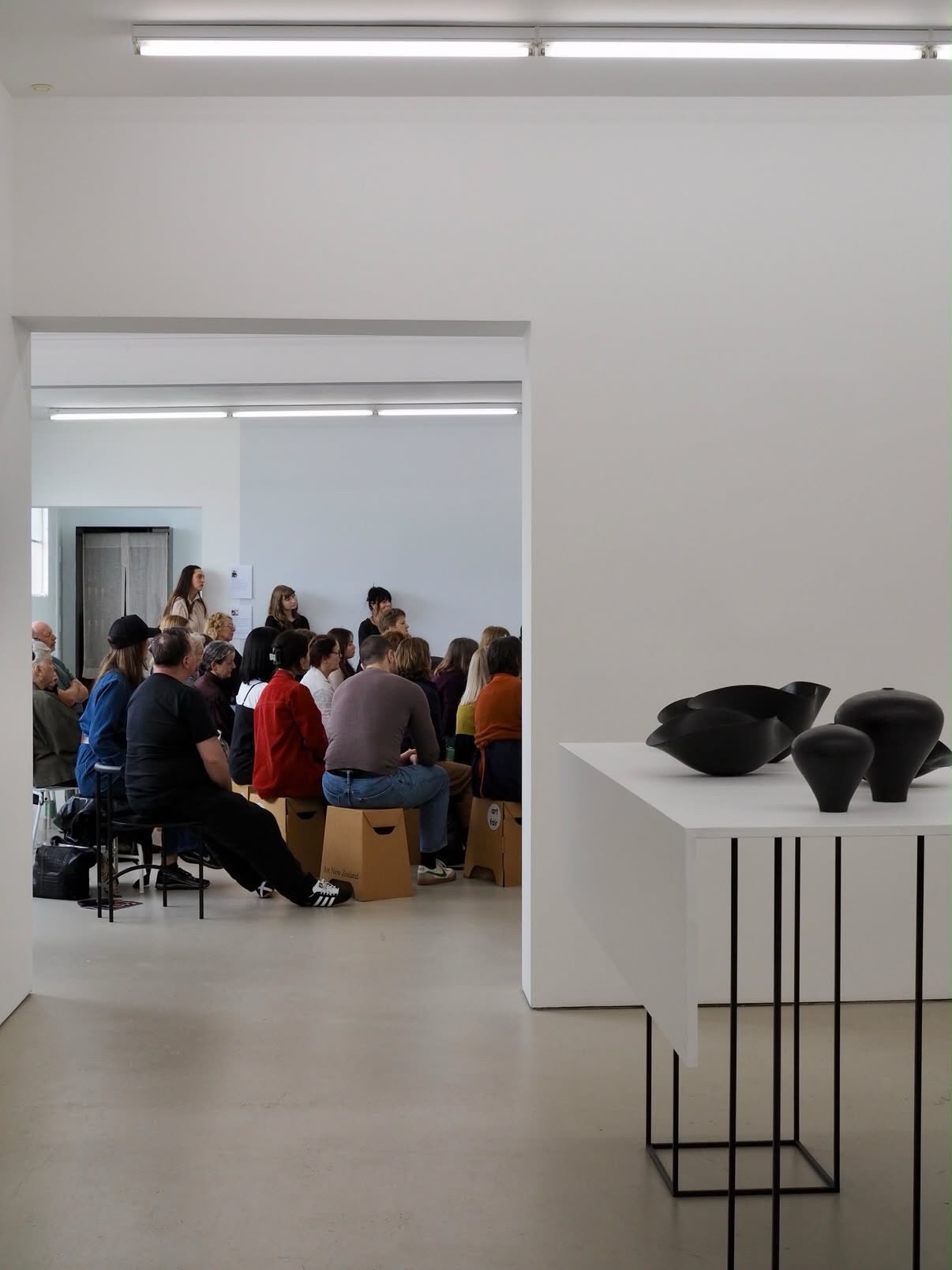
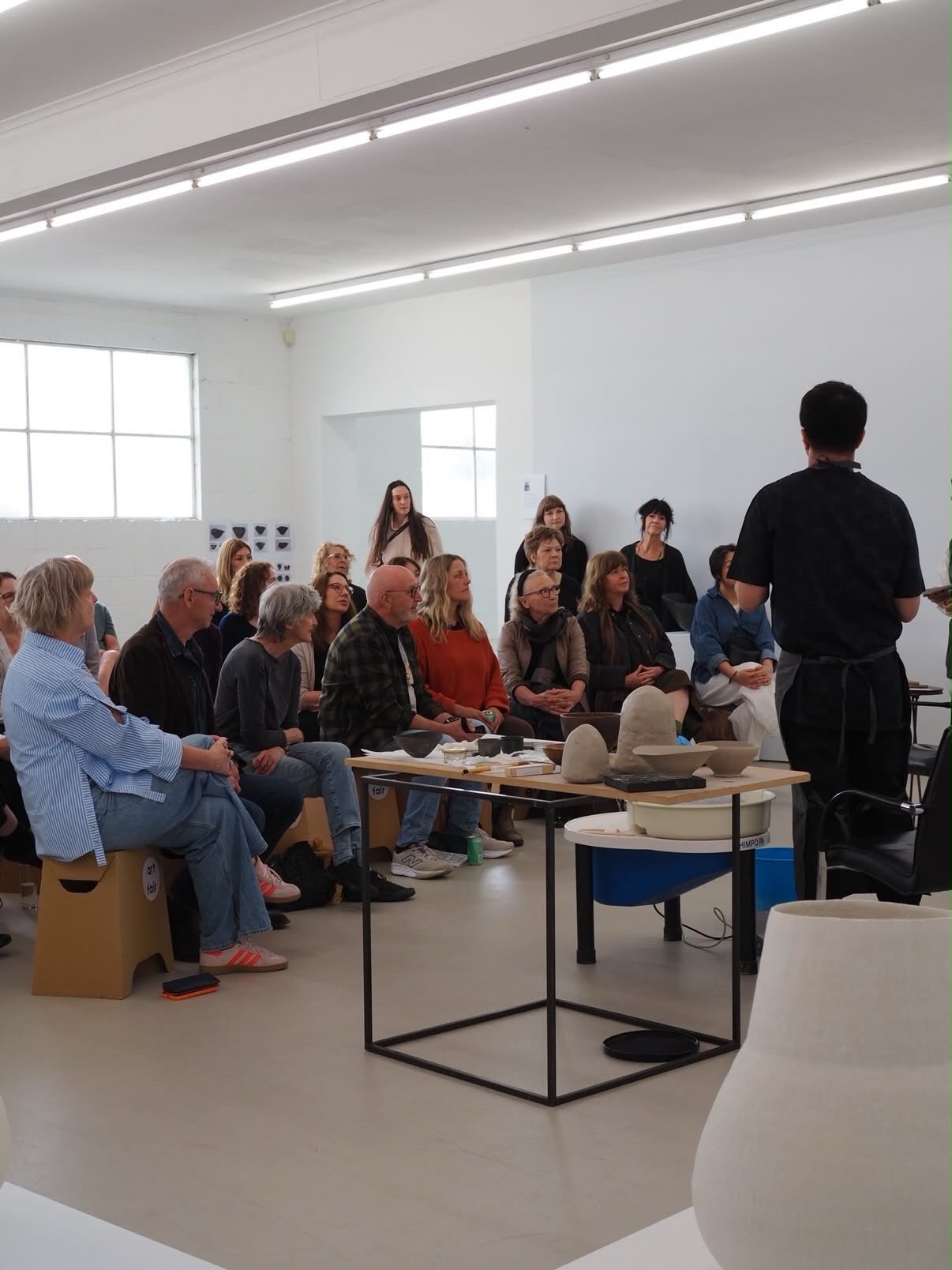
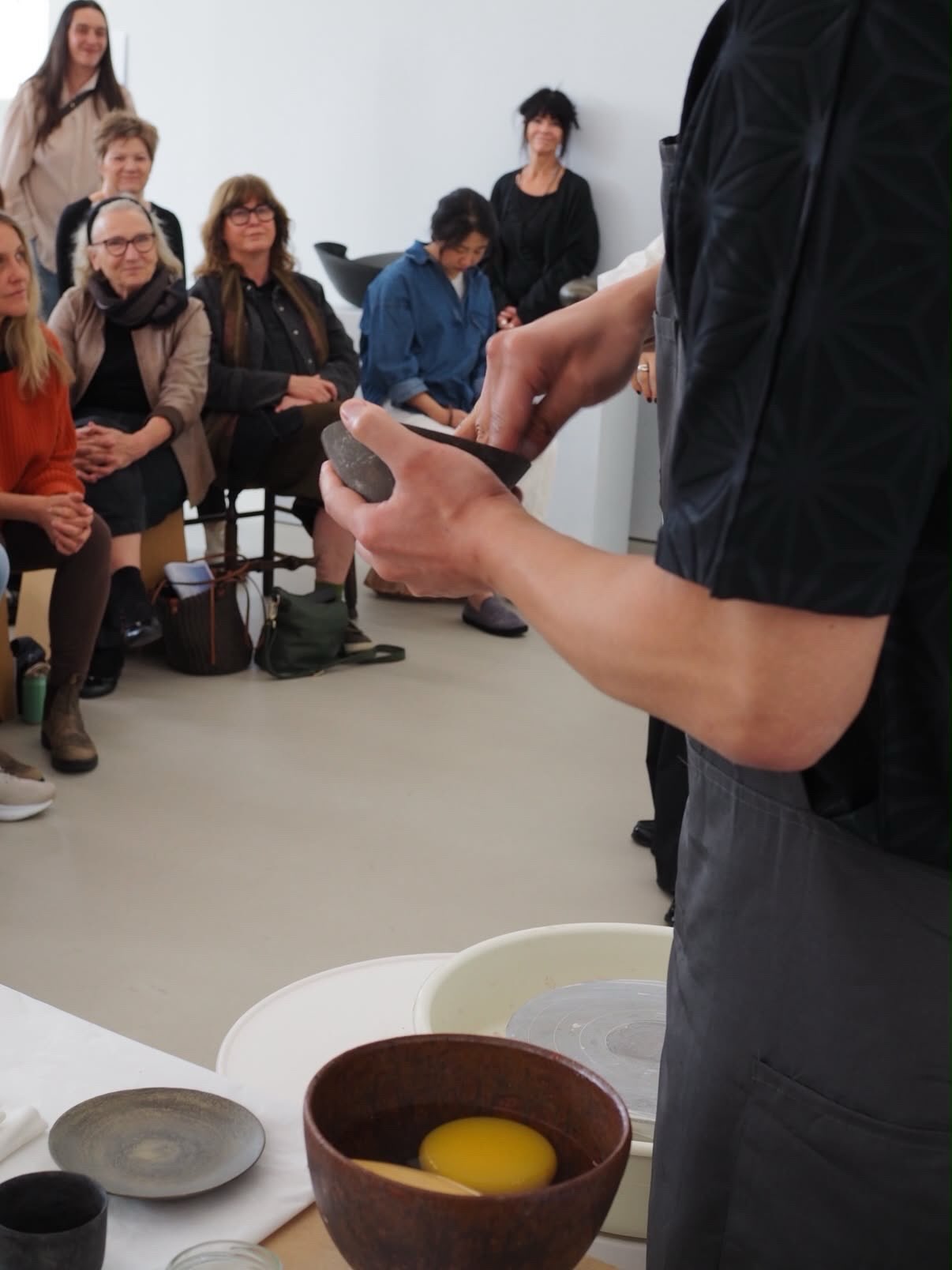
At Public Record’s new space at 142 Great North Road in Grey Lynn, I had the privilege of watching Onozawa demonstrate his practice.

And if you have ever worked with clay yourself, watching someone this accomplished can be both inspiring and faintly irritating.

He made it look far too easy.

Onozawa was born in Tokyo in 1983 and is now based in Mashiko, Tochigi Prefecture, a town synonymous with Japanese pottery. After graduating from the Tajimi Ceramic Design Institute, he established his own kiln in 2011.

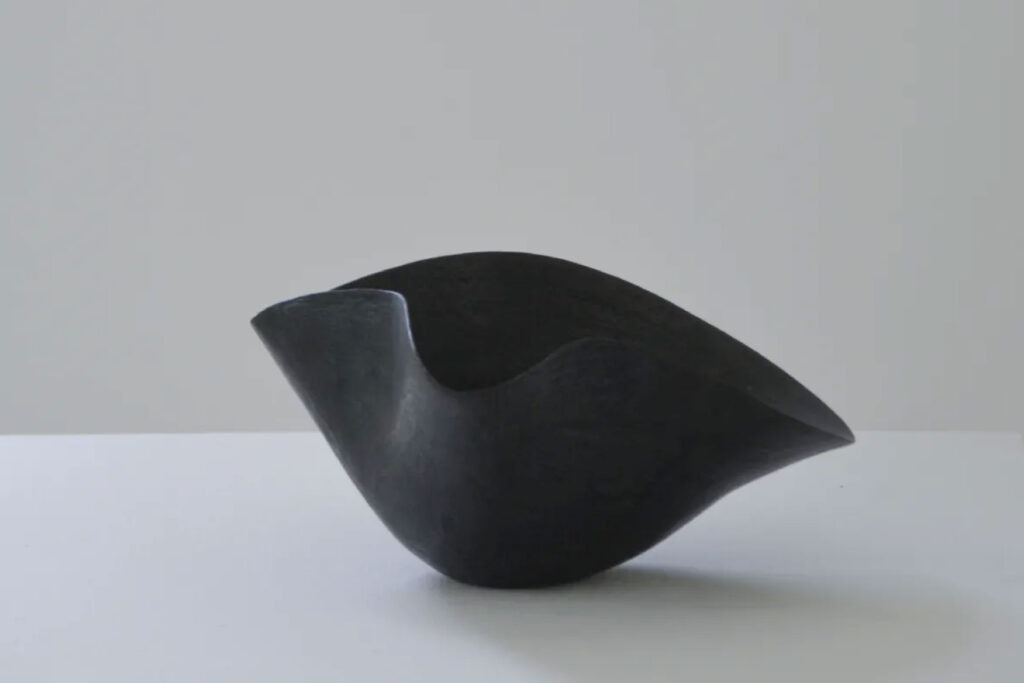
His work moves between functional vessels and sculptural forms, but what fascinates him is something more elusive: the precise moment a form comes into being.

That idea became very clear watching him work.

He does not seem interested in forcing clay into obedience. Instead, he allows small distortions, shifts in balance and uneven distributions of mass to remain visible. Sometimes they emerge naturally through the conversation between hand and clay; sometimes he introduces them deliberately.

There is control, certainly.

But never stiffness.

“I found myself watching his hands more than the pot. That was where the real story was.”

What struck me most was the economy of movement.

When you make ceramics yourself, you know how seductive overworking can be. You convince yourself the pot needs one more pull, one more scrape, one more tiny correction.

Sometimes it does.

Often it doesn’t.

Sometimes the best thing you can do for a pot is stop touching it.

Onozawa seemed to understand exactly when that moment had arrived.

There was no fussiness in the way he worked. No sense of showing off. Just the confidence that comes from having done something over and over until the body knows before the brain has finished asking the question.

“Sometimes the best thing you can do for a pot is stop touching it.”

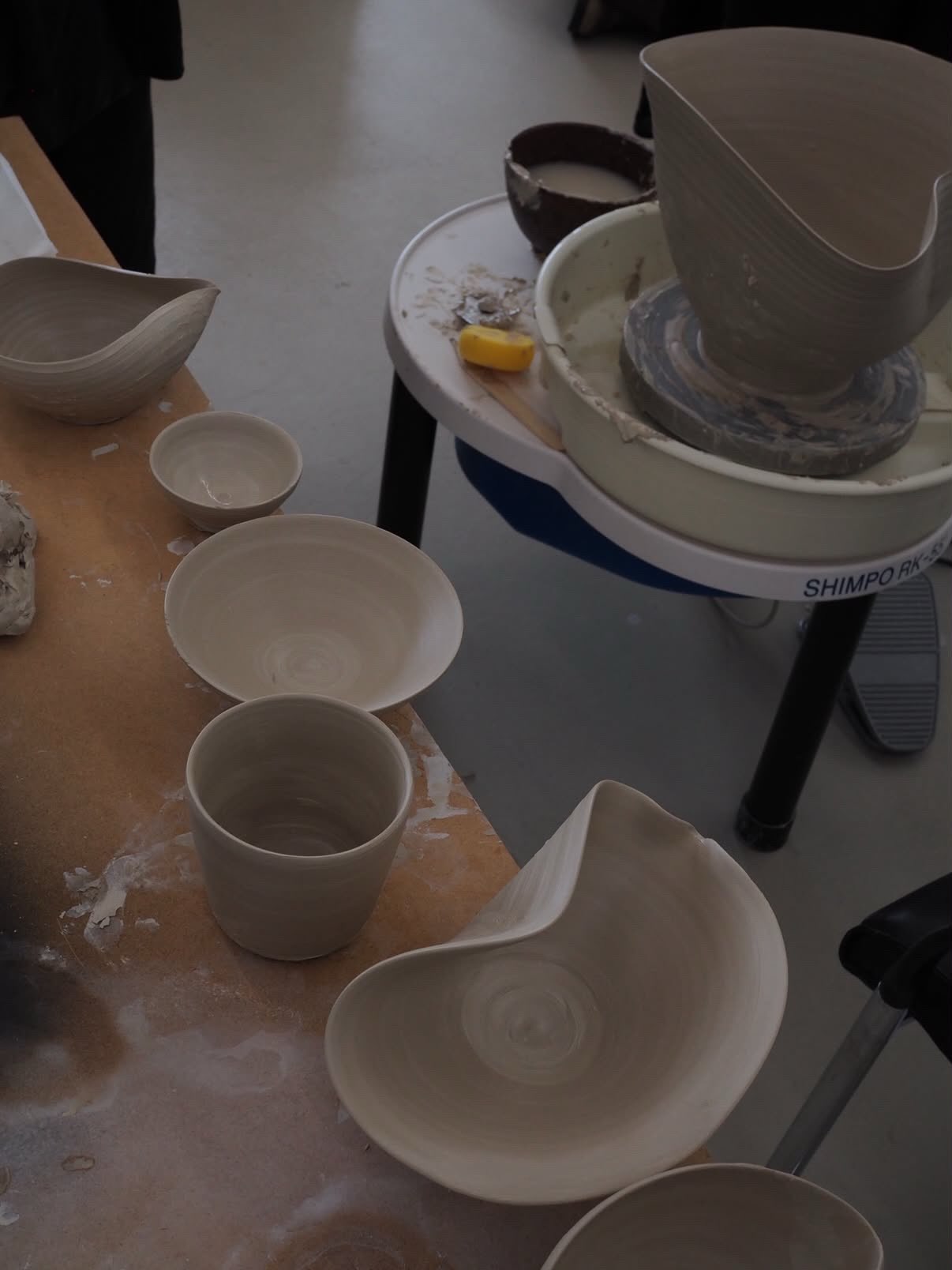
The finished object, of course, can hide all of this.

It hides the failures.

The collapsed walls.

The badly judged proportions.

The pieces that went into the reclaim bin.

And the years it took to make difficult things look simple.

A demonstration gives some of that back.

You see the decisions.

You notice how little movement is sometimes required to change everything.

And then there are Onozawa’s surfaces.

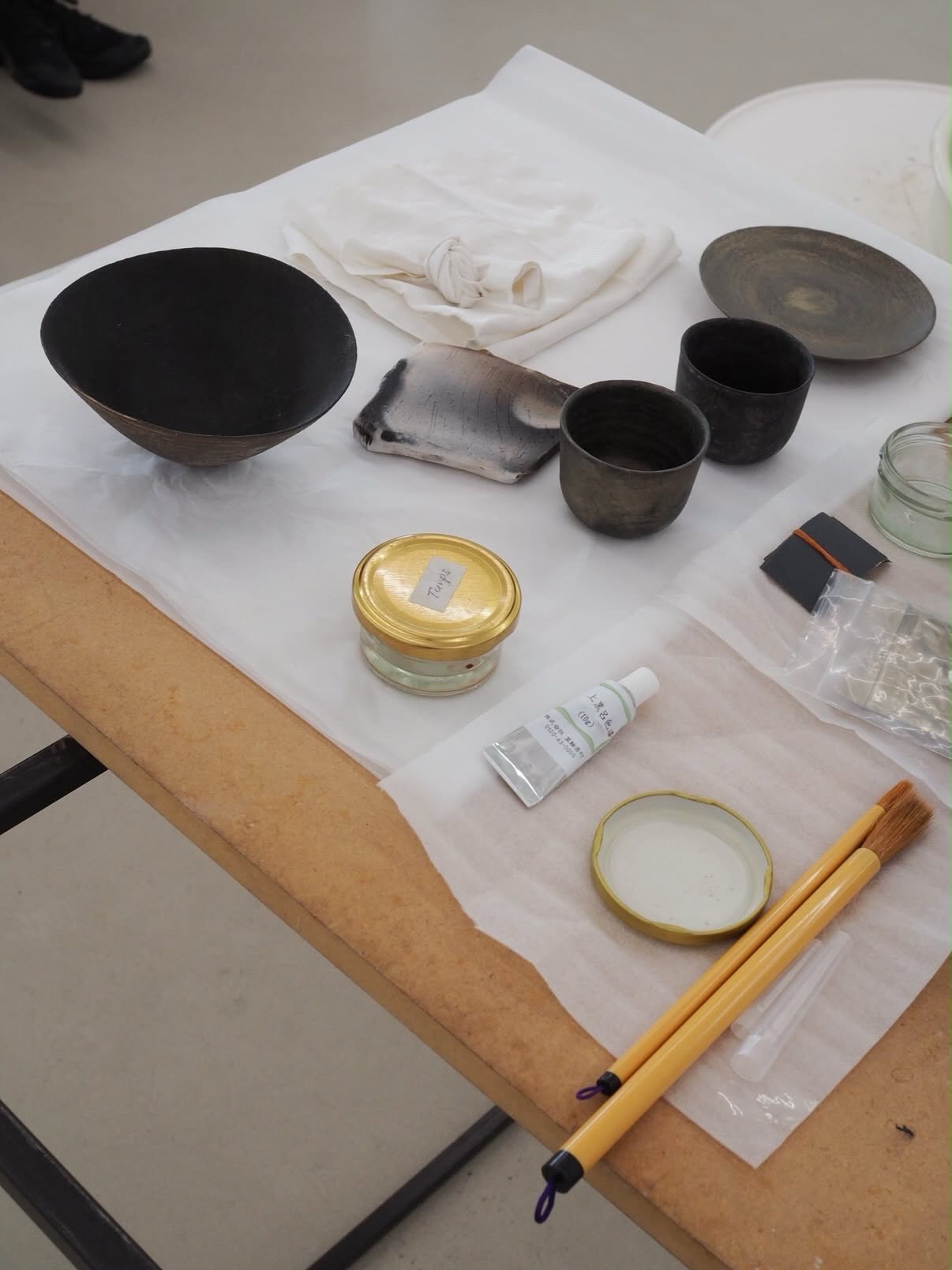
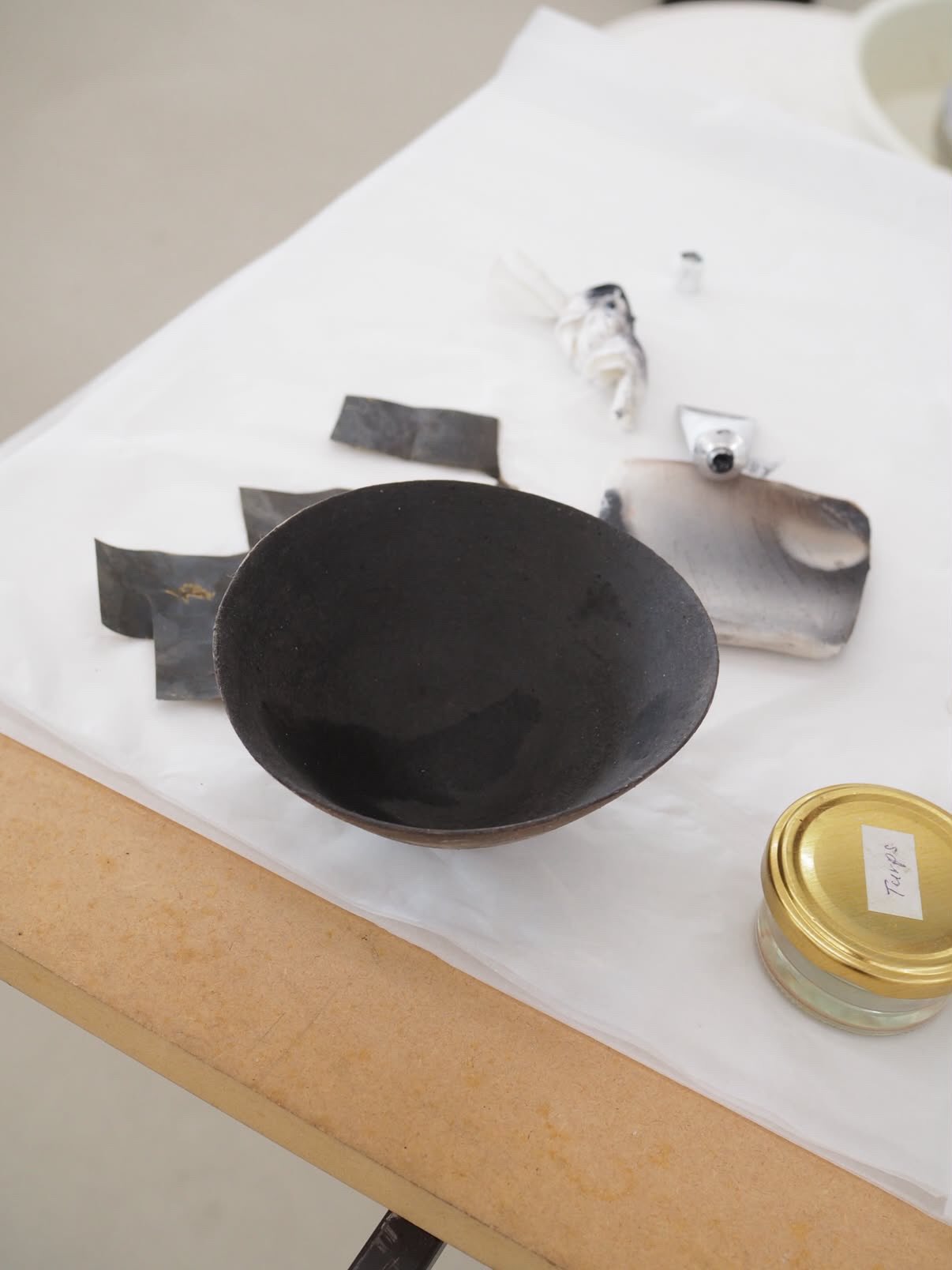
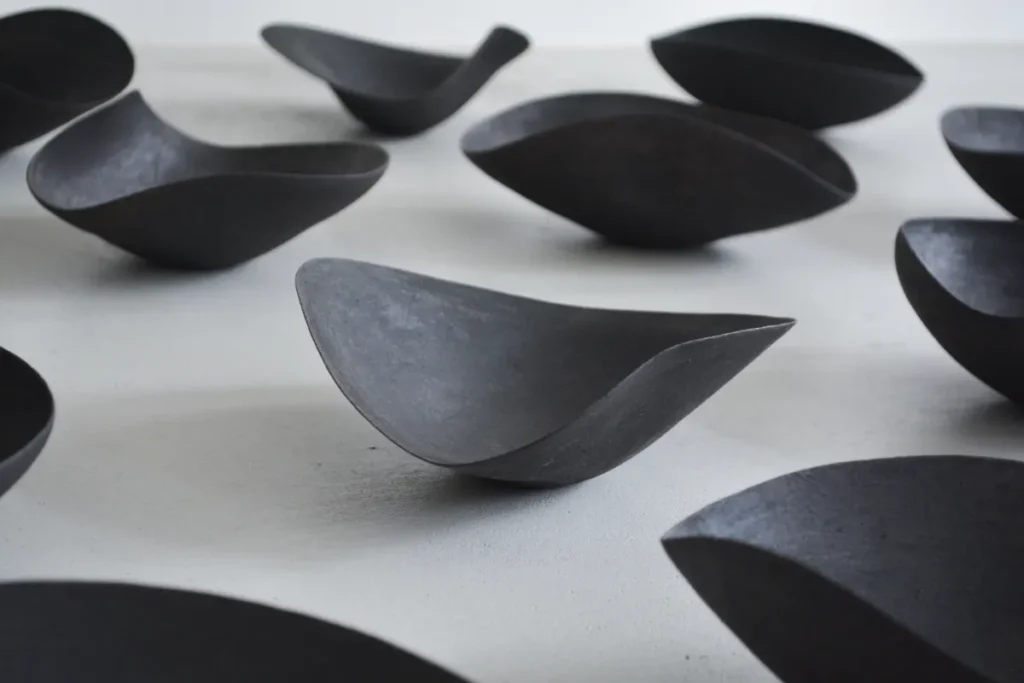
After forming, he builds up layers of clay, grinds them back and fires the work, before repeatedly applying lacquer and polishing. The result is a surface that feels weathered rather than decorated — as though time itself has been worked into the vessel.

Earlier layers remain beneath the exterior.

That feels important.

These objects do not pretend to have appeared perfect and complete. They carry traces of what came before.

In that sense, the surface becomes a kind of memory.

Onozawa’s work has travelled well beyond Japan, with exhibitions in China, Europe and the United States. He has shown at the Knoll showroom during Milan Salone, was a finalist for Open to Art in Milan, and has more recently exhibited and led workshops in China and Mexico.

But sitting in Grey Lynn, none of that international recognition felt especially important.

What mattered was proximity.

To see someone of this calibre working just a few metres away is to understand how much information can be held in a hand.

“The object is only the evidence. The real work is in the touch, the judgement, the repetition and the mistakes.”

For those of us who work with ceramics, there is always a temptation to become obsessed with the object at the end.

The pot.

The glaze.

The firing.

The thing that eventually sits on the shelf.

Watching Onozawa reminded me that the object is only the evidence.

The real work is in the touch, the judgement, the repetition, the mistakes, and in knowing when not to interfere.

That last part may be the hardest lesson of all.

I left Public Record thinking about a very small moment from the demonstration.

Onozawa had finished working on a form.

There was no flourish.

He simply took his hands away.

And the pot remained there, turning quietly on the wheel.

Complete.

That felt like mastery.

Roger Wyllie, View Mag

Audio player cover
0:00 0:00