

Written by Tom Augustine
Rialto Channel presents four key films from and about Francis Ford Coppola, a legendary figure of the 1970s New Hollywood movement responsible for some of the most beloved cornerstones of American cinema. The collection on offer showcases Coppola’s shift from the ‘70s to the ‘80s, when the auteur swung for the fences on costly stylistic gambits, missing nearly as often as he hit.
Megalopolis, Francis Ford Coppola’s fascinating, doomed self-financed epic of 2024, arrived into a world entirely unprepared to receive it, rejecting wholeheartedly its optimism, goofiness and naivete. It was a film fatally dated as a vision of the future, hopelessly trapped in an old man’s past, and one that shocked casual viewers drawn in by reminders that this man had directed some of the most famous films in history — didn’t this guy direct The Godfather? The marketing pushed Coppola’s track record, films made decades ago: The Godfather, The Conversation, The Godfather Part II, Apocalypse Now. There’s a reason these are the films people remember Coppola for, unassailable cornerstones of the 1970s New Hollywood era, regularly featured in ‘Greatest Film of All Time’ conversations. In the intervening years, however, Coppola has been on a long and winding path of creative exploration and experimentation, delivering oddball masterpieces and howling travesties alike, all leading like breadcrumbs to the capstone that is Megalopolis, a film that attempted to bridge the gap between The Godfather and the work of his later career periods, a laudable failure. As part of Legends on Screen, Rialto Channel’s series profiling the work of some of the most significant auteurs to ever live, The Coppola Collection of four films offer a glimpse of the moment the worm began to turn for the great filmmaker, when his unassailable reputation began to tarnish, leading to decades in the wilderness — all the while delivering several misunderstood masterpieces.
When the Hollywood Studio System fell at the beginning of the 1960s, America’s floodgates opened to the influence of a more daring, explicit world cinema it had heretofore not been exposed to. Studios no longer owned cinemas, television was morphing our relationship to war, the Hays Code (which policed the morality of movies and censored those considered lacking) was replaced with the MPAA, and the cultural churn of the era drove audiences to seek new stimuli on their screens. The New Hollywood of the sixties and seventies is widely considered to be one of the Golden Ages of cinema, and saw audiences reject technicolor spectacle for psychologically and morally piercing inquiry, radical ideas and images, gritty realism achieved by filmmakers not confined to the glitzy sets of the Paramount Lot.
The market for The Sound of Music and Doctor Zhivago was no longer there — instead, audiences flocked to the likes of youthful, violent, daring visions like Bonnie and Clyde, Night of the Living Dead, The Graduate and Easy Rider. Underground cinema began to surface, while Japanese, French and Italian cinema broke onto the scene, the films of major players like Michelangelo Antonioni and Jean-Luc Godard accessed by — and influencing — new American filmmakers. There are so many key films and filmmakers within this movement that I cannot cover them all here — the raw drama of John Cassavetes, the nightmare visions of George A. Romero, the boundary-breaking work of documentarians like the Maysles Brothers and Frederick Wiseman, experimenters like Kenneth Anger, Michael Snow and Stan Brakhage. It was still a profoundly white, male space, though women filmmakers like Elaine May, Polly Platt and Barbara Loden fought hard to prosper in what little space they were afforded. Blaxploitation found ways to shape the cinematic language for a group of people with more money and agency than they’d ever had, led forth by the likes of Melvin Van Peebles and Gordon Parks. The director of a film took centre stage in a way they hadn’t before, becoming celebrities in and of themselves — Robert Altman, Roman Polanski, Peter Bogdanovich, Woody Allen. And then, in the 1970s, came the Movie Brats.
The Movie Brats were a collective of ambitious, young, college-educated men, cinephiles in the mould of Godard and the French New Wave, who would come to define the New Hollywood era and shape American cinema for decades to come. It is not an overstatement to say that the film environment we live in today would not exist without the work of these filmmakers, for better and for worse. At the heart were five men — Steven Spielberg, Martin Scorsese, Brian DePalma, George Lucas and Francis Ford Coppola. Others are considered part of their ranks in an informal capacity, like Paul Schrader and John Milius. These are names you’re likely to know, though the trajectories of their respective careers diverge in unexpected ways. Steven Spielberg, of course, would birth the modern blockbuster with Jaws, becoming the highest profile filmmaker to ever live in the process, spending the rest of his career simultaneously in thrall to and at odds with the consumer-driven, commerce-baiting machine his work wrought. George Lucas would cede the idiosyncratic promise of early work like THX-1138 and American Graffiti to the gaping maw of Star Wars, stepping into a galaxy far, far away, never to return. Martin Scorsese continued to thread the needle between courting the zeitgeist and remaining true to his artistic sensibility, producing the most revered (and inarguably best) body of work of any of the Brats. DePalma, too referential and perverse to reach the same heights as Scorsese, nevertheless produced an ongoing body of work whose influence is hard to overstate, from Carrie to Blow Out to Mission: Impossible. As for Coppola, who forged a Hollywood royal family off the back of his efforts, there was the crown — the most extraordinary run of pictures the period produced, each in their own way coming for the title of ‘Greatest’, all led by one inordinately visionary young man. The twin monuments that are The Godfather and The Godfather Part II, so inalterable that they could have been carved from marble, were a gift and a curse for Coppola — audiences forever bayed for another, temporarily providing Coppola with astonishing budgets with which to render his ideas, but forcing the auteur to live under the shadow of films that, for all their majesty, were but the surface of the experimentation Coppola longed for.
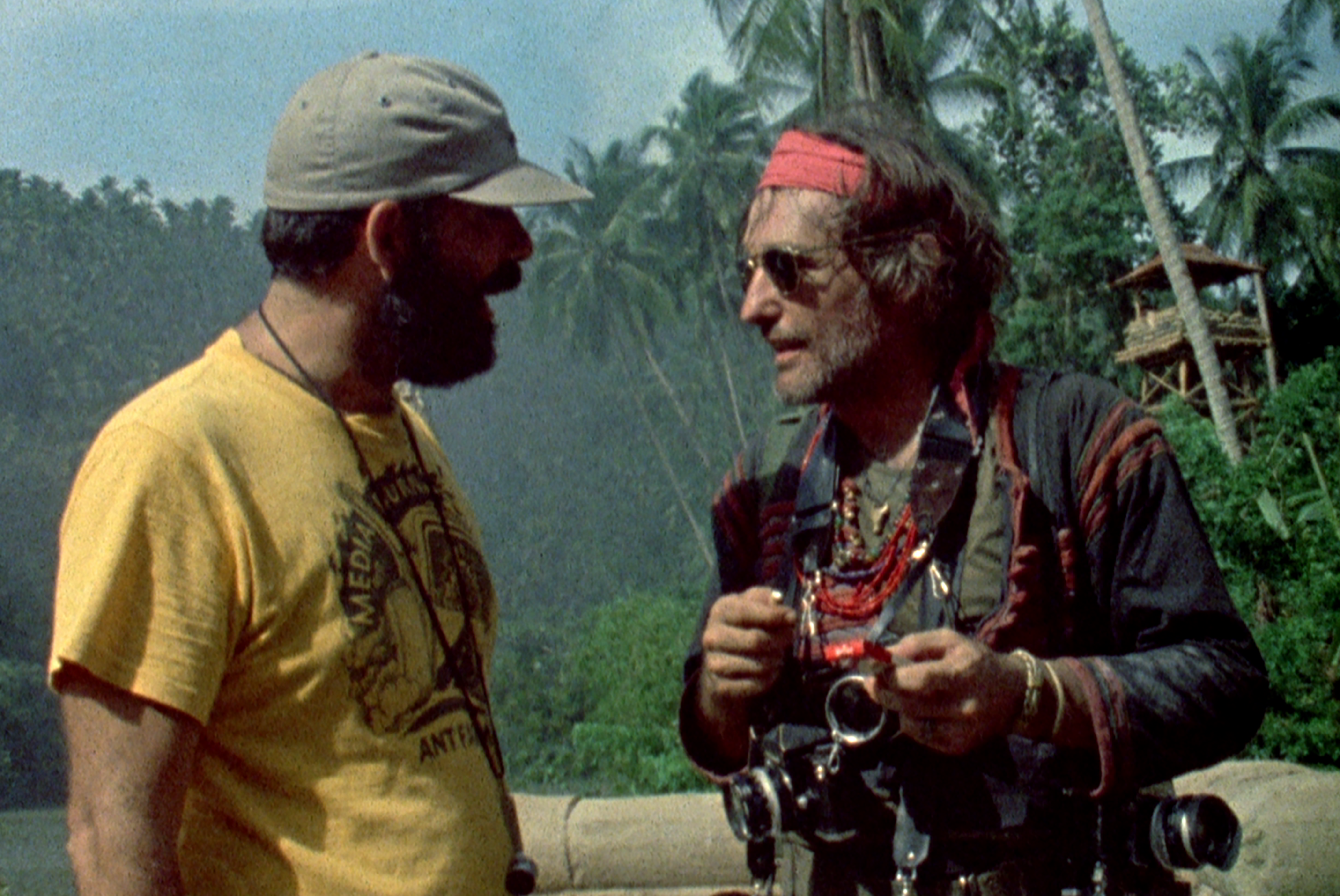
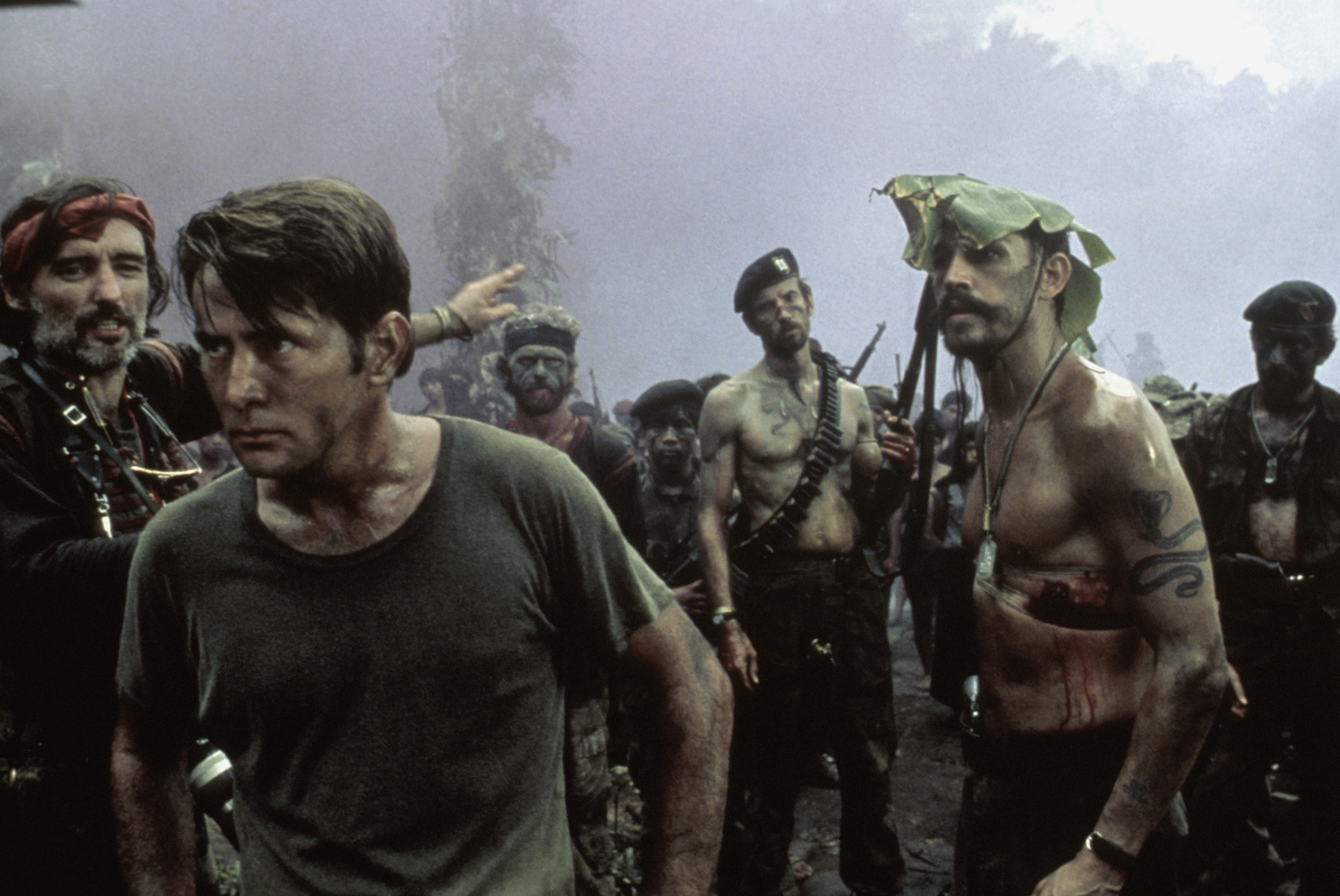
Apocalypse Now, the first film in Rialto’s series, was Coppola’s most successful welding of Godfather-level scale and ambition and psychologically fraught experimentation. Still within the era of New Hollywood, it was a film that was rightfully hailed as yet another masterpiece, but nearly came at the cost of Coppola’s sanity. Warning signs of a career of costly boondoggles ahead were on display here, as the budget for the film ballooned and numerous disasters disrupted or altered production and pushed the release date ever further outward. The result was a film more interested in investigating the madness of the American imperial machine than truly getting into the weeds of the Vietnam War — a mosaic-like effort that pieced together episodic stations of surreality on the way to the darkness that waited at the end of the river. Where The Godfather films proceeded with clockwork precision, Apocalypse Now was a holy mess, the energy of desperation and insanity on-set bleeding into the images and producing a film unlike any other. It is a marvel — little can be said that hasn’t already been said elsewhere, except to say that for a long time it was my favourite film. Accompanying Apocalypse Now is the only film in the collection not directed by Francis Ford Coppola — Hearts of Darkness: A Filmmaker’s Apocalypse by Eleanor Coppola. It is the most beloved ‘behind the scenes’ documentary ever produced, a masterpiece in its own right, and yet one that was eclipsed by Apocalypse Now, as much of Eleanor Coppola’s career ultimately was. There’s a sense of tragedy, watching Hearts of Darkness, knowing how few opportunities to direct Eleanor would have in the future — she is as fearless here in her depiction of her husband’s crumbling psyche, in the way the film set often mirrored the atrocities on-screen, and in detailing the feverish death drive that is wanting to make films at all as her husband was in trying to wrangle Marlon Brando amid a monsoon.
With the roll of the dice that was Apocalypse Now behind him, revered, Coppola entered the 1980s still able to drum up massive budgets for idiosyncratic oddities, none more so than One from the Heart, one of a couple of costly misfires that signaled the end of New Hollywood. Like some of the other films that damned this era, Heaven’s Gate and Sorcerer among them, One from the Heart is quite obviously another masterpiece, misunderstood in its time, now a cult item. A dizzying, dreamlike romance, the film is entirely artifice, shot on Zoetrope (Coppola’s film production company) soundstages to create a Las Vegas divorced from the real thing, a woozy, intoxicated vision of Vegas one might have if they had never been, and only ever seen it in the movies. The falseness is the point — the backdrops are matte paintings that draw attention to their own inauthenticity. We see wiring and misshapen panelling in the ceiling among a starry night sky.
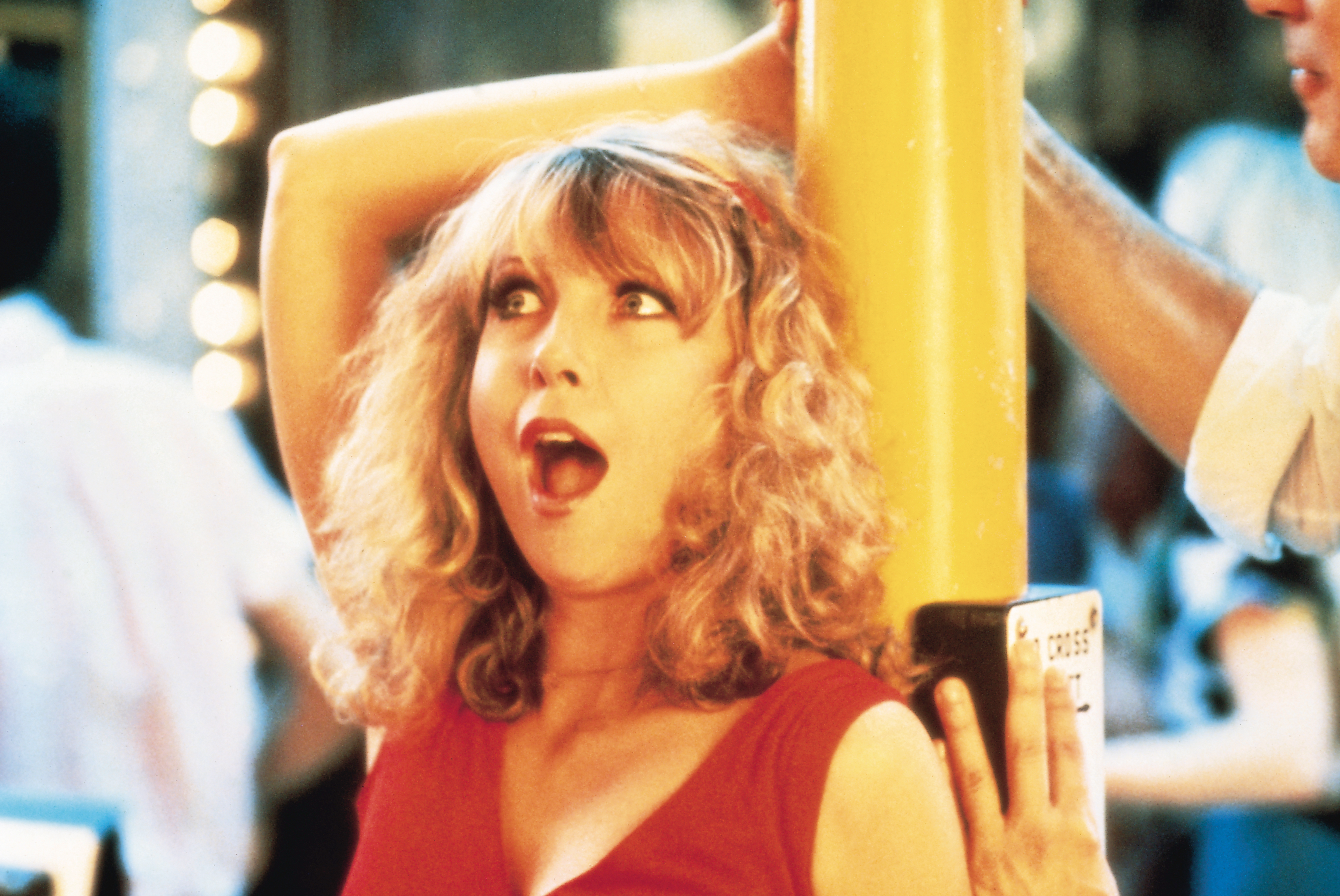
One from the Heart tells the story of a pair of lovers approaching middle age, who split up on their anniversary to be courted by angelic, beautiful potential paramours. There’s barely a story here — the relationship at the centre is threadbare and ill-defined, pure simulacra: neither the schlubby, aggressive Hank (Frederic Forrest AKA Apocalypse’s ‘Chef) nor the flighty, apprehensive Frannie (Teri Garr) are anyone’s idea of a good time, and seem incredibly ill-suited for each other. The people they are tempted by, the impossibly beautiful Natassja Kinski for him, the dashing Raúl Juliá for her, are entirely out of their league, giving the film the feeling of indulgent fantasy that Coppola and legendary cinematographer Vittorio Storaro’s ever shifting lighting schemes and colour palettes reinforce repeatedly. A not-so-musical, it features a soundtrack by Tom Waits and Crystal Gayle, who voice our protagonists’ inner thoughts, lending yet another layer of uncanniness to the whole thing. A dance sequence was consulted on by none other than Gene Kelly. A financial disaster, a critical and commercial flop, it features some of the most inspired images Coppola ever wrought, a picture that lures us with its sensory beauty while repelling us with the unpleasantness of its leads, stranding us in an unsettling in-between that speaks to the way cinema operates like dreams — so close, yet so out of reach.
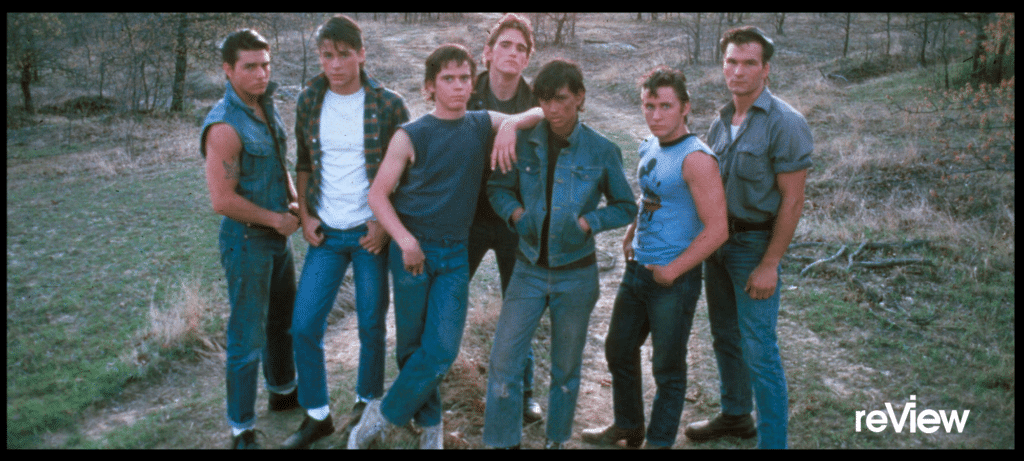
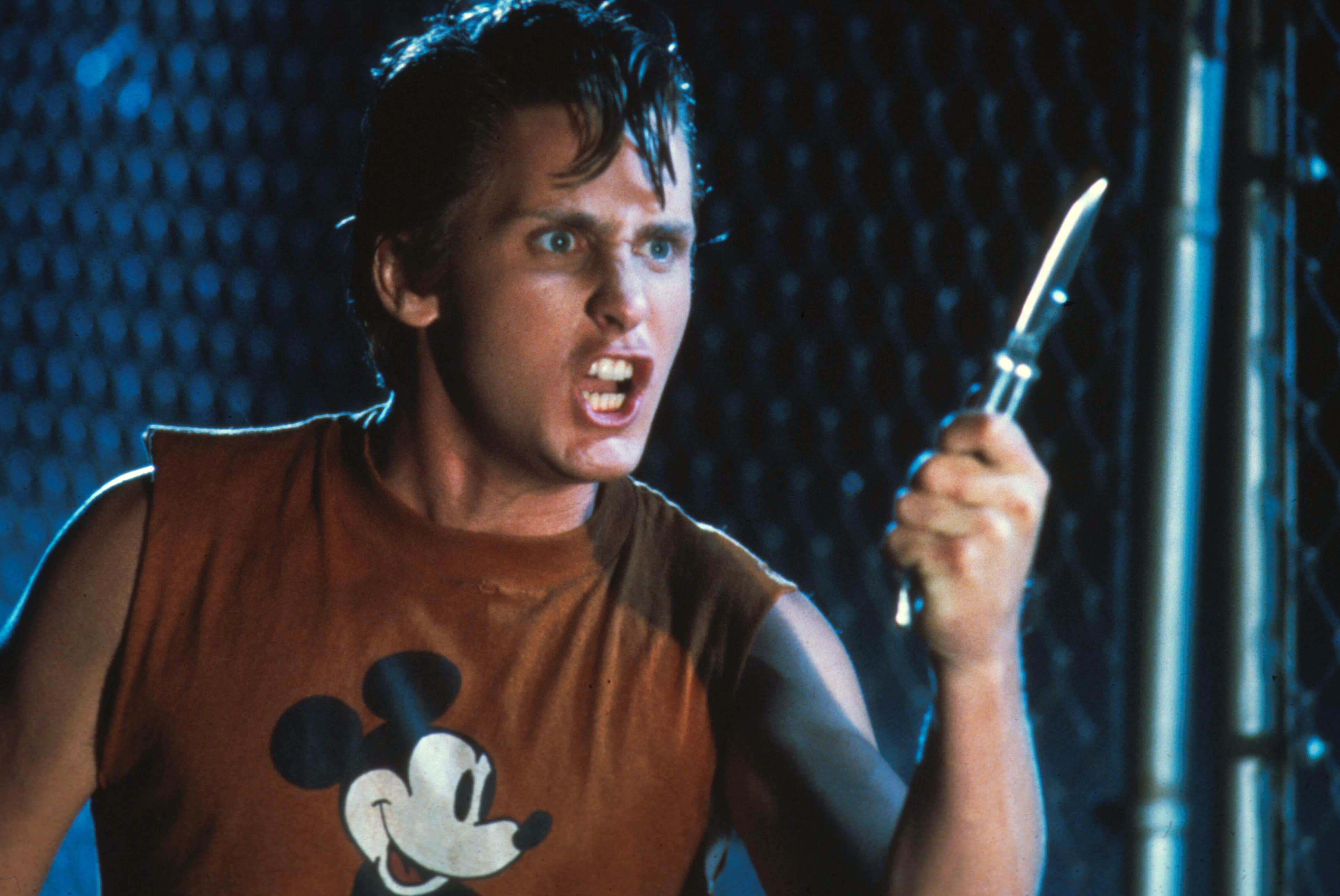
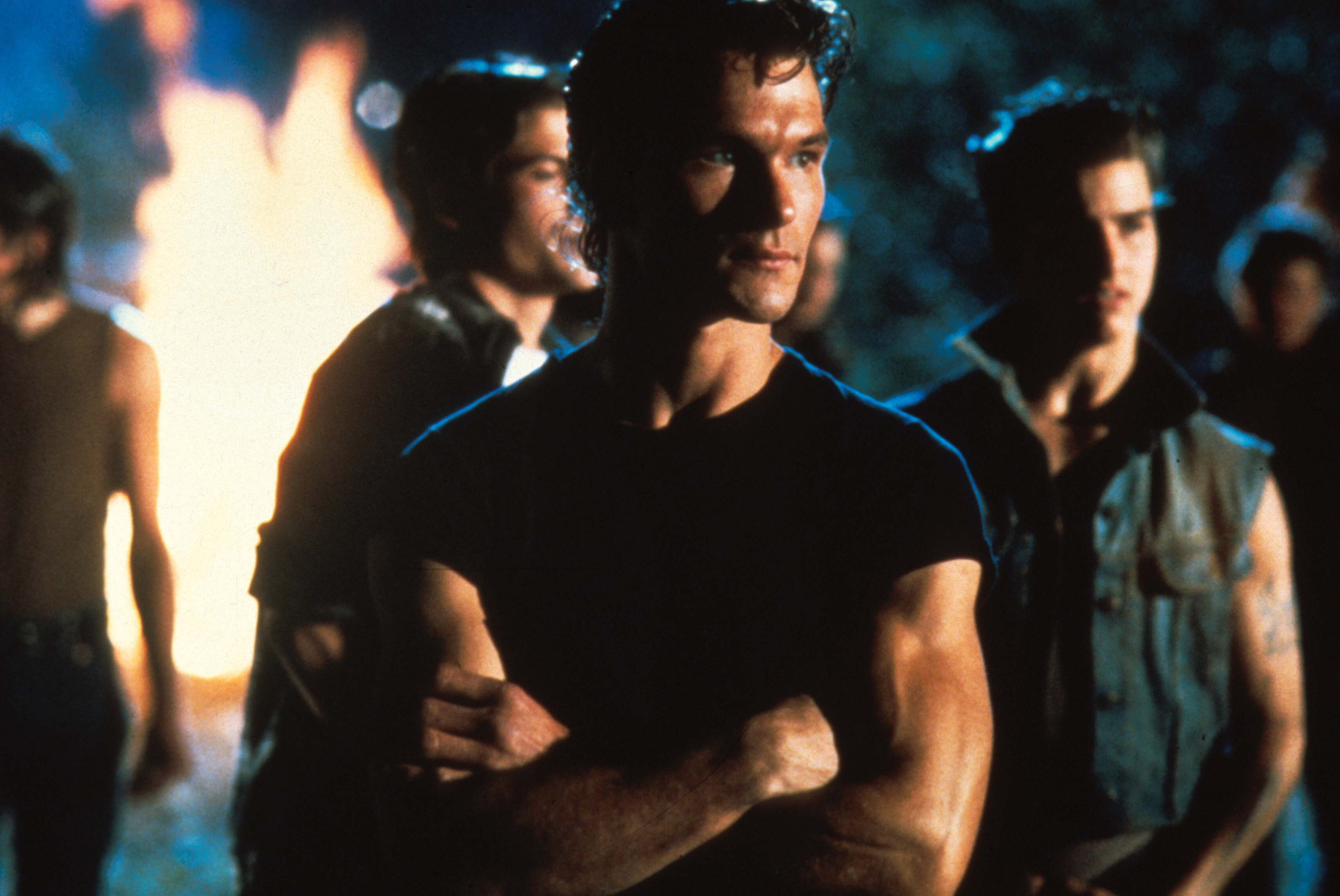
The disaster of One from the Heart’s box office, one of the most dramatic flops in history, forced Coppola to sell Zoetrope Studios, one of numerous periods of financial turmoil the filmmaker would face in daring to tell his stories. As a result, Coppola would spend a decade or more taking on less-expensive films to pay off his debts, signalling the beginning of his waning fortunes as a major influence on Hollywood cinema. Within that period, though, Coppola nevertheless showed his preternatural ability for striking image-making and prophet-like awareness of where the market was headed. This was demonstrated most-strikingly in his back-to-back directing of two S.E. Hinton high school classics, The Outsiders and Rumble Fish. Quite different from one another in style, with Rumble Fish shot in expressionistic black and white, these films are now most notable for Coppola’s eye for casting. The film pushed forth breakout star after breakout star, including Ralph Macchio, C. Thomas Howell, Matt Dillon, Patrick Swayze, Emilio Estevez, Rob Lowe, Diane Lane, and a hungry young performer by the name of Tom Cruise. It was not a film Coppola intended to make, but became convinced to tackle after a group of seventh and eighth graders wrote to him begging him to adapt it. Though few would consider it as reaching the heights of Coppola’s ‘70s-era work, it hinted that there was life in him yet, a promise that would be realised in his last true masterpiece, 1992’s camp, decadent fantasia Bram Stoker’s Dracula. Most people will have seen The Godfather or Apocalypse Now at some point in their lives. Many others will have seen Megalopolis — though not enough for it to turn a profit, ever-thus for Coppola. With these misunderstood treasures of the 1980s, a viewer might see more clearly how we went from Vito Corleone to Cesar Catalina, and understand how they might have emerged from the same mind at all.
Legends on Screen: The Coppola Collection is now screening on Sky’s Rialto Channel 39. Go to www.rialtochannel.co.nz for all details.