Director(s): Antoine Fuqua
Country: United States
Author: John Logan
Actor(s): Jaafar Jackson, Nia Long, Colman Domingo
Written by Tom Augustine
Bohemian Rhapsody, the deeply-misguided Freddie Mercury biopic that ensured Rami Malek’s Best Actor Oscar, is one of those rare films that on surface-level feel consigned to their era — blips that are best left forgotten and unwatched as the world moves on — and yet are significant for the fact that they were a blueprint of sorts for the films that would come after them, and bear trace elements of their DNA. Naturally, there had been music biopics for years before that, and indeed even a spoof of their recurring elements (the exceptional Walk Hard: The Dewey Cox Story) well before Rhapsody took the world by storm. Even so, Rhapsody has a significance all its own, the true opening salvo of an era of image-conscious and kid-gloves-wearing recreations of major artists’ lives that, in the telling, sand off all complexity, darkness and contradiction: in other hands, the things that made them true and enduring artists. In rendering their lives down to the most basic elements, warping and twisting them into a narrative shape, these films become storybook fantasies, compiled of recognisable signifiers of their chosen artist’s brand, but virtually no artistic stamp of their own. The artists themselves came to reflect the dominant trend of the 2010s — a superhero, someone who the audience is encouraged to cheer for, identify with, and back unquestioningly for the heroic effort that resulted in the music, man. These films, which had a cheapness and monotony that ensured they would sell some merch and then be discarded, much like the films of the Marvel and DC juggernauts, were myriad — Bob Marley: One Love, Whitney Houston: I Wanna Dance With Somebody, Respect, Springsteen: Deliver Me From Nowhere, Back to Black, A Complete Unknown. The films that bucked this trend, in some way, like Better Man or Song Sung Blue, tended to sink far faster. The winning ones were films that functioned as cover band recreations of things people already knew about, and could listen to with the click of a button. What was the appeal? The power of ‘remember when’ — the lowest form of conversation, per Tony Soprano.
Michael, Antoine Fuqua’s first entry in a seeming duology covering the life of the King of Pop, Michael Jackson, is not even the final boss of this parasitic trend of modern movie-making — a four part Beatles biopic, each focusing on a different mop-haired British icon, lurks just around the corner. It is, however, set to be an enormous box office juggernaut in its own right, an estate-approved opportunity to beckon a legion of younger fans to this kooky but certainly not-problematic artist-superhero-saint. The most assured audience, of course, are the fans, the ones who — as with Captain America, Super Mario and Luke Skywalker — will buy a ticket on the back of name recognition alone. Michael is, of course, not an accurate reflection of the real Michael Jackson — but like Bohemian Rhapsody, this film is not at all interested in reality, instead aiming to reinforce and justify the continued marketability of Jackson and his music. For a certain subset of the critical class, I think it might come as a surprise just how prevalent Jackson continues to be — and how many are absolutely convinced of his innocence (or simply don’t care). Not so long ago, Jackson was a pariah even in death: with the release of Leaving Neverland in 2019, that legacy seemed assured. It was why, when the trailers of Michael played earlier this year, promising all the tunes you know and love, I was nonplussed — as the Epstein scandal played out on our screens and in newsprint, indicating an open-secret network of child sexual abuse at the highest possible levels of power, surely this was too big of an elephant in the room to leave unaddressed.
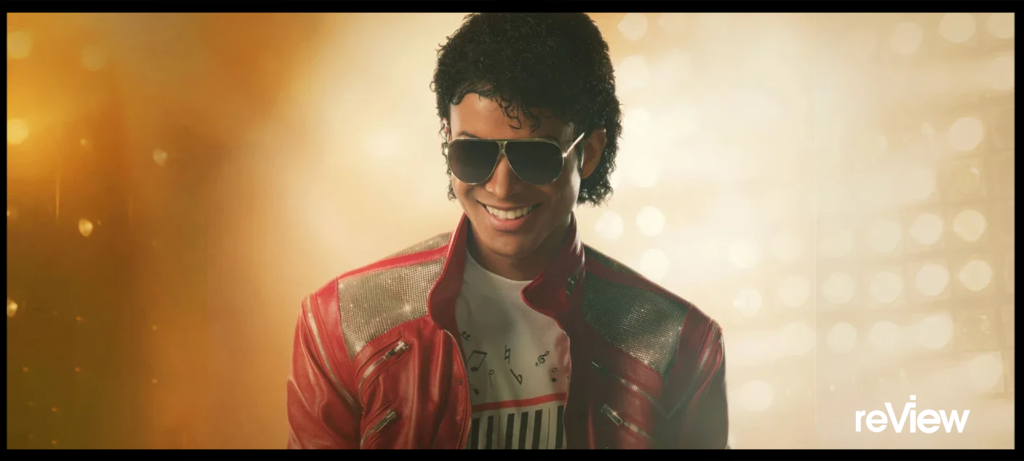
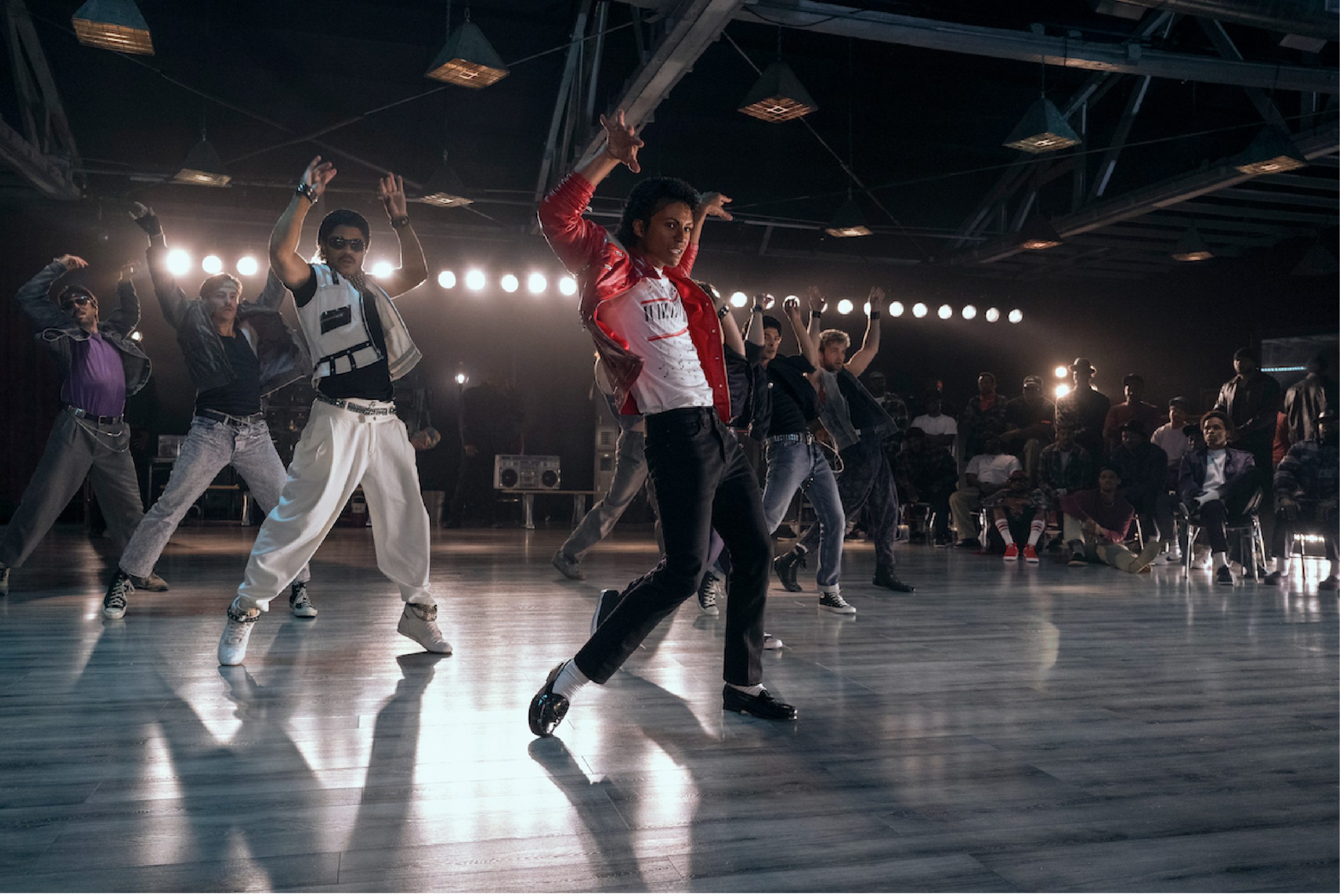
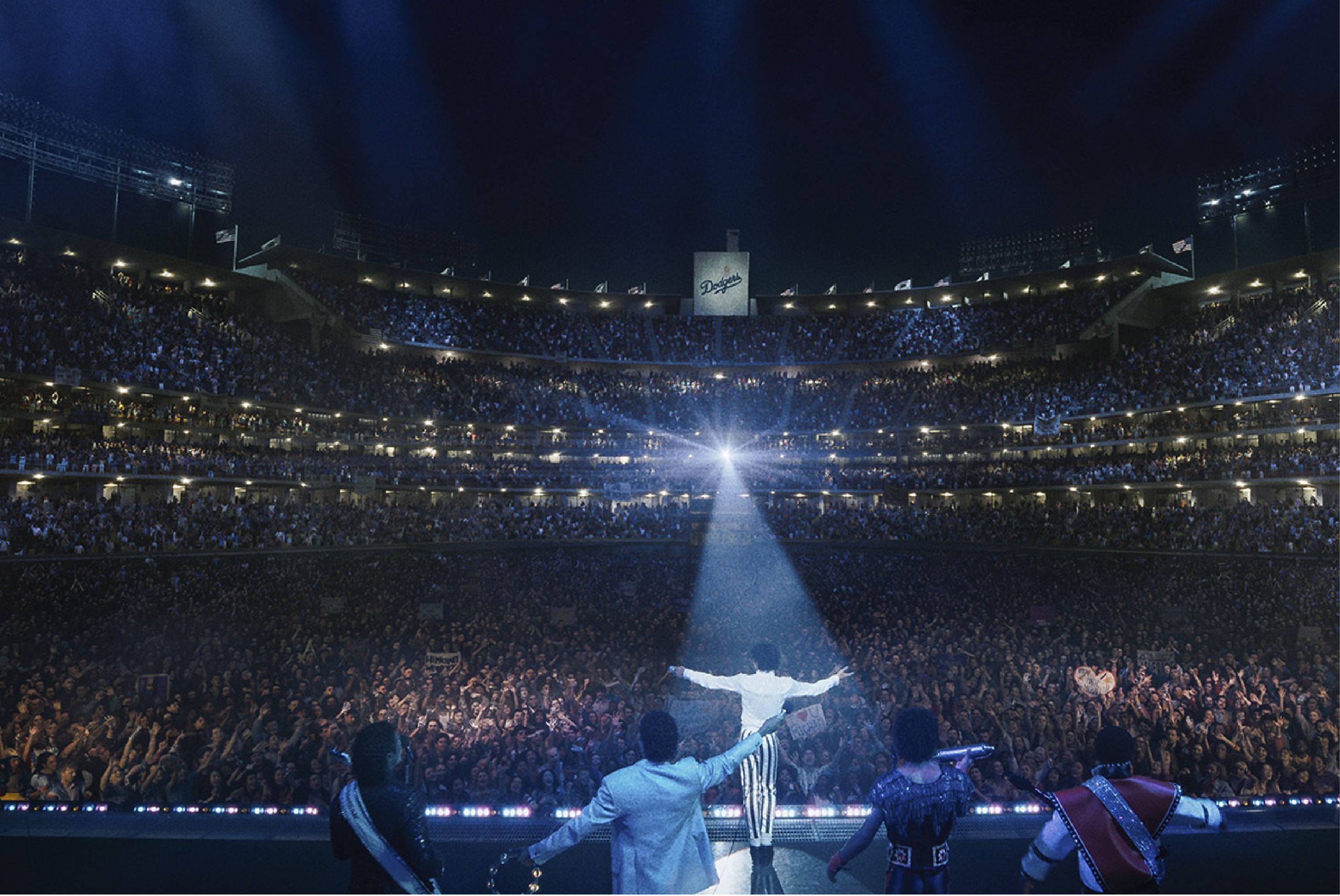
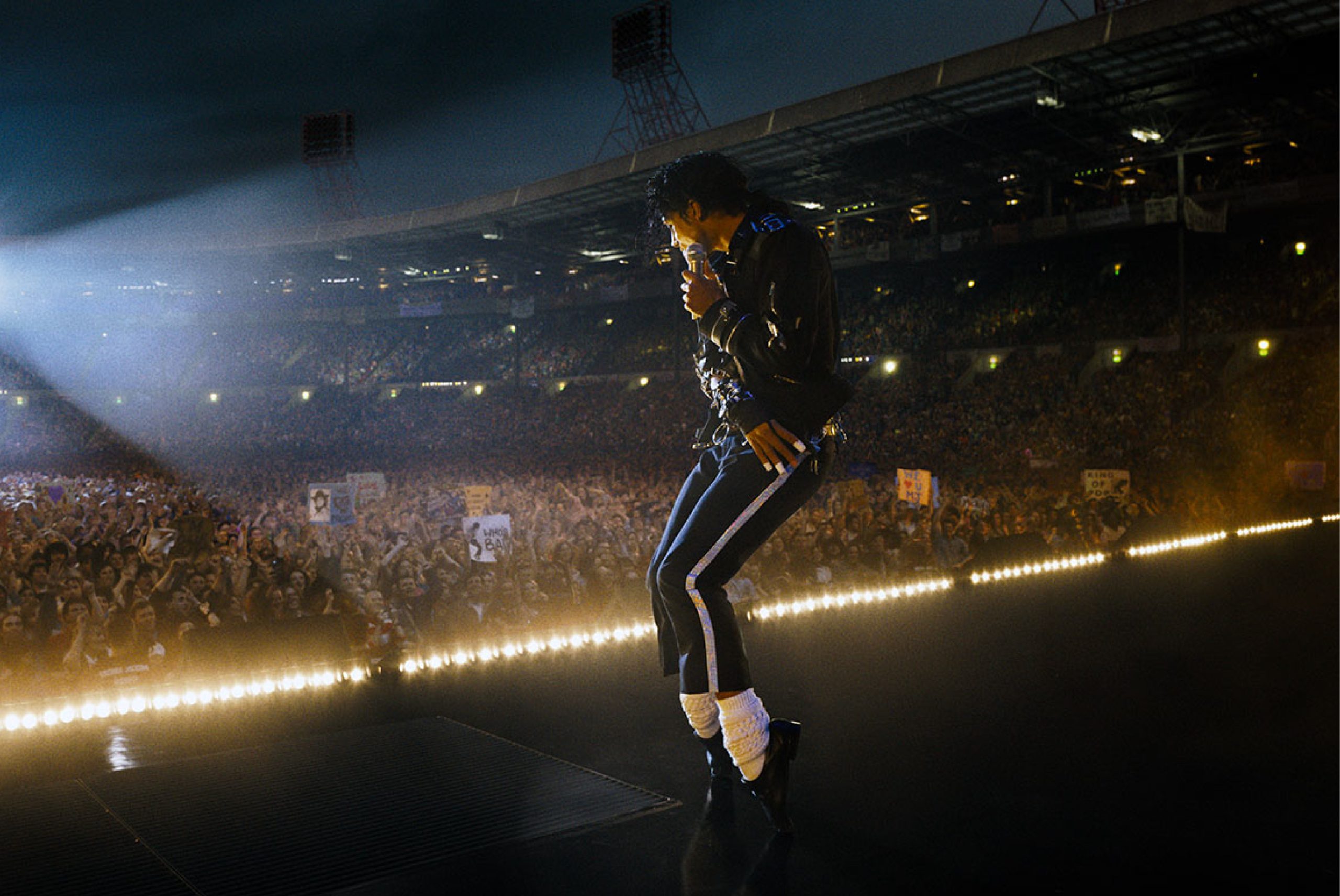
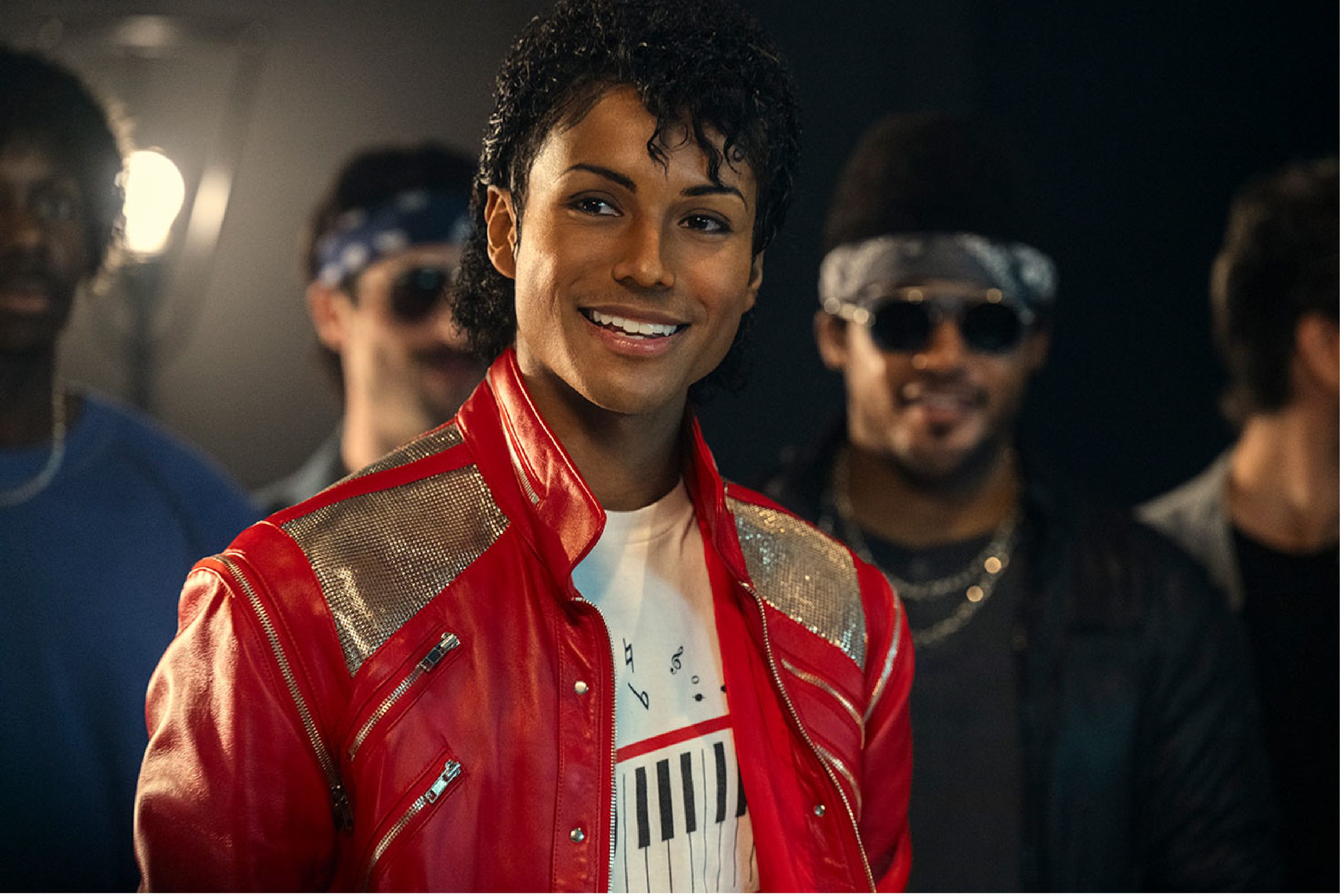
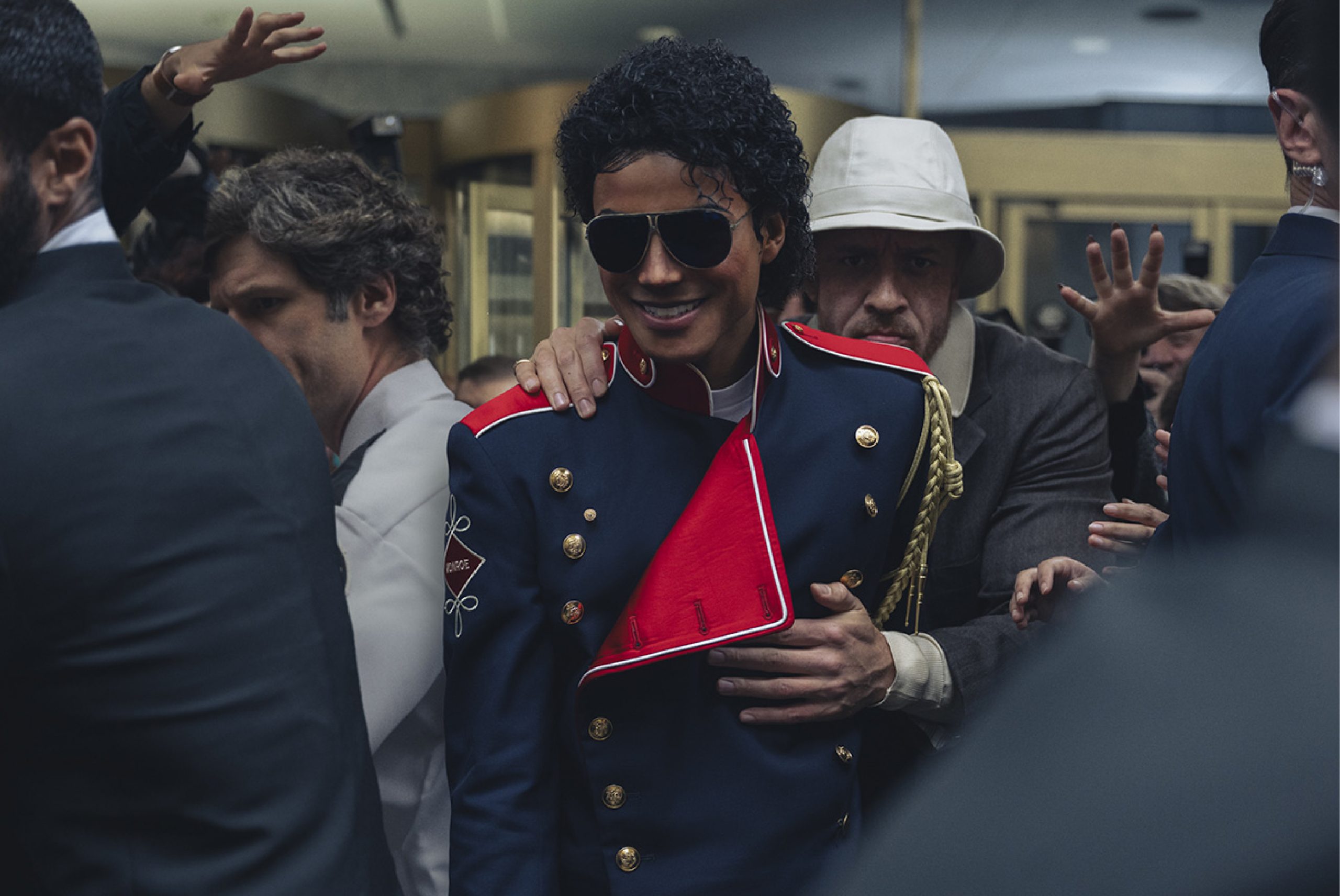
And yet, Michael makes no effort to address the allegations — nor does the film’s implied audience seem to expect it. Rather, the film is an ongoing granting of permission: to love the music, and the man, once again. It is an undeniably slick and effective package. It features sequences of assured recreation and musicality, some of the better work achieved by hacky journeyman Antoine Fuqua, who has been running on the fumes of Training Day for decades (though I maintain The Equalizer 2 is a hidden gem). The film’s most remarkable element is Jaafar Jackson, Michael’s nephew, saddled with the unenviable task of resurrecting the most famous popstar who ever lived. On a purely technical level, it is a feat — in his first feature role, Jaafar nimbly vaults over the barrier of simple impression to create something slightly uncanny in its accuracy. The film’s showstopper final performances of ‘Human Nature’ and ‘Bad’, to legions of screaming fans, so seamlessly suggest the presence of Michael that one might be encouraged to believe he has returned to moonwalk among us again.
As expected, it is the music — thumping joyously, in my screening, through IMAX speakers — that serves as the highlight of the film, which is both an ace up the film’s sleeve and a damning indication of Michael’s absent artistic intentions. It is always instructive in the case of biopics to look at who the producers are — and how much control over the film is exerted by the artist’s estate. In Bohemian Rhapsody’s case, the glowing depiction of Queen’s non-Mercury band members, specifically Brian May, feel inextricably linked to his presence as the film’s executive producer. Here, almost every Jackson family member gets a credit (save, fascinatingly, for the other great Jackson artist, Janet, who doesn’t appear at all in the film), as well as long-time Jackson manager John Branca, who gets to be played by Miles Teller and has numerous moments of heroism in combating the film’s sneering, lecherous villain, Joe Jackson (Colman Domingo).
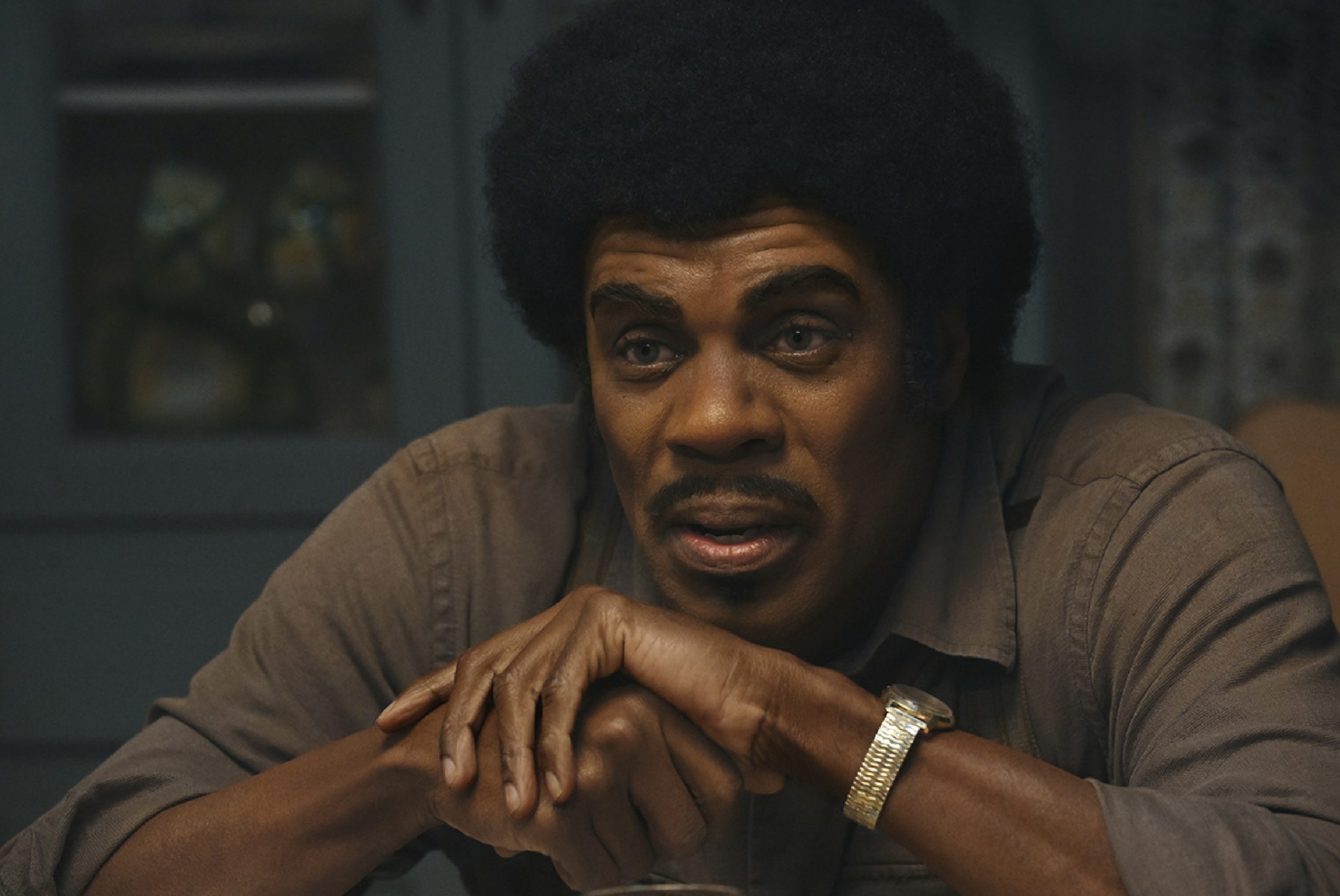
Emoting beneath mountains of cumbersome makeup, Domingo’s performance is the most layered and intriguing of the film, despite the filmmakers’ efforts to dilute him down to a simple villain archetype. This is, seemingly, entirely down to the quality of the actor — the film makes practically no attempt to humanise the man or understand him, instead using him as a comfortable prop upon which to lay the film’s drama and pain. Against Joe, Michael becomes a Christlike figure of suffering and God-given talent, beaten, abused and psychologically imprisoned but possessed of true ability. Though no one is weeping for Joe Jackson’s reputation, the insistence on reducing these people to totems of fairytale-like storytelling does a disservice to all involved. Whatever one’s opinion of Michael Jackson, his presence here is not so much a humanising one as an attempt to reduce him to signifiers of recognisability — remember when he did ‘Thriller’? What about when he did the moonwalk for the first time? Remember that? It is a childish way of engaging with an artist’s story — Michael is even given, in Bubbles the chimpanzee (here rendered in ghoulish CGI), a cutesy sidekick.
Despite committed turns by Jaafar Jackson and Colman Domingo, this Jackson Estate-approved biopic of the King of Pop rarely escapes the confines of safe-margins image control. For better and largely for worse, it is set to be a keystone entry in the story of 2020s cinema.
When Martin Scorsese accused superhero films of being closer to theme parks than cinema, it became clear very quickly where lines were drawn among what different types of audiences want from their movies. Modern music biopics occupy the same space — these are films that ought to have ‘The Experience’ tagged onto the end of their titles, a work that assures far more than it invigorates or challenges. As if underlining this sentiment, Michael at one point utters (sitting amongst a sea of fanmail) ‘they’re not my fans. They’re my family.’ One imagines there is much left on the cutting room floor here — intriguing ideas about Jackson’s relationship with race, including his many surgeries to change his wide-set nose to something narrow and European — are brushed up against but never explored with any kind of true interest. The true story of Michael Jackson is a tragic one — for Michael, undeniably, but also for many others left in his wake. Aggressively reworking this story into one of positive affirmations and saintly children’s hospital visits, and the assured box-office result to come, are sure to cement Michael as one of the defining films of the Trump era: bury all the skeletons so deep you’ll never have to look at them, and let the good times roll.
Michael (dir. Antoine Fuqua) is in cinemas now.