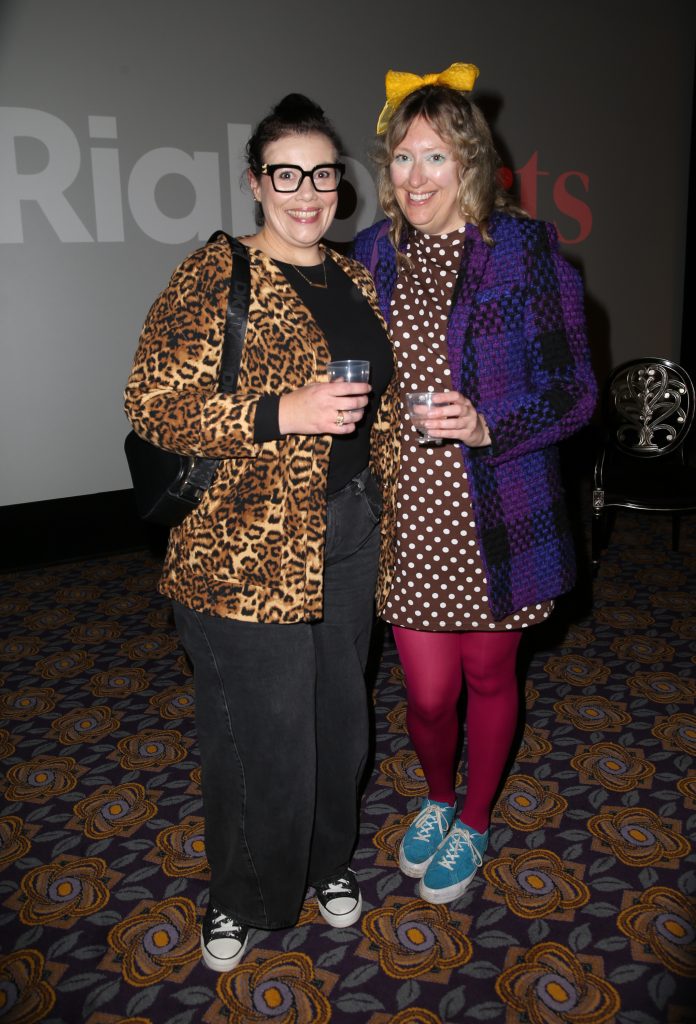
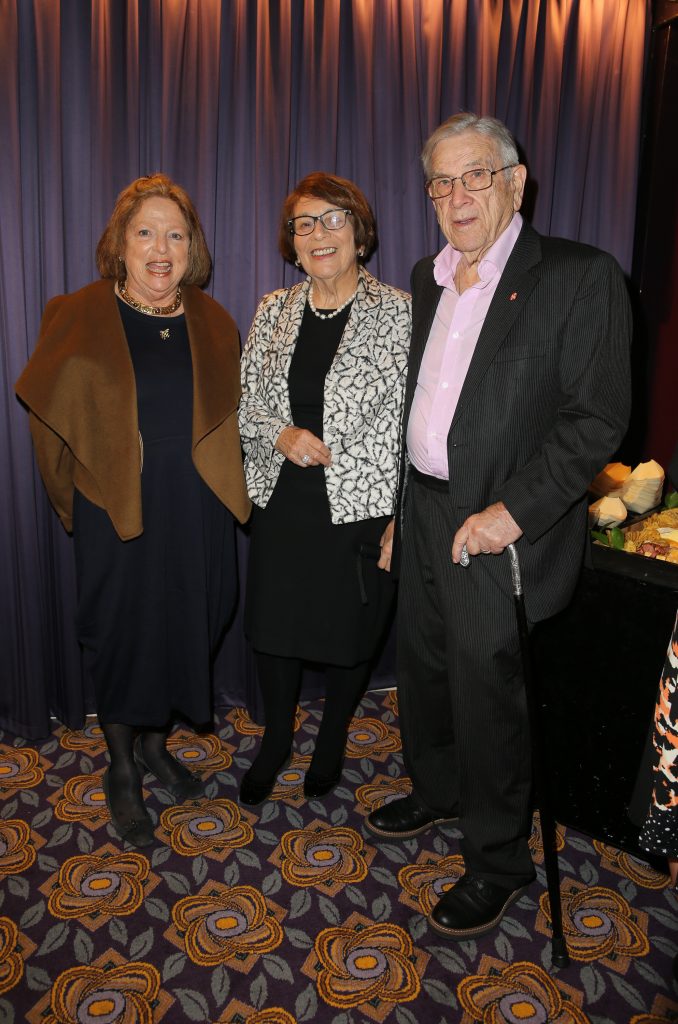
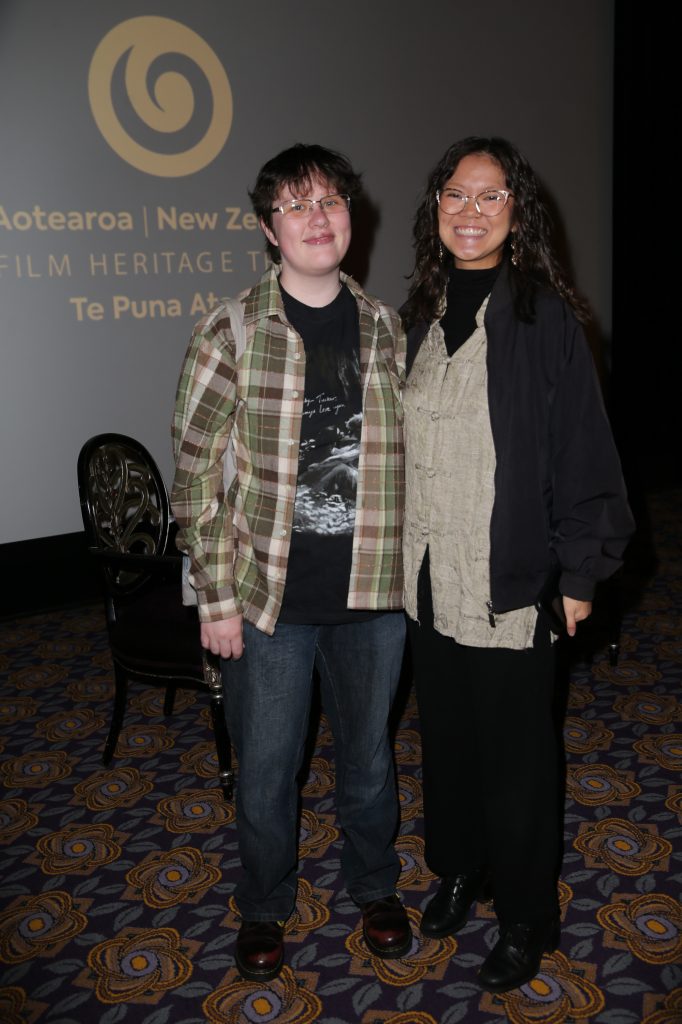
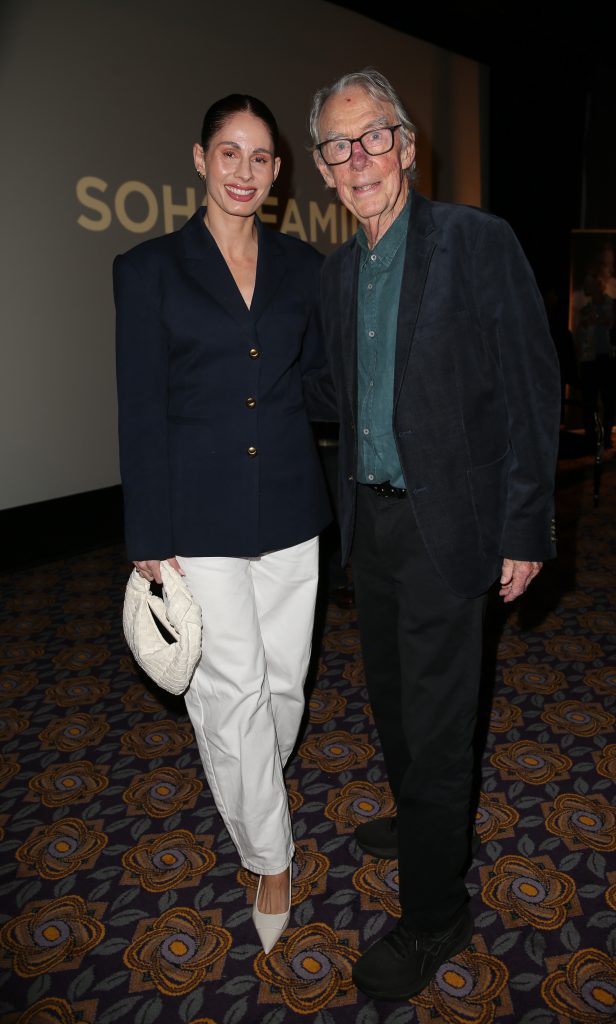
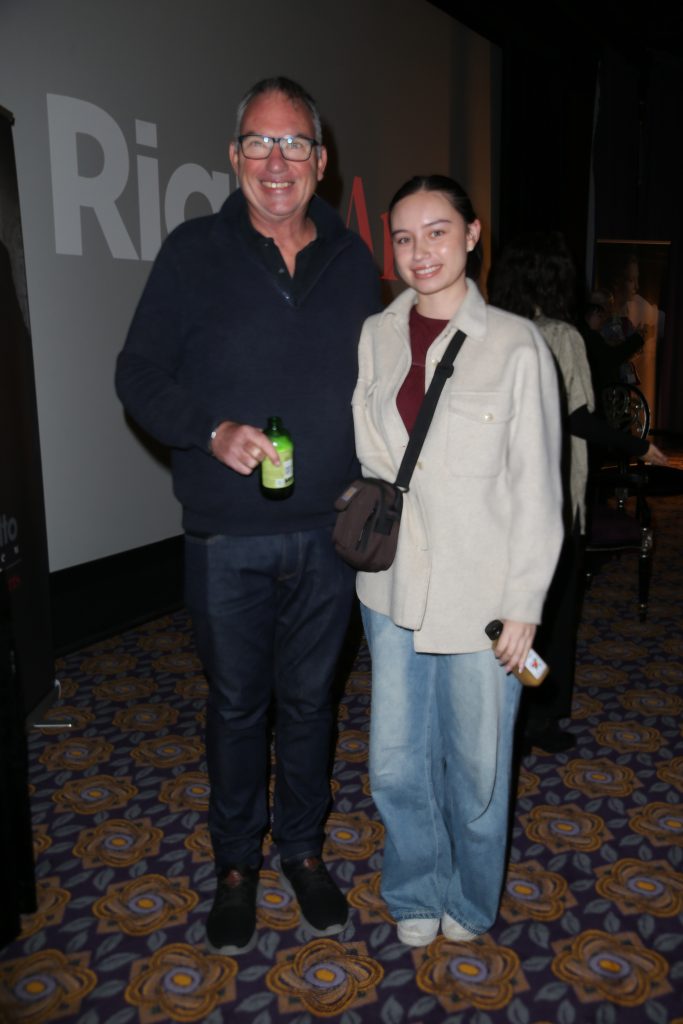
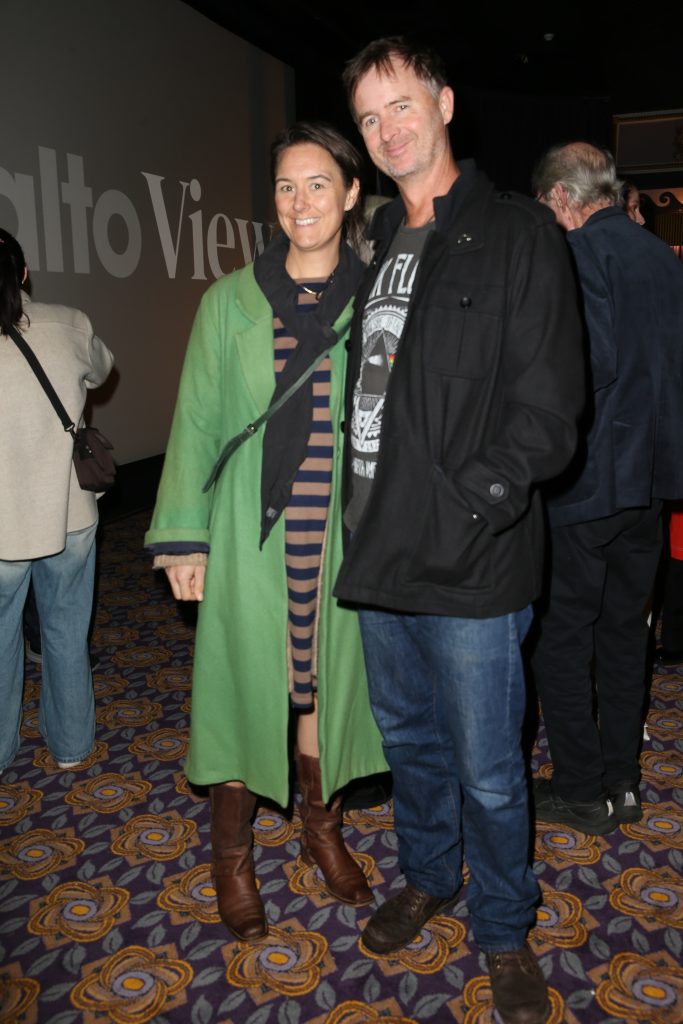
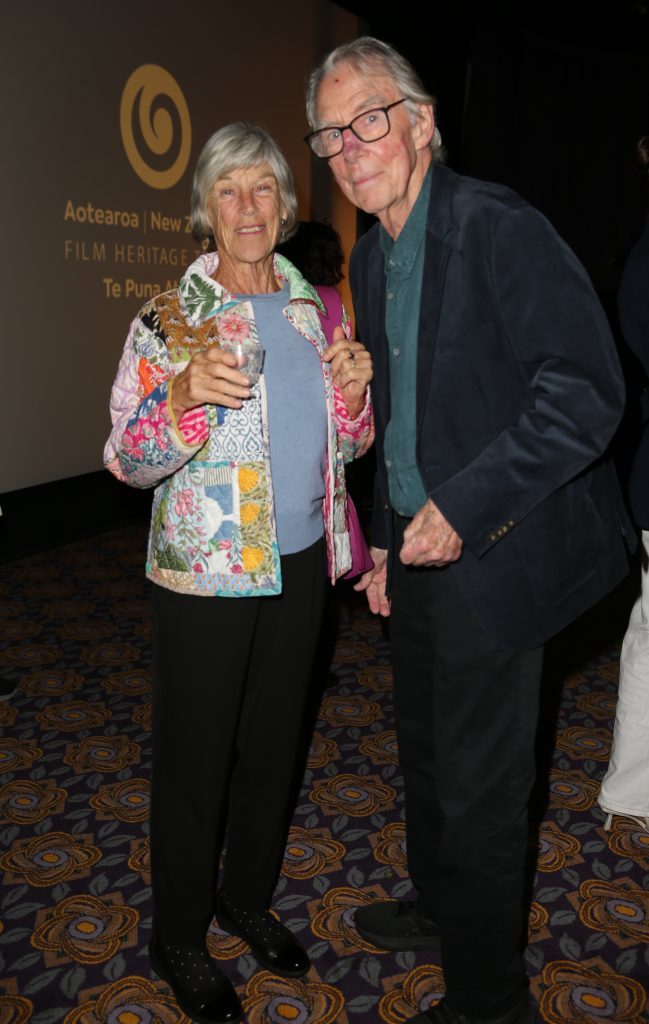
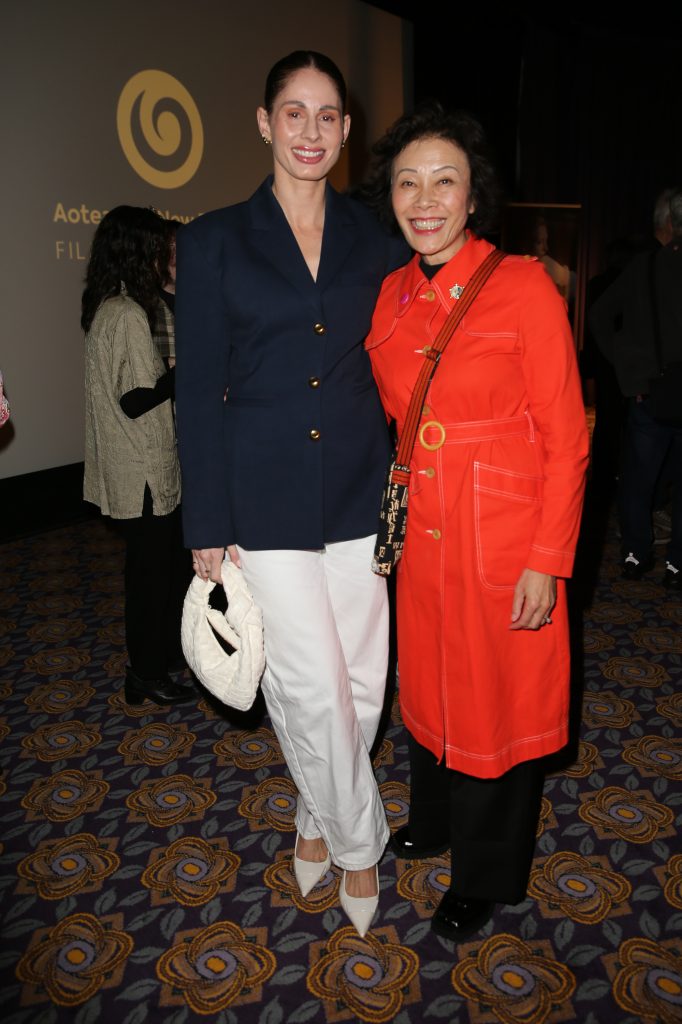
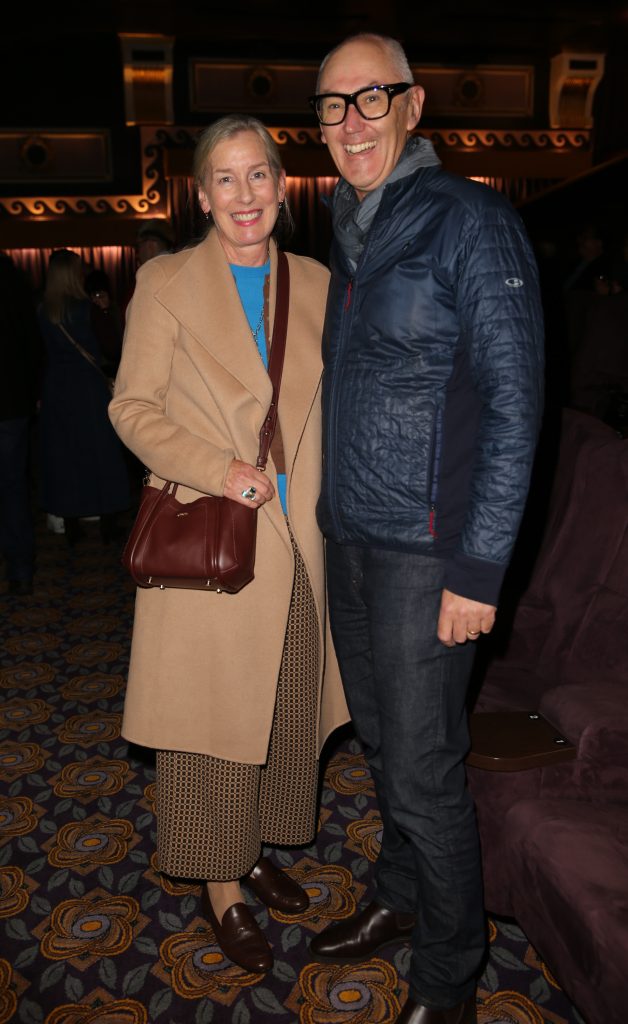
At the Capitol Cinema, Illustrious Energy returned not as a film-but as a memory, a reckoning, and a quiet declaration of Rialto View’s arrival.
There are evenings one attends, and there are evenings one inhabits. Last night at the Capitol Cinema on Dominion Road belonged, unmistakably, to the latter.
“This was not a screening. It was a moment that remembered what cinema is capable of.”
The occasion, though ostensibly a screening, carried the soft electricity of something far more deliberate, a coronation disguised as a gathering.
Rialto View, newly launched and already carrying itself with the quiet confidence of permanence, chose not to announce its arrival so much as embody it.
And so the Capitol rose to meet the moment. It did not merely host; it remembered what it was to matter.
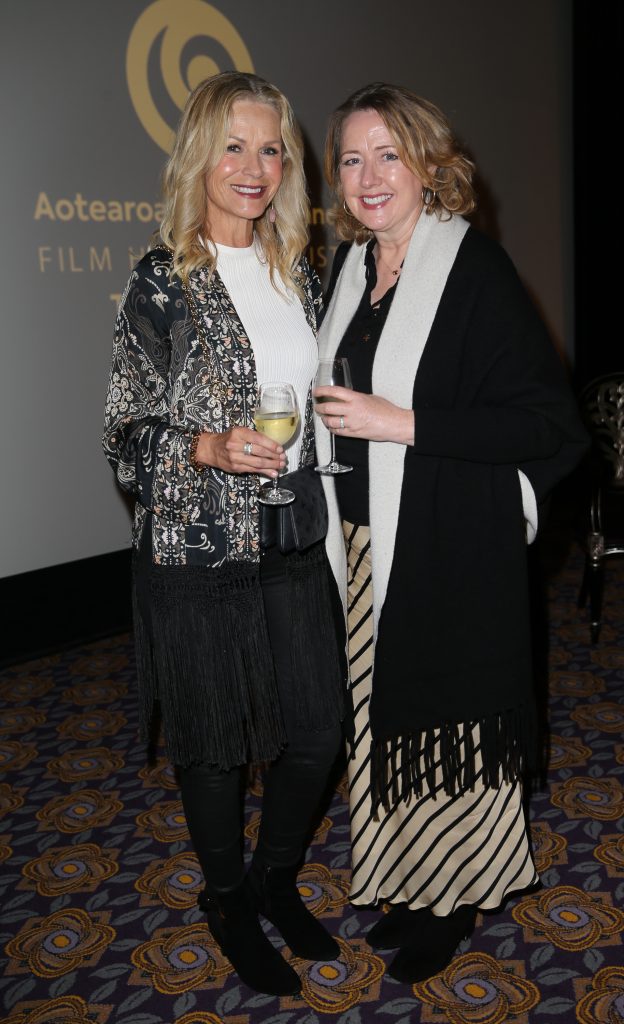
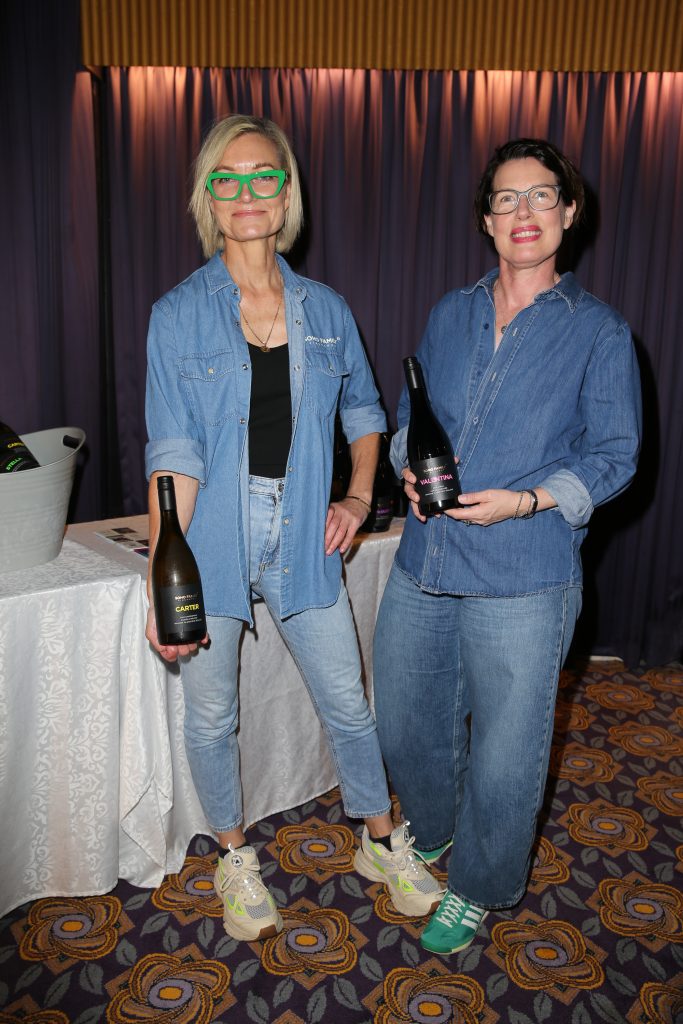
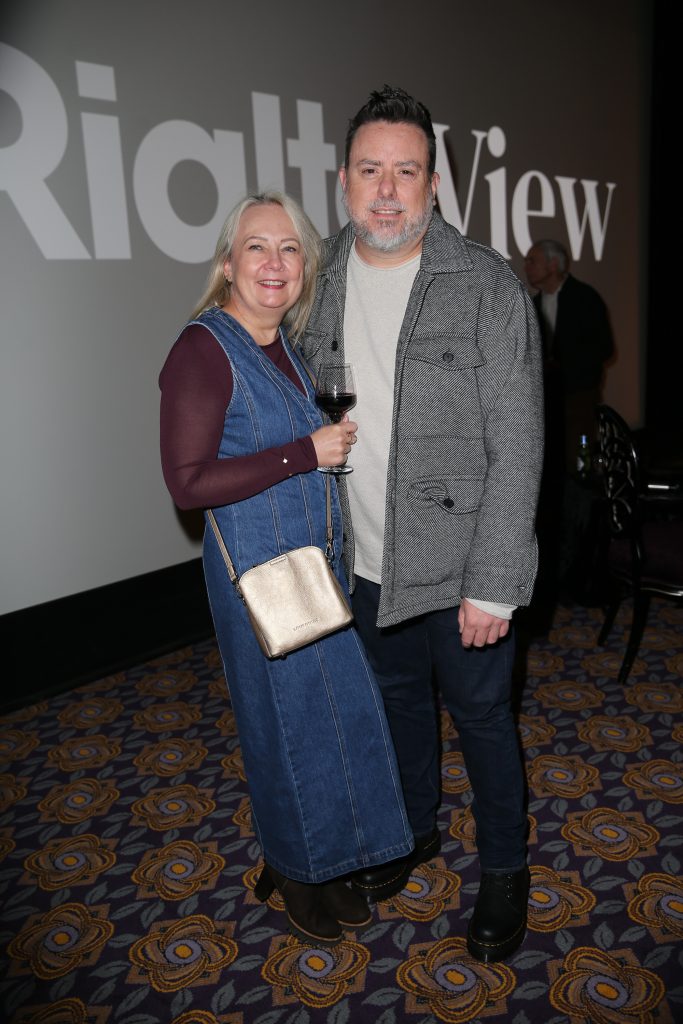
Film royalty gathered with an ease that suggested both familiarity and anticipation. Conversations unfurled in low, knowing tones. Glasses caught the light. And threading through it all, like a perfectly judged note, was Rachel Carter of Soho Family Wines, her Black Label range loosening the room, inviting warmth, encouraging strangers to behave like conspirators.
“One of those magical, dream like films that quietly draws you into another place and holds you there, mesmerised.”
Before the lights dimmed, Leon Narbey took the stage alongside Wilhamena O’Keefe. What followed was less a formal Q&A and more a gentle excavation.
Narbey whose cinematography has shaped the visual language of films such as Whale Rider, Desperate Remedies, and The Price of Milk, spoke with a quiet precision. The restoration of Illustrious Energy felt, in his telling, less like preservation and more like an act of return.
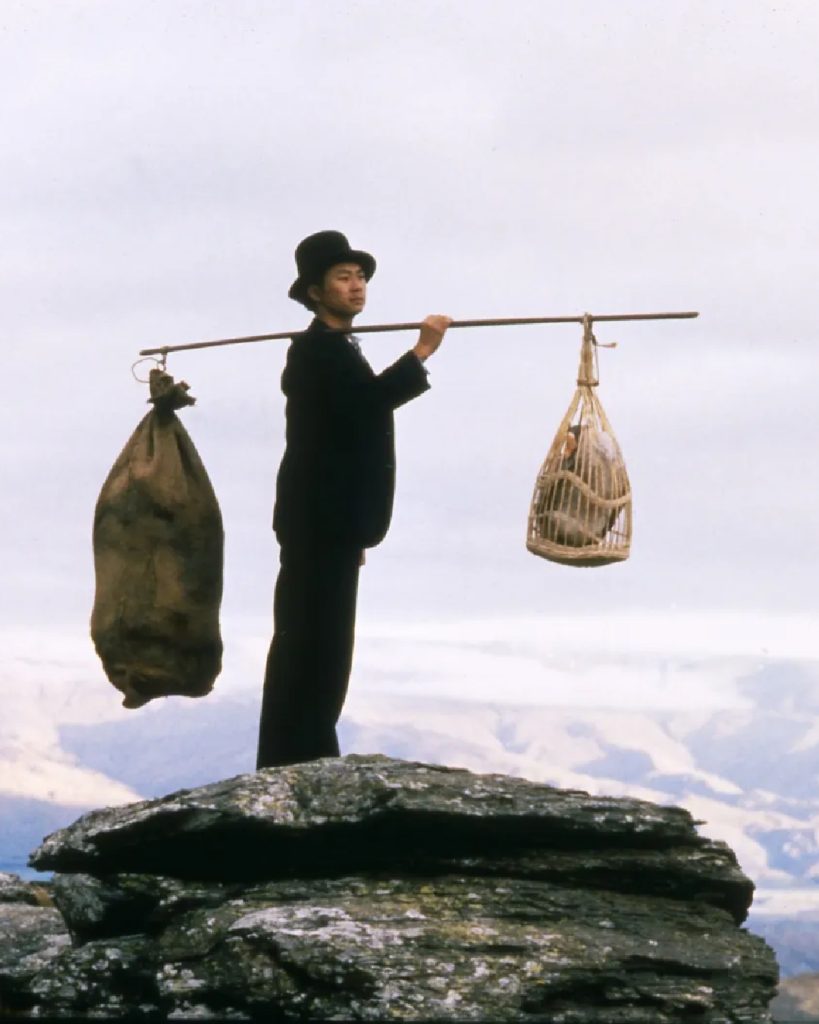
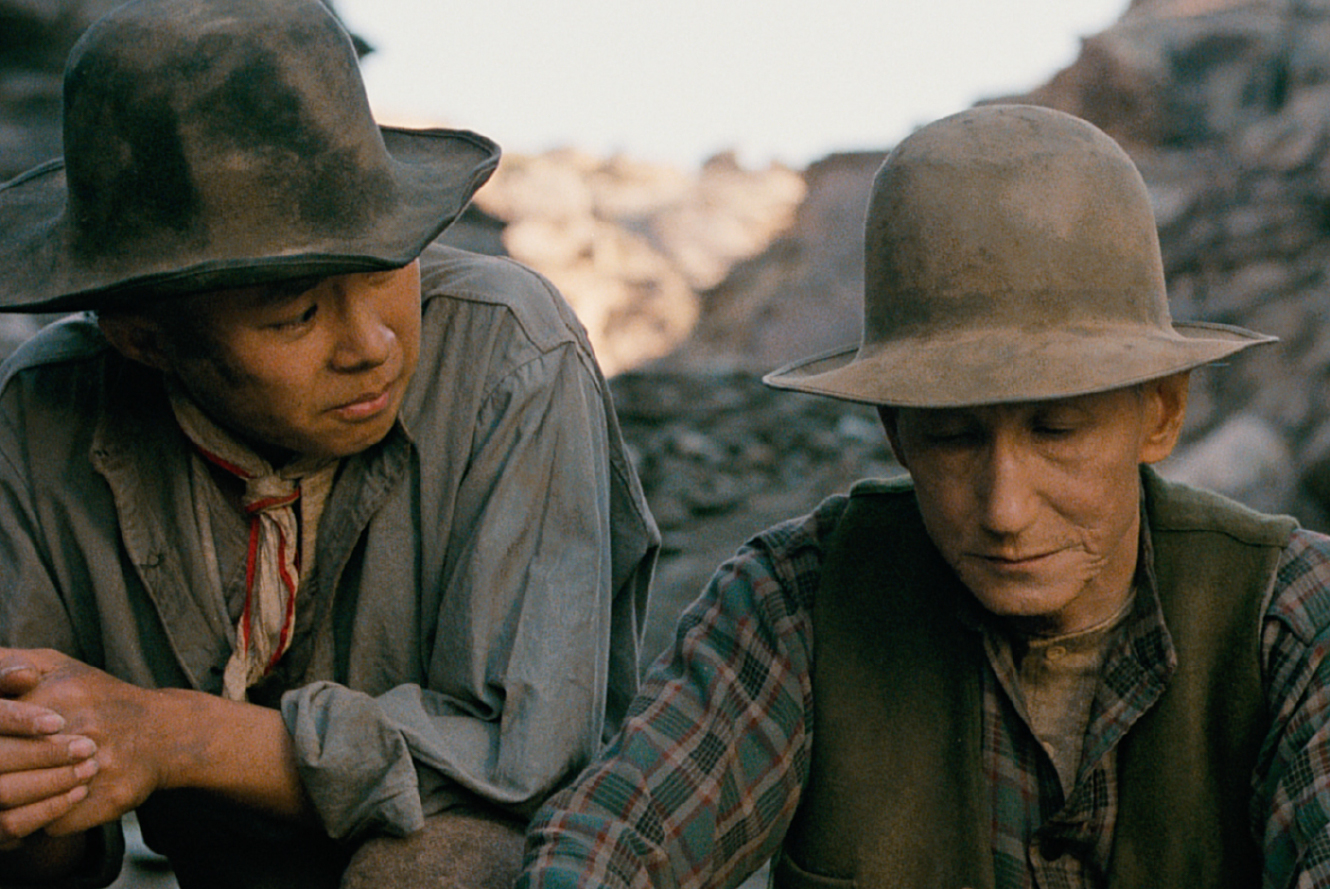
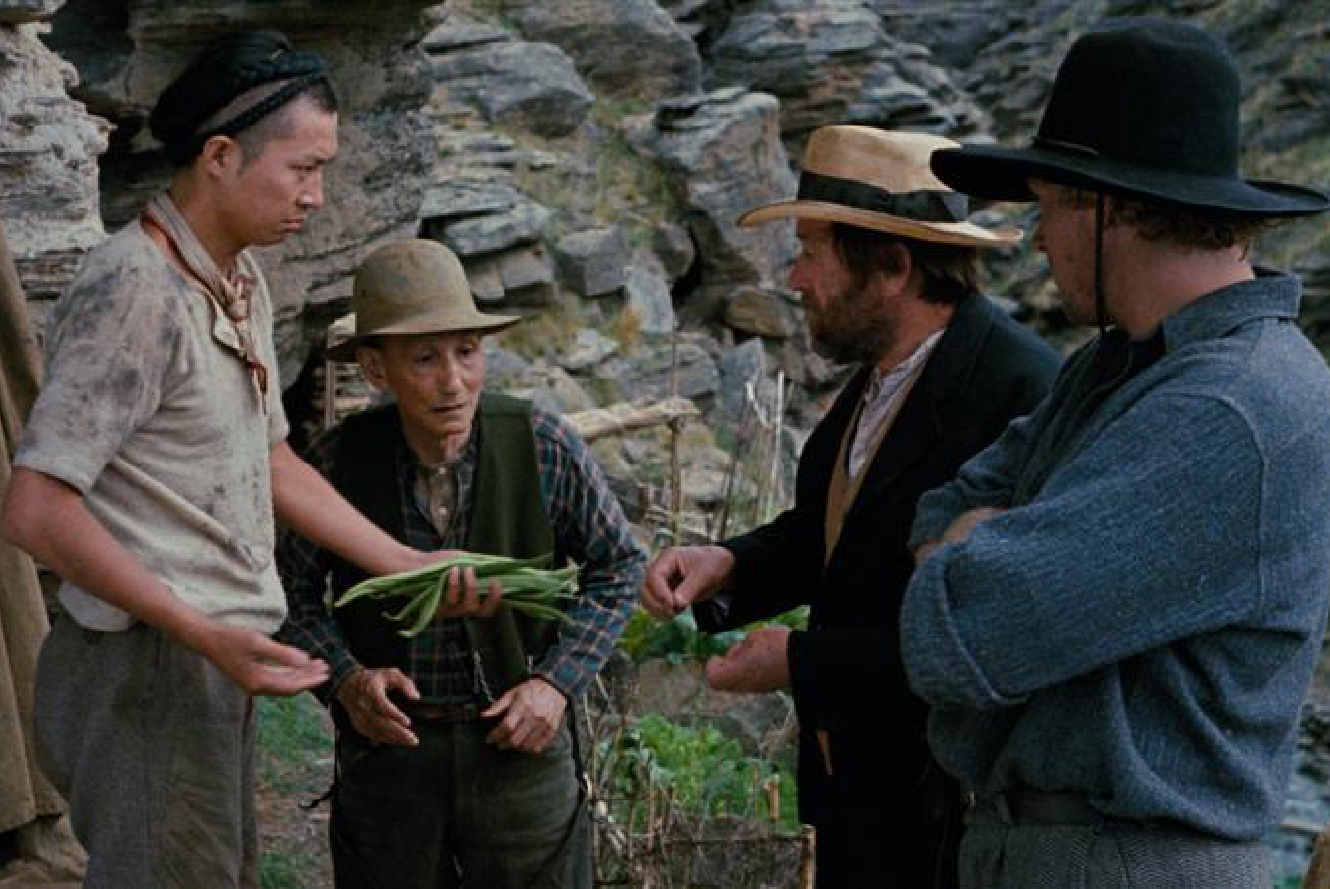
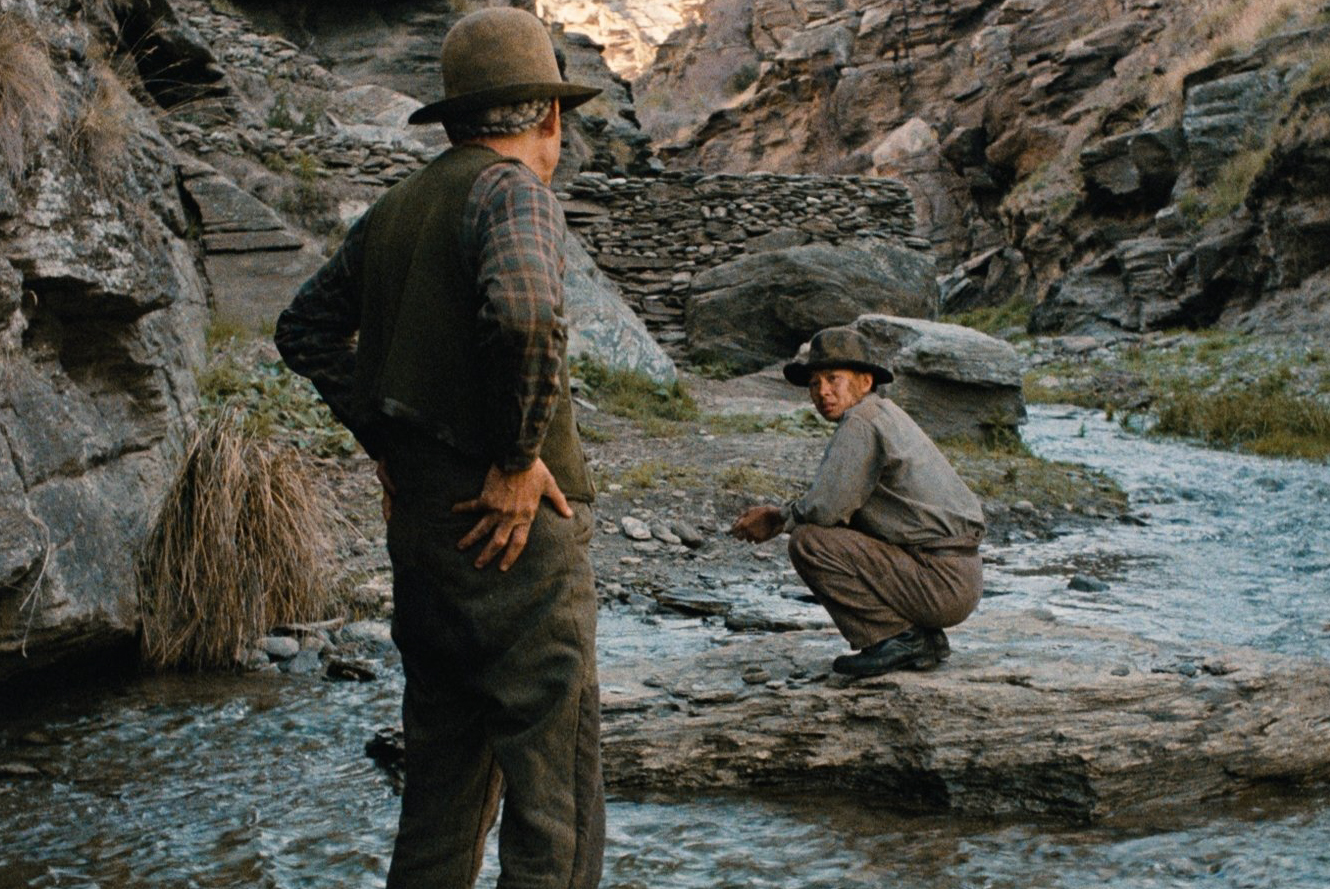
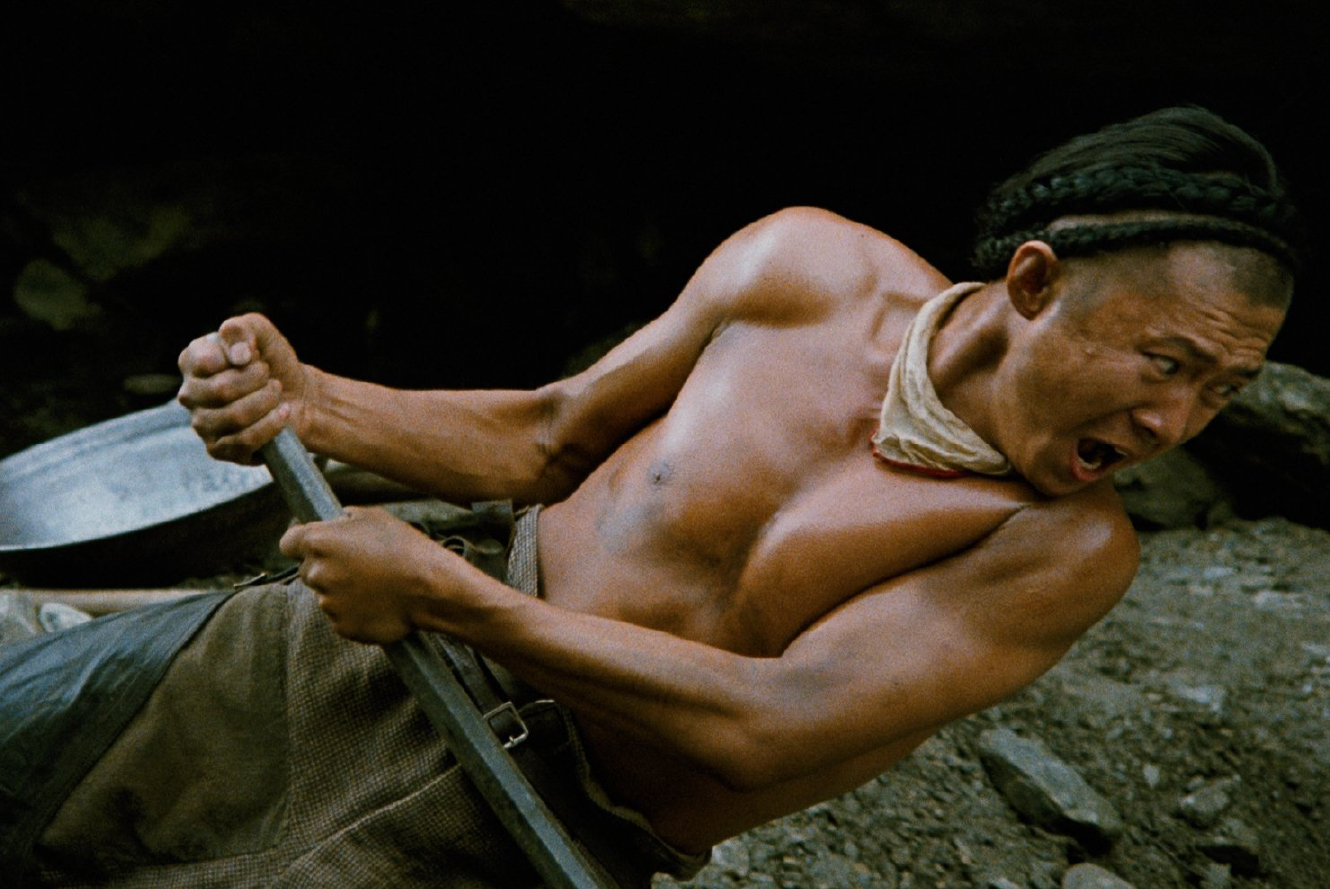
Set in 1895, the film follows a young Chinese man and his ageing father-in-law working abandoned gold claims in Central Otago, under the weight of a £100 poll tax imposed by the New Zealand government. It is a story rooted in hardship, but Narbey renders it as something more delicate: a meditation on endurance, dignity, and the fragile architecture of hope.
“The land does not welcome them. And yet, they remain-shaping it, quietly.”
The terrain dry grass, clear light, unforgiving rock becomes more than backdrop. It is witness. Much of it now lost beneath the Clyde Dam, preserved here not just as landscape, but as memory.
The film does not rush. It waits. And in that waiting, it gathers you.
These men, far from home and tethered to a dream that grows more abstract by the day, carry within them an embattled life force. They do not expect to belong. And yet, in their persistence, they leave something behind, something enduring.
By the final frame, the room does not erupt. It exhales.
“We had not just attended a screening. We had been invited into something.”
And perhaps that is the quiet triumph of the evening not simply the restoration of a remarkable New Zealand film, but the reaffirmation of cinema as a communal act of attention.
Rialto View, in choosing this moment, makes its intentions clear without ever stating them outright.
This is not about content. It is about care. About curation.
And, if one listens closely, about momentum.
I was told quietly, almost in passing by someone who would know, that this was not the last of these gatherings, but the first. That something larger is already in motion. Not yet announced, not yet defined, but gathering.
Watch this space.
Because some stories do not begin with noise.
They begin like this.
Begin your 7-day free trial at Rialto View. Enter the world of films that stay with you.