Director(s): David Frankel
Country: United States
Author: Aline Brosh McKenna, Lauren Weisberger
Actor(s): Meryl Streep, Anna Hathaway, Emily Blunt
Written by Tom Augustine
There’s a tart, acidic nastiness to The Devil Wears Prada, the original fashion dramedy that took the world by storm in 2006, that I’ve always found fascinating and a little alienating. It’s a flavour profile that cuts through the treacle and sentiment of that era of comedies — romantic or otherwise — and has allowed it to endure as a key text of the Millennial experience. This is largely down to the presence of Meryl Streep’s Anna Wintour-adjacent magazine maven Miranda Priestly, whose clipped viciousness pushed shaky-legged naif Andy Sachs inexorably toward self-actualisation. Oscar-nominated for her efforts, it’s one of Streep’s most enduring mid-career performances, making a strident case for the value of fashion as an industry and an idea — not least for Hathaway’s everygirl, who makes for a superb audience stand-in, rankling at Runway Magazine’s quirks and vanities. Its contradictions were on full display, reflecting the tensions at the heart of fashion (and film, for that matter): an overt ode to the capitalist superiority of the right brand and the way in which choices from those on high ripple through the culture, with nary a whiff of class analysis to be found. The notions bandied in Miranda’s iconic ‘cerulean’ speech are fairly logical and, via Streep’s delivery, quite funny, but the film tellingly devoid of any kind of reckoning as to what it might mean that, in a consumerist society, our choices are made for us long before we look at a price-tag. To the film’s credit, we are invited to sit in this contradiction far more than some might have expected, an ongoing, uneasy tension simmering in the ideological clash between two superiority complexes — Miranda’s obvious imperiousness versus Andy’s foolhardy faux-intellectualism. When the trailer for The Devil Wears Prada 2 landed a few months ago, it was met with a certain deflated uncertainty — why does it look like that? Drab digital photography, underwhelming fashion and stylisation, and a listless Madonna music cue suggested another legasequel that serves simply as a pale imitation of the original, forever chasing the shadow of what was.
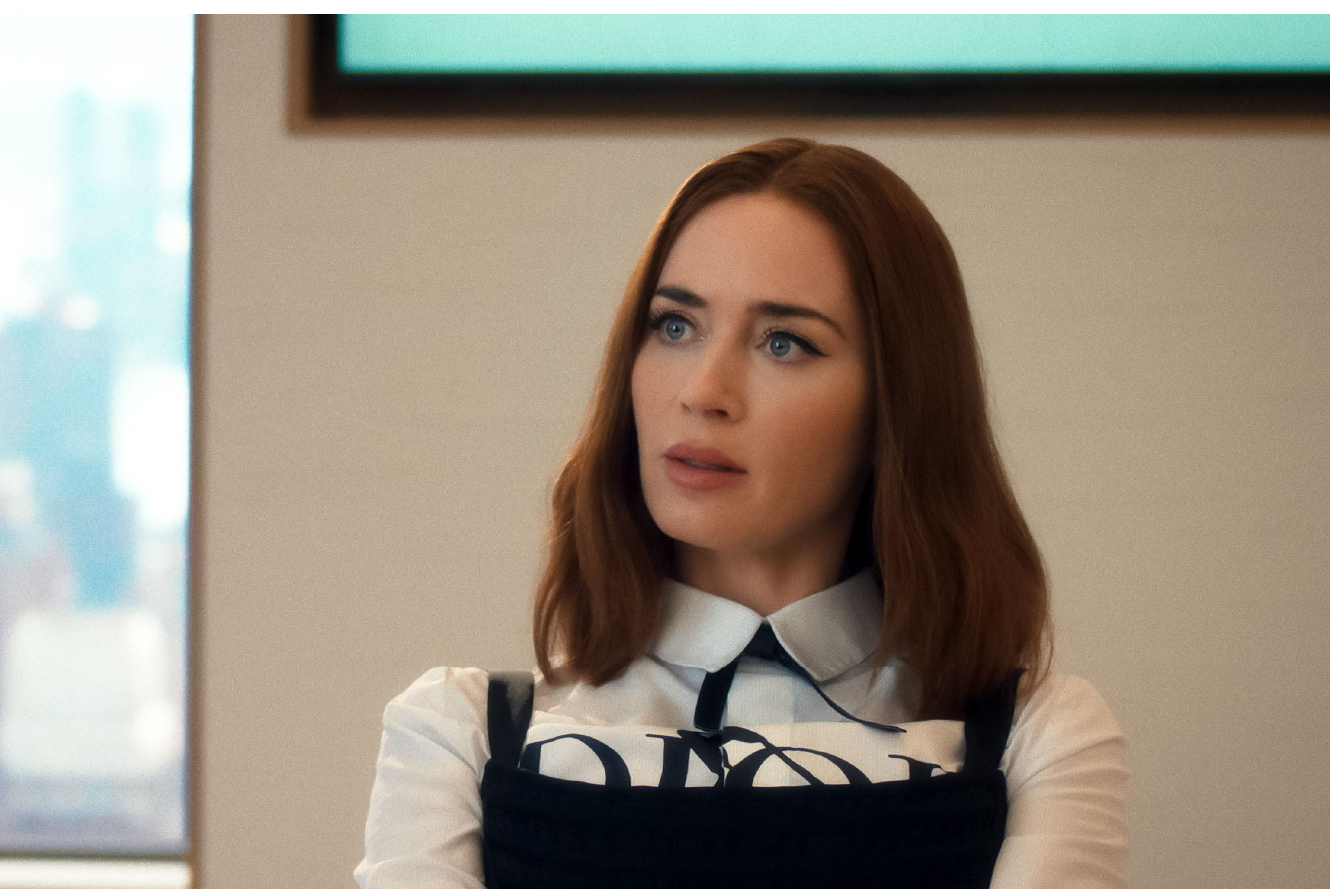
It may surprise viewers to learn, then, that returning director David Frankel has baked this uncertainty into the very text of The Devil Wears Prada 2. Though it remains glitzy, shimmering and fast-moving, there’s the sense that we are watching a much-diminished empire crumbling into the sea. Instead of justifying itself to hoity-toity, university-educated cynics like Andy in the first Devil, here the fashion industry (as represented by Priestly’s Runway Magazine) must justify itself to a far graver threat — that of cannibalising, media-owning billionaires whose functional approach to their own outfits are a reflection of their ruthless pursuit of profit over quality. Both Andy and Miranda have similar quandaries in this film — both are part of print media, with Andy having moved into the field of journalism after her stint at Runway, only to find herself returning to the company twenty years later when her entire team are dumped from their newspaper by the shadowy powers-that-be. Similarly, Runway’s fortunes are on the wane, Priestly less focused on being a fashion innovator than appeasing the many brands whose sponsorship keep her publication alive (personified here by Emily Blunt’s returning frenemy Emily, who now works for Dior retail), and the withered old billionaire (and his vest-wearing chud son) who signs her paychecks. Runway is no longer the giant it once was, instead functioning as a glorified dinosaur in an increasingly online, supposedly democratised space. The world of Devil is running on fumes, and the filmmakers seem aware enough of the pitfalls of chasing what once was to mould their legasequel into a comment on that very fact.
All the key players are back for this sequel to the iconic 2006 fashion dramedy that earned Meryl Streep an Oscar nomination and came to define an era of Millennial culture. An enjoyable return to the world of Runway, it is a film with welcome flashes of world-weary darkness and exceptional performances from its central quartet, ably bolstering the places where the seams show.
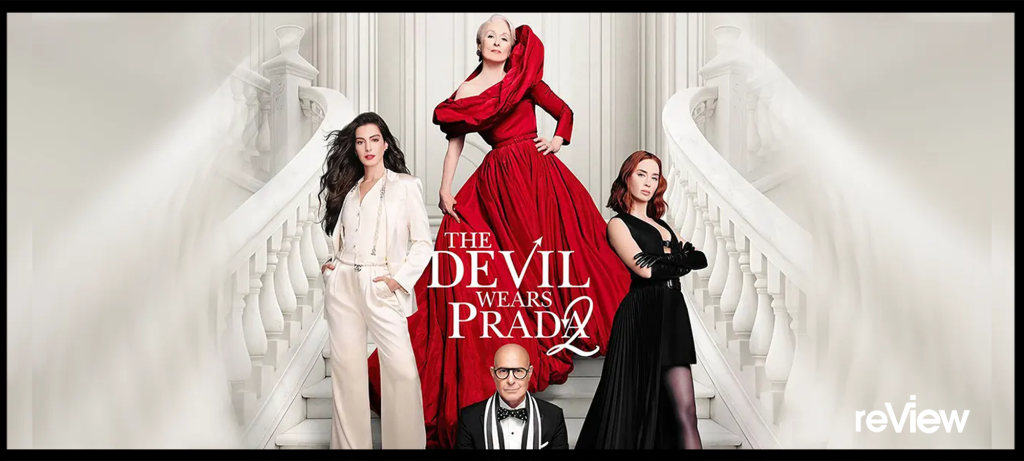
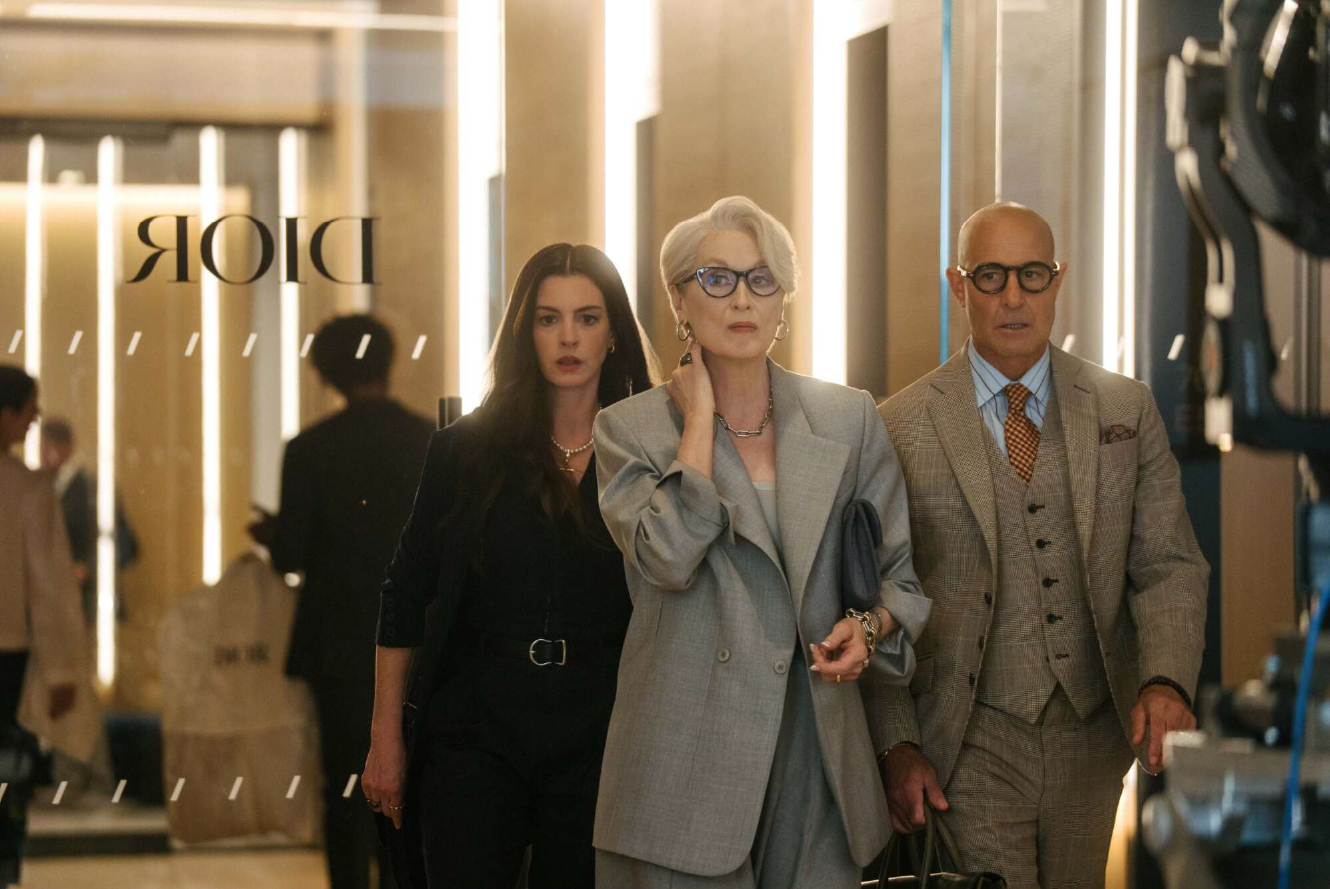
It’s this dedication to a fresh, albeit despairing, approach that allows The Devil Wears Prada 2 to work far better than it has any right to — that, and the glittering chemistry between the film’s four key players: Streep, Hathaway, Blunt and, as Priestly’s long-suffering second-in-command Nigel, the ever-welcome Stanley Tucci. It is not — regardless of the film’s aforementioned subtext — the workmanlike efforts of Frankel, whose original Devil is a career highlight among a series of bargain-bin Hollywood nothings like The Big Year, Marley & Me and Collateral Beauty. Frankel’s direction here is limp and largely uninspired, going down easily but rarely raising a pulse. It is a showcase for actors, even more so than a showcase for the fashion industry: indeed, the fashion of it all frequently gets drowned out by the panicked efforts to save Runway from certain doom, in spite of appearances from every recognisable face of fashion from years past, whether it be Heidi Klum, Donatella Versace or Ashley Graham.
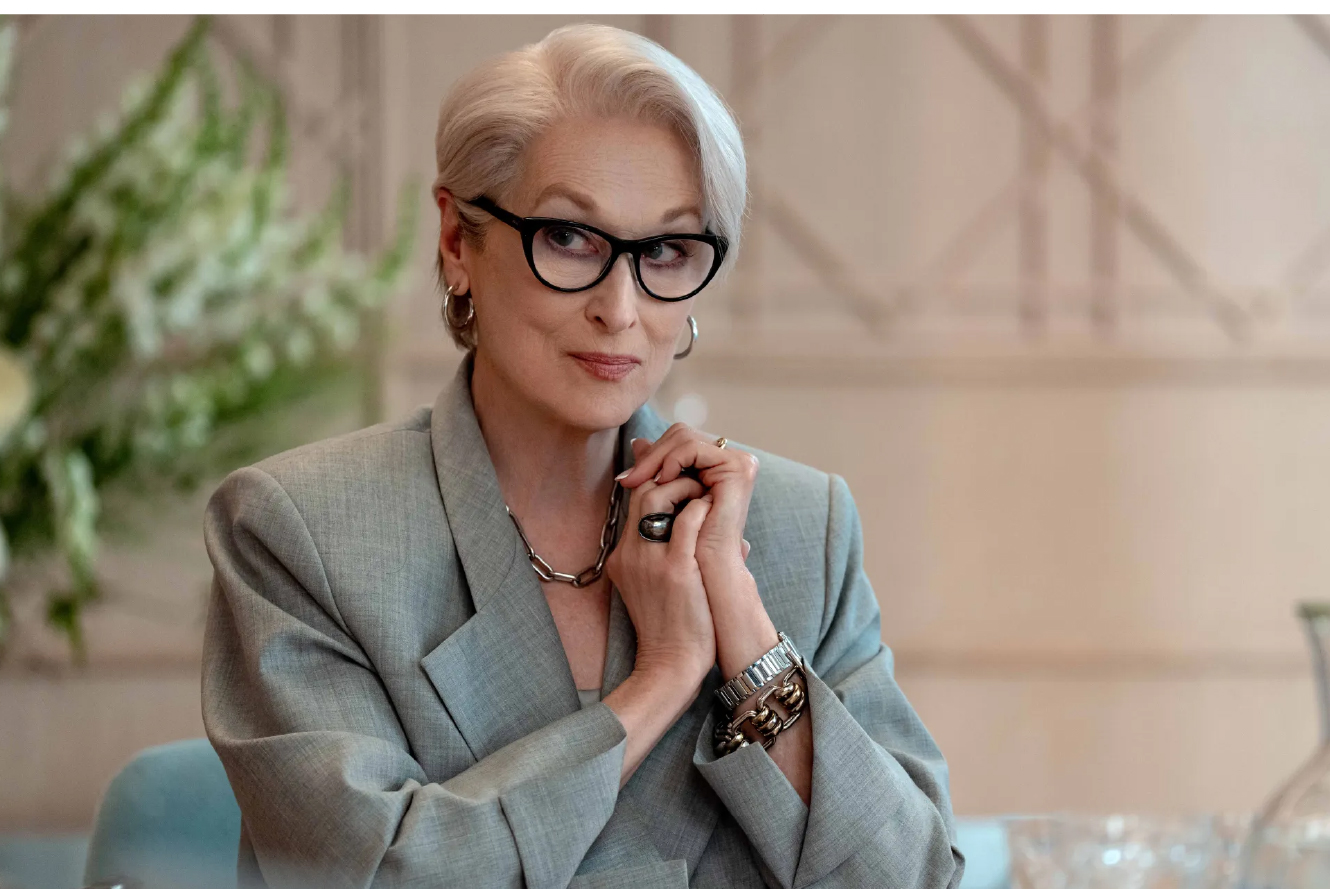
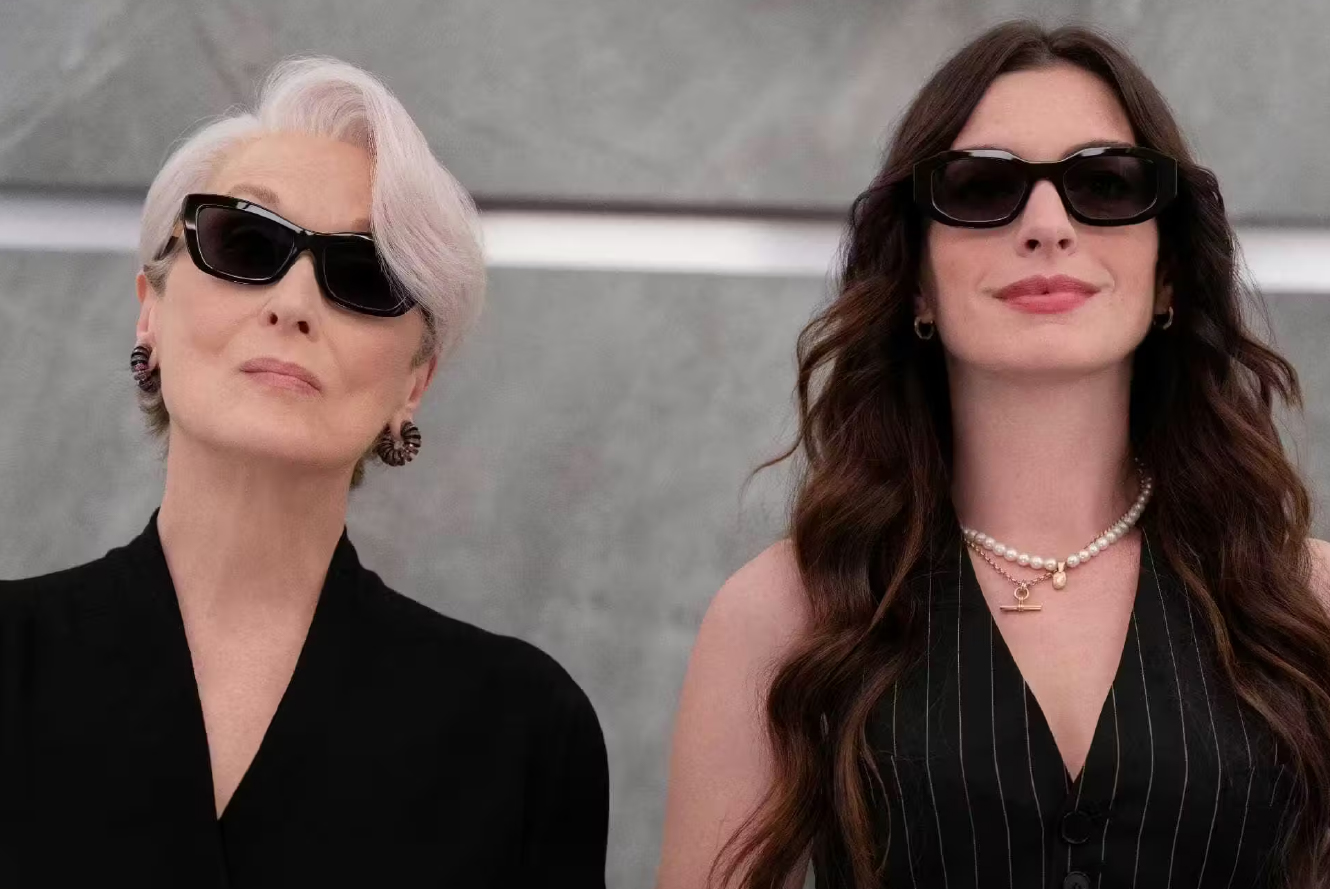
Streep again sucks up much of the film’s oxygen with her carefully calibrated turn, oscillating between icy fortitude and sudden flashes of warmth in a way that readily conjures the experience of watching the first Devil. This time around, though, the other three figures in the mix rise to meet this performance ably. Tucci’s world-weary grace serves as the film’s emotional anchor in the later segments of the film, as the depth of his and Andy’s relationship is revealed in parallel to the one he has cultivated with Miranda. Blunt, as one of the key sources of comedy in the film, hasn’t missed a step, selling both her fragility and ladder-climbing ruthlessness while leaving ample room to surprise. Best of all is Hathaway, whose sparkling authenticity and naturalism is the film’s secret weapon — again, she is our window onto this world, but we are frequently drawn to her first in a scene. It is a timely reminder of the actress’ superstar capabilities, and her potential to be Streep-like figure in the future.
As with the original Devil, this second part reliably arrives at a place of warm, sentimental resolution, but not without traces of welcome darkness. The world is not what it was — a momentary victory for our heroes does not signal the end of the war. Our society’s decision to place all those things we should treasure about humanity — the way we interact with each other, the way we express ourselves, the way we tell truth to each other — in the hands of the most brazenly self-serving and cruel among us is no easy thing to reverse, whether you’re the staff of a small newspaper or Miranda Priestly herself. In Lucino Visconti’s masterwork The Leopard, an aging aristocrat looks on with a mixture of grief and acceptance as the world he has known and cultivated cedes to the frontier of the young, the passionate and the greedy. Was that old way of life better, more virtuous? Not really, but it’s what has been the norm, it’s what we know. The uncertainty of the future, in these ever-changing and morphing times, does have some capacity for hope, but we move with the knowledge that much must be lost before that ideal moment in the sun arrives. The Devil Wears Prada 2 has more in common with The Leopard than a cursory glance might suggest. For all its imperfections, it is this world-weariness that cements it as a film worth engaging with — other legasequels ought to take note.
The Devil Wears Prada 2 is in cinemas now.