Director(s): Emerald Fennell
Country: United States
Author: Emerald Fennell, Emily Brontë
Actor(s): Margot Robbie, Jacob Elordi, Hong Chau
Written by Tom Augustine
Fealty to source material is no barometer for quality in the adaptation from page to screen, something of which Emerald Fennell is sure to be pleased about. Indeed, films that cleave too closely to the books on which they are based are often weaker for it, despite what Stephen King thinks. Cinema is an artistic form of expression, and when we’re watching true adaptations, we’re observing the way a text filters through the consciousness of a specific artist — the contours of the story that they observe, the elements that have stuck, the parts they’ve warped in their own image. I’ve long held that an adaptation works if the spirit of thing, that ineffable essence of the source material, remains in the adaptation, rather than the finer points of the novel’s makeup — but sometimes not even that truly matters, as with Fennell’s “Wuthering Heights”, a film adaptation that reads at best as a wilfully nose-thumbing misinterpretation of Emily Brontë’s seminal text of anguish and revenge, at worst an evisceration of the author’s intentions, bearing only the names and places mentioned in the classic novel, and little more. I’m no expert on the novel myself, but have enough of a situational awareness of the story to know certain elements seem impossible to change — the deep-seated rage, borne from Brontë’s volcanic grief with her circumstances; the hard-to-place ethnicity of antihero Heathcliff, whose dark skin accentuates his otherness in Heights’ well-to-do British caste system; the undertones of class conflict, racial tension and cycles of trauma and abuse that set Brontë’s star-cross’d lovers on a path to doom (ironically, perhaps the most loyal adaptation of the text is Frances O’Connor’s underrated, Emma Mackey-starring Emily, a biopic of the writer’s life). In Fennell’s “Wuthering Heights” — note the aggravating use of quotation marks, a useful guidepost — there are shadings of these elements, but not in a way that’s useful to understanding or even recognising Brontë’s story — this new film is an honest-to-god reimagining, with all the riskiness and ambition that requires.
“Wuthering Heights” is a film full of ironies, both narrative and extratextual, none more striking than the fact that it is far and away Fennell’s best work as a filmmaker and screenwriter, the presence of celebrated source material serving to (slightly) rein in the impulses that bore disasterpieces Promising Young Woman and Saltburn — the former having, again ironically, won an Original Screenplay Oscar in spite of being a very bad screenplay. Few would deny that Fennell’s most assured talent is in the crafting of striking visuals, with even avowed haters (myself included) able to concede that point. Most would agree that great visuals do not a great film make, however, and Fennell’s previous two films have been abject failures in almost every other way, painful ‘social thrillers’ whose overcranked, TikTok-courting sensibilities provided unsteady structures on which to bear exceedingly misguided attempts at social commentary. Promising Young Woman, with its sickly pink-coated neutering of the rape-revenge subgenre, demonstrated a surface-level feminism entirely out of depth with the realities of rape culture in the modern world. Somehow even more lamentable was Saltburn, the Oxford-educated, Old Money Fennell’s attempt at an ‘Eat the Rich’ story, fetishising working class fury and miscategorising it as a desire to possess what the rich have, rather than bring the system down entirely — the kind of all-consuming myopia that can only come from a fabulously wealthy social commentator. Brontë’s novel, as with any classic, broadly-known text, provides ample room to play, but also allows for Fennell to zoom in on crafting a sensory, tactile experience, rather than one of any depth. Though no one could claim “Wuthering Heights” is a success, it’s a mode that suits the filmmaker well.
Sure to divide audiences, Emerald Fennell’s melodramatic, loose adaptation of Emily Brontë’s enduring classic is far and away the writer-director’s best work — a maximalist ode to feral romantic impulses. Though far from faultless, Fennell swerves away from her worst impulses frequently enough to allow for a rich sensory experience.
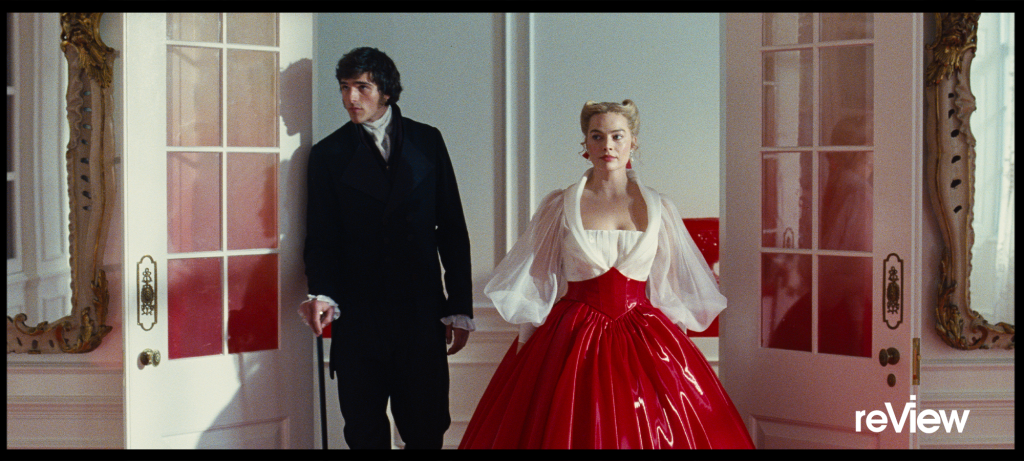
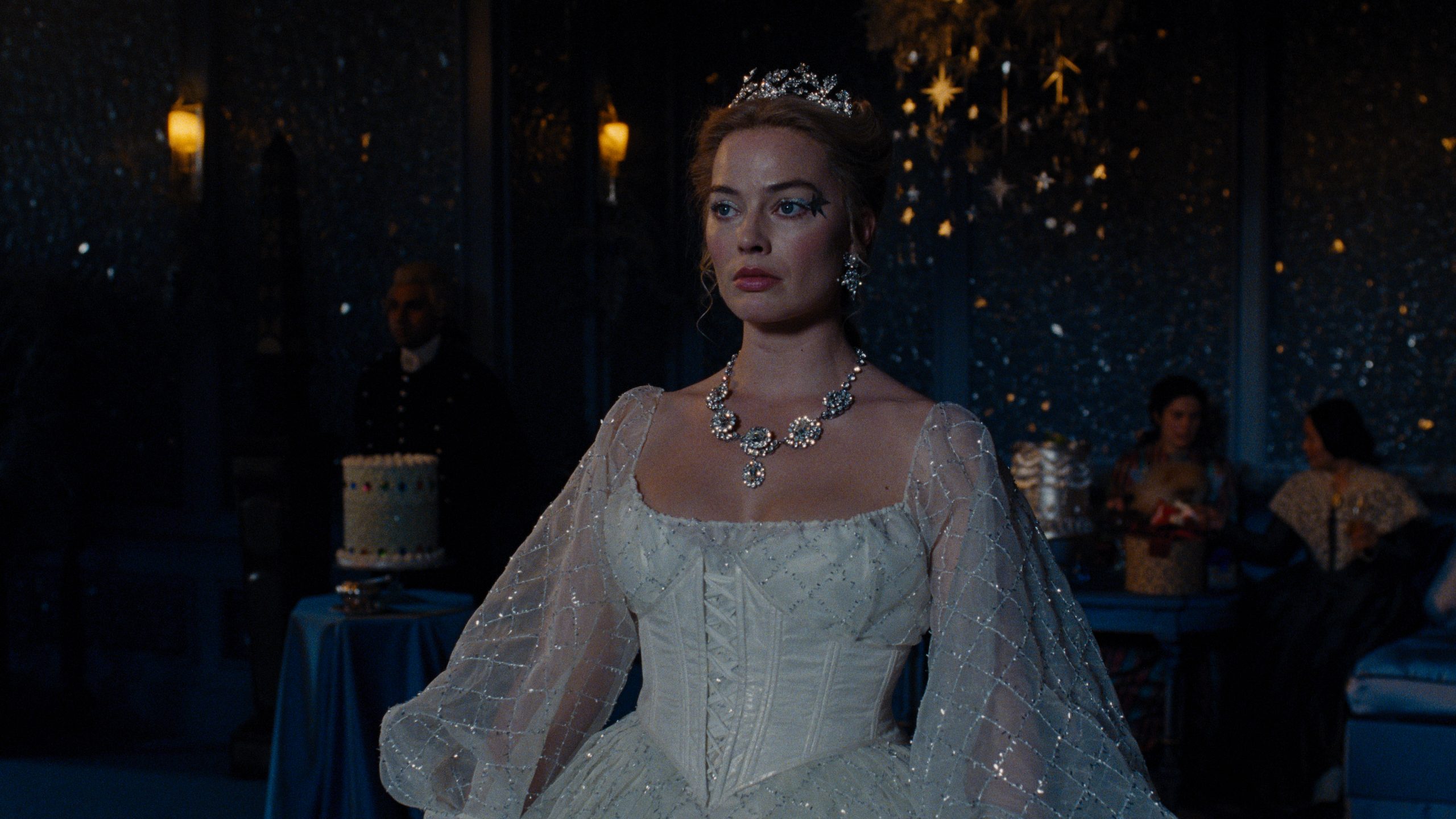
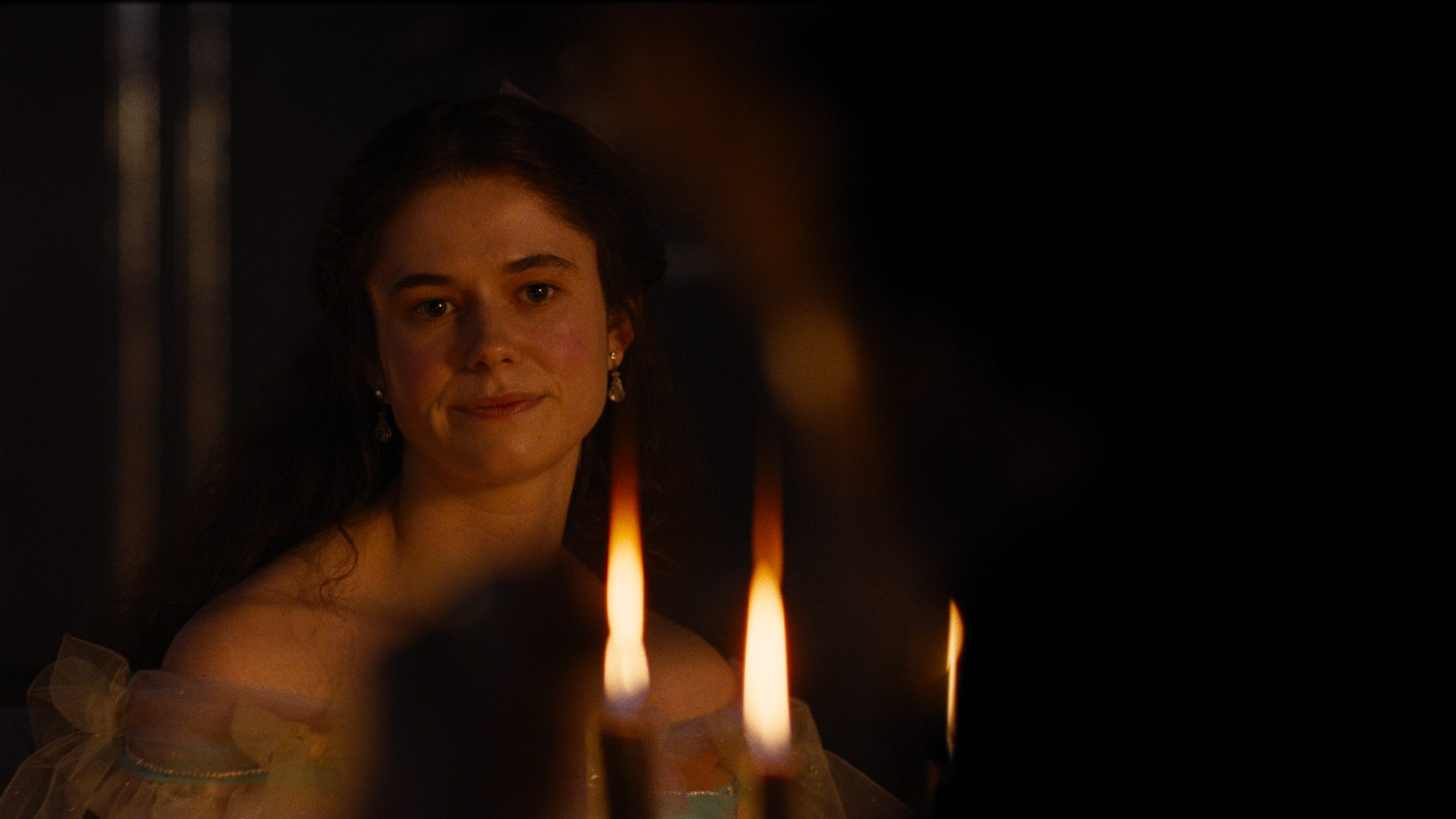
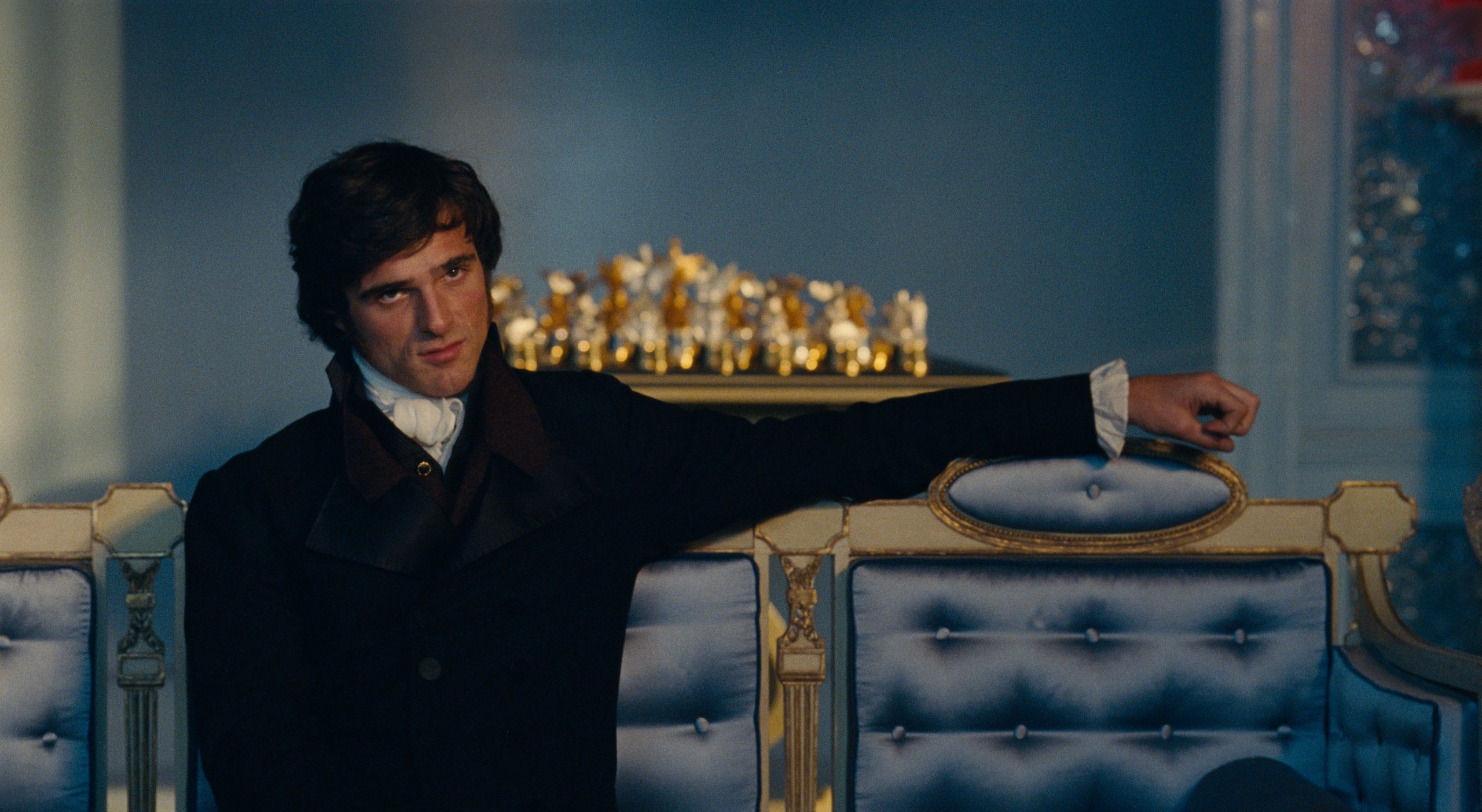
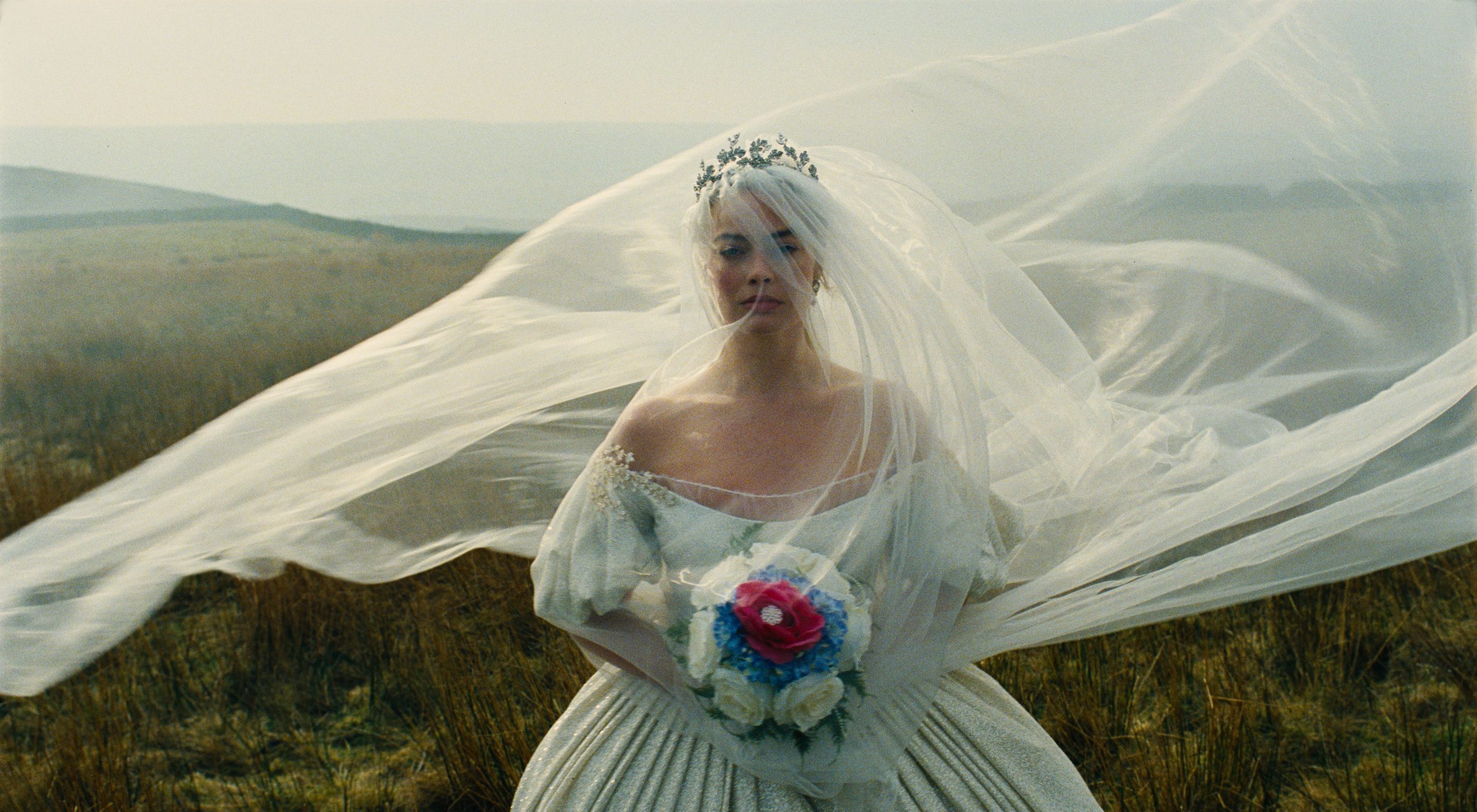
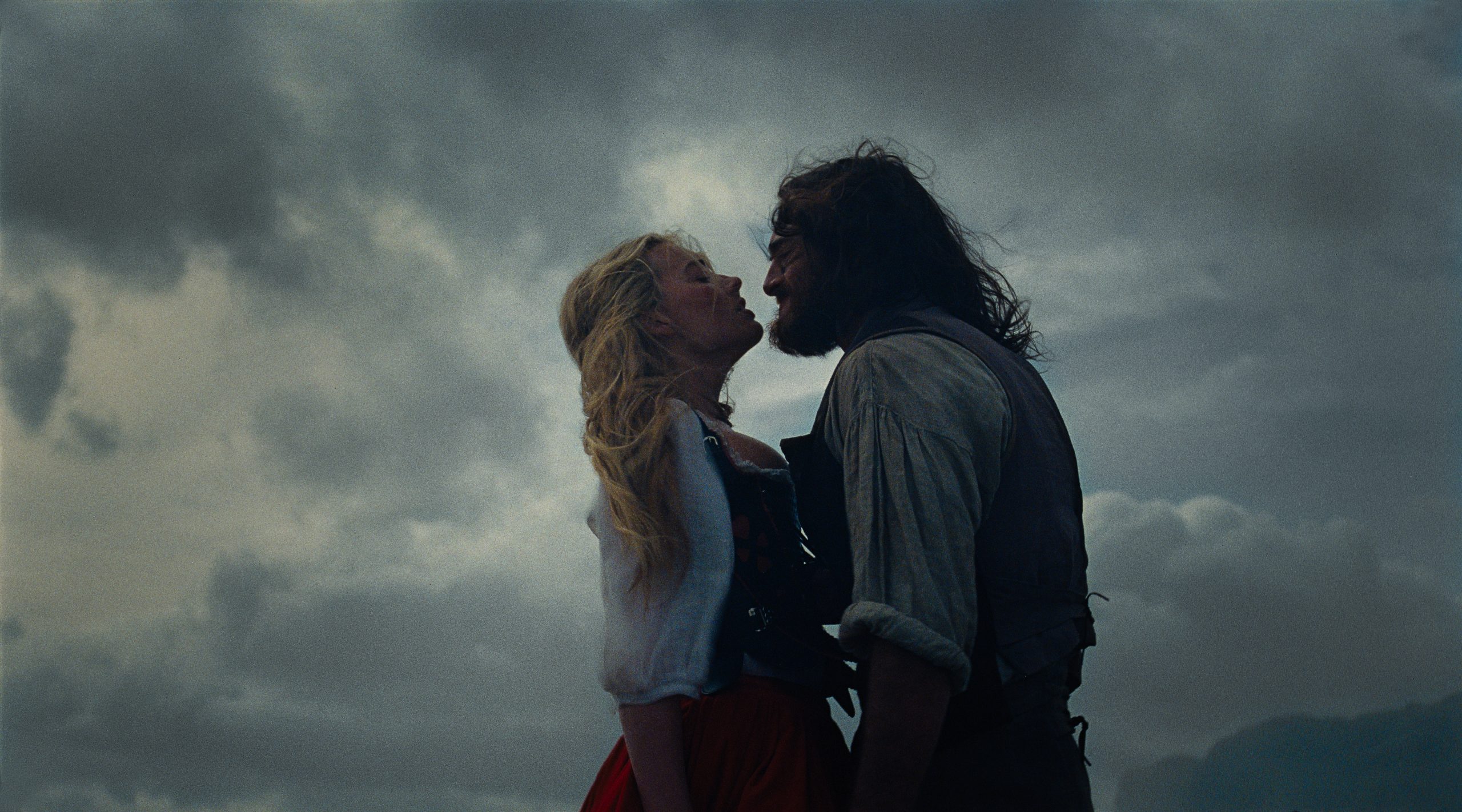
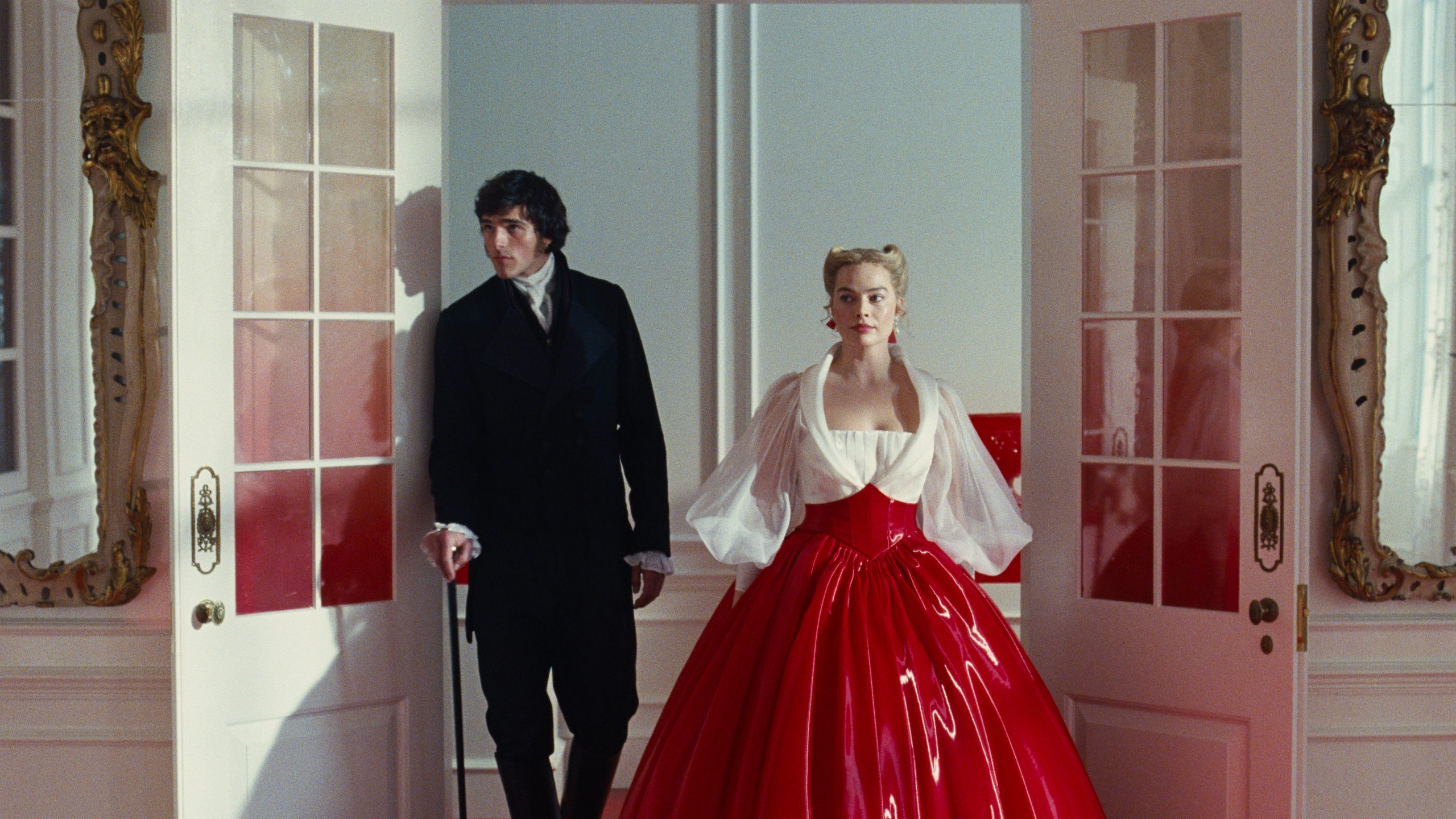
Margot Robbie, arguably miscast, plays Cathy, a wild, passionate young woman, alongside Jacob Elordi as the nomadic, tortured (and, according to the text, not white) Heathcliff, the Australian It Boy returning to Fennell’s work after serving as the high point of Saltburn. Elordi acquits himself well, though his Heathcliff is especially shallow within the parameters laid out by Fennell, more Mills & Boon bodice-ripper than rage-fuelled Frankenstein’s Monster. Ironically, for a character whose subtextual BDSM-leanings are brought all the way up to the surface in “Wuthering Heights”, one never believes Elordi’s Heathcliff as capable of real emotional violence — there is a lingering softness, even boyishness, in his eyes that’s engrossing. It’s a shame his chemistry with Robbie is, mostly, theoretical — one of the key flaws of the adaptation is that we never fully fall into their self-destructive bond in the way the film desperately wants us to (indeed, an arguably more intriguing relationship is the one between Heathcliff and Alison Oliver’s poor, desperate Isabella Linton, producing the film’s very best scene late in the game — a terrible, abuse-tinged seduction). In Fennell’s vision, the moors are a heightened, maximalist space of agonising desire, evoking Baz Luhrmann’s expressionist palette in its art direction and anachronistic costuming. Like Luhrmann’s enduring William Shakespeare’s Romeo + Juliet, one expects “Wuthering Heights” will do gangbusters with teenagers, whom Fennell appears to be consciously courting in her approach here, with all the blunt edges, tentative provocations disguised as outrageousness and capital-letter Emotions that would suggest. There’s nothing necessarily wrong with that, and it is undoubtedly the best lens through which to look at Fennell’s camp carnal tragedy, though Fennell has none of Luhrmann’s emotional incisiveness or gonzo theatrics.
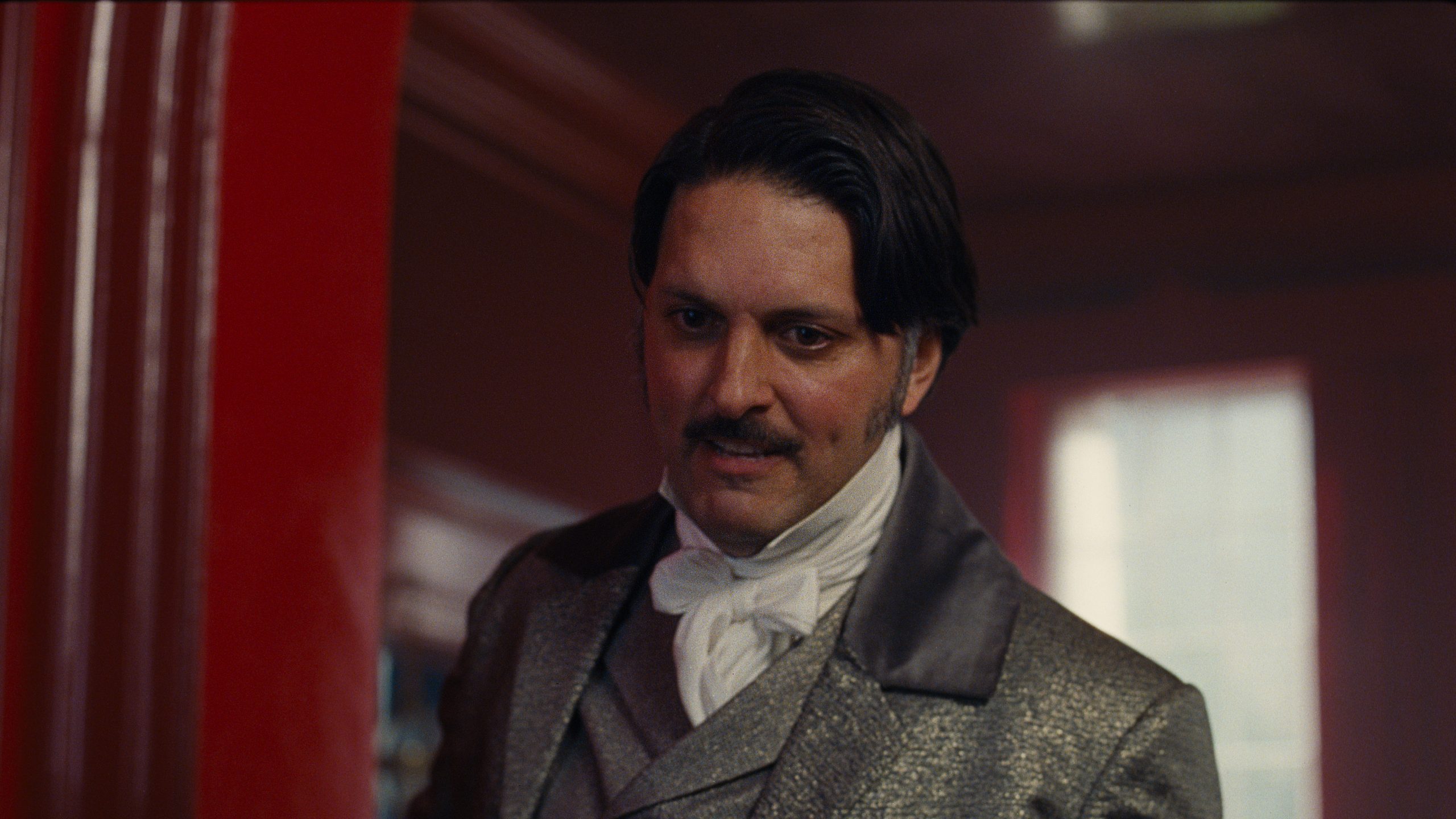
Many of Fennell’s worst impulses remain — it is why it becomes generally impossible to recommend “Wuthering Heights” outright — clashing with moments of genuine inspiration, like an especially icky piece of set design which turns a bedroom into a plush, fleshy prison, or Charli XCX’s appreciably modern, menacing score. One gets the sense that, like her protagonists, Fennell can’t help but show her hand as a lesser filmmaker — terribly mounted and executed montages briefly morph the film into a subpar music video; sequences intended to provoke some kind of visceral response (closeups of egg yolks and dough being kneaded through fingers, for example) are laughable in their over-exertion. Fennell’s apparent commitment to colour-blind casting is a sharp double-edged sword — while one cannot be mad about seeing Hong Chau on our screens, casting her as the meddling, jealous Nelly Dean introduces some incredibly discomfiting (and surely unintentional) hidden layers when she is put up against Heights’ two beautiful, pearly-white leads. Even worse is the decision to cast Shazad Latif in the role of Cathy’s cuckolded husband Edgar — rarely granted even a close-up, let alone any kind of interiority, it’s a disheartening reminder of which actors get the privilege of the centre-stage, when arguably Latif is closer to the makeup of the Heathcliff of the novel than Elordi will ever be. Fennell’s interest in sex and sexuality remains frustratingly juvenile, too — though one wonders if the film’s ideal audience, teenagers, may be part of its realisation here. Anyone seeking genuine subversion (or transcendence) in their titillation ought to look elsewhere. Fennell’s film is one of sweaty, desperate textures, best when it gets out of its own way and descends into animal ferality — there’s genuine pleasure in the creation of unfettered melodrama, no matter how facile it can be. It will not drive you mad, but a sumptuous, quickly forgotten feast can have its base pleasures.
Wuthering Heights is in cinemas now.