Director(s): Maggie Gyllenhaal
Country: United States
Author: Maggie Gyllenhaal
Actor(s): Jessie Buckley, Christian Bale, Jake Gyllenhaal
Written by Tom Augustine
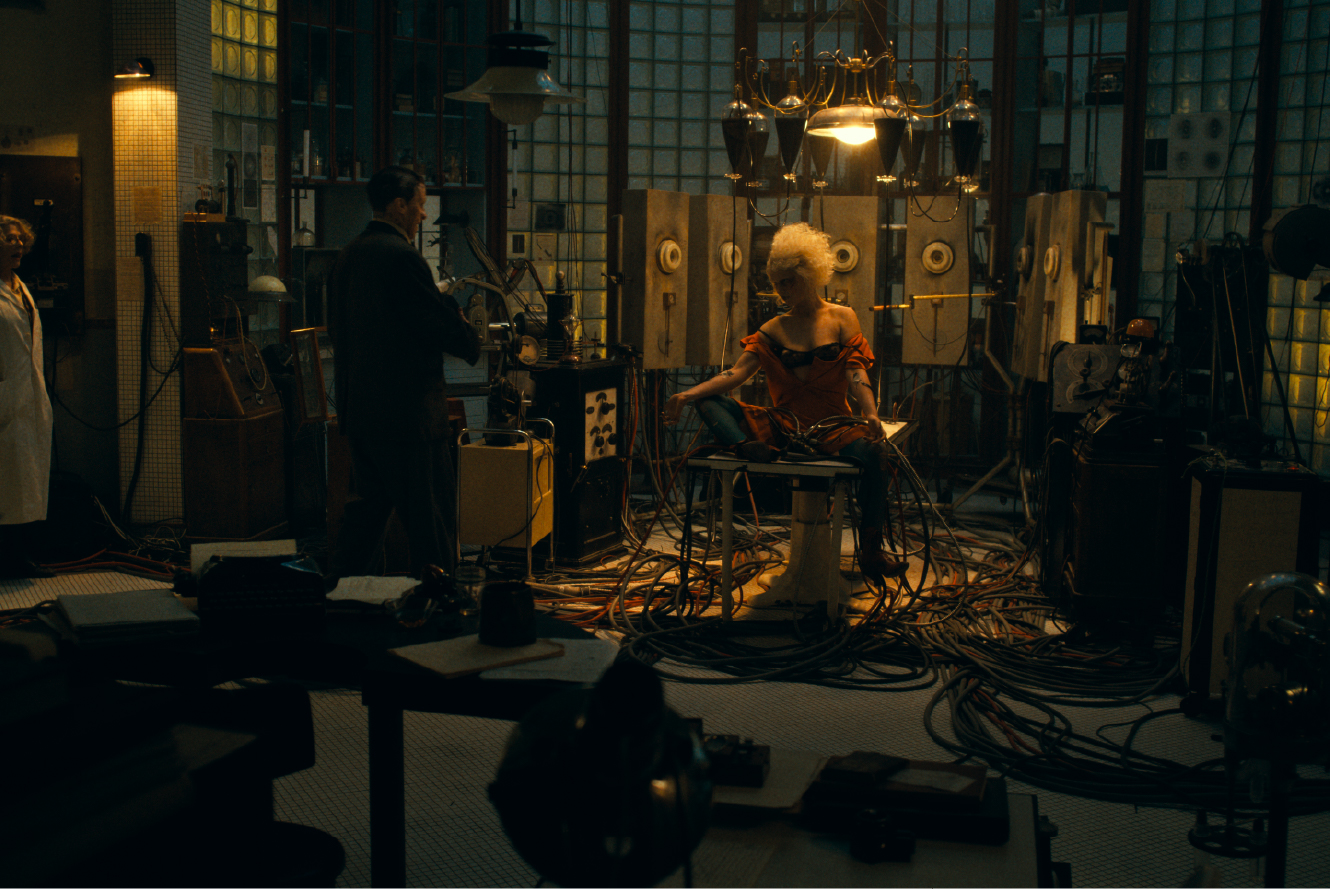
Late in The Bride!, Maggie Gyllenhaal’s remake of the beloved 1935 James Whale monster sequel Bride of Frankenstein, a doctor played by Annette Bening explains how she was inspired to explore ‘disobedient’ science, seeking what secrets of the universe could be divined outside the realm of respectable exploration. The lure of the insensible is key to the success of Mary Shelley’s original Frankenstein fable, the sense of being unable to look away from something infernally wrong — the consequences of playing God any reader would do well to learn from. One senses how important this notion is to Gyllenhaal in this new film — her second, a film about as far in style and tone from her debut The Lost Daughter as one could imagine. From the outset, this sizeable, starry remake is totally committed to its offbeat, even off-putting tone, a knowingly goofy, outsized oddness that recalls The Rocky Horror Picture Show and Joker Folie á Deux as much as its beloved predecessor. The rumour mill has haunted The Bride! for a while now, and it’s not hard to see why — one imagines studio executives sweating bullets at the sight of this gleefully shaggy bricolage of random, dismembered parts — which also explains why one senses the scars of a studio-mandated edit throughout the film. Regardless, it is remarkable that such a distinct vision exists at all at this scale, even if such a vision can frequently aggravate in practice. Put another way, The Bride! is all but certain to receive a box office and critical drubbing, but is just as sure to find its way into the hearts of alienated counterculture kids in a few years. One imagines Gyllenhaal would be happy with that.
Between “Wuthering Heights” and The Bride! (and, to an extent, The Testament of Ann Lee) singular, women-led and directed visions that knowingly cater to a certain demographic of young women one might colloquially identify as ‘the girlies’ are having a moment — works of lush, frequently gaudy image-making, an idiosyncratic musical fingerprint, and a take-it-or-leave-it artistic sensibility as likely to alienate as seduce a viewer. It is quite the bizarre coincidence that the three have arrived on Aotearoa screens in such quick succession, and The Bride! may be the hottest mess of the lot, an often indecipherable text with nearly as many cringing lows as delirious highs. The film opens with a sequence of intriguingly intense strangeness — in a dark, spotlight purgatorial underworld, the tormented spirit of Mary Shelley herself greets us, laying out not only her intentions behind her original literary masterpiece, but her desire to get out another story, one that has been formulating ‘like a tumour’ in her mind since before her death. From here, Shelley transmits us to 1936, telling the story of Ida, a sex worker whose death sets in motion the story of The Bride!.
Genuinely off-kilter in a way few modern American blockbusters are, Maggie Gyllenhaal’s sophomore feature is a gonzo hot mess, remixing the classic Bride of Frankenstein tale into a Bonnie and Clyde love story shot through with half-baked punk excess. Thanks to an absolute commitment to its abrasive tone and a see-it-to-believe-it performance from Christian Bale, it’s a future cult item in the making
I say ‘transmits’ because both Shelly and Ida are played by the film’s star, Jessie Buckley, in a performance both better than and entirely in the same realm of overacting as her Oscar-bound performance in Hamnet. Here, such triply-underscored theatricality is matched by the film’s nose-thumbing attitude, rather than overcranked by po-faced self-seriousness. This transmission suggests an intertextual playfulness that is one of the most gratifying elements of The Bride!. It is never entirely clear from what dimension the story of The Bride! is taking place — the 1936 of the film is one in which Frankenstein exists as a living being, and whose existence has had an impact on the development of the world itself — but it is also one that Mary Shelley belongs to and informs upon directly, largely in her ability to possess Ida, pushing her toward a moment of confrontation that will inevitably lead to her death. Is the entire story a projection of Shelley’s from the afterlife, a literal act of ‘storytelling’? Or is it some strange crossing of a threshold, where the artist has inserted herself into a world she once built, creator and created? Both and neither are true — it is a strange tension that adds a layer of hypnotic buzz to the proceedings.
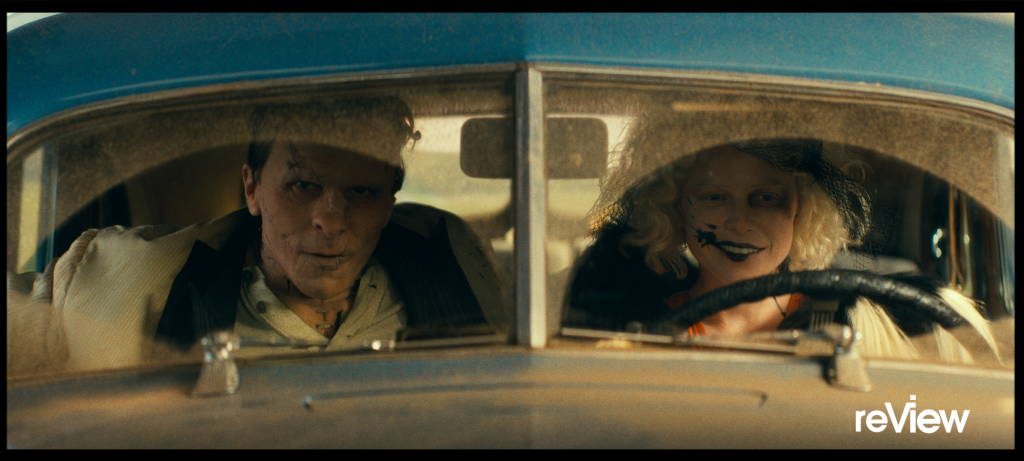
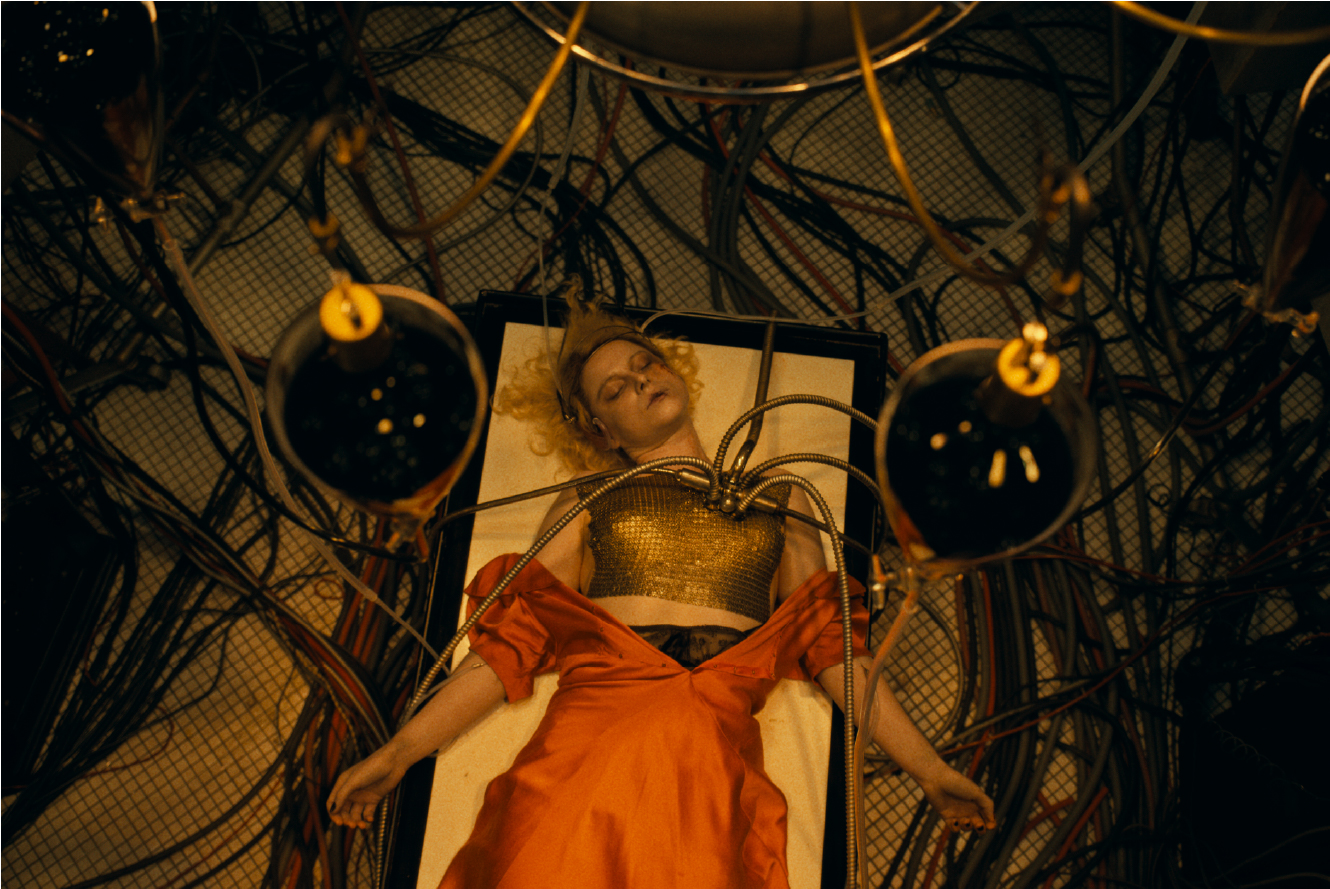
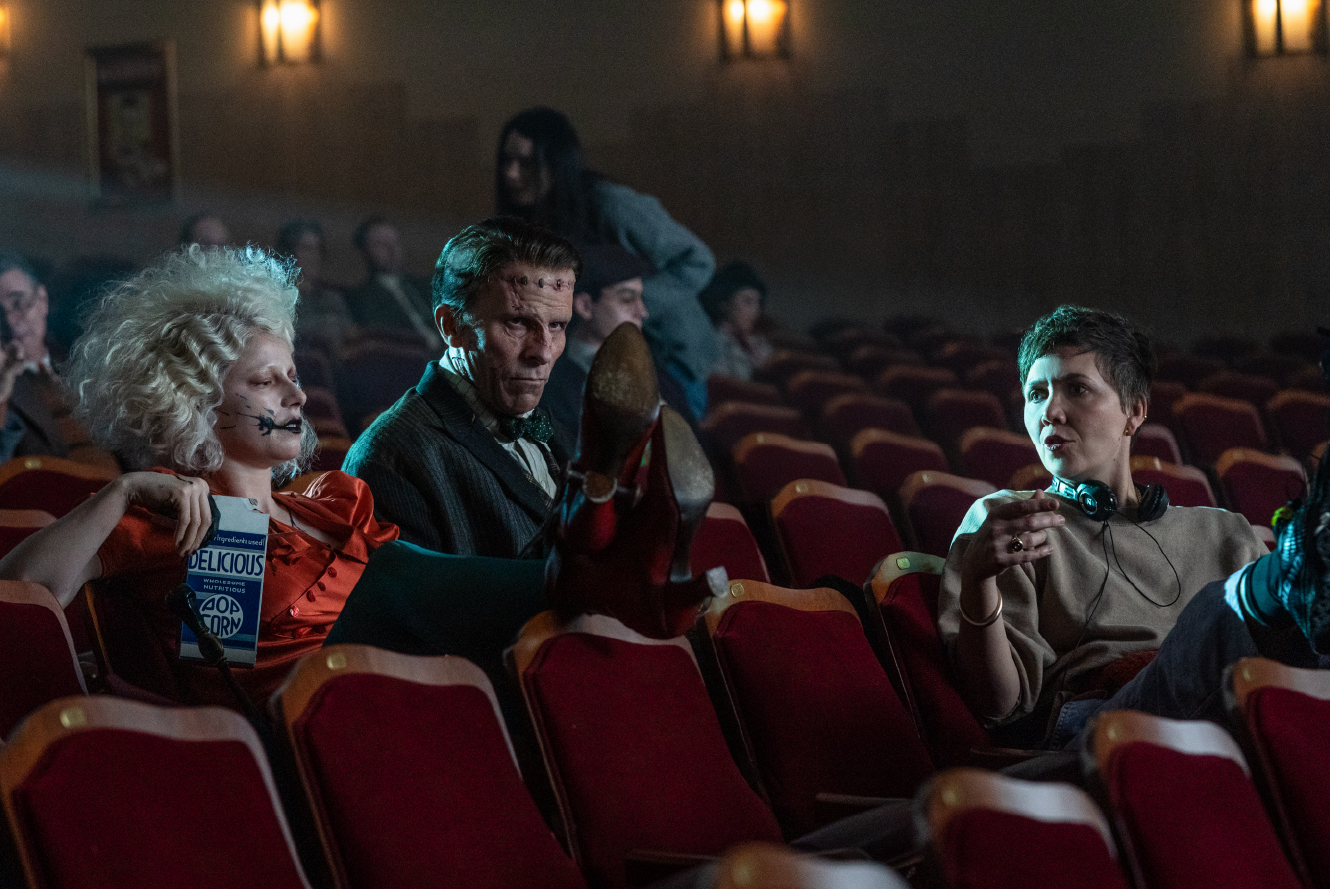
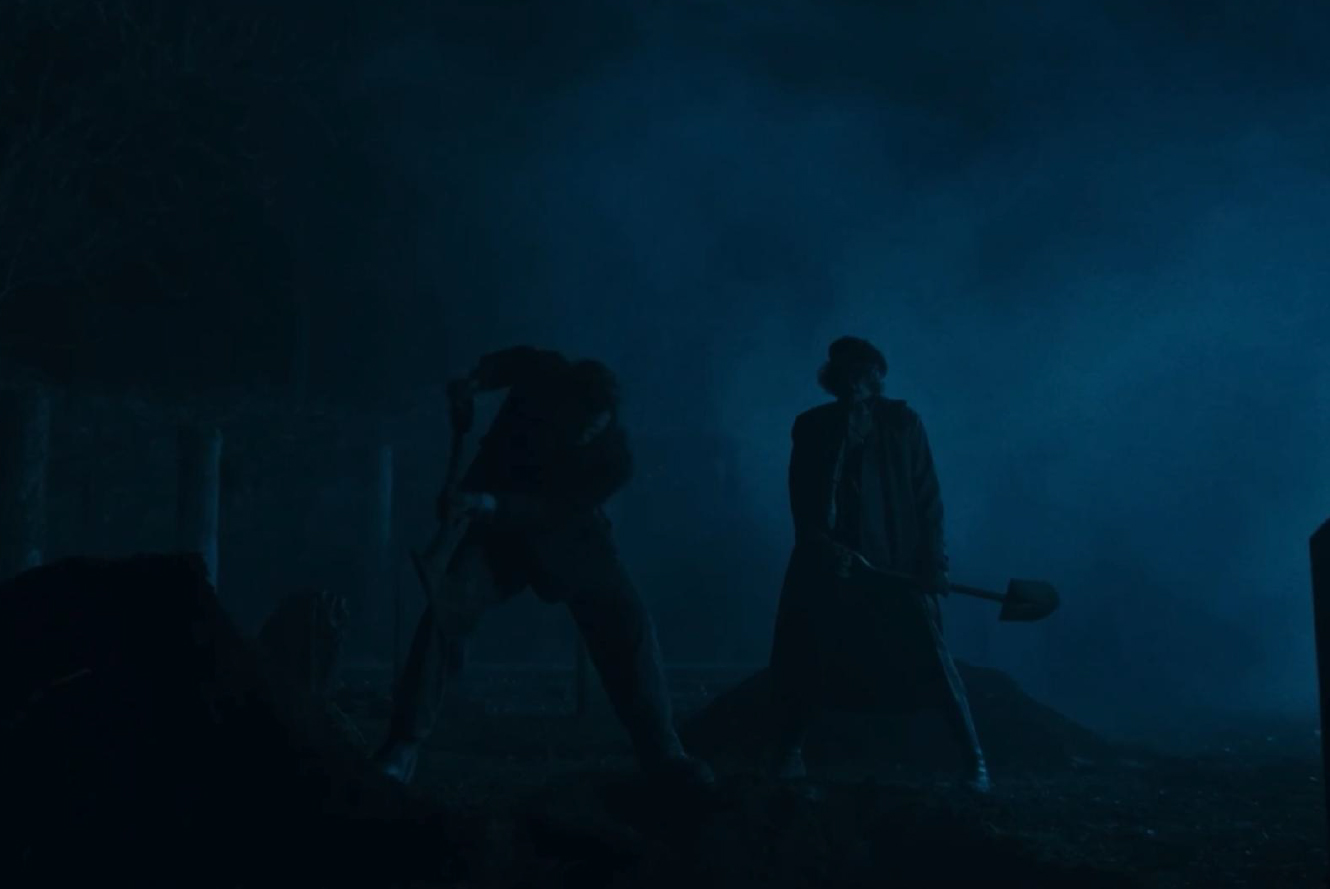
One must, at this point, pause to appreciate the gargantuan efforts of Christian Bale, whose performance is the finest and most exciting of Gyllenhaal’s expansive cast (which, naturally, also contains her brother Jake as a Hollywood musical star and husband Peter Saarsgard as a washed up detective). It is Bale who dons the stitches and bolts of Frankenstein’s Monster, here over a hundred years on from the original action of Frankenstein, and living under the radar in agonising loneliness. It is this imposed solitude that inspires “Frank”, as he is known, to seek out Bening’s Dr Euphronious, a Dr Frankenstein acolyte, in the hopes that she might be tempted to reanimate the corpse of a young woman so that Frank may take a bride. Thus, Buckley’s Ida is “reinvigorated” (the film skirts quickly over the details of how Ida, dispatched by New York mafia thugs and buried in an unmarked grave, was both selected, located and reanimated). However, Ida is also undergoing the throes of possession from Mary Shelley, which means that Buckley is eventually oscillating between three different identities — street smart Ida, cockney-accented Shelley, and impassioned, outspoken ‘Penny’, as her reanimated corpse comes to be referred, at times all within the same sentence. As a bizarrely haphazard romance begins to bloom between the two monsters, a series of murders prompts them to flee, morphing The Bride! into a kind of macabre road trip through Prohibition-era America.
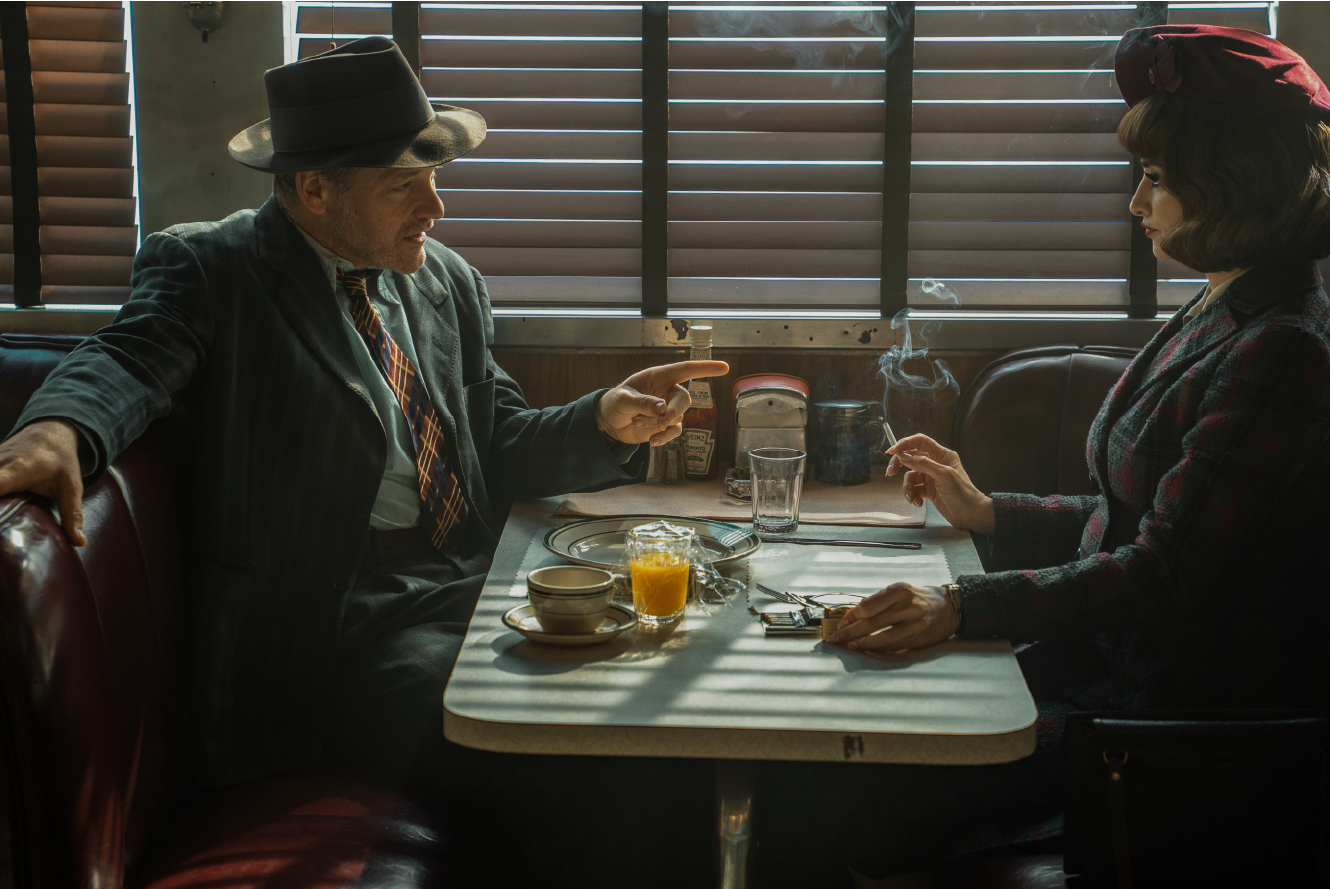
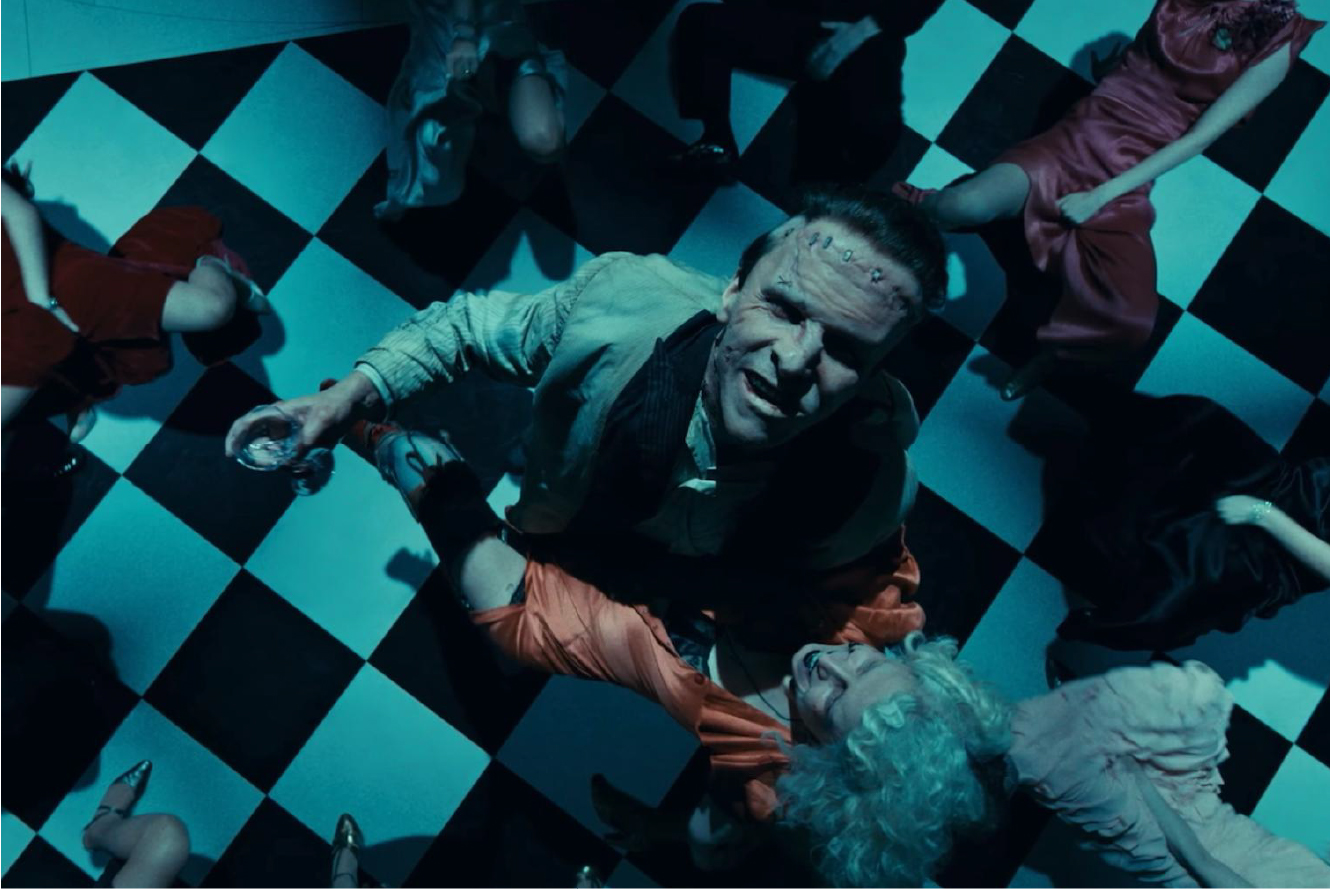
There is vanishingly little chemistry between Buckley and Bale, though not for lack of effort, with Bale especially drawing genuine pathos from Frank’s desperation and infatuation with Penny. Much of the dissonance is drawn from a script bursting at the seams with subplots and ideas that aren’t executed lucidly enough to elicit a response. Gyllenhaal’s hyperactive approach to the material does produce its share of gonzo inspiration — most notably in a bizarre dance sequence midway through the film, in which the passions of Penny and Frank seem to briefly possess others around them, too — but plenty more moments of puzzling flatness. A subplot involving Sarsgaard’s aforementioned detective, who is paired with a miscast Penelope Cruz as his investigative genius partner, could be lifted out of the film wholesale without impacting the film’s emotional drive. Similarly, Gyllenhaal’s half-baked punk aesthetic and watery pop feminism ideals serve too often as distraction, instead of trusting the audience to glean the filmmaker’s intentions from the ferality of the film’s central relationship. Plenty of the film’s most thuddingly obvious sequences are telegraphed with such obvious metatextual intentions that Gyllenhaal might have been better off tattooing it on Frank and Penny’s foreheads and cutting out the middleman altogether. The Bride! is a frustrating film, but also one with occasional wellsprings of intrigue — it is fair to say that I haven’t encountered a film of this scale that generates quite the same mood as The Bride! in many years, if at all. At a certain point, the success of such an approach is arguably moot — in an era of overwhelming homogenisation, point of difference is in itself a kind of victory.
The Bride! is in cinemas now.