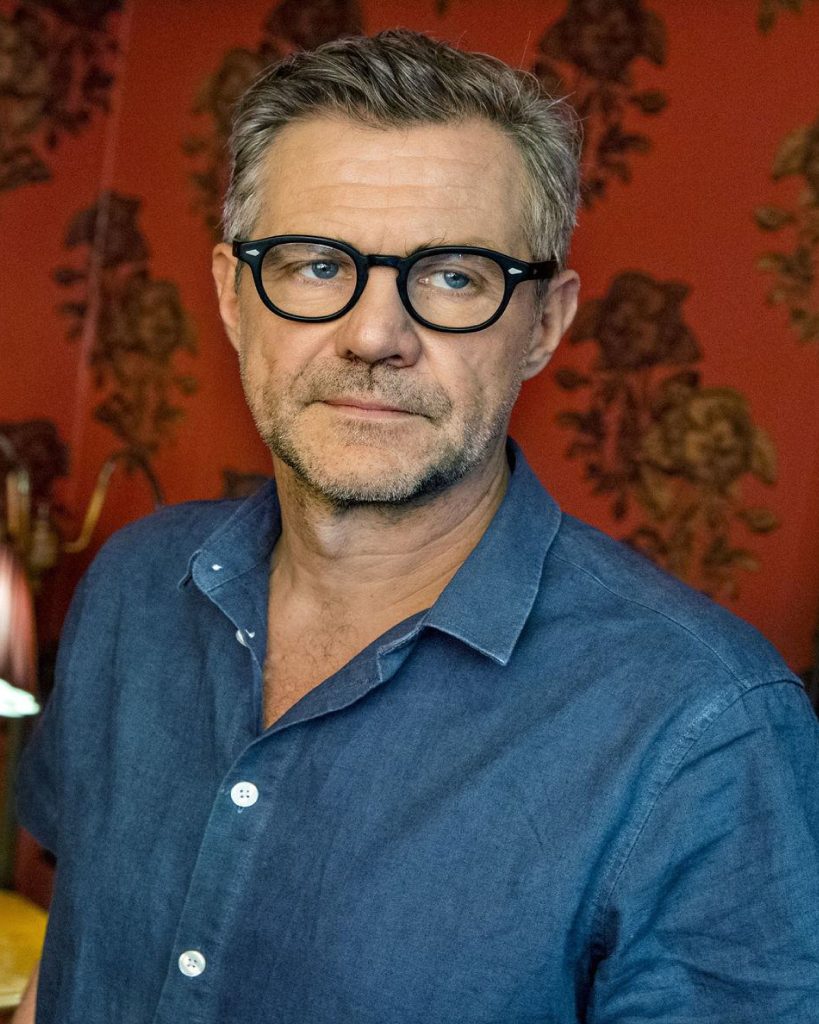
Henrik Georgsson on Vaka, silence, and the fragile humanity inside catastrophe
Some series open with noise- spectacle, urgency, the insistence that you must pay attention.
Vaka does something else entirely.
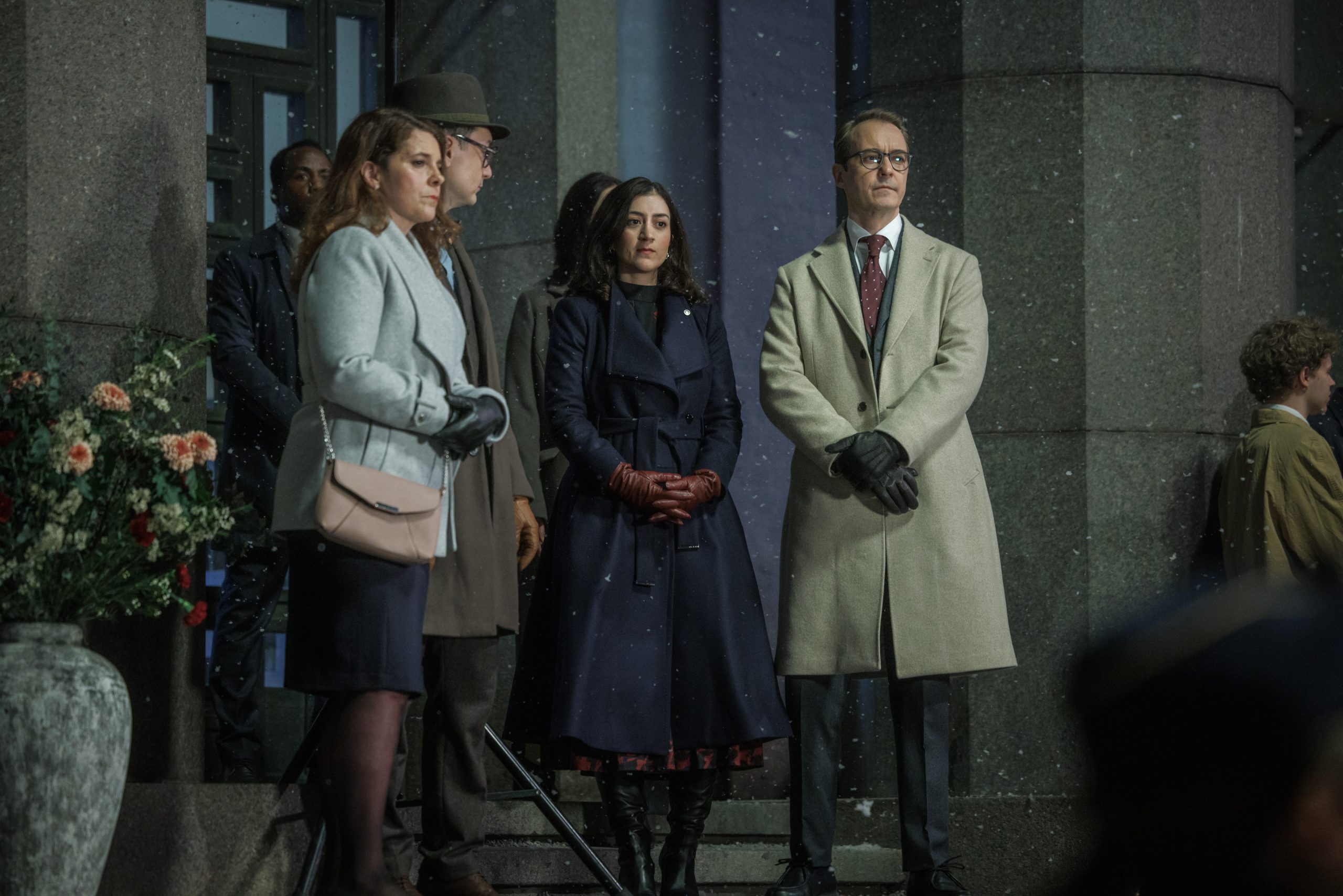
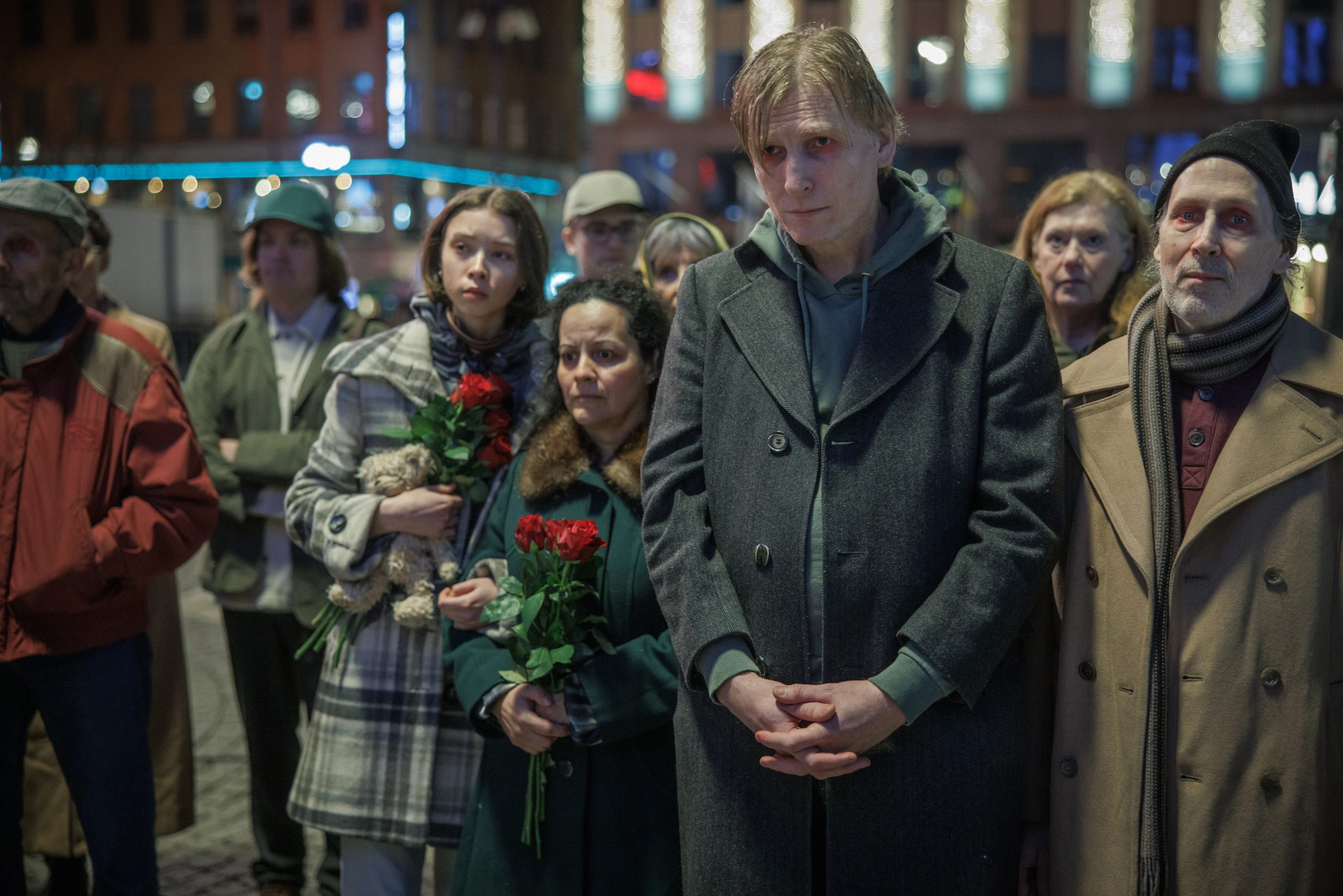
It moves slowly at first, almost cautiously, like someone entering a dark room and letting their eyes adjust. Atmosphere gathers. Conversations pause mid-thought. Characters watch each other carefully. The tension grows not from explosions but from the quiet understanding that something, somewhere, has already begun to shift.
Directed by Henrik Georgsson, whose work on the BAFTA-nominated Nordic noir phenomenon The Bridge helped redefine the genre for international audiences, the series continues his fascination with the fragile spaces between people- moments where relationships strain, loyalties shift, and identities are quietly tested.
“Catastrophe doesn’t create character- it removes the mask.”
Created by Brynja Björk and written with Pauline Wolff, Vaka walks a delicate line: part intimate character drama, part escalating thriller, part catastrophe narrative. Yet Georgsson’s real interest lies less in spectacle than in what happens inside people when the ground beneath them begins to move.
He describes the series as a balancing act between drama and disaster.
On one side are the mechanics of suspense – danger, action, the creeping sense that events are spiralling beyond control. On the other are the quieter elements: relationships, doubt, emotional hesitation.
For Georgsson, the characters must always remain recognisable.
In Scandinavian storytelling, he says, there is often a reluctance to turn people into traditional action heroes. Instead, the aim is to keep them human- flawed, uncertain, capable of fear. That decision inevitably shapes the rhythm of the series.
When characters remain believable, the story cannot rush.
Extreme situations reveal who we are
Many of Georgsson’s stories unfold at borders- not just between countries, but between emotional states.
He is drawn to moments when characters are pushed beyond their comfort zones.
Who do they become when the ordinary structures of life collapse? How do they behave when there are no longer clear answers?
For the director, these questions are also personal. Each project becomes a quiet investigation of his own instincts.
Who would I be in this situation?
It is a question that rarely offers comforting answers.
The strange burden of success
The global success of The Bridge arrived gradually- and then all at once.
During preparations for the second season, Georgsson remembers the producer walking into his office with news: the first series had sold to one hundred countries.
A week later it was one hundred and fifty.
Soon after, one hundred and eighty.
With each new number the pressure grew. Expectations rose with almost comic speed.
Yet the experience ultimately gave Georgsson something more useful than anxiety: perspective.
Everyone in television likes to talk about formulas for success. Data, audience research, algorithms.
But after living through a phenomenon like The Bridge, Georgsson says he learned something simpler.
There is no formula.
Stories succeed because they feel true, and truth is rarely something statistics can predict.
The power of silence
One of the defining qualities of Vaka is its quietness.
Scenes often linger in silence. Characters hesitate before speaking. Emotional meaning hides in the spaces between words.
For Georgsson this approach is deliberate.
He prefers to work with subtext rather than explicit explanation. Silence gives the viewer room to participate in the story- to notice, to interpret, to realise something on their own.
When an audience arrives at an emotional understanding themselves, the impact is stronger.
The story stops feeling like information.
It begins to feel like discovery.
Scandinavian restraint
Working with actors, Georgsson relies heavily on shared cultural instincts.
Many of the performers come from the same Scandinavian acting tradition- one that tends toward emotional restraint rather than overt display.
But restraint does not mean distance.
In fact, Georgsson believes the opposite is often true. Beneath the quiet surface lies a deep commitment to honesty.
Characters may say very little.
Yet the emotional truth is unmistakable.
Small moments inside disaster
Some of Georgsson’s favourite scenes in Vaka are unexpectedly intimate.
In one, a small boy comforts a teenage girl on a sailing boat- reversing the emotional roles we might expect.
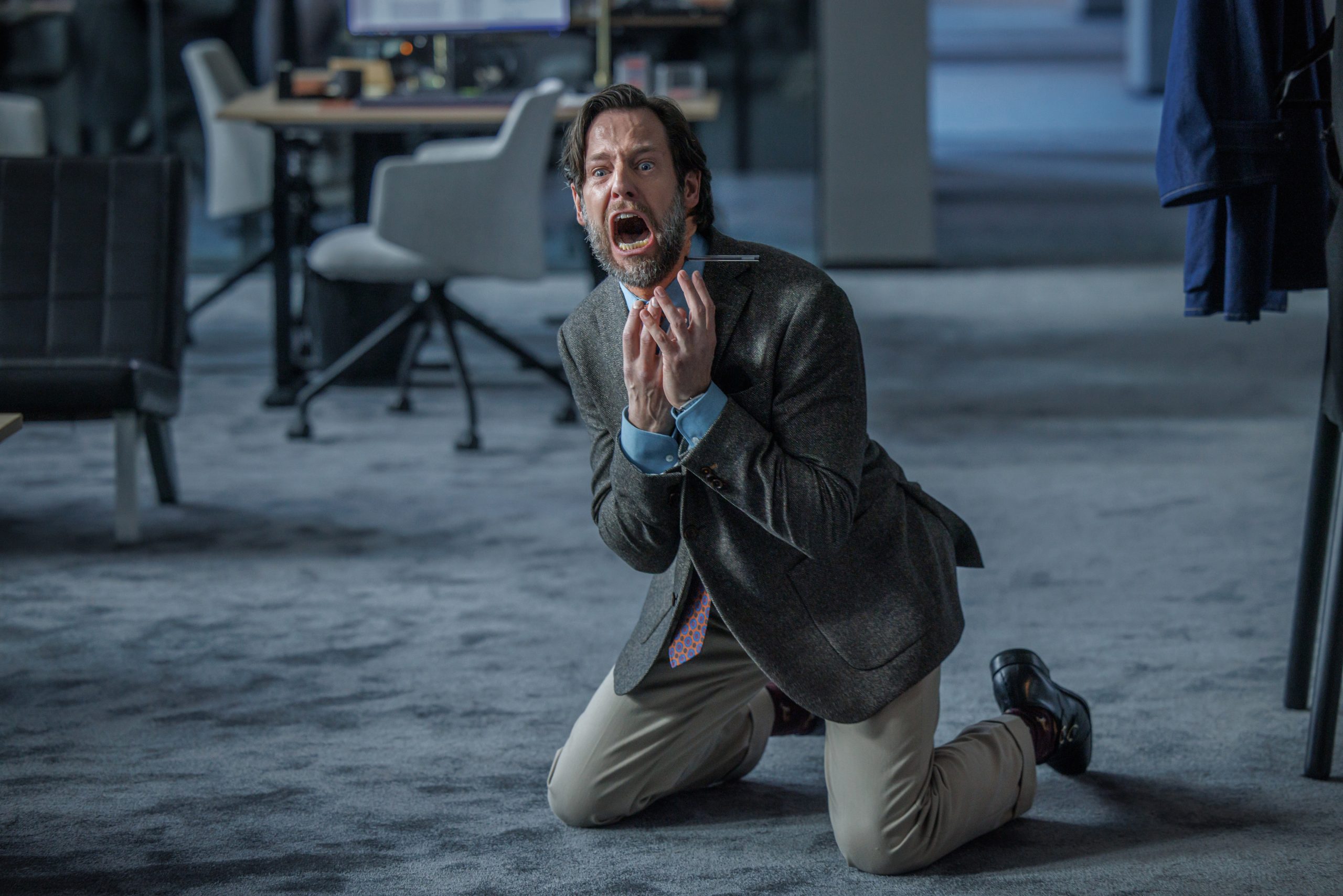
In another, a wounded man stitches his own stomach while attempting to distract himself from the pain by casually asking his son how life has been since leaving prison.
The absurdity of the moment makes them laugh.
Everything around them is falling apart, and yet they still find humour.
For Georgsson, those contradictions feel profoundly human.
Even in catastrophe, people search for connection.
Seeing disaster differently
When filming the series’ action sequences, Georgsson wanted the audience to experience them almost the way a child might- without immediate moral judgment.
In an early scene where a ski lift spins violently out of control, the first reaction might even be excitement.
It feels, for a moment, like a rollercoaster.
Only afterwards does the reality set in: people are in danger, lives are at risk, the spectacle carries real consequences.
The shift from thrill to horror is deliberate.
It mirrors the way catastrophe often reveals itself slowly.
What remains
For all its tension and scale, Vaka ultimately returns to a simple human question.
What happens to people when everything changes?
Georgsson hopes viewers finish the series thinking less about the disaster itself and more about their own instincts.
How would they behave?
Who would they become?
And perhaps most importantly, would they face the crisis alone- or reach for the people beside them?
Because beneath the suspense and spectacle lies a quiet belief.
When the world tilts, survival is rarely individual.
It depends on how we choose to take care of one another.
Vaka: Series 1 – new episodes every Tuesday in March at 8:30 PM on Rialto Channel (Sky Channel 39), and available on Sky Go to catch up.