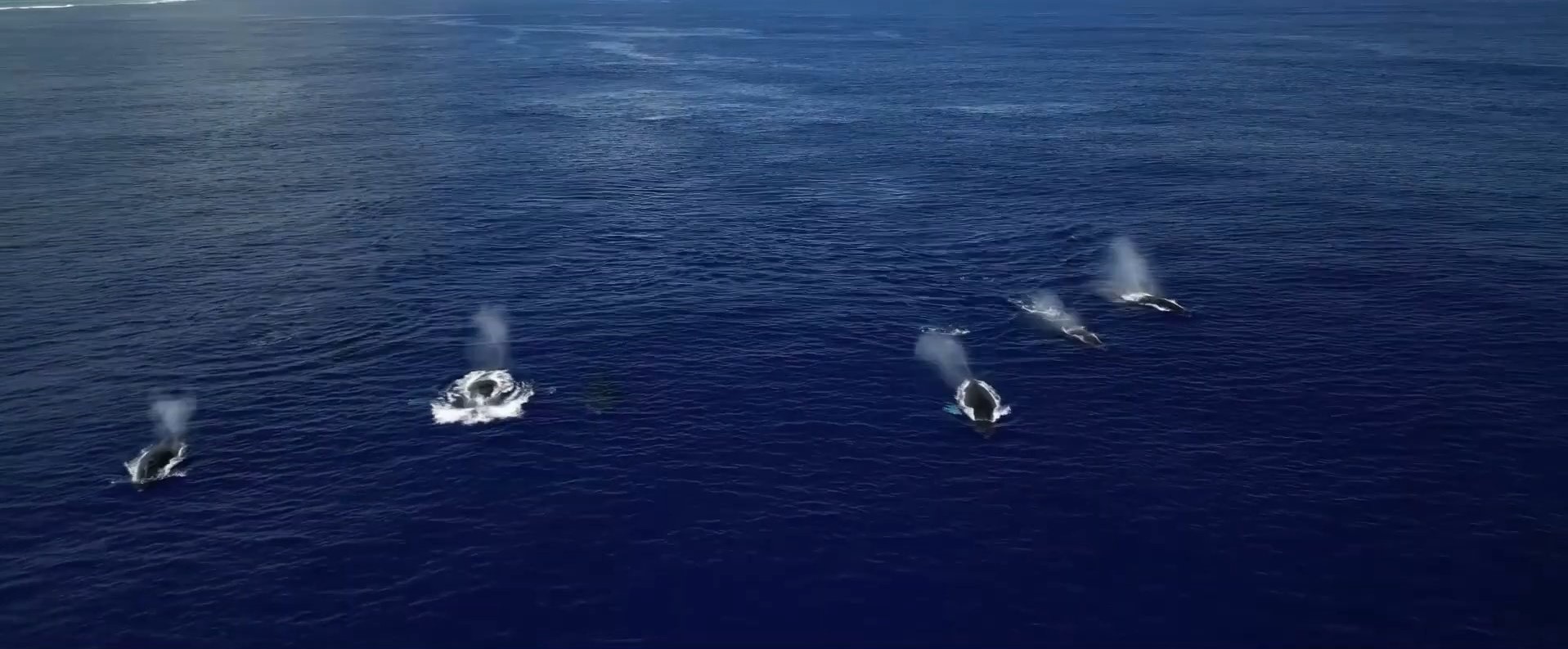
In Unlikely Kin, director Kim Webby follows whales, kauri, kiore and the Parata whānau into a story of whakapapa, healing and responsibility — asking us to reconsider what kinship with the natural world might really mean.
Unlikely Kin brings together whales, kauri, kiore, mātauranga Māori and intergenerational knowledge in a story rooted in whenua, moana and whakapapa.
A Director Drawn to Trust, Justice and Te Taiao
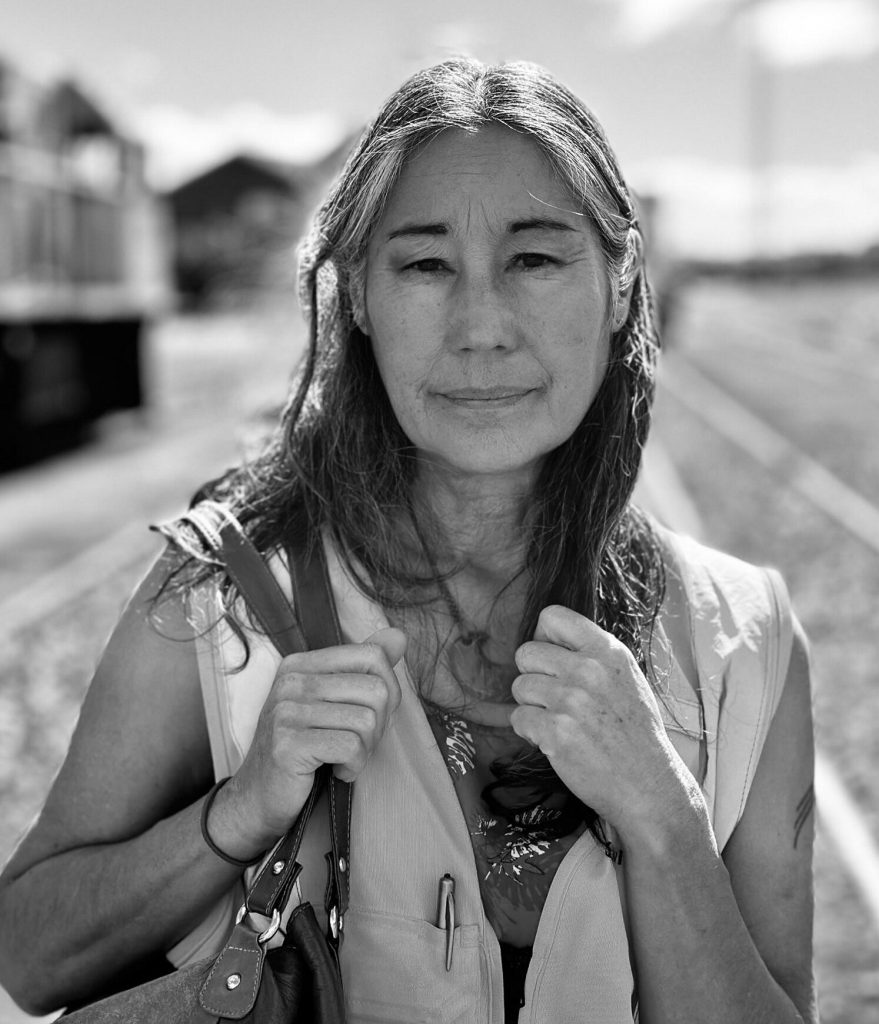
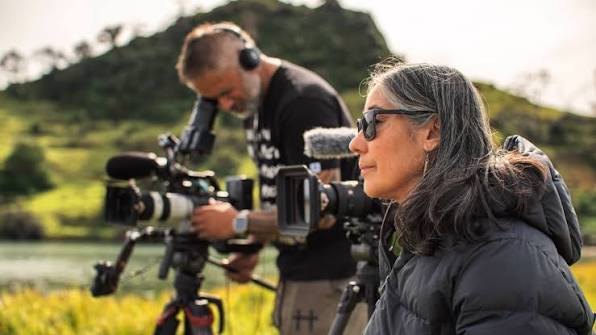
Kim Webby has built a filmmaking career around stories that require patience, trust and moral attention. A director, producer and former journalist, she began directing while working as a TVNZ reporter, later bringing her investigative instincts and documentary craft to work for TVNZ, Māori Television and other broadcasters. Her films have often moved through Māori and Indigenous story spaces, with a particular interest in social justice, whenua, whakapapa and the lived consequences of history.
Her feature documentary The Price of Peace, about Tame Iti and the Urewera Four, established her as a filmmaker willing to enter complex, politically charged territory with care and responsibility. With Unlikely Kin, co-directed with Mike Jonathan, Webby turns her attention to a different kind of urgency: the relationship between people and the natural world.
“The film asks audiences to enter a world where all living things are connected, where one ancient life may help heal another.”
A Story That Began With a Whale Stranding
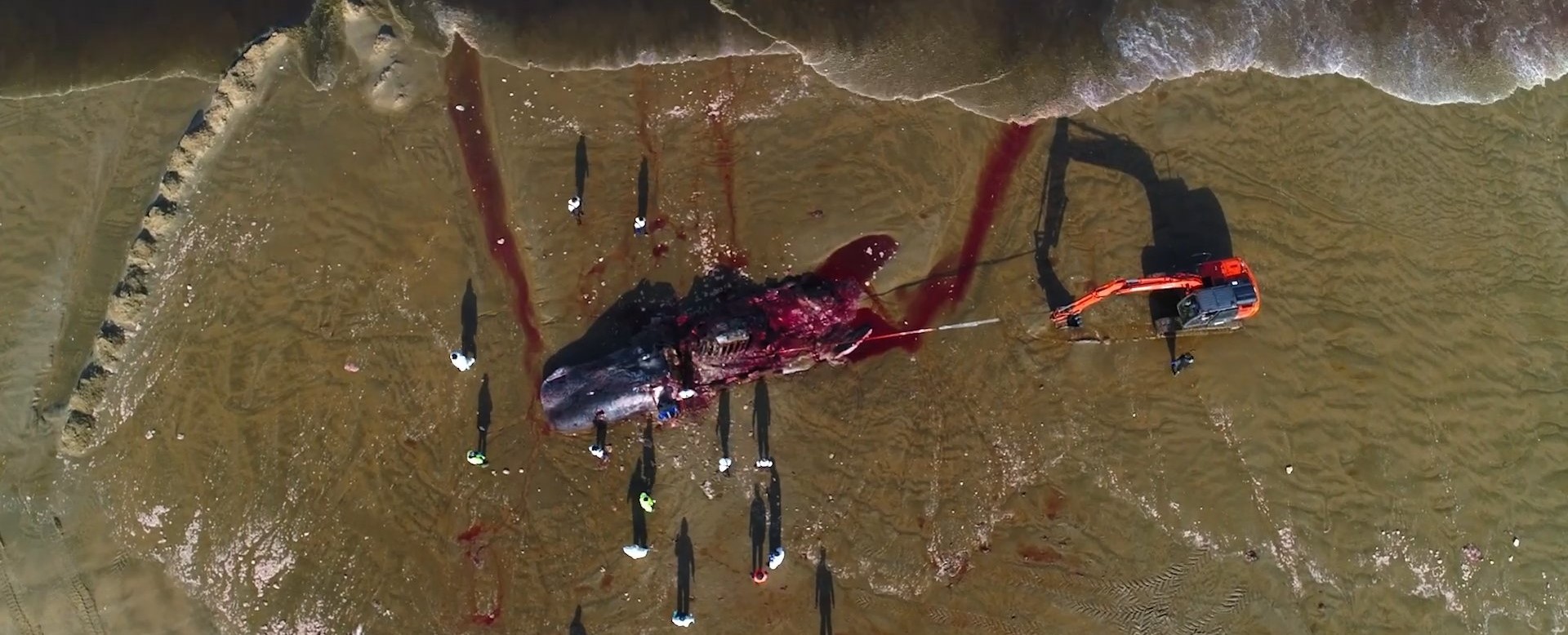
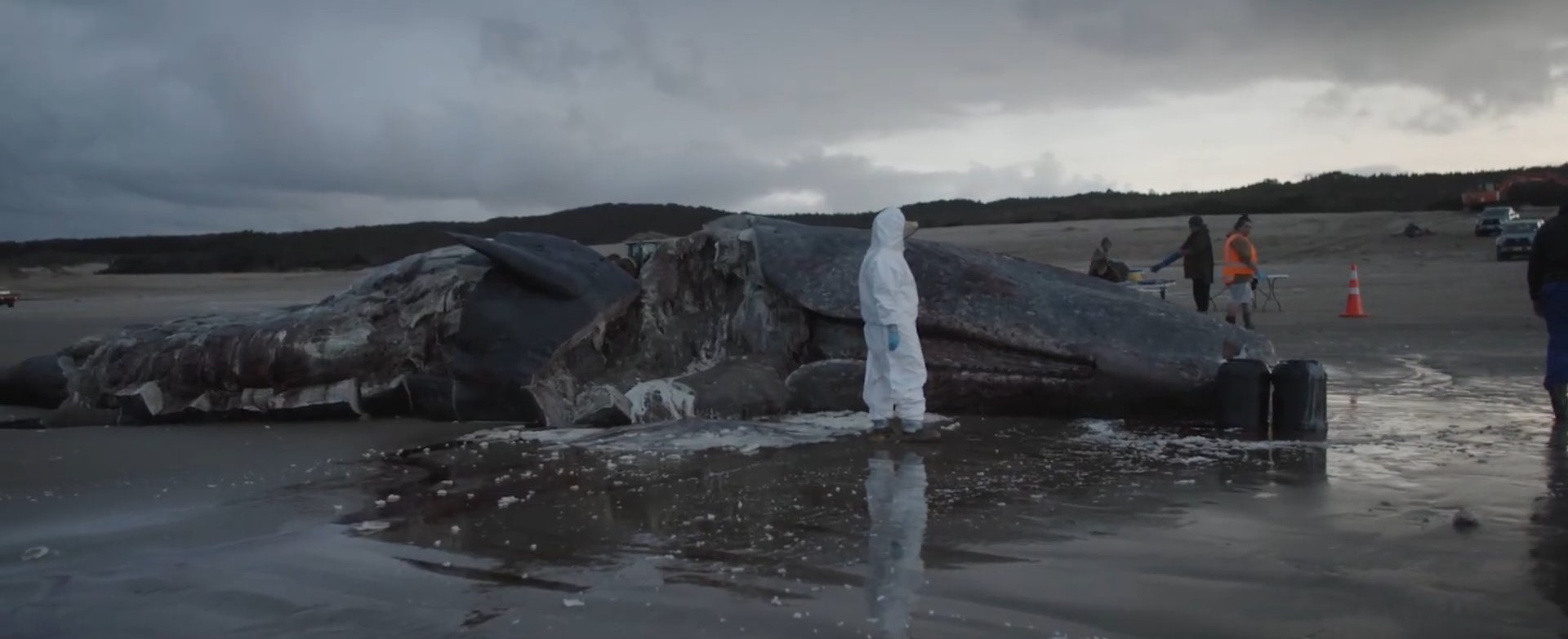
The story began unexpectedly. Webby was invited to a marae near her Ōpōtiki home after a mass whale stranding. When she arrived, she saw around 40 pilot whale heads placed around the perimeter fence and a cultural harvest underway. The sight stopped her. She had not known the practice existed.
What began as a confrontation with something unfamiliar became a seven-year exploration that expanded far beyond the stranding itself. The film grew to include kauri dieback disease, the kiore, or Pacific rat, and a deeper engagement with mātauranga Māori in relation to te taiao, the natural world.
Father, Son and the Passing of Knowledge
At the centre of the film are Hori Parata and his son Te Kaurinui. Webby realised early that this was not simply a conservation story. On the first day she met them, the themes of kinship, inheritance and responsibility were already present.
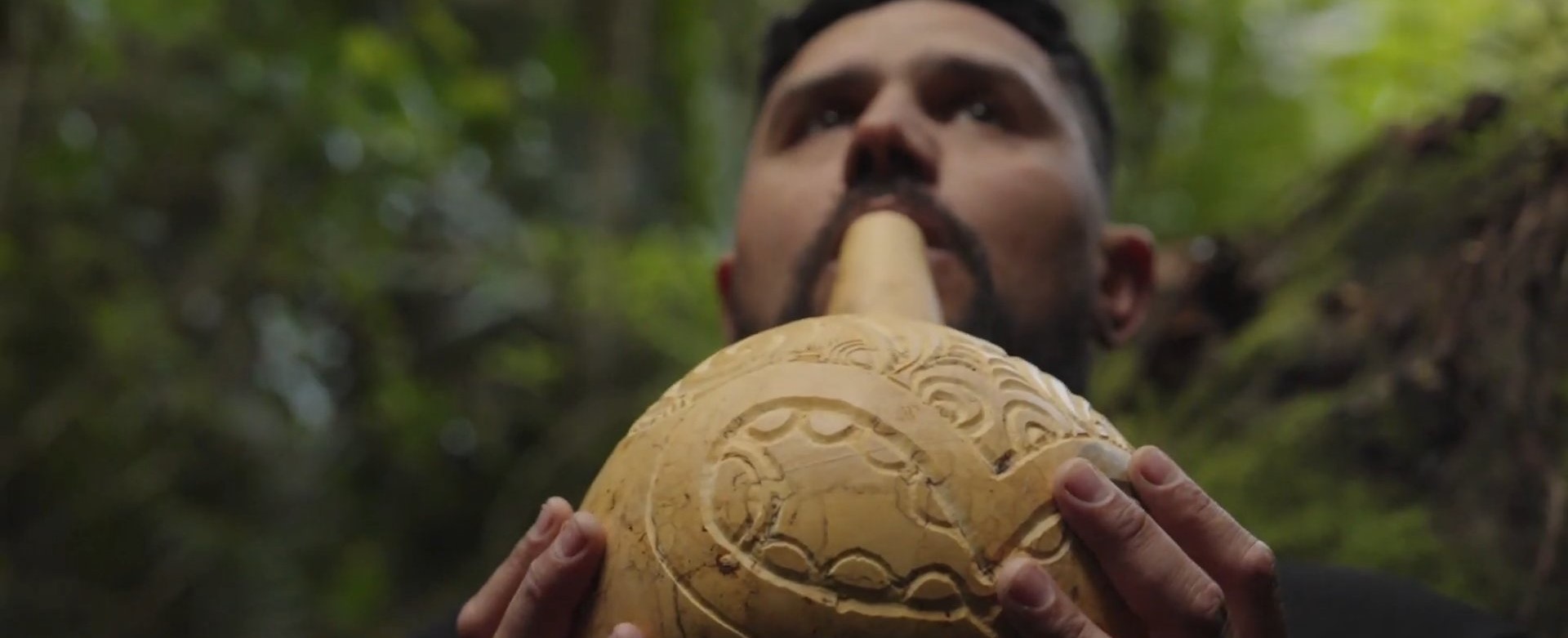
Te Kaurinui had recently returned home to Whangārei from Wellington, leaving behind a double degree just six months before completion so he could learn from his father. That decision, made at only 21, became one of the emotional foundations of the film. It revealed conservation not as an abstract public good, but as a lived inheritance: knowledge passed from parent to child, obligation carried across generations, and leadership slowly transferred from one pair of hands to another.
“Conservation is not an abstract public good, but a lived inheritance: knowledge passed from parent to child.”
Filming What Is Tapu
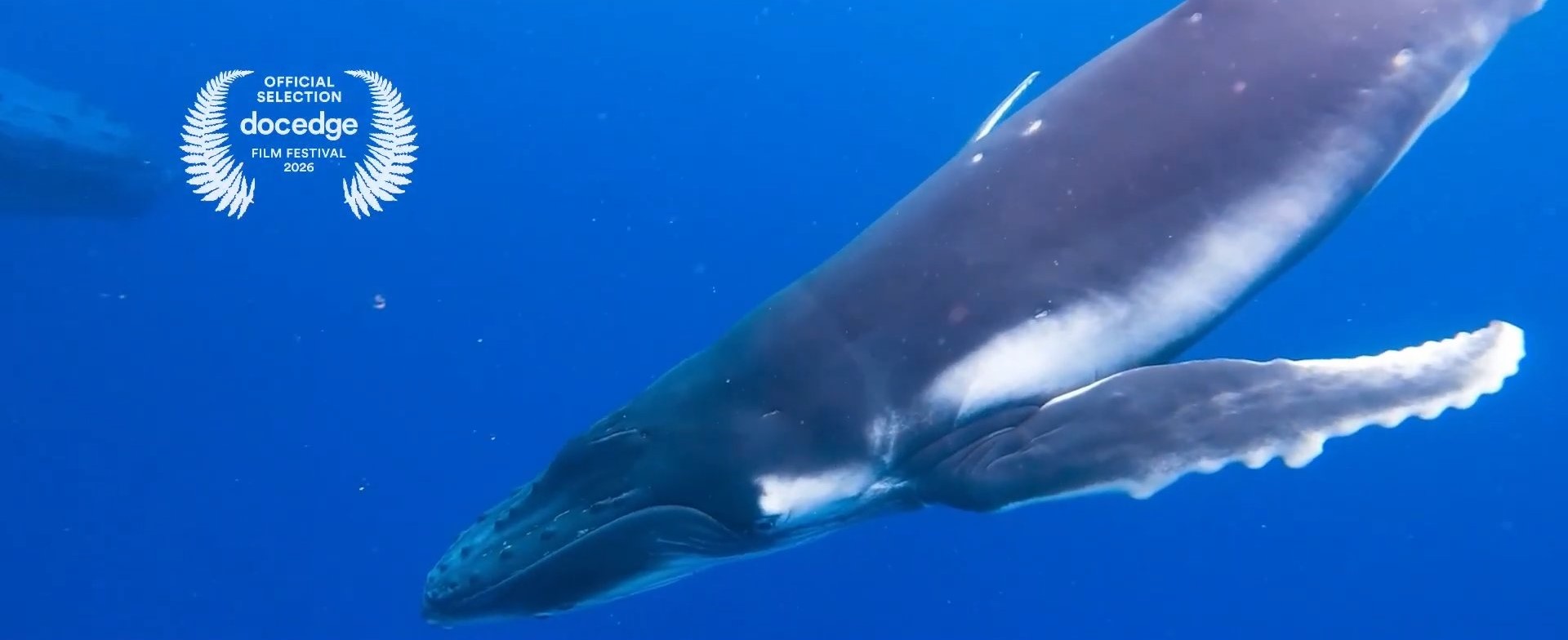
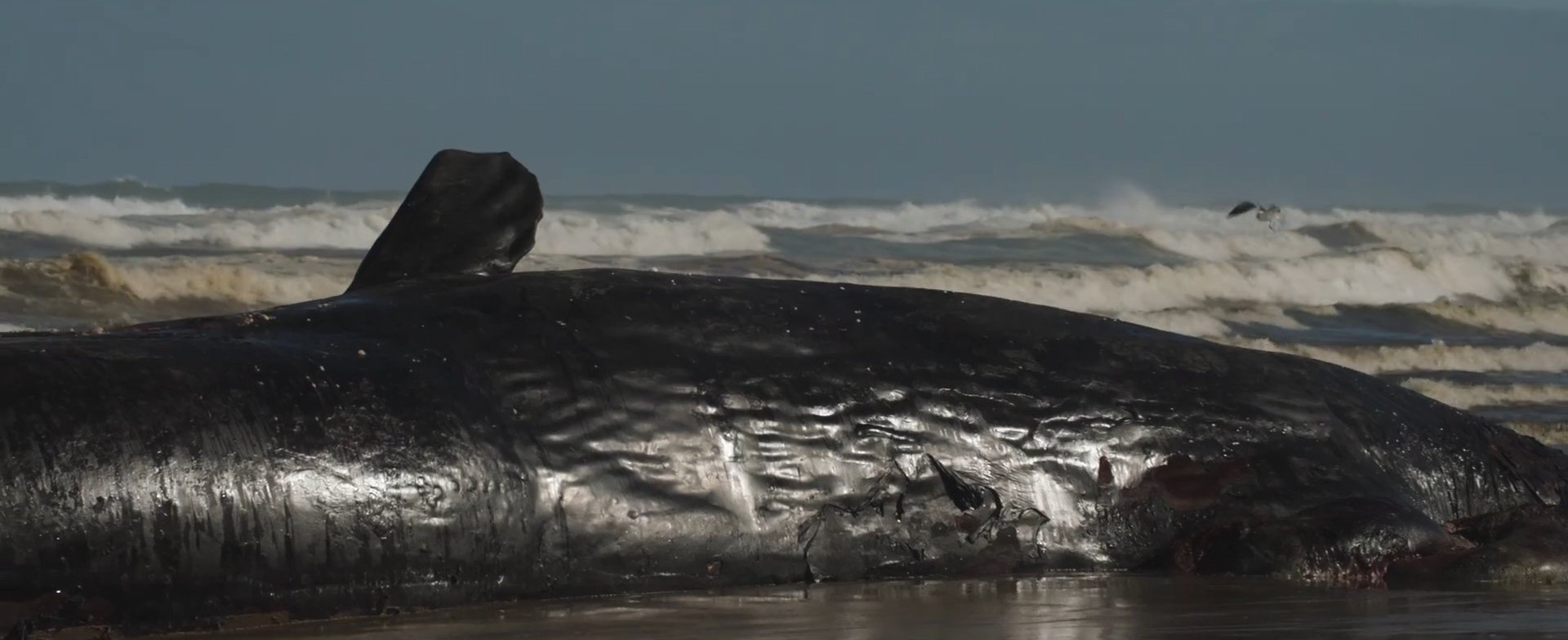
One of the film’s most significant acts is its invitation to look differently at whale strandings. Many people understand stranded whales only as tragedy. Unlikely Kin does not deny the grief of death, but it opens a door into a sacred practice in which stranded whales are harvested with respect, not for consumption, but for healing.
For Webby, filming this practice required humility. The work was tapu for spiritual, cultural and physical reasons. From the beginning, she and Jonathan told Hori that while filming they would come under his mantle as tohunga. They would follow his guidance about where they could go and what they could record.
That undertaking became the ethical ground of the production. It kept the filmmakers safe, but more importantly, it established that the camera would not take authority from the people whose knowledge made the story possible.
One Ancient Life Healing Another
The relationship between whale and kauri gives the film some of its deepest resonance. There is something profoundly moving in the idea that whales can help heal kauri trees: one ancient life supporting another.
For Webby, that relationship reinforced an understanding that the natural world is symbiotic. Nothing lives alone. Each life depends on others, and balance is not a poetic idea but a condition of survival. Human beings, in this view, are not outside nature, managing it from above. They are implicated in it, responsible to it, and capable of damaging the very systems that sustain them.
“Balance is not a poetic idea but a condition of survival.”
Reconsidering What Is Worthy of Reverence
This is why the film also asks viewers to reconsider what is worthy of reverence. Whales are easy to revere. Kauri, too, carry a visible majesty. But kiore are more difficult for many people to see with respect.
Webby describes arriving at Mauitaha Island, the only rat reserve in the world, with some dread. After camping there for two nights, her view shifted. In that untouched island ecosystem, the kiore was not “just a rat,” as Hori says, but part of the balance of nature.
The film challenges the habit of dividing species into categories of beauty, usefulness or nuisance. If everything is connected, then reverence cannot be reserved only for the creatures humans already admire.
Responsibility Behind the Camera
Webby’s own position as a filmmaker is central to the way the story is told. Of Eurasian descent, she has spent much of her career working in Māori and Indigenous story spaces. She describes feeling humbled by that access, which has been built over a lifetime.
Raised in Te Ao Māori, particularly within Ngāi Tūhoe and Te Whakatōhea, and with her early childhood years also shaped by Northland, she says her worldview is Māori. That background does not remove responsibility; it intensifies it.
For Webby, the task is to uplift the mana of the people whose stories she tells, not to extract knowledge, intellectual property or cultural authority. In the case of Unlikely Kin, she and Jonathan formed a company specifically for the film, with Hori as a shareholder, so that his mātauranga Māori and story intellectual property would be protected and acknowledged.
“The camera would not take authority from the people whose knowledge made the story possible.”
The Emotional Heart of the Film
The bond between Hori and Te Kaurinui gives Unlikely Kin its emotional spine. Across the years of filming, Te Kaurinui grows from a young man into a father of two, a business owner and a leader in his own right. At the same time, Hori begins to pass on more responsibilities as age and health take their toll.
Their relationship carries the larger movement of the film: from elder to younger, from knowledge held to knowledge entrusted, from one generation’s work to the next generation’s duty.
A scene involving a fishing net becomes a metaphor for that transition, captured in the whakataukī:
“Ka pū te ruha, ka hao te rangatahi.” The old net is cast aside while the new net goes fishing.
Connection, Not Control
Visually, Unlikely Kin resists the Western idea that humans stand apart from nature. Its language is not one of control, but of belonging.
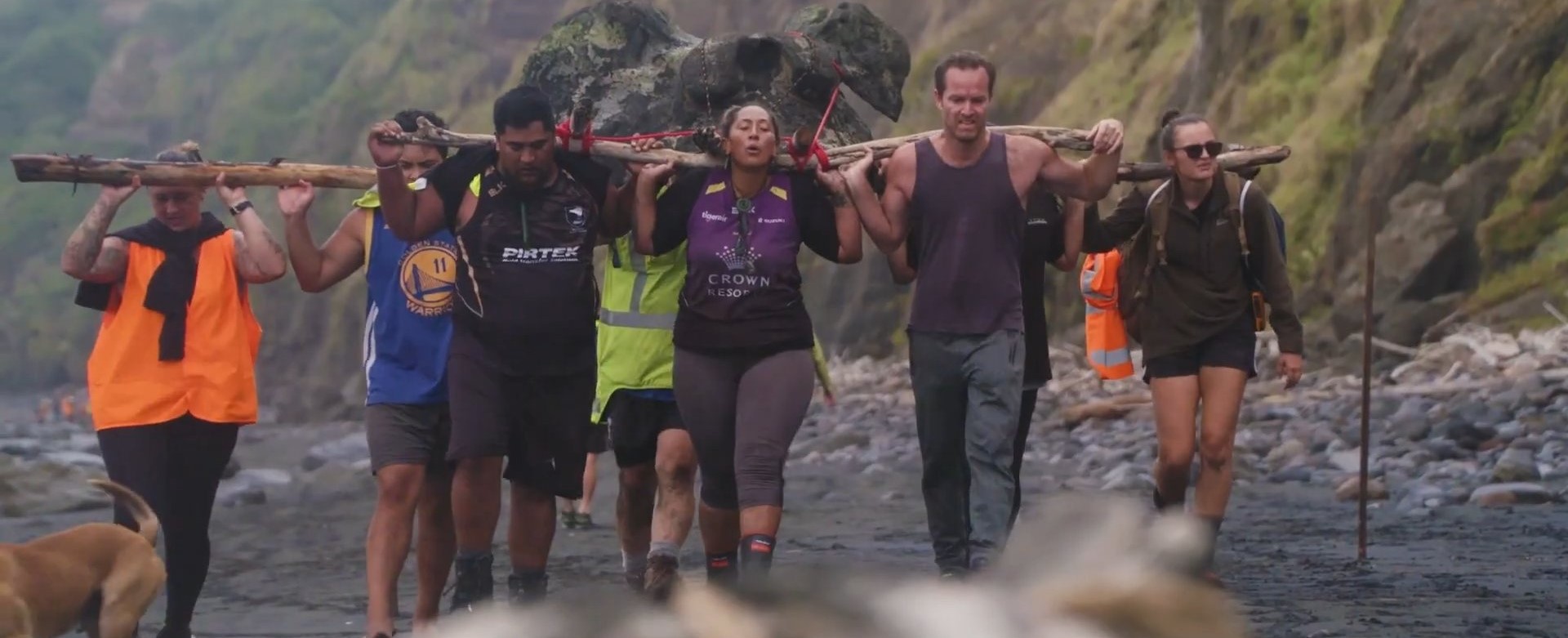
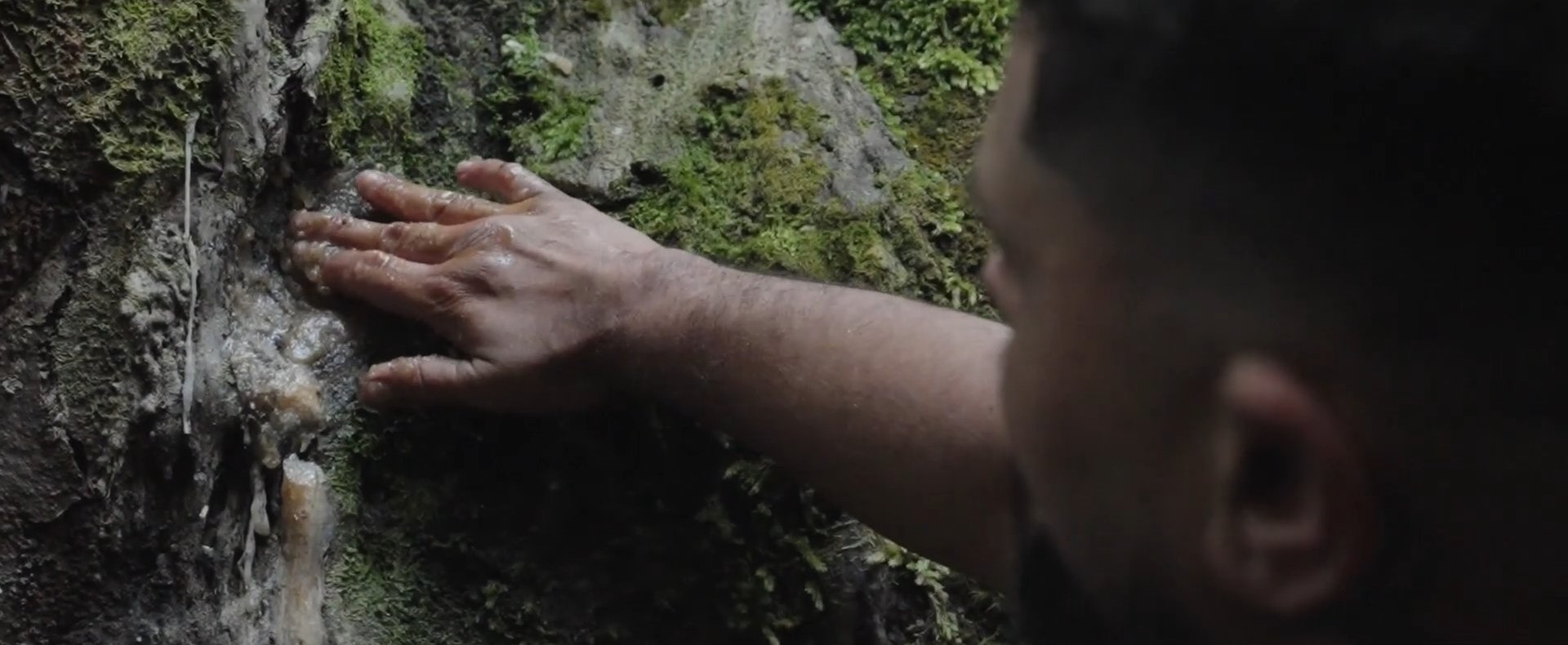
Hori, Te Kaurinui and the other participants move through te taiao with ease, whether they are deep in whale entrails, travelling through dense bush or hauling enormous whale bones up a cliff. The film does not need to force the idea of connection because the connection is already visible. It is emotional, spiritual and genealogical.
The people in the film are not visiting nature as outsiders. They are part of it.
“The people in the film are not visiting nature as outsiders. They are part of it.”
A Story That Had to Premiere at Home
That is why its premiere in Aotearoa carries such significance. Webby says Unlikely Kin could not have premiered anywhere else. The film is born from the whenua, moana and ngāhere of Aotearoa, and from the whakapapa of the people who appear in it.
To welcome it first at home is not simply a matter of geography. It is a matter of tikanga, origin and respect. Only after being received in the place from which it comes can the film properly travel outward.
What Remains
What remains after Unlikely Kin is not only the image of whales, or kauri, or kiore, or even the tenderness of the Parata whānau. What remains is a feeling of connection: to living things, to land and sea, and to the fragile balance that makes life possible.
The film asks us to imagine kinship as wider, older and stranger than many of us have been taught. It suggests that conservation is not just about saving species, but about remembering relationship. If humans destroy the balance of the natural world, we do not merely damage something outside ourselves. We destroy the conditions of our own life.
In that sense, Unlikely Kin is both intimate and expansive. It begins with a whale stranding and becomes a meditation on inheritance, responsibility and survival. It follows a father and son, but it speaks to an ancient network of relationships between species, ancestors, land, sea and future generations.
Through Kim Webby’s careful direction, the film becomes an invitation to look again: at what we call nature, at what we call knowledge, and at what we might yet learn from kinship.
Unlikely Kin screens as part of this year’s Doc Edge Festival, with Auckland, Wellington, Christchurch and online screenings listed by Doc Edge. Kim Webby and Michael Jonathan attending all Auckland screenings for Q&As.