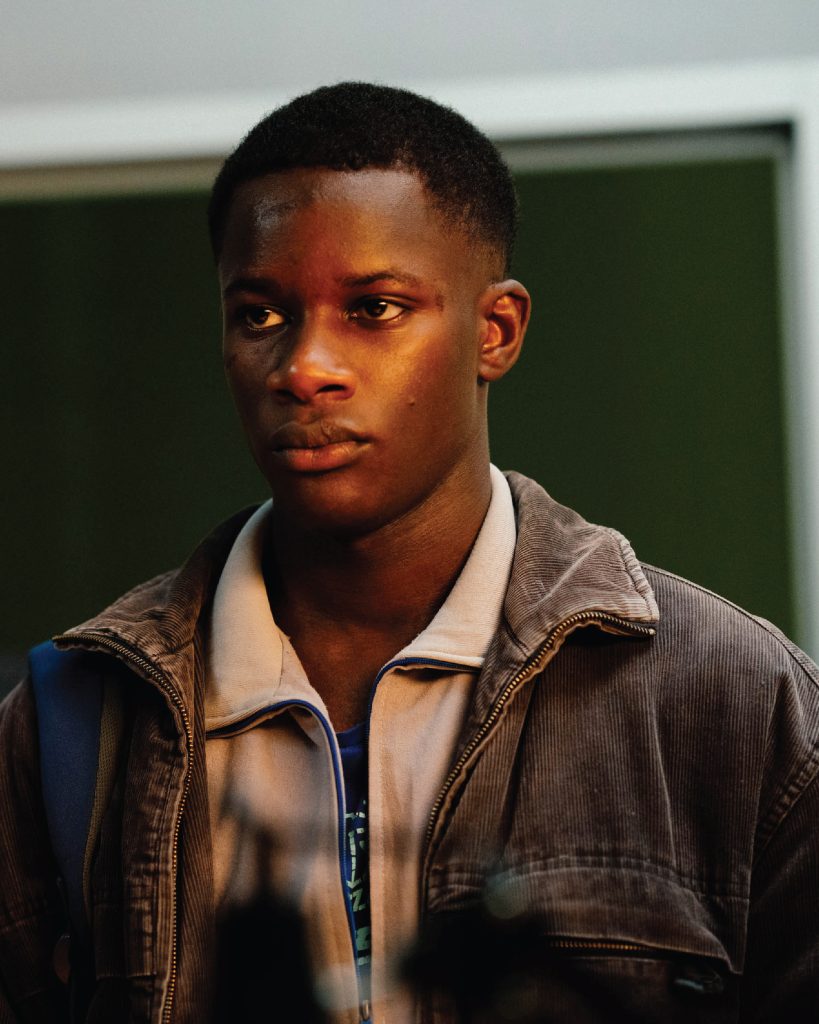
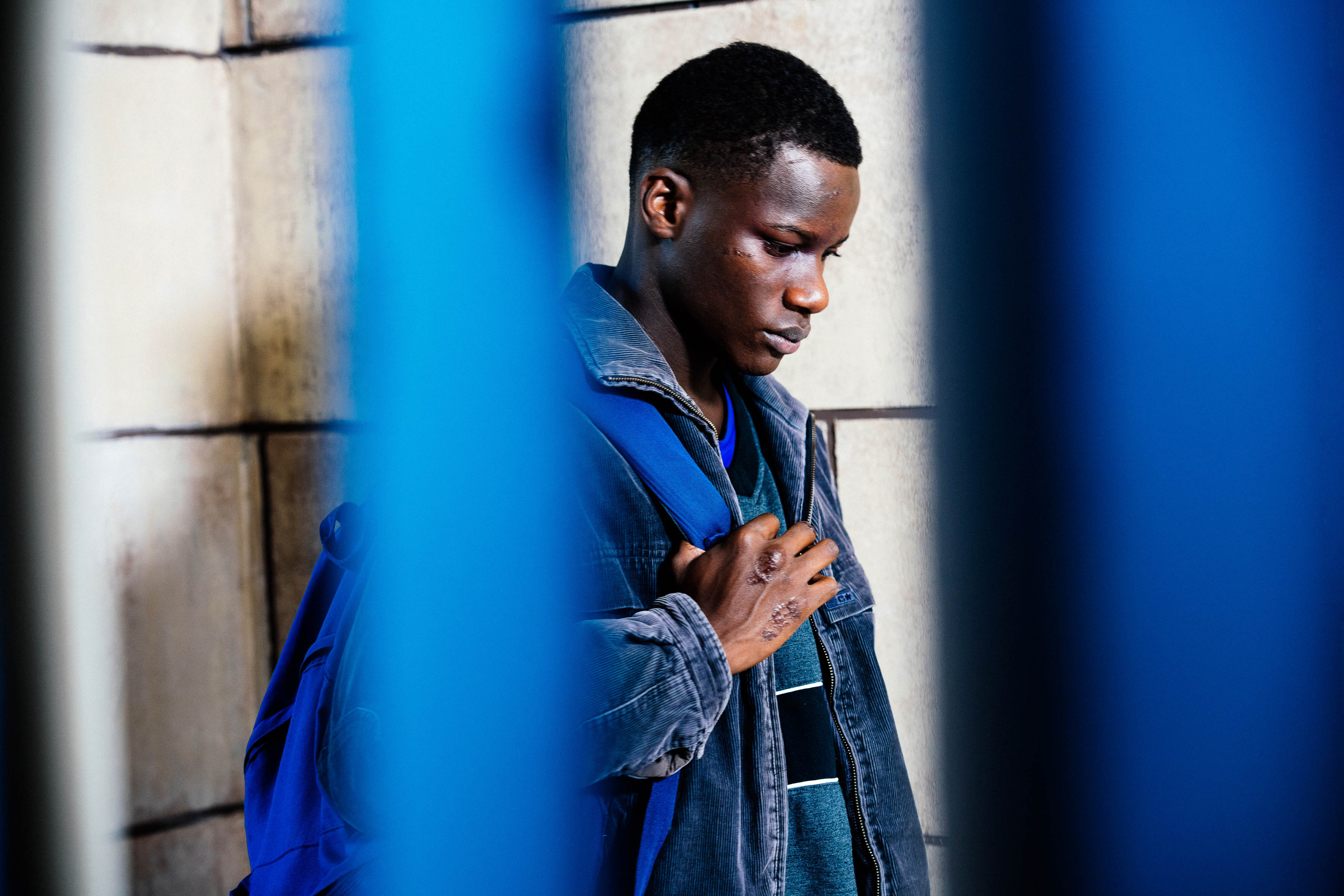
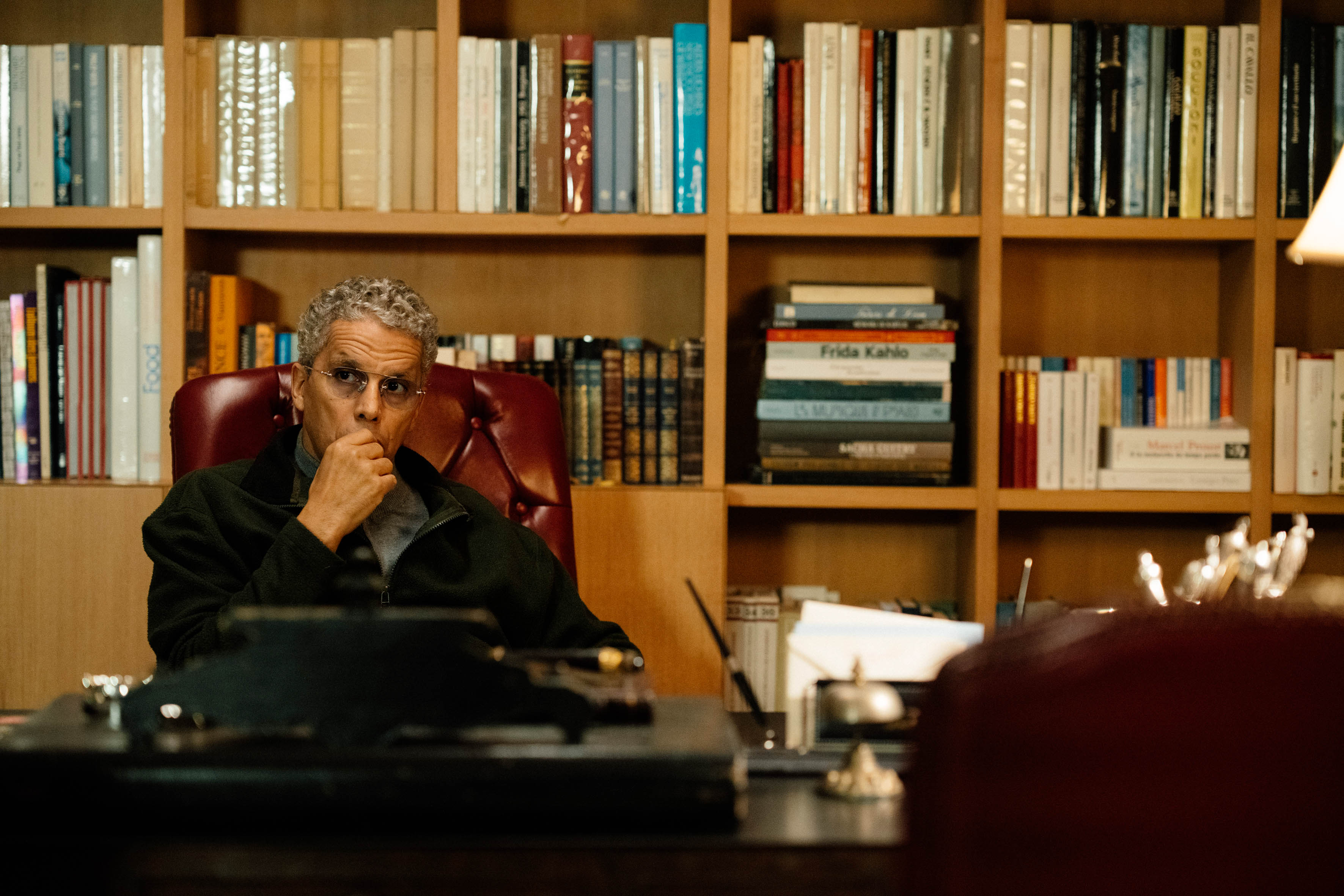
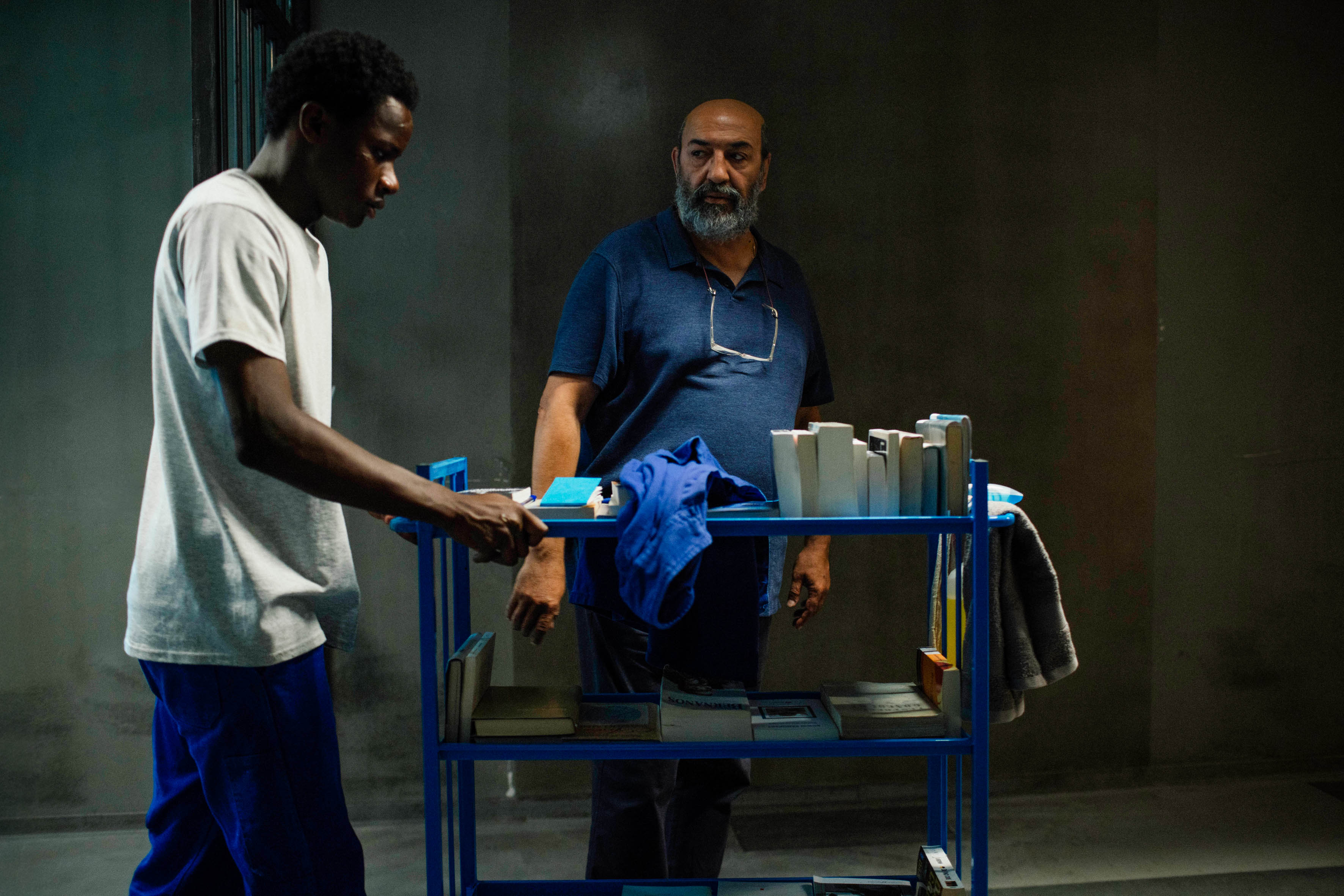
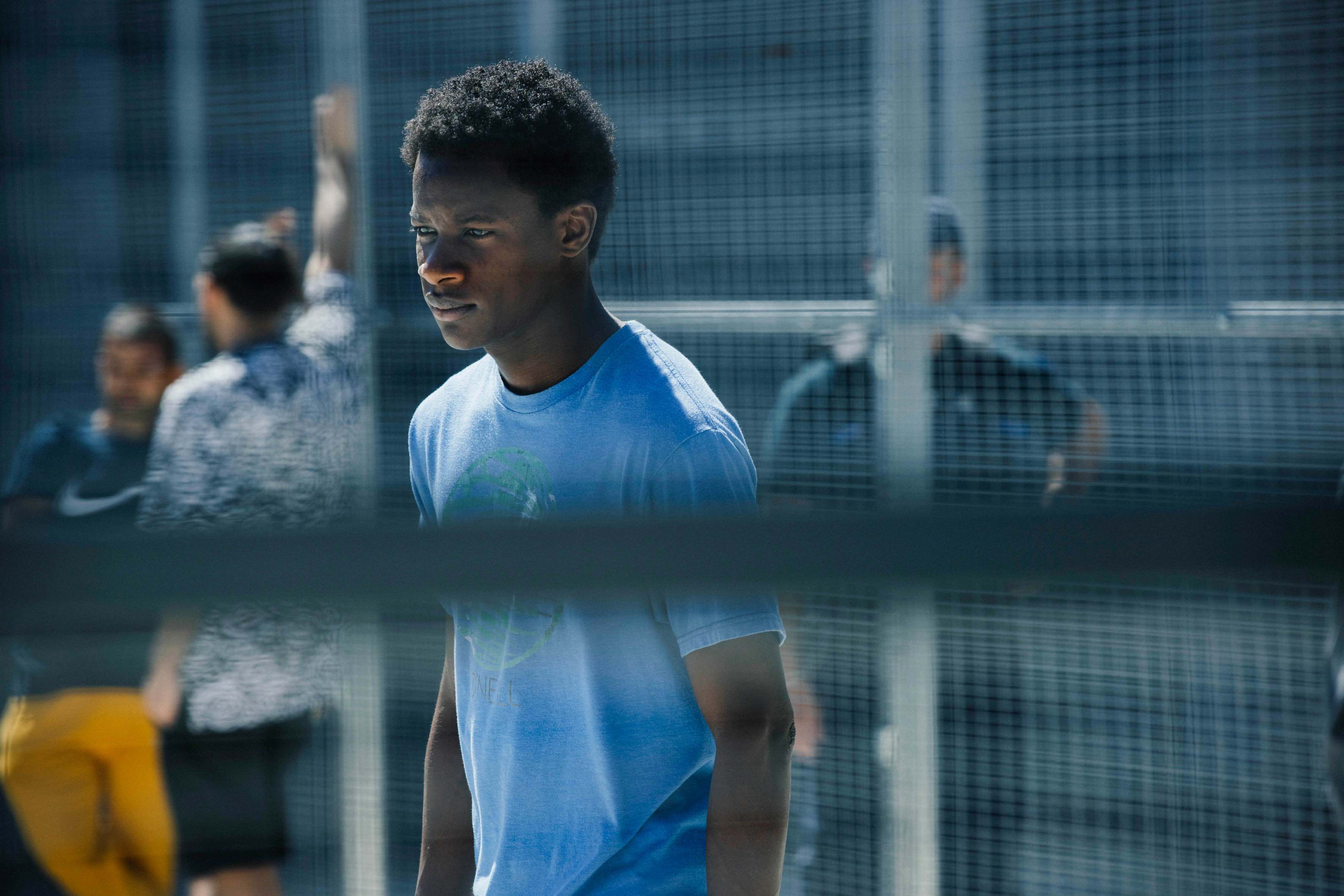
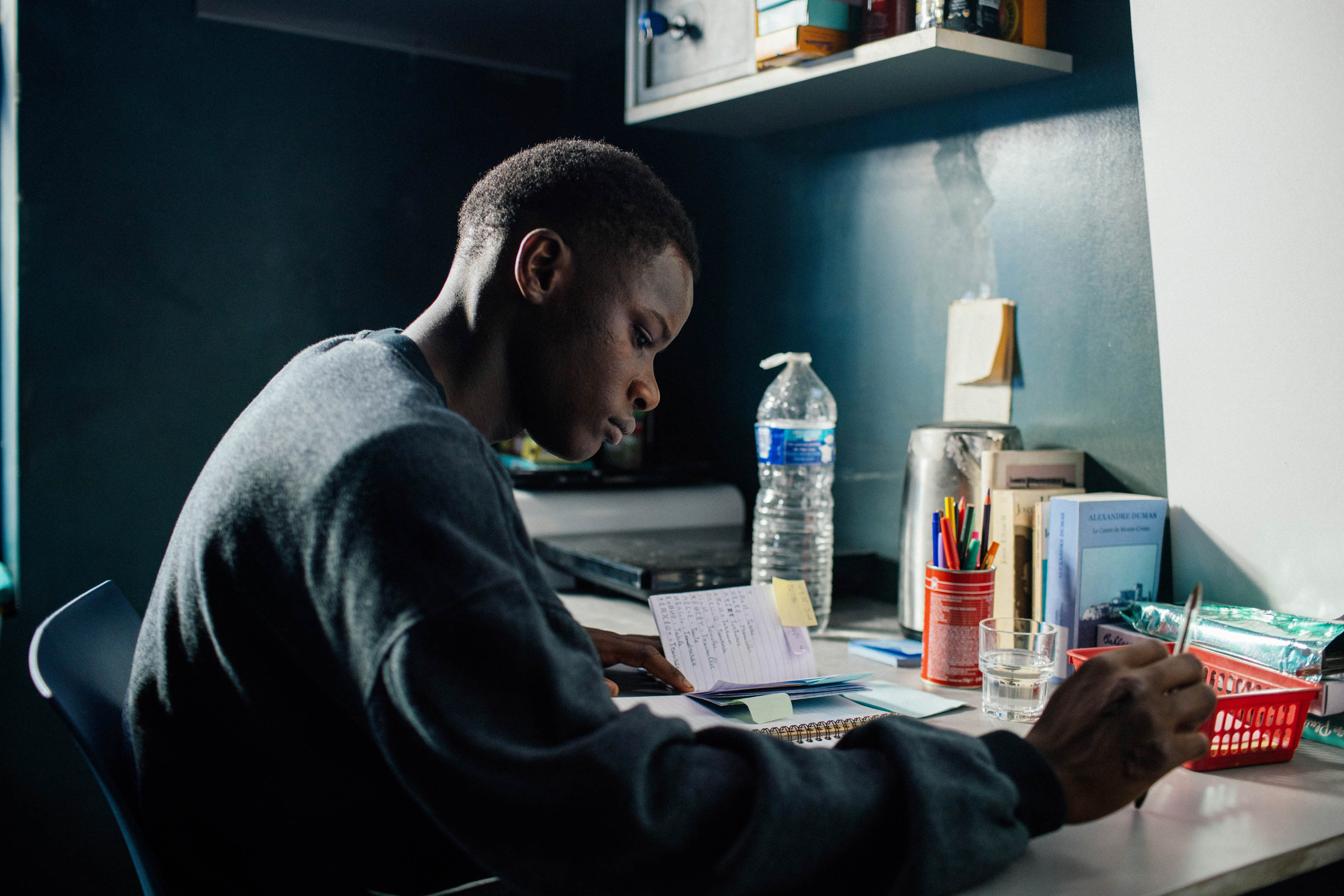
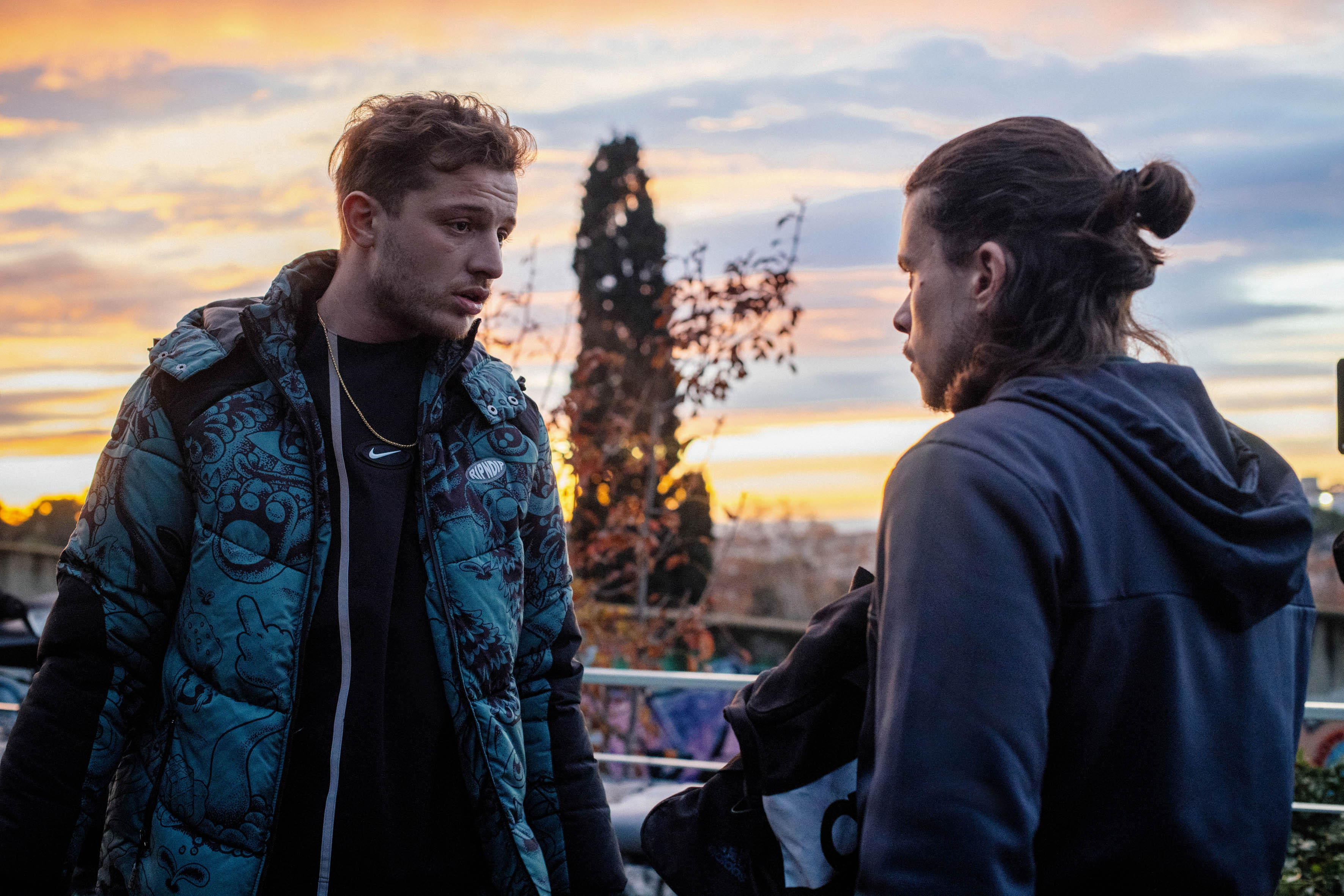
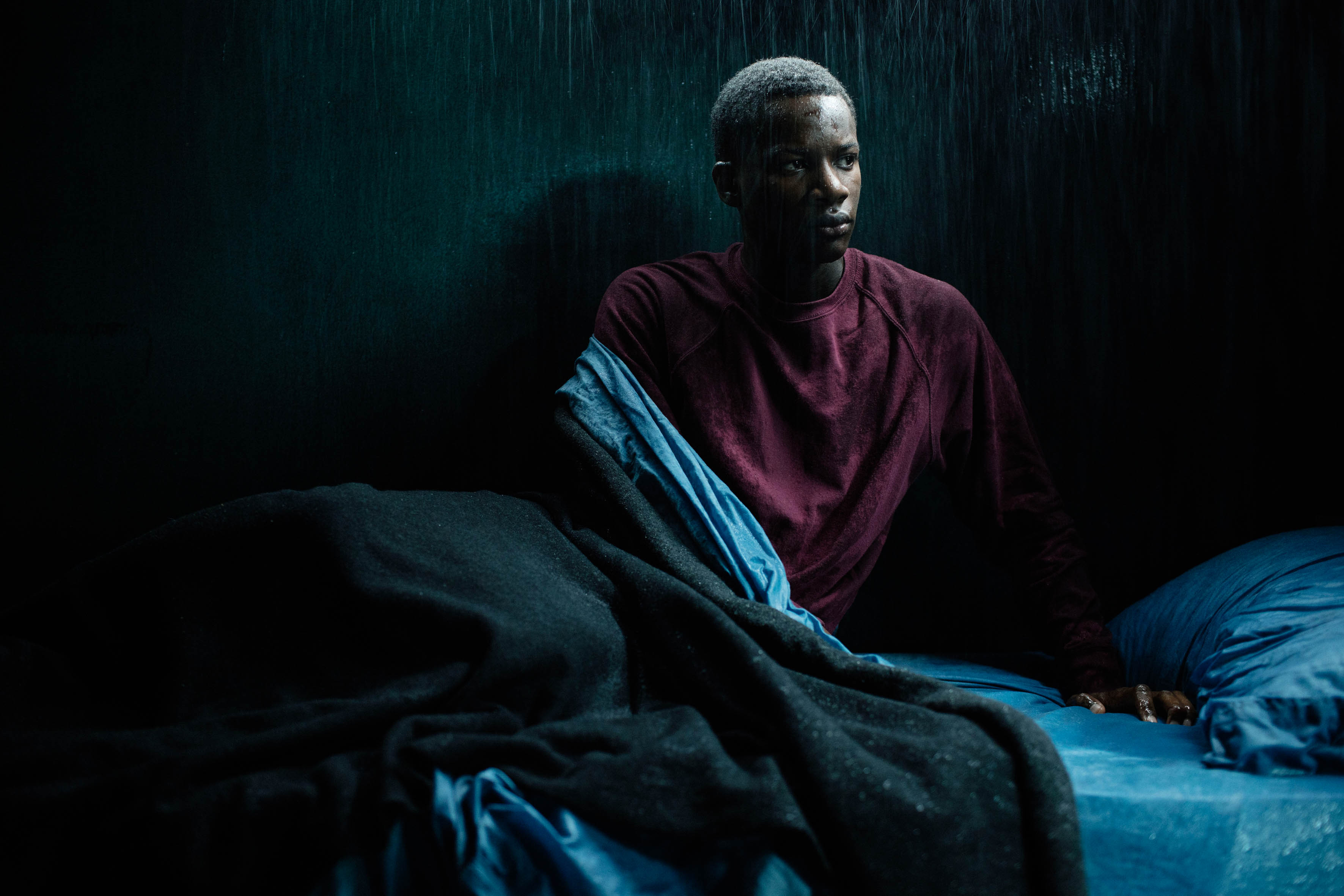
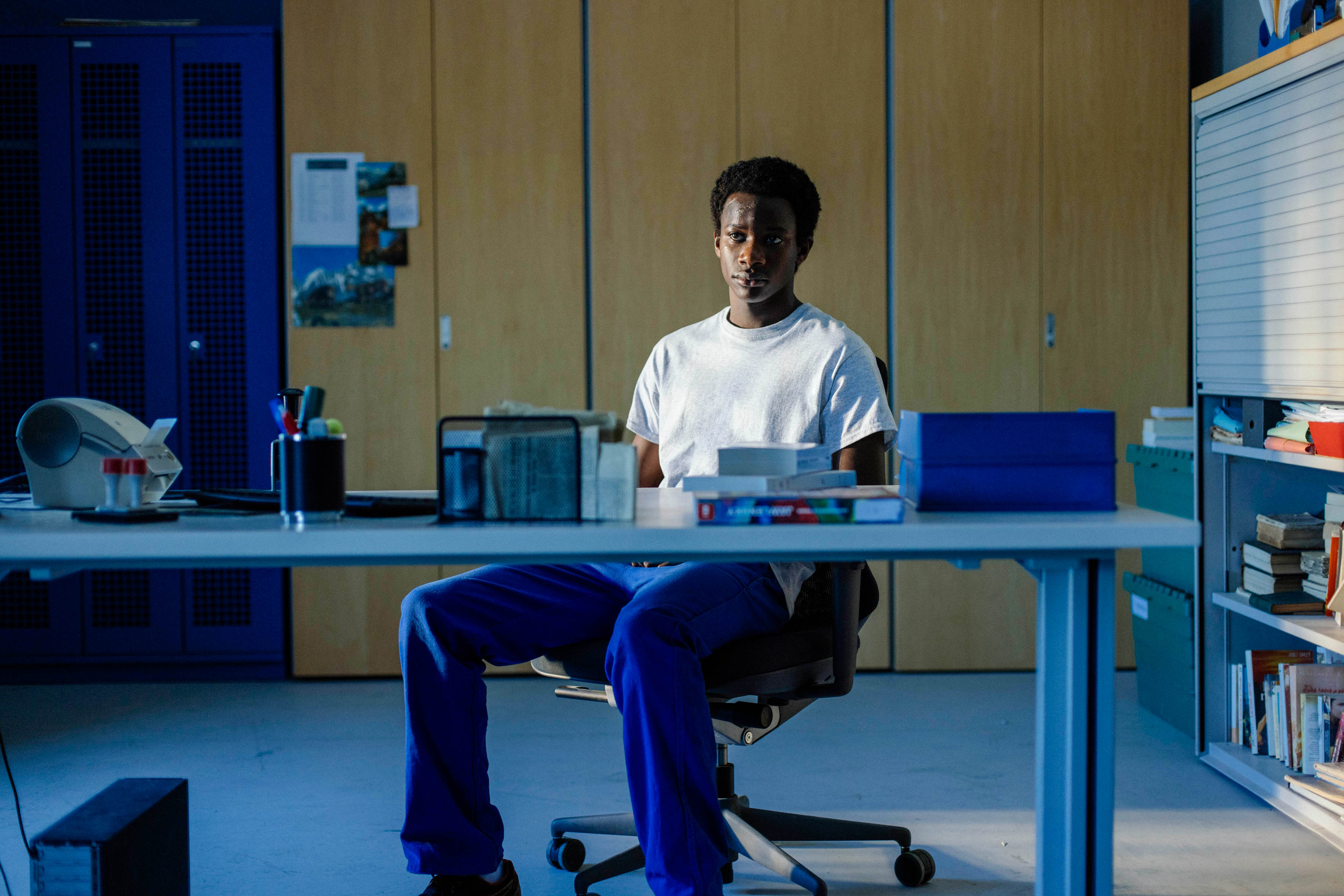
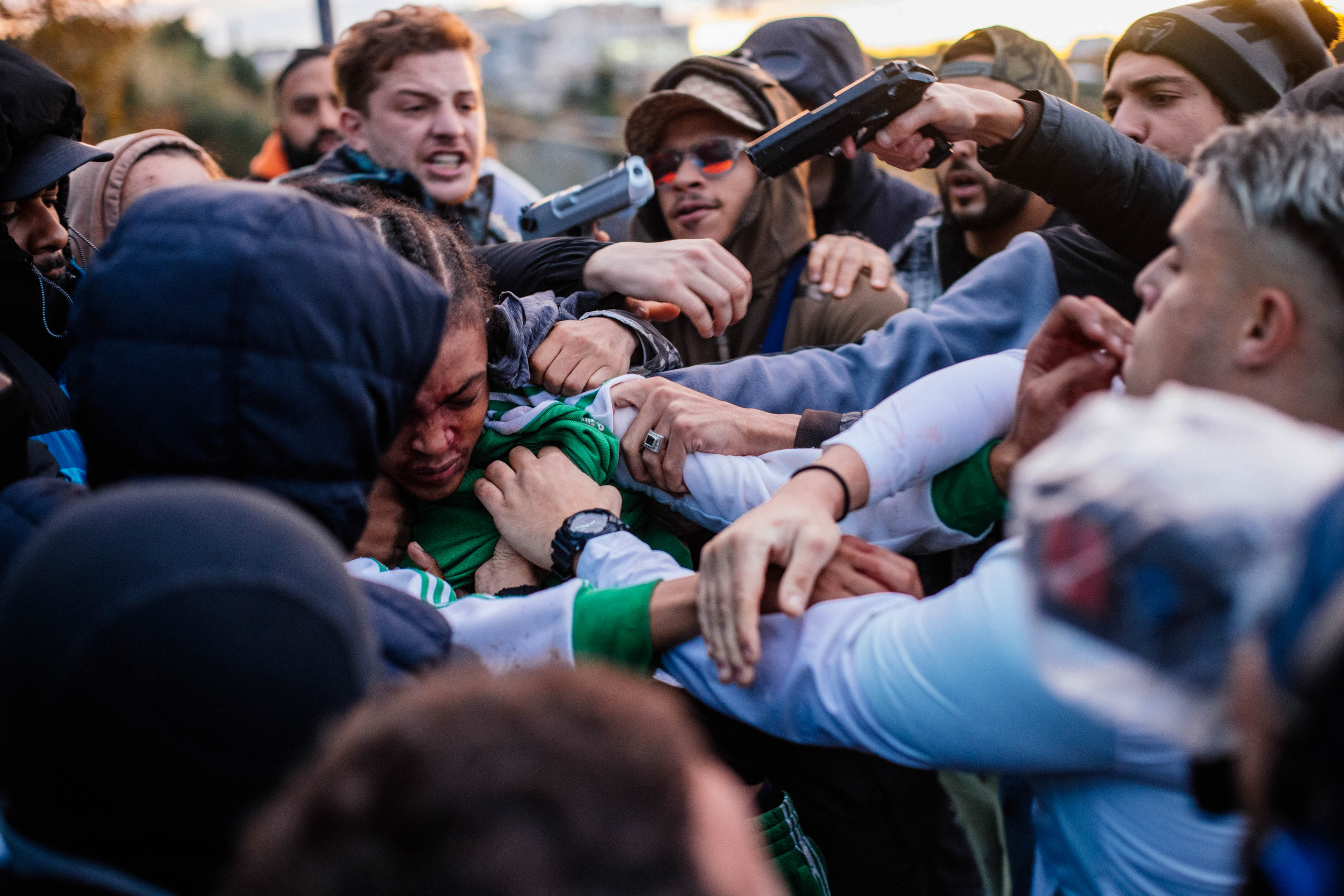
Artale wanted to push the mystical and sophisticated tone even further, moving away from genre cliché. This is the essential phrase. Away from genre cliché. Crime drama, after all, is a room so often furnished with the same objects: betrayal, blood, ambition, prisons of one kind or another, men whispering in corners as if morality were a bad investment. What matters is not the furniture, but what the director does with the light.
Here, Artale speaks of finding a balance between arthouse filmmaking and serial storytelling, melting classical rigour, documentary and noir. It is a wonderful combination – severe, observant, shadowed. Classical rigour gives the work structure. Documentary gives it dirt under the fingernails. Noir gives it the smell of danger and bad choices made beautifully late at night.
Artale’s own background suggests why he might be suited to such terrain. Born in Rome in 1984, he studied philosophy before training in filmmaking at the National Film School Centro Sperimentale. That detail feels important. Philosophy teaches one to distrust easy surfaces. Film teaches one to make those surfaces irresistible anyway.
His first feature, Il terzo tempo, screened in Orizzonti at the Venice Film Festival and won the Pasinetti Award for Best First Feature Film. His documentary Saro won Best Italian Documentary at the Turin Film Festival and was nominated for a David di Donatello. His 2023 film El Paraiso, again selected for Venice’s Orizzonti competition, won Best Screenplay and Best Actress, and earned him another David di Donatello nomination. Alongside this, he has worked across television, directing episodes of Sanctuary, Romulus and Django.
But A Prophet marks something different: the first series he has directed entirely, supervising the whole production as showrunner.