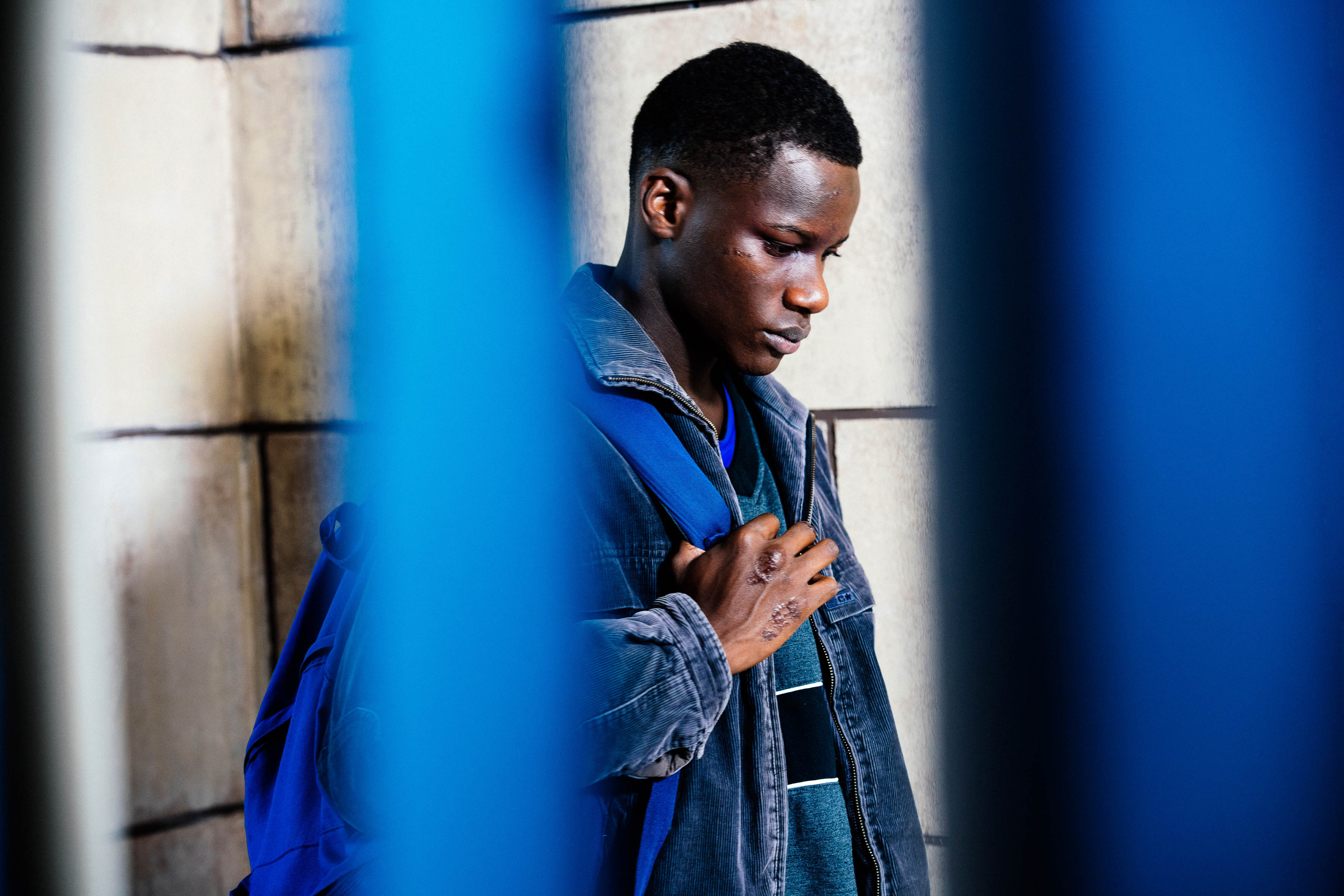
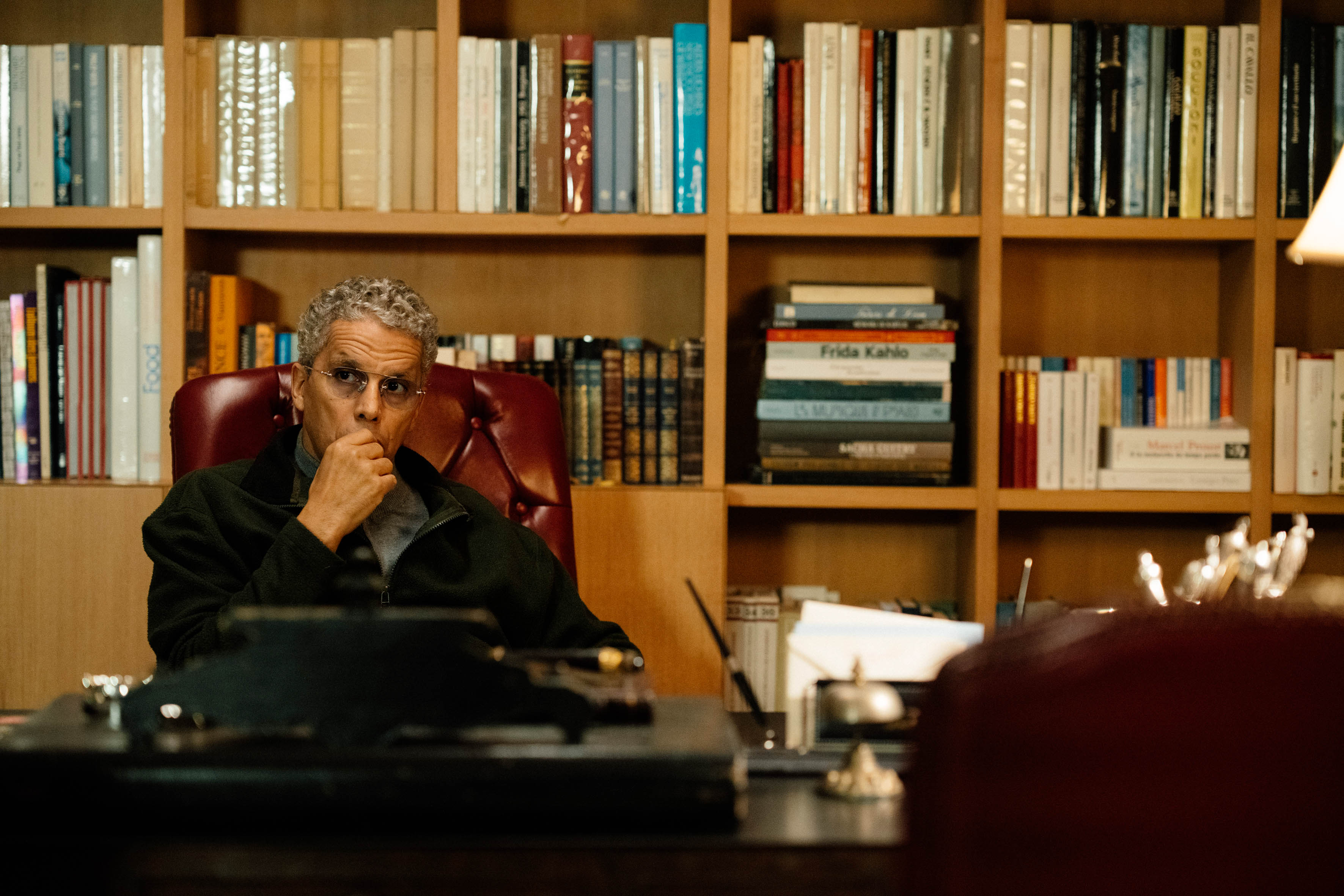
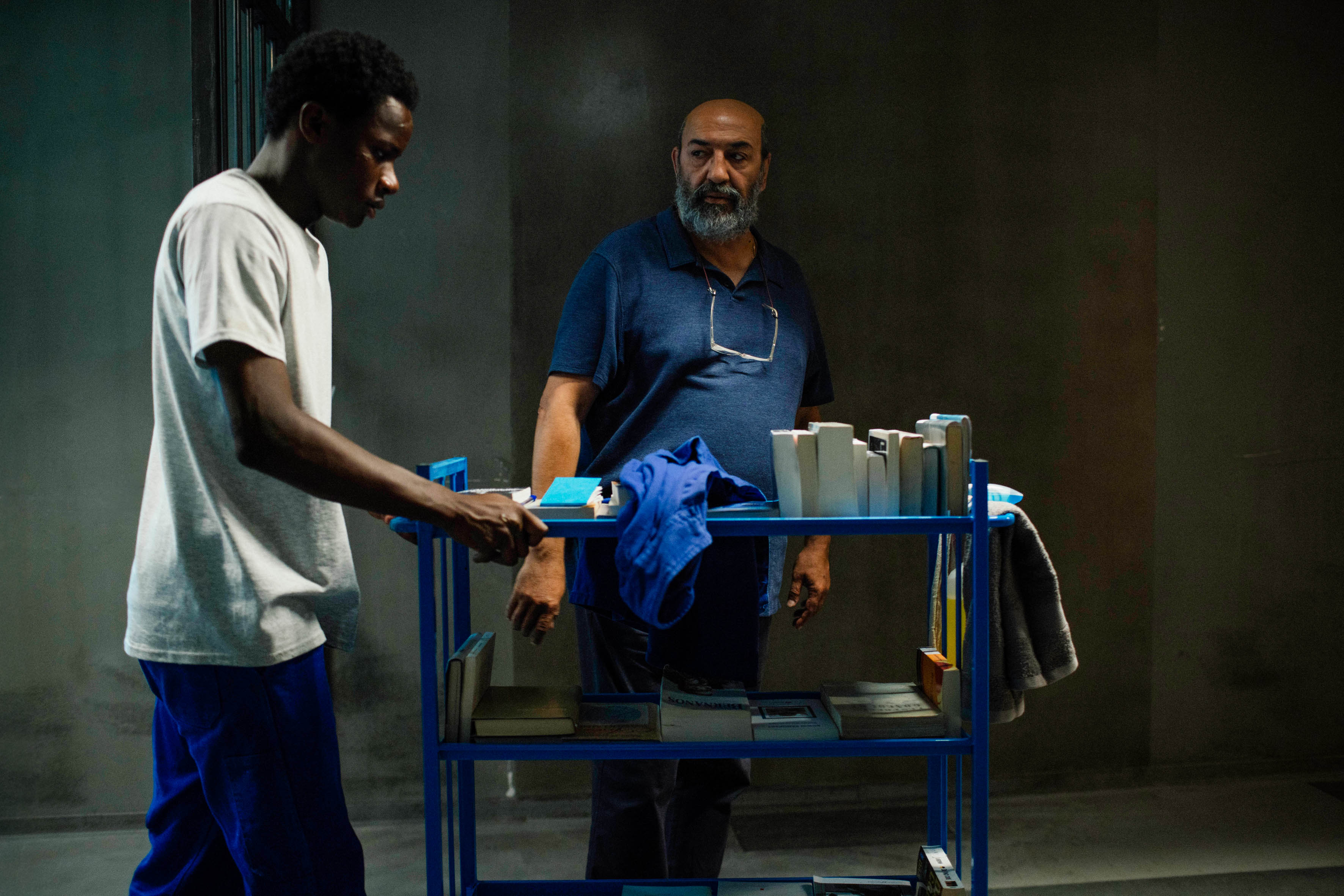
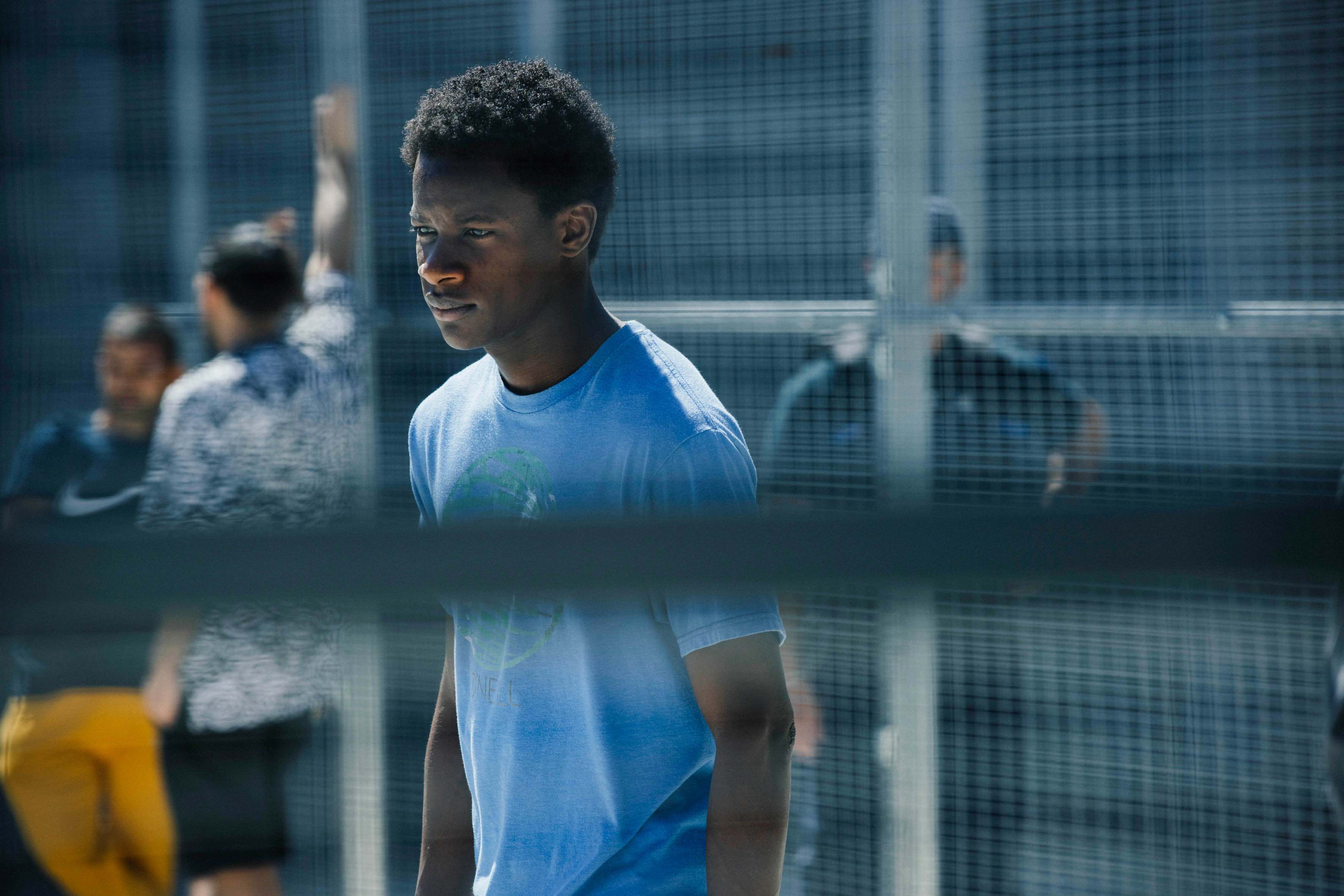
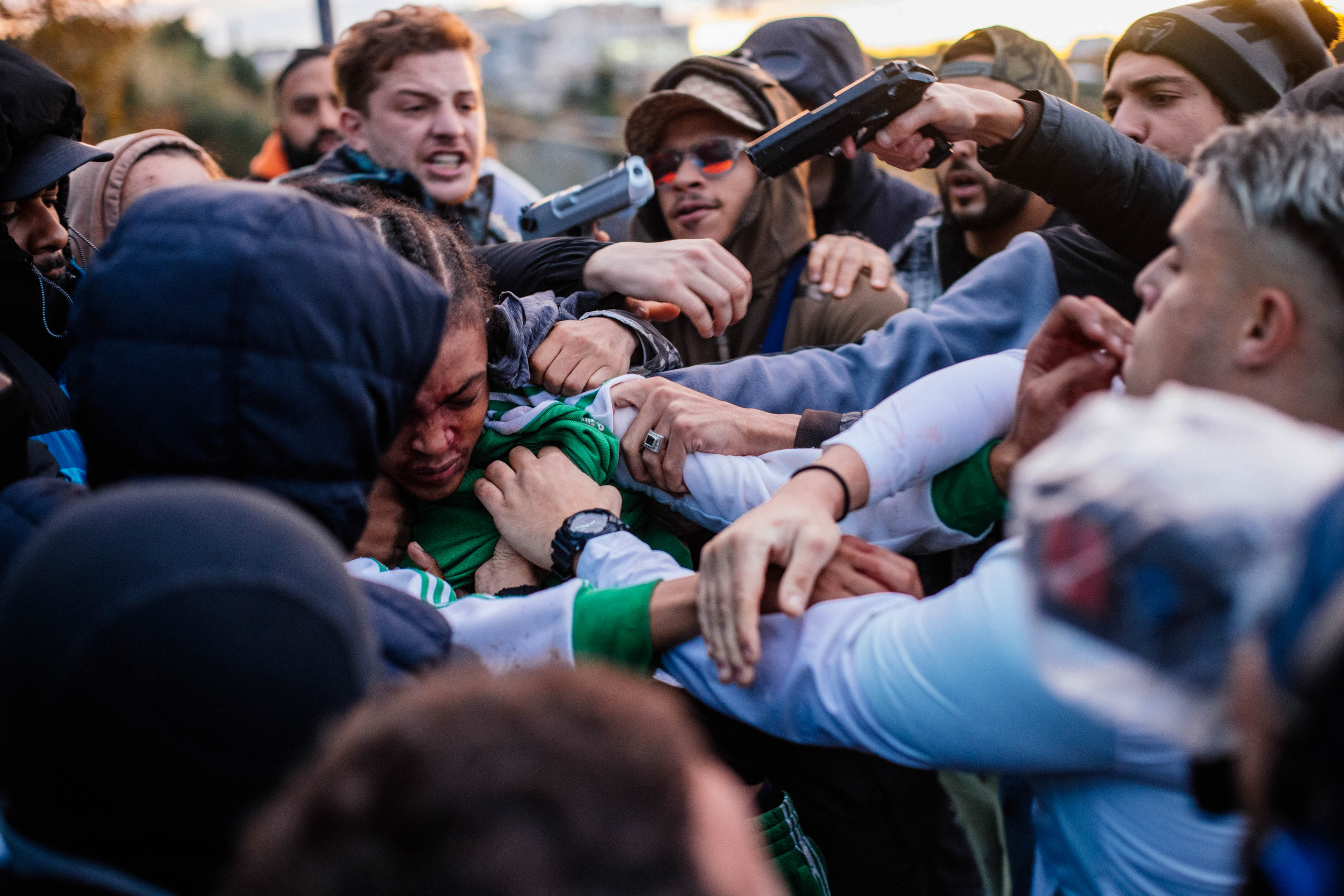
A Prophet: Marseille, Mysticism and the Dark Art of Reinvention

Some stories do not return because the world has run out of new ones. They return because the world has become strange enough to need them again.

A Prophet, reimagined as a television series by Italian director Enrico Maria Artale, arrives with the shadow of Jacques Audiard’s masterpiece behind it – a shadow large enough to frighten any sensible filmmaker into obedience. Artale, fortunately, does not sound especially interested in obedience. He comes to the material not as a decorator polishing a shrine, but as a director willing to step inside the old architecture and let new ghosts move through it.

For Artale, the series was a deeply personal creative process, unlike any other experience he had encountered in television. That alone is worth noting. Television, at its most efficient, can sometimes feel like a factory with better lighting: scripts delivered, scenes covered, emotions scheduled between lunch and overtime. Artale chose another route. He brought with him practices from his recent film work: shooting chronologically, rewriting during production, operating the camera himself, staying physically close to the actors, and giving them emotional freedom on set.

This is not merely a production method. It is a philosophy of intimacy.

“Artale does not approach A Prophet as a shrine to be polished, but as a world with new ghosts moving through it.”

Chronology matters because people are not machines assembled out of order. A character who has suffered on Monday should not be required to forget it on Tuesday because the schedule says the finale must be shot before breakfast. By allowing the story to unfold in sequence, Artale seeks consistency of character – that fragile, difficult thing that separates a living person from a well-costumed plot device.

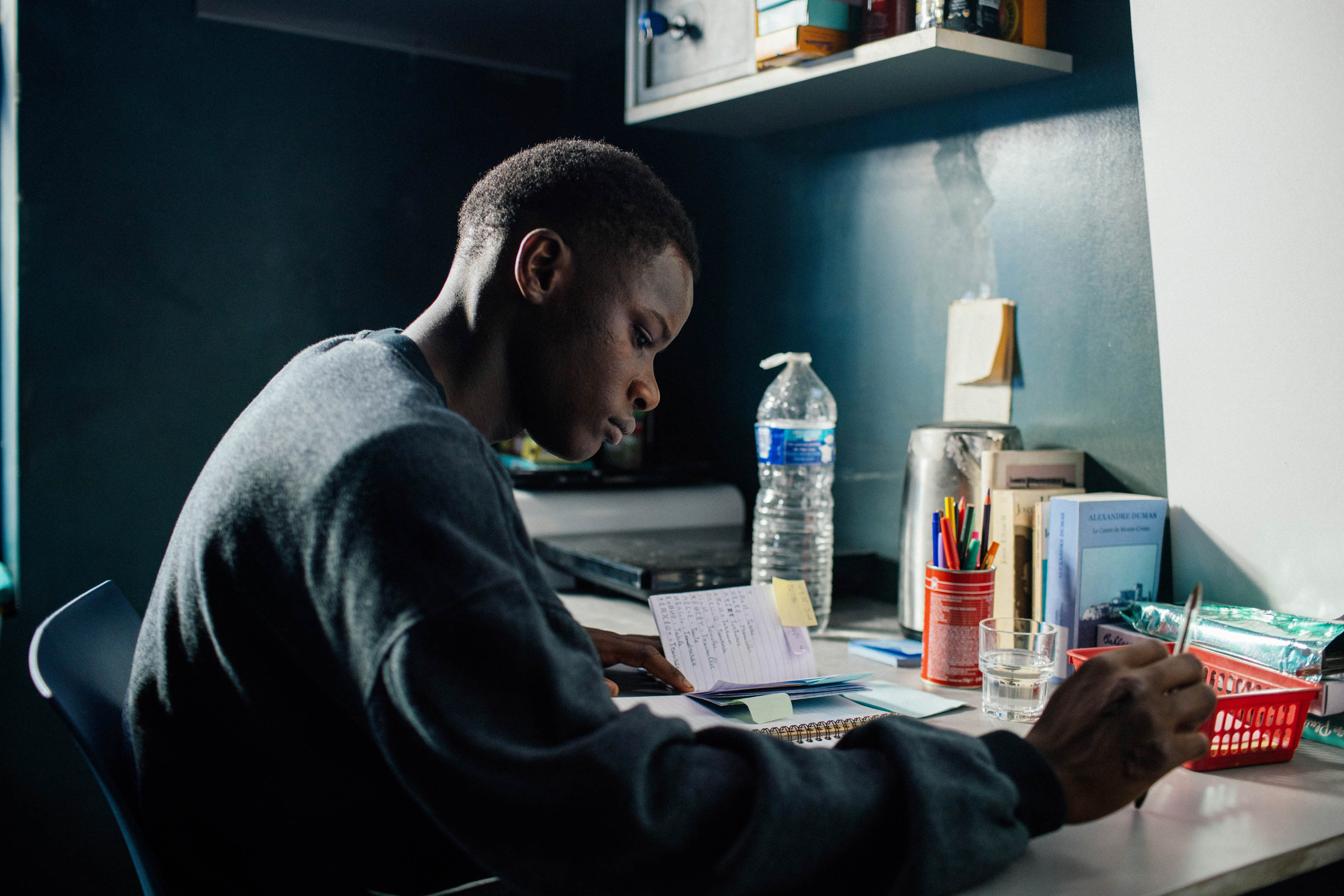
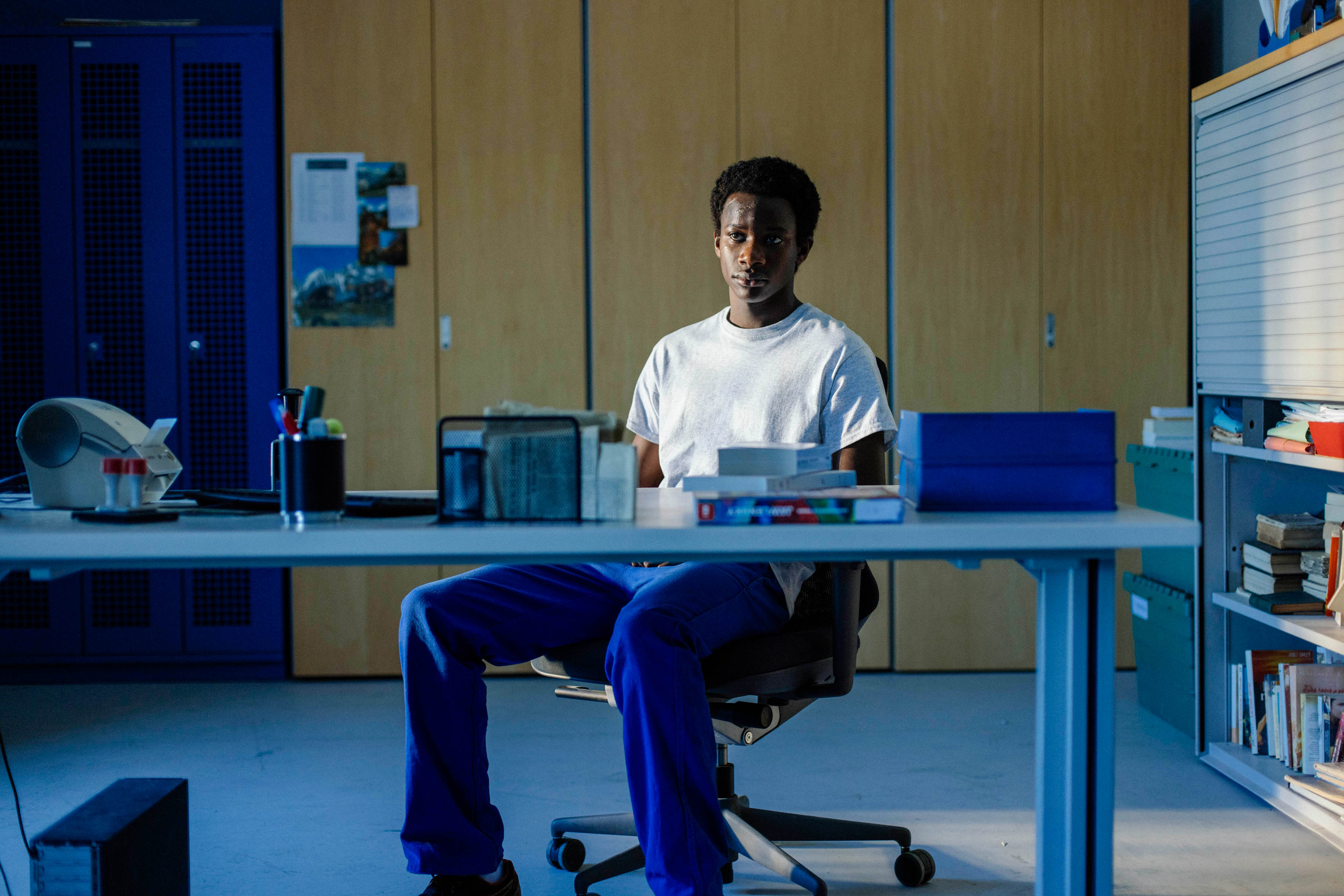
The camera, too, becomes part of this closeness. Artale operating it himself suggests a refusal to keep the drama at arm’s length. He wants physical proximity. He wants the breath, the hesitation, the private weather moving across a face before the face has learned to defend itself. The result, one imagines, is not clean television, but felt television.

And then there is Marseille.

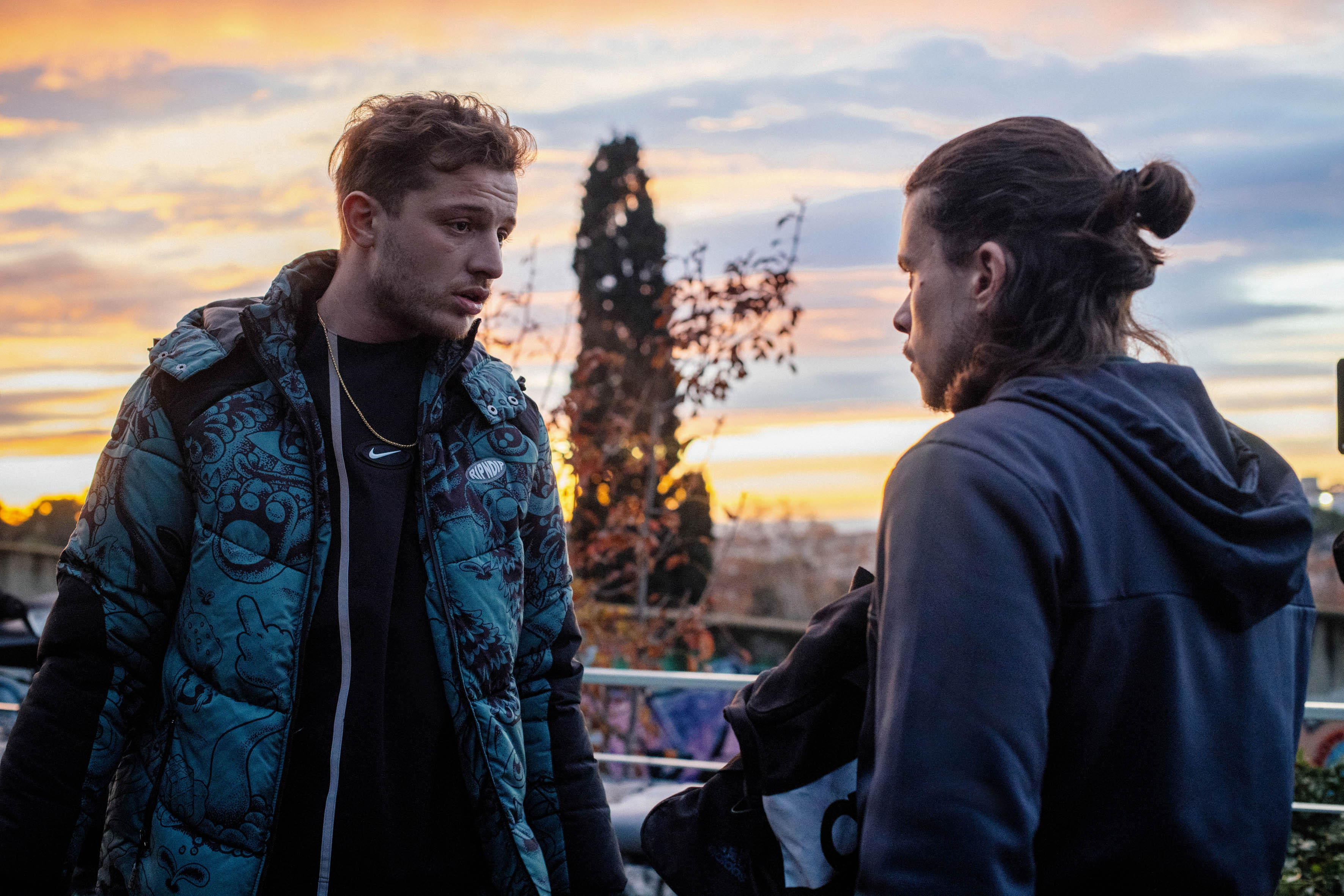
The city is not simply a location here. It is an atmosphere, a pressure system, a moral climate. Artale speaks of plunging the characters into the specific universe of Marseille, using that world to explore contemporary conflicts around wealth, race, religion and sexuality. In other hands, such themes might arrive wearing important shoes and carrying a lecture. But the promise of A Prophet lies in the collision between the social and the mystical, the documentary and the noir, the classical and the dangerous.

“Marseille is not simply a location. It is a pressure system.”

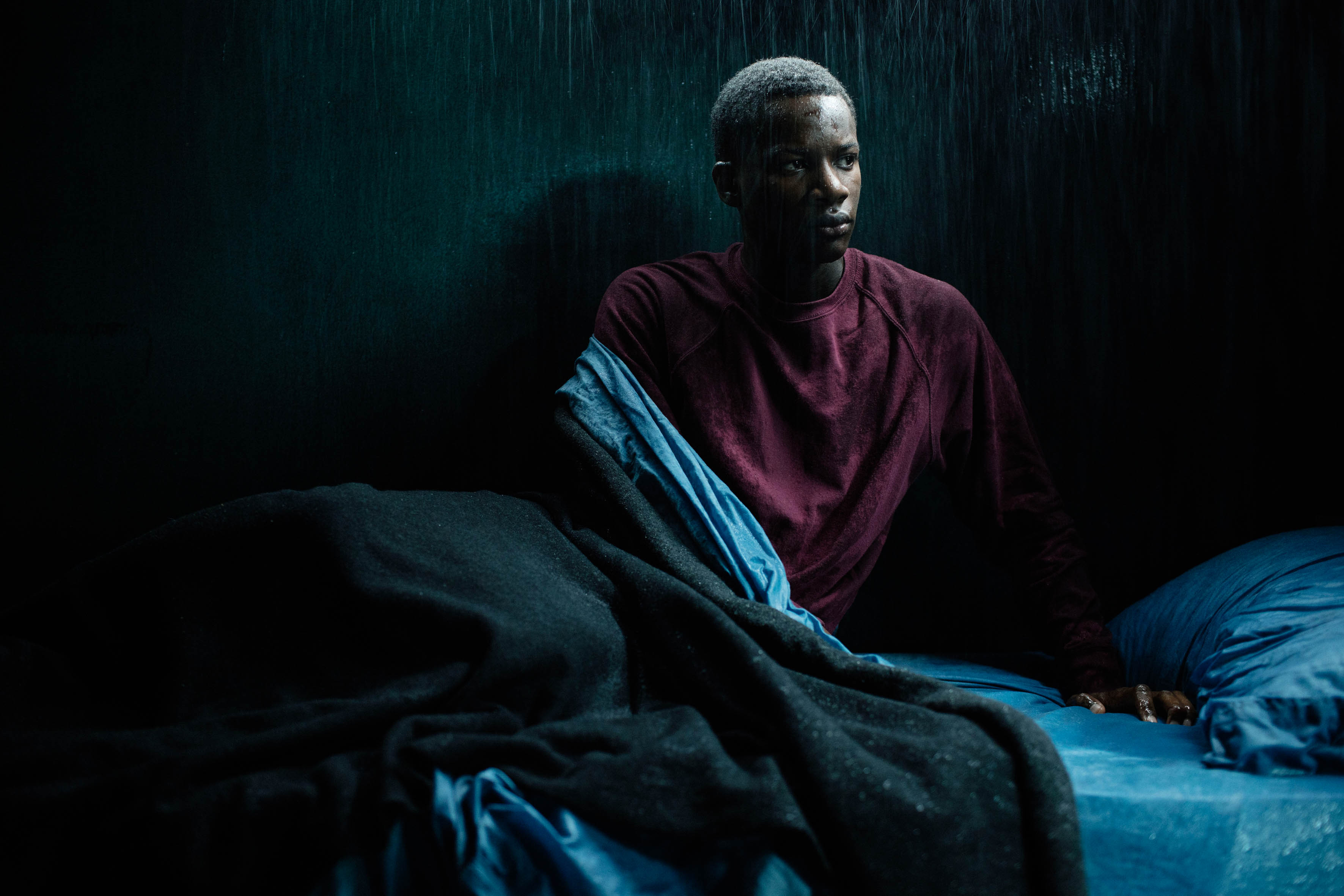
Artale wanted to push the mystical and sophisticated tone even further, moving away from genre cliché. This is the essential phrase. Away from genre cliché. Crime drama, after all, is a room so often furnished with the same objects: betrayal, blood, ambition, prisons of one kind or another, men whispering in corners as if morality were a bad investment. What matters is not the furniture, but what the director does with the light.

Here, Artale speaks of finding a balance between arthouse filmmaking and serial storytelling, melting classical rigour, documentary and noir. It is a wonderful combination – severe, observant, shadowed. Classical rigour gives the work structure. Documentary gives it dirt under the fingernails. Noir gives it the smell of danger and bad choices made beautifully late at night.

Artale’s own background suggests why he might be suited to such terrain. Born in Rome in 1984, he studied philosophy before training in filmmaking at the National Film School Centro Sperimentale. That detail feels important. Philosophy teaches one to distrust easy surfaces. Film teaches one to make those surfaces irresistible anyway.

His first feature, Il terzo tempo, screened in Orizzonti at the Venice Film Festival and won the Pasinetti Award for Best First Feature Film. His documentary Saro won Best Italian Documentary at the Turin Film Festival and was nominated for a David di Donatello. His 2023 film El Paraiso, again selected for Venice’s Orizzonti competition, won Best Screenplay and Best Actress, and earned him another David di Donatello nomination. Alongside this, he has worked across television, directing episodes of Sanctuary, Romulus and Django.

But A Prophet marks something different: the first series he has directed entirely, supervising the whole production as showrunner.

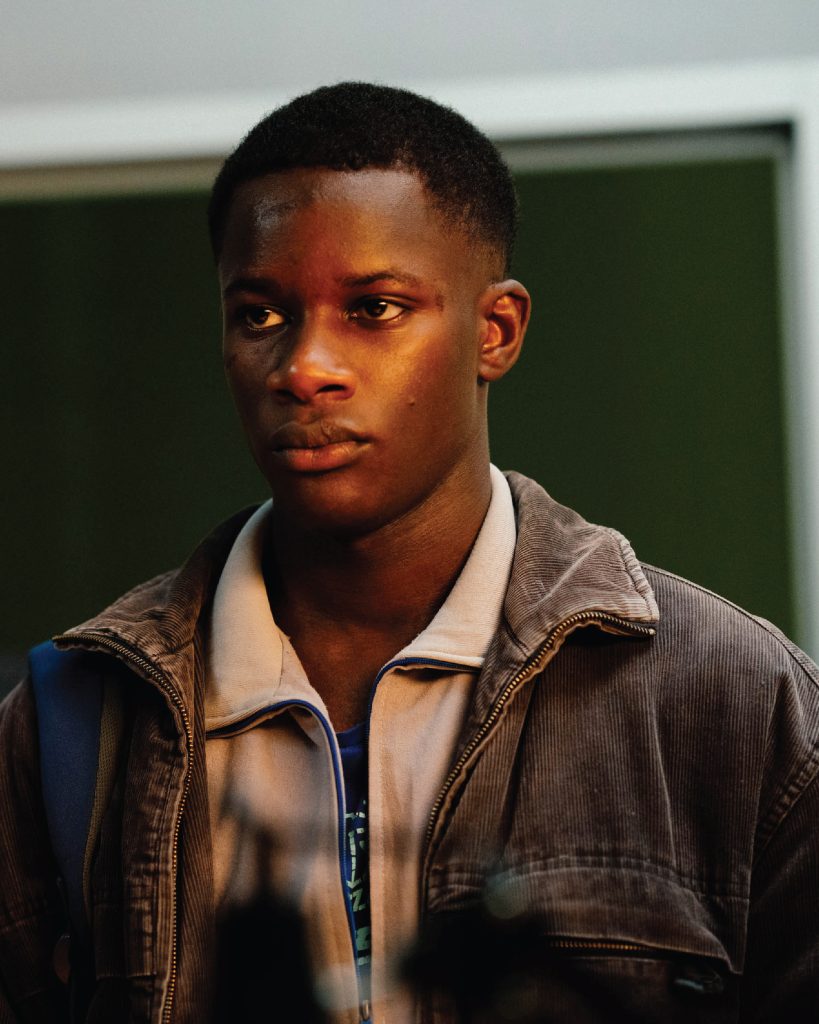
“Classical rigour gives the work structure. Documentary gives it dirt under the fingernails. Noir gives it danger.”

In my view, that matters. A series of this kind needs more than style. It needs command, continuity and nerve. It needs someone who understands that crime is never only crime, that power is never only power, and that transformation is rarely clean. The title itself carries a strange charge. A Prophet suggests vision, fate, warning, perhaps even grace – though grace, in noir, usually arrives late and limping.

What Artale seems to offer is not a remake in the timid sense, but a new reading: cinematic, contemporary, socially alert and emotionally close enough to bruise.

The old story returns.

But Marseille changes the weather.

And under Artale’s gaze, prophecy becomes not prediction, but pressure – the terrible knowledge that a life can be remade, if one is willing to pay the price.

Roger Wyllie, View Mag

Audio player cover
0:00 0:00