Director: Enrico Maria Artale
Country: France
Actors: Mamadou Sidibé, Sami Bouajila, Matthieu Lucci, Nailia Harzoune, Moussa Maaskri
Written by Tom Augustine
Airing exclusively on Sky’s Rialto Channel, this brutal and meticulous adaptation of the acclaimed Jacques Audiard film meets the original on level ground by updating its thesis for the modern era. Featuring a stellar cast of largely-unknowns, it is the series’ willingness to divert stylistically from the path laid out by its predecessor that is most promising.
I watched A Prophet nearly two decades ago, and I confess that not a whole lot of Jacques Audiard’s beloved crime film remains firm in mind — I recall Tahar Rahim’s face, Audiard’s unsettled neo-realist style and the way it blended with the pulpiness of the material, and (of course) the razor blade jammed in protagonist Malik’s mouth, later used in the vicious murder of a fellow prisoner early in the film. It is the film’s defining moment, a shocking blast of brutality that aligned it with Michael Haneke’s Caché, whose similarly unfettered and unsentimental violence represented a cold, clinical shift in European filmmaking just four years previous. A Prophet is arguably Audiard’s most celebrated film, one that earned awards and nominations aplenty. These days, Audiard is better-known for the celebrated disaster that is Emilia Perez, one of the most hilariously misguided-yet-beloved white elephants of international filmmaking in years. Emilia Perez, a film that flew too close to the sun before burning out in spectacular fashion, easily eclipsed Audiard’s long-standing position as one of France’s most revered auteurs, a fraught position affirmed at least somewhat by the fact that the filmmaker has never made anything boring. In this space, A Prophet is his most assured work, one that bristles with the sprawling gangster epic bona fides of American crime classics to which it is clearly indebted. There is a fascinating vein of multiculturalism at play, there, too — Rahim’s Malik is an Algerian petty criminal who rises in the ranks of the Corsican mafia within the walls of the prison in which he’s been incarcerated. The echoes of France’s colonial past are undeniable here, bouncing off said walls and hovering around the bloodletting with eyewatering conviction.
That same awareness of the influx of repressed minority cultures existing within France is at play in the new adaptation of A Prophet, this time for the small screen. Created and directed by Italian Enrico Maria Artale, a mainstay at Venice Film Festival (where this version of A Prophet also premiered), it is a series that eagerly expands upon and departs from the original in telling ways that suggest a team largely uninterested in blandly transposing the original’s circumstances onto an updated chassis. The world has moved on, the series argues, and there are new, pressing issues with which A Prophet must contend — most significantly illegal immigration and refugees. In interviews, Artale has suggested that the shadow of Audiard’s film looms too large for another French filmmaker to tackle, meaning that this Italian director is more suited to the job. That appears largely to be true based on what can be seen in the first two episodes of A Prophet: The Series available for review.
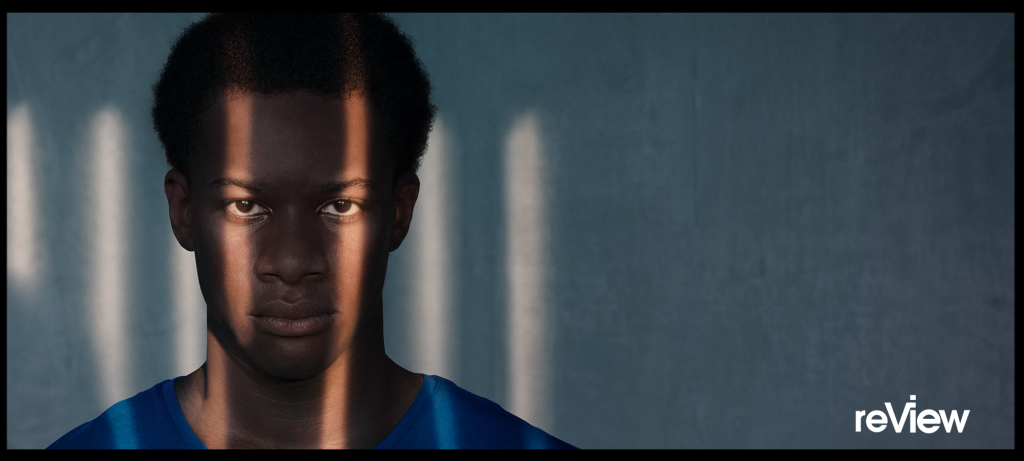
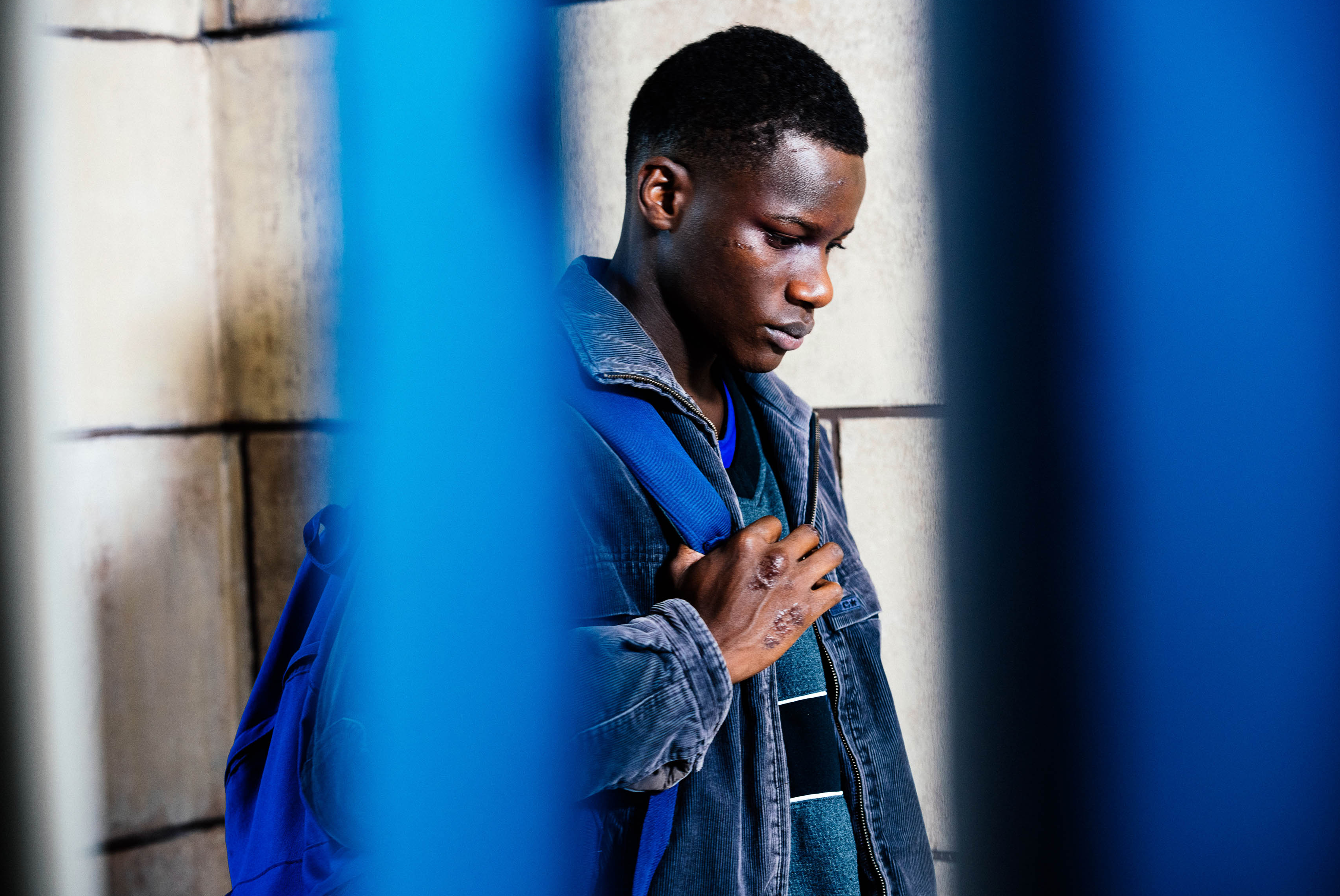
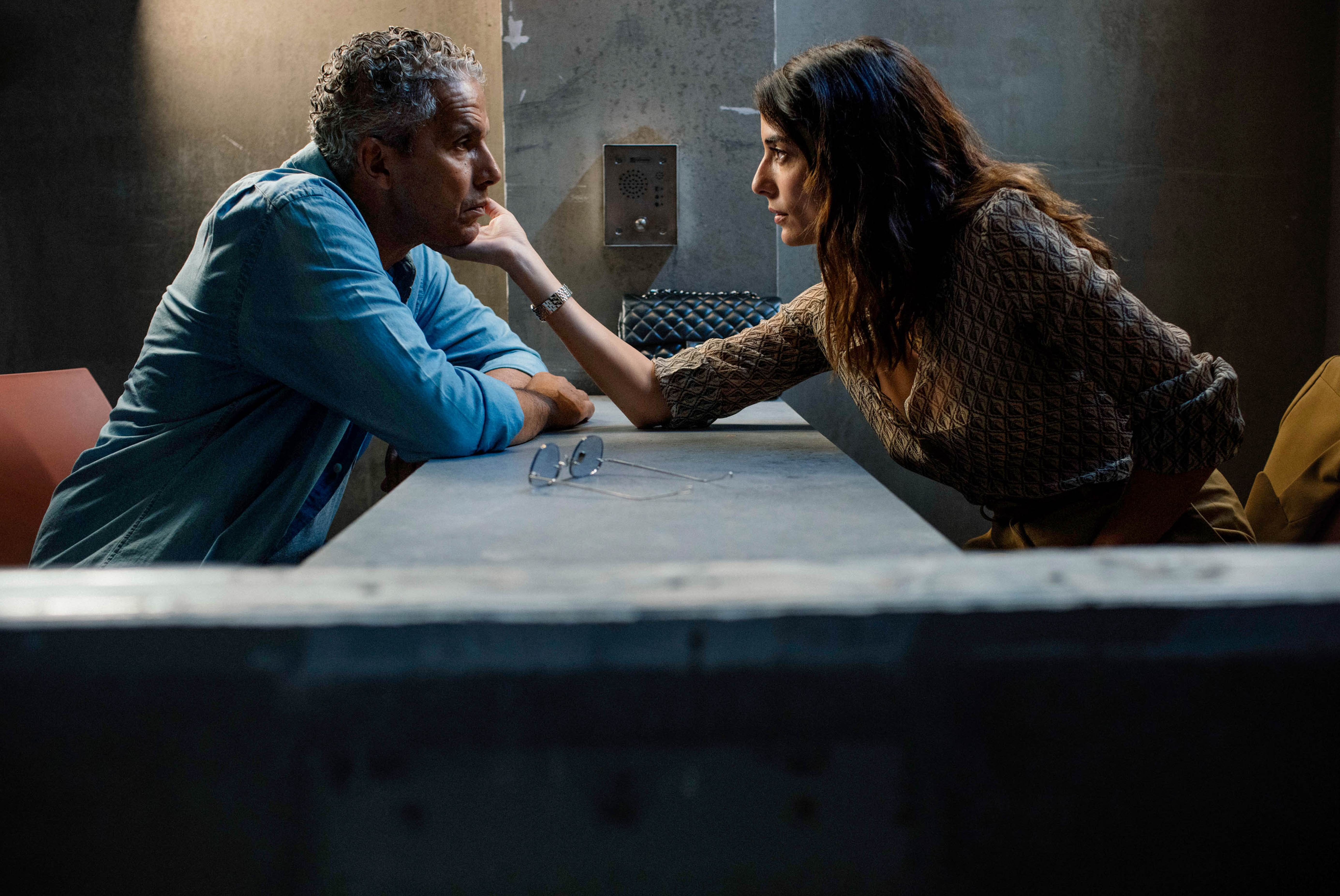
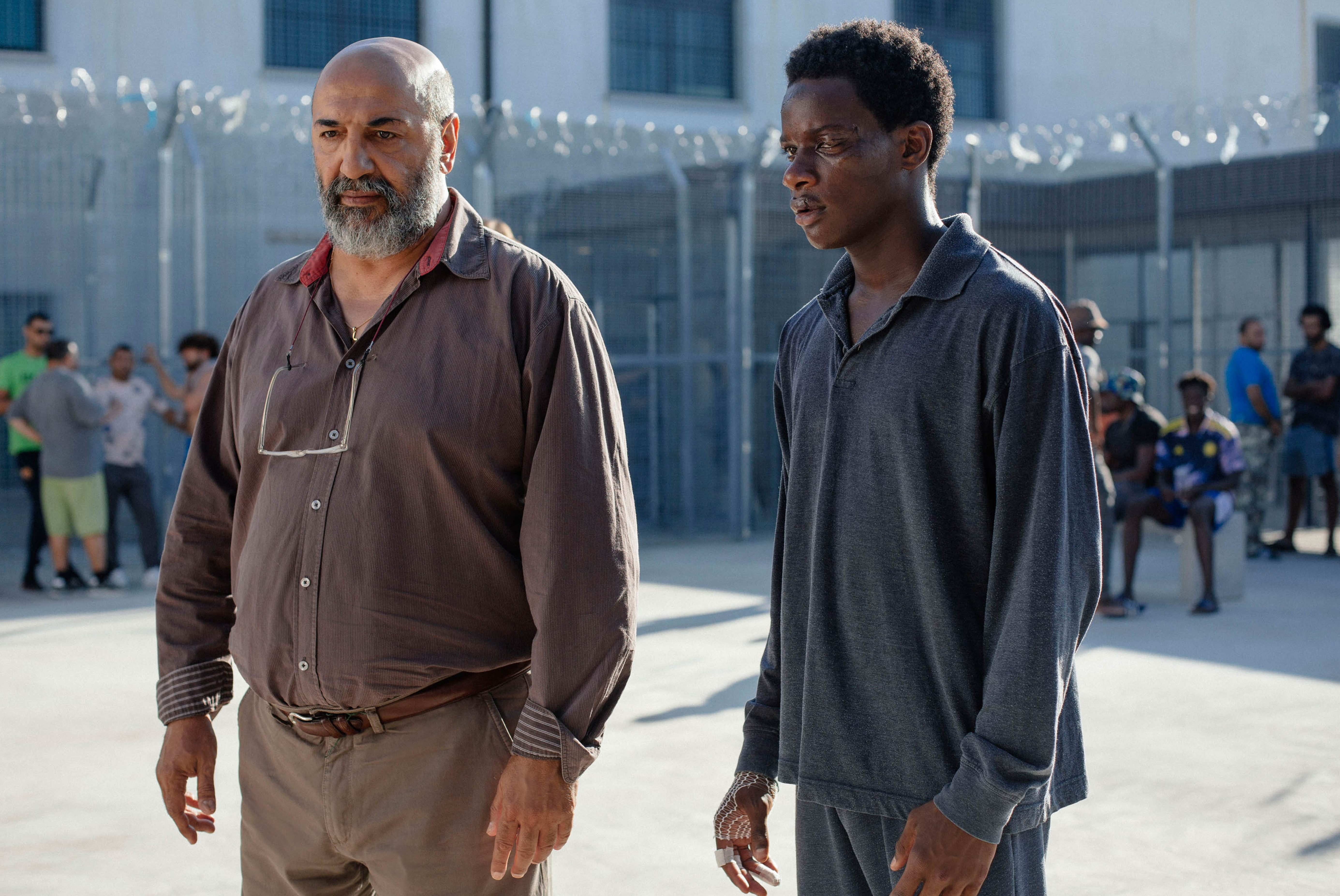
In this version, Malik is an African immigrant played by Mamadou Sidibé, whose dark skin ensures he stands out far more strikingly than Tahar Rahim’s less pronounced, fair complexion. He is in a prison populated largely by Arabian criminals, with gangs of fellow African prisoners seeming distant, monolithic, their ranks all-but-impossible to penetrate. This Malik is in France illegally, and is caught with drugs he was being forced to distribute after the shanty-town apartment block in which he’s staying collapses, killing the rest of his family. Though Malik is barely literate and has trouble speaking the language, he is canny enough to know that he cannot snitch, even if the real perpetrators are already dead. Instead, he finds himself incarcerated, and quickly comes under the care of Rony (Moussa Maaskri), a one-time assassin turned aging prison librarian, who sees a vulnerable young man he can save. Instead, the pair are set on a path to destruction when they cross paths with Massoud (Sami Bouajila), a gangster kingpin who takes the fall for various politicians and higher-ups involved with the collapsed apartment building, having swept safety checks under the rug. In prison, the clean-cut and suave North African mafioso is immediately beset by an opportunistic young prisoner blackmailing him with damning footage of Massoud engaging in homosexual acts at a nightclub, prompting Massoud to strongarm Rony into removing him from the equation. Rony, a reformed Christian, is desperate to avoid doing the deed himself, and so in turn pressures Malik to take his place.
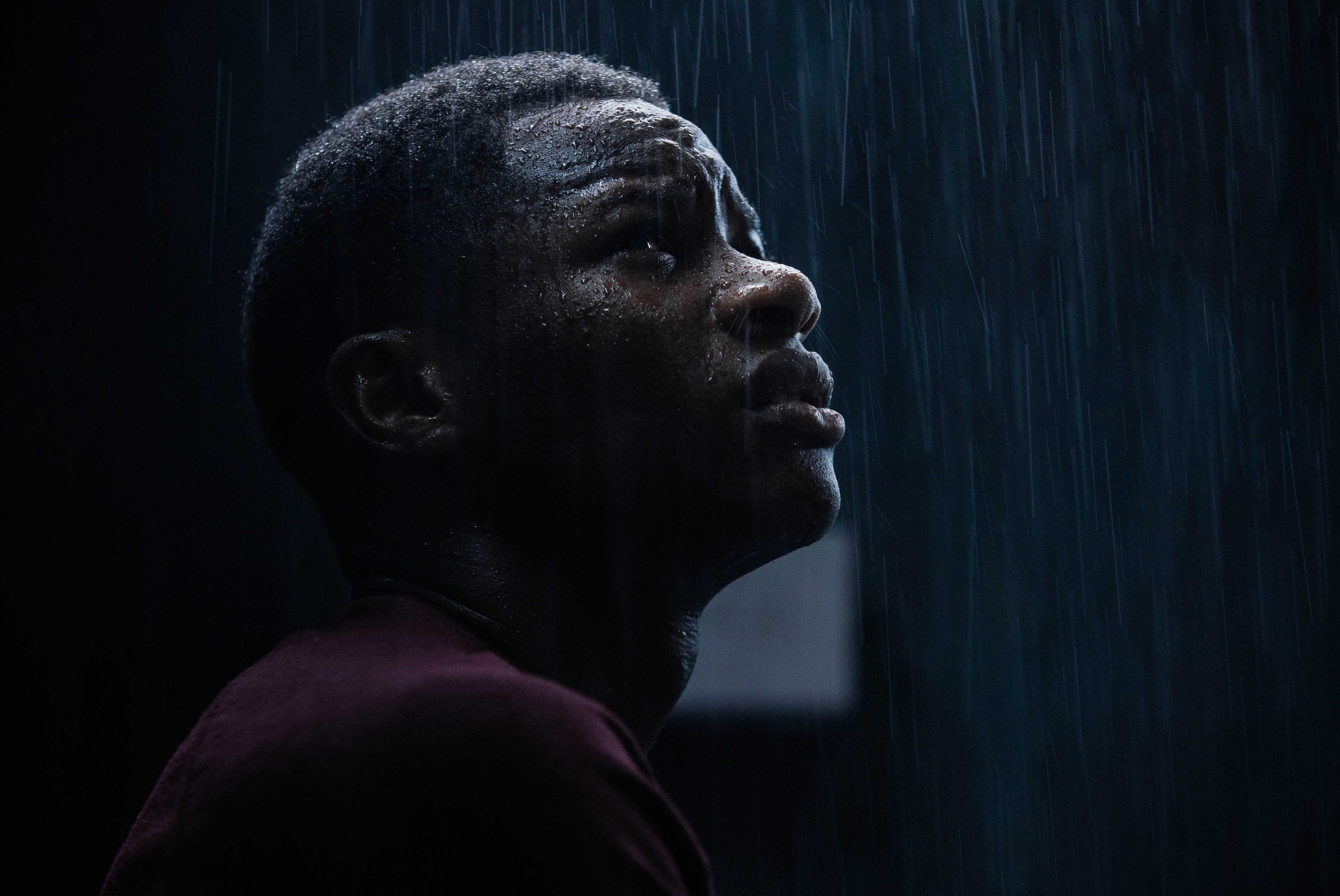
In place of a razor, the weapon here is a sharpened toothbrush, a flimsy instrument that seems entirely unable to do the kind of damage needed to commit the murder, which just adds to the first two episodes of A Prophet’s simmering, slow-burn tension. In the meantime, Artale and his team expand upon the world both within and outside the prison walls, capturing a Marseille at once glamorous and undergoing a period of profound cultural change and tension. It is well-performed and paced, and though these early stretches don’t quite reach the level of poetic intensity Audiard’s film did, there’s plenty of reason to be optimistic that later episodes will add to this growing sensation. The cast is broadly excellent, particularly Maaskri as a weary long-time convict attempting to make right, only to break bad once again. Most compellingly, Artale adds his own flourishes, including the ghoulish appearance of apparitions of Malik’s dead relatives. These moments of off-kilter magical realism suggest the creators have different intentions for Malik’s rise, and Sidibe’s watchful, quiet performance points to a slightly less corruptible, humanistic version of the character than Rahim’s. For A Prophet: The Series to set its own agenda this early in the piece is promising, and that these two episodes breeze along with such compelling ease ensures strong investment early in the piece. Best, it is a striking reminder of the humanity not just of prisoners in general, but of the dehumanised illegal immigrant, whose presence in these colonial countries is ultimately just an off-shoot of their original meddling in countries that weren’t theirs with which to meddle. No one is completely innocent in A Prophet: The Series, not even the viewer.
A Prophet: The Series – Premieres on Sky’s Rialto Channel, Tuesday 15 September, 8.30pm. Go to www.rialtochannel.co.nz for all details.