Long before I understood cars as design objects, cultural artefacts or auction-room theatre, I understood them as glossy temptation.
From a young age, I used to spend hours reading my grandfather’s car magazines – pages filled with exotic beasts, chrome, polished timber dashboards and machines that seemed less like transport than creatures waiting to be released. My grandfather was a car fanatic, and each year we would go to the car show, where the whole ritual unfolded: the shine, the smell, the open bonnets, the admiring silence of grown men trying very hard not to look emotional.
Perhaps that is where the spell began.
A collector’s car is never merely a car. That would be far too practical, and practicality, while useful in wet weather, has never stirred the soul quite like polished metal, old leather, a beautiful line and a glovebox full of paperwork.
At Webb’s, Chris Wiseman, Head of Collectors’ Cars, works with vehicles that arrive not simply as machines, but as evidence. Evidence of taste, technology, ambition, class, romance, engineering and, occasionally, magnificent human folly. He came to collector cars through history and objects rather than motoring itself, which seems entirely right. A car, after all, is one of the few designed objects that can carry you both across town and into the mind of the century that made it.
A pre-war Rolls-Royce tells us about class and craftsmanship. A Citroën DS speaks of post-war optimism and faith in technology, that lovely modern belief that the future might arrive with better suspension. A Porsche 911, meanwhile, reveals a different culture altogether: engineering devotion, design restraint and the almost universal desire to sit behind the wheel of something that looks as if it already knows where it is going.
“A car can carry you across town and into the mind of the century that made it.”
When a car comes through Webb’s, Wiseman looks first for three things: provenance, originality and condition. These are the holy trinity of the collector’s car world. Provenance tells us why the car matters. Originality tells us how much of the original object survives. Condition reveals, in its quiet way, how respectfully the car has been treated by time and by its owners.
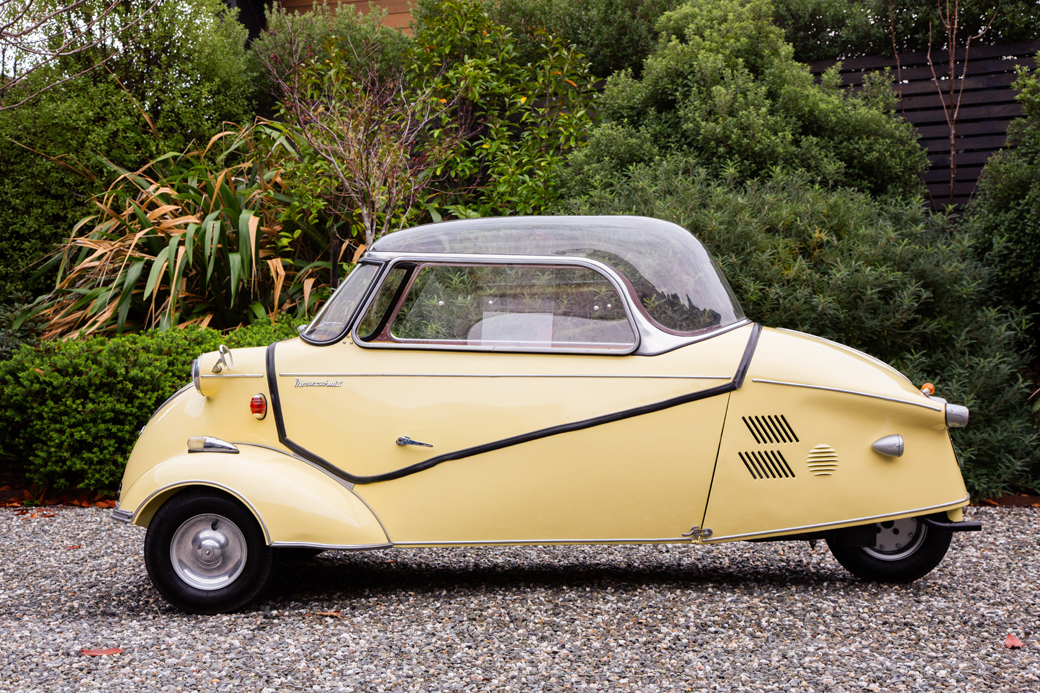
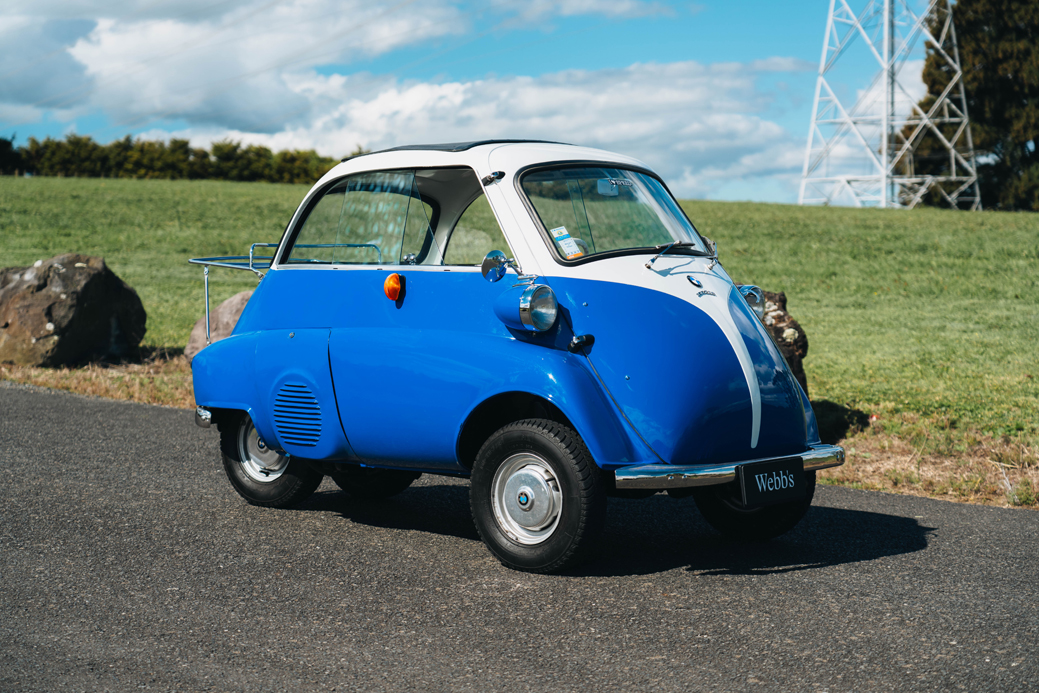
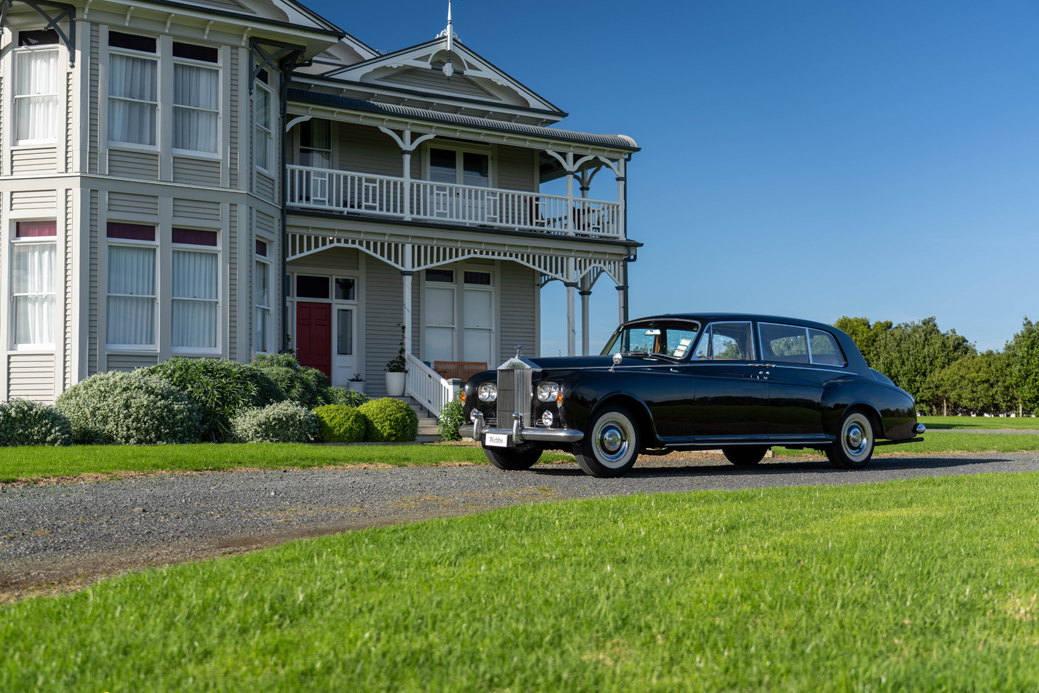
But then there is the spark. The oddity. The small eccentric detail. The story that lifts a vehicle from desirable to unforgettable. Webb’s has handled cars with remarkable histories, including a Rolls-Royce that toured Queen Elizabeth II around New Zealand. They have also sold wonderfully peculiar microcars, including the BMW Isetta and Messerschmitt KR200, vehicles born from post-war austerity and industrial reinvention. One was made by fridge makers. The other by a company banned from building aircraft, so it built a tiny car with the spirit of a cockpit. History, occasionally, has a superb sense of humour.
“Collectors talk about rarity, but quirkiness is often just as memorable.”
Wiseman thinks of cars aesthetically as industrial design, and this distinction matters. Unlike art, a car must function. It has to accommodate engineering, passengers, regulations, aerodynamics and use, while still appearing coherent, perhaps even beautiful. The greatest examples do not merely decorate complexity; they solve it. Their lines feel inevitable. Their proportions suggest that the difficult decision has already been made, elegantly, on our behalf.
This is why certain models endure beyond nostalgia. The Mini remains brilliant because it rethought small-car packaging so completely that its logic still drives through our streets. The Porsche 911 survives because it has spent decades refining an idea that was already compelling. Some cars, as Wiseman puts it, wear the very shape of success.
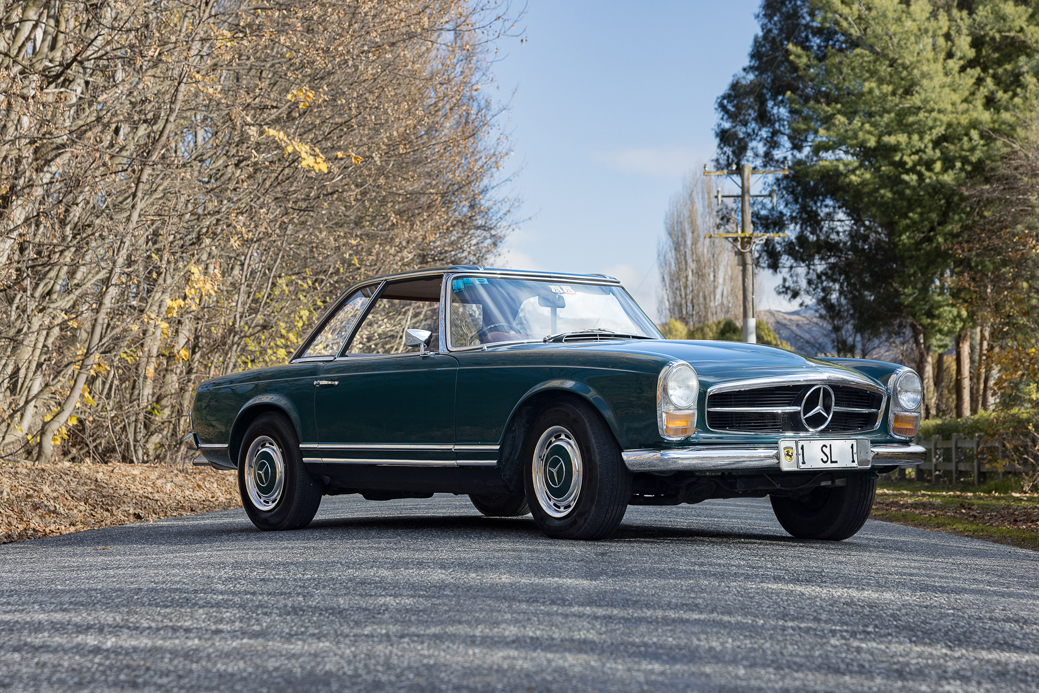
Mid-century European cars reveal a world coming out of trauma and into confidence. Italian beauty and emotion. German rigour. French originality and risk. These were cars born before global focus groups sanded every edge smooth. They feel individual because they came from particular nations, companies, engineers and designers trying to solve problems in their own language.