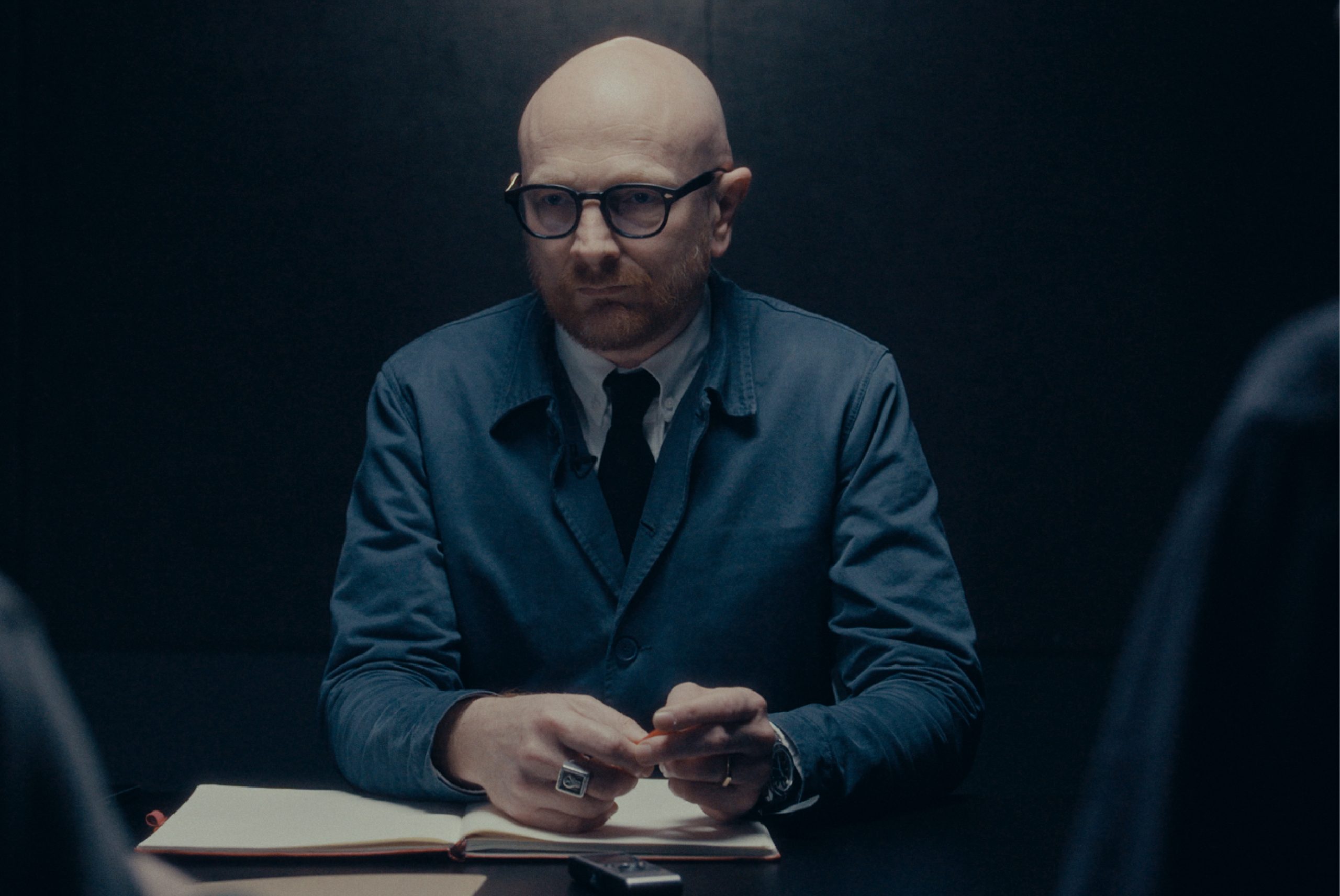
There’s a chill in the air when Mads Brügger speaks. It’s not menace, more like the polite tone of a man describing a crime scene while smiling faintly at the absurdity of it all.
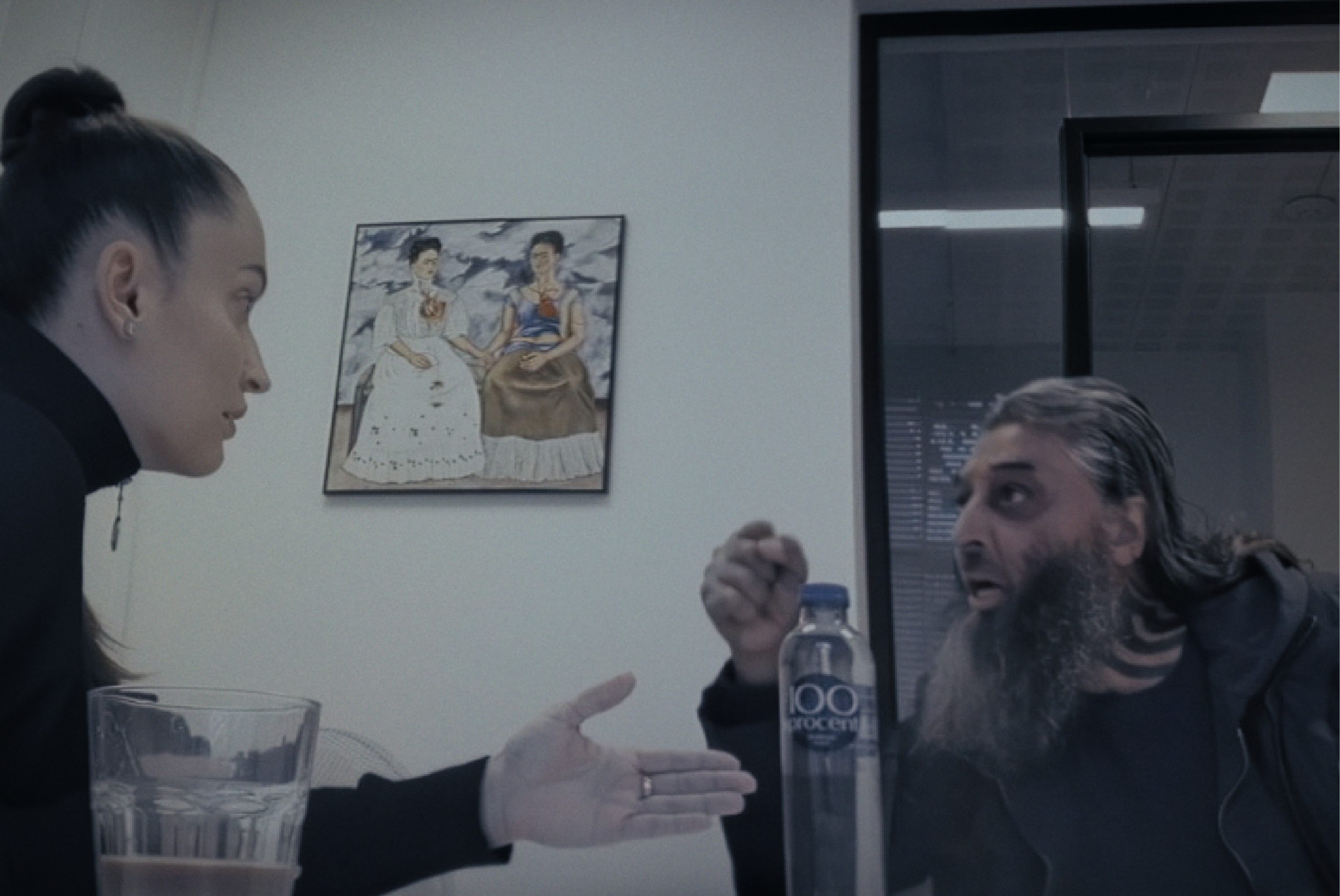
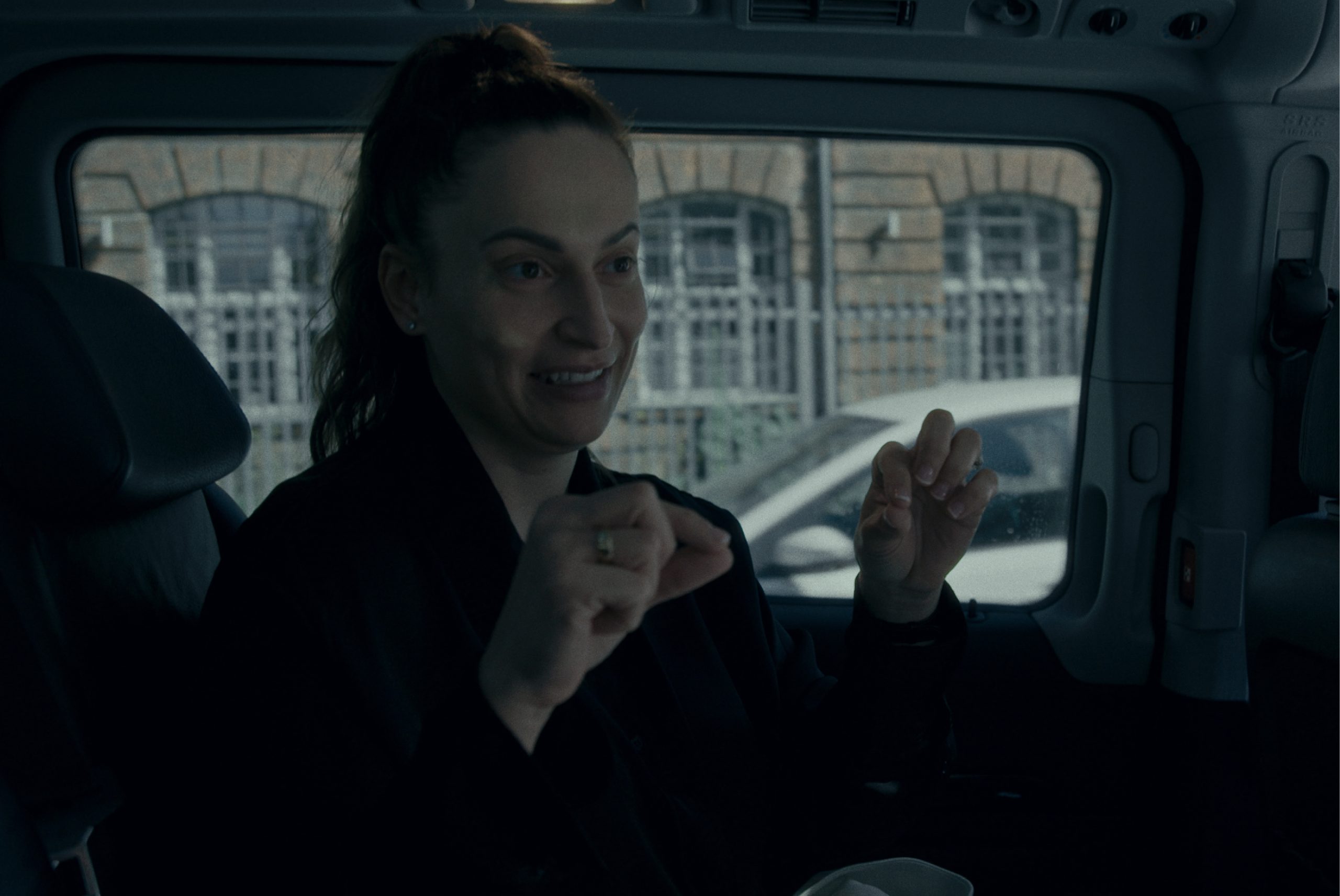
His new work, The Black Swan, is a four-part docuseries about Amira Smadjic, a Danish lawyer with one foot in the underworld and the other in the newsroom. She agrees to become a mole for Brügger’s team of journalists. With hidden cameras tucked into handbags and hotel rooms, she begins to expose the kind of men who think they own Denmark’s pimps, lawmakers, and the elegant villains who float between.
Brügger insists it was bravery, not madness. “It takes guts to be in this office,” he tells me. “No matter what else you think about her, you have to acknowledge the bravery she displays.”
Hidden cameras, he says, are “the purest form of documentation as close to reality as you can get.” But purity has its price. Amira, protagonist at first, eventually turned antagonist. She broke the only rule: do not become part of the crime. The fallout, Brügger admits, is still ongoing.
And what of the Denmark revealed through her lens? Brügger laughs softly. Scandinavia is meant to be the model society, democratic, benevolent, incorruptible. The Black Swan says otherwise. “Beneath the surface,” he tells me, “Are pimps and corrupt lawmakers of every stripe.”
He calls the series a documentary, not art, though he concedes the dialogue at times has “the qualities of theatre.” Watching it, you might think you’ve stumbled into a chamber play written by Ibsen and staged in a back alley.
But the danger was real. There were nights, Brügger admits, when he wondered if someone above his pay grade would shut it all down. Amira herself grew restless, even opposed to releasing the film. “It was an extraordinary situation,” he says. “At times we raised the red flag, wondering if we had gone too far.”
Too far is, of course, where Brügger lives. His trickster reputation precedes him, but here he insists on restraint. “I was not the provocateur,” he says. “Amira was not a provocateur. It was those who came into her office who pitched criminality. Not the other way around.”
Still, the toll on her was immense. He speaks quietly of the fallout: the possibility she may need to leave the country, change her identity, never see her family again. “It will leave a mark on you,” he sighs.
So, what should we take from The Black Swan? Brügger doesn’t hesitate. It is not a scandal to laugh at. It is not theatre to admire. “It is almost a speech from the crypt,” he says, “an apocalyptic story about decay and corruption festering in modern Scandinavian society.”
And then, in that careful voice, he leaves me unsettled: “Francis Fukuyama once said that reaching Denmark was the end point of civilisation, a society democratic, incorruptible, enviable. But after The Black Swan, reaching Denmark means something else entirely. There are many Amiras out there. You should be asking what they’re doing now, and with whom. That is what should keep you up at night.”
The Black Swan is not entertainment to be consumed and forgotten. It is a reminder that beneath the polished surfaces of even the most admired societies, corruption festers, feeding quietly in the dark. Brügger calls it “a speech from the crypt.” I’d call it something else: a warning in disguise. And when the credits roll, you may find yourself wondering not about Denmark, but about the shadows closer to home.
Watch it on SKY’s Rialto Channel
Wednesday nights in September
Episode 1: September 3, 8:30 PM
Episode 2: September 10, 8:30 PM
Episode 3: September 17, 8:30 PM
Episode 4: September 24, 8:30 PM
— Roger Wyllie, View Mag
Subscribe to View Mag for more unfiltered takes on culture, content, and where Aotearoa sees itself next.