Director(s): Francis Lawrence
Country: United States
Author: JT Mollner, Stephen King
Actor(s): Cooper Hoffman, David Jonsoon, Garrett Wareing
Written by Tom Augustine
Like apple pie, Donald Trump, NASCAR and September 11 (the day I watched The Long Walk), author Stephen King is American through and through. This American-ness is inextricable from the work he creates, and part of what allows his stories to worm their way into the zeitgeist over and over, a peculiar and not-always-appetising blend of cornball sentiment and vicious perversity. Y’know, just like America. This year, there have been four King adaptations — The Monkey, The Life of Chuck and now The Long Walk, with Edgar Wright’s remake of The Running Man fast approaching. None of these are King’s most iconic or lasting works, but the sheer prevalence of his name and presence feels deeply suggestive of the times we’re living in. In every part of the world, on our screens, across the internet and in the air we breathe, America is front-and-centre. As the Empire crumbles in slow motion, descending ever-further into cruelty and violence (or perhaps said violence is just less covert than it once was), King’s penchant for exploring the way nostalgia intertwines with horror increases in its potency. Little in King’s work is subtle — and the latest film, The Long Walk, is certainly not subtle either in its intention to speak to today’s American climate. But it’s also a refreshingly clear-eyed piece of work, one more covertly radical than it lets on, and bleaker and more bracing than King often allows himself to be.
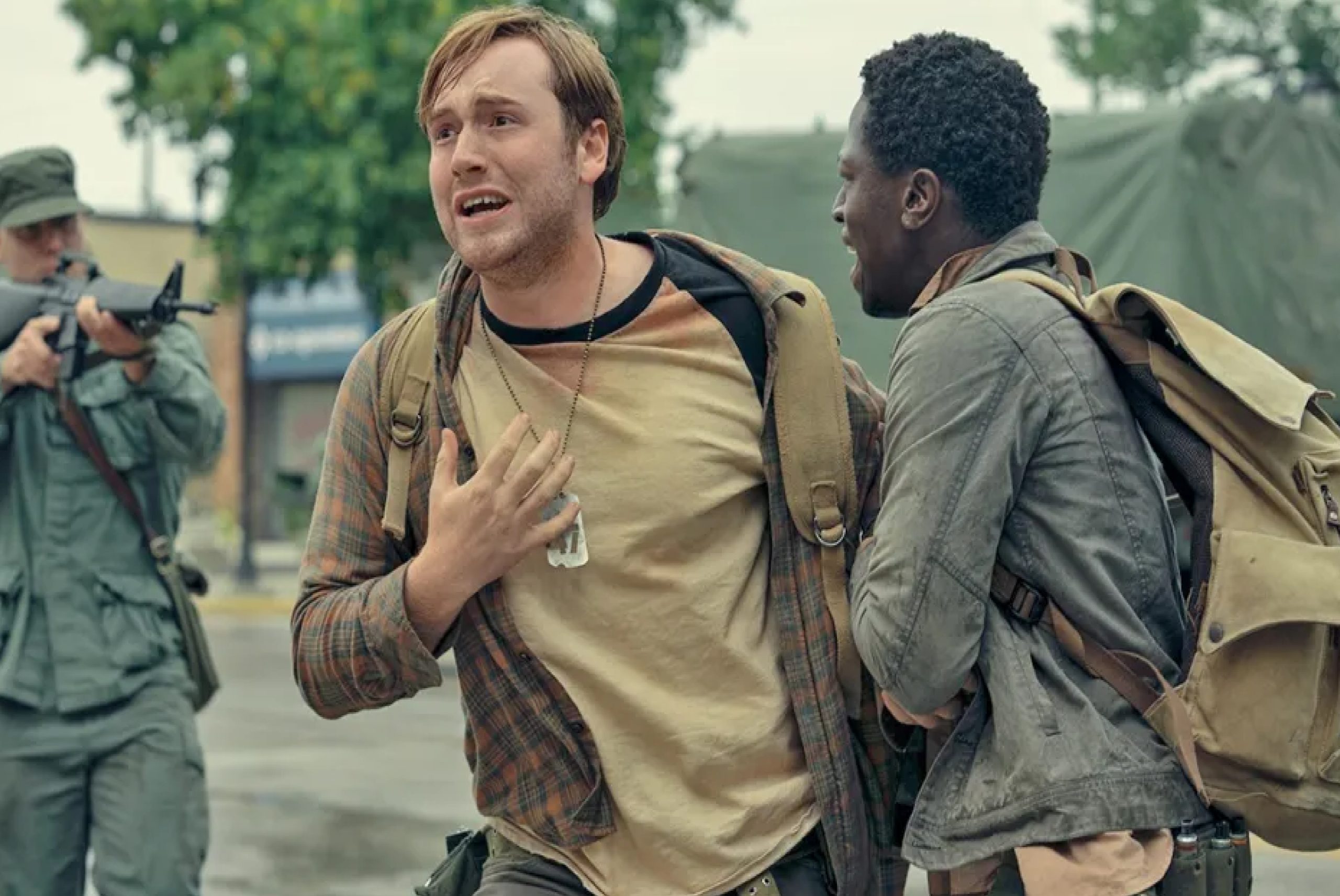
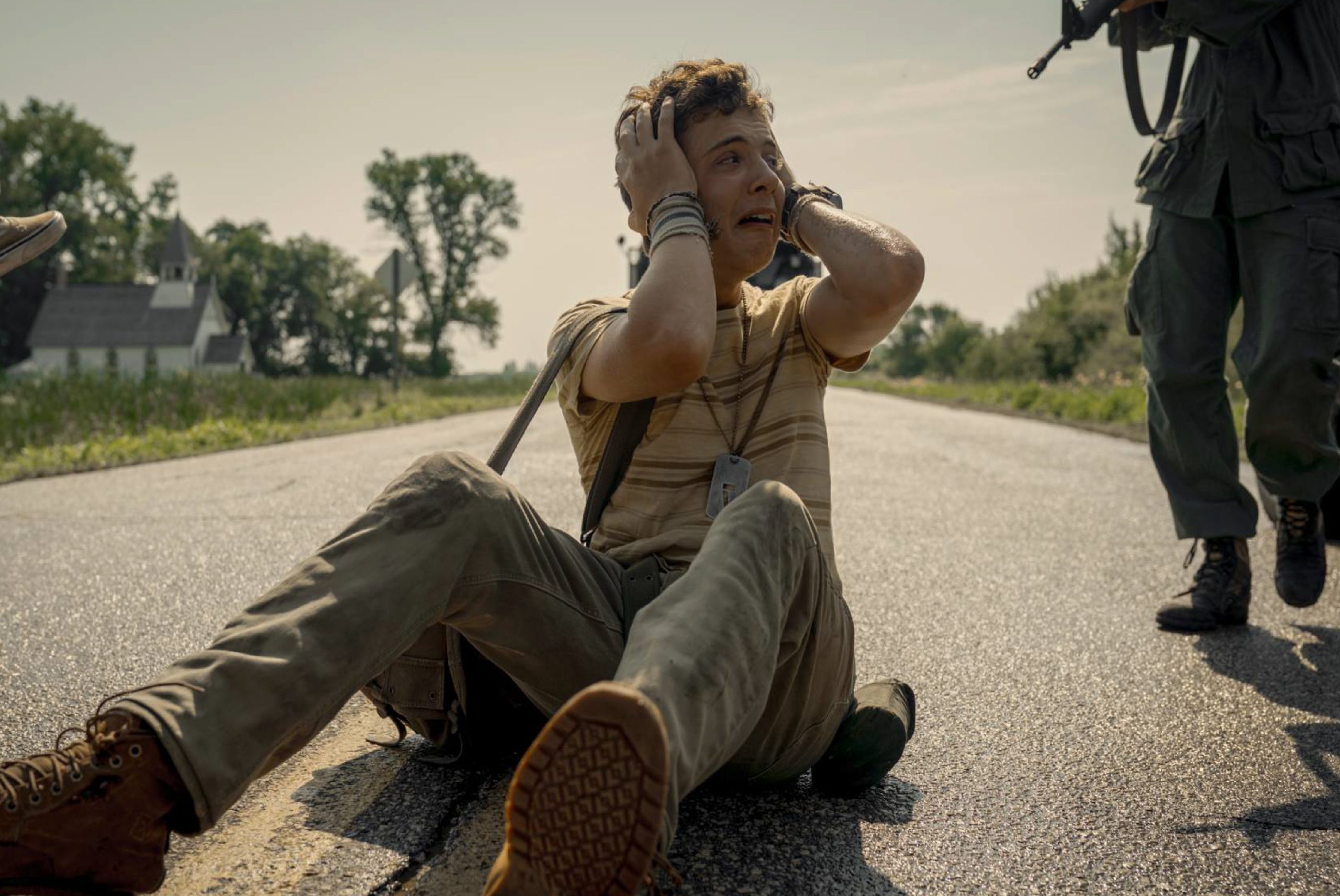
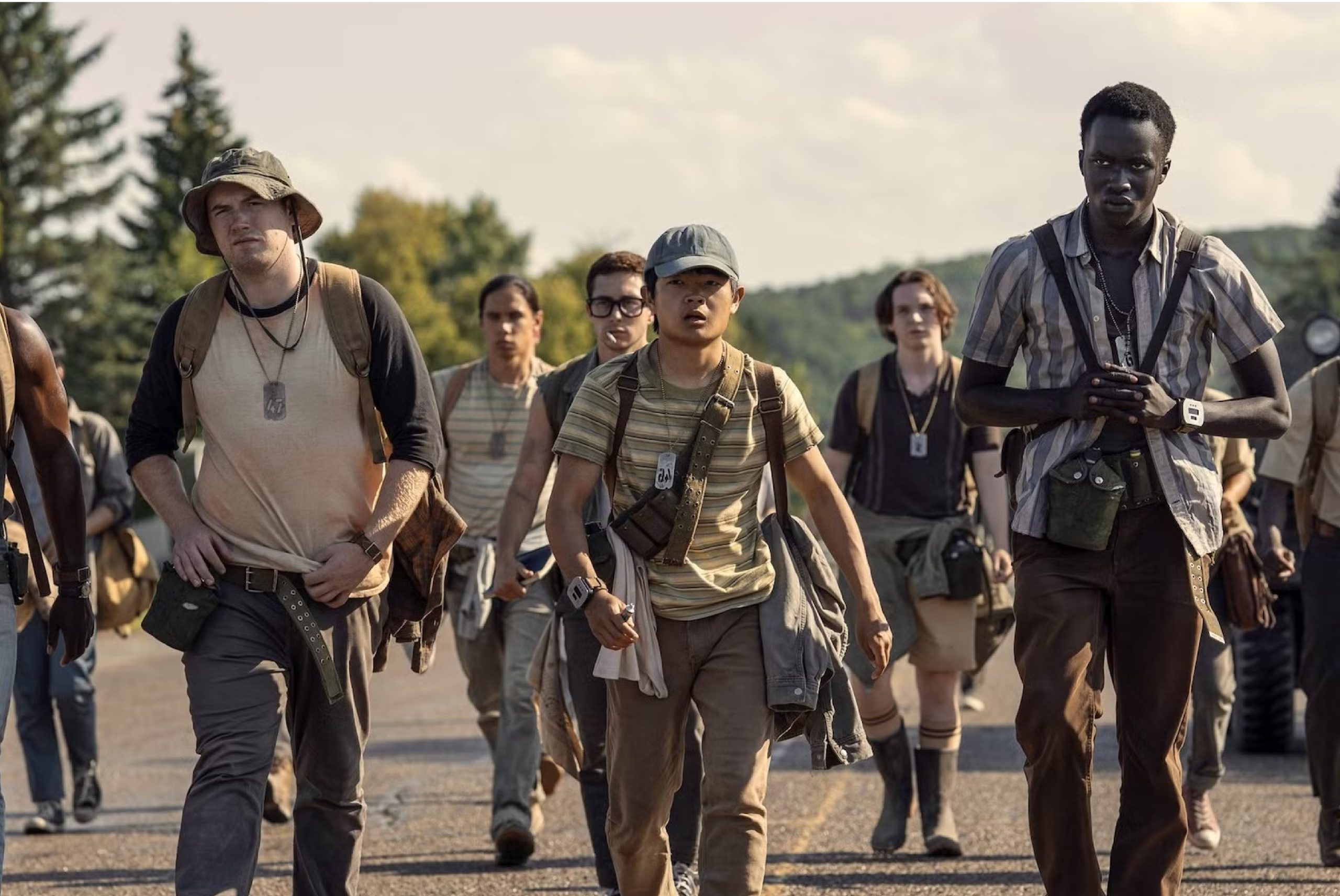
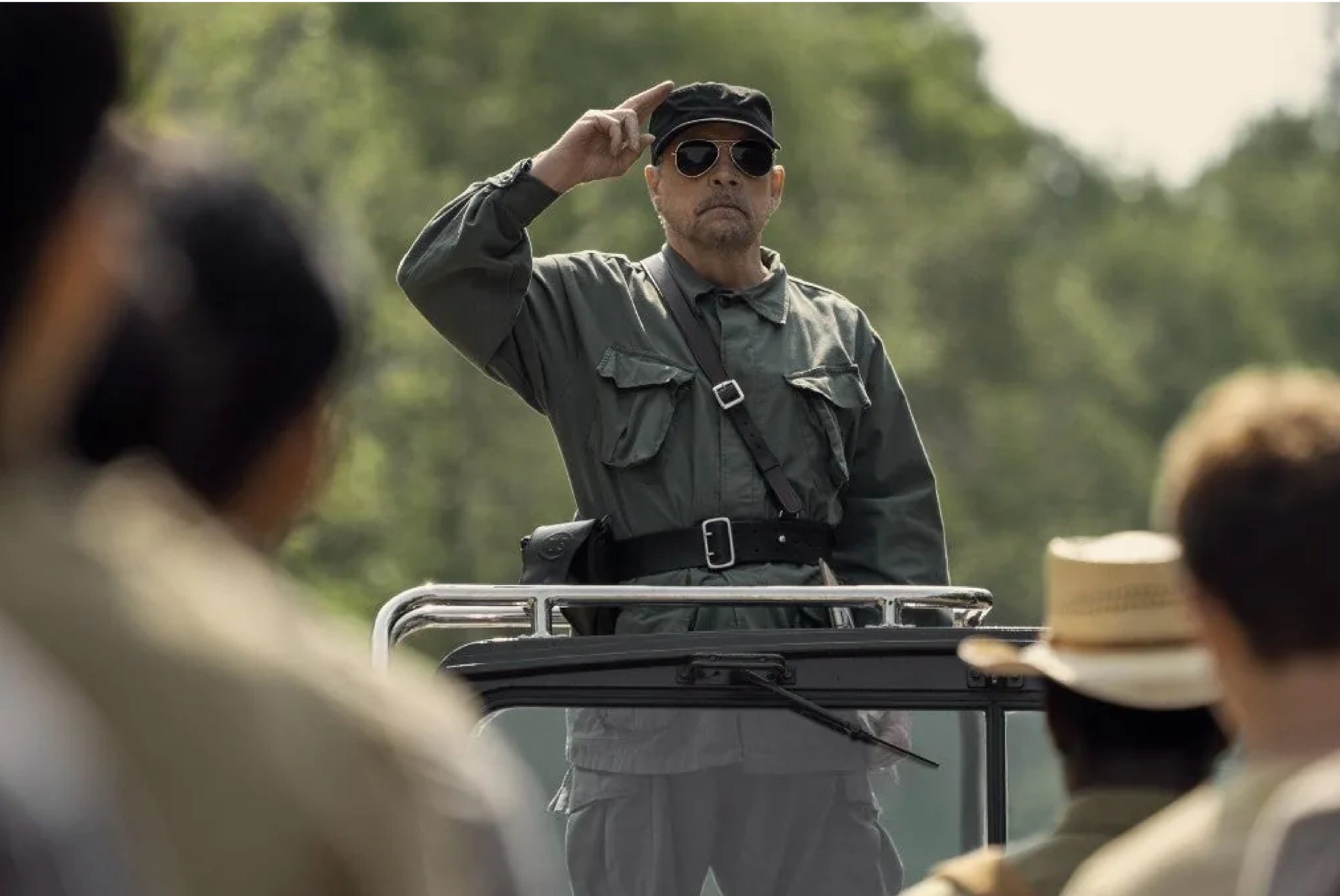
It also happens to be King’s first novel — though it was ultimately published after Carrie — one that was written in the sixties and published in the seventies under King’s sometime pseudonym Richard Bachman. Appropriately, director Francis Lawrence’s film has something of the grit and nastiness of that era of Hollywood cinema, blessed with a simple premise and an unfussy approach to getting the job done in the starkest fashion possible. Trying his hand at another dystopia after the runaway success of the Hunger Games franchise, there will be inevitable comparisons between The Long Walk and those films — and there are parallels to be observe. Where The Hunger Games felt like it spoke to a time of optimistic activism in the face of totalitarian overlords, though, The Long Walk functions differently, is ultimately less trusting of the light at the end of the tunnel — perhaps doesn’t even believe it’s there. The premise is thus: in a near future, postwar America, a crippled, economically-throttled populace is glued to their screens, watching as fifty boys, picked from a lottery, are forced at gunpoint to walk the dilapidated highways of America until only one is left. It is significant that King’s story and Lawrence’s film focus almost exclusively on boys and men — like a terrifying inverse of Stand By Me, this film is deeply interested in the performance of masculinity and the dire places that it can lead — the film makes no bones about the fact that the face of its totalitarianism is the gnarled and scowling visage of a hyper-masculine army Major (Mark Hamill), espousing empty platitudes of toughness and testosterone not too far removed from a Joe Rogan podcast.
Comfortably the best of the many Stephen King adaptations of 2025, The Hunger Games series director Francis Lawrence’s The Long Walk is bleak entertainment for bleak times. Brutal, simple, and undeniably effective, it’s a near-dystopian flick that soars care of exceptional performances from a young, committed cast.
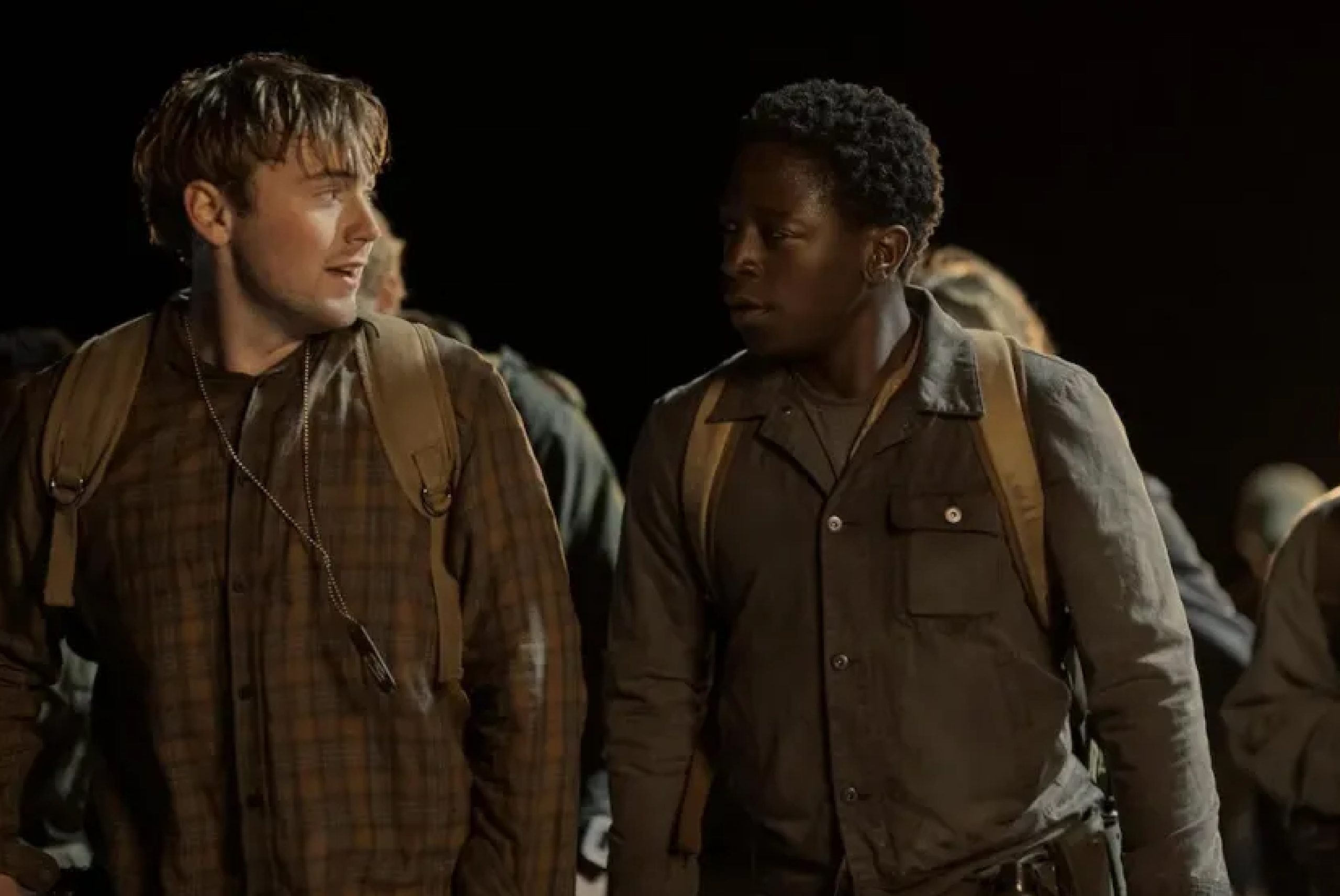
Like Stand By Me, The Long Walk has a vibrant, beating heart in its cast of young men — though in this version, most of the boys will be gruesomely slaughtered if they fall under a pace of three miles per hour. Cooper Hoffman, son of Philip Seymour, revealing new shades of his profound talent film to film, is our protagonist Ray, a wounded and empathetic young man with a clear-eyed, idealistic perspective on the world around him. He immediately bonds with Peter McVries (David Jonsson), a mysterious and boisterous lad who seems best-placed to be the ultimate winner. Many other vivid characters participate in the walk, and the film’s secret weapon is the intense focus it lays on the boys’ naturalistic interplay, sculpting varied, human figures from each walker, and not allowing us to become numb to any ringing gunshot; every death in The Long Walk is a tragedy, and we feel it deeply. Jonsson, already a standout in last year’s Alien Romulus, handily walks away with the film — he is wonderfully engrossing and watchable, and the knowledge that none of the characters will be able to walk away whole (most of them won’t be walking away at all) is never more harrowing than when it registers in his eyes. Elsewhere, in a brief, staggering turn, Judy Greer (as Ray’s mother) reminds us what a lacerating presence she can be, adding a devastating shade onto Ray’s arc which is hard to shake.
The film unfolds methodically, precisely, exhaustingly. It is a long walk, and a brutal one. Lawrence’s excessive violence and gore in the various killings is perhaps a necessary evil, but one that occasionally feels a little gratuitous (a predecessor of this film, the brilliant Punishment Park, is all the more effective for the restraint it utilises in the doling out of said punishment). Better is the evocative but sparing detail of the America the boys are walking through — we catch telling glimpses of dirt-faced children, coldly saluting police and military, and crumbling, hollowed-out small towns, handily recalling images of the Great Depression. Lawrence rarely deviates from the perspective of the boys — we observe people standing on the sides of the highways, observing them in turn, and then they are gone, fading into the mist of an America lost. The director is committed to the unsparing bleakness of King’s novel, which is famous for being one of the writer’s most pessimistic works. The ending of The Long Walk, though, deviates from the book’s denouement in telling, timely ways. It is not a hopeful or optimistic ending — far from it — but it provides a salient rebuke to mythic American notions of the man alone (AKA, ‘fuck you, I got mine’), one of the country’s most sacrosanct masculine ideals. In a world of fascist violence disguised as entertainment, The Long Walk argues, sometimes one must meet the bastards at their level, speak the only language they understand, to forge some kind of change. This is a working class story, one where the overlords causing the suffering are so omnipotent as to not even register in a human sense, and the film’s ending understands that the needs of the collective outweigh the fates of these individuals or the people who care about them, even as we grieve for their pain, suffering and death. King is not a subtle writer — he doesn’t need to be — and The Long Walk provides an ending that is hammer-blunt in its hopelessness. Those who look hard enough, though, might just catch a pinprick of light somewhere up ahead, along the highway.
The Long Walk is in cinemas now.