Director: Ridley Scott
Country: United States
Writers: Peter Heller, Mark L. Smith, Christopher Wilkinson
Actors: Jacob Elordi, Margaret Qualley, Josh Brolin, Guy Pearce
Written by Tom Augustine.
Nearly-nonagenarian Ridley Scott’s distinctly odd, affecting post-apocalyptic drama represents the workhorse auteur’s best work in years. Though laced with moments of bombast, it is a quieter, subtler effort than perhaps expected for Scott’s late-period, and better for it.
At ninety, Ridley Scott has nothing left to prove, and there’s no real, overwhelming demand that he continue making films, either. Like his contemporary Clint Eastwood, there’s a certain inertia to the great filmmaker’s late-period — if I wasn’t making films, what the hell else would I do? — that inspires admiration and frustration in equal measure. Countless are the accusations leveled in recent times that the old man is well past his prime, that the mind behind Alien and Blade Runner has long since succumbed to a certain workmanlike laziness attributed by both critics and colleagues. There certainly doesn’t seem to be much joy to Scott’s process — he approaches his work with a pronounced gruffness earned by a lifetime of working at the most immense scale imaginable, but that kind of no-nonsense brow-furrowing has its own drawbacks. We’ve watched as his returns have diminished, to the point where we find the Scotsman at arguably the roughest patch of his career. With the exception of the superb, largely ignored The Last Duel, and perhaps the fascinating Alien: Covenant, the past ten years have seen Scott’s keen eye for meticulous, epic sweep diluted and defanged, arriving at one of his very worst films, the woeful Gladiator II, in 2024. Giant biopics House of Gucci and Napoleon were both marked by a now customary sense of whatever, characterised by bland coverage and cartoonish performance style that played to the cheap seats while masquerading as a thinking-person’s blockbuster.
With The Dog Stars, Scott’s unusual, appealingly mellow adaptation of Peter Heller’s post-apocalyptic novel, the auteur seems committed to rebuking claims of his artistic demise. After the massive financial success of plastic epics Gladiator II and Napoleon, it’s somewhat surprising to see Scott tackle such down-to-earth fare — though in Scott’s case, “down-to-earth” still naturally calls for enormous shootouts, moments of unexpected horror and a number of fiery explosions. It is also a hybrid of sorts, blending all manner of strange materials to make for something flawed, occasionally alienating, but more emotionally astute and compelling than anything he’s done in years. Unsurprisingly, considering it is the flavour du jour for the modern postapocalyptic fable, Scott’s film is a brutal neowestern in the vein of The Last of Us, but there’s an unexpectedly tender underbelly here, evoking everything from Miyazaki’s ‘plane films’ to Peter Weir’s masterpiece Witness in this muted story of lost souls navigating a dilapidated afterworld, carried along by stirring aerial photography that reminds us of the auteur’s capacity with an evocative image when he really locks in. That it frequently calls to mind the work of firebrand right-wing provocateur Craig S. Zahler, more so than anything in Scott’s own recent oeuvre, is testament to the film’s fraught, unsettled state — fertile, occasionally reactionary territory that, for the right viewer, is hypnotically compelling.
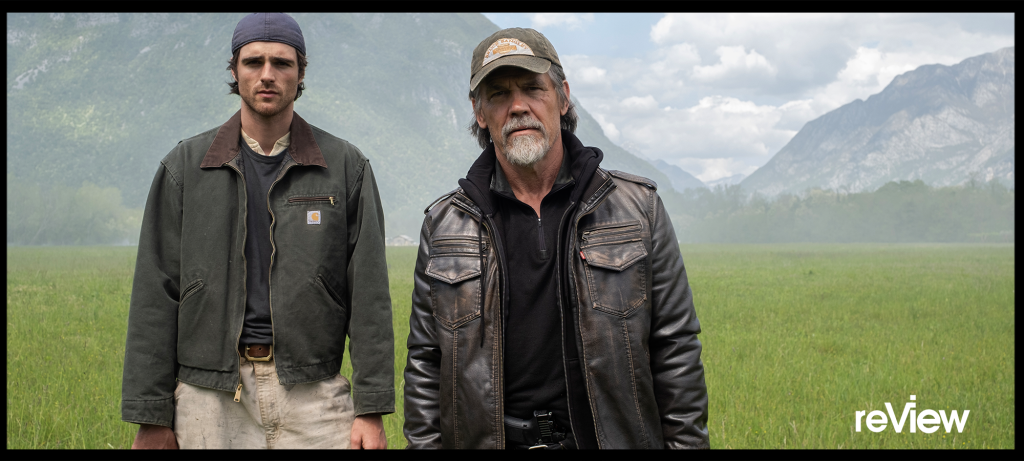
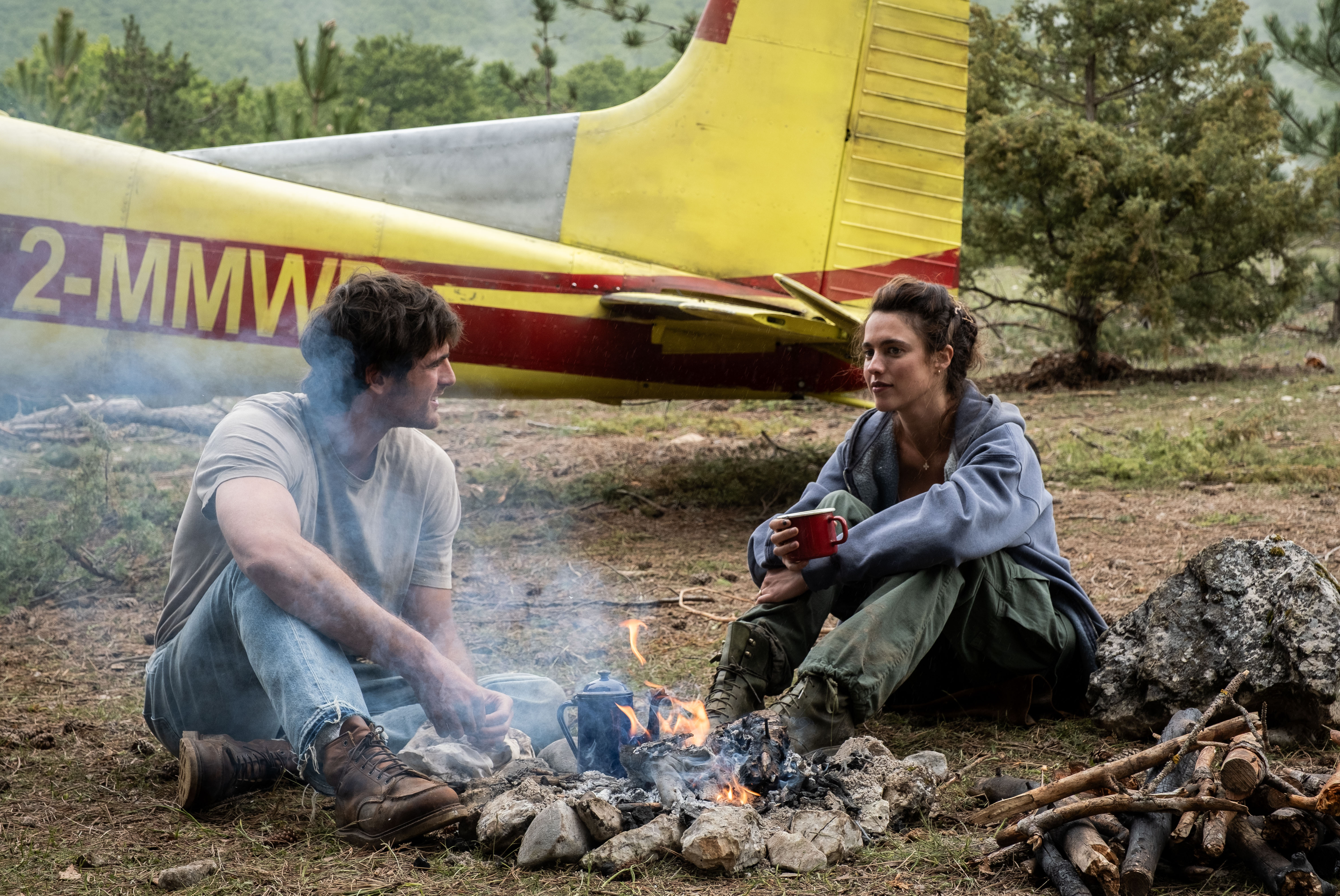
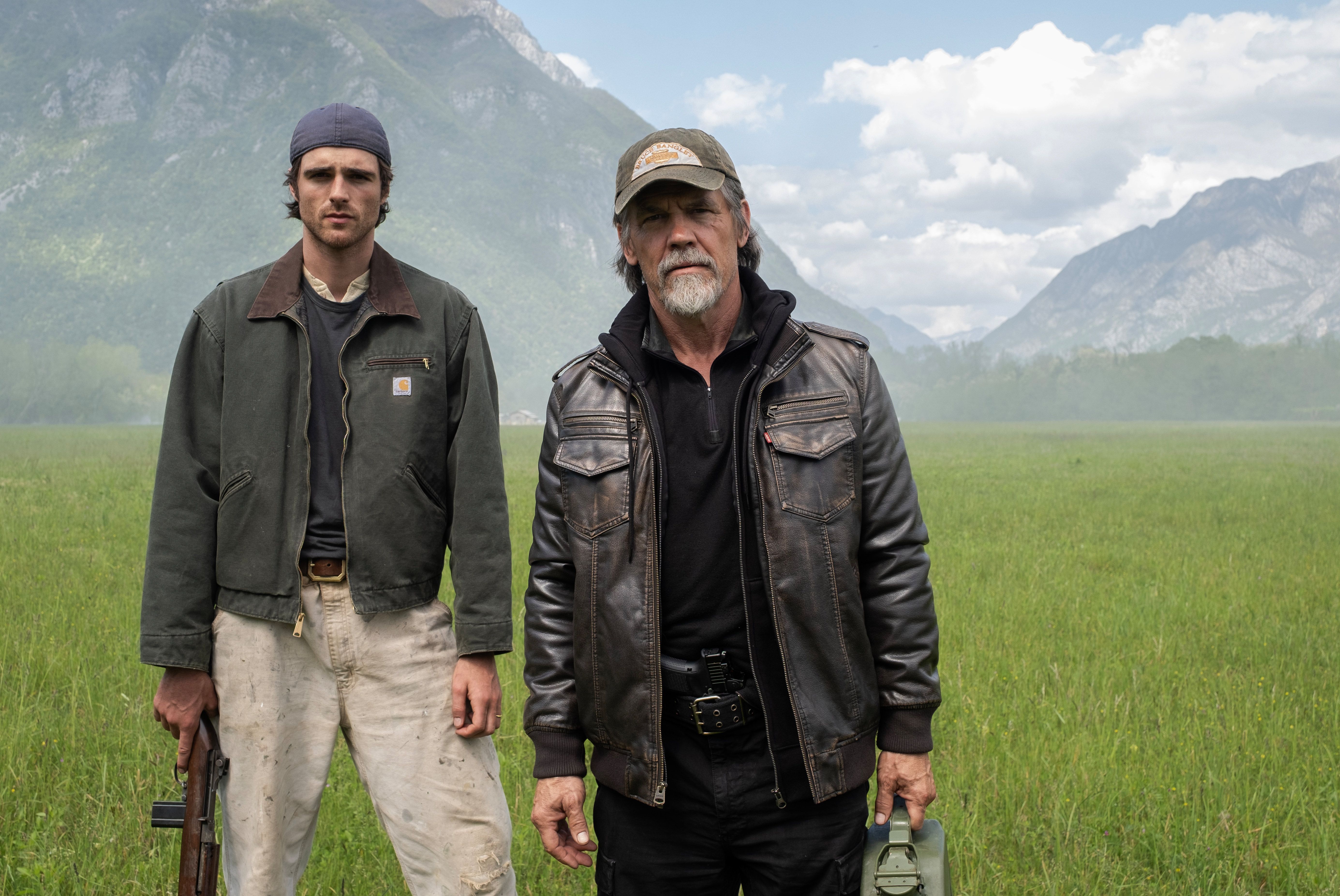
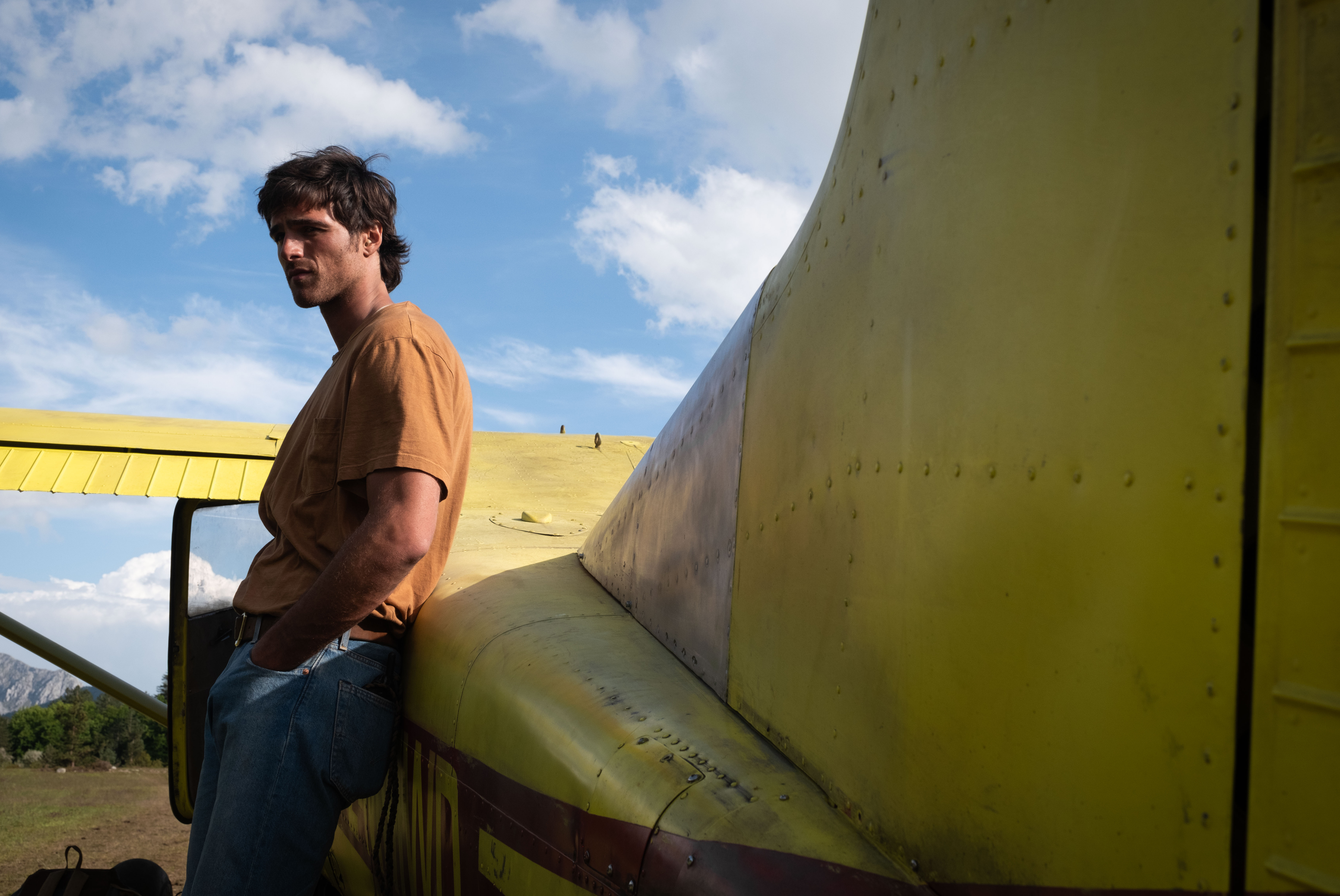
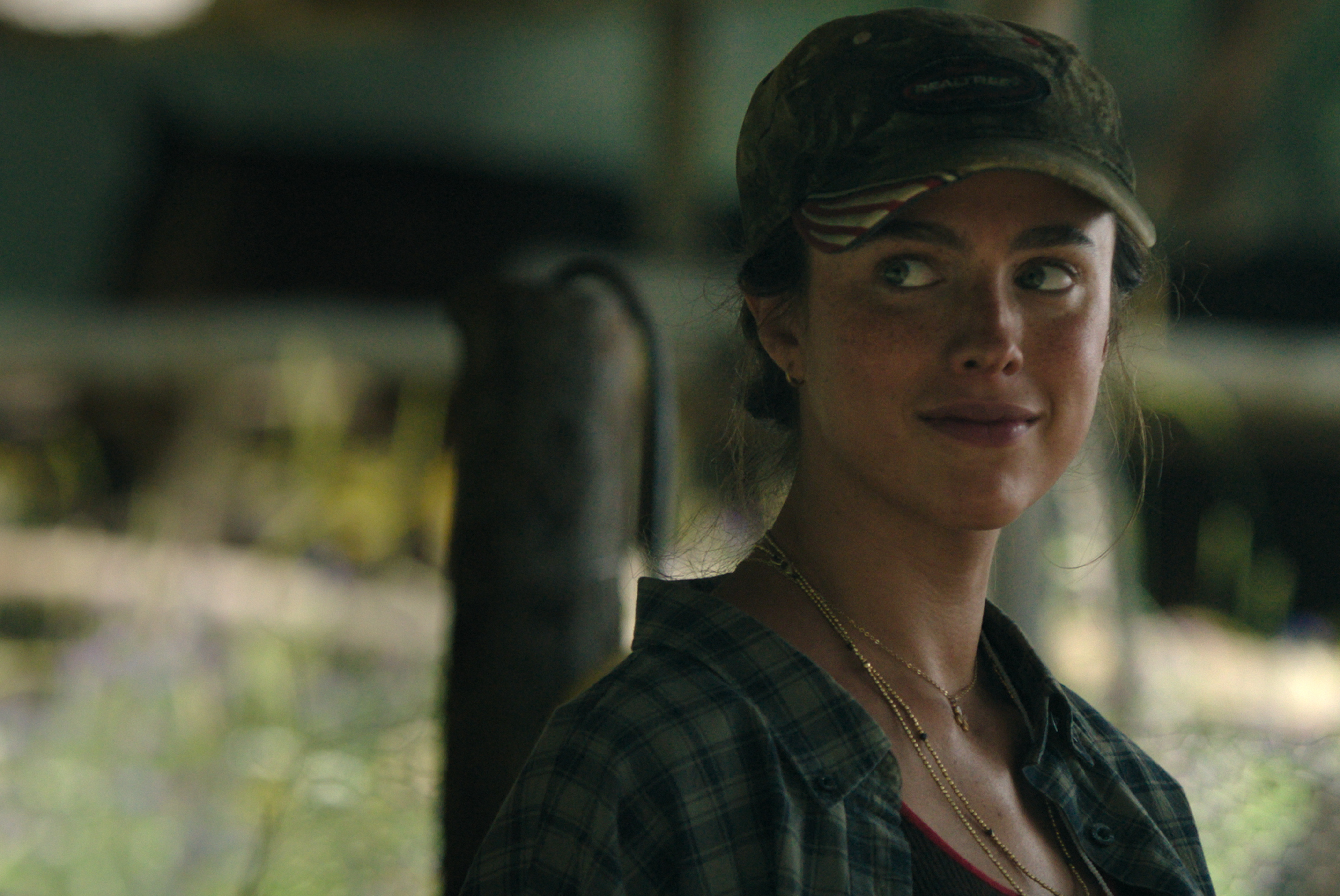
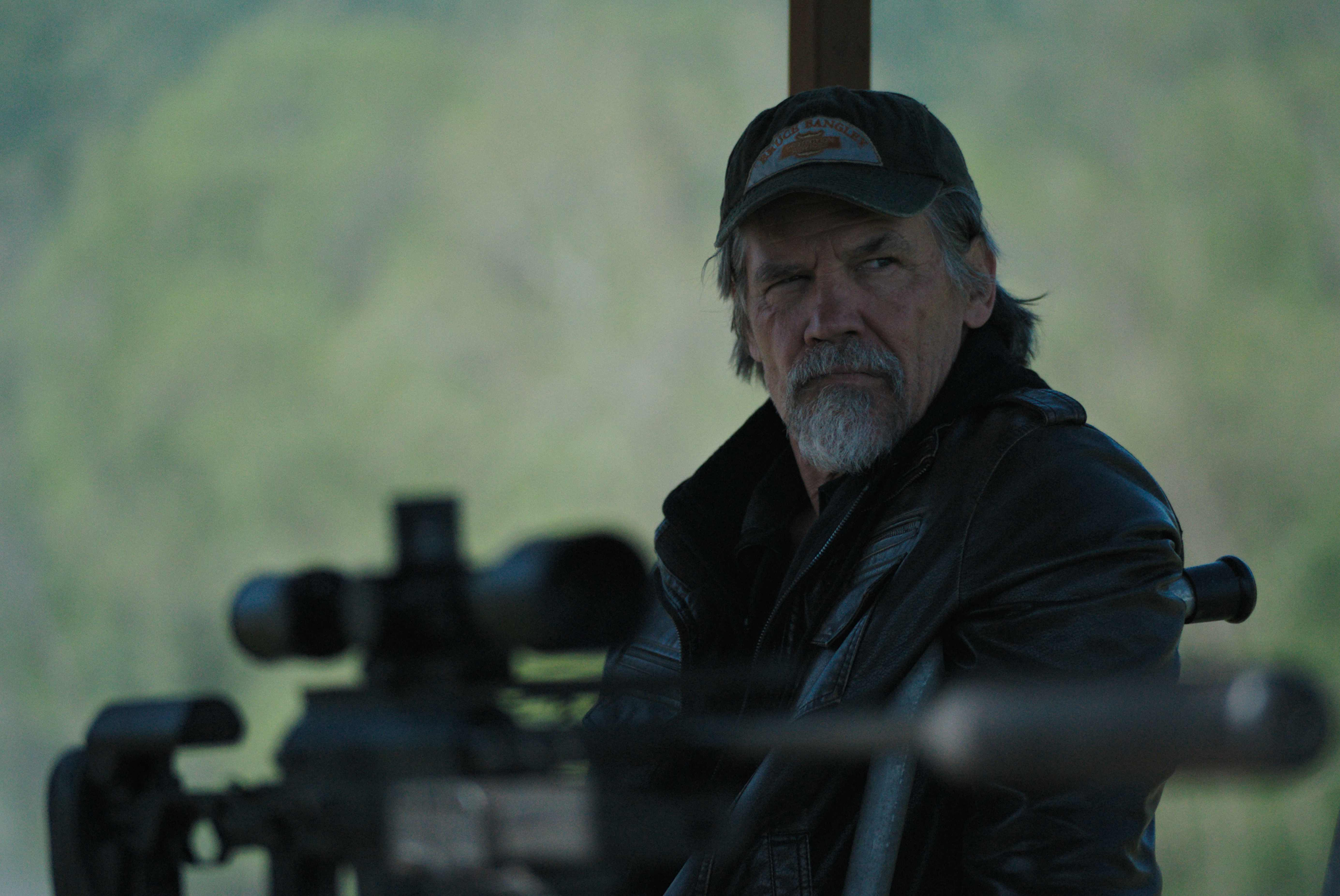
A soulful Jacob Elordi is Hig, a one-time mechanic now eking out a living on a remote, abandoned airstrip following a deadly influenza pandemic that has ravaged the populace. A deft biplane pilot, Hig’s existence consists of occasional supply runs to nearby Denver, conducting aerial reconnaissance for outlying threats to the compound’s security, and generally getting on with military-trained survivalist and partner Bangley (Josh Brolin). Yearning for something beyond simple survival, whether that be liberation or annihilation, an unexpected attack from outsiders prompts Hig to leave Bangley’s compound behind, chasing the horizon and aiming for the mysterious ‘Grand Junction’, a purported hub attempting to rebuild civilisation. When his plane crash-lands en route, he comes into contact with med student-turned-farmer Cima (Margaret Qualley) and her father Pops (Guy Pearce), who live a modest agrarian life in a remote mountain area. Along the way, Hig wrestles with the loss of his wife and the happy life he lived, a gentle soul adrift in a hard world.
What’s immediately apparent is how small-scale this story is, how largely unconcerned it is with specifics as to its doomsday signifiers, how confined it is to the mountainous terrain of Colorado and the colourful characters within it. It is also notable how ancillary much of the plot is — Scott is as invested as simply spending time observing and hanging out with these characters as unravelling the mystery of Grand Junction or plying our survivors with external threats, though these threads do pay off in fairly spectacular fashion. In its refusal to sketch in too thoroughly, The Dog Stars pulls off a neat trick — it achieves groundedness through ambiguity, allowing for our imaginations to run wild with suggestion that barely strikes me as having been intentional on the makers’ part, but rather a byproduct of an octogenarian’s reliance on his established run-and-gun formula. Scott’s other truly successful post-apocalyptic or nearly-apocalyptic works, Alien and Blade Runner, run on similar engines. It helps that it is almost certainly Scott’s best-looking film of his late-period, laden with gorgeous aerial photography and some of the most beautiful nighttime footage since Nope achieved a similar western/sci-fi fusion. The action, too, is predictably thrilling, particularly in a notably terrifying third act twist, but also in the canny decision to continue cutting back to a solitary Bangley attempting to protect his space sans Hig. What comes across is a genuine affection for the characters filling this story, a desire to see them not only survive but thrive that vaults it above more functional post-apocalyptic dramas of the day like The Walking Dead and the aforementioned The Last of Us.
With this considered, there’s an intriguing vein of nativism at play here — there is an undoubted dash of MAGA-esque essentialism in the film’s nearly across-the-board white cast, its often absurdly idyllic depiction of off-the-grid living, and its Native American-coding of the screaming hordes of ‘Reapers’, subhuman gangs that swarm through pockets of civilisation like locusts. This is, perhaps, a by-product of the film’s affectionate Western flavour, but its romanticism is compelling and off-putting in equal measure. It’s a trait shared by John Krasinski’s bizarrely over-hyped Quiet Place films, though that film’s crunchy granola aesthetic of tradwife-ism feels far more sinister than anything here. We must again ask — is this at all intentional? The evidence of a lack of deep thought as to ideological impact is on display in much of his recent work — Gladiator II, especially — but Scott has also demonstrated his capacity for profound thematic rumination, particularly in his Alien prequels Prometheus and Covenant. What to make, then, of the film’s strange conservatism, particularly in the way it bumps up against a certain horrifying ugliness in the third act best left unspoiled? Perhaps it is Scott’s attempt to reflect the times we live in, perhaps not, but its aftertaste is not wholly repellent, instead serving as just another fascinating wrinkle to be considered long after this strange meal is finished.
The Dog Stars is in cinemas now.