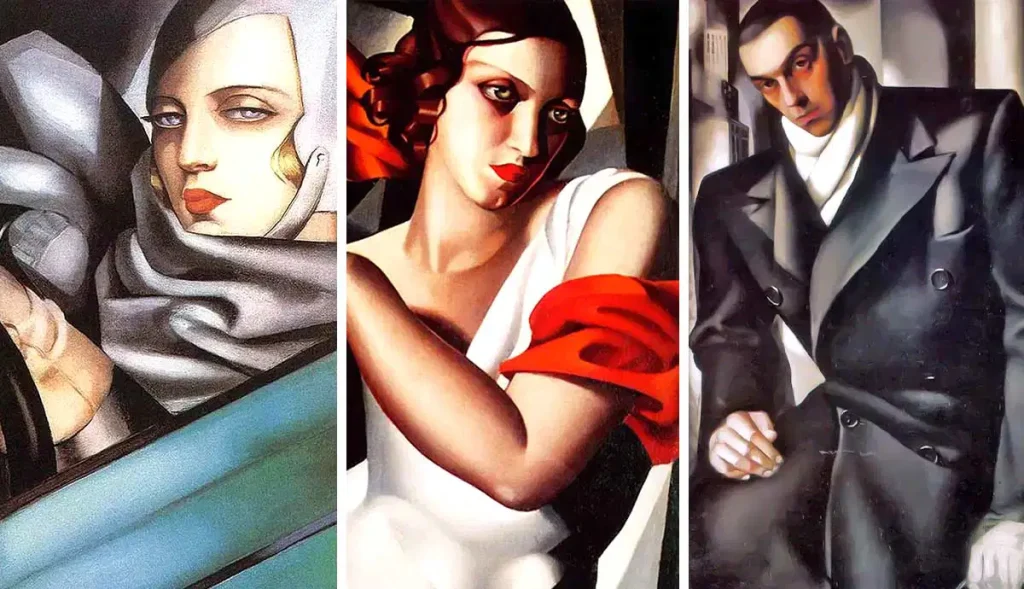
Filmmaker Julie Rubio spent nearly twenty years uncovering the woman behind Tamara de Lempicka’s immaculate surfaces and found a story of glamour, survival, reinvention, sexuality and an artist who understood the power of image long before the rest of us did.
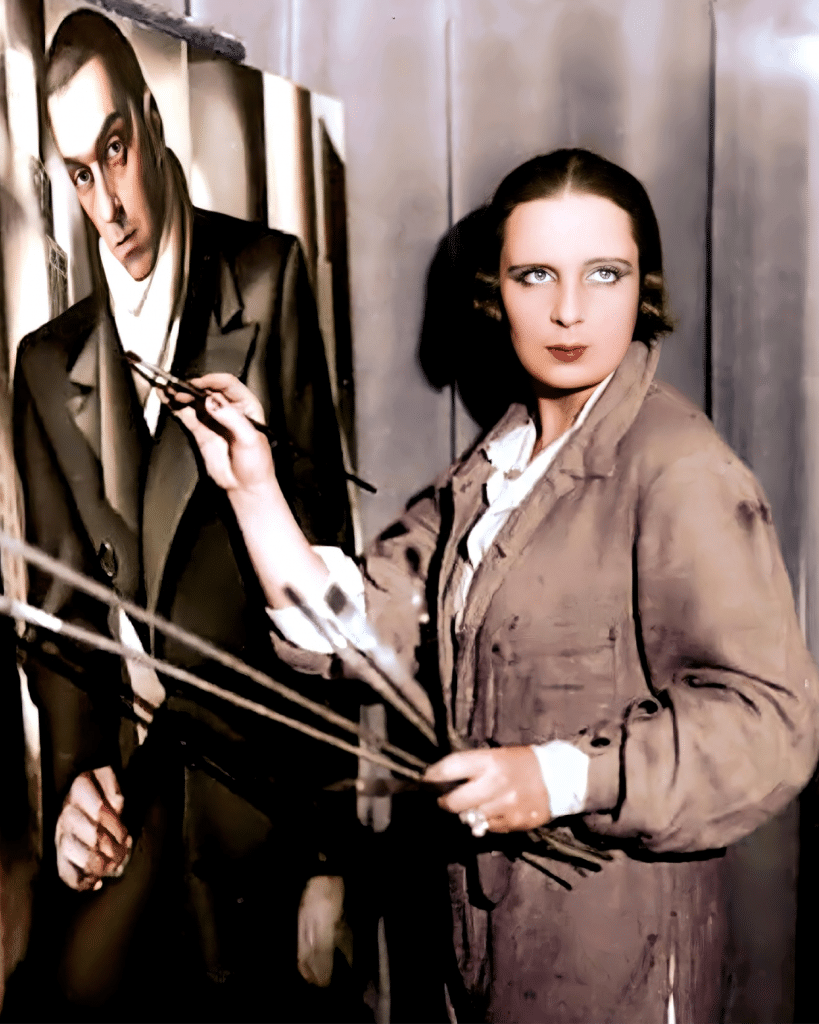
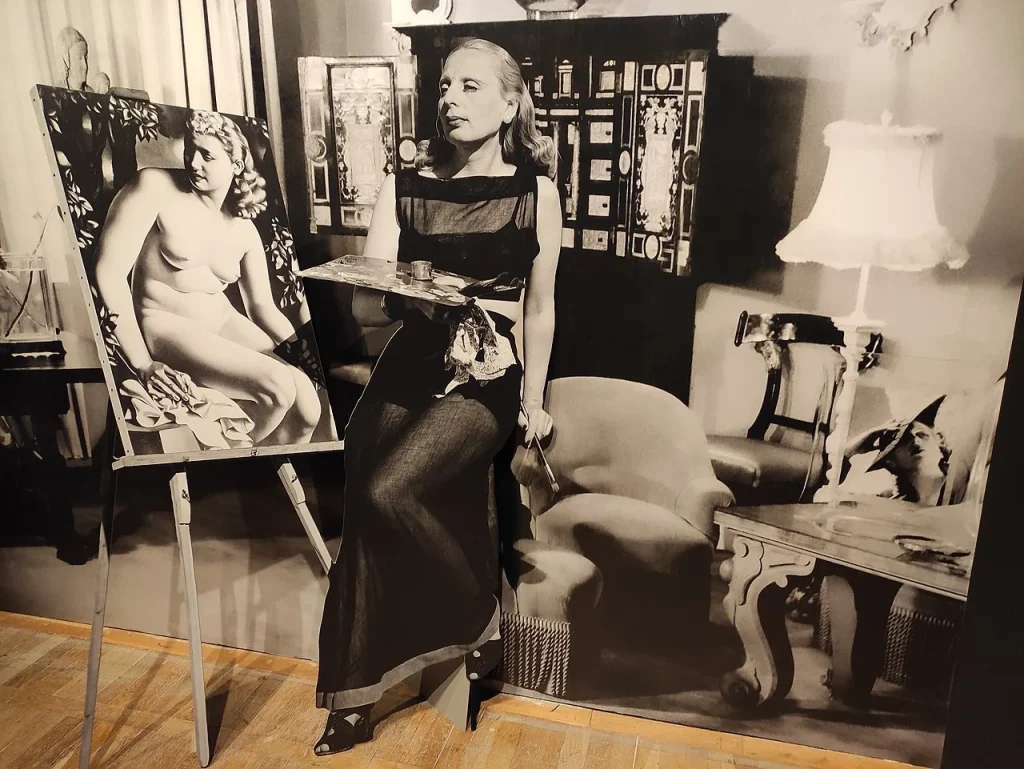
Some artists make paintings. Tamara de Lempicka made Tamara de Lempicka.
The lacquered hair, the sculpted women, the machinery, the motorcars, the expensive surfaces, the impression that everyone in the room had somewhere scandalous to be immediately afterwards – none of it happened by accident.
Long before Instagram gave us the personal brand, Tamara understood the formidable advantage of controlling the picture.
That is what first drew filmmaker Julie Rubio into The True Story of Tamara de Lempicka & The Art of Survival. What began with fascination for the paintings became a nearly twenty-year investigation into the considerably more complicated woman behind them. Rubio’s research would ultimately challenge long-repeated details of Tamara’s biography, including her birth date, family history and even her birth name: Tamara Rosa Hurwitz.
Suddenly, reinvention looked rather less like vanity and rather more like survival.
“In many ways, I think Tamara’s greatest creation may have been Tamara de Lempicka.”
Glamour makes excellent armour
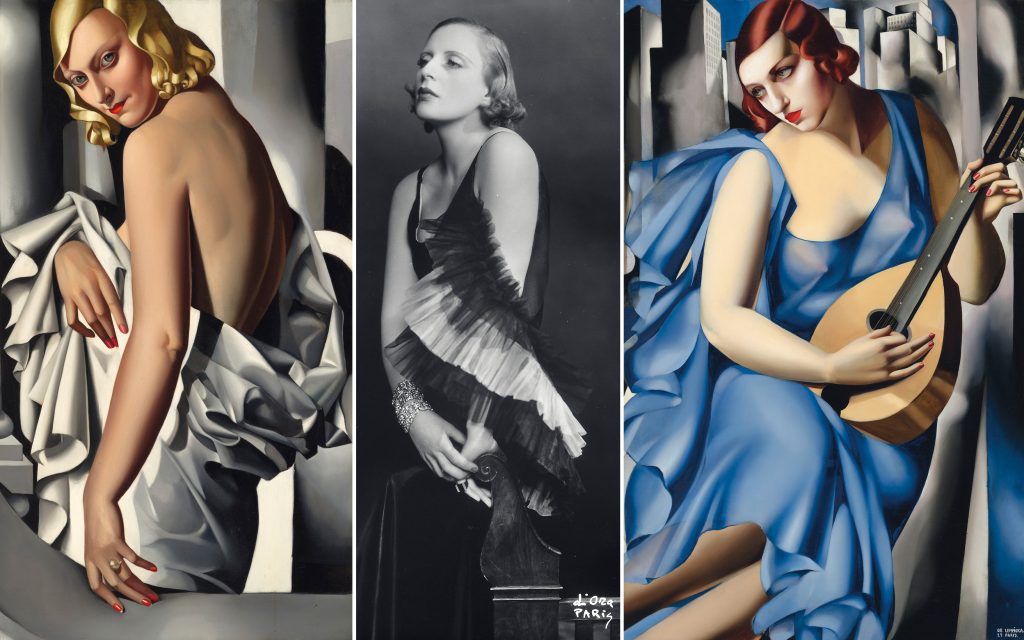
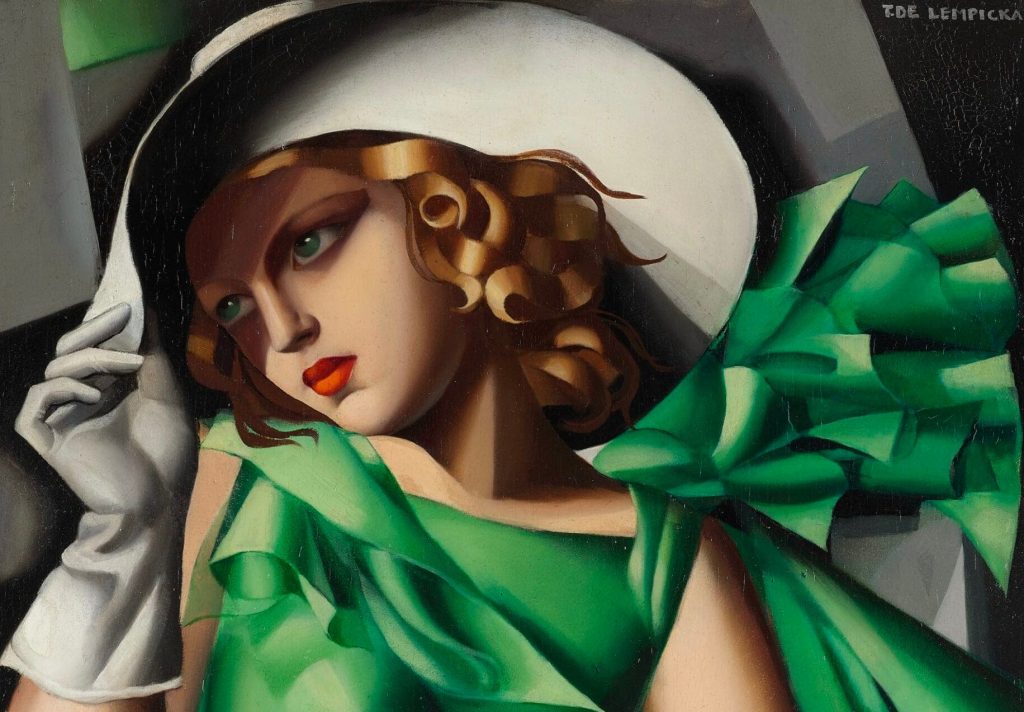
Tamara’s paintings announce confidence with the subtlety of a Bugatti arriving at the Ritz.
Her women are polished, architectural, sensual and entirely unapologetic about occupying space.
But Rubio discovered that behind those immaculate surfaces was a life marked by revolution, two world wars, antisemitism, displacement, financial uncertainty, marital collapse and, eventually, the rather cruel experience of watching fashion move on without you.
Rubio came to see the glamour differently.
“Beauty can be armour. Glamour can be armour. Reinvention can be armour.”
That line unlocks the film.
Paris in the 1920s offered Tamara everything a mythology requires: fashion, artists, sex, money, nightlife and freedom.
Yet while everybody was dancing, history was putting on considerably darker clothes.
Rubio’s research into Tamara’s Jewish ancestry, including her mother’s Hurwitz family – gave new weight to Tamara’s decision to leave Europe as fascism advanced.
The cocktail party and the catastrophe were happening almost simultaneously.
A woman taking up space
Tamara behaved with an independence not generally encouraged in women of her generation.
She earned money. She wanted recognition. She had relationships with men and women. She was ambitious and made little attempt to disguise it.
Rubio wisely refuses to turn her into a conveniently flawless feminist heroine. Tamara could be demanding, self-involved and contradictory.
But, as Rubio observes, male artists have traditionally been permitted brilliance and bad behaviour in the same frame. Women have rather more often been asked to choose.
Her paintings make the same refusal.
Tamara’s women do not shrink. They look back.
There is desire in them, but not submission. Rubio notes that knowing Tamara had intimate relationships with women changes how we see those bodies: sensuality becomes lived experience rather than decorative fantasy.
“Her women occupy space. They don’t apologise for their bodies. They look back at you.”
The masterpiece was herself
Perhaps the most delicious idea in Rubio’s film is that Tamara’s greatest work may not have been hanging on a wall at all.
She survived revolution, became an artist in Paris, entered society, crossed the Atlantic, became Baroness Kuffner, endured obscurity and continued working while taste temporarily abandoned her.
And then something marvellous happened.
The paintings stayed exactly where they were.
We caught up with them.
Contemporary culture rediscovered the things Tamara had been painting all along: female power, sexuality, identity, fashion, celebrity and the construction of self. Collectors returned. Fashion returned. Women and queer audiences saw something instantly recognisable in her.
“The paintings didn’t change. We did.”
What cinema can reveal
A painting can sit silently on a wall and keep its secrets.
Film is rather less polite.
Through family testimony, scholars, private archives, photographs and remarkable 8mm footage, Rubio allows the immaculate icon to move, smile and contradict herself.
She wanted not an “illustrated Wikipedia page”, but an investigation into a life.
The paintings become the doorway.
The film asks us to walk through it.
“The paintings are the doorway. The film asks you to walk through it.”
And what would Tamara think?
Rubio imagines Tamara attending the screening beautifully dressed, naturally.
First, she would light a cigarette.
Then she would become furious when somebody told her she could not smoke.
Only after that confrontation would she discuss the film.
Rubio suspects she would enjoy seeing her paintings on the cinema screen, appreciate the full house, approve of the seriousness given to her ambition – and probably wonder why Lady Gaga had not been given an enormous budget to play her in a suitably extravagant dramatic version.
One suspects she would also insist on better lighting.
Tamara understood spectacle.
But beneath the spectacle was survival, and beneath the survival was extraordinary talent.
She painted herself into history once.
Julie Rubio has made certain we look again.
The True Story of Tamara de Lempicka & The Art of Survival is now showing at The Capitol Cinema in Auckland.