Cartier: The Jewel, the Theatre, and the Very Well-Lit Act of Seduction

There are exhibitions one visits, and exhibitions one enters as if surrendering to a more glamorous version of oneself.

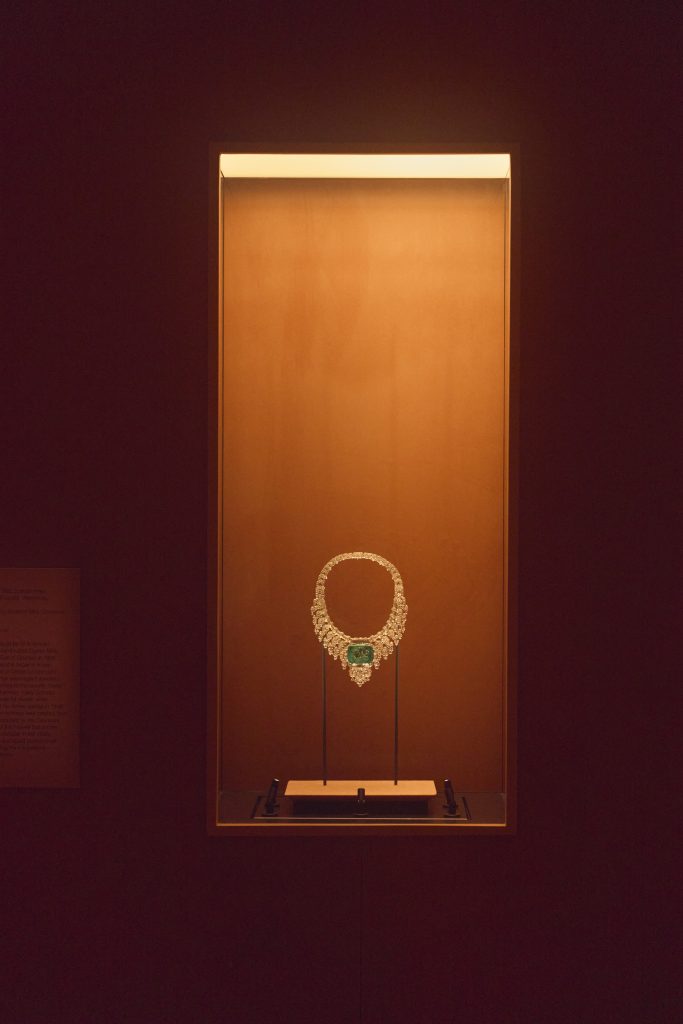
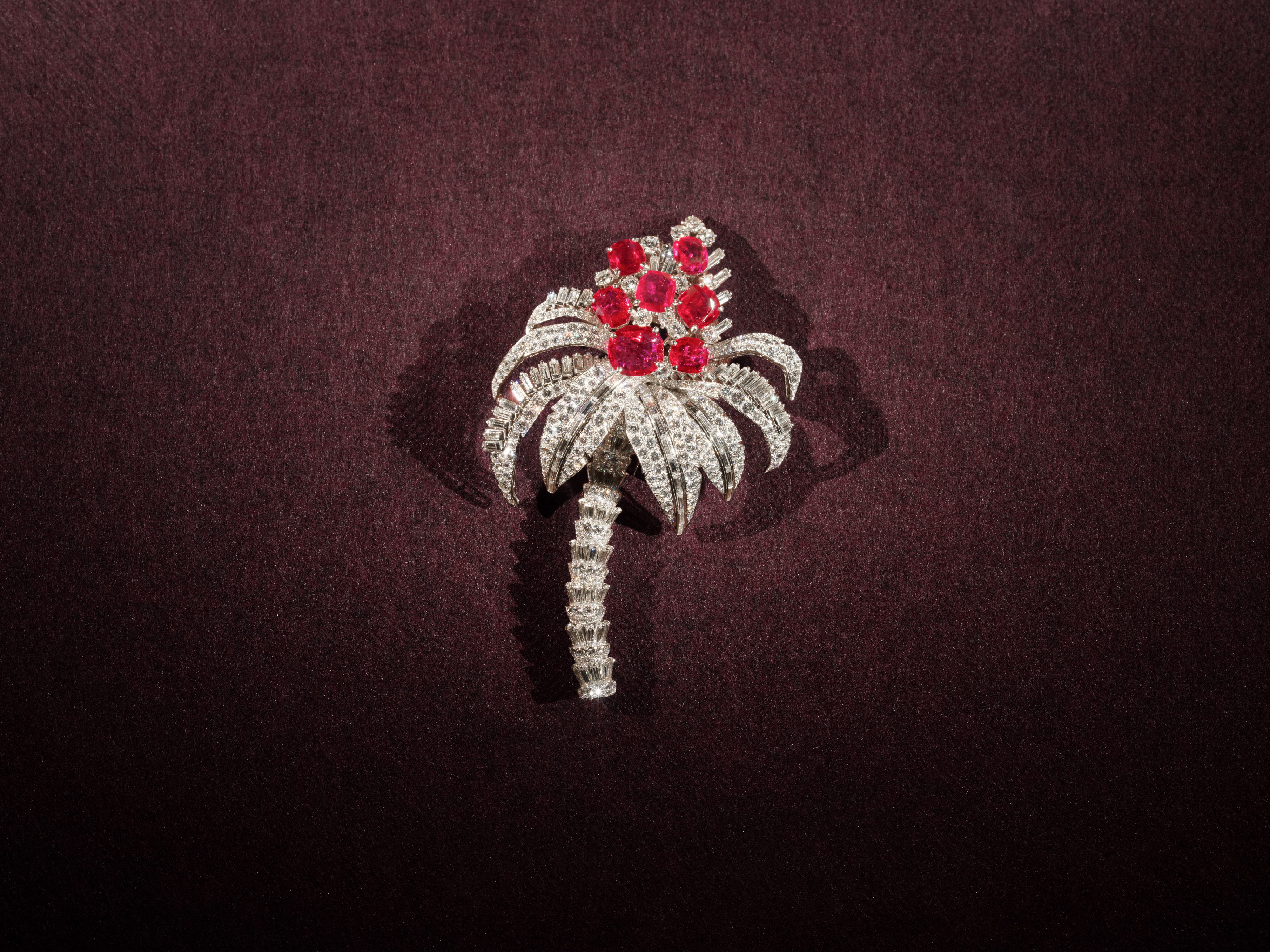
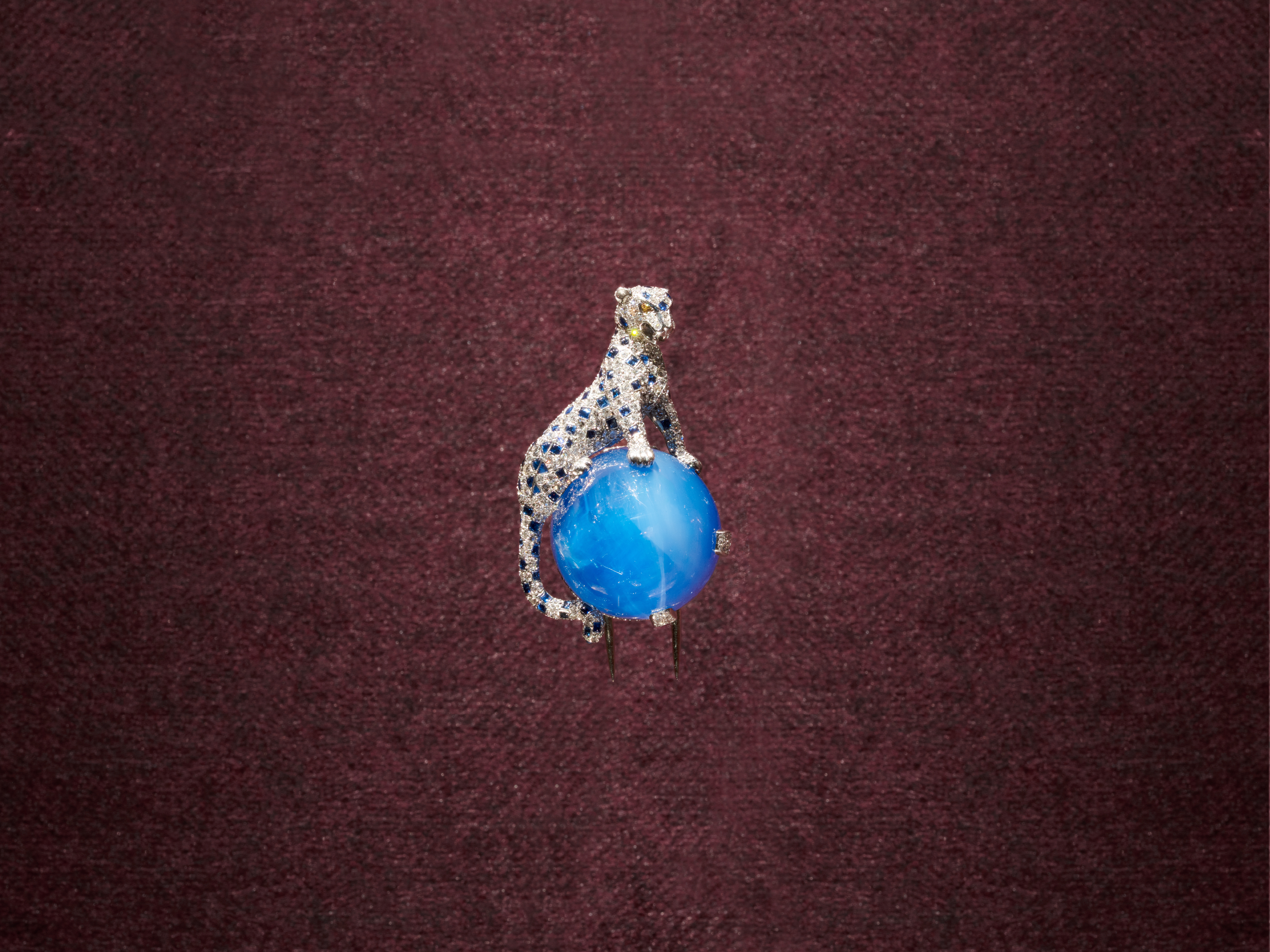
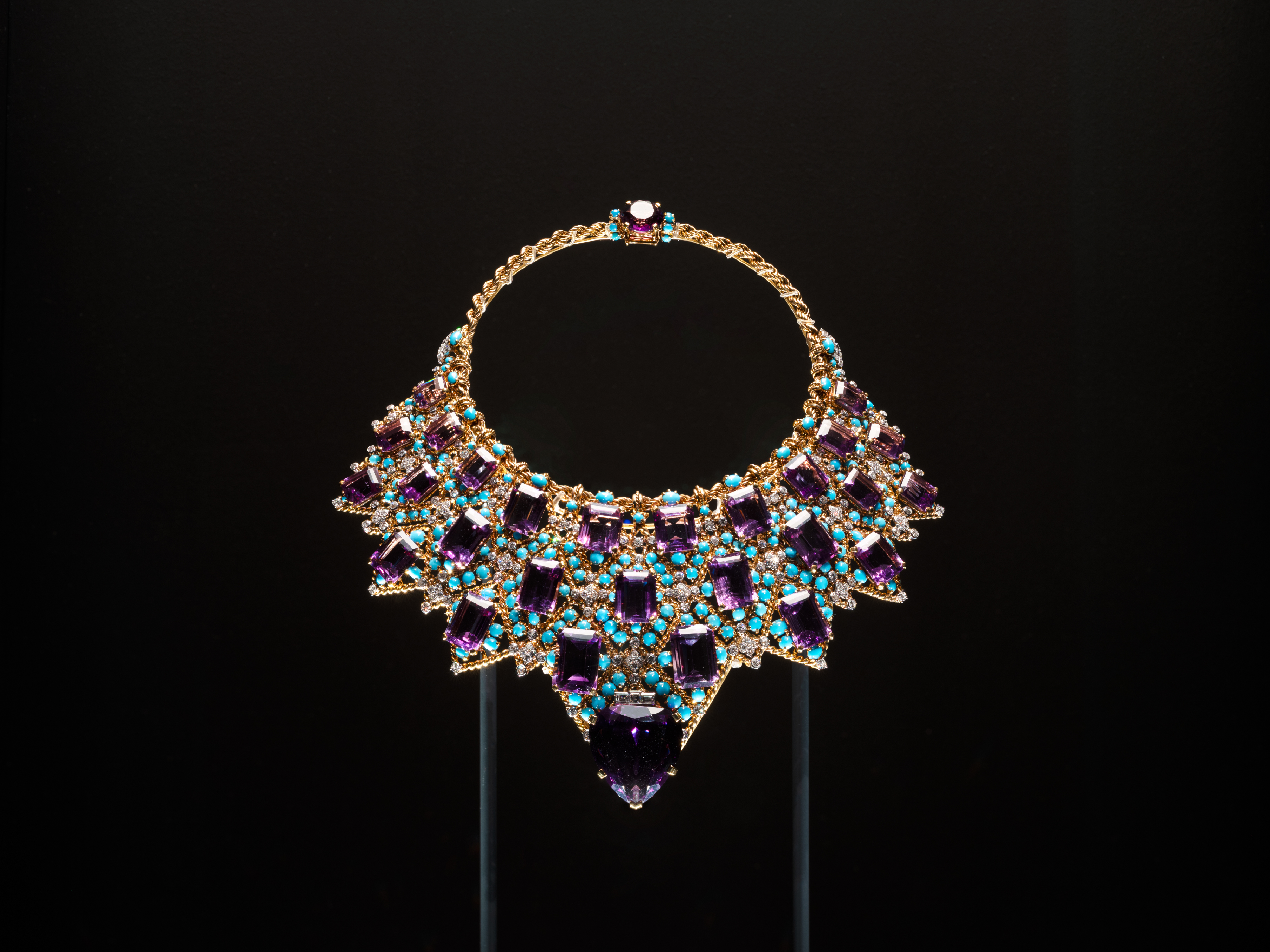
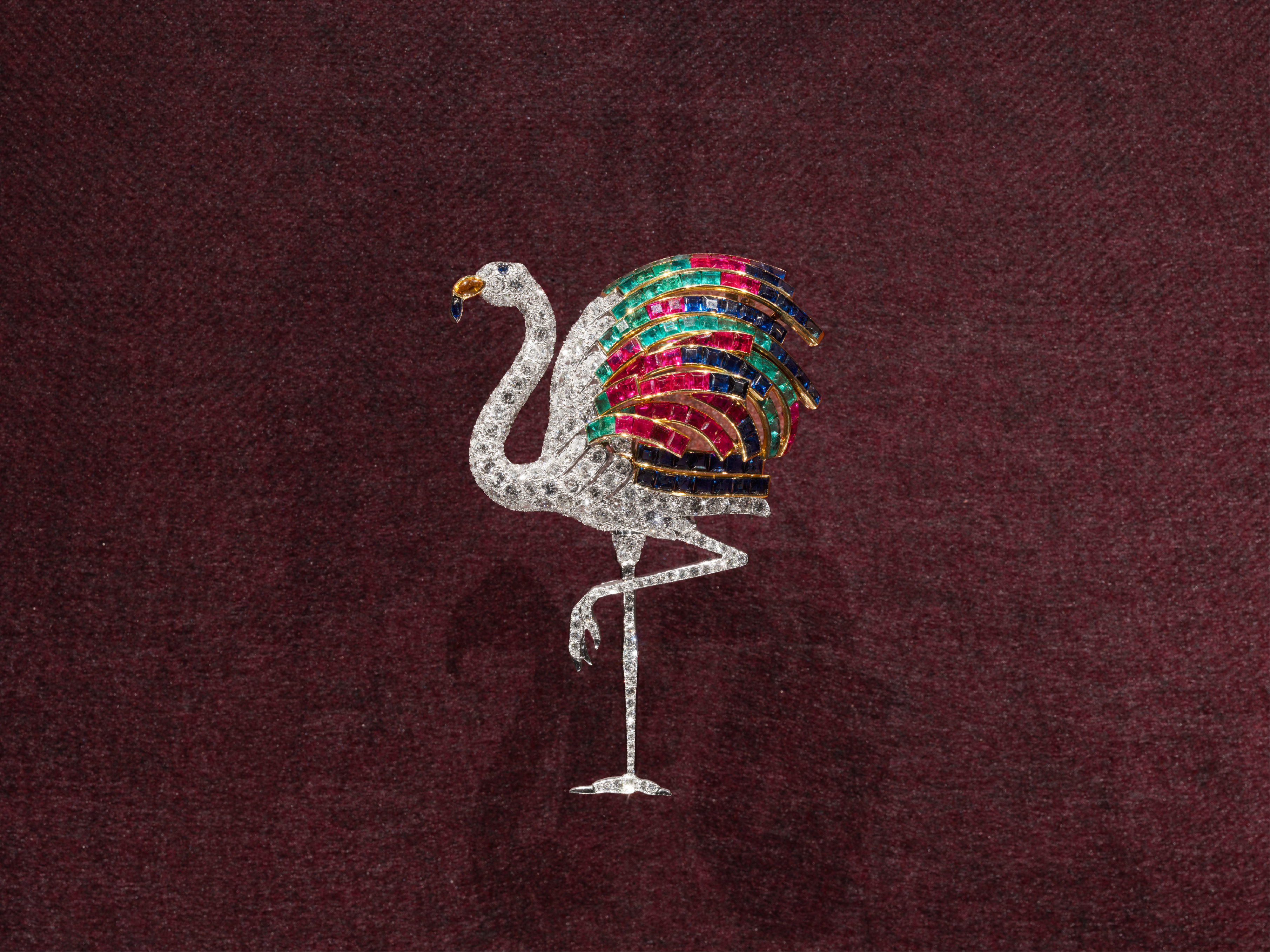
Cartier at the National Gallery of Victoria belongs firmly to the second category. With nearly 400 jewels, timepieces and precious objects, it is not so much an exhibition as a beautifully staged spell: colour, light, diamonds, history, celebrity, craft and power arranged with the calm confidence of something that knows it will be stared at.

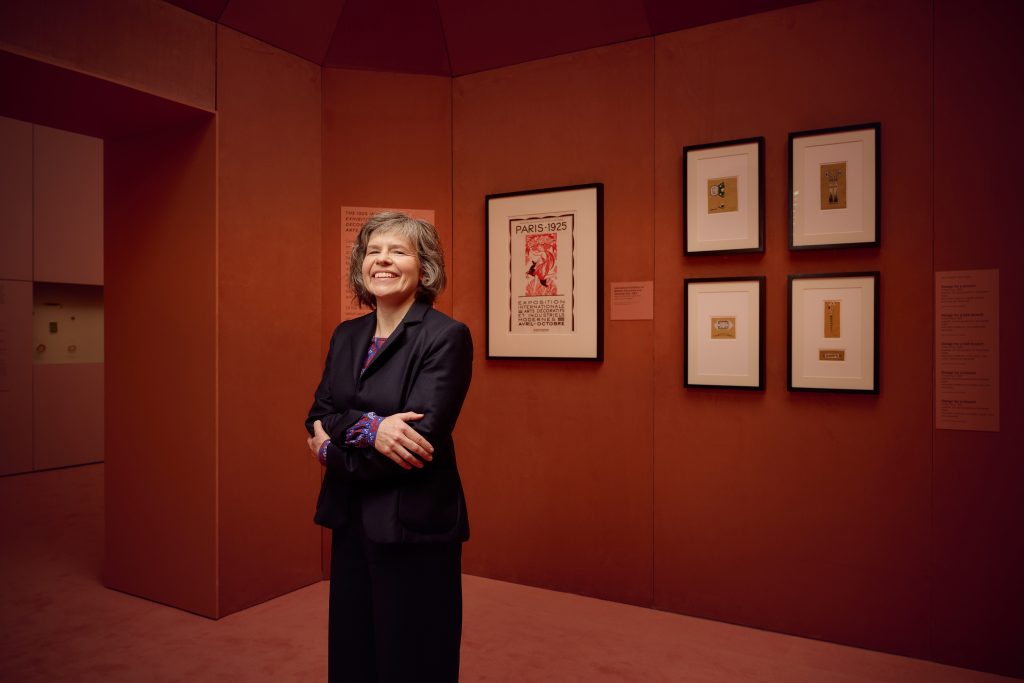
For Amanda Dunsmore, Senior Curator, International Decorative Arts & Antiquities at the NGV, the first invitation is escape. Visitors are meant to leave ordinary life behind and step into a world of beauty, spectacle and astonishing objects. One suspects the everyday is only too happy to be abandoned.

“Cartier does not whisper luxury. It conducts it.”

Cartier has long carried that magnificent phrase, “the jeweller of kings and the king of jewellers”, a sentence so sure of itself it practically arrives wearing a tiara. But the NGV exhibition is not content to merely dazzle. It asks us to look closer – past the famous names, past the diamonds, past the immediate theatre of wealth – and consider design, innovation, labour and the making of desire.

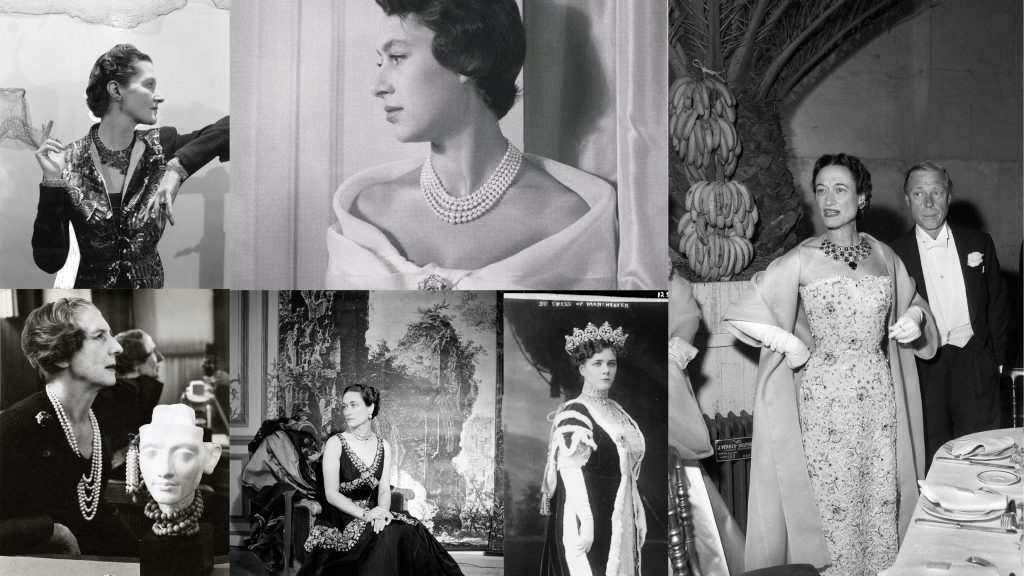
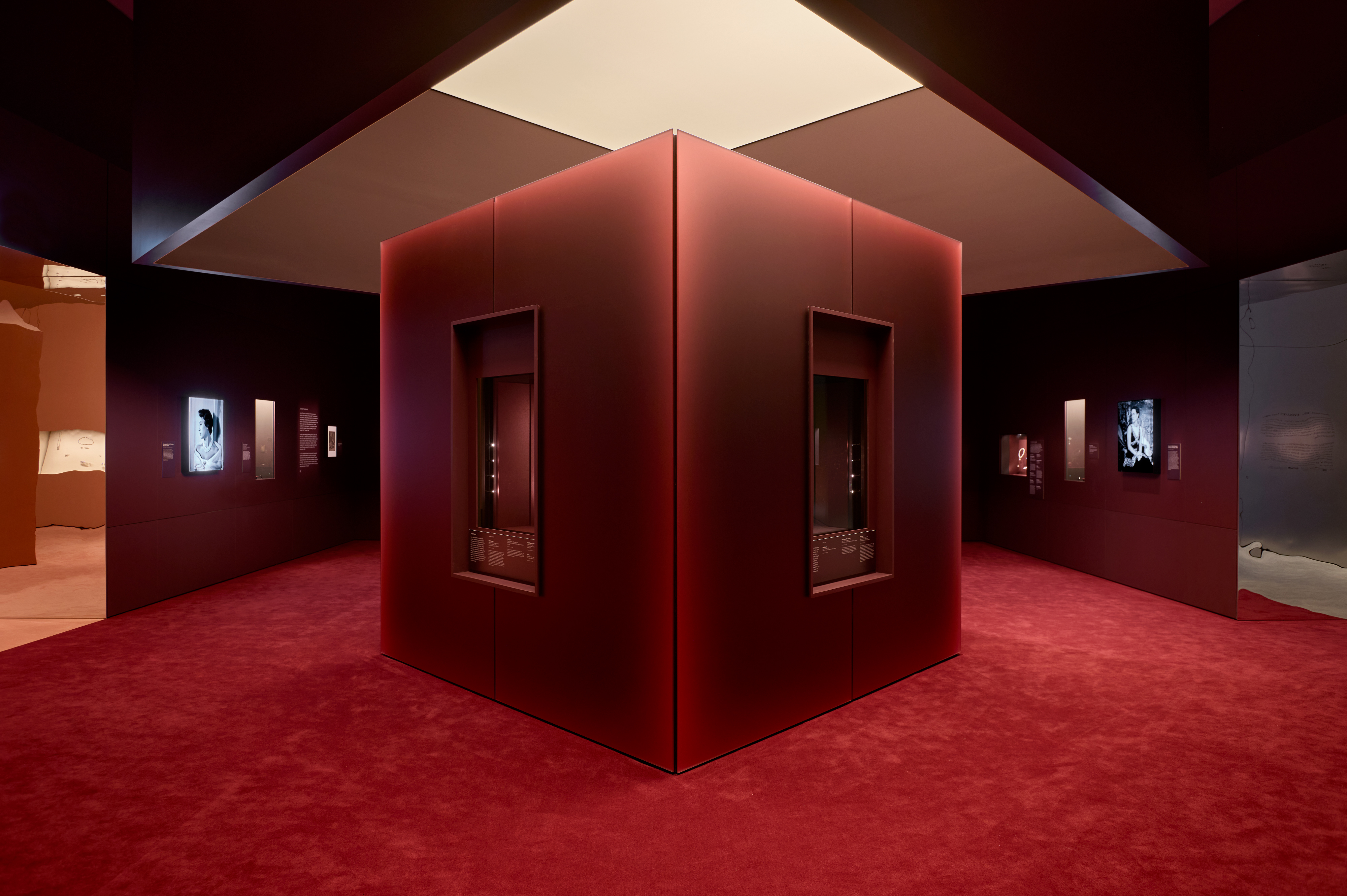
The jewels are, of course, inseparable from the people who commissioned and wore them. Elizabeth Taylor, Grace Kelly, Rihanna, Andy Warhol, Princess Margaret, the Duchess of Windsor, Dame Nellie Melba – the guest list is absurdly good. Yet Dunsmore is careful to ensure celebrity does not swallow the objects whole. Images and footage of wearers sit outside the cases, while the jewels remain centre stage.

It is the correct hierarchy. The stars may have worn Cartier, but the jewels are quite capable of holding the room by themselves.

“The stars may have worn Cartier, but the jewels are quite capable of holding the room by themselves.”

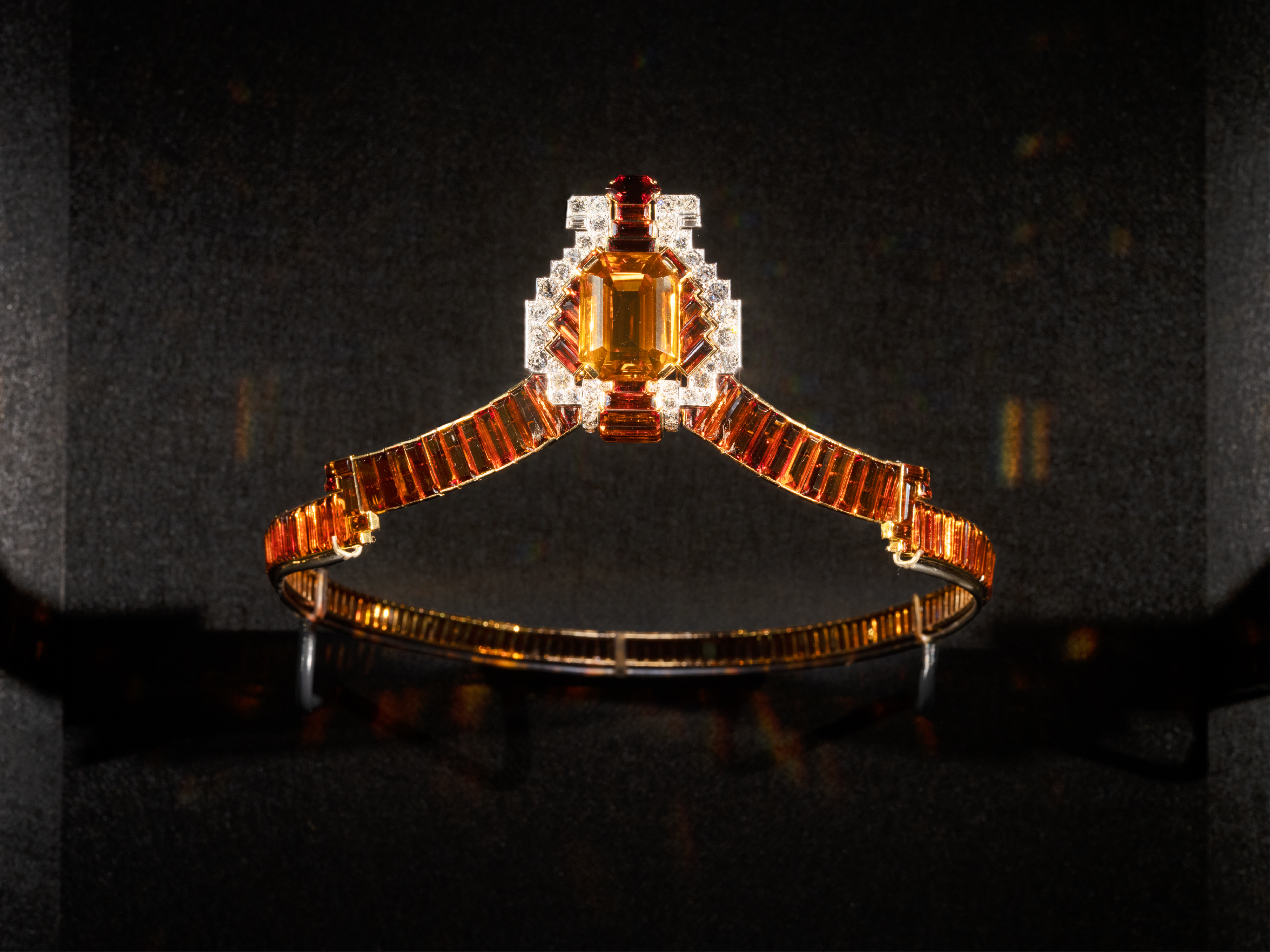
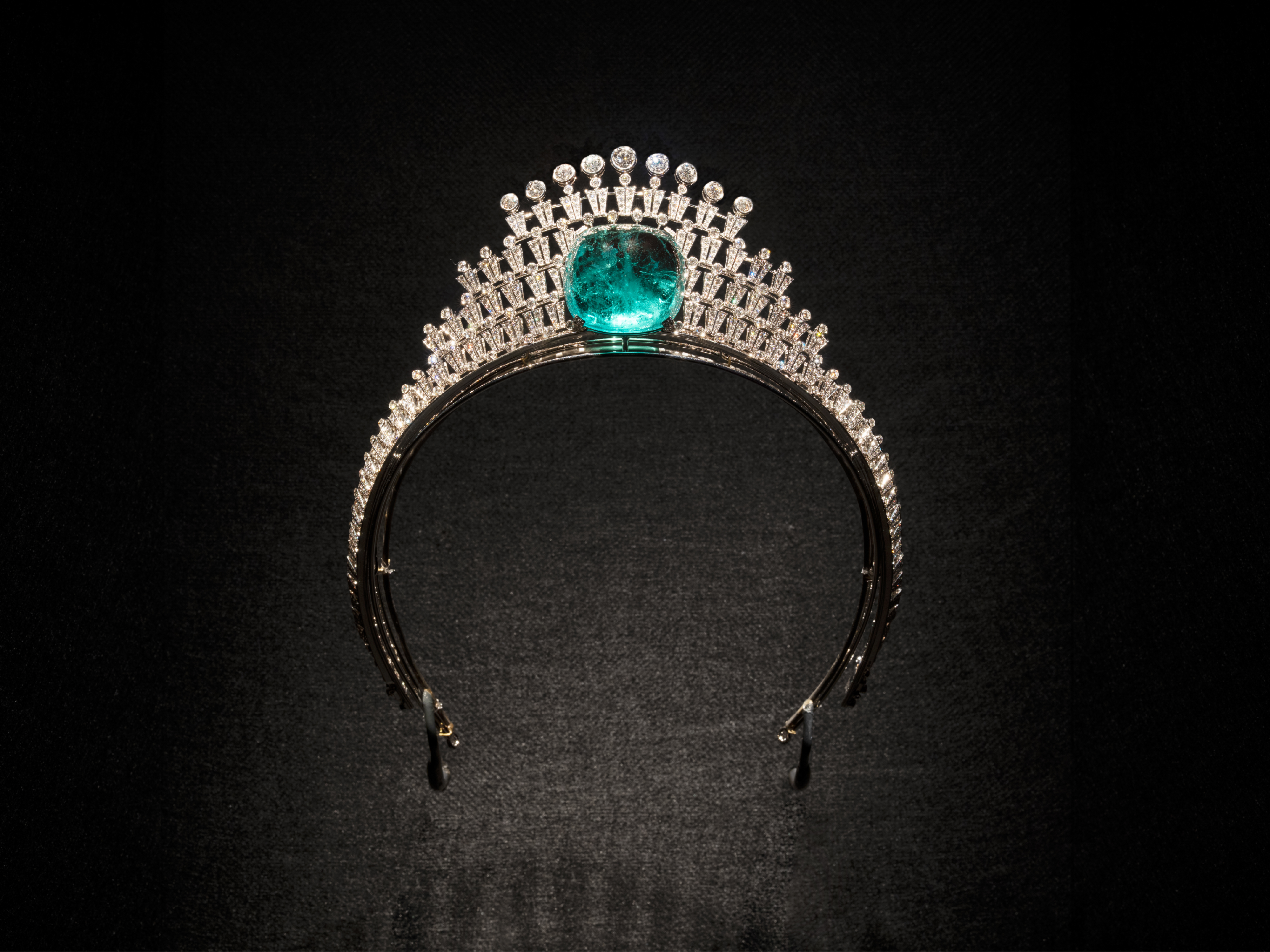
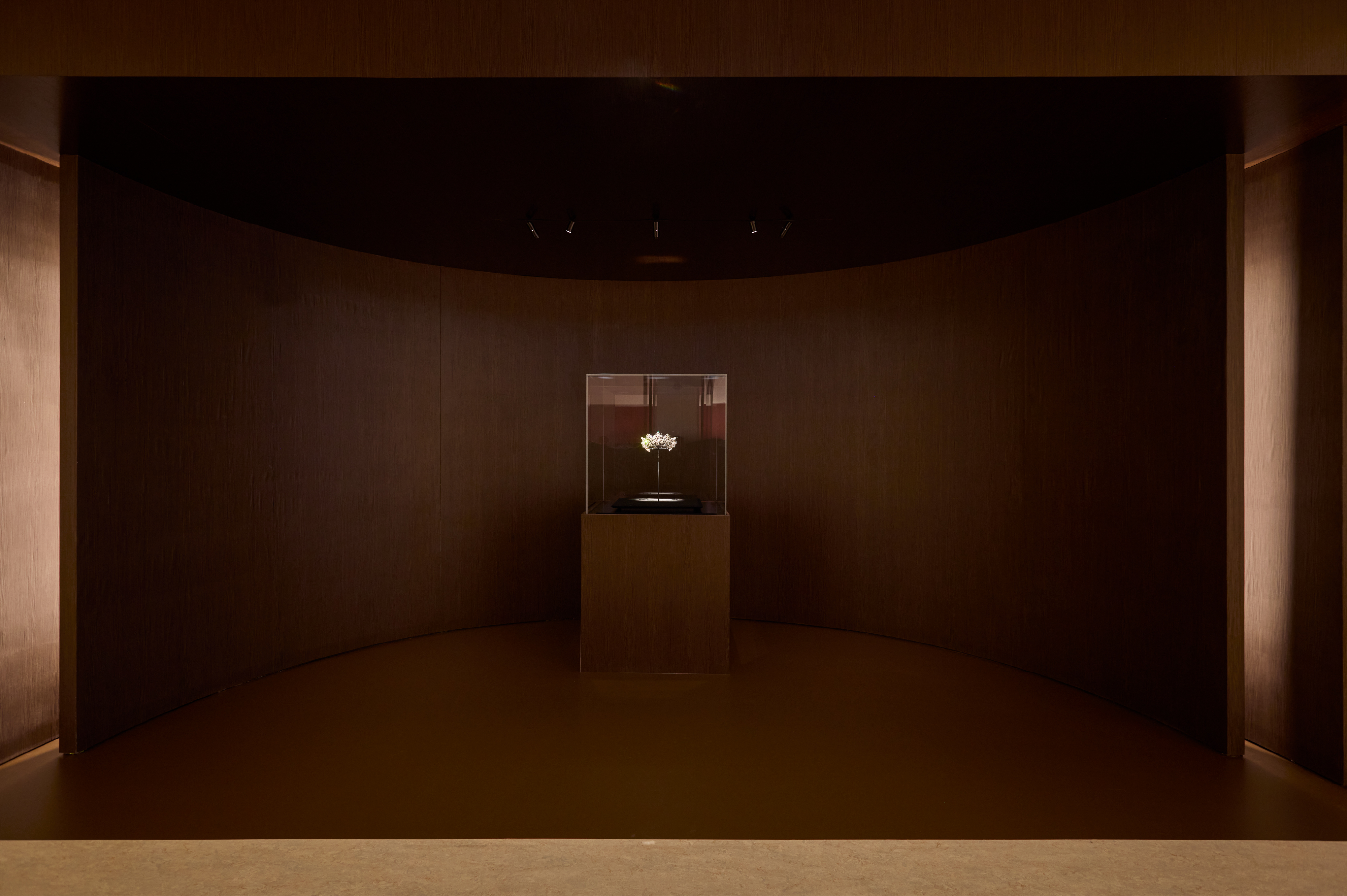
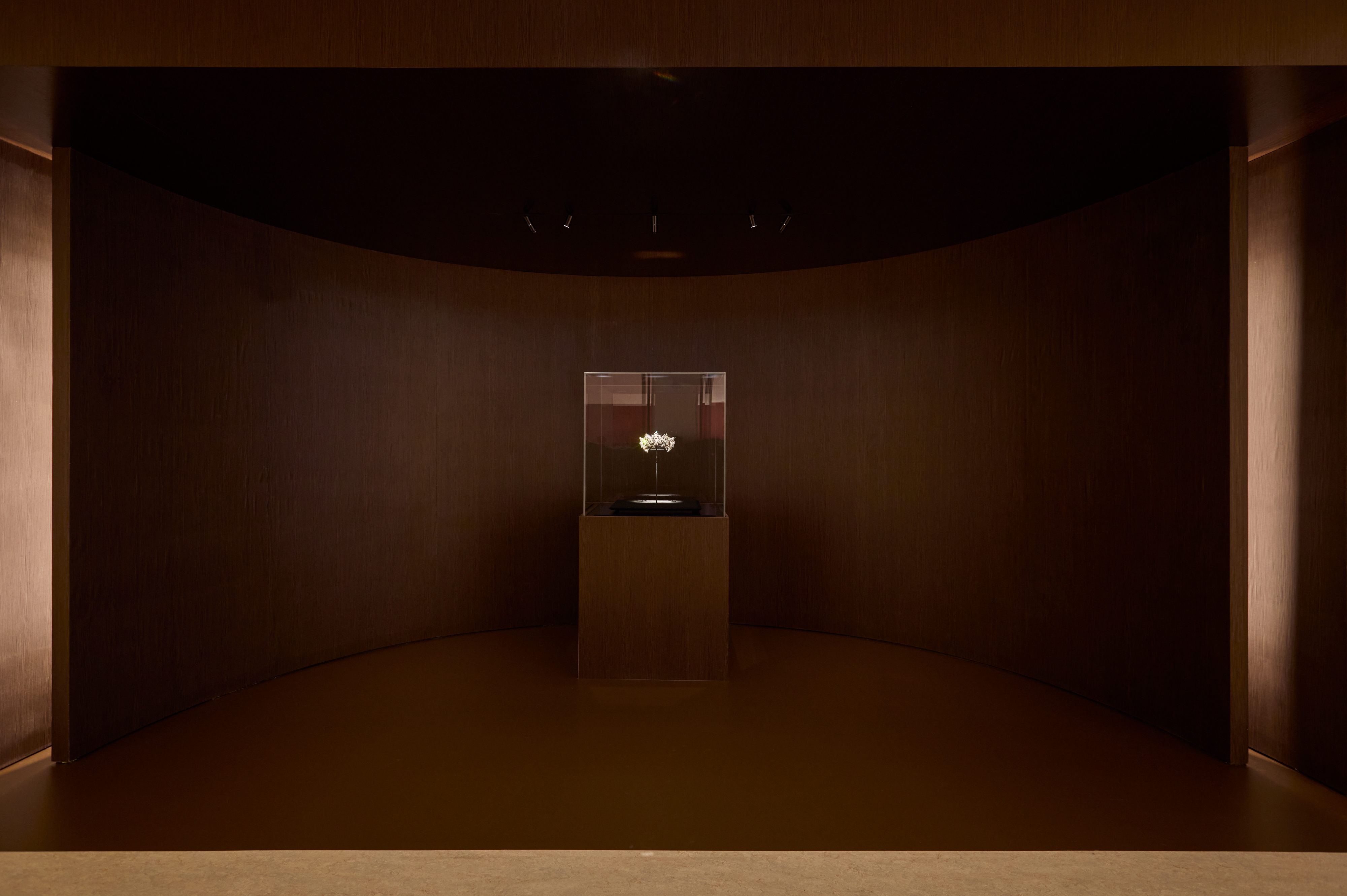
Nowhere is the social theatre more vivid than in the tiaras. A tiara is never simply a pretty object. It is architecture for the head, a declaration of rank, ritual and public performance. Dunsmore reminds us that tiaras have ancient roots, with early forms reaching back to Greek laurel wreaths, symbols of victory and honour. By the first half of the twentieth century, they had become almost compulsory for coronations, state occasions and aristocratic weddings.

The exhibition’s Scroll tiara carries that history with wonderful audacity. Worn by Lady Clementine Churchill at the late Queen’s coronation in 1953, it was nearly sold and broken up in the 1990s before being saved and entering the Cartier Collection. Later, Rihanna wore it in a post-apocalyptic image for W magazine. From coronation glamour to pop-cultural fantasy: it is quite a journey for one object, though Cartier has always had a talent for surviving fashion and becoming myth.

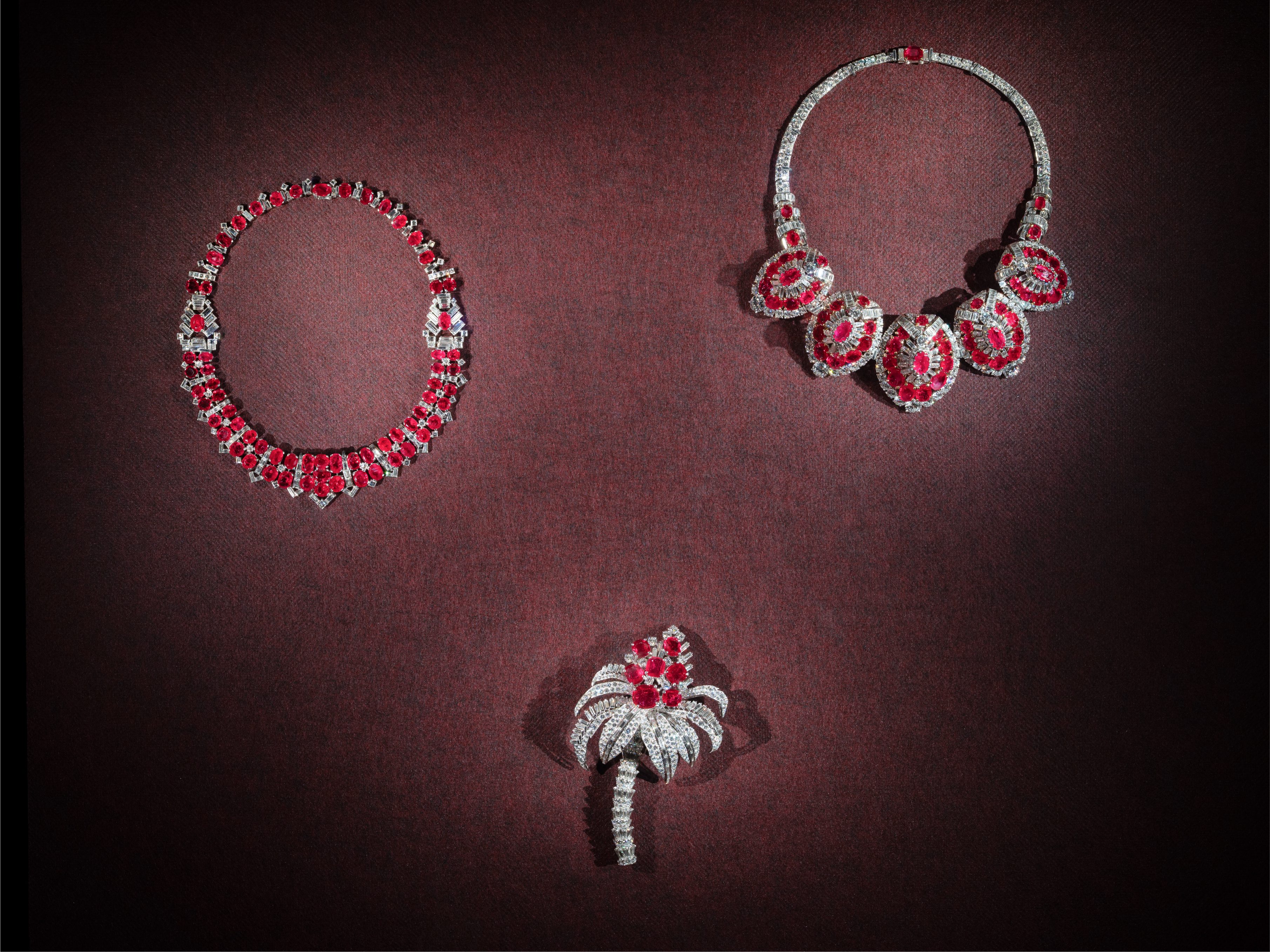
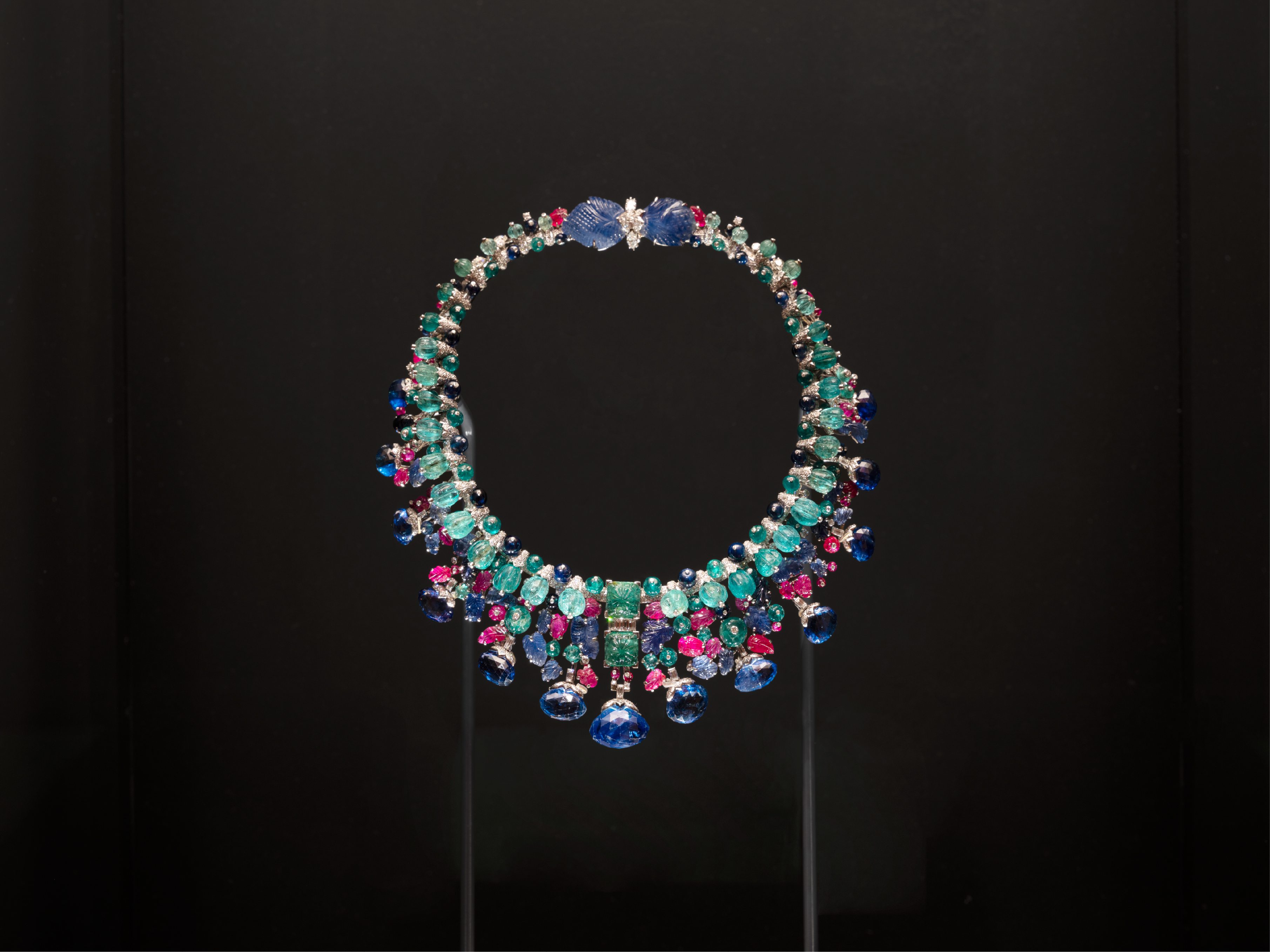
There is a delicious tension in that survival. Cartier can be refined, yes, but never merely polite. The Tutti Frutti jewels are proof. With carved rubies, emeralds and sapphires, they feel almost indecently alive – colour with appetite. Originally inspired by traditional Indian jewellery and called Feuillages, or foliage, they became one of Cartier’s boldest design innovations of the 1920s and 1930s. Cartier took influence, transformed it, intensified it, and made something unmistakably its own.

“The Tutti Frutti jewels feel almost indecently alive – colour with appetite.”

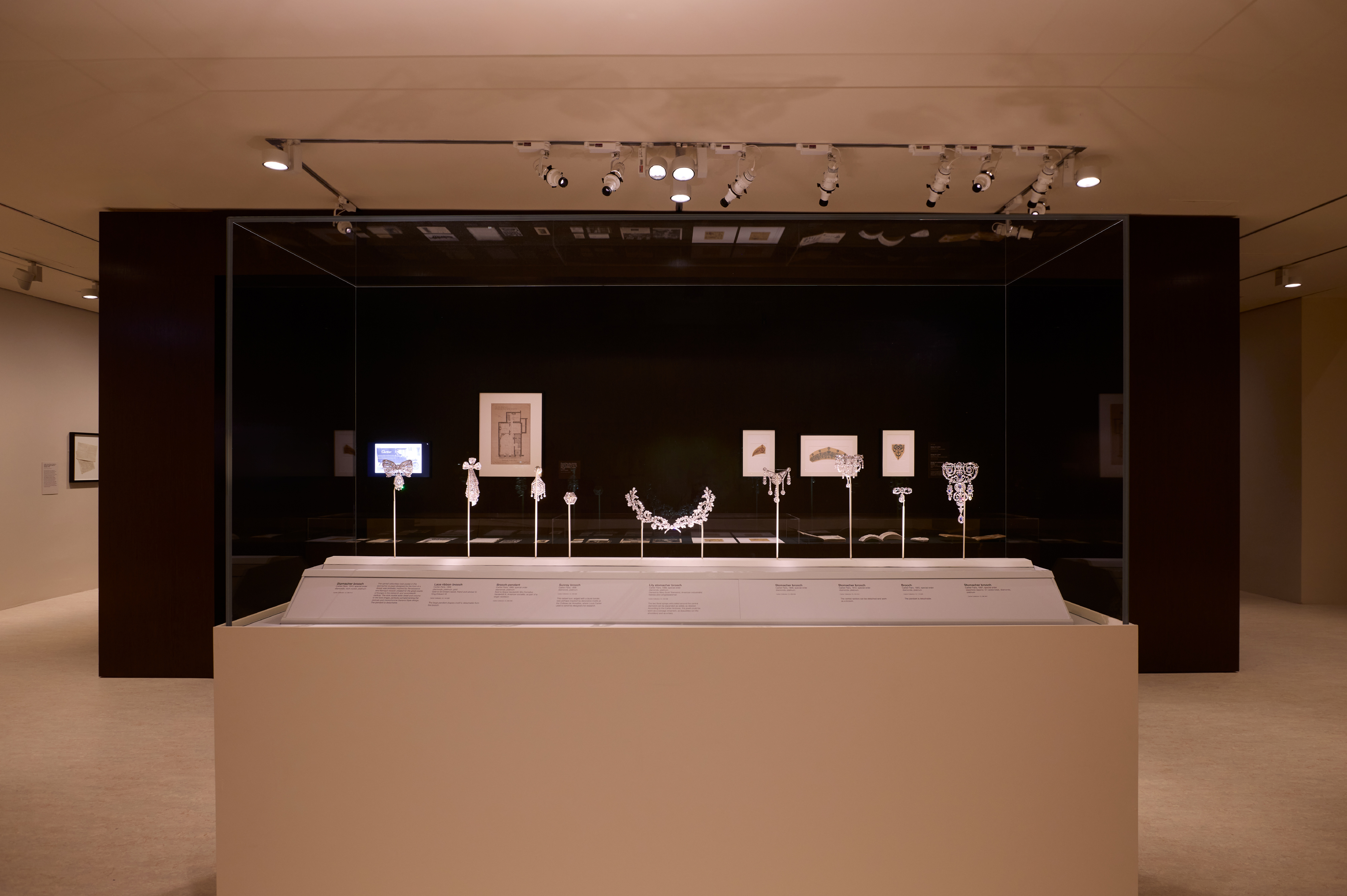
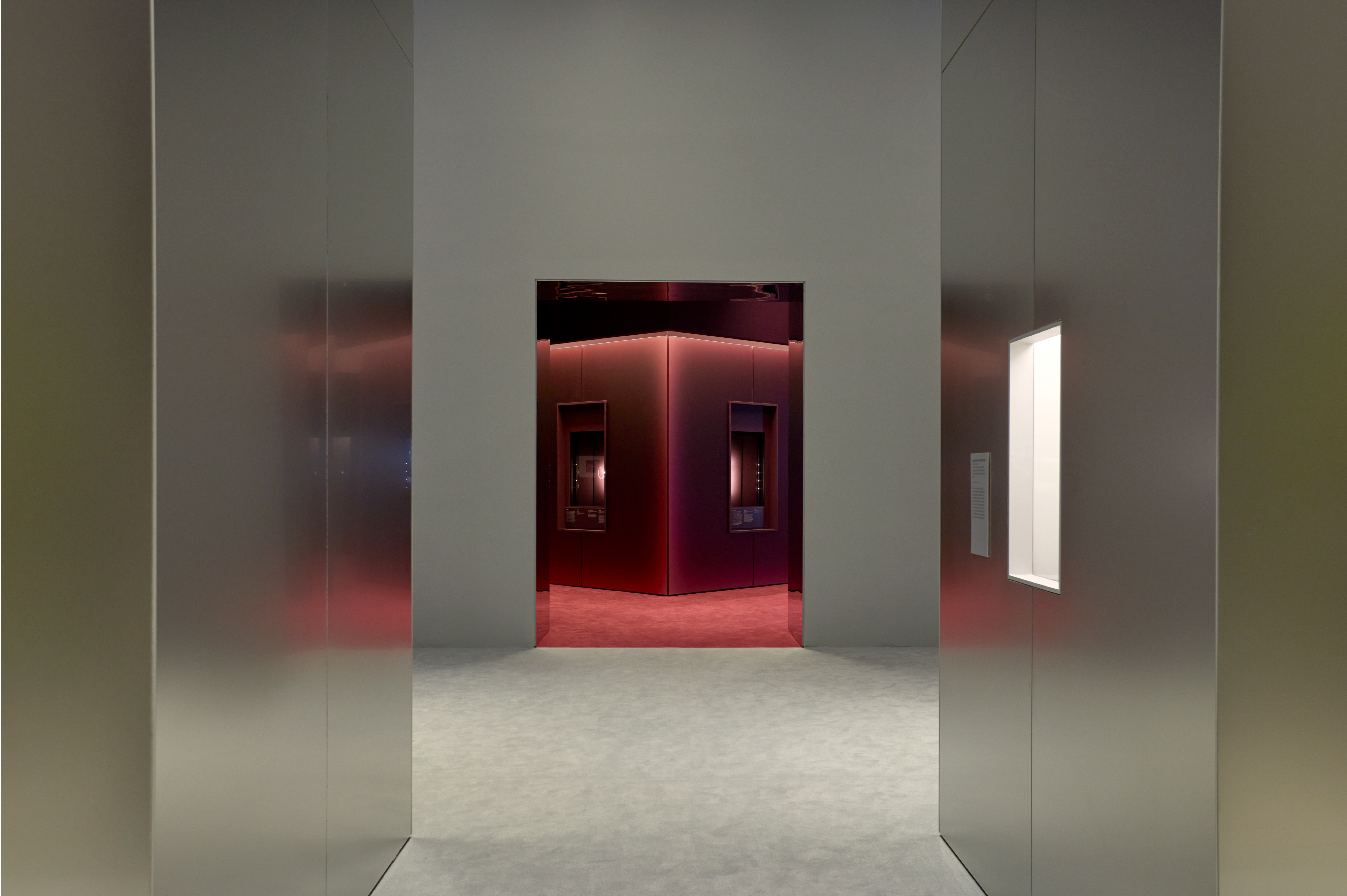
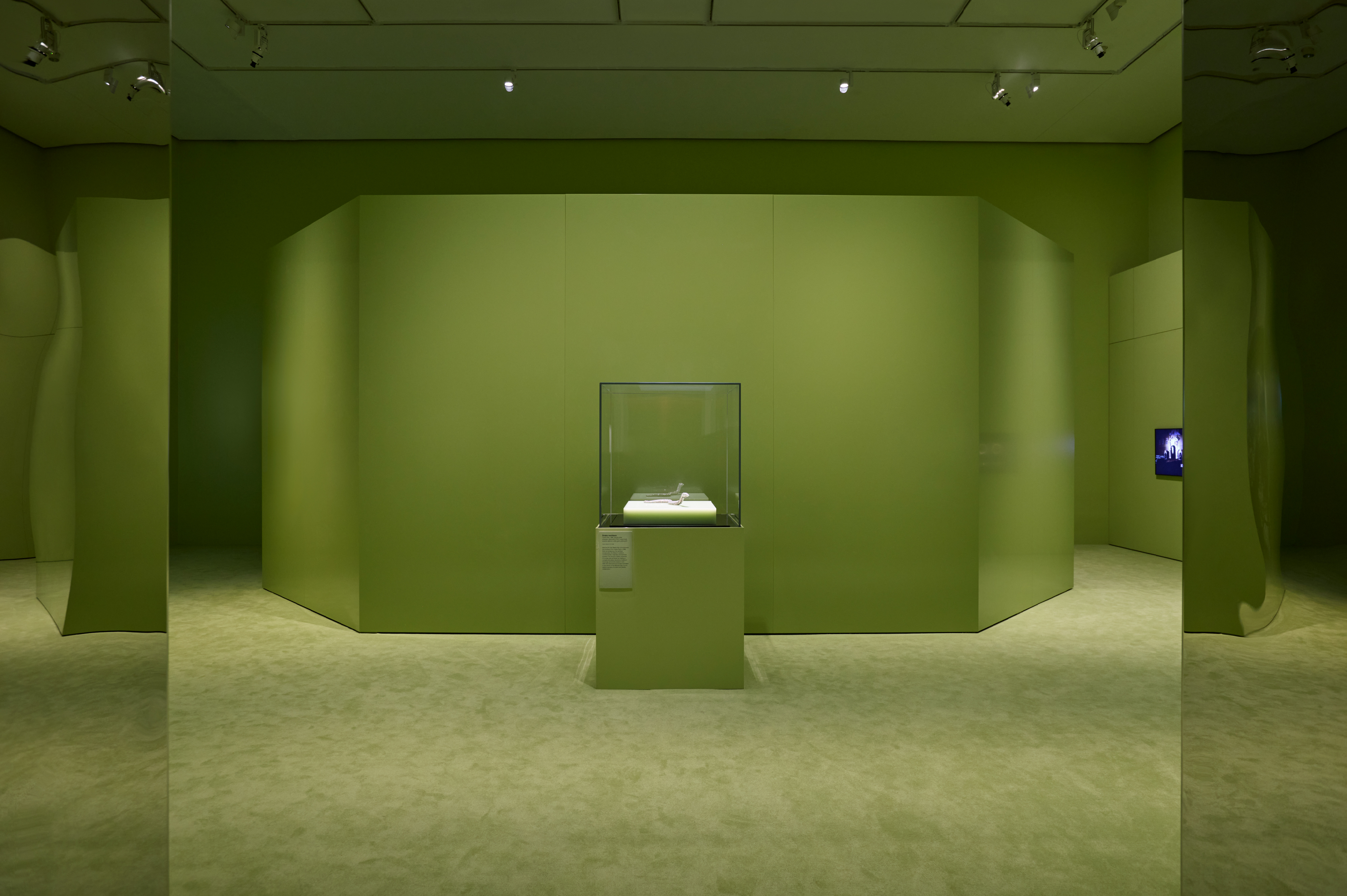
The exhibition design, by Studio Sabine Marcelis and CLOUD, takes a contemporary approach rather than descending into jewellery-box cliché. The architecture draws on the faceted cuts of gemstones, while the palette borrows from the colours of the jewels themselves. It is immersive without being competitive – a stage that understands the leading players are already wearing enough.

Importantly, the exhibition also gives space to Jeanne Toussaint, Cartier Paris’s Creative Director from 1933 to 1970, whose influence is essential to the house’s identity. Toussaint is closely associated with the panther motif, that sleek emblem of elegance, danger and feminine authority. Here, she is not treated as a footnote to the founding brothers, but as a creative force with claws.

And then, quietly, come the archival materials: drawings, sketchbooks, photographs, records. For visitors intoxicated by diamonds, these documents offer something just as precious – evidence of thought. They reveal inspiration, process, revision, craftsmanship and the practical labour behind beauty. A jewel may appear effortless once finished, but the archive tells another story: beauty is work before it becomes magic.

“A jewel may appear effortless once finished, but the archive tells another story: beauty is work before it becomes magic.”

In my view, Cartier at the NGV succeeds because it understands luxury is not enough. Luxury alone can be cold, even vulgar. But luxury joined to artistry, history, design and human ambition becomes something more interesting: a mirror in which society admires not only wealth, but its own theatre of power and longing.

In my view, Cartier at the NGV succeeds because it understands luxury is not enough. Luxury alone can be cold, even vulgar. But luxury joined to artistry, history, design and human ambition becomes something more interesting: a mirror in which society admires not only wealth, but its own theatre of power and longing.

There is also a neat New Zealand shimmer to all this. As Cartier’s world arrives at the NGV in full ceremonial splendour, the Maison is also making its presence felt closer to home, with Boutique Cartier Auckland on Queen Street placing the house within the city’s growing luxury retail precinct.

It is a reminder that Cartier is not simply a story locked in Parisian salons, royal collections or museum cases. Its mythology continues to travel – from coronations to magazine covers, from Melbourne galleries to Queen Street – finding new rooms in which to glow.

Visitors may arrive expecting diamonds.

They should leave thinking about hands, ideas, women, patrons, monarchs, muses, craftsmen, archives, performance and time.

Cartier does not merely show us beautiful things.

It shows us how beauty learns to rule.

Roger Wyllie, View Mag

Audio player cover
0:00 0:00