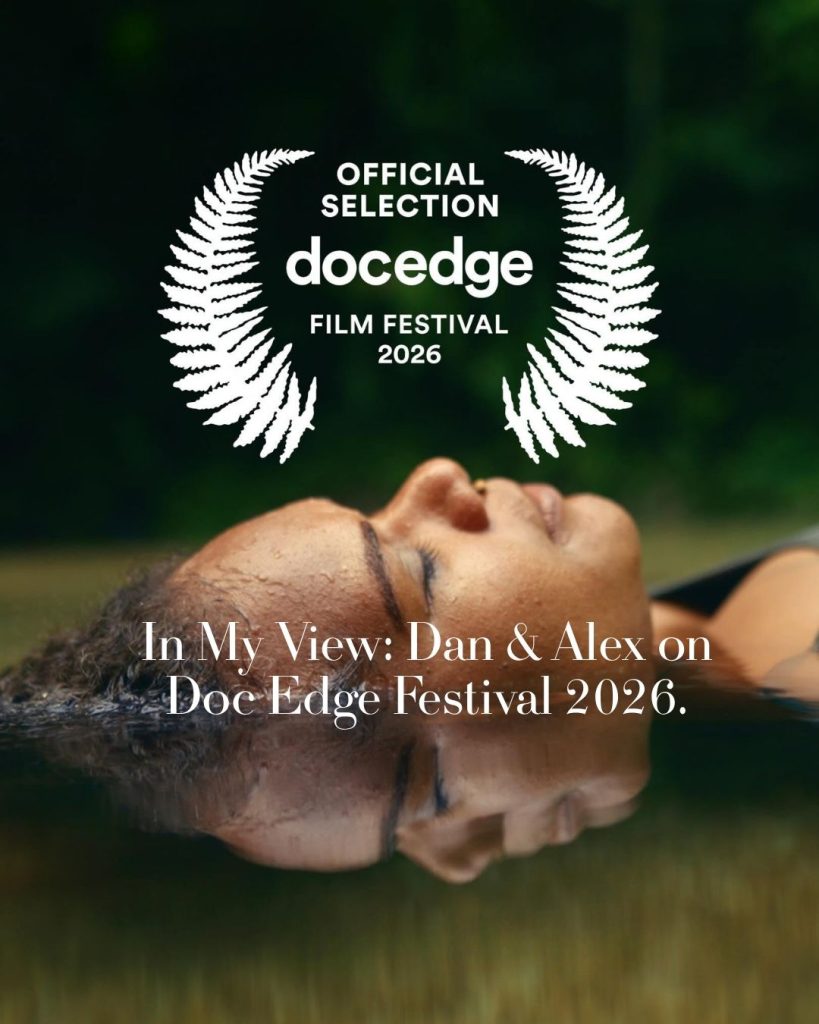
For its 21st edition, Doc Edge is not politely asking for attention. It is throwing a cocktail in the face of the machine, with 75 films, 12 immersive projects, and a glorious reminder that stories are not data points.
There are festival titles that behave themselves, and then there are festival titles that arrive late, wearing sunglasses, and throw a cocktail in the face of the machine.
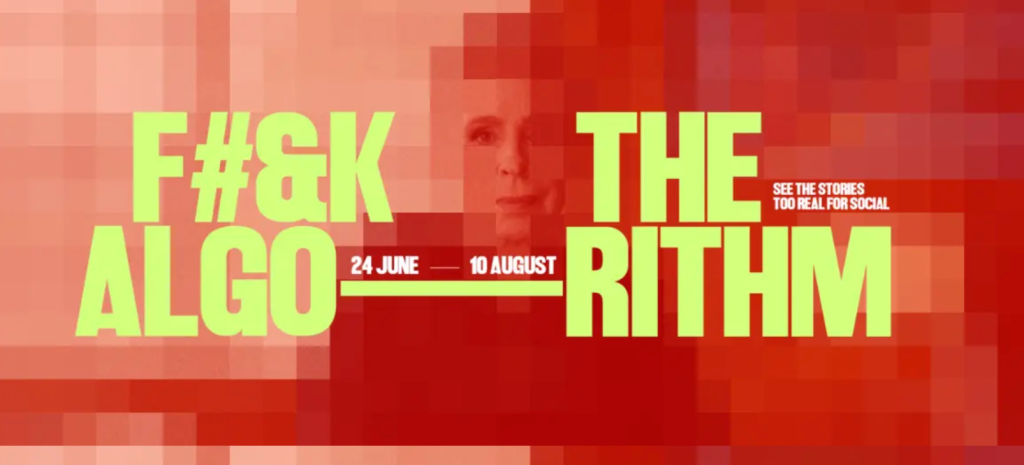
F#&k the Algo-Rithm – See the Stories to Reel for Social is very much the second kind.
“The algorithm, despite its marvellous confidence, has never once had a moral crisis in the dark.”
For its 21st edition, Doc Edge is not whispering politely from the back of the room. It is standing on a chair, clearing its throat, and reminding us that stories are not data points, audiences are not livestock, and the algorithm, despite its marvellous confidence, has never once had a moral crisis in the dark.
Dan and Alex are very clear about this. The algorithm is not neutral. It is commercial. It serves us more of what we already like, flatters our habits, monetises our attention, and quietly buries the stories that are too slow, too foreign, too complicated, too uncomfortable, too real. Documentary, of course, has always lived precisely in that inconvenient place. It is the form that walks toward the thing everyone else is scrolling past.
“A machine can give you what you clicked on last Tuesday. A festival can give you what you did not know you needed.”
This year’s Doc Edge programme sounds less like a festival and more like an elegant revolt: 75 films, 12 immersive projects, an industry event, and an Oscar-qualifying awards ceremony. Behind those numbers sits an extraordinary act of human selection. The festival received more than 1,700 submissions from around the world, a record for Doc Edge, before arriving at its final programme. That is not a playlist. That is curation. Judgment. Taste. Risk. The old-fashioned, unfashionable business of choosing.
And thank heaven for it.
A machine can give you what you clicked on last Tuesday. A festival can give you what you did not know you needed.
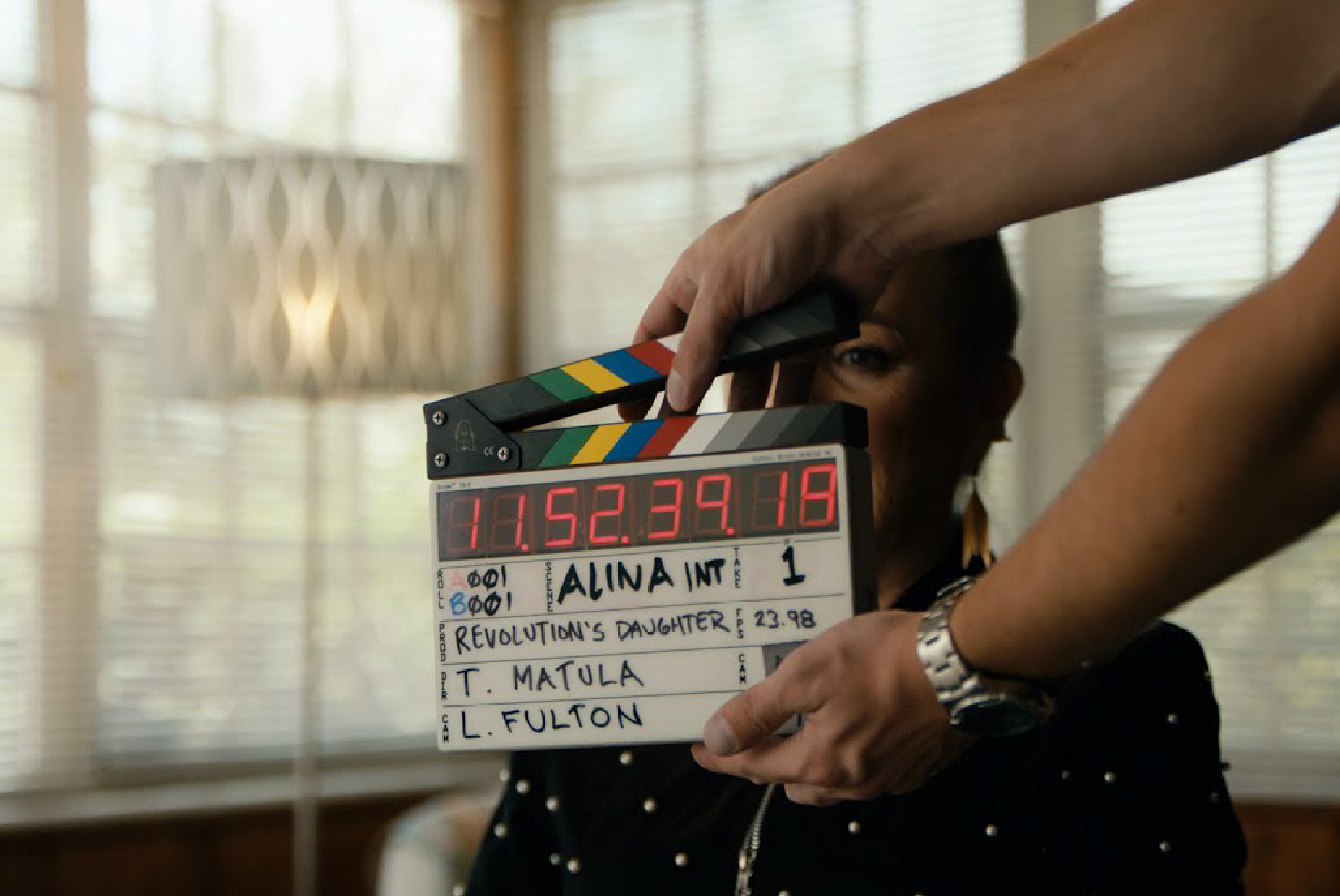
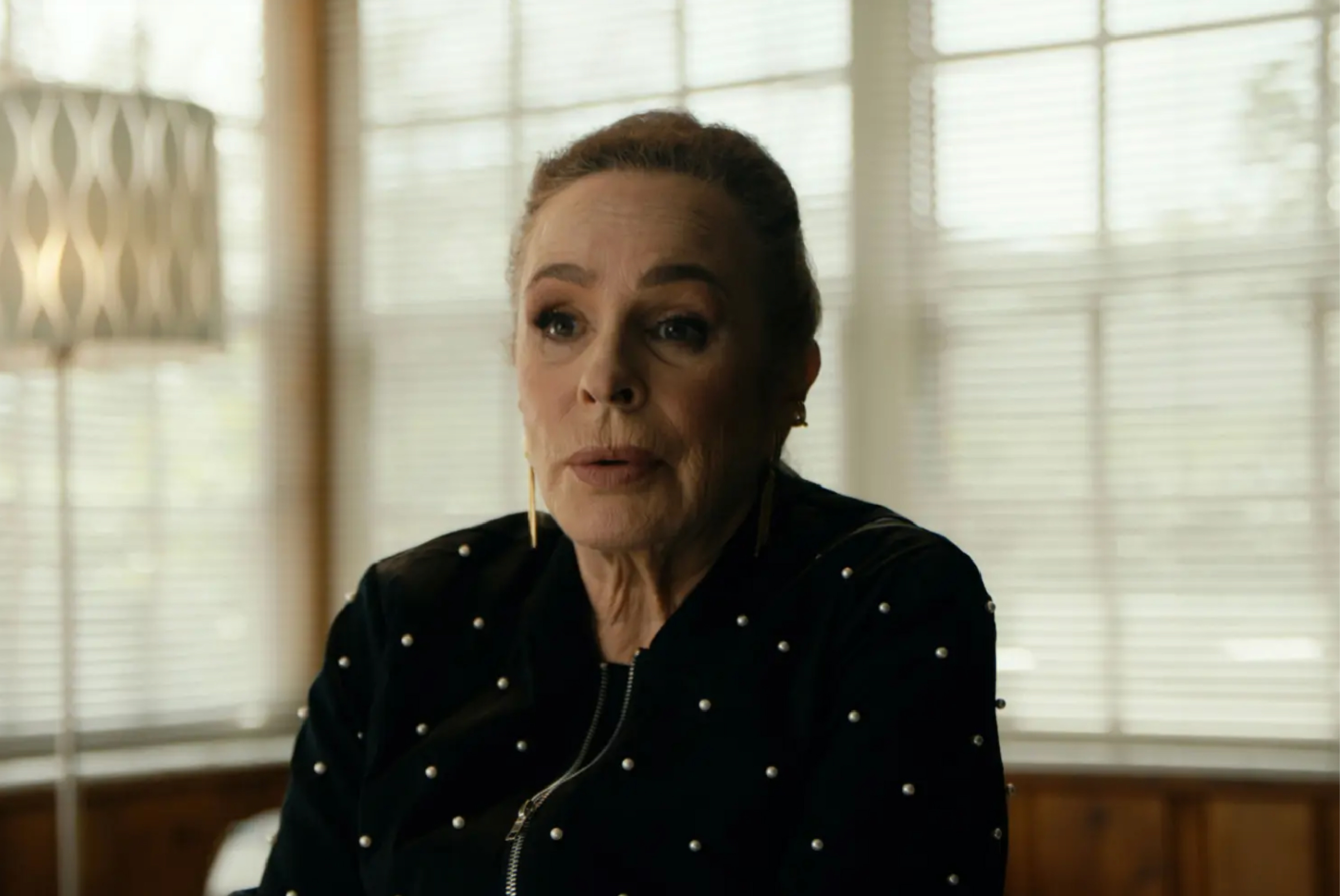
This year’s programme opens with Revolution’s Daughter, a story of defiance against one of the most powerful political legacies of the twentieth century. From there, Dan and Alex promise a journey that moves through rage, grief, laughter, astonishment and, rather importantly, joy. Documentary has suffered, at times, from the suspicion that it must arrive carrying a wet coat and bad news. But the best documentaries do not merely inform. They animate. They complicate. They leave you slightly less certain and much more alive.
“Documentary is the form that walks toward the thing everyone else is scrolling past.”
Resistance is the great thread running through the 2026 selection: women resisting theocratic regimes, Indigenous communities resisting the destruction of land, journalists resisting the silencing of truth, and individuals resisting grief, addiction, isolation and history’s heavy furniture. But alongside that is the natural world – a polar bear mother in a warming landscape, Māori guardianship of land and sea, and the old, urgent question of what we owe to the living world.
Aotearoa is strongly present, and not as a courtesy inclusion. Dan and Alex describe New Zealand documentary storytelling as “quietly extraordinary,” which may be the most New Zealand compliment imaginable. Unlikely Kin, from Kim Webby and Michael Jonathan, is given its world premiere and sounds essential: ancestral, ecological, intimate and urgent. Finding Honk, from Eldon Booth, is described as funny, dangerous and deeply moving. And There’s a Hole in My Bucket offers grief, brotherhood, Benedict Cumberbatch’s voice, a Peter Jackson cameo and Royd Tolkien honouring his brother Mike through a bucket list of 50 challenges. If that does not qualify as documentary mischief with a pulse, what does?
“Aotearoa is strongly present, and not as a courtesy inclusion.”
Then there is the immersive programme, the largest and most ambitious Doc Edge has presented in its 21 years. Twelve projects, five New Zealand world premieres, seven international award-winners, and a combined exhibition with World Press Photo at the Smith & Caughey building in Auckland. Immersive work, at its best, does not replace cinema. It changes the terms of witness. You do not merely observe dementia, depression, flood loss or memory. You are asked to stand inside the experience. Not gimmickry, but proximity. A new etiquette of empathy.
The industry programme sounds equally necessary and perhaps mildly combustible, with conversations around AI, documentary truth, new technology, creative control and the future of storytelling. These are not comfortable conversations. Good. Comfort is what streaming queues are for.
“Comfort is what streaming queues are for.”
For the first-time Doc Edge viewer, the invitation is simple: leave the house. Sit in the dark with strangers. See something the algorithm would never have chosen for you because it does not know how to be surprised.
Doc Edge does.
And in my view, that is why festivals still matter. They interrupt the feed. They restore the room. They remind us that cinema is not just content, and audiences are not merely users.
Enter now for your chance to win a Doc Edge 2026 double pass.
And because the only thing better than reading about documentary cinema is sitting down to watch it, View Magazine readers can also go in the draw to win a double pass to Doc Edge 2026 for Auckland, Wellington Christchurch, including the Virtual Cinema.
It is a neat little act of rebellion against the feed: leave the scroll, enter the dark, and see the stories no algorithm would ever know to recommend.