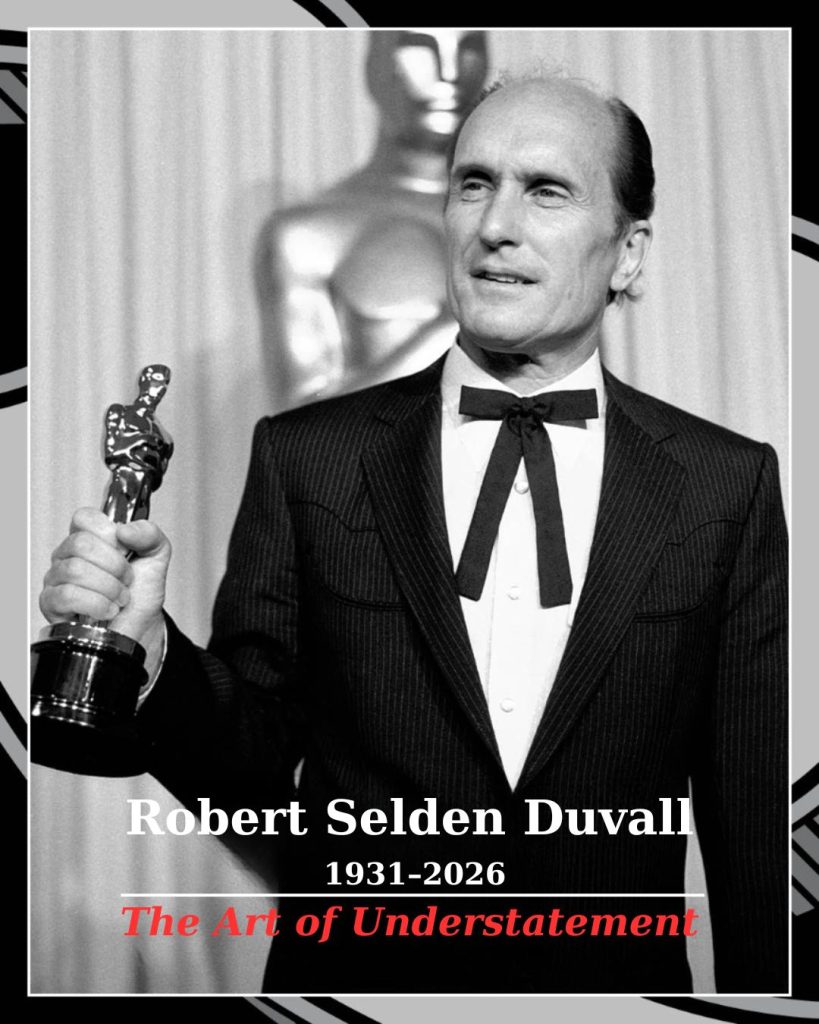
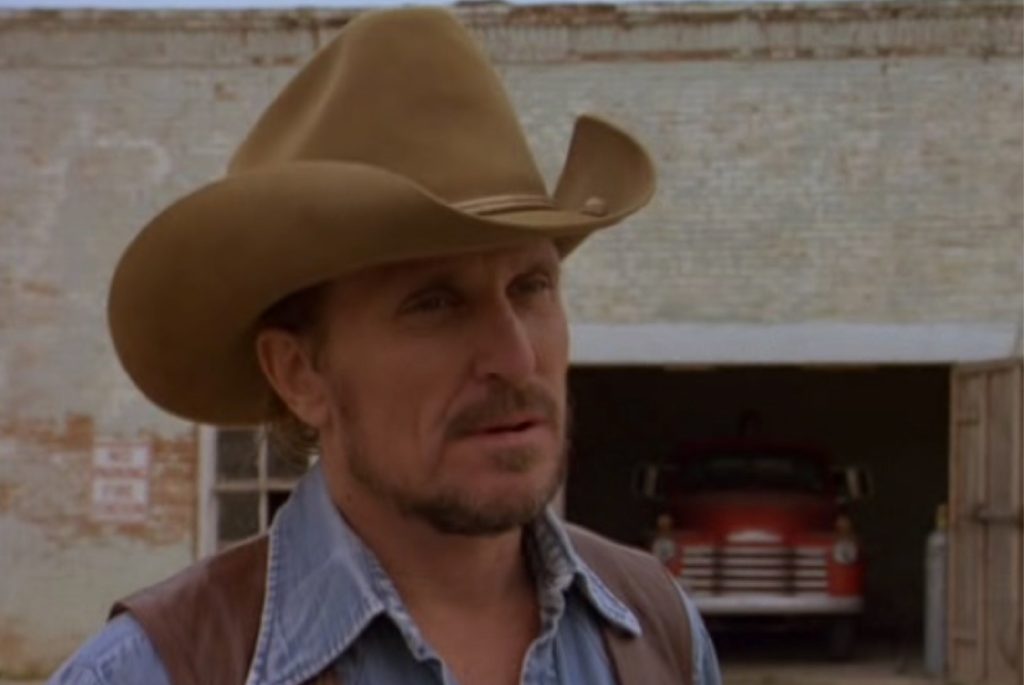
Robert Selden Duvall was born on 5 January 1931 in San Diego, California – a naval son who would grow up to command far larger theatres of war: Hollywood soundstages, moral battlegrounds, the fragile interiors of American men.
He died on 15 February 2026 in Middleburg, Virginia, aged 95.
Seven decades in the business – and he never once appeared to be “in the business.” That was his particular genius. While others pursued fame like it was oxygen, Duvall treated it as weather: occasionally inconvenient, rarely necessary.
He accumulated honours the way a practical man accumulates tools – an Academy Award, a BAFTA, four Golden Globes, two Primetime Emmys, a Screen Actors Guild Award, a Satellite Award – but trophies were incidental. What mattered was control. He controlled silence. He controlled pacing. He controlled the temperature of a room.
“In an industry addicted to volume, Robert Duvall mastered subtraction.”
He did not announce himself in a film. He entered it.
“He did not enter scenes. He occupied them.”
The Performances That Will Outlive the Plaques
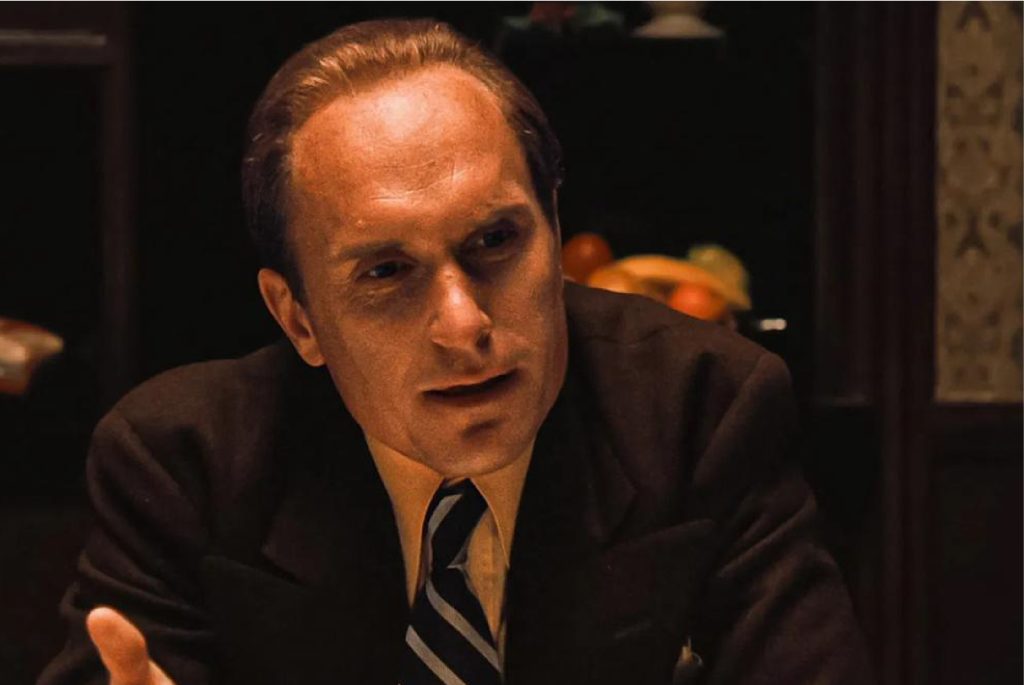
Tom Hagen – The Godfather (1972, 1974) The calm in the Corleone storm. While others performed volatility, Duvall delivered composure. His Hagen was loyalty with a law degree – civilized, measured, lethal when required.
“The quietest man in the room often held it hostage.”
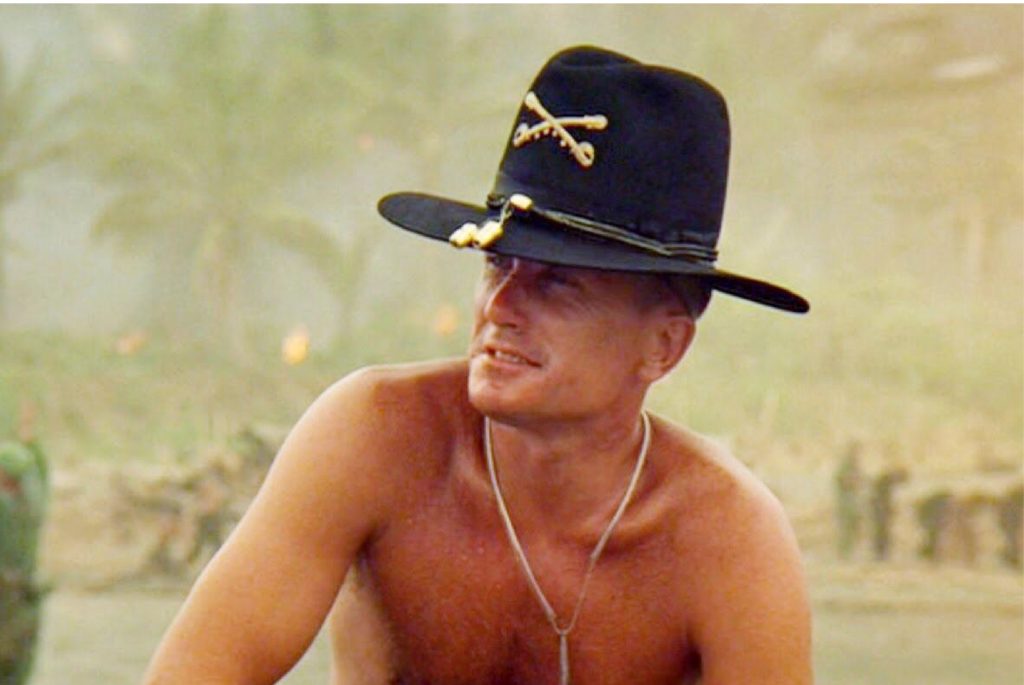
Lieutenant Colonel Kilgore – Apocalypse Now (1979) He turned absurdity into authority. The famous napalm line could have collapsed into parody. In Duvall’s hands it became anthropology: a study in American bravado under fire.
“He made madness look like good posture.”
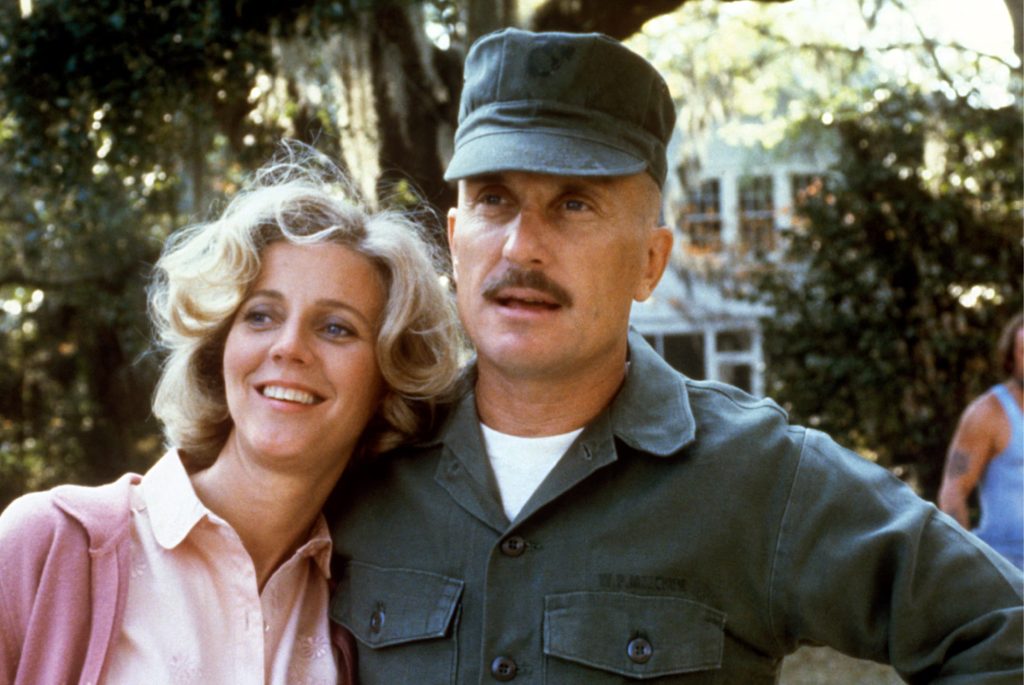
Bull Meechum – The Great Santini (1979) A patriarch carved from pride and fear. Duvall made tyranny intimate. You did not watch the character – you endured him.
Mac Sledge – Tender Mercies (1983) The performance that earned him the Academy Award. Redemption without sentimentality. Grief without performance. It remains one of the most restrained portraits of spiritual recovery ever filmed.
“Duvall trusted silence more than most actors trust dialogue.”
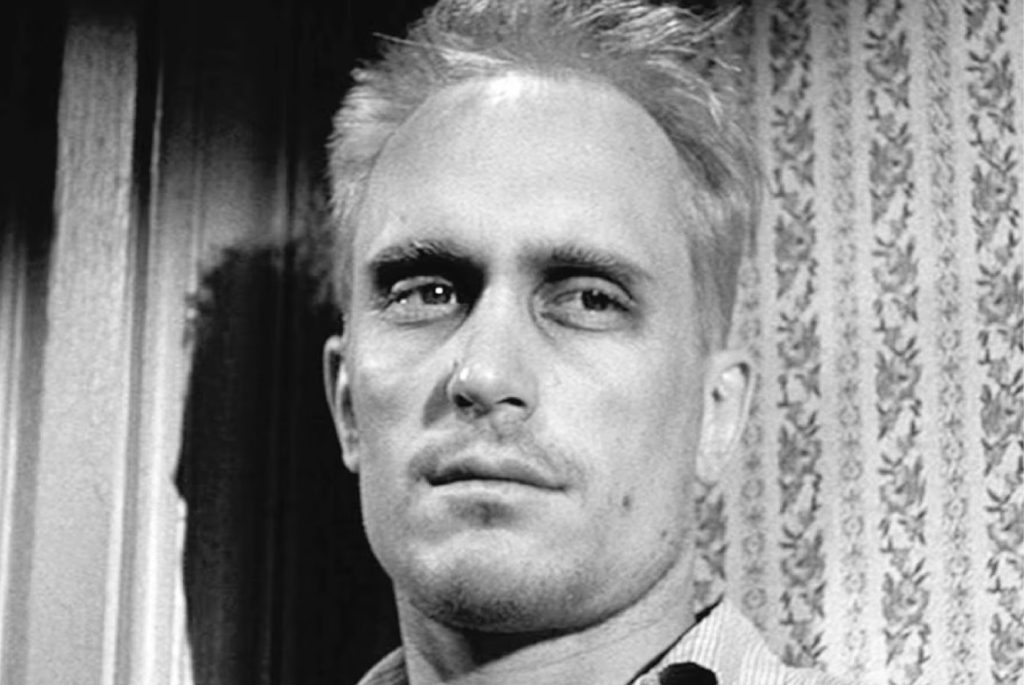
Boo Radley – To Kill a Mockingbird (1962) Nearly wordless. Entirely unforgettable. Even as a young actor, Duvall understood that presence need not be loud to be lasting.
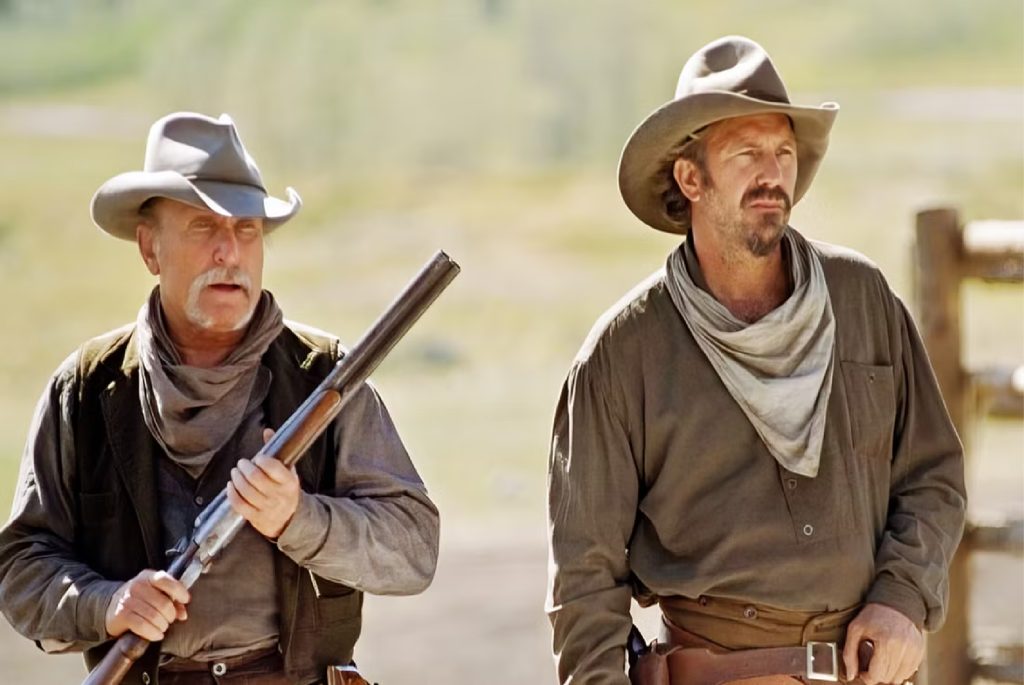
Boss Spearman – Open Range (2003) An aging cowboy with moral ballast. He made the Western feel lived-in again, not nostalgic but weathered.
Audiences can revisit him on 05/03/2026 in The Eagle Has Landed (1976), where he lends gravity to wartime intrigue – reminding us that even in genre work, he refused to coast.
Robert Duvall specialized in men who believed in codes – military codes, criminal codes, personal codes – and in exposing the fragility beneath them. He did not overact. He underlined nothing. He trusted the camera to come closer.
Cinema is often accused of exaggeration. Duvall’s career stands as a counterargument.
“He did not perform America. He revealed it.”
He proved that the quietest man in the room can hold it hostage.
In an era addicted to spectacle, he mastered subtraction.