


RATING
Director: Steven Spielberg
Country: United States
Writers: Steven Spielberg, David Koepp
Actors: Josh O’Connor, Emily Blunt, Colin Firth
Written by Tom Augustine.
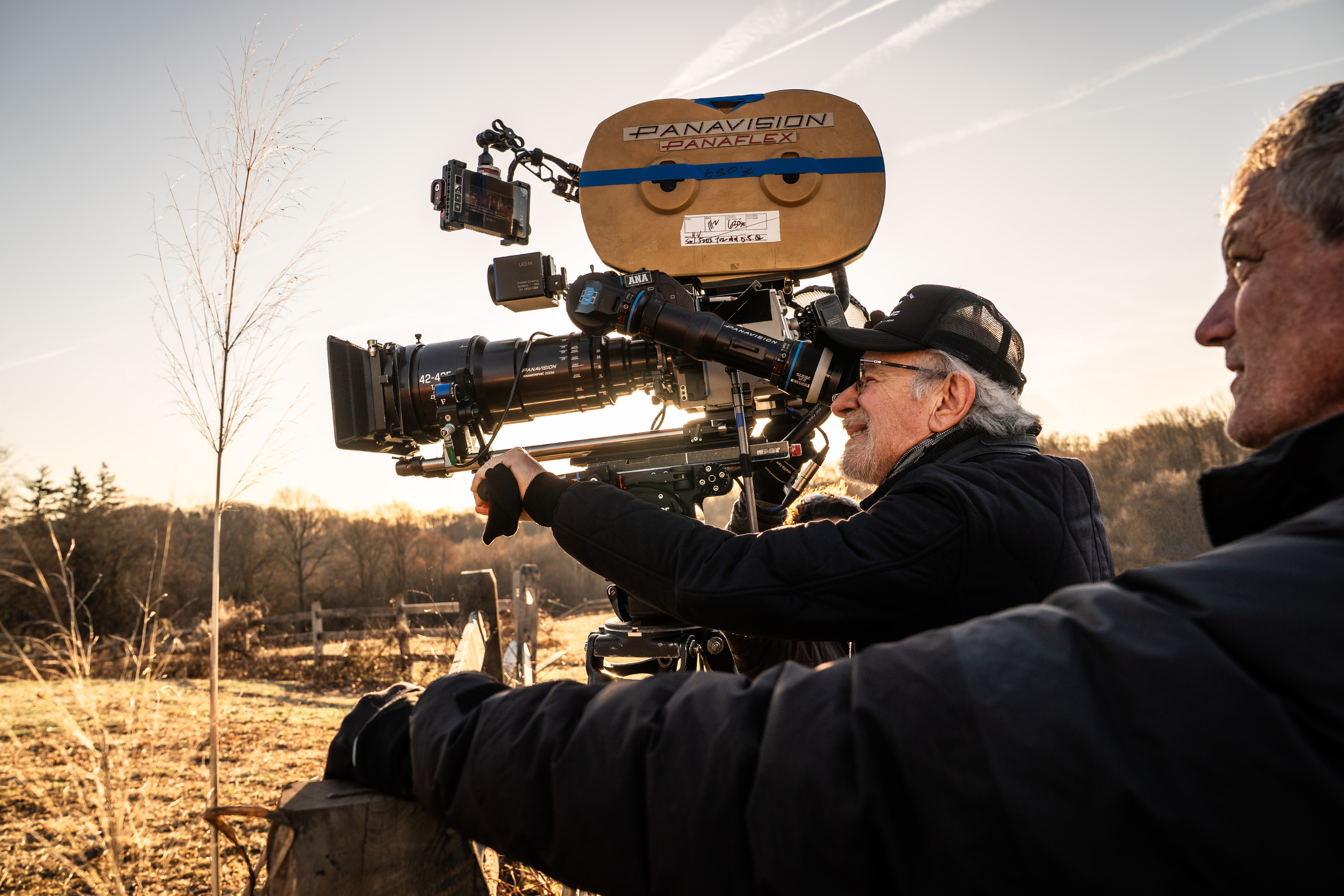
Steven Spielberg has his fixations: the American middle class, divorce, suburbia, World War II, aliens. On that last one: few think of the great American director as primarily a maker of science fictions, despite the fact that at least seven or eight of his films, frequently the most successful ones (ie. Jurassic Park), are of this genre — by way of example, roughly the same amount of films in Martin Scorsese’s vast oeuvre could be considered ‘gangster’ pictures, enough for him to be painted with that brush for his entire career. Two of Spielberg’s most widely embraced masterpieces concern the question of first contact: Close Encounters of the Third Kind and E.T.: The Extra-Terrestrial, while a later-career highlight War of the Worlds, a caustic and downtrodden nightmare scenario of a film, has garnered a strong cult following of its own.
Now approaching eighty, Spielberg is surely considering the same things Scorsese has been — running out of time, and what kinds of summarisations are suitable to cap a spectacular, industry-defining career. The ‘late-period’ works of these and many other auteurs often lead to a divide between critics and mainstream audiences, from Paul Schrader to David Cronenberg to Hayao Miyazaki, Michael Mann and Clint Eastwood — where some recognise and appreciate the weight of an elder statesperson reflecting on life, others see lugubrious, even vain facsimiles of what has come before. Thus, we have Spielberg returning to the ‘alien picture’ subgenre, for the first time since (hilariously) Kingdom of the Crystal Skull, Spielberg’s least successful and most cynical utilisation of the way in which the conspiratorial nature of aliens among us interrelates with the American psyche.
Disclosure Day, Spielberg’s gorgeous, odd, radiant new film, is likely to be the director’s final word on the existence of aliens — indeed, much of the film’s promotion has been built around the director’s near-certainty that aliens not only exist, but that they’ve already had some interaction with humans. It’s remarkable how different Spielberg’s alien movies are from one another — Close Encounters was pure visual poetry, a maximalist ode to the possibilities of cinema, culminating in a sensory opera nigh-unmatched in American movies; E.T. was a sad and haunting children’s movie, full of the director’s custom wide-eyed innocence; such innocence then was lost in War of the Worlds, which harrowingly transplanted the psychological torment of the War on Terror into the alien invasion format. Now, with Disclosure Day, Spielberg amalgamates elements of all of these into a singularly strange, transportative experience that nevertheless feels like it exists entirely on its own terms. The ambition of Close Encounters, the American cheese of E.T., the paranoiac propulsiveness of War of the Worlds — it’s all here, but there’s also a compellingly spiritual vein that sets it apart. Some critics have compared the new film to the work of M. Night Shyamalan (himself once promised as the second coming of Spielberg), a parallel I must agree with, in its occasionally bizarre choices in performance and script, and Spielberg’s intentionally over-egged emotional forcefulness. That Spielberg continues to find new shades is remarkable — despite my avowed love for West Side Story and The Fabelmans, even I can concede that Spielberg has retreated over the last few pictures into a creative space a little too comfortable — culminating in a film that feels, in the days after watching, like his best in many, many years.
It is sure to be a divisive film, too. It is a movie laden with flaws, largely due to the occasional obtuseness of regular collaborator David Koepp’s script, whose fealty to traditional blockbuster structures rubs up against Spielberg’s fearsome skills as an imagemaker in ways that produce an intriguing (but frequently productive) tension. Like last year’s superlative One Battle After Another, it is the kind of film whose flaws largely function to accentuate the overall quality of the work, rather than detract from them — human, after all.
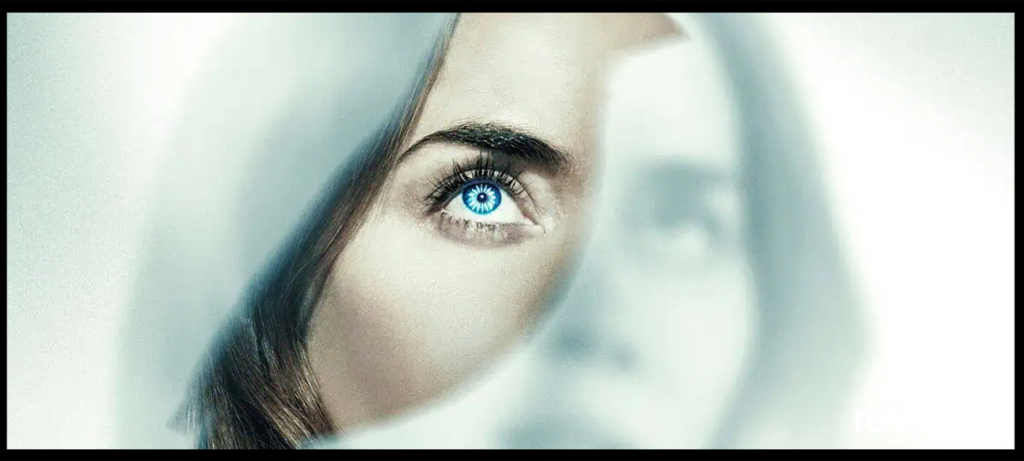
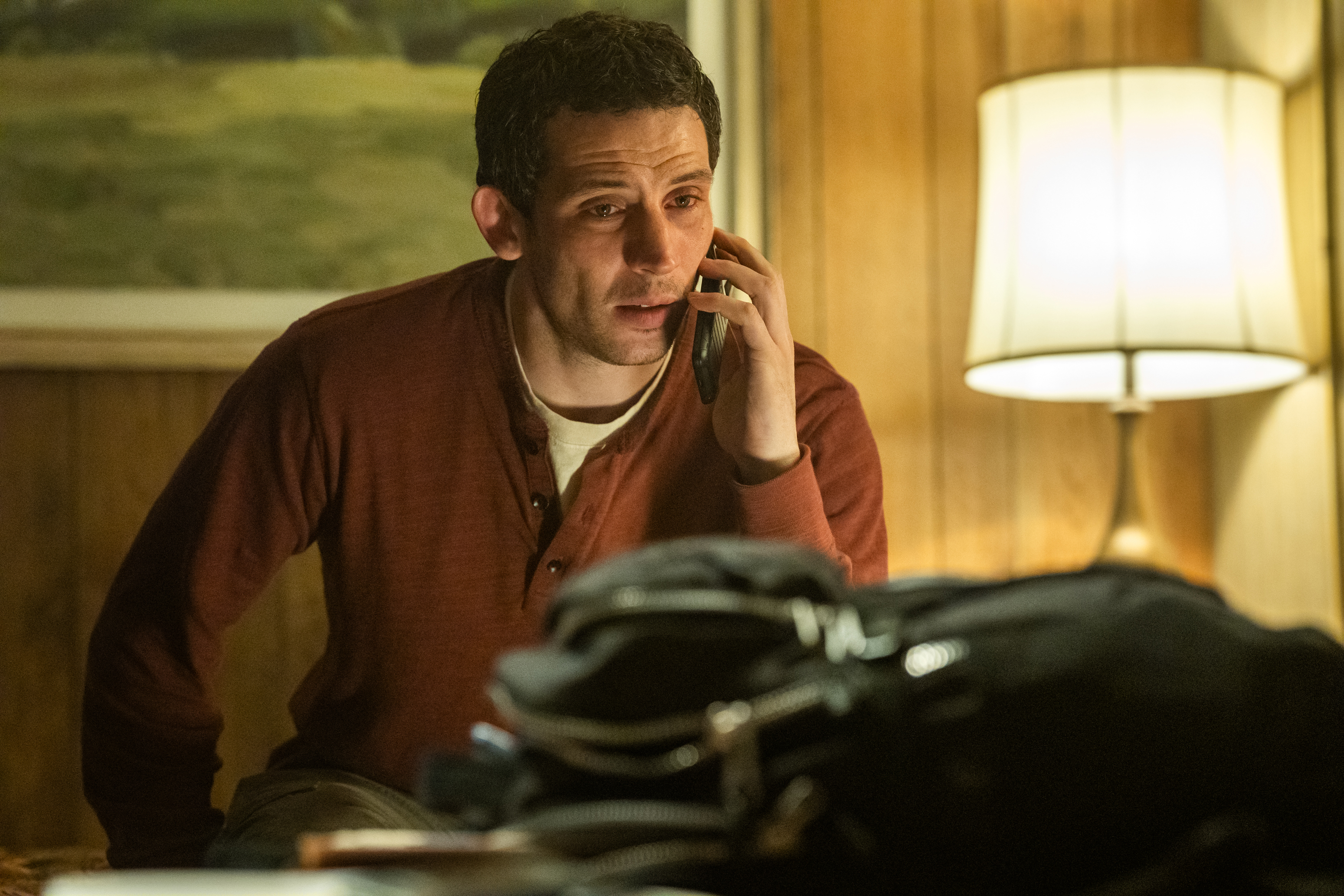
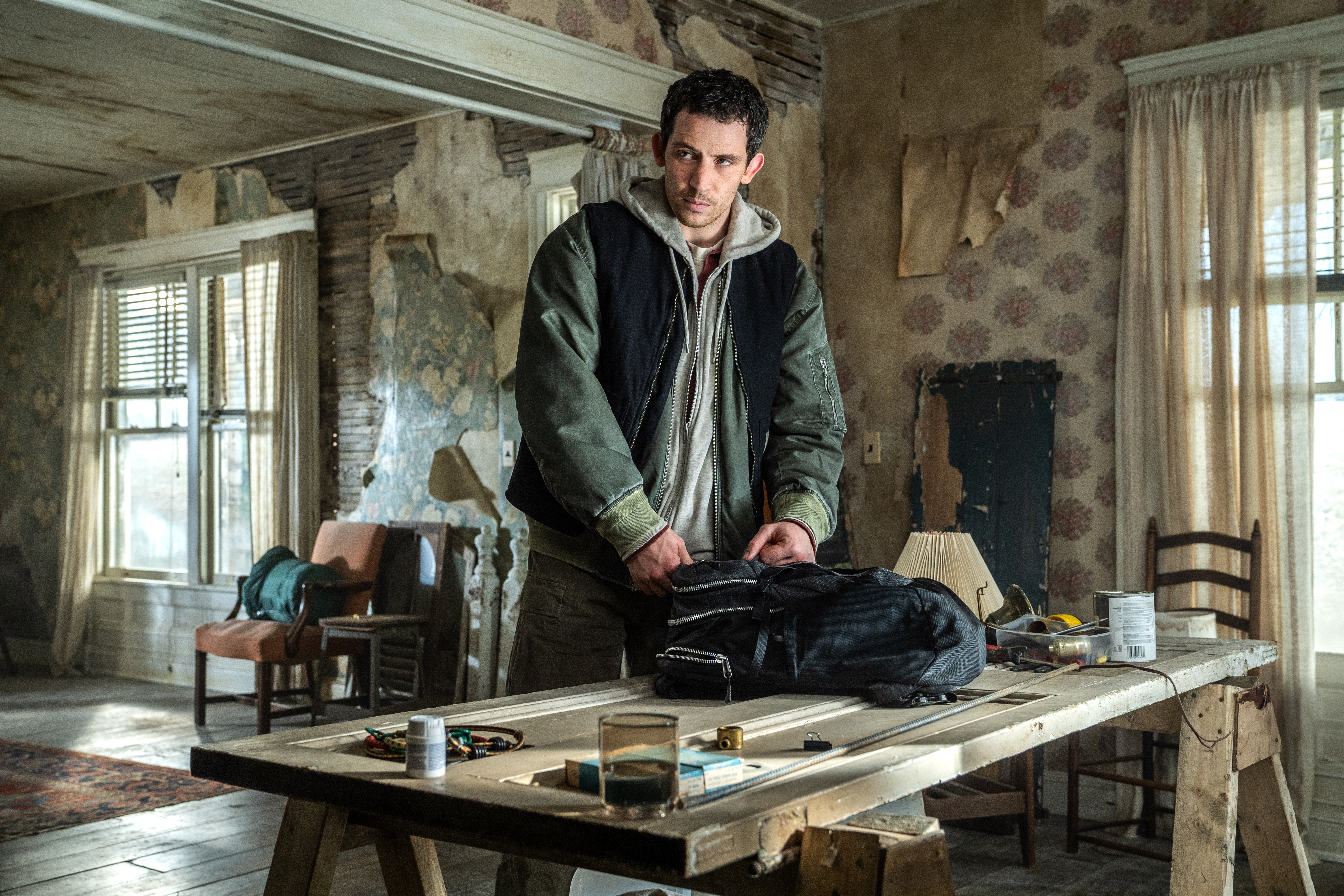
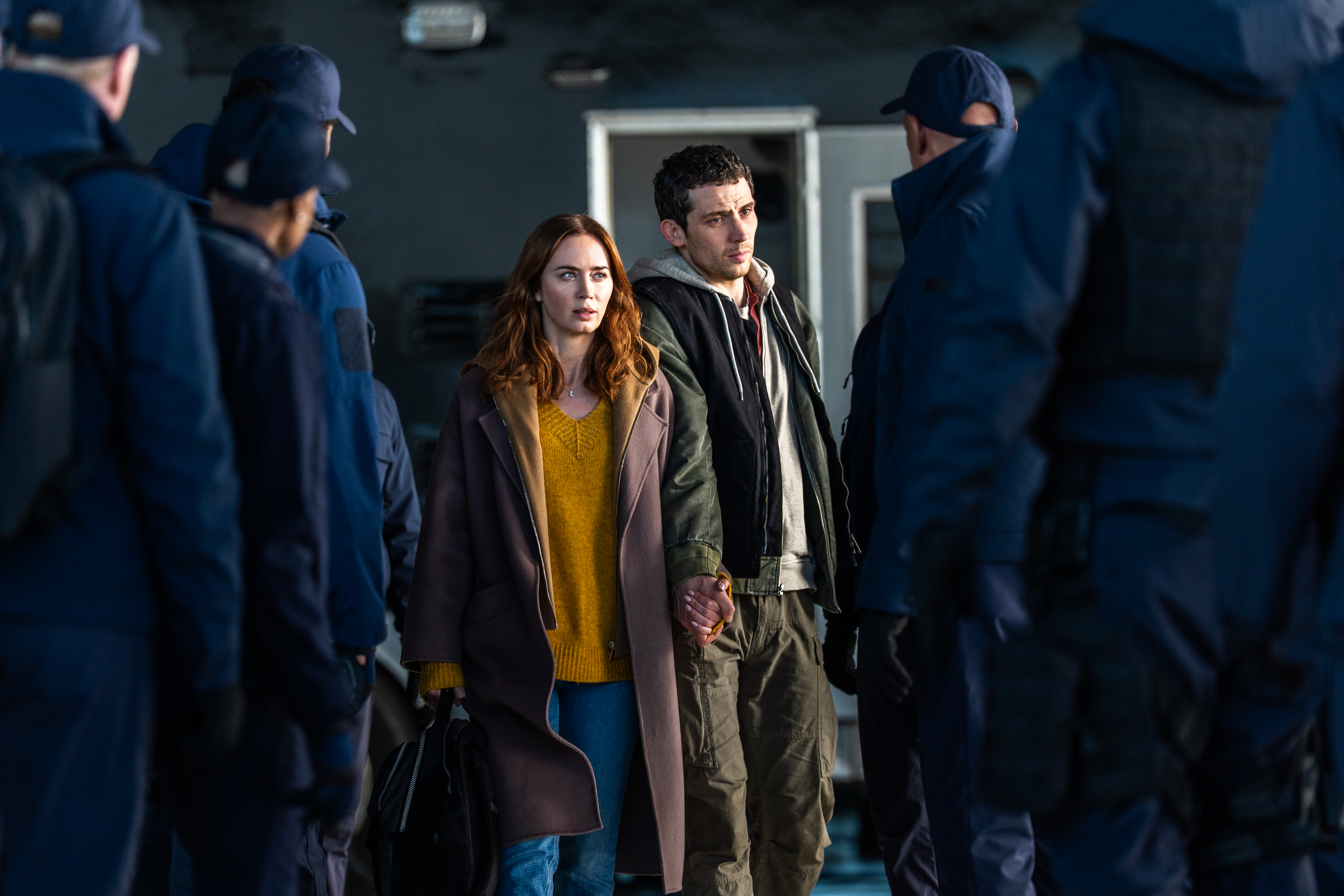
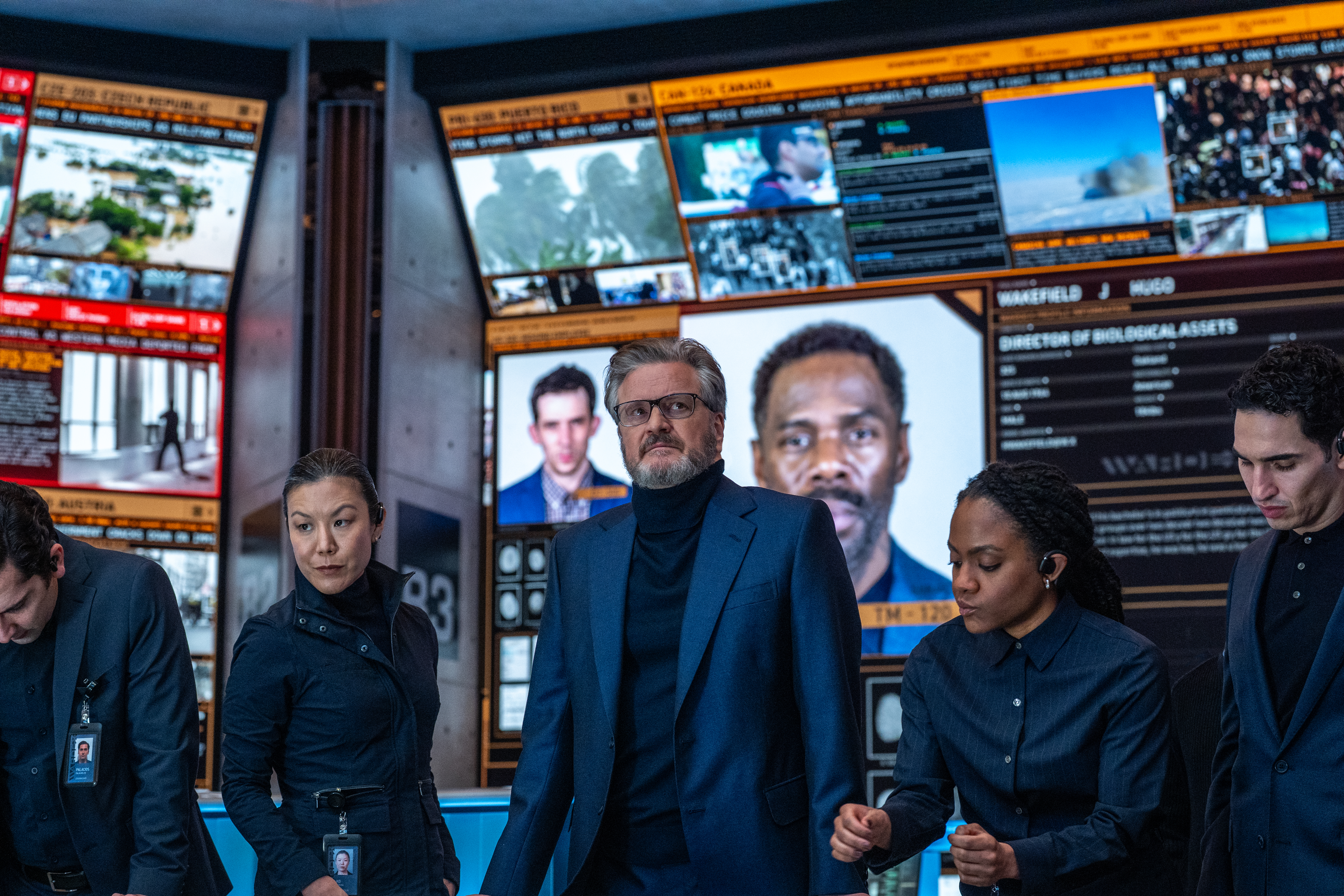
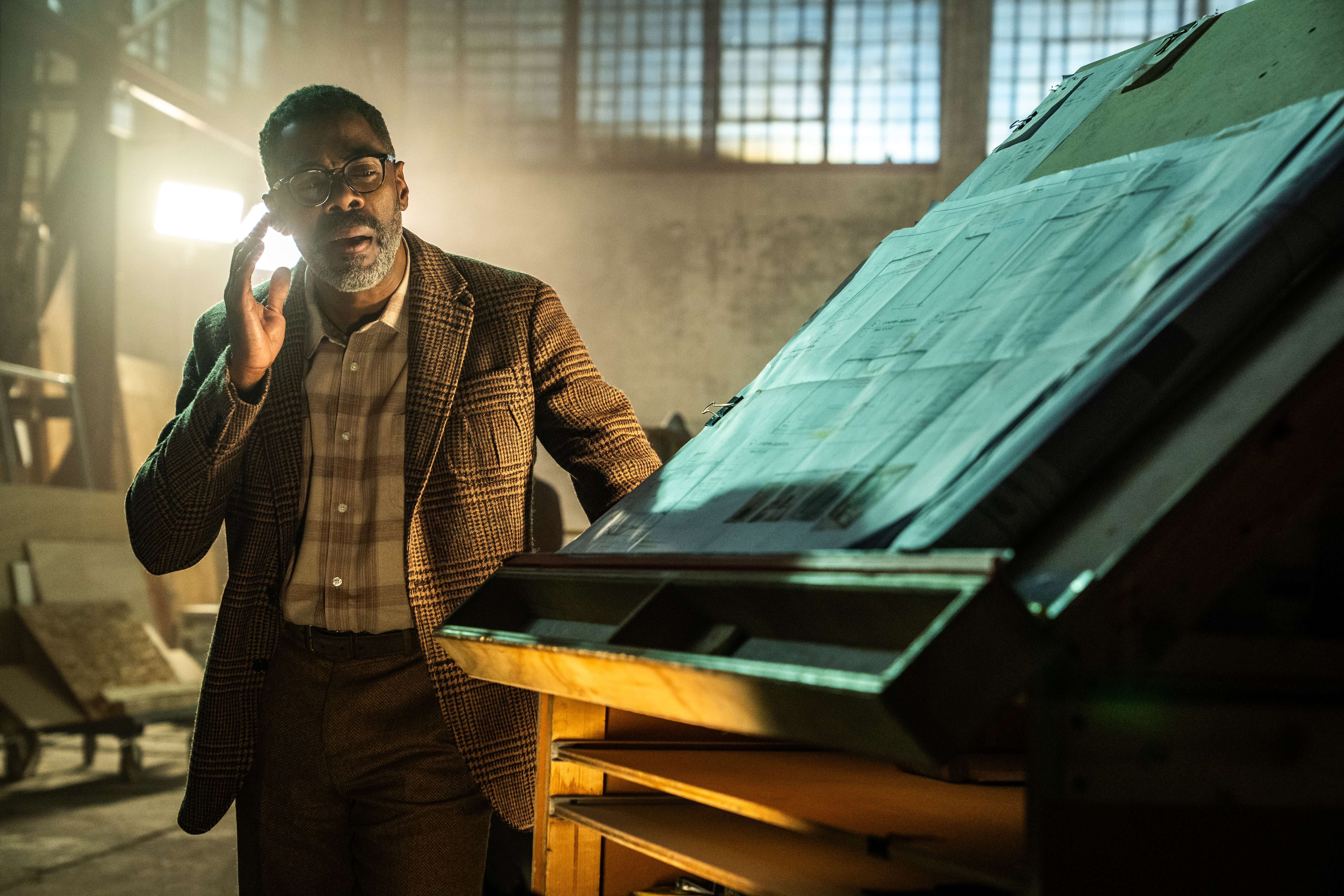
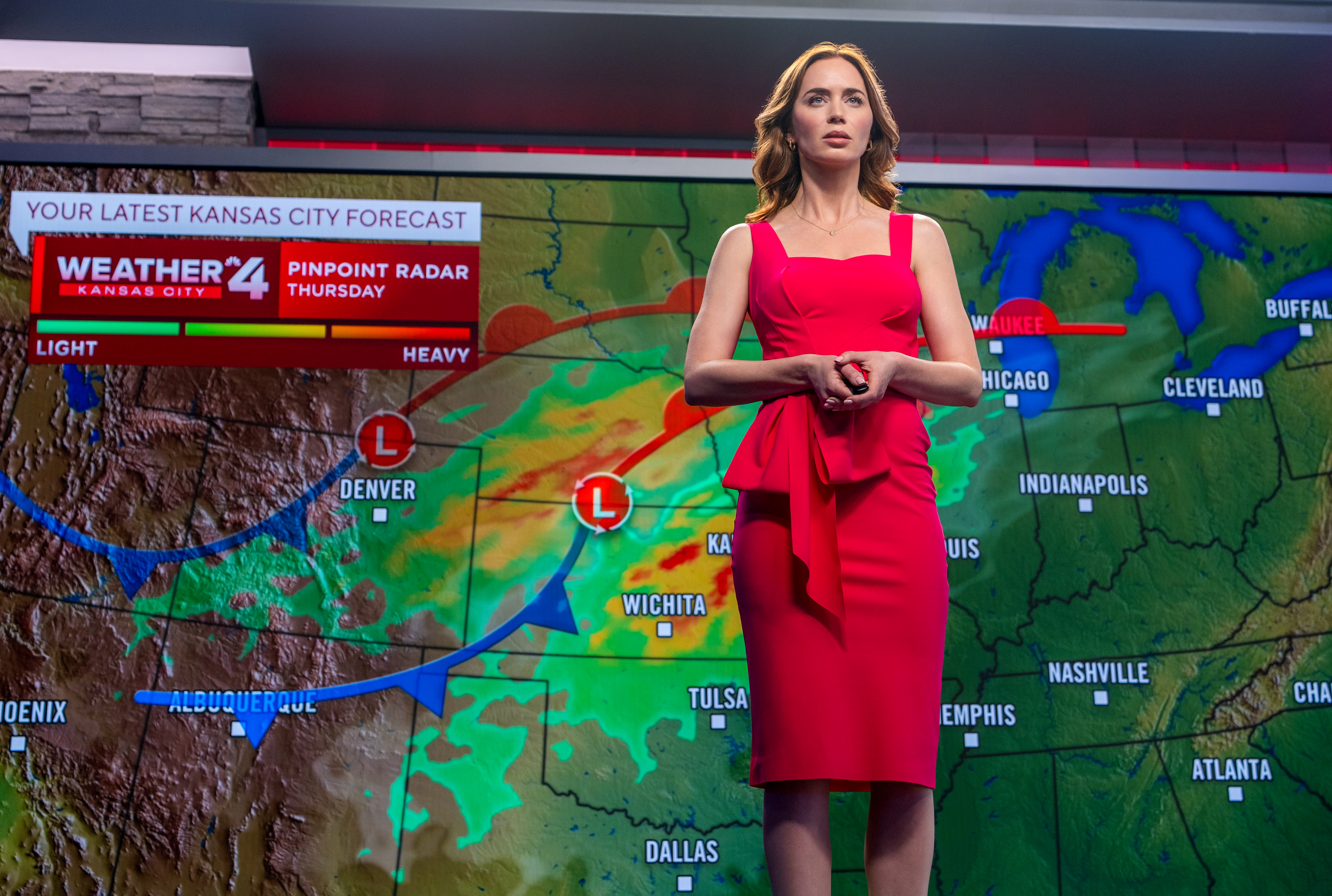
The film primarily focuses on two people, whistleblower Daniel Kellner (Josh O’Connor), who has stolen secrets of extraterrestrial life from a shadowy corporation, and weather reporter Margaret Fairchild (Emily Blunt), whose everyday existence is upended by an encounter with an alien lifeform. This encounter grants Fairchild numerous, vaguely elucidated abilities including the power to read minds and speak in different languages, setting her on a collision course with Kellner, who is in possession of a stolen alien artefact, itself possessed of mysterious properties that the head of military-industrial company WARDEX, the sinister Noah Scanlon (Colin Firth), is desperate to retrieve. Kellner, with his ex-novitiate girlfriend Jane (Eve Hewson) in tow, is planning to unite with other defecting WARDEX employees headed up by the shamanic Hugo (Colman Domingo), who is intent on releasing the secrets WARDEX has guarded for decades to the world.
Steven Spielberg’s magnificent new film is a dizzying, intensely personal continuation of the great director’s lifelong fascination with the question of extraterrestrial life. It’s a shockingly open-hearted and empathetic film that still manages to thrill, particularly in a showstopper final act.
Much of the action of Disclosure Day aligns it more closely to the grounded thrillers of Spielberg’s last few decades like Minority Report, Munich and even The Post, than the expected predecessors of Close Encounters and E.T.. A chase picture at heart, one that pivots around a fairly nondescript MacGuffin, it is also a burdened, weighty film, concerned with the anxiety of the unknown and what responsibility we have to telling the truth, even when said truth may be the spark that ignites a powder keg. The world of Disclosure Day looks very much like our own — a world of escalating geopolitical tensions, the threat of global extinction, empty grocery store shelves and lines at the gas station. In times like these, even the very real revelations that exist in our world are frequently met with a shrug: what does it matter if there’s life on other planets if I can’t pay the rent and we’re sacrificing the stability of our world for the whims of a few mega-rich slumlords? The argument that Disclosure Day makes is that tuning out is akin to turning off our empathy, the thing that sets us apart from the animals. By noticing the changes of enormous magnitude around us, we reaffirm our own significance in the world. The cynic in me was ready to dismiss this as cornball, but the tears on my face suggested otherwise.
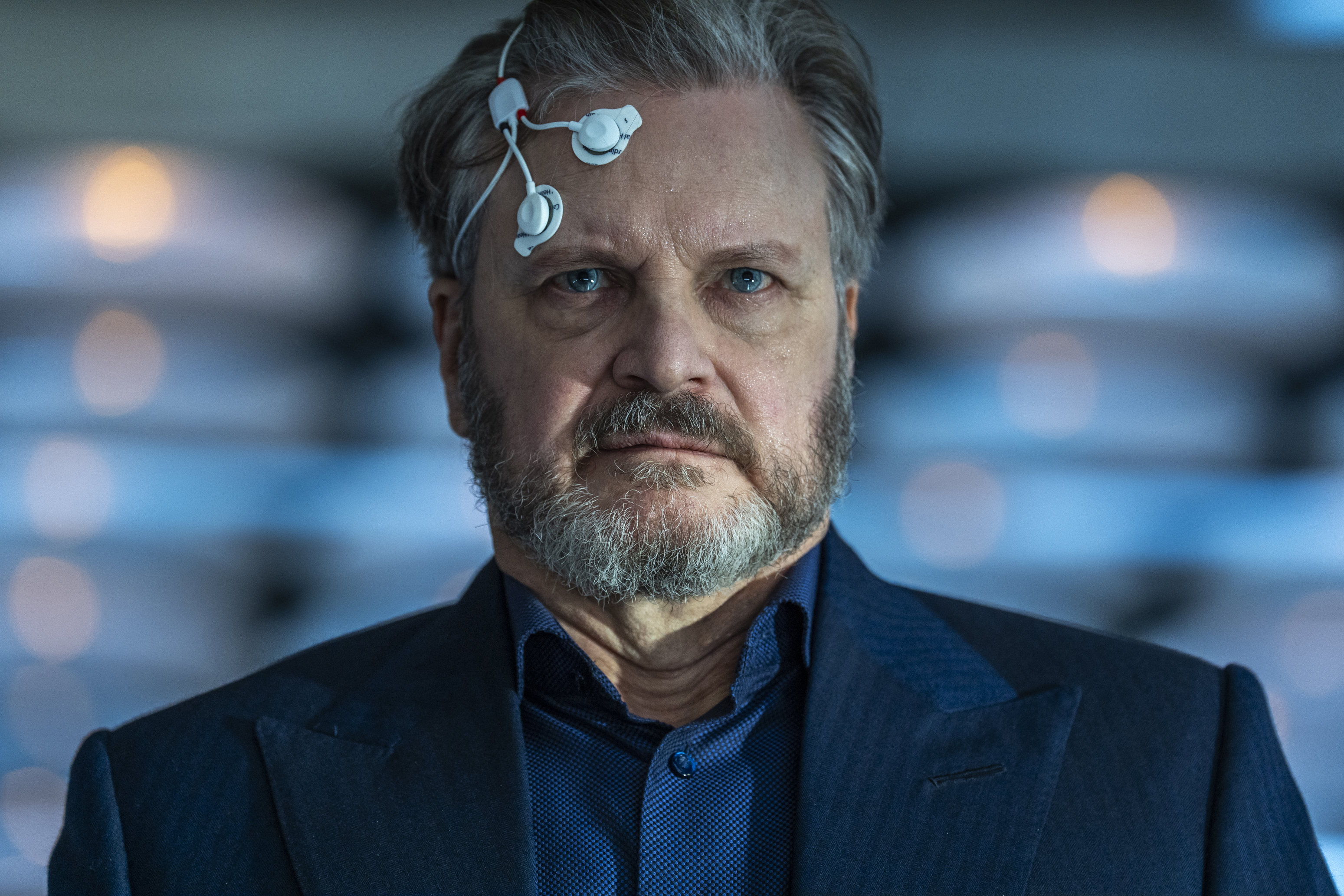
Disclosure Day is therefore one of Spielberg’s most generous, personal films. Essentially every character in the film is wrestling with the consequences of free will — for some, like Jane, it is whether faith in God can survive such a revelation, while for Fairchild it is ambivalence about the messianic proportions that she will assume as an interlocutor for an alien race. Even as these characters — kooks and oddballs all — are saddled with occasionally hamfisted dialogue (or, in the weakest moment in the film, a clunky, mealymouthed monologue from Hugo), the actors delivering them turn in some of the best work of their career. Specifically Blunt: there is an early sequence which requires the actress to switch effortlessly between a range of languages while bustling in a panic around a news studio. It’s a disorienting moment, one that Blunt plays perfectly, her Fairchild recognising something is wrong but trying to convince herself that all is well. O’Connor plays something of a second fiddle here, but the young actor remains a compelling presence. In supporting turns, Firth and Domingo are given decidedly stranger parts to play than viewers may be accustomed to seeing, particularly Firth, whose menacing cad of an overseer has an uncanny quality that feels totally new in the British actor’s body of work.
This all culminates in a gangbusters final third which held me arrested by its intensity, as the promise of the title reveals itself. For me it triggered existential terror and awe. The idea that a conspiracy theory could one day be proven true is one that can be easy to consider in the abstract — when it actually achieves reality, though, it can have a warping effect on the narratives that hold our lives in check. Were it to be true that Stanley Kubrick shot the Moon Landing, or that the CIA killed JFK, or Shakespeare never wrote his own plays, what other dominoes would fall in the aftermath? The world that we know feels like it’s fraying, constantly, but there is comfort and myopia alike in the assumed norm. Disclosure Day captures better than almost anything I’ve seen the feeling of the floor falling out from underneath you in an instant, imagining what it would be like to see something that changes the fabric of your reality through a TV screen or a mobile phone. Because this is Spielberg, the reveal is captured with a sense of wonder, a measured optimism that feels totally daring in our cynical times. I imagine as many will reject it outright as embrace it wholeheartedly. As a final statement on a subgenre Spielberg redefined at least three times over, it is one of the most profound of his career. It is a touching sentiment, Spielberg’s absolute faith in the holy power of the truth, the kind of old-fashioned notion that doesn’t get much play in the modern day. What Spielberg believes in, ultimately, is the importance of moving images — he is very deliberate in equating the truth of cinema with the all-consuming pull of religion. It is those very moving (literally and metaphorically) images that push the world of Disclosure Day into a new era, one that unites, rather than divides.
Disclosure Day, In Cinemas Now.