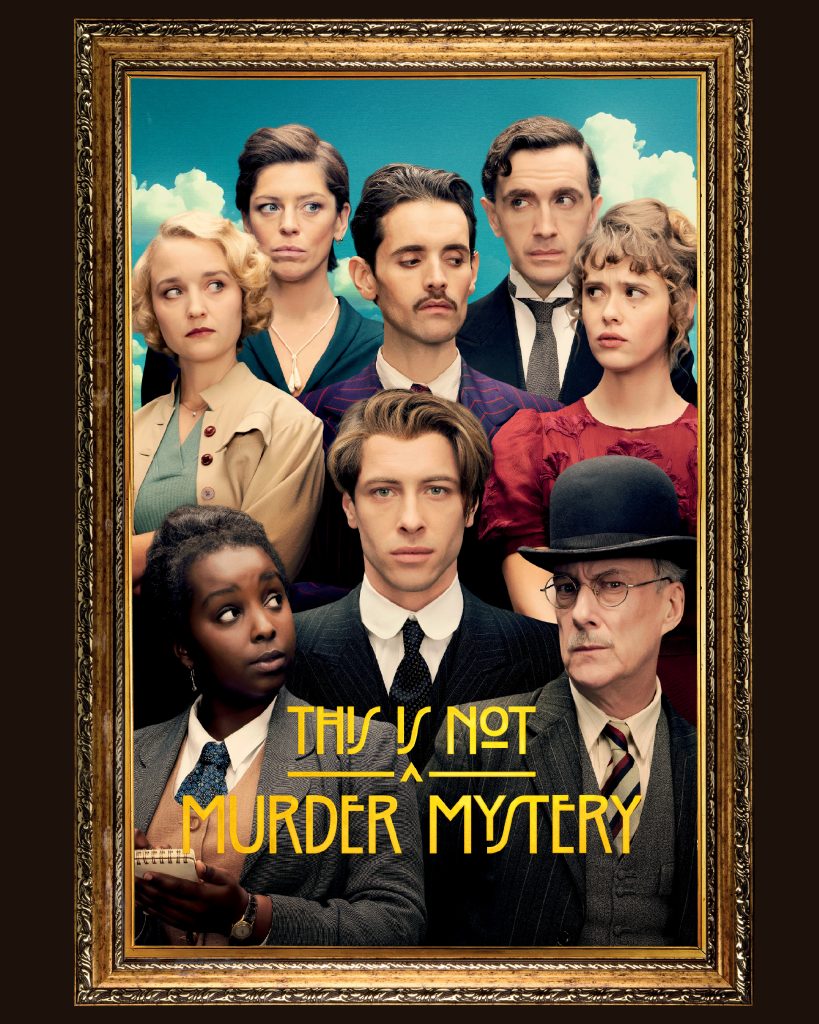
Hans Herbot’s This Is Not a Murder Mystery turns cosy crime into a beautifully dressed lie – part surrealist parlour game, part murder puzzle, and entirely too elegant to be trusted.
Before he began arranging corpses, castles and surrealists with such elegant suspicion, Hans Herbots built his career the practical way: from the ground up. After studying literature, theatre and film at RITS in Brussels, he worked as a director of photography and first assistant director before moving into adverts, documentaries and short films. His short Omelette à la Flamande travelled to more than 20 festivals worldwide and received a special mention from the international jury at Clermont-Ferrand.
Since then, Herbots has become one of Belgium’s most accomplished screen directors, moving between television drama, noir, literary adaptation and international series with an enviable lack of fuss. His work includes The Divine Monster, The Spiral, The Treatment, Ritual, Riviera, COBRA, The Serpent, No Escape and Paris Has Fallen.
Now, with This Is Not A Murder Mystery, he turns his eye to 1930s surrealism, murder, Magritte, Dalí and the delightful inconvenience of a corpse in very artistic company.
There is something wonderfully indecent about calling a television series This Is Not a Murder Mystery and then beginning, almost immediately, with a corpse.
It is the sort of title that arrives wearing gloves, pretending not to know where the body is buried, while quietly standing on the shovel. Hans Hans, director of the Flemish series now showcasing on Rialto Film Channel, understands this game perfectly. The denial is the invitation. The misdirection is the champagne. The murder, darling, is merely the first course.
“The denial is the invitation. The misdirection is the champagne. The murder, darling, is merely the first course.”
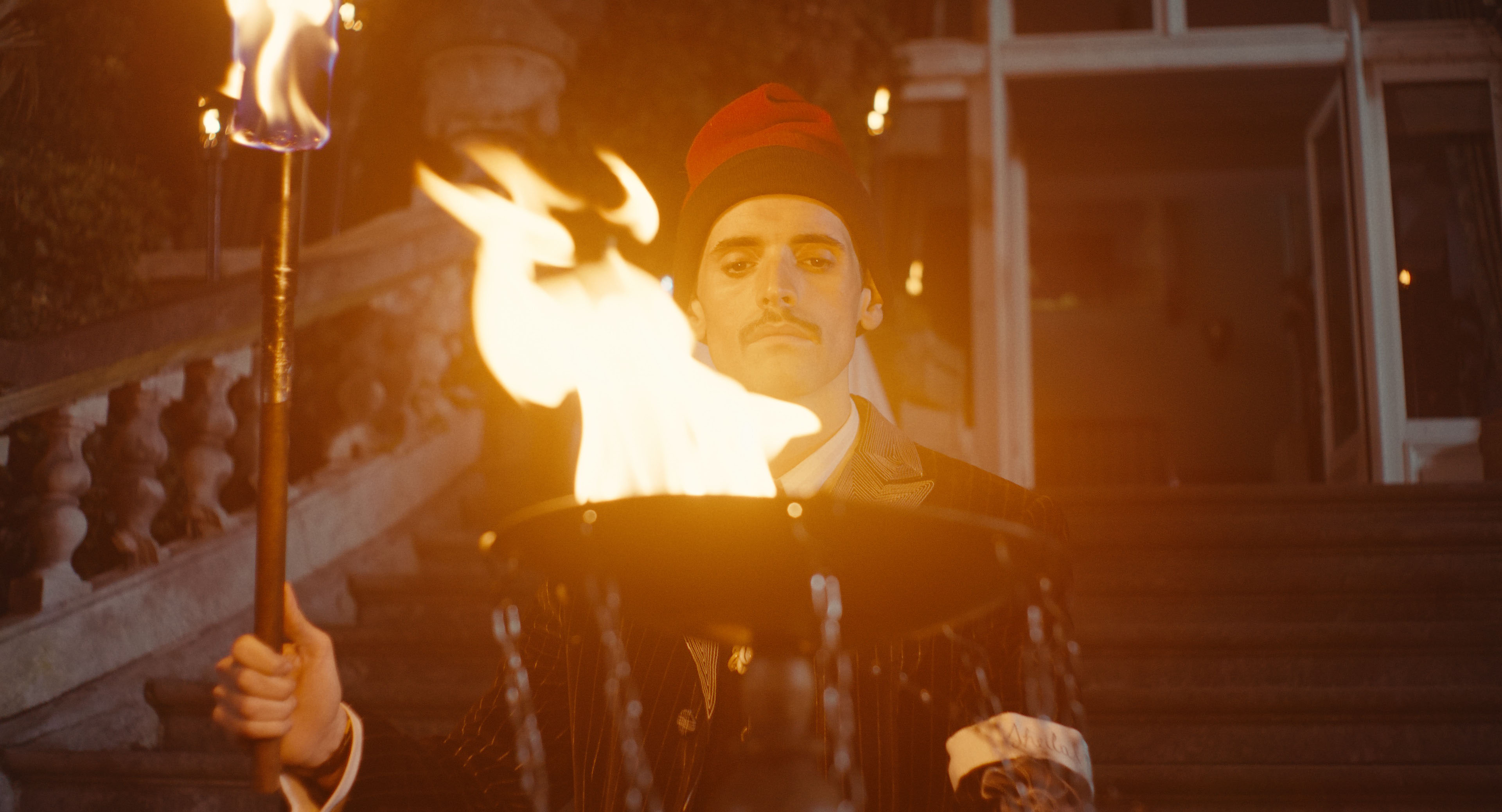
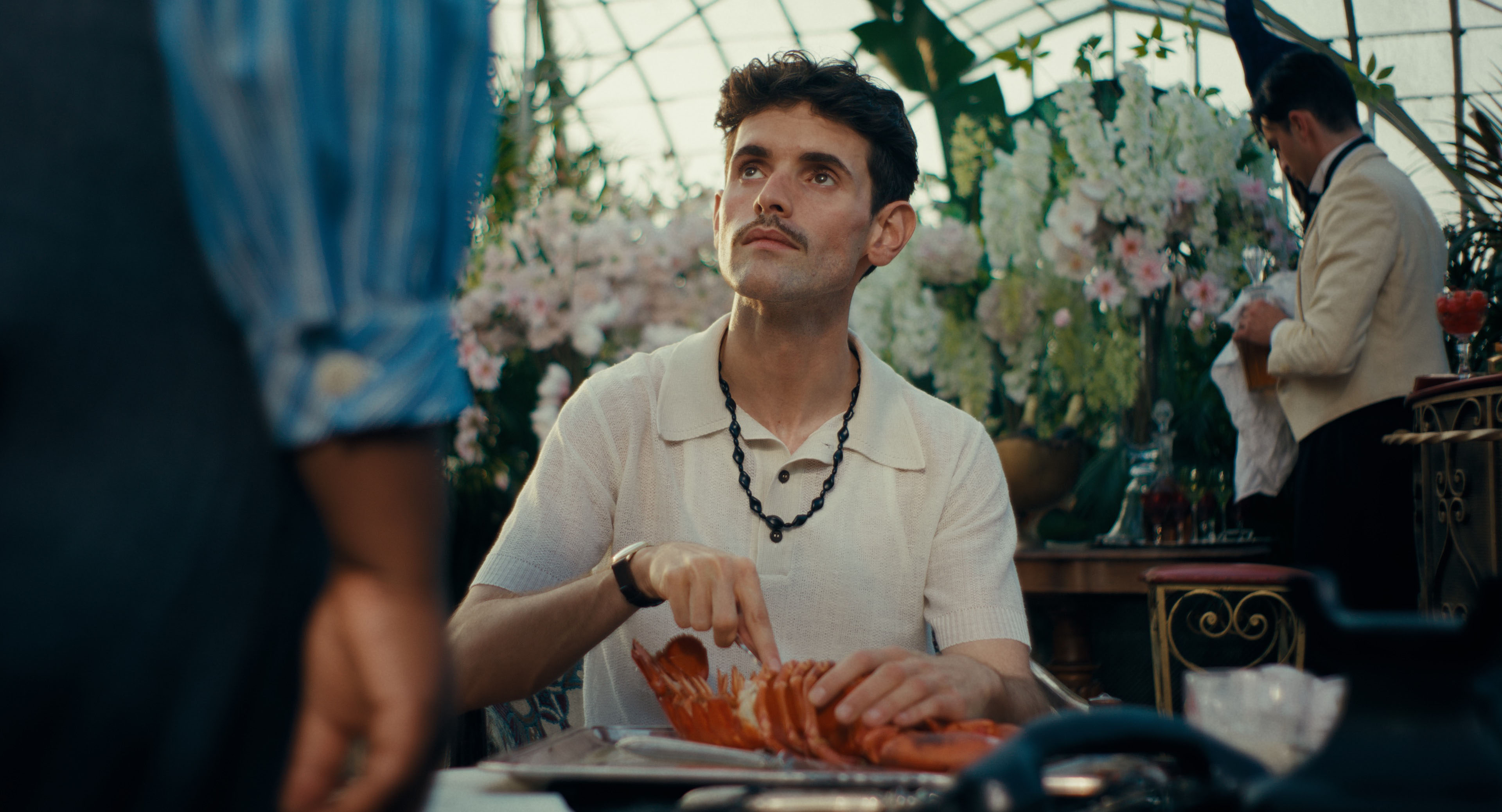
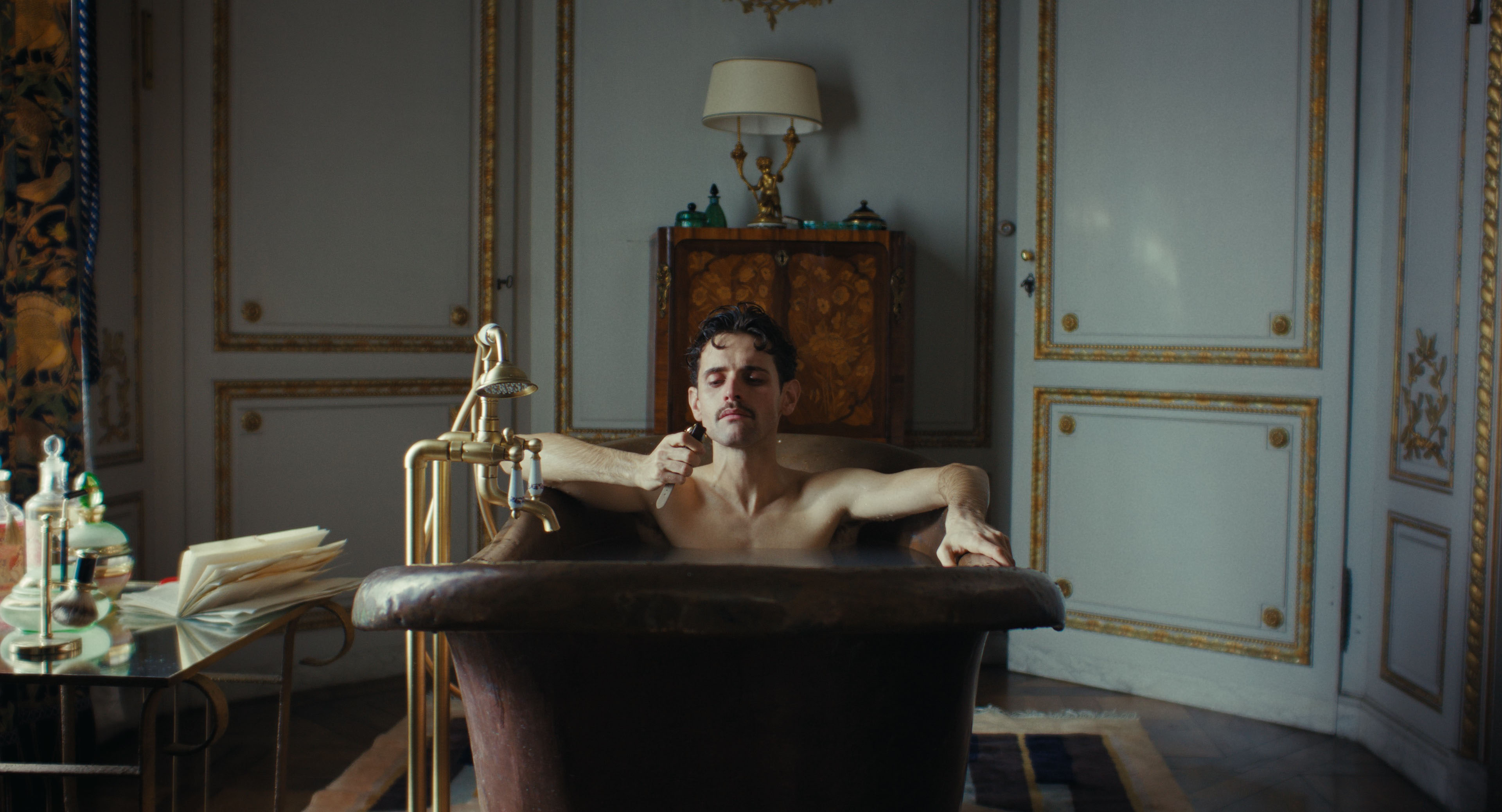
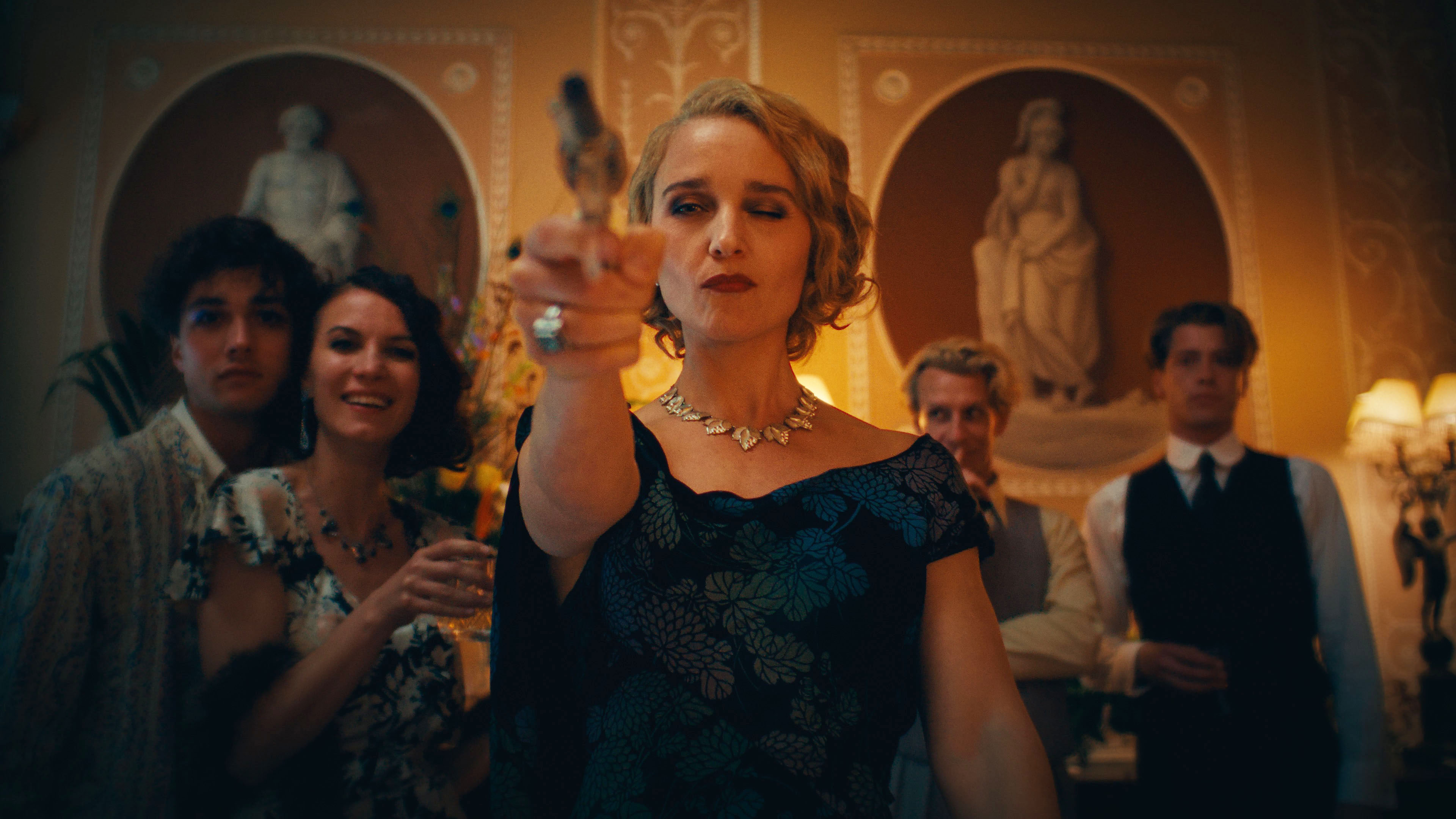
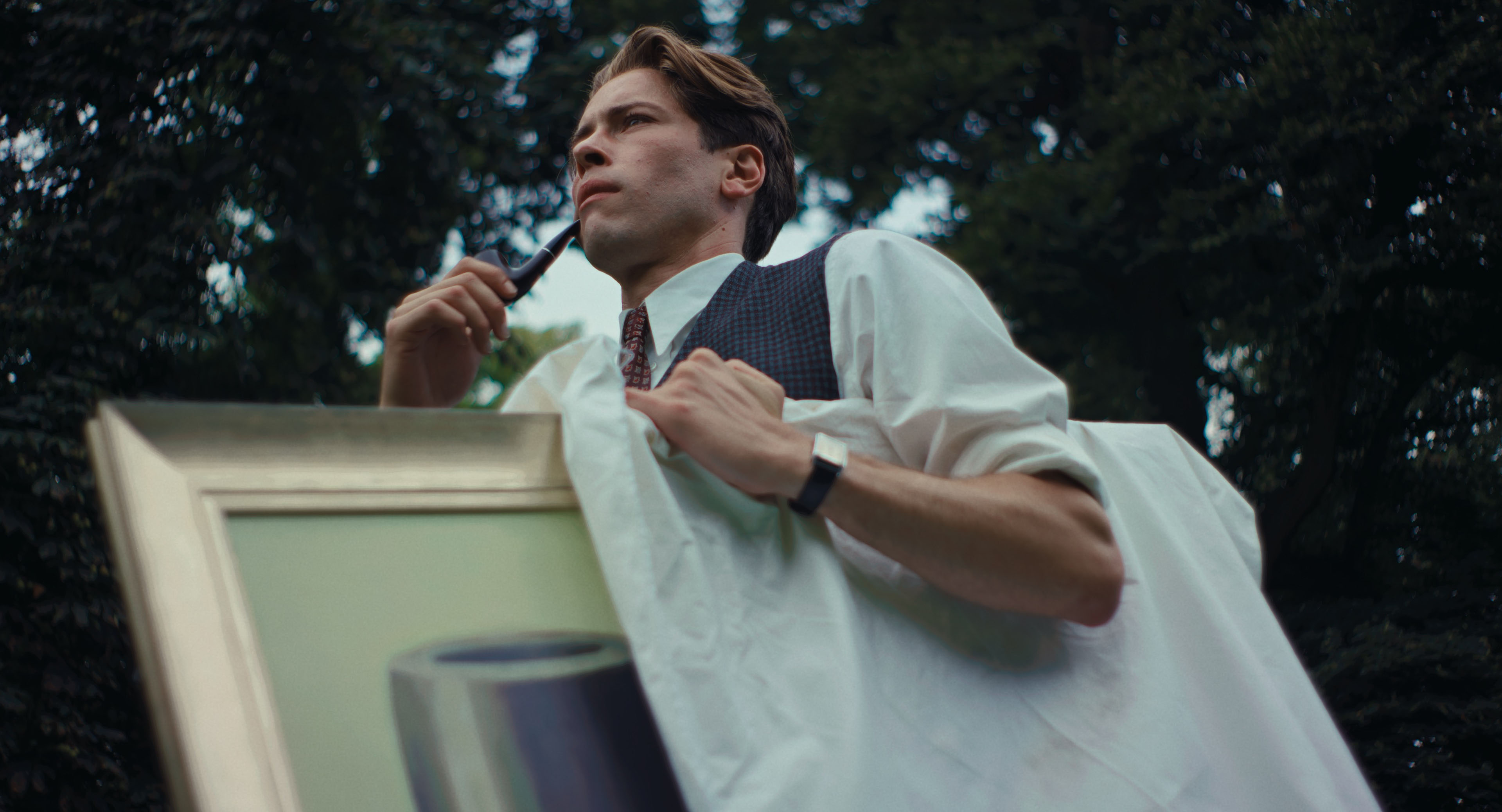
Hans was drawn to the project because it offered that rare and delicious box of tricks: a murder mystery, a puzzle, a house full of egos, and a cast of artists the world thinks it knows. René Magritte. Salvador Dalí. Max Ernst. Icons, yes – but icons before history had polished them into museum labels. Here they are not yet laminated by fame. They are ambitious, vain, vulnerable, competitive, brilliant, frightened, flirtatious, and possibly dangerous. In short, perfect dinner guests, provided one has hidden the knives.
The opening image is a wicked thing: Magritte waking beside a dead woman, their heads wrapped in shrouds like his painting The Lovers. It is grotesque, elegant and just the right amount of theatrical. Hans describes the process of recreating such images with almost forensic pleasure: the camera rigged above, the bodies placed precisely, the colours of costumes and sheets matched to the painting. Then the shot travels upward, from legs to bodies to the wrapped heads, until suddenly the painting appears on the monitor – no longer still, no longer safely framed, but alive and implicated.
“Art does not merely decorate the mystery. Art becomes evidence.”
That is the trick of the series. Art does not merely decorate the mystery. Art becomes evidence. Sometimes the discovered images seem to become the paintings later. Sometimes the paintings appear to influence the murderer. It is a very stylish chicken-and-egg problem, though naturally with better tailoring.
Hans has compared television to building a neighbourhood, while film is building one beautiful house. But with This Is Not a Murder Mystery, he seems to have built something grander and more suspicious: a castle with too many corridors, too many closed doors, and rather too many geniuses peering out of the windows. Because this is a six-part story with one lead director guiding the creative vision, it has the sweep of television but the concentration of film. A special house, he says. One might say a beautiful trap.
“A castle with too many corridors, too many closed doors, and rather too many geniuses peering out of the windows.”
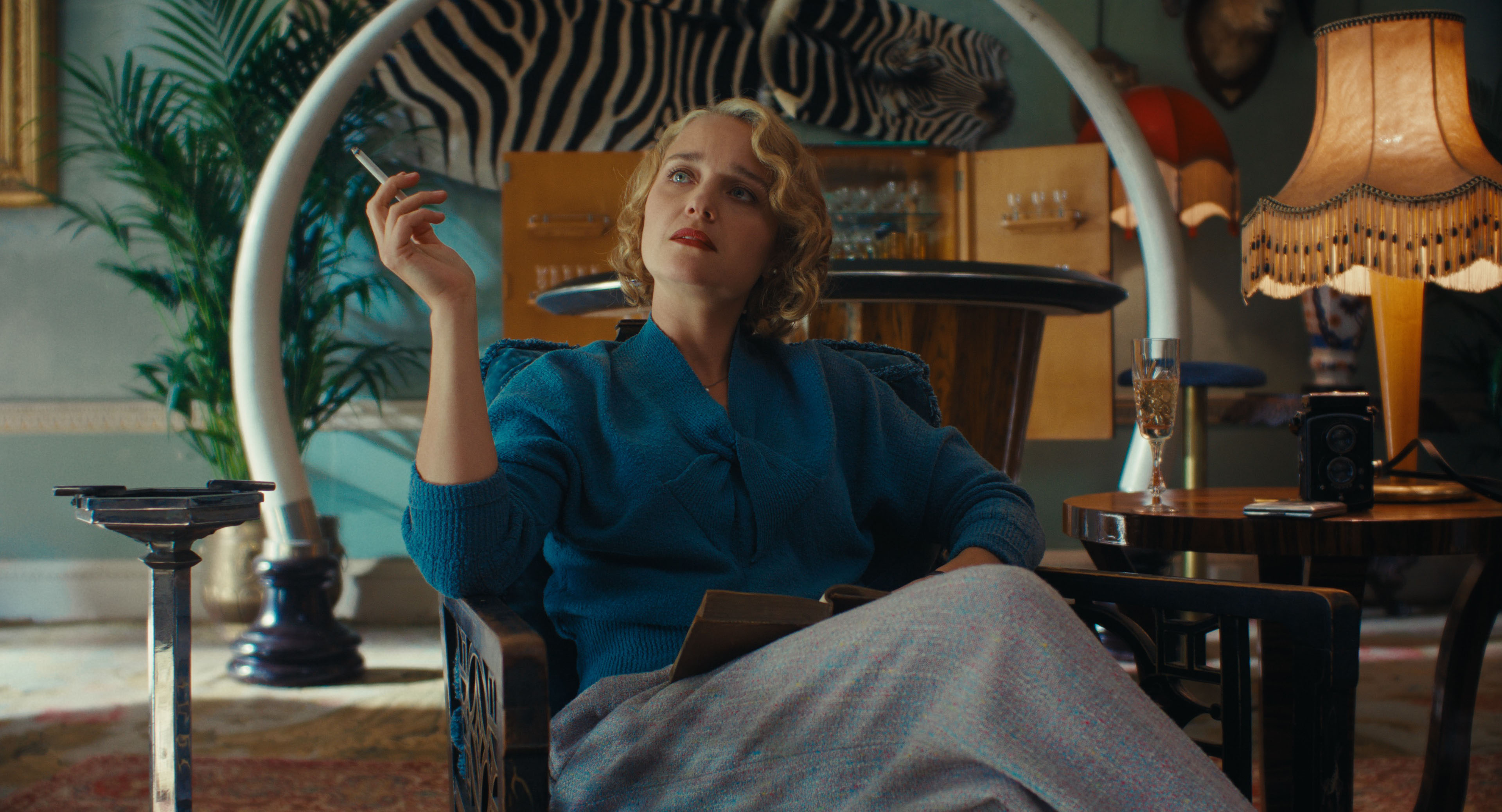
The setting matters. A murder mystery requires enclosure. A grand estate is not merely a location; it is a pressure cooker with chandeliers. The artists must be able to meet, escape, overhear, desire, compete, accuse and perform. Hans and his team searched carefully for the right estate, somewhere large and beautiful enough to make these collisions feel inevitable. Behind every object there had to be a story. Behind every elegant surface, a little rot.
This is cosy crime, yes, but cosy in the way a velvet sofa might be cosy shortly before one discovers a corpse behind it. Hans calls it a European version of the murder mystery – one that allows more darkness, psychology, religion and unease to seep in through the wallpaper. Music, he says, became essential to shifting tone: suspense when needed, fragility when the characters expose themselves, darkness when the killer’s motives begin to surface.
“Cosy in the way a velvet sofa might be cosy shortly before one discovers a corpse behind it.”
And then there is 1936. Europe is holding its breath. The series is set outside London, away from the continent, but history keeps pressing its face against the window. Newspapers, background details, stray lines of dialogue – Hitler rising, Nazism gathering, treaties forming, old certainties beginning to crack. The show remains a bubble, but not an innocent one. The artists’ subconscious is not sealed off from politics. It never is.
What Hans seems to relish most is the chance to rearrange reality out in the open. Usually directors do this quietly: disguise a fact, delay a truth, emphasise a gesture, hide the clue in plain sight. Here, because the whole story is about image, truth and illusion, the manipulation becomes part of the pleasure. It is murder mystery as art criticism, surrealism as parlour game, television as a beautifully dressed lie.
“It is murder mystery as art criticism, surrealism as parlour game, television as a beautifully dressed lie.”
In my view, This Is Not a Murder Mystery works because it understands that beauty is never harmless. It flatters the eye, then picks its pocket. It gives us artists behaving badly, paintings behaving worse, and a corpse that refuses to stay merely dead.
Not a murder mystery?
Of course not.
And that, naturally, is why it is one.
This Is Not a Murder Mystery – New episodes air every Sunday in June at 8:30pm on Sky’s Rialto Channel. Catch up anytime on Sky Go.